

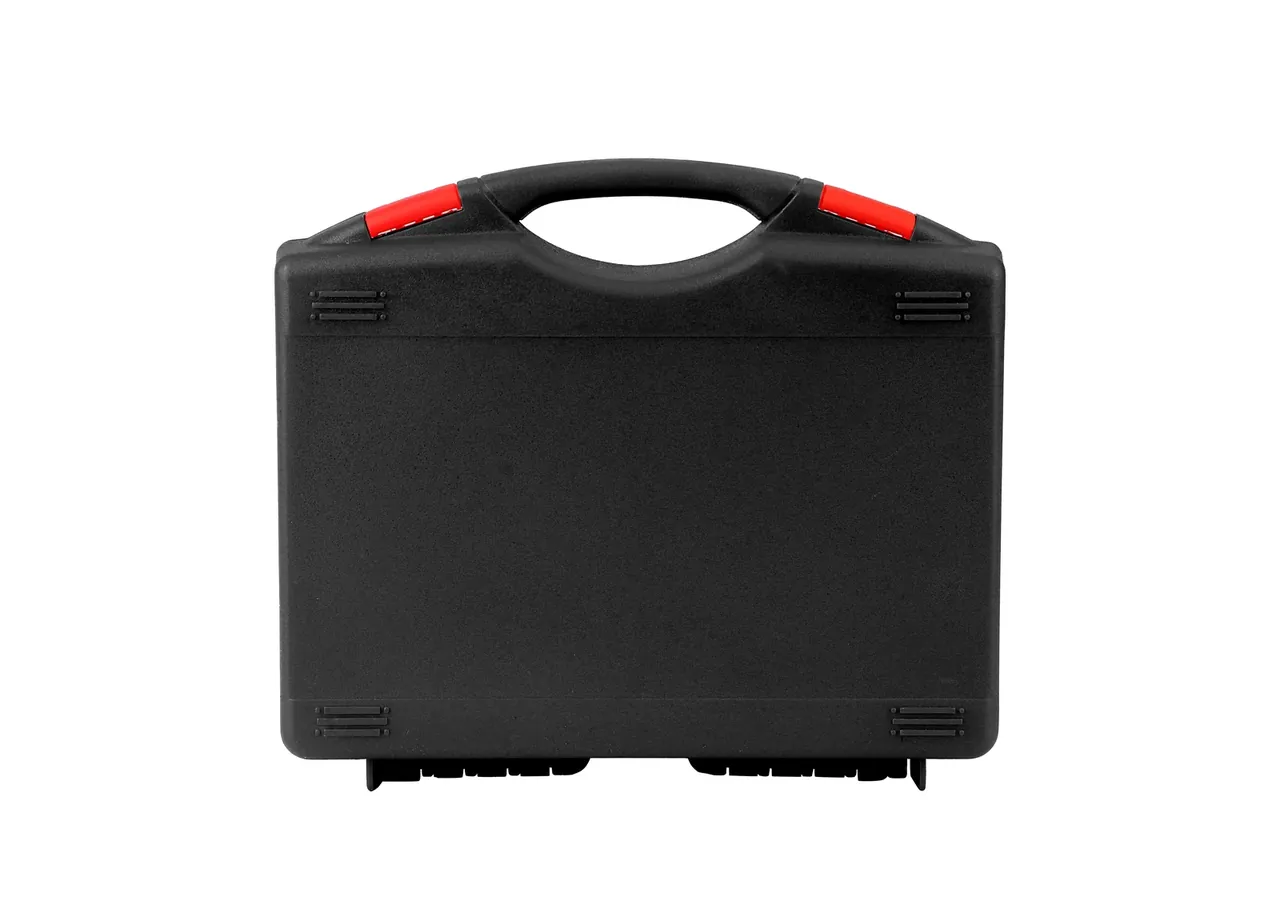
Quick answer: Case Assembly upkeep runs on three lines - appearance, seal, hardware - each with a number behind it: 30-day gasket imprint checks on IP67 units, a 4.2 mm recovery floor, a 300 N latch limit.
Table of contents
- Inspection Intervals Split by Ingress Rating
- Gasket Compression Set and When to Replace
- Hardware Torque Checks and Corrosion Limits
- Cleaning and Drying Without Damaging the Seal
- Hinge and Handle Wear Gap and Fatigue Limits
- Extending Service Life With a Replacement Log
- FAQ
1. Inspection Intervals Split by Ingress Rating
Intervals set by shift rota over-check the daily case and miss the one stored six months. Case Assembly upkeep tiers by ingress rating instead.
| Rating | Reference clause | Visual check | Seal retest | Pass line |
|---|---|---|---|---|
| IP54 | IEC 60529, dust 5, water 4 | Every 90 days | Yearly | No light through joint |
| IP66 | 12.5 mm nozzle, 100 kPa, 3 min per sq m | Every 60 days | Every 6 months | Dry corners |
| IP67 | 1 m depth, 30 minutes | Every 30 days | Every 6 months | Paper stays dry |
| IP68 | Depth and duration by maker | Every 30 days | Every 3 months | Retest as stated |
The tier follows failure mode, not price: an IP54 case fails at a loose latch, an IP67 case at gasket compression and rim flatness.
A visual check is three moves - rim imprint, latch slack, hinge drag - catching eight failures in ten.
2. Gasket Compression Set and When to Replace
The gasket is the only Case Assembly part working by elasticity, so its life shows in recovery, not appearance.
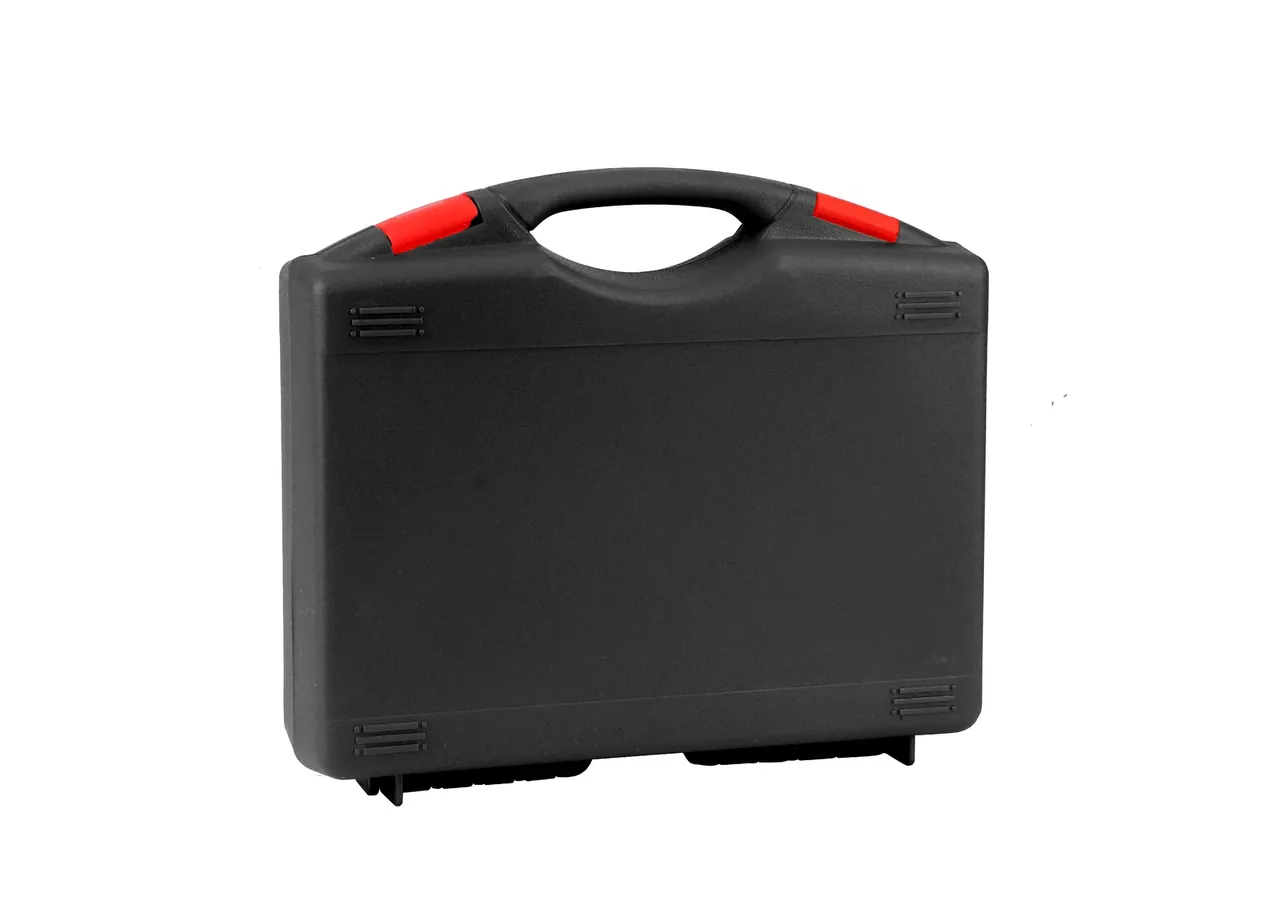
The accepted test is compression set: 25 percent compression at 70 degrees Celsius for 24 hours; above 30 percent is aged out. A year at room conditions costs 8 to 12 percent, in a warm warehouse 18 percent.
On site, pull the gasket, rest it flat 30 minutes, measure: a new 5.0 mm profile above 4.2 mm is fine, 4.2 to 4.0 mm goes on watch, under 4.0 mm is replaced.
Splices leak next: a 45 degree scarf joint must end at body height, while a butt cut leaves adhesive missing at the seam.
3. Hardware Torque Checks and Corrosion Limits
Hardware fails quietly: it loosens, corrodes, then breaks.
| Part | Retest interval | Fail line | Action |
|---|---|---|---|
| Hinge pin | Every 6 months | Gap above 1.2 mm | Replace pin |
| Handle mount | Every 6 months | Below 4.6 N·m | Retighten to 5.5 N·m |
| Latch | Every 12 months | Below 300 N | Replace as pair |
| Nameplate rivet | Every 12 months | Cracked flange | Re-rivet |
A retest takes 85 percent of the first value as its floor. An M6 bolt at 5.5 N·m that turns below 4.6 N·m has lost preload.
Corrosion is judged by area: after three years, 5 percent of a batch takes 96 hours of salt spray, and red rust over 5 percent of visible metal replaces the batch.
4. Cleaning and Drying Without Damaging the Seal
Cleaning done wrong harms a case more than no cleaning.
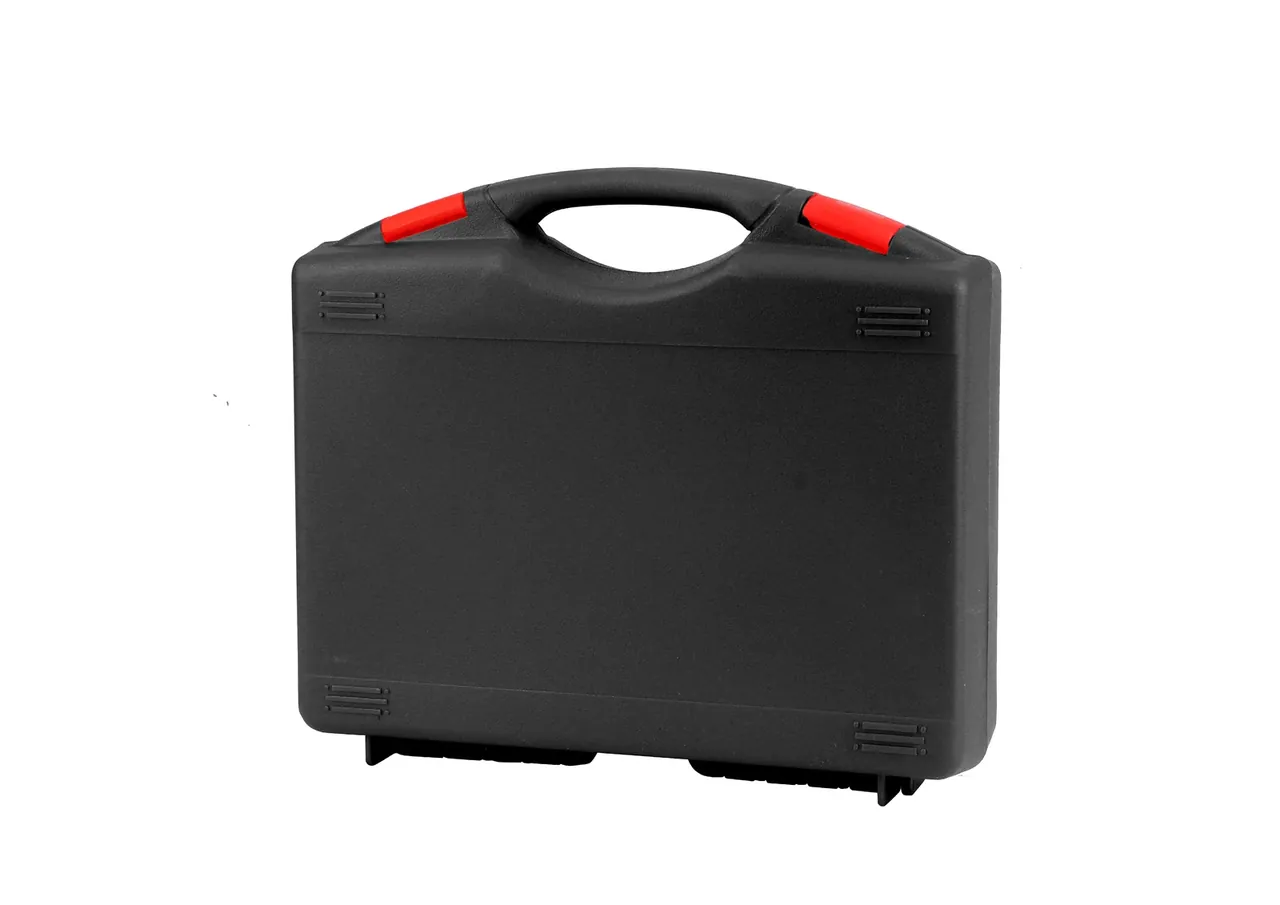
Water tops out at 40 degrees Celsius, above which PP softens and wiping polishes shiny patches. Detergent above pH 10 strips plasticiser from the EPDM, which whitens and hardens. Rinse below 0.4 MPa from 300 mm, or a jet into the rim lifts a gasket corner and cancels the Case Assembly seal.
Four steps, in order:
- Rinse the foam separately, air-dry it away from sun;
- Wash the body between pH 6 and pH 8, working rim and latch seats;
- Stand the case inverted 30 minutes to drain the groove;
- Wipe rim channel and hinge pins dry before closing.
Steam, acetone and lacquer thinner stay away: heat deforms the gasket, solvents crack PP at latch seats.
5. Hinge and Handle Wear Gap and Fatigue Limits
Each open-close cycle removes material from pin and bore, and after 5000 cycles a healthy case holds an axial gap under 0.6 mm. Past 1.2 mm the lid sinks and the rim turns wedge-shaped, so front compression runs about 30 percent above the rear. The gasket is crushed at one end and barely touched at the other. Close the case, sight along the seam, press each corner: one sinking more than its diagonal opposite confirms it. Replace the pin rather than reaming the bore, which thins the boss wall. A handle loaded with 25 kg for an hour should settle within 2 mm. Travelling cases add an hour of axial vibration per MIL-STD-810H, then a torque retest.
6. Extending Service Life With a Replacement Log
A log is a life-extension tool, not an auditor form.
Four columns suffice: part number, install date, last verdict, next verdict. Above 200 units, log by batch.
Replacement parts must match material and batch, or a 2 to 3 percent compression gap leaves one edge of the Case Assembly slack.
Conclusion
Case Assembly upkeep follows one line: the visual check finds cases starting to fail, the retests find cases that already have, and the log joins both verdicts into a timeline. Four numbers - section height, torque, holding force, gap - draw the border between repair and replacement, and that habit extends the life of a Case Assembly.
This article discusses only the container (case body) side of specifications and design intent, and does not cover any handling, loading or use of the contents.
Related Reading
- Sealing and opening checks for war reserve cases
- Wheel and handle upkeep on hard-shell suitcases
- Derusting and seal retests for metal ammunition boxes
- A monthly service list for injection moulding machines
- Earthing and lock inspection for explosive storage cases
Related Products
- 8 Series — Gun Cases; Military Equipment Cases; Camera Equipment Cases; Drone Cases; Watch Cases; Knife Cases; First Aid Cases; Electronics Equipment Cases
- WL8-2812 PP Gun Case — model WL8-2812
- All protective cases and toolboxes: 7 series, 158 models