

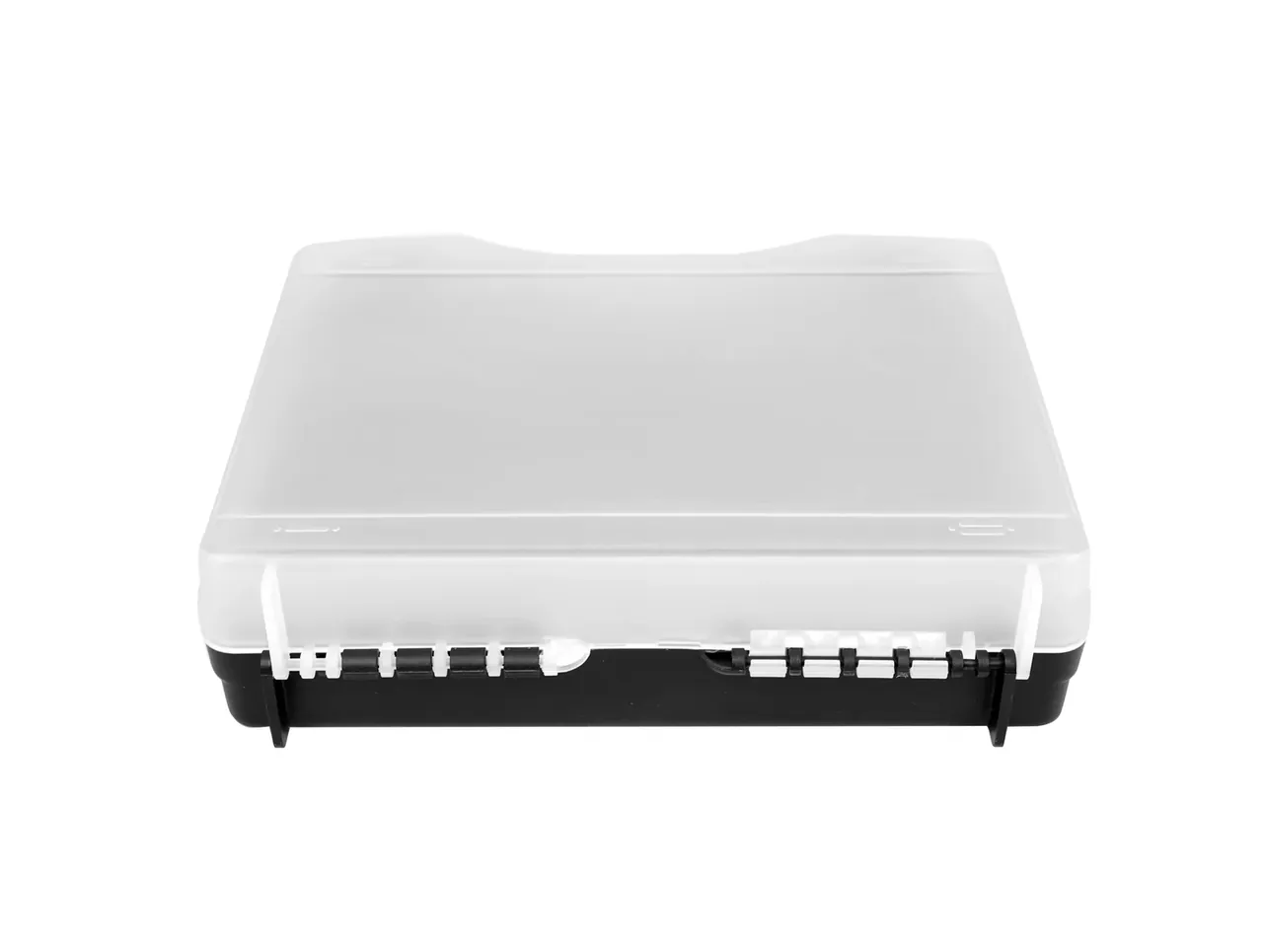
Quick answer: A case injection molding machine suits batches above a thousand pieces, internal sizes under 800 mm and walls of 2 to 5 mm. Below 300 pieces, past 800 mm or above 6 mm of wall, rotomoulding, sheet metal and vacuum forming cost less.
Table of contents
- Volume first: where the cost crossover sits
- Past 800 mm internal: why rotomoulding wins
- All-electric versus hydraulic: when the premium is wasted
- Two-shot presses and second operations: skip the turntable
- FAQ
1. Volume first: where the cost crossover sits
For a 400 × 300 × 150 mm case, an injection mould is quoted at 120,000 yuan and the part lands at 62 yuan in material and machine time. A rotational mould costs 28,000 yuan with the part at 145 yuan. The lines cross at 1,400 pieces; below that the moulding route cannot amortise its tool.
Tooling spreads over life: 120,000 yuan across 100,000 parts is 1.2 yuan each; across 300 parts a year, 400 yuan each, more than the material.
Prototyping adds a layer: a simple tool at 22,000 yuan proves the structure over 30 parts, where the rotational route needs 4,000 yuan for the same check. Past three revision rounds, the trial cost closes the tooling gap.
| Volume band | Better route | Unit cost | Break-even test |
|---|---|---|---|
| 300 to 1,400 | Rotomoulding or vacuum forming | 145 yuan | 20-day lead time against 55 |
| 1,400 to 20,000 | Single-cavity moulding | 62 yuan | A 25-minute changeover absorbs the tool |
| Over 20,000 | Four-cavity moulding | 41 yuan | Half the labour per part |
2. Past 800 mm internal: why rotomoulding wins
A 900 × 600 × 400 mm cavity has 5,400 cm² of projected area. At 350 kg/cm² that is 1,890 tonnes of clamp force, 2,174 tonnes with a 15 percent margin, on a 28 t mould. Few presses accept it; a 2,500-tonne machine is 8 months away.
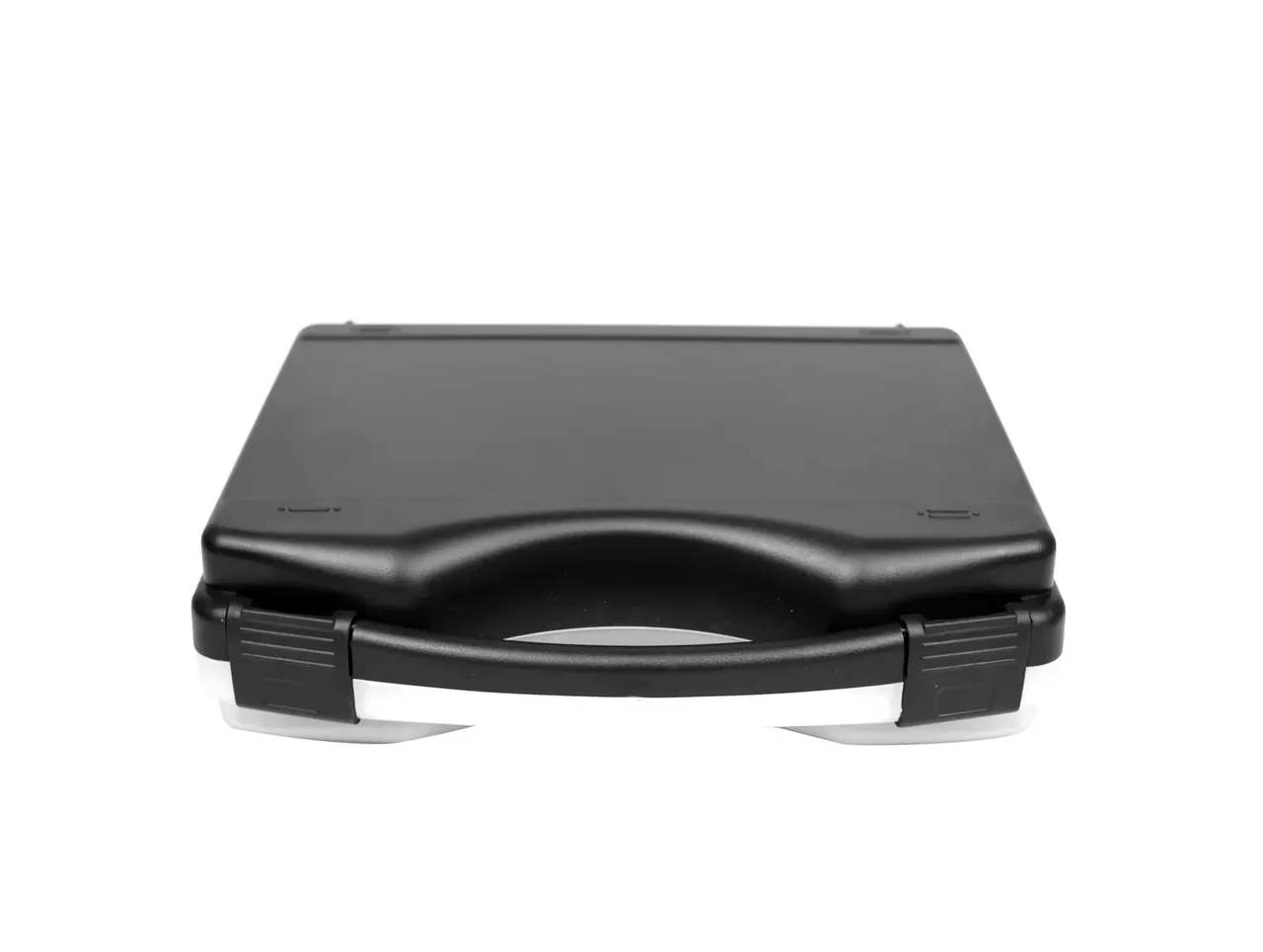
Rotomoulding runs a different sum: a welded steel mould at 30,000 yuan, 20 days, walls of 6 to 12 mm in one shot, 260 yuan for a 1.2 m case. At 200 pieces a year the oven runs four hours; an injection press idles after one day on a 3,000 yuan power bill.
Injection keeps two advantages, ±0.2 mm on dimensions and a 55 s cycle. A case that carries instruments or must survive a 1.5 m drop justifies both; a case for tools does not.
| Measure | Case injection molding machine | Rotomoulding |
|---|---|---|
| Wall range | 1.5 to 5 mm | 6 to 12 mm |
| Economic batch | Above 1,400 pieces | 50 to 800 pieces |
3. All-electric versus hydraulic: when the premium is wasted
At 1,000 tonnes an all-electric press costs 30 percent more, a 600,000 yuan gap. It runs 8 percent faster and draws 40 percent less power; at 20 hours a day and 0.8 yuan per kWh that is 110,000 yuan a year, so the gap takes five and a half years.
Thick parts with long hold times suit hydraulics better: a 4.5 mm lid holding 18 s keeps the servo working throughout, and by the third hour the motor derates.
The line sits at wall thickness and tolerance: under 2 mm with ±0.05 mm and a clean room, the 600,000 yuan is earned; above 3.5 mm at under 50,000 pieces, hydraulics win.
4. Two-shot presses and second operations: skip the turntable
A 1,300-tonne two-shot press costs 900,000 yuan more than the single-shot version, carries a 3.2 t turntable and needs two moulds. One-shot moulding removes an assembly step worth 8 yuan a part, so the gap needs 112,000 pieces to close; at 5,000 pieces a single-shot press is far cheaper.
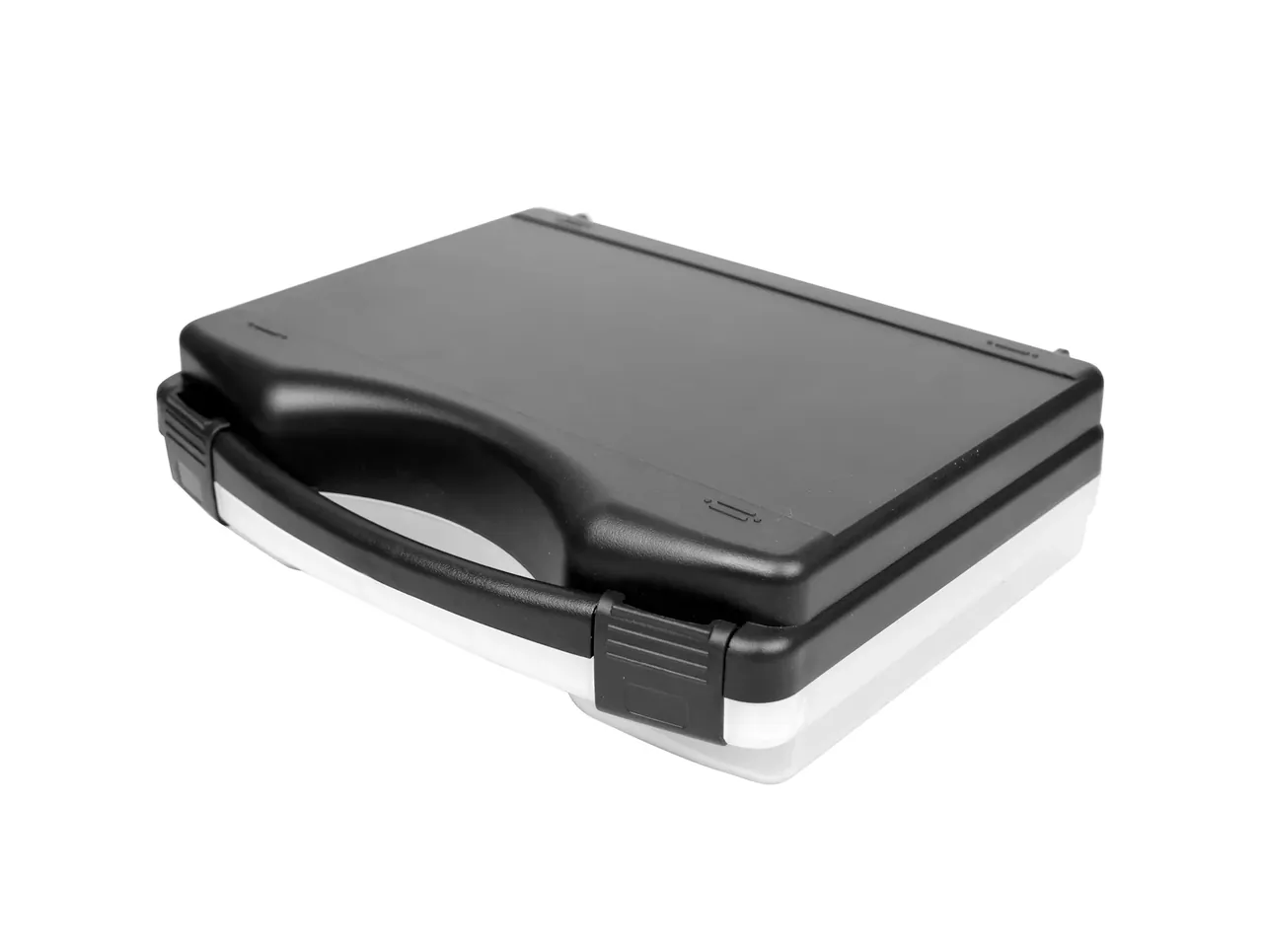
Colour changes cost time too: 2 hours to purge both barrels against 40 minutes on a single-shot machine, and 12 changes a year throws away 24 hours.
Only three jobs need two-shot: two hardnesses in one part, colour zones that cannot be painted, a soft seal over a hard shell. Elsewhere a single-shot route, then ultrasonic welding or insert moulding, runs 2 points better on yield.
Conclusion
Volume, internal size and wall thickness draw the boundary: above 1,400 pieces, inside 800 mm and between 2 and 5 mm of wall, moulding is cheapest; outside it, rotomoulding, sheet metal and vacuum forming each own a band. Saying why a machine is not chosen, before the quote, beats explaining a tool that sits idle, and that is the first test a case injection molding machine should pass.
This article discusses only the container (case body) side of specifications and design intent, and does not cover any handling, loading or use of the contents.
Related Reading
- How tonnage is calculated for a case injection molding machine
- Daily inspection and care for an injection molding machine
- Moulded against rotomoulded protective cases
- Injection against metal for ammunition containers
Related Products
- 8 Series — Gun Cases; Military Equipment Cases; Camera Equipment Cases; Drone Cases; Watch Cases; Knife Cases; First Aid Cases; Electronics Equipment Cases
- WL8-2812 PP Gun Case — model WL8-2812
- All protective cases and toolboxes: 7 series, 158 models