

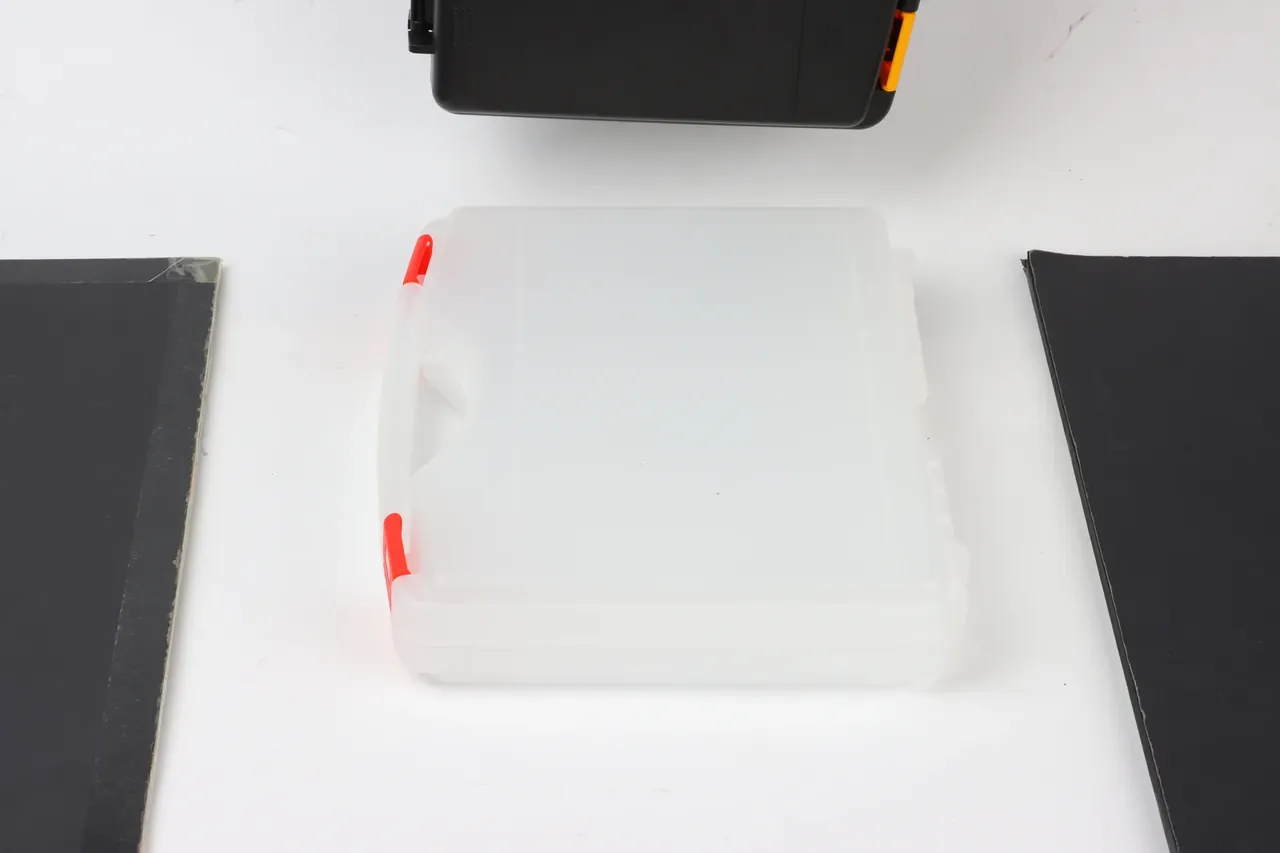
Quick answer: The spread in case internal divider quotes sits in four commercial numbers, not in material. MOQ steps at 50, 200 and 1000 sets, tooling needs owner, storage and modification rights, lead time starts at drawing sign-off plus deposit, and 30 versus 60 day terms move price 2% to 3%.
Table of contents
- Four numbers to lock before price
- MOQ and scheduling in three steps
- Tooling ownership and modification rights
- Samples, first article and lead time
- Reading a quote: four traps and payment terms
- FAQ
1. Four numbers to lock before price
An enquiry reading only quote per drawing draws replies that vary by 100%. The gap is not material but four conditions: MOQ, tooling ownership, lead time and terms. Leave them open and a low price stays a paper number.
The four pull against each other. Push MOQ to 50 sets and price climbs; compress lead time to seven days and cutting goes out of house.
| Condition | Common range | Cost of getting it wrong |
|---|---|---|
| MOQ | 50, 200, 1000 sets | Short runs billed as full batches |
| Tooling ownership | Buyer owns, supplier stores | Tooling cannot move plants |
| Lead time | 5 days sample, 12 days run | Outsourced cutting, burrs |
| Payment terms | 30 or 60 days | Price rises 2% to 3% |
Tooling ownership is skipped most often on signing day.
2. MOQ and scheduling in three steps
MOQ is the smallest economic run. A case internal divider has three tiers: 50 sets for adjustable inserts, 200 for die-cut EVA, 1000 for trays. Below the tier, tooling is billed separately or unit price climbs 30%.
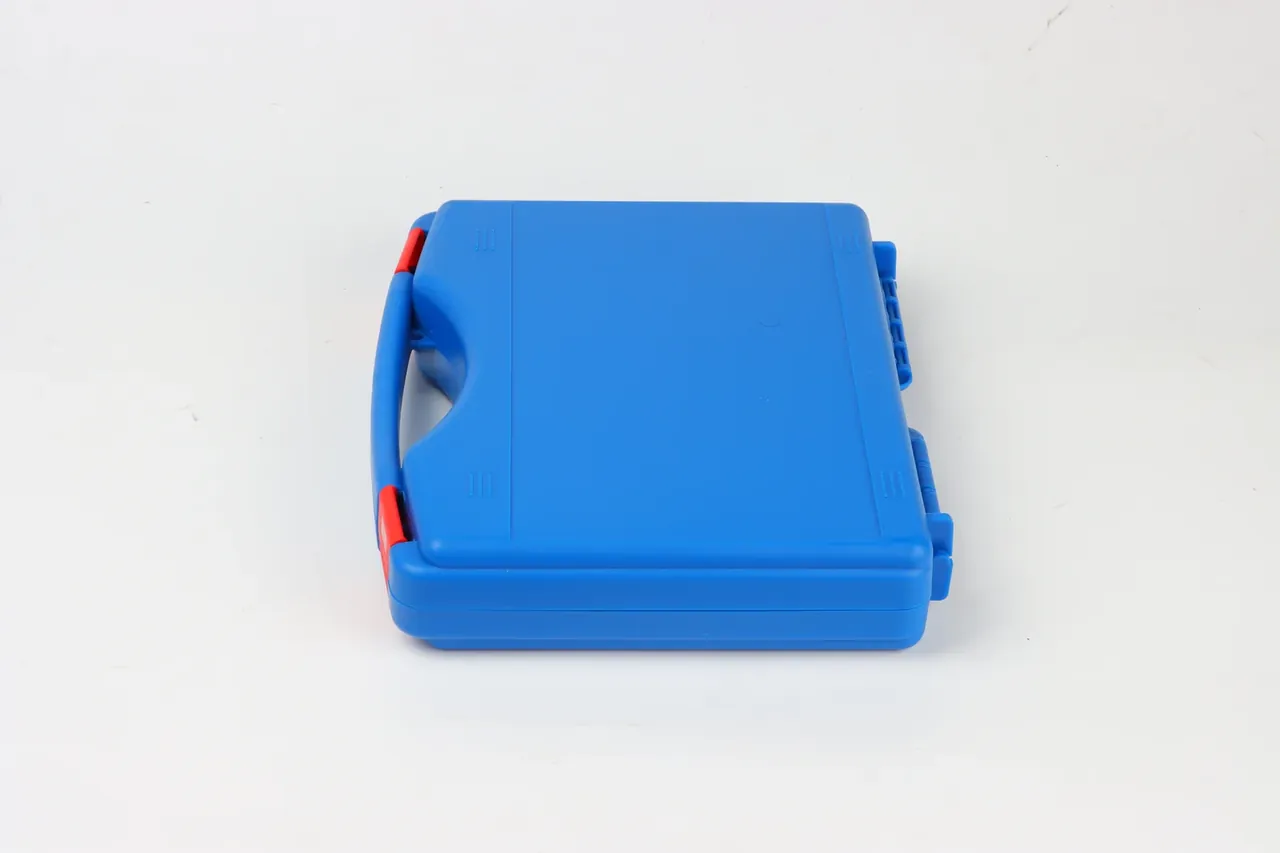
The same EVA liner quoted at 50 sets and at 300 differs by 40%.
| Annual volume (sets) | MOQ often quoted | Real run size | Unit price index |
|---|---|---|---|
| 1 to 50 | 50 | 100 | 145 |
| 51 to 300 | 200 | 300 | 100 |
| 301 to 1000 | 500 | 500 | 78 |
| Above 1000 | 1000 | 1000 | 62 |
Ask whether that is a startup or scheduling quantity. They differ by a tier, and only the second ships.
3. Tooling ownership and modification rights
The clause needs three parts: ownership, storage and modification rights. Ownership passes on full payment, storage stays with the supplier, and outline changes need written approval.
- Transfer: about 800 per move, crate and freight included.
- Life: a die cuts about 100,000 parts, an aluminium mould runs about 50,000 shots.
- Backup: single-source tooling is a schedule risk, so build a second set in year two.
- Register: tool number, build date and shot count, reconciled quarterly.
Saying the case internal divider tooling is included in the unit price proves nothing, because it names no owner. Practical buyers plate the tool number on a tag and ship a tooling card with each batch, recording build date, material, shot count and last service. Past 80% of rated life a backup set gets quoted.
4. Samples, first article and lead time
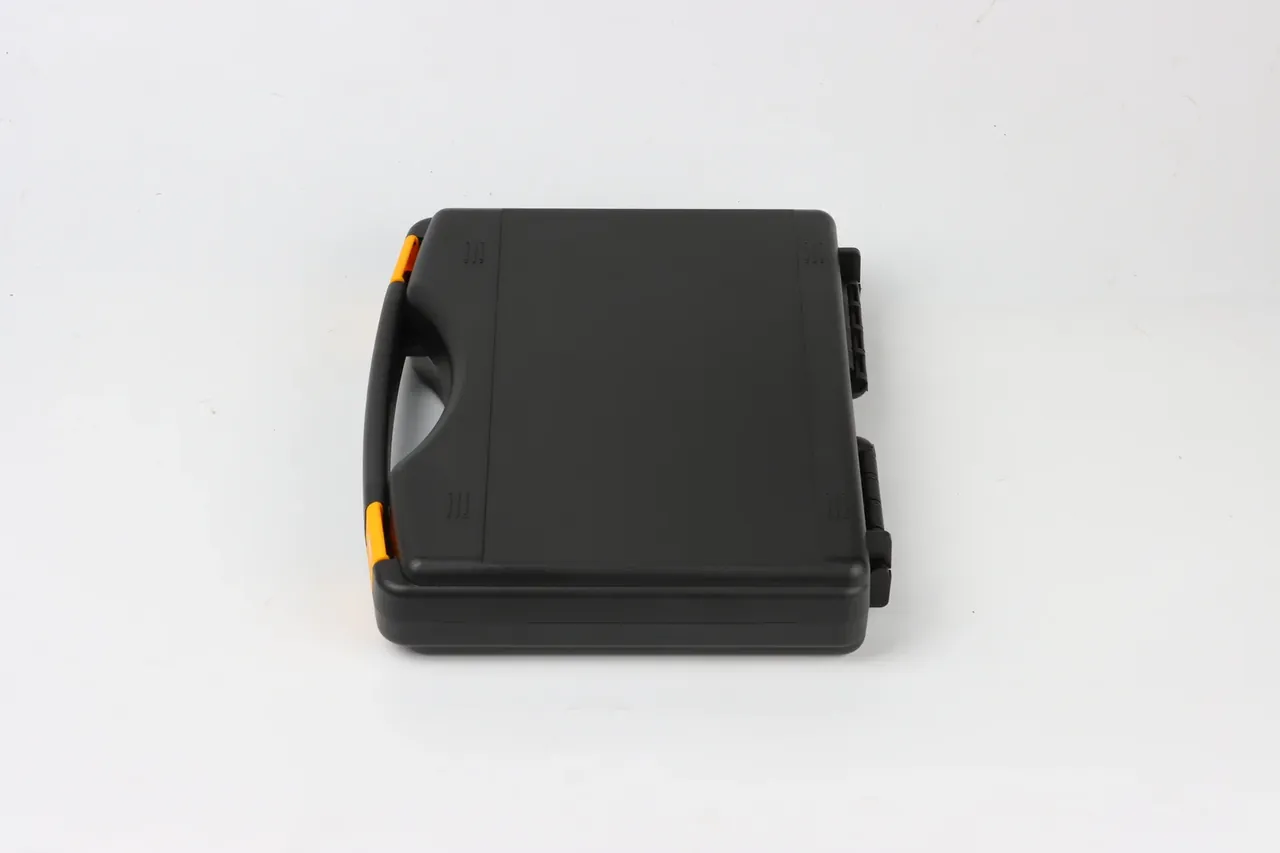
When lead time starts matters more than how long it is. The default is drawing sign-off plus cleared deposit, not the enquiry date. A case internal divider sample costs about 600 and takes five days; production follows approval in 12 days.
| Stage | Days | Deliverable | Payment point |
|---|---|---|---|
| Drawing sign-off | 2 | Slot and compartment layout | none |
| Sampling | 5 | 3 samples, trial fit record | 600 sample fee |
| First article | 3 | First article report | none |
| Production | 12 | Batch and inspection record | 30% deposit |
| Shipment | 2 | Packing list, balance invoice | 70% balance |
Ask early whether the sample fee is credited: usually full above 300 sets, half below.
5. Reading a quote: four traps and payment terms
A usable quote splits into five lines: material, processing, tooling, packaging and freight. A single total always hides later additions.
- Tooling charged per batch: agreed once, then billed again at 800 each run.
- Sheet count quoted without nesting yield: 72% and 88% differ by nearly a third of the material.
- Packaging classed as secondary work: 20 sets a carton at 1.2 per label, so 20,000 sets becomes 24,000.
- Foam density overstated: 45 kg/m3 quoted, 30 supplied; a 300 by 300 by 50 mm sample should weigh 202 g and reads 135 g on a scale.
Terms are part of the price. Sixty days over thirty moves a quote 2% to 3%, and 30% prepayment buys another 1.5%. Put the annual 3% reduction in the framework agreement, excluding tooling from the base.
Add freight, packaging, a 5% scrap allowance and tooling amortisation to the case internal divider unit price to reach landed cost. With 620 cartons in a 40 foot container at 20 sets each, freight lands under 0.4 per set.
Conclusion
Buying a case internal divider is a negotiation over four numbers, not one price: MOQ sets tooling amortisation, ownership decides whether you can change supplier, lead time whether cutting goes out of house, terms the percentage on top. Lock all four in the contract annex.
This article discusses only the container (case body) side of specifications and design intent, and does not cover any handling, loading or use of the contents.
Related Reading
- How a case internal divider is laid out
- Inserts, EVA and thermoformed trays compared
- Building a case supplier scorecard
- Production audit for gun cases
Related Products
- 8 Series — Gun Cases; Military Equipment Cases; Camera Equipment Cases; Drone Cases; Watch Cases; Knife Cases; First Aid Cases; Electronics Equipment Cases
- WL8-2812 PP Gun Case — model WL8-2812
- All protective cases and toolboxes: 7 series, 158 models