

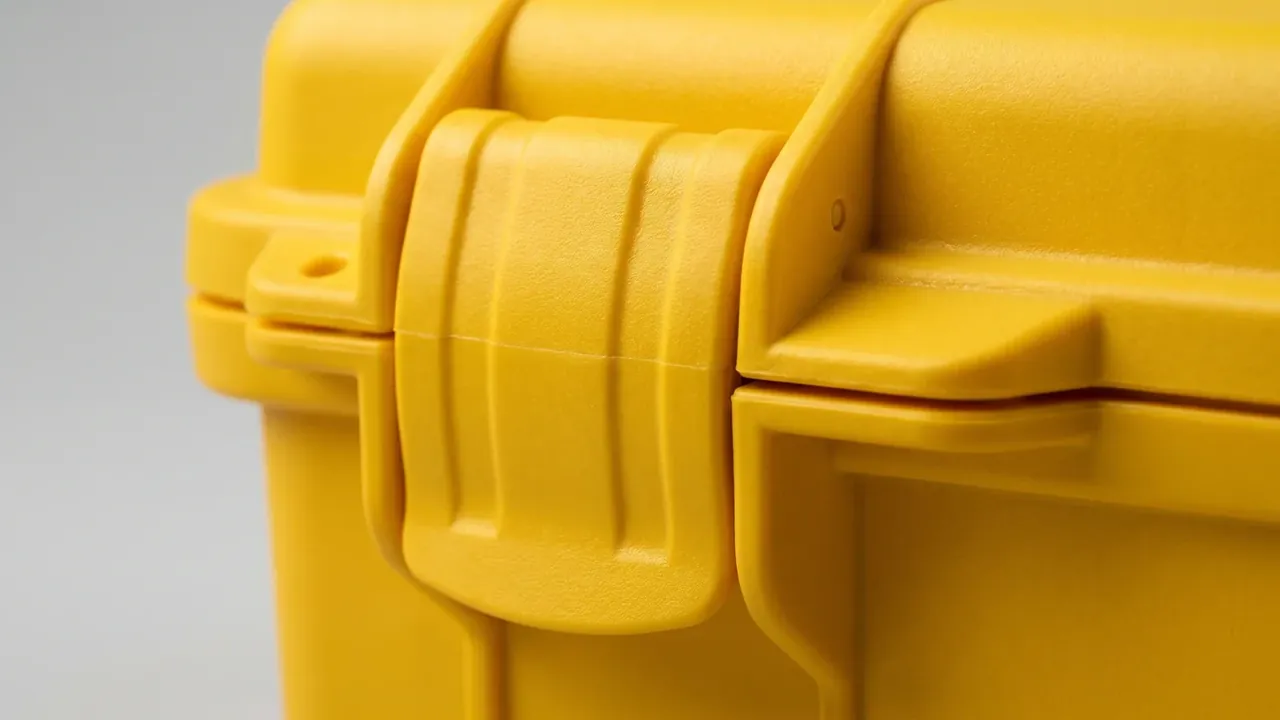
Quick answer: A Case Production Line in its first week usually reworks 25 to 30 percent of output, and the cause sits in sequence and sign-off limits, not machinery. Below: station split, takt by action, four field limits.
Table of contents
- Three work types, three station splits
- Assembly actions mapped to people
- Changeover: stripping or setting
- Four mistakes and their field limits
- FAQ
1. Three work types, three station splits
Six days on a newly commissioned Case Production Line taught more than a year of drawings. One 3200 square metre floor ran a 1200 mm road case, a 620 mm transit case and a 380 mm medical case at once; mixed on one line, rework hit 30 percent in week one.
Stations follow actions, not machines. Moulding needs 3, assembly 5, testing 2, packing 2, all on a 14 m conveyor paced by the slowest assembly point.
Size sets the split. A 1200 mm shell takes 2 people to flip, a 380 mm shell moves in one pair of hands, so each operator ends up walking between 8 positions a shift.
| Work type | Cavity | Cycle | Crew | Usual stall |
|---|---|---|---|---|
| Road case | 1200 mm | 240 s | 3 | flipping, bonding |
| Transit case | 620 mm | 150 s | 2 | latch alignment |
| Medical case | 380 mm | 95 s | 1 | foam bubbling |
2. Assembly actions mapped to people
Assembly generates most rework on a Case Production Line. A transit case breaks into 28 actions: 4 foam panels, 16 screws, 2 gaskets, 2 latches, 1 wipe, 1 label. Six operators at 4 to 5 actions each hold a 150 second takt.
Torque is what quietly escapes. Latch screws run at 1.8 N·m on driver setting 3; past 2.4 N·m the nylon seat cracks, survives assembly and fails a drop test. Crews working by feel ran 4 points more rework.
| Station | Actions | Takt | Crew | Limit |
|---|---|---|---|---|
| Foam | 6 | 45 s | 1 | bubble under 0.5 mm |
| Hardware | 8 | 60 s | 2 | 1.8 N·m |
| Sealing | 5 | 30 s | 1 | offset under 1 mm |
| Latches | 5 | 25 s | 1 | 40 to 60 N |
Headcount follows takt. One of the 6 checks first articles every 2 hours in 18 minutes; a failed check stops the section 55 minutes, still cheaper than 22 minutes of rework per unit.
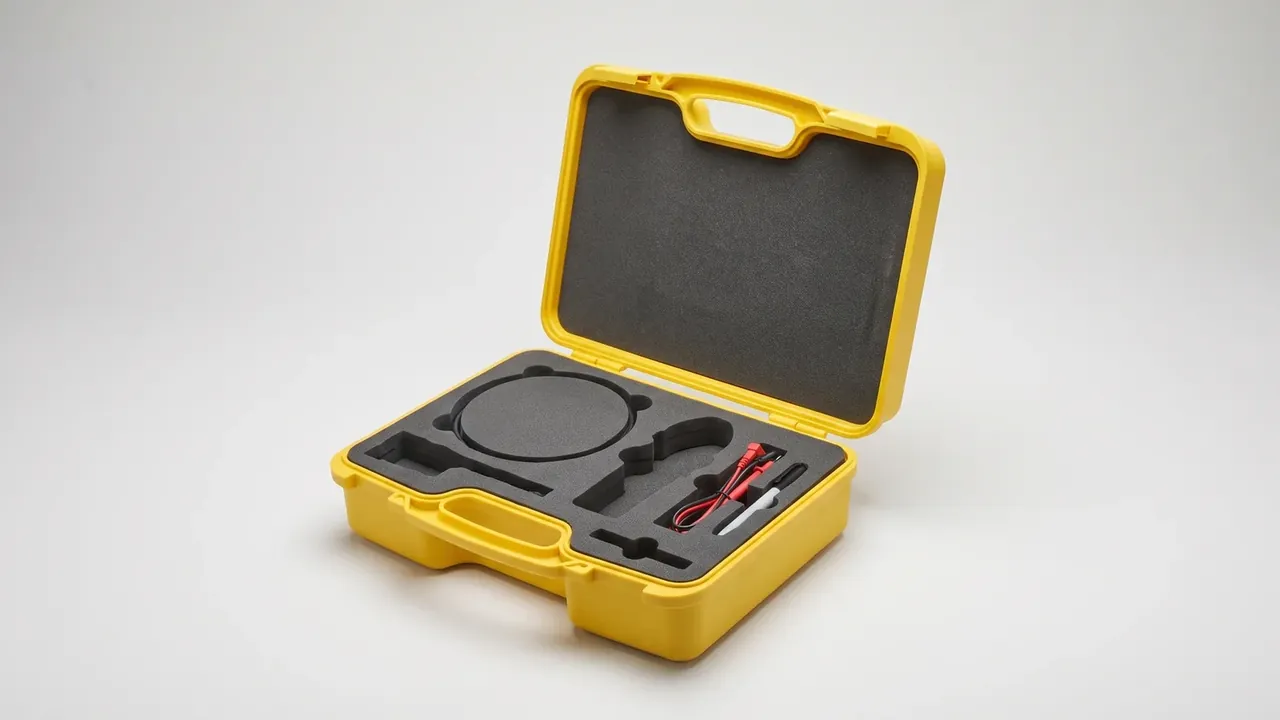
Training belongs in the takt. A new operator spends 3 days off line; skip them and the first fortnight runs 8 points more rework.
3. Changeover: stripping or setting
Changeover on a Case Production Line is logged as 240 minutes: 90 to strip and hang the mould, 100 to purge and heat the barrel, 50 for first article.
Attack the middle block. Two die carts cut stripping to 55 minutes, a two-colour barrel cuts purging from 100 to 40, pre-staged gauges bring first article to 18. The total falls to 113 minutes, so 2 changeovers a day return 4 hours of capacity on the line.
At 380 units a shift, a stopped hour costs 38 units, so one 240 minute changeover costs 3952 at 26 margin each.
4. Four mistakes and their field limits
Latch reversal comes first. Reversed arms still close, but opening force drops from 45 N to under 20 N and the lid pops in transit. Limit: the arm sits parallel to the edge.
Leak testing out of sequence is second. Testing before the gasket goes in proves nothing: press it, close, hold 25 kPa for 45 seconds, accept 0.5 kPa of drop.
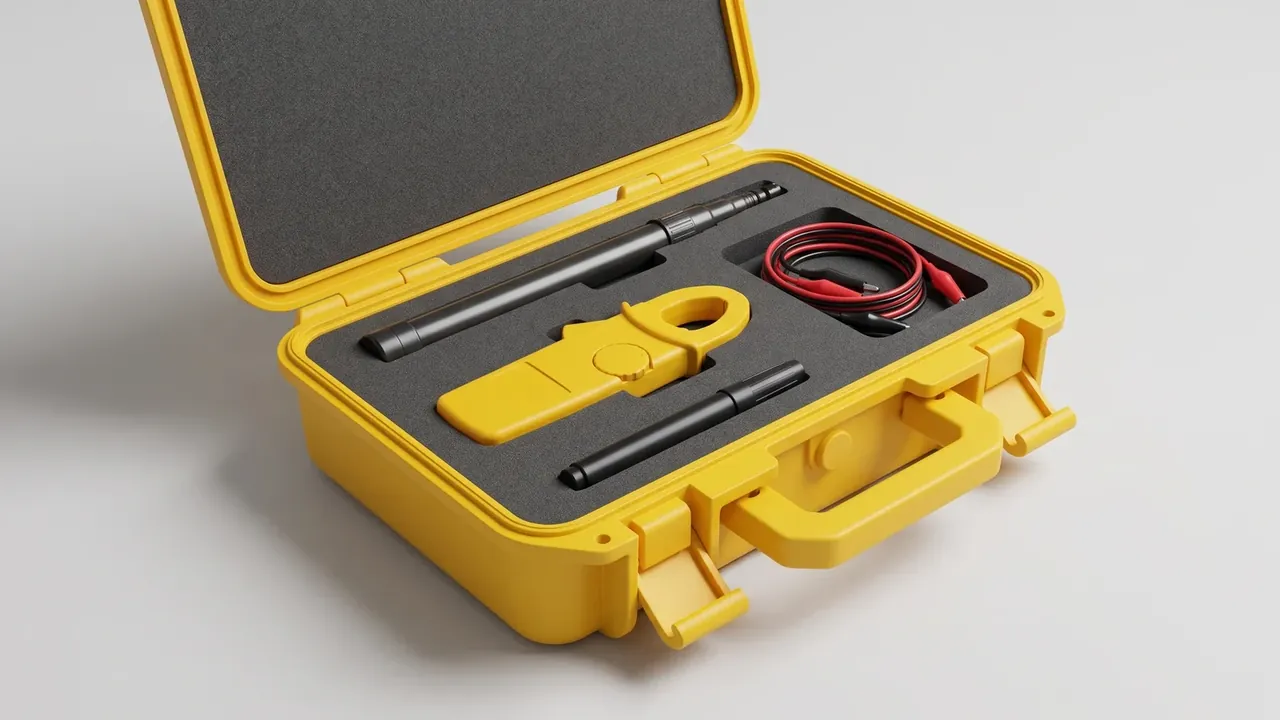
Foam bubbling is third: EVA takes 18 g of adhesive and 30 seconds of pressure, and a bubble past 0.5 mm means rebonding at 22 minutes a unit. Stacking over height is fourth, since one extra layer bows the base wall 2 mm.
All four show up at the station. A Case Production Line that prints limits on the bench beats one that reviews them in a meeting.
Conclusion
A line reworking 30 percent is failing on sequence and limits, not tonnage. Split stations by action, fix torque numerically, break changeover into minutes, judge mistakes in millimetres, and week two lands under 8. Capacity on a Case Production Line is decided by those small numbers.
This article discusses only the container (case body) side of specifications and design intent, and does not cover any handling, loading or use of the contents.
Related Reading
- Choosing between injection, rotational and sheet metal routes
- Pushing shift output from 380 to 520 units
- Lashing and stacking practice for road cases
- Sealing and cleaning stations for medical cases
Related Products
- 8 Series — Gun Cases; Military Equipment Cases; Camera Equipment Cases; Drone Cases; Watch Cases; Knife Cases; First Aid Cases; Electronics Equipment Cases
- WL8-2812 PP Gun Case — model WL8-2812
- All protective cases and toolboxes: 7 series, 158 models