

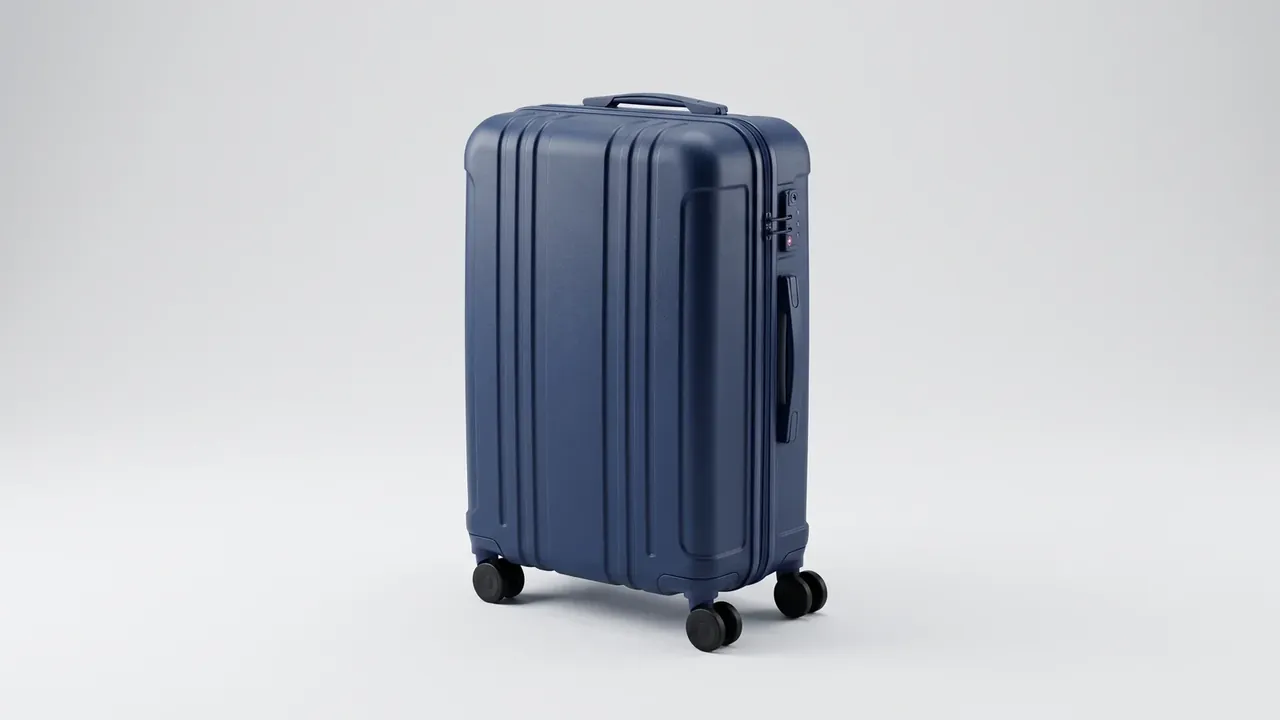
Quick answer: Four numbers decide an EMI Shielding Case: surface resistance, seam gap, overlap width and bond resistance. Each has a pass line, and when any one fails, attenuation falls from 60 dB to below 20 dB, a drop you can measure with a handheld meter before packing.
Table of contents
- Four numbers you can measure on the spot
- First line: is the conductive surface continuous
- Second line: seam overlap and gasket squeeze
- Third line: ground path and cable entry
- Matching three scenarios
- What happens when the order is reversed
- FAQ
1. Four numbers you can measure on the spot
Ask one question before ordering: can these four numbers be measured on the spot? If not, the 60 dB on the sample card is typography.
| Number | How to check it on site | What failure looks like |
|---|---|---|
| Surface resistance under 0.1 ohm per square | Milliohm meter at 5 points, including corners and latch seats | One point jumps to 0.4 ohm |
| Seam gap under 0.3 mm | Push a 0.3 mm feeler gauge around the lid seam | A 0.5 mm gauge enters 10 mm at a corner |
| Overlap of 25 mm or more | Tape measure across the gasket contact face | Only 8 mm left at the corner |
| Bond resistance under 2.5 milliohm | Meter between shell and equipotential bar | Reading multiplies tenfold when the probe moves |
2. First line: is the conductive surface continuous
The first line is continuity, not thickness. An EMI Shielding Case needs 50 to 80 microns of conductive paint and roughly 0.05 ohm per square, both easy; coating the whole interior without a miss is hard.
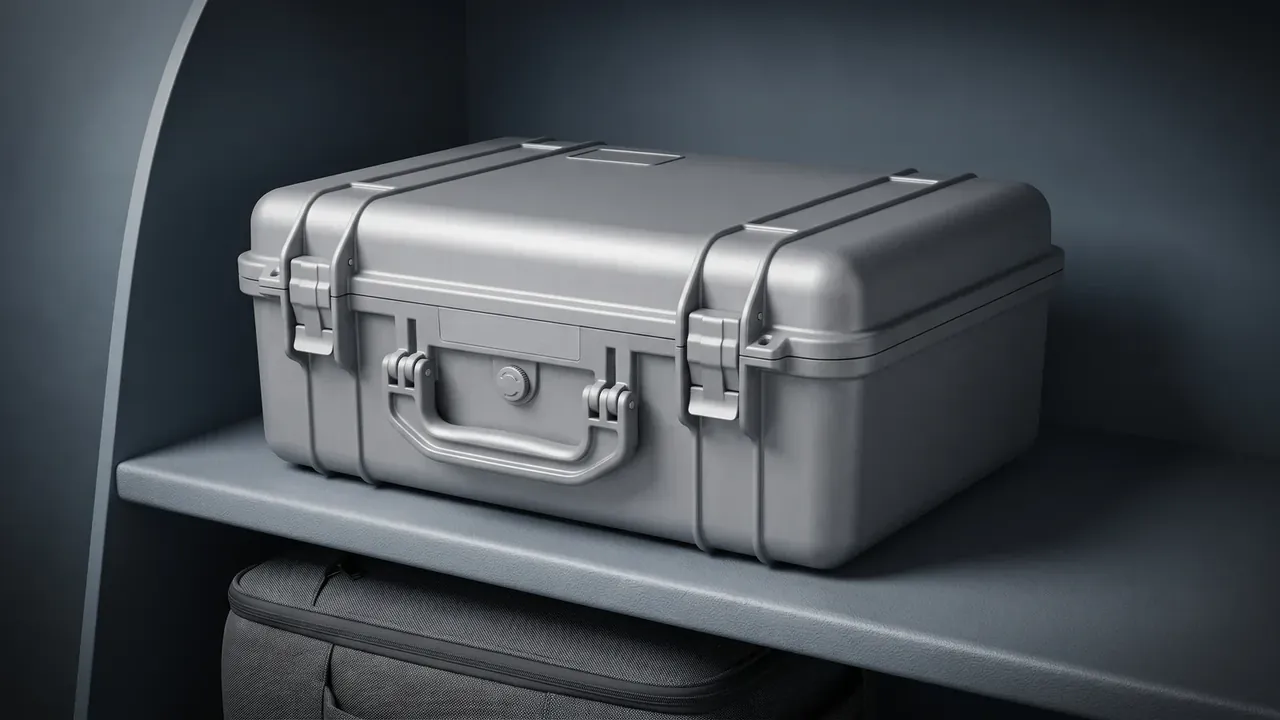
Put one probe inside the lid and the other at the farthest point of the base, and expect under 1 ohm. Repeat at the latch seats and the handle root; any point above 3 ohm is a break. Rotational mouldings have deep cavities and shallow draft, so the gun thins out exactly in the recesses that need continuity most.
Lid and base must both conduct. A coated interior with a bare lid gives the case an open end and drops attenuation to about 20 dB, which inspection rarely catches: a dark lid looks the same either way.
3. Second line: seam overlap and gasket squeeze
The lid seam is the longest joint on the case, and leakage follows length, not width: a 400 mm seam at 0.2 mm can leak more at 1 GHz than a 20 mm hole.
| Seam location | Minimum overlap | Gasket squeeze | Common site error |
|---|---|---|---|
| Lid lip | 25 mm | 30 percent | Gasket cut 15 mm short at the corner |
| Latch seat perimeter | 15 mm | 25 percent | Not fully compressed, 0.4 mm gap left |
| Cable entry flange | 20 mm | 35 percent | Cable tie only, no 360-degree bond |
| Hinge mounting face | 12 mm | 20 percent | Coating trapped between two metal faces |
Unbroken overlap matters more than wide overlap. Leave 5 mm extra at each corner; a butt joint that meets exactly opens a 0.1 mm slit after a few thousand lid cycles. Thirty percent squeeze is the target: less loses rebound within twenty cycles, more eats the latch preload.
4. Third line: ground path and cable entry
Grounding is the step buyers leave for last, and the one that undoes everything before it.
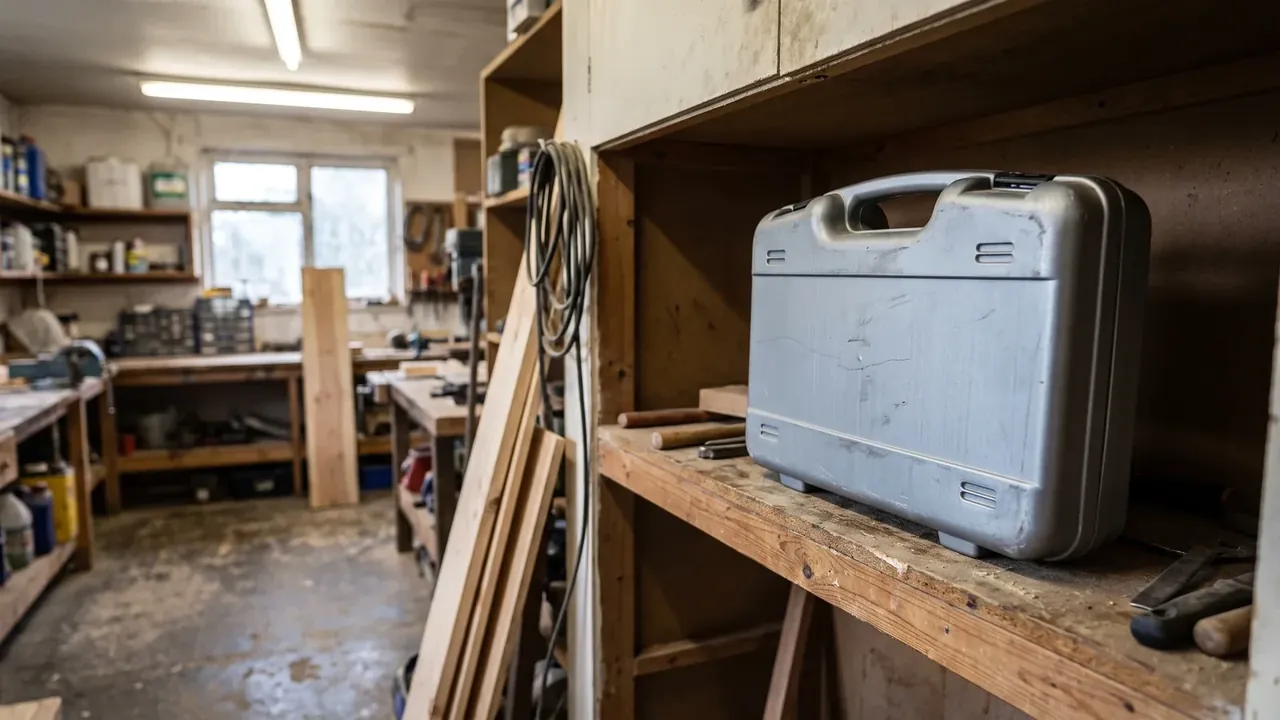
An M5 stainless stud with a serrated washer bites through oxide and paint, bringing bond resistance under 2.5 milliohm. Keep the braid shorter than 30 mm; at 1 GHz a long braid is an antenna that invites interference in.
Cable entry hides the same problem: one signal cable without a 360-degree bond can drag a sound EMI Shielding Case below 20 dB while every panel test passes.
5. Matching three scenarios
The same decibel figure means different things in three settings, so judge by scenario rather than by data sheet:
- Bench and lab: 30 MHz to 300 MHz near field, so watch seams and apertures; 25 mm overlap and single-point grounding will do;
- Vehicle and transit: -20°C to +55°C plus vibration, so check hinge and gasket compound, keeping squeeze under 35 percent;
- Field and coastal: 96 hours of salt fog calls for stainless hardware and potted braid terminations.
If nobody can name the band, do not pay for high attenuation. A plain case already delivers structure and sealing, and money moved to gaskets buys more than another paint layer.
6. What happens when the order is reversed
Quoting first and measuring later is the most expensive sequence. Three quotations differ by 30 percent, the two cheapest arrive with corners above 2 ohm, recoating takes two passes at 45 CNY per unit, and delivery slips 18 days.
Judging appearance before overlap hides the fault in the corners: the sample looks tidy, yet a 0.5 mm feeler gauge slides 10 mm in right where the handle load lands.
Fitting equipment before finding a ground point costs most: with no stud inside, the only option is a 12 mm hole through the wall.
So measure four numbers on the EMI Shielding Case, then discuss price, then finish.
Conclusion
Selecting an EMI Shielding Case comes down to four numbers, three lines and one order. The numbers set the pass lines, the lines set the route, and the order decides whether you spend money first or measure first. A 60 dB EMI Shielding Case with a 0.5 mm slit at one corner behaves exactly like a 20 dB box.
This article discusses only the container (case body) side of specifications and design intent, and does not cover any handling, loading or use of the contents.
Related Reading
- How shielding, grounding and sealing relate
- Attenuation and interface specifications
- What to inspect during a showroom visit
- How to judge a drone case
- How to judge a gun case
Related Products
- 8 Series — Gun Cases; Military Equipment Cases; Camera Equipment Cases; Drone Cases; Watch Cases; Knife Cases; First Aid Cases; Electronics Equipment Cases
- WL8-2812 PP Gun Case — model WL8-2812
- All protective cases and toolboxes: 7 series, 158 models