

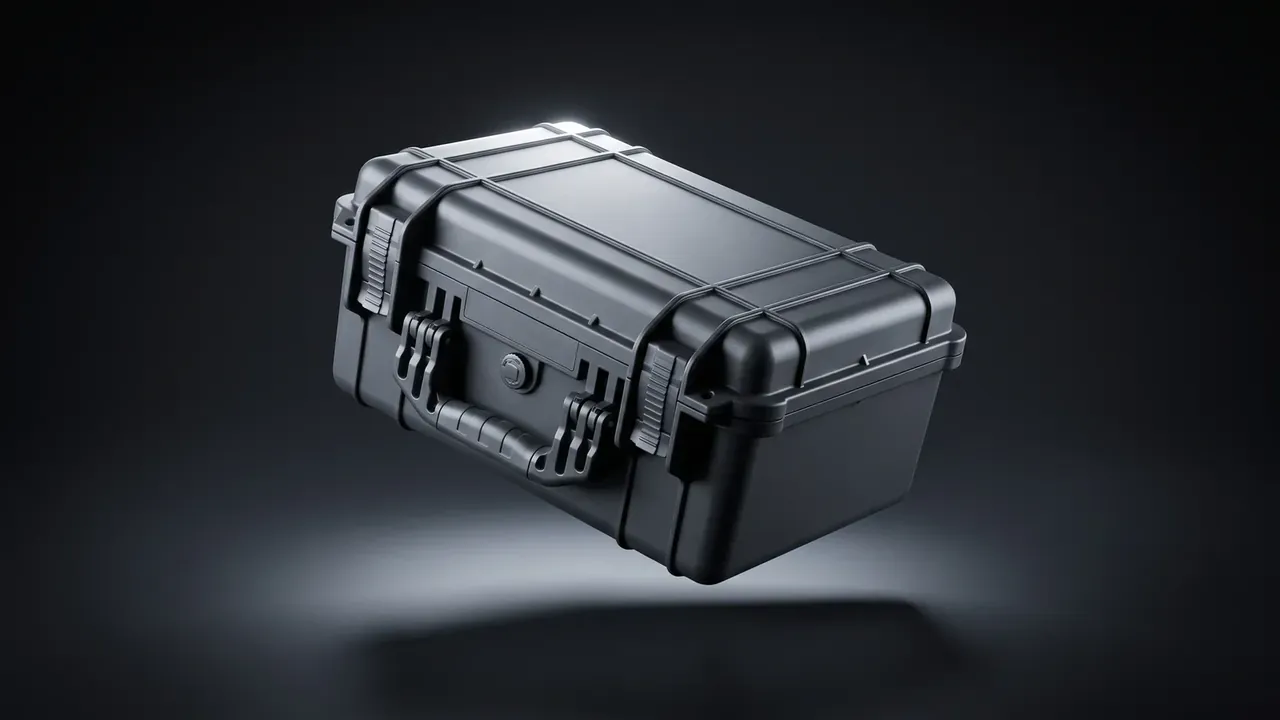
Quick answer: Acceptance of an EMI Shielding Case cannot rest on one anechoic report, which proves one band, one build state and one unit. It needs limits split by band and field type, a sample of at least three, eight recorded columns, and a re-test inside 12 months.
Table of contents
- The Usual Mistake: Signing Off a Batch From One Report
- Which Clause to Cite: Band, Field and State
- What to Measure On Site: Four Instruments
- Case Versus Bare Shell: Where 20 dB Goes
- Failures: Rework, Downgrade or Reject
- Records and Re-Test: The Eight Columns
- FAQ
1. The Usual Mistake: Signing Off a Batch From One Report
One sample goes to a laboratory, a curve comes back, and the whole batch of an EMI Shielding Case is released on that sheet. The process looks strict and validates one unit, one band, one state.
Those curves usually come from a bare shell, feedthroughs unmounted and the lid at nominal torque. Installed, connector plates, filtered connectors and cable runs change everything, and a 20 dB gap is ordinary. A second mistake is writing the limit as one number, when the two sides may sit three orders of magnitude apart.
2. Which Clause to Cite: Band, Field and State
Every limit needs three parts: band, field type, state.
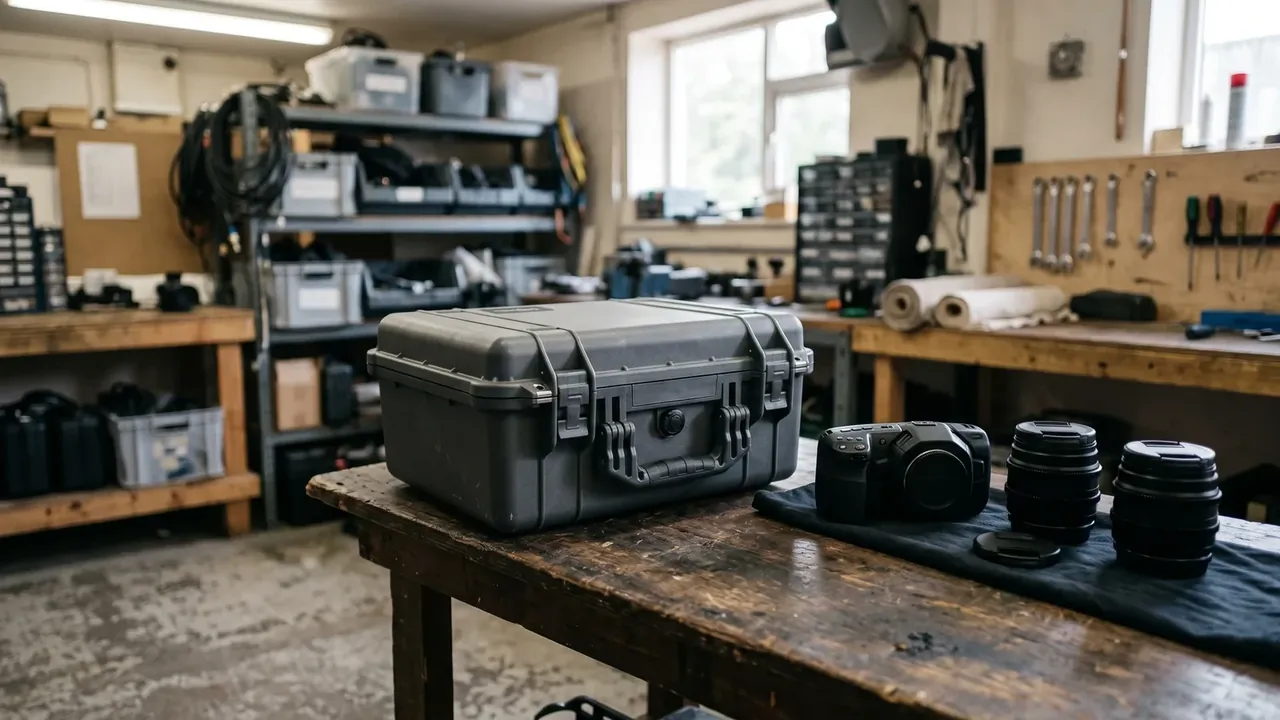
State means bare or whole. The whole case carries every feedthrough, is latched at service torque and has cables at field length; a unit reading 80 dB bare drops to 30 dB with unfiltered connectors and one seam not seated.
| Band | Field | Limit | Points |
|---|---|---|---|
| 10 kHz to 150 kHz | Magnetic | 20 dB minimum | One per axis |
| 150 kHz to 30 MHz | Electric | 40 dB minimum | One per axis |
| 30 MHz to 1 GHz | Plane wave | 40 dB minimum | Turntable every 15 degrees, 24 points |
| 1 GHz to 18 GHz | Plane wave | 30 dB minimum | Turntable every 15 degrees, 24 points |
Each limit also needs an uncertainty statement, since shielding repeats poorly and 3 dB between lots is normal.
3. What to Measure On Site: Four Instruments
Site screening cannot reproduce an anechoic room, but four instruments catch most defects.
- Four-point probe: five points inside the lid, worst at or below 0.1 ohm per square
- Micro-ohmmeter: plate, lid bond, earth stud, each at or below 10 milliohms
- Torque wrench: feedthrough screws at 1.2 N·m
- Surface meter: one reading every 100 mm around the seam
Fasteners first, conductivity second, whole-case last. Log 23 ± 5 °C and 45 to 75 percent humidity; flag anything outside.
4. Case Versus Bare Shell: Where 20 dB Goes
Three places account for most of the gap, all in assembly.
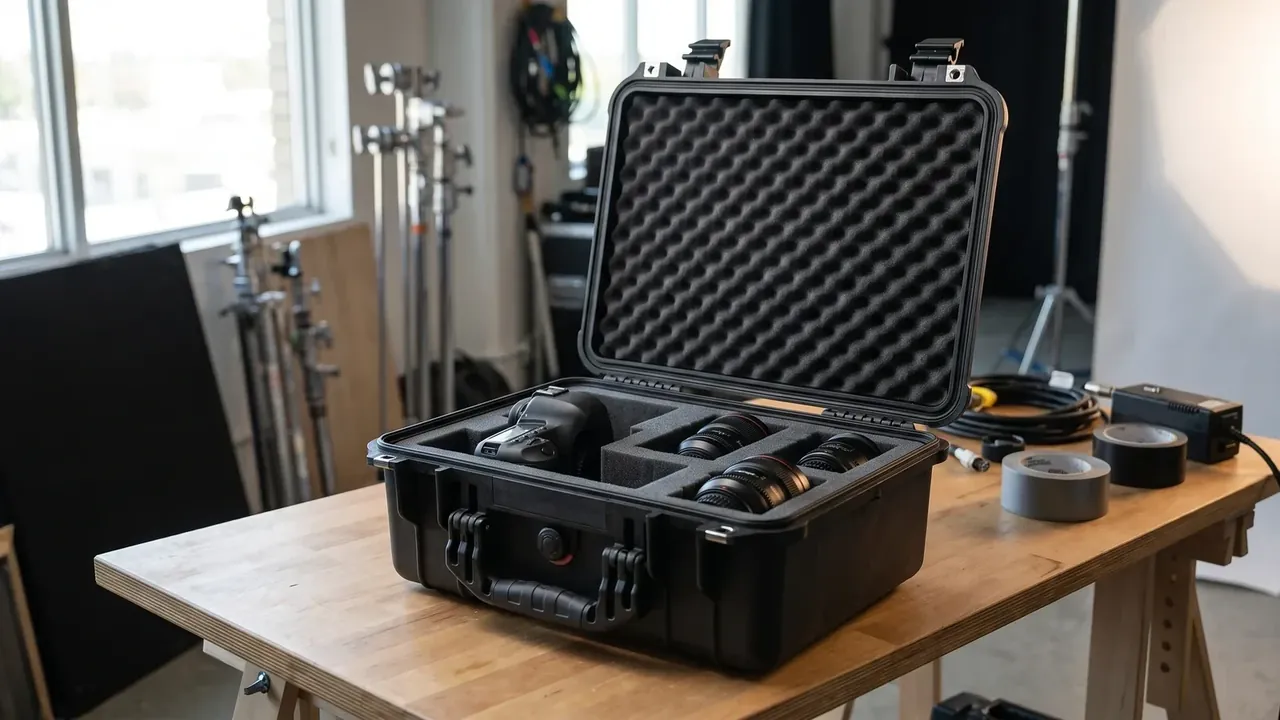
The feedthrough plate comes first: every unfiltered pin is an antenna, and a plate held only by screws leaks from a few tens of megahertz upward. The lid seam is second, since four latches press unevenly. The harness is third, as a braid earthed at one end becomes a radiator.
Settle the bare-versus-whole dispute in the contract, and photograph the assembly at first-article acceptance.
5. Failures: Rework, Downgrade or Reject
Quarantine a failed unit first, so the evidence trail survives: batch, unit, item, reading.
| Symptom | Usual cause | Disposition | Re-test |
|---|---|---|---|
| Local resistance high | Fast spray, thin film | Sand back, re-coat | Yes, five points |
| Whole seam high | Low compression | New gasket, re-set latches | Yes, whole case |
| Single bond high | Blunt washer, paint intact | New star washer | Yes, same point |
| Insertion loss low | Unfiltered connector | Filtered type or waveguide | Yes, port by port |
Rework needs a count limit: after two recoats adhesion is unpredictable, so the unit is downgraded rather than repaired. Downgrade is not scrap, since strength and sealing still hold, but it must not carry a shielding label. Reject only for a critical item failing in two consecutive batches, or a supplier with no traceable records.
6. Records and Re-Test: The Eight Columns
The acceptance sheet is the baseline for the 12-month re-test. Eight columns:
- Batch and serial, traceable to the mould
- Band and limit, with method number and year
- Build state, bare or whole, plus latch torque
- Point layout, turntable angles, antenna distance
- Ambient temperature, humidity, date
- Raw reading per point, not an average
- Verdict and margin, in decibels remaining
- Disposition and due date, re-test within 12 months
Twelve months is the default interval, at once after a drop or a soaking. Records pay off as a trend: three re-tests each 2 dB lower justify pulling gasket renewal forward.
Conclusion
Acceptance of an EMI Shielding Case is not a signature but a repeatable verdict: limits in three parts, a sample of three, eight columns, a re-test inside 12 months. A report proves one day, one unit, one band; records, samples and disposition rules carry it forward. Put all three into the contract, and acceptance of an EMI Shielding Case holds.
This article discusses only the container (case body) side of specifications and design intent, and does not cover any handling, loading or use of the contents.
Related Reading
- How shielding, bonding and sealing work together
- Attenuation and feedthrough specifications
- Inspection items for chemical protective equipment cases
- Drop and acceptance standards for airdrop cases
- Inspection and batch control for artillery shell boxes
Related Products
- 8 Series — Gun Cases; Military Equipment Cases; Camera Equipment Cases; Drone Cases; Watch Cases; Knife Cases; First Aid Cases; Electronics Equipment Cases
- WL8-2812 PP Gun Case — model WL8-2812
- All protective cases and toolboxes: 7 series, 158 models