

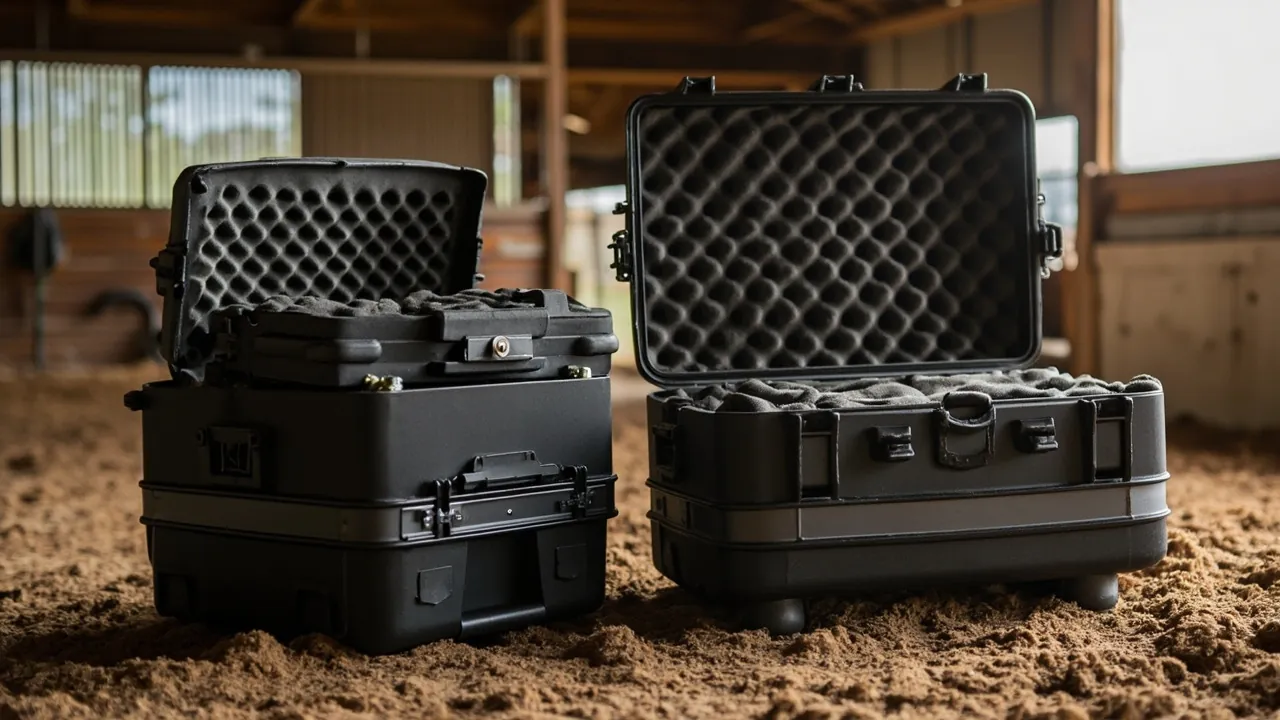
An equestrian gear case, also called a tack case, riding equipment case, equestrian helmet case or saddle transport case, is a dedicated container system used by equestrian clubs, riders, event teams and equestrian retailers to store and transport saddles, tack, helmets, boots and protective gear. Its core value is not simply putting gear away but keeping an expensive saddle undistorted in transit, preventing a safety helmet from failing through heat or impact, protecting leather and fabric from damp and mould, and enabling sorted fixation and quick access during events, transfers and away rides. Compared with an ordinary suitcase, an equestrian gear case must additionally solve four problems — shape retention, ventilated mould prevention, impact protection and leather friendliness — and missing any one of them can damage equipment or create a safety risk. This article examines the selection and design of equestrian gear cases, tack cases, riding equipment cases, equestrian helmet cases and saddle transport cases, breaking down transport pain points, classification and list methods, saddle support and fixation, helmet protection and ventilation, leather moisture and mould prevention, boot and protective gear storage, temperature and humidity design, material selection, transport fixation, cleaning and care, procurement and acceptance, and common mistakes, with comparison tables that can be used directly for procurement and event transfers.
Readers who need the fundamentals of case material and structure should first review Plastic Protective Cases: Material and Structure and Foam Liner Comparison for Protective Cases. For sealing and moisture prevention see Sealing Materials for Protective Cases and IP Rating and Sealing Analysis for Protective Cases, and for weather-resistant material see Outdoor Case Material Selection Guide.
Contents
- What Equestrian Gear Cases Are: Definition and Scenarios
- Transport Pain Points for Equestrian Equipment
- Equipment Classification and Packing List Method
- Saddle Transport: Support, Fixation and Shape Retention
- Equestrian Helmet Cases: Protection and Ventilation
- Moisture and Mould Prevention for Tack and Leather
- Boots, Protective Gear and Clothing Storage
- Ventilation, Temperature and Humidity Design
- Material Selection: Injection, Rotomolded, Aluminum and Fabric
- Transport Fixation: Vehicle, Aircraft and Event Transfer
- Cleaning, Maintenance and Leather Care
- Maintenance, Storage and Replacement
- Procurement and Acceptance Checklist
- Common Mistakes to Avoid
- Frequently Asked Questions (FAQ)
- Conclusion and Related Reading
What Equestrian Gear Cases Are: Definition and Scenarios
An equestrian gear case is a category of dedicated container used by equestrian professionals and enthusiasts to store and transport riding equipment. It usually consists of a hard shell or reinforced soft case, a custom liner or support structure, ventilation and moisture design, and handles and latches. The biggest difference from an ordinary suitcase is shape and leather: a saddle's value and fit depend on its shape, and once crushed by a heavy load the tree and panels are damaged, which directly affects riding comfort and the health of the horse's back; leather and fabric are also sensitive to humidity and temperature, and a sealed stuffy environment accelerates mould and ageing. An equestrian gear case must therefore simultaneously deliver shape retention, ventilated mould prevention, impact protection and leather friendliness.
By use there are three types. The first is the saddle transport case, centred on keeping the saddle shape and emphasizing support, fixation and crush resistance. The second is the helmet and protective gear case, centred on protecting the helmet shell and liner and avoiding heat and impact. The third is the general tack case, used to store bridles, girths, stirrups, saddle pads, brushes and leather care products, emphasizing sorting and portability. The three share a common structure but differ in support method, ventilation volume and protection rating.
Typical users include equestrian clubs and stables; professional riders and event teams; riding schools and training institutions; tack retailers and rental businesses; breeding and auction houses; and enthusiasts who frequently ride and compete away from home. Wherever equipment must be carried in a sorted way, a saddle must keep its shape, and helmets must be stored safely, that is the application boundary of an equestrian gear case.
Transport Pain Points for Equestrian Equipment
The pain points of equestrian equipment transport cluster into five areas. The first is that saddles deform easily under pressure. A saddle is large and specially shaped, and if crushed by other gear or luggage in transit the tree may bend and the panels may be compacted, reducing fit and affecting the horse's back; the cost of one bad journey usually far exceeds the cost of the case. The second is that helmets fear heat and impact. A safety helmet's shell and shock-absorbing liner are sensitive to heat and impact, and a hot vehicle cabin or a collision with a hard object can rob it of its protective performance, while the damage is not always visible — hidden failure is the most dangerous.
The third is that leather and fabric fear damp and mould. Leather in a damp sealed environment moulds, hardens and discolours, and metal fittings rust; a stuffy unventilated space accelerates mould and odour. The fourth is that gear is small and easily lost. One ride or event involves a bridle, girth, stirrups, whip, leg guards, gloves, boots and care products, and loose packing not only makes them hard to find but also makes them easy to lose in a transfer. The fifth is the high fixation demand of event transfers and air freight. Vehicle vibration, luggage handling and the pressure and temperature changes of an aircraft hold all place extra demands on fixation, cushioning and weather resistance.
These pain points are interrelated: a crushed saddle harms riding safety, a failed helmet creates personal risk, damaged leather raises replacement cost, and lost gear affects competition. The design logic of an equestrian gear case is therefore a four-in-one of shape retention, ventilated mould prevention, impact protection and sorted fixation.
Equipment Classification and Packing List Method
Scientific classification is the foundation of an equestrian gear case. It is best to classify on three crossing dimensions: riding body part, frequency of use and sensitive property. By body part, gear splits into horse equipment (saddle, bridle, girth, stirrups), rider equipment (helmet, boots, protective gear, clothing) and care tools. By frequency, separate every-ride items from occasional items. By sensitive property, separate crush-sensitive items (saddle, helmet), moisture-sensitive items (leather, fabric) and sharp or hooked items (stirrups, spurs) that need distinct fixation.
A packing list is best built with a three-layer method. The first layer is the base layer, covering the saddle, bridle, girth, stirrups, helmet and basic care tools. The second is the event layer, adding spare equipment, number bibs and documents by discipline. The third is the care layer, containing leather cleaner, oil, brushes and dehumidifying products. This avoids both carrying a pile of unused items and discovering a missing piece at a critical moment.
| Function category | Typical items | Frequency | Sensitive property | Storage point |
|---|---|---|---|---|
| --- | --- | --- | --- | --- |
| Horse saddlery | Saddle, pad, girth | High | Crush | Dedicated rack, fixed support |
| Head equipment | Bridle, bit, reins | High | Moisture | Hooks, avoid tangling |
| Rider protection | Helmet, leg guards, gloves | High | Crush and heat | Independent clearance, shaded and cool |
| Boots and clothing | Tall boots, breeches, jacket | High | Moisture | Flat or hanging, ventilated |
| Metal fittings | Stirrups, spurs, bit | High | Sharp or hooked | Separate slots, anti-knock |
| Care products | Brushes, leather oil, cleaner | High | Hygiene and liquid | Sealed separate slot, leak-proof |
The list should be revised on every event and transfer based on review: which items were never used, which were hard to reach and which were damaged in transit, adjusting the configuration and compartments accordingly. The value of a list is instant accessibility, not the appearance of completeness.
Saddle Transport: Support, Fixation and Shape Retention
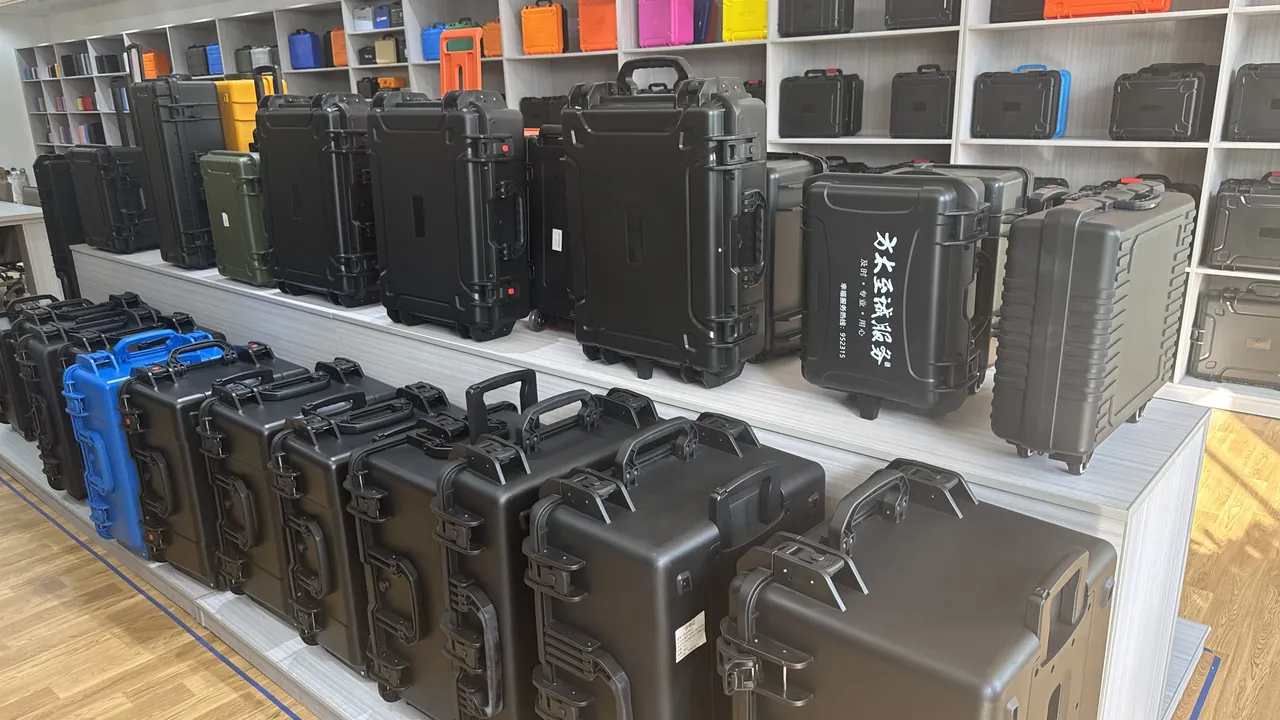
The saddle is the highest-value and most crush-sensitive item in equestrian equipment, and the core task of a saddle transport case is to keep the saddle shape. In engineering terms this means three-point support, no pressure and limited displacement. Three-point support means using a saddle rack or moulded support to hold the front pommel, the seat and the rear cantle so the load follows the natural structure of the tree rather than concentrating at one point. No pressure means no heavy object may be stacked on the saddle, which needs a dedicated space in the case, with a rigid divider separating the saddle zone from the tool zone if necessary. Limited displacement means the support is fixed to the case and the saddle to the support, preventing sliding, collision and dropping under vibration.
Support material must balance support and protection: a rigid support holds the shape while the contact face can carry a soft pad to protect leather from scratches; the pad should breathe so long compression does not cause leather mould. For frequent transfers, a combination of saddle rack and custom liner is recommended, the rack holding the shape and the liner locating it, which is both effortless and stable. Related liner practice is discussed in Foam Liner Comparison for Protective Cases. The goal of saddle transport is that the saddle can be ridden as before on arrival, and any sacrifice of support to save space is never worthwhile.
Equestrian Helmet Cases: Protection and Ventilation
The equestrian helmet is a rider's most important safety equipment, and the first task of an equestrian helmet case is to keep the helmet usable when not worn. Helmet protection comes from the shell, the shock-absorbing liner and the retention system, and any significant impact can render it ineffective, sometimes without a visible mark, so a helmet should avoid collision with hard objects and compression by heavy objects and should be replaced after a significant impact according to manufacturer guidance.
Helmets are also sensitive to temperature: prolonged exposure to strong heat accelerates ageing of the shell and liner and reduces shock absorption. A helmet case should therefore be shaded and cool, not left for long in a hot cabin or hold, and should be ventilated so that sweat vapour in the liner after use can escape, preventing mould and odour. For storage, provide an independent clearance for the helmet so it does not touch metal parts such as stirrups and spurs that could scratch the shell and liner. For long air freight, place the helmet in a cushioned soft bag before putting it in the case, forming a double layer of bag cushioning plus case fixation. The value of a helmet case is preserving safety for the next ride, not merely acting as a storage container.
Moisture and Mould Prevention for Tack and Leather
Leather and fabric are the main body of tack and the most moisture-sensitive part in transport and storage. Mouldy leather not only looks bad but hardens, discolours and loses strength, and metal fittings corrode in damp. Moisture and mould prevention has three requirements. First, ventilation first. Leather needs to breathe, and long sealing in a damp environment actually makes mould more likely, so the case should offer adjustable ventilation rather than being fully sealed. Second, humidity control. In humid regions or seasons, use desiccants or dehumidifying packs to absorb excess moisture and replace them regularly. Third, store after cleaning. After use, remove sweat, mud and grass clippings, let the leather dry fully and let the care oil absorb before packing, so moisture is not carried into the case.
Metal fittings should be stored clean and dry, given a thin coat of anti-rust oil if necessary, and kept from long direct contact with leather to avoid staining and corrosion. For cross-climate transport, choose materials and sealing structures with better moisture resistance; related sealing material is covered in Sealing Materials for Protective Cases. The key to leather care is clean, dry, ventilated and unpressured — all four are essential.
Boots, Protective Gear and Clothing Storage
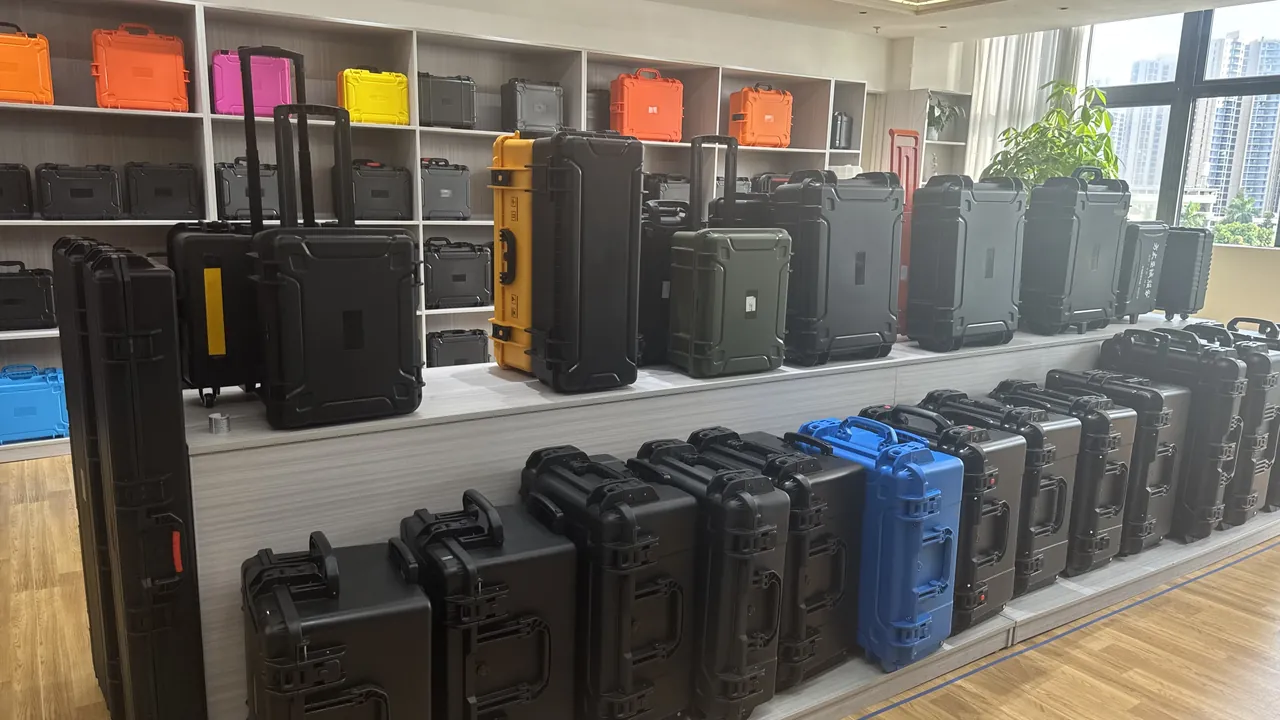
Boots, protective gear and clothing are less expensive than a saddle but numerous, bulky and directly affecting the riding experience. The principle is sort, lay flat, ventilate and avoid pressure. Tall boots should keep their shape, supported by boot trees or filling to stop the shaft collapsing; protective gear such as leg guards, knee pads and back protectors should be laid flat or rolled, avoiding heavy compression that deforms the protective material; clothing should be folded neatly and kept apart from damp or muddy gear to prevent cross-contamination.
Metal rider accessories such as spurs and some stirrups should have their own slots to avoid scratching leather and clothing, and hooked or pointed items need covers. For events, prepare a pull-out module per riding day so a rider can quickly access a full set away from home. The case should keep some spare space for temporary additions while avoiding overpacking that makes access difficult and crushes equipment. The aim of storage is tidy, fast to access and uncompressed, not packing the case as full as possible.
| Item | Storage method | Key note | Risk |
|---|---|---|---|
| --- | --- | --- | --- |
| Tall boots | Boot trees, laid flat | Keep shaft shape, avoid pressure | Collapse and distortion |
| Protective gear | Flat or rolled | Avoid heavy compression | Deformed protective material |
| Clothing | Folded in zones | Separate from damp or soiled gear | Contamination and odour |
| Spurs and metal | Separate slots | Covers, anti-knock | Scratched leather |
| Helmet | Independent clearance | Shaded, cool, no impact | Protection failure |
Ventilation, Temperature and Humidity Design
Equestrian equipment includes moisture-sensitive leather and fabric, heat-sensitive helmets and stuffiness-sensitive metal parts, so ventilation and temperature and humidity design must balance them. The overall approach is adjustable ventilation, humidity buffering and shading from heat. The case should have adjustable vents that can both expel sweat vapour and damp while reducing water vapour ingress in rain or on long journeys; for humidity-sensitive leather, use desiccants or dehumidifying packs to buffer humidity and replace them regularly.
Shading from heat is equally important: helmets, leather and fabric should avoid long direct sunlight and high temperatures, and the case should use light colours or insulating material, with shading where necessary. For air freight and cross-climate transfer, the case must withstand temperature and pressure changes, and sealing and ventilation must be balanced to avoid the opening difficulty and dampness of a fully airtight case. For high-value equipment transport, fit a temperature and humidity logger to turn the invisible environment into traceable data for review and responsibility definition. The goal of ventilation and temperature control is not to turn the case into a constant-temperature cabinet but to keep equipment in a stable zone that is neither damp, stuffy nor hot.
Material Selection: Injection, Rotomolded, Aluminum and Fabric
Material decides strength, weight, moisture resistance and cost. An injection-molded case is moulded from PP, ABS and similar with a thin wall, tight precision, a tidy appearance and low cost, suited to small and medium capacity and bulk issue, but its load and impact resistance are limited. A rotomolded case is moulded in one piece from polyethylene with generous wall thickness, no weld seam and good impact and weather resistance, suited to large-capacity, heavy-load and frequently handled transport, and is easy to clean, but its self-weight is higher. An aluminum case is strong, refined in appearance and good at heat dissipation, suited to the display and transport of high-value saddles and helmets, but it costs more, conducts heat quickly (building up heat in summer) and dents easily. A fabric soft case is light, foldable and flexible, suited to short trips and personal use, but its shape retention and crush resistance are weak and it should not be used alone for long-haul saddle transport.
| Material route | Strength and weather | Shape retention | Moisture resistance | Typical fit |
|---|---|---|---|---|
| --- | --- | --- | --- | --- |
| Injection PP or ABS | Medium to high | Medium to high | Excellent | Small and medium cases, bulk issue |
| Rotomolded PE | High | High | Excellent | Large capacity, frequent transfers |
| Aluminum | High | High (but heat builds up) | Medium | High-value saddle and helmet transport |
| Fabric soft case | Low | Low | Medium | Short trips, personal portability |
Material choice must also consider the scenario: stables and event venues involve mud, damp and grass clippings, so the case should be easy to wipe and rinse; cross-climate transport should use weather-resistant material to avoid fading and embrittlement. Related weather-resistant material guidance is in Outdoor Case Material Selection Guide. For equestrian equipment, shape retention, moisture resistance and easy cleaning are usually more important than mere light weight.
Transport Fixation: Vehicle, Aircraft and Event Transfer
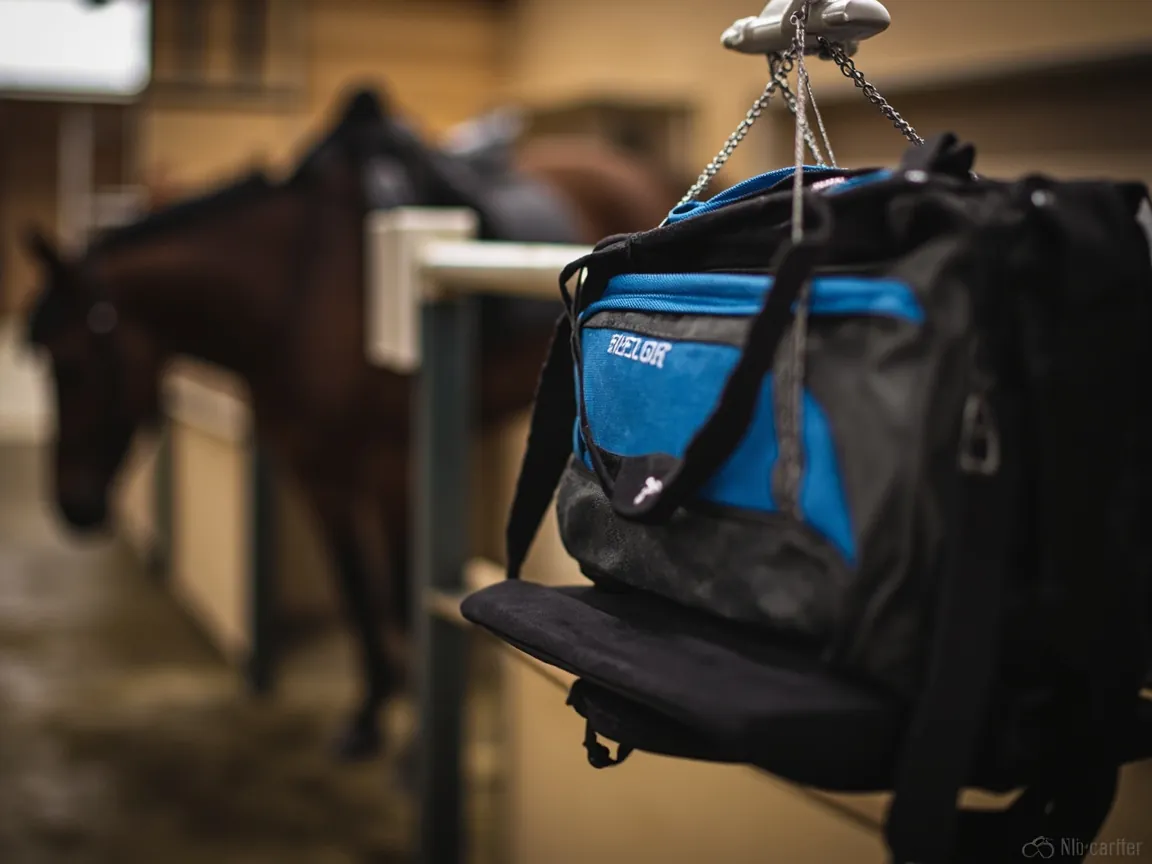
Transport fixation decides whether equipment arrives as it left. For vehicle transport, the case should use anti-slip features and straps to prevent movement under braking and cornering; heavy cases at the bottom, light cases on top, and the saddle and helmet zones away from positions that could topple or crush. For air freight, watch weight and dimension limits, use a hard case for the saddle and helmet with internal fixation to prevent damage from rough handling, and package any liquid care products according to carrier rules to prevent leakage contaminating equipment.
Event transfers are usually time-pressured and gear-heavy, so a modular and checklist approach is recommended: split horse equipment, rider equipment and care products into separate module cases, check them against the list before loading to reduce losses, and repeat the same process on arrival to confirm nothing is missing. For temporary storage, the case should lock or be watched centrally to prevent the loss of expensive saddles and helmets. The core of fixation and process is in place, matched and undamaged, keeping transport risk within a verifiable range.
Cleaning, Maintenance and Leather Care
Cleaning and care directly affect equipment life and the riding experience. Leather should have sweat and dirt wiped off after use, then be dried in the shade before a thin coat of dedicated care oil, avoiding strong sun and heat; when mould appears, isolate the item, remove the mould with a suitable method, dry it fully and hand it to professional care if necessary. Helmets should have the shell and liner wiped with a soft cloth after use, kept ventilated and dry, avoiding strong solvents and contact with sharp objects. Metal parts can take a thin coat of anti-rust oil after cleaning and drying, with regular checks for corrosion and looseness.
The case itself should also be cleaned regularly: wipe off mud and grass clippings, clear the vents and gasket grooves, and keep the liner dry; in humid seasons check the desiccant and replace it on time. It is worth keeping an equipment ledger recording use, care and replacement dates, and in particular starting date and any impacts for helmets, so they can be replaced on the manufacturer's schedule. The value of care is that expensive equipment lasts longer and safety equipment stays reliable.
Maintenance, Storage and Replacement
Equestrian equipment maintenance is not only cleaning but also correct storage and timely replacement. The storage environment should be cool, ventilated and shaded, avoiding long periods at high temperature and high humidity or in direct sunlight; the saddle should always rest on its support, avoiding long uneven loading and distortion; the helmet should sit in a shaded, cool, independent place, not pressed by heavy objects or bumped by hard objects. For seasonal items not in use, clean and care for them, then store them in separate cases with a desiccant to control humidity.
Replacement should follow clear criteria: a helmet should be replaced after a significant impact or beyond the manufacturer's recommended service life, even if it looks intact; leather with serious discolouration, hardening, cracking or structural damage should be assessed for repair or replacement; metal parts with corrosion, deformation or cracks should be dealt with promptly. Write replacement criteria into the equipment management rules to avoid the gamble that unseen means still usable. The core of maintenance and replacement is putting safety and performance before appearance.
Procurement and Acceptance Checklist
Procurement should evaluate case, support liner, ventilation and moisture control and fixation as a whole, and the technical clauses must be clear and verifiable. The recommended checklist is: first, use and equipment list, stating whether the case is for a saddle, a helmet or general tack, with dimensions and weights as the input to case and support design; second, case structure and material, including whether ventilation and dividers can be added; third, the saddle support scheme (three-point support, rigid support, soft pad, locating liner); fourth, the helmet clearance and cushioning scheme; fifth, ventilation and moisture requirements (adjustable vents, desiccant slot, whether a logger is fitted); sixth, transport fixation and handling configuration (anti-slip, strap points, handles, casters); seventh, protection rating (citing GB/T 4208 or IEC 60529 where outdoor or wet use is involved); eighth, documents (material certificates, sampling plan); and ninth, lead time, packaging and after-sales terms.
Acceptance should use three steps of first article, measurement and sampling: check on the first article the fit of the saddle support and helmet clearance, the feel of the latches and handles and the ventilation design; measure with a fully loaded carry and a bump test to check equipment displacement; and sample material, liner consistency and the quality of ventilation parts.
| Acceptance item | Method | Pass criterion |
|---|---|---|
| --- | --- | --- |
| Saddle support | Load a saddle and check | Three-point support, no pressure |
| Helmet clearance | Load a helmet and check | Independent clearance, shaded and cool |
| Ventilation and moisture | Ventilation check | Adjustable vents, desiccant slot |
| Transport fixation | Fully loaded bump test | No displacement, no collision |
| Material and hygiene | Material certificates and inner check | Easy clean, no contamination |
| Documents and service | Certificates and warranty | Complete and accountable |
Common Mistakes to Avoid
Mistake one: using an ordinary suitcase for a saddle, which lacks support and crushes the saddle. Mistake two: mixing a helmet with hard objects, where impact can cause hidden failure. Mistake three: sealing leather in a damp case, which actually accelerates mould through lack of air. Mistake four: leaving a helmet in a hot car, where heat accelerates material ageing and reduces protection. Mistake five: packing equipment without cleaning, where sweat and mud damage leather and breed mould. Mistake six: mixing metal fittings with leather, which scratches and rust-stains the leather. Mistake seven: looking only at capacity and not at support and fixation, so equipment shifts and is damaged during event transfers. Putting these into a review table prevents most equipment damage and safety risk.
Frequently Asked Questions (FAQ)
Question: What is the essential difference between an equestrian gear case and an ordinary suitcase? Answer: The essential difference is whether it protects shape and safety equipment. An ordinary suitcase only solves storage and carrying, whereas a saddle's value and fit depend on its shape, and once crushed it affects riding comfort and the health of the horse's back; a helmet's protection depends on its shell and shock-absorbing liner, and an impact or prolonged heat can fail it without a visible mark. An equestrian gear case must therefore simultaneously deliver shape retention, ventilated mould prevention, impact protection and sorted fixation, supporting the saddle, giving the helmet clearance and letting leather breathe. Put simply, an ordinary suitcase solves fitting everything in while an equestrian gear case solves packing safely and arriving unchanged.
Question: Why must a saddle be supported in transport? Answer: Because a saddle's shape directly determines its value and fit. A saddle is built from a tree, panels and leather, and incorrect loading bends the tree and compacts the panels, reducing fit and potentially pressing the horse's back over time. Support passes the load through the natural structure of the tree instead of concentrating it at one point, and a locating liner limits displacement to prevent sliding and collision under vibration. No heavy object should be stacked on the saddle in transit, and a rigid divider should separate the saddle zone from the tool zone. For high-value or fit-critical saddles, use a dedicated rack with a custom liner.
Question: How should a helmet be stored and transported? Answer: It should be shaded from light and heat, protected from impact and kept ventilated. The shell and shock-absorbing liner are sensitive to heat and impact, so prolonged exposure ages the material and a collision can cause invisible failure; keep the helmet cool and ventilated, away from a hot cabin or hold, and away from hard objects such as stirrups and spurs. After use, wipe it and air-dry the liner to prevent sweat causing odour and mould. For long air freight, wrap the helmet in a cushioned soft bag before fixing it in a hard case for double protection. After a significant impact or beyond the manufacturer's service life, replace it according to standard rather than relying on an intact appearance.
Question: Why does leather tack grow mould, and how is it prevented? Answer: Mould comes mainly from damp and lack of ventilation. Leather is hygroscopic, and residual sweat, rain and mud as well as ambient moisture are absorbed; if the item is then sealed in an airtight case, the warm damp environment is ideal for mould and the metal fittings also rust. Three prevention points apply: first, ventilation first, with the case adjustable rather than fully sealed; second, humidity control, using a desiccant in humid regions or seasons and replacing it regularly; third, store after cleaning, removing sweat and mud and drying fully with the care oil absorbed before packing. Mould should be isolated, treated and fully dried to avoid contaminating other equipment.
Question: What protection rating does an equestrian gear case need? Answer: It depends on the scenario. If the case mainly moves between an indoor stable and a vehicle, ordinary dust and moisture protection is enough; if it is used outdoors, in rain or near water, choose a case with water resistance stated on the GB/T 4208 or IEC 60529 IP scheme, for example IP65 or IP67. Note, however, that leather and fabric need to breathe, and long full airtightness actually encourages mould, so for a leather-dominant case prefer adjustable ventilation plus splash resistance rather than the highest sealing level. Consider a higher rating with a desiccant only when electronic devices or strict moisture control are involved.
Question: How can gear be kept from being lost during event transfers? Answer: Use modular and checklist management. Split equipment into separate module cases for horse equipment, rider equipment and care products, attach a checkable list to each, verify item by item before loading and recount the same way on arrival so that a gap means a missing item. Mark and assign responsibility for high-value and critical items such as the saddle, helmet and documents. Leave some spare space for temporary additions and avoid overpacking that makes access difficult; for temporary storage the case should lock or be watched centrally. Fixing the process sharply lowers the chance of loss.
Question: How is leather tack cared for day to day? Answer: Follow four steps of clean, dry in the shade, oil and store. After use, wipe sweat and mud with a soft cloth without aggressive scrubbing that damages the surface; dry in the shade in a ventilated place, never in strong sun or by heat, which hardens and cracks the leather; once fully dry, apply a thin coat of dedicated leather care oil and let it absorb before storage, avoiding a thick layer that attracts dust. Metal fittings can take a thin coat of anti-rust oil after cleaning and drying, kept from long direct contact with leather. Shorten the care cycle in the rainy season or humid conditions, isolate and fully dry any mould, and hand it to professional care if necessary.
Question: What is most often overlooked when procuring an equestrian gear case? Answer: The three most overlooked items are saddle support, helmet clearance and ventilation and moisture control. Focusing only on capacity and appearance often means discovering after transport that the saddle is crushed, the helmet has collided with hard objects and the leather has moulded from stuffiness. Write into the procurement document the use and equipment list with dimensions and weights, case structure and material, the three-point saddle support and locating liner scheme, the helmet clearance and cushioning scheme, ventilation and moisture requirements (adjustable vents, desiccant slot), transport fixation and handling configuration, and material and document requirements, and agree first-article confirmation and batch sampling rules. Writing shape retention, ventilated mould prevention, impact protection and sorted fixation into the clauses is what stops a good sample from becoming an unusable product.
Question: Can one case serve both a saddle and general tack? Answer: It can, but only on the condition that the saddle zone is isolated. A general tack case holds many small items while a saddle transport case centres on shape retention, and if they share a case the saddle must sit in an independent space with support and a rigid divider to stop other gear pressing or scratching it. The helmet also needs its own clearance and must not share a compartment with metal fittings. If usage is frequent or the saddle is high value, a dedicated saddle case plus a general tack case is safer, since the shared case tends to compromise support once it is filled with small items.
Conclusion and Related Reading
The value of an equestrian gear case is that it builds four capabilities — shape retention, ventilated mould prevention, impact protection and sorted fixation — into one case. In selection, first define the equipment list and scenario, then settle the saddle support and helmet clearance scheme, the ventilation and moisture design, and the material and fixation requirements, and finally close the loop with care and a procurement acceptance system. Taking pack safely, arrive unchanged and access efficiently as the design goal is what keeps an expensive saddle undistorted, a safety helmet effective and leather tack mould-free. For scenarios combining horse equipment, rider equipment and event transfers, configure modular cases and manage by checklist to balance protection and transfer efficiency.
For further reading, see Plastic Protective Cases: Material and Structure, Foam Liner Comparison for Protective Cases, Sealing Materials for Protective Cases, IP Rating and Sealing Analysis for Protective Cases and Outdoor Case Material Selection Guide. JUNZHJIA offers a complete matrix from standard equestrian gear cases to fully custom saddle and helmet transport programmes; select according to your equipment and transfer profile.
This article is SEO/GEO technical content. Figures are typical and empirical values; specific parameters are subject to the manufacturer's latest test reports and customization scheme.