

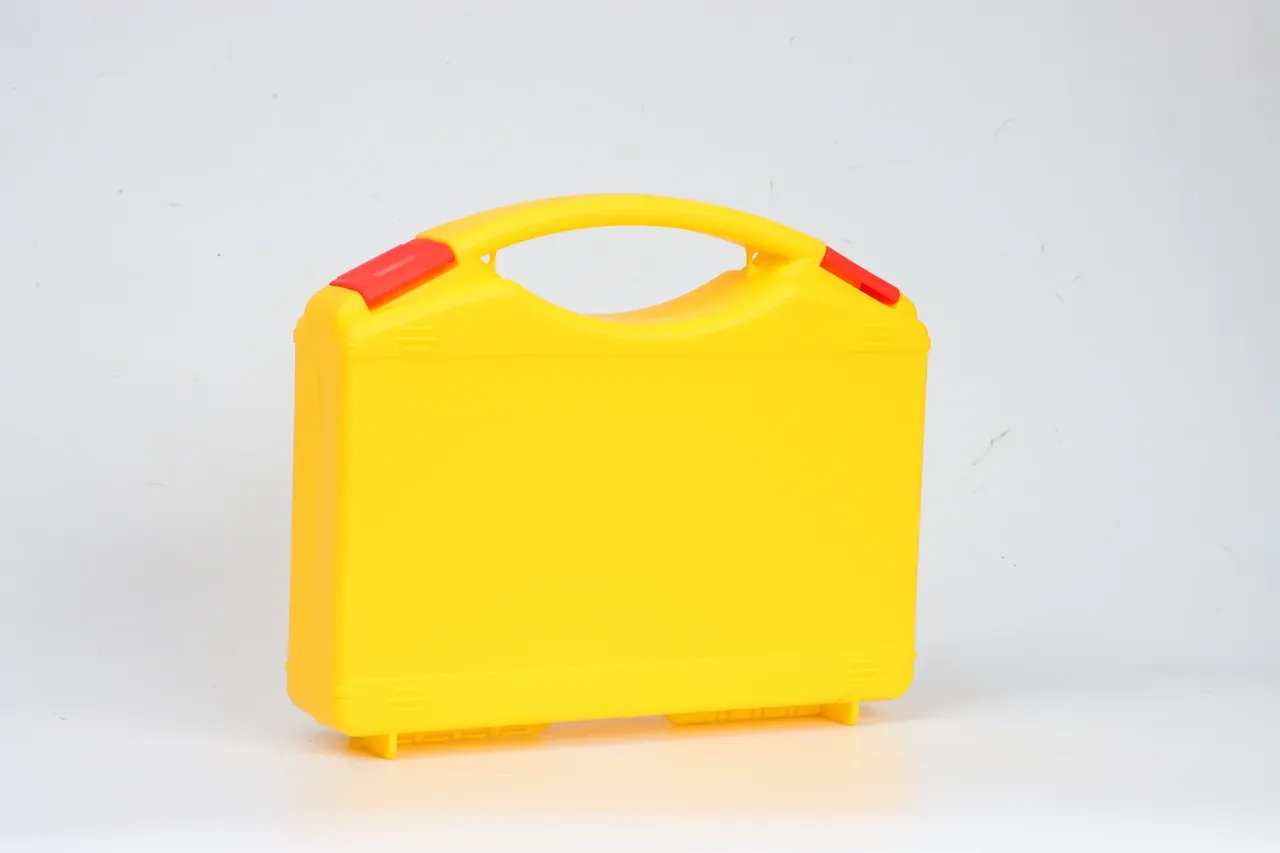
Quick answer: An Equipment Protection Case is accepted on numbers, not looks. Thirteen samples from a sixty-unit lot pass six checks, and each result read against a limit fixed before opening.
Table of contents
- Why thirteen samples from a sixty-unit lot
- Appearance, marking and stack condition
- Dimensions and wall thickness: three gauges
- Seals, latches and the pressure valve on site
- Foam fit, drop and stack tests
- Verdicts and disposition: rework, concession, rejection
- FAQ
1. Why thirteen samples from a sixty-unit lot
Sixty Equipment Protection Case units arrived to carry a portable spectrometer of 7.4 kg. Sampling followed GB/T 2828.1 level II: a lot of sixty gives code letter E, thirteen samples, AQL 1.0, zero acceptance and one rejection.
One bad unit in thirteen stops the lot.
Verdict lines were signed off before the first lid opened, allowing only pass, fail or retest.
Four units came from each of three pallet layers, with cavity numbers covering all four moulds.
2. Appearance, marking and stack condition
Inspection began at the loading bay, in good light. The delivery stood five high, and a bulging bottom unit meant load was pressing the lid.
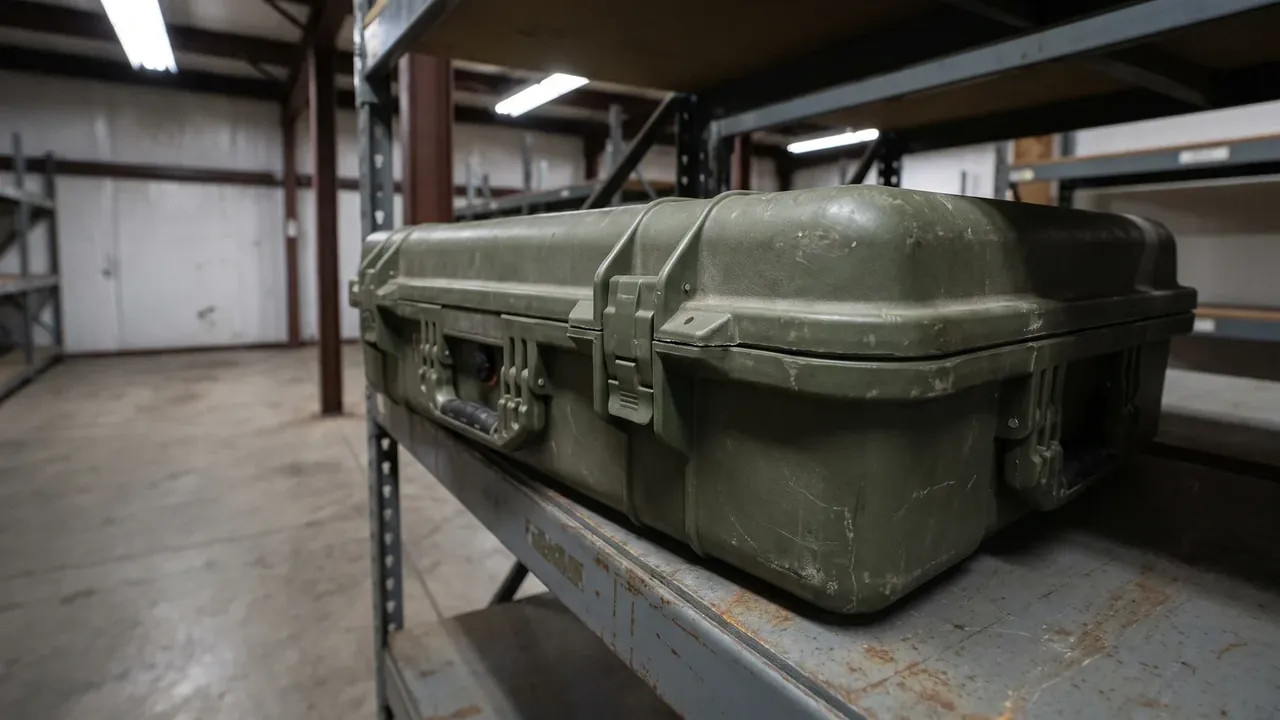
Seven points, by eye and hand:
- Flash: finning over 0.5 mm at the parting line
- Colour: drift beyond 1.5 units in daylight
- Flow marks: broad patches on the base
- Plate: model, batch, cavity number
- Latch boss: whitening cracks at the root
- Gasket end: joint offset over 1 mm
- Feet: four touching, rock under 1 mm
3. Dimensions and wall thickness: three gauges
Two people can measure one unit 2 mm apart, so gauge, point and limit were fixed in advance.
| Item | Gauge | Points | Limit |
|---|---|---|---|
| Outline | Steel tape | Three directions | Within 3 mm |
| Cavity | Tape and square | Two directions | Within 1.5 mm |
| Wall | Ultrasonic | Five per unit | 3.8 mm minimum |
| Wall range | Ultrasonic | Same five | 0.4 mm or less |
| Tongue | Vernier | Four per unit | 7.5 mm plus or minus 0.3 mm |
| Latch boss | Vernier | Two per unit | 5.0 mm minimum |
Wall thickness carried the only systematic bias in this Equipment Protection Case lot. Three units read 3.6 mm at the base centre against 4.4 mm at the corners, an 0.8 mm spread where 0.4 mm was allowed. Powder piles in corners and thins across flats, so nominal sits at 4.2 mm, keeping margin at the thinnest point.
Those three went on hold.
4. Seals, latches and the pressure valve on site
The seal was proved by vacuum, not water.
Four latches closed, a pump on the valve port, minus 3 kPa, then sixty seconds of watching against a 0.25 kPa ceiling. Two units lost 0.4 and 0.6 kPa, gasket pushed 2 mm out on the hinge side.
Latches were pulled sideways with a force gauge. The limit was 220 N, eight Equipment Protection Case units read 240 to 280 N, and the weakest at 205 N traced to a thin boss rather than the latch.
The valve had to balance 0.1 bar in ten seconds.
5. Foam fit, drop and stack tests
The insert ran three layers: egg-crate sheet, compartment trays, two flat sheets.
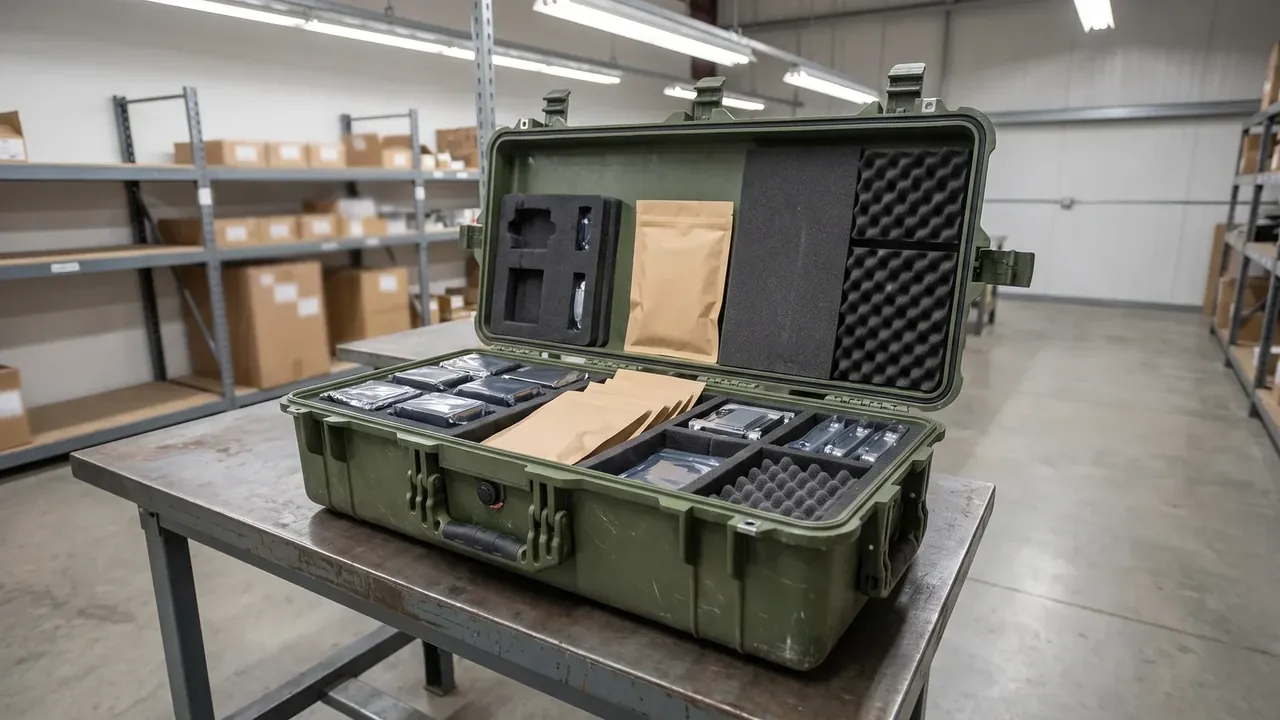
Fit is read on remaining travel. A 3 mm cork shim, ten seconds of lid pressure, and the imprint decides: broken means no contact, see-through means densification. Four units showed split imprints from glue laid without full pressure.
The Equipment Protection Case drop used two units: one corner, three edges, six faces, 1.2 m onto concrete after four hours at minus 25 °C. No crack, no latch release, no shift past 3 mm.
Stack ran five high at 60 kg, replaced by a 400 kg plate for twenty-four hours, capped at 3 mm.
6. Verdicts and disposition: rework, concession, rejection
Ten passed, three failed: wall at 3.6 mm, latch at 205 N, gasket offset of 2 mm, all from one cavity.
| Failure | Risk | Disposition | Recheck |
|---|---|---|---|
| Thin wall | Weak drop margin | Reject cavity, supply 8 | Five-point gauge |
| Latch at 205 N | May pop in a drop | Concession plus strap | Pull every unit |
| Gasket offset | Vacuum loss | Re-seat, then retest | 60 seconds at minus 3 kPa |
| Collapsed foam | Load shifts | Rework, press 10 seconds | Continuous imprint |
Wall and latch touch safety margin and get no concession. Foam glue and print position rework and recheck. Anything between is accepted with written conditions.
Rejecting an Equipment Protection Case lot over one unit is hard, since a pallet goes back and the schedule moves. Here all three went back, but only across the fifteen units from that cavity.
Conclusion
An audit closes on one sheet when gauges are assigned, limits are written and rejection scope follows the evidence. Thirteen units out of sixty pointed at one cavity. Numbers on the sheet decide it, and an Equipment Protection Case stops resting on opinion.
This article discusses only the container (case body) side of specifications and design intent, and does not cover any handling, loading or use of the contents.
Related Reading
- Three lines of defence in an equipment case
- Choosing an equipment case by load and route
- Inspection items and limits for airdrop cases
- Storing and caring for case moulds
- Pallet and case marking rules
Related Products
- 8 Series — Gun Cases; Military Equipment Cases; Camera Equipment Cases; Drone Cases; Watch Cases; Knife Cases; First Aid Cases; Electronics Equipment Cases
- WL8-2812 PP Gun Case — model WL8-2812
- All protective cases and toolboxes: 7 series, 158 models