


Quick answer: How long a first aid kit case lasts is set by whether inspection, cleaning and replacement are written as cycles, not by shell thickness. Two years of records from one county hospital give four criteria, three replacement lines and a one-page log.
Table of contents
- Four criteria on the inspection sheet
- Cleaning: three steps and ninety minutes of drying
- Replacement lines for gasket, latch and hinge
- Repairing the liner, marking and handle
- Writing the cycle into the log
- A year-end review in numbers
- FAQ
1. Four criteria on the inspection sheet
The first sheet held one line: shell intact, contents complete. It failed within months, because intact has no scale: the same unit could pass with a nurse and be flagged by the maintenance desk on the same morning, both correctly.
The second version replaced wording with four actions anyone can do on the spot, across 42 units.
| Criterion | What you do | Fail line | Cycle |
|---|---|---|---|
| Opening | lift the lid fully, let go | falls back more than 15 degrees | 30 days |
| Sealing | pull a paper strip along the rim | strip slides out anywhere | 30 days |
| Latch | close, then read the rim gap | gap wider than 1.5 mm | 30 days |
| Interior | look for mould or pooled liquid | any spot means stop and clean | after each use |
Only the first needs a tool, a protractor. Once the lines became numbers, three buildings began reaching the same verdict, and a fourth revision, one column for the inspector's signature, halved re-work.
2. Cleaning: three steps and ninety minutes of drying
Cleaning is the step most often skipped, because it costs two hours rather than two minutes.
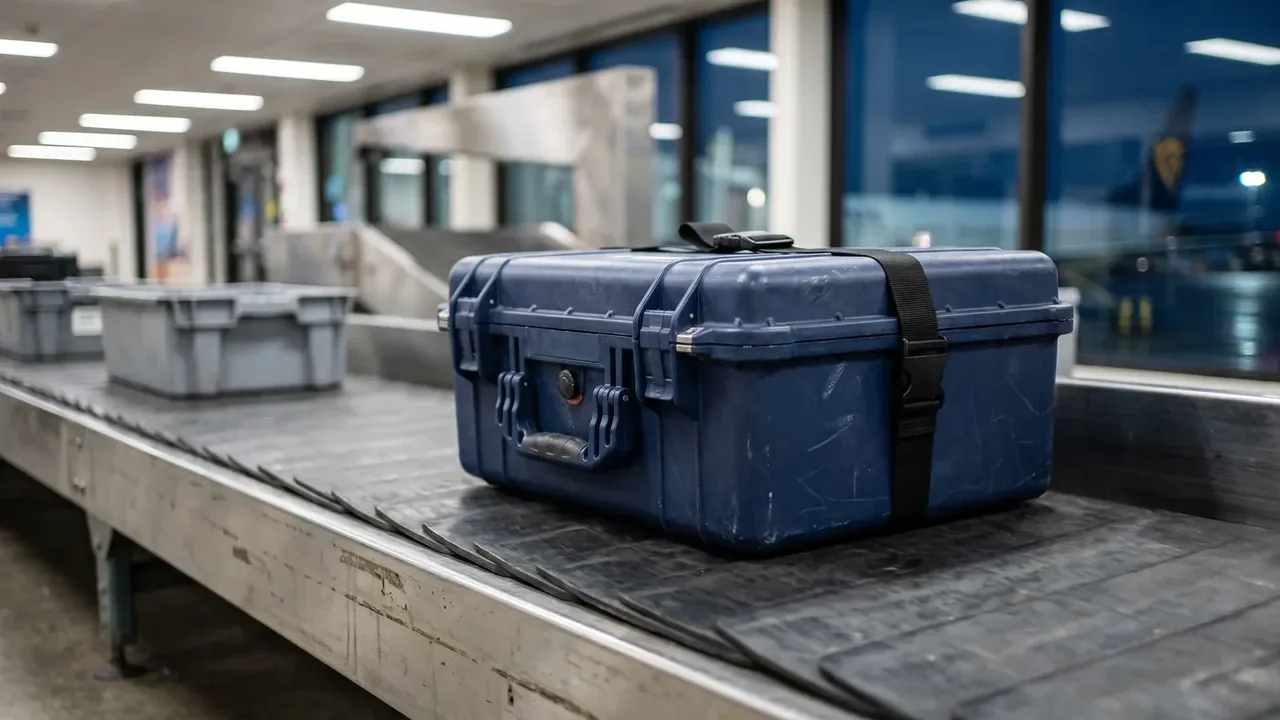
Three steps: pull the liner, wipe the interior, dry in air. Everyone does the first two; the difference is the third. After two passes of 500 mg/L chlorine and one rinse, water still stands in the rim channel and hinge wells, and closing the lid leaves it there until mould shows along the foam edge two weeks later.
Drying moves with the season, from 45 minutes in a dry November to 90 in June at 70 percent humidity, and cannot be judged by feel: rim channel, hinge well and latch root must be dry to the touch. Weekly chlorine is enough: daily use dulls the surface and crazing traps soil, and a skipped rinse hardens the gasket.
3. Replacement lines for gasket, latch and hinge
Four parts fail before the shell does, and three are consumables.
| Part | Symptom | Replace at | Unit cost |
|---|---|---|---|
| Gasket | stays flat, no rebound | 25 percent compression set, or 12 months | 12 yuan |
| Latch spring | closure feels soft | 3,000 cycles, or will not hold | 35 yuan |
| Hinge pin | lid rocks sideways | axial play above 0.3 mm | with the lid |
| Handle | whitening at the root | first stress whitening | 28 yuan |
The gasket is the only part replaced by the calendar, because its failure is invisible: lay it flat, measure after 24 hours, and a quarter thinner than new means it is done. Waiting for damp dressings once pushed gaskets to 20 months; a hard 12-month line cut losses from eleven batches a year to two.
Latch trouble lives in the spring. A tired spring makes closure feel soft, so staff push harder and crack the seat. Close the lid and push the rim: any movement means it is spent. Hinge play needs a feeler gauge; past 0.3 mm the lid rocks and the gasket leaks there.
4. Repairing the liner, marking and handle
Liner repair beats replacement while the liner still comes out in one piece.
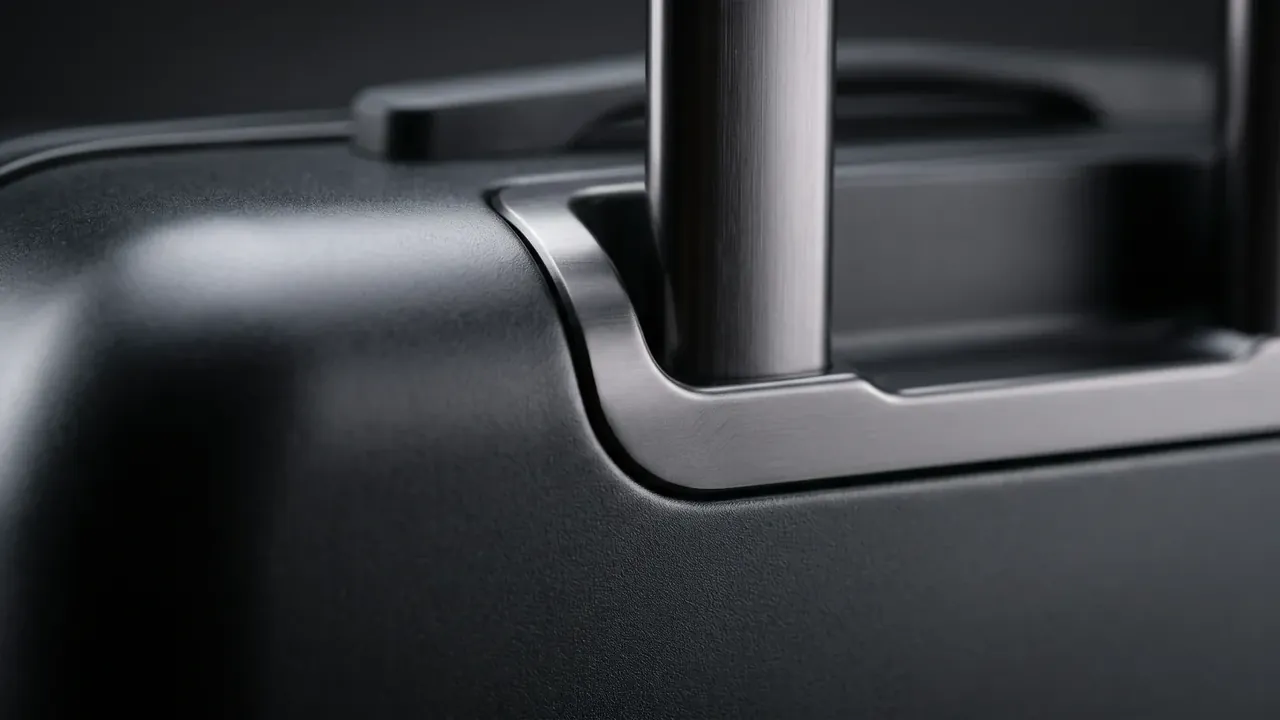
An 8 mm EVA layer often measures 5 mm after half a year, and pockets grow shallow. Four repairs, cheapest first:
- Pocket shims of matching thickness, pressed flat
- Full liner once a third of the pockets collapse, at about 30 percent of a new case
- Marking re-applied in place after old adhesive is removed
- A 1.5 mm stainless plate at the handle root, worth two more years
Marking is cheapest and most often postponed.
5. Writing the cycle into the log
One page covers all 42 units, provided every row carries a date and a signature.
- Asset number and room-level location
- Date and verdict of the last inspection
- Last cleaning date and drying time
- Parts replaced, with name, date and batch
- Next inspection due, counted 30 days forward
- Date out of service and returned, with reason
Thirty days covers shell and sealing, 90 the liner and marking, a year the hinge.
6. A year-end review in numbers
The records at the end of year two: units replaced fell from 19 to 7, units out of service when needed fell from 4 to zero, service life rose from 14 months to 26. The saving is about 4,600 yuan a year; availability is the real return.
Conclusion
Maintenance of a first aid kit case comes down to four criteria, three replacement lines and one page of log. None of that needs equipment, only intact replaced by a number, drying replaced by minutes, and regular replaced by dates on a calendar.
This article discusses only the container (case body) side of specifications and design intent, and does not cover any handling, loading or use of the contents.
Related Reading
- First aid kit case specifications: layers, sealing, marking
- First aid kit case versus alternative case types
- Setting a service cycle for war reserve cases
- Maintenance checks for hard shell suitcases
- Derusting and care for metal ammunition boxes
Related Products
- 8 Series — Gun Cases; Military Equipment Cases; Camera Equipment Cases; Drone Cases; Watch Cases; Knife Cases; First Aid Cases; Electronics Equipment Cases
- WL8-2812 PP Gun Case — model WL8-2812
- All protective cases and toolboxes: 7 series, 158 models