

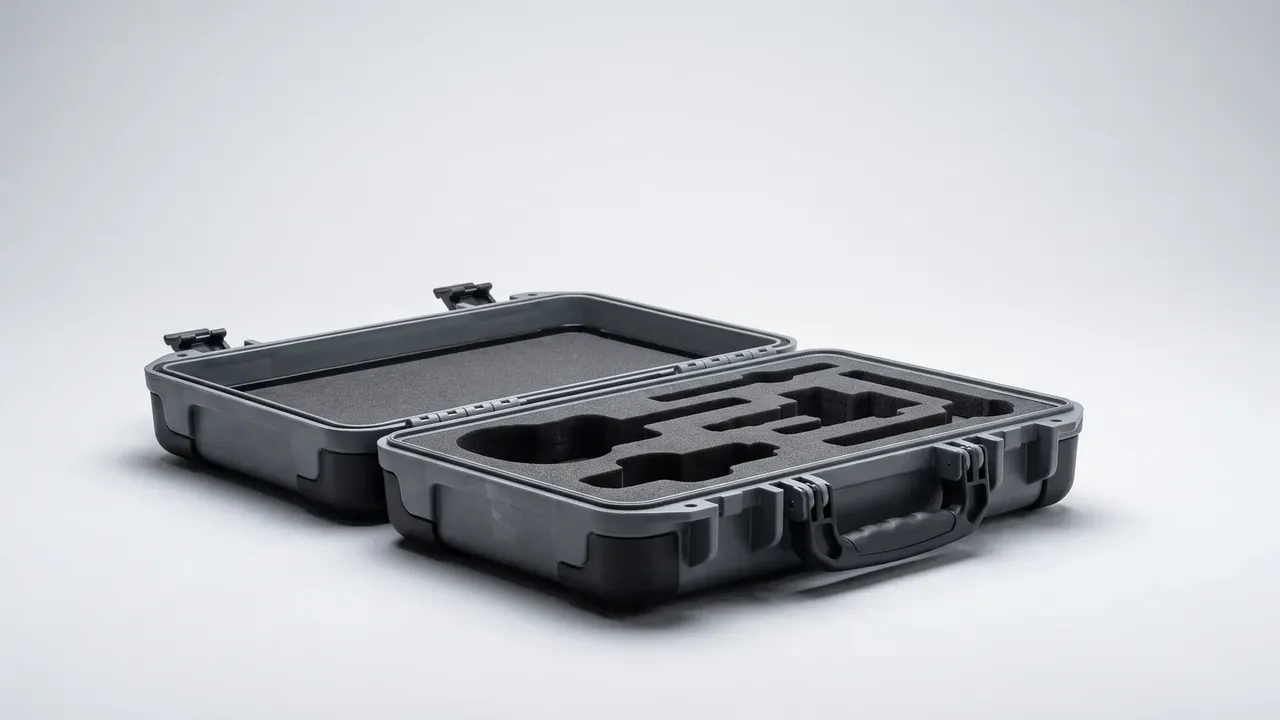
Quick answer: Most Foam Inventory Management errors sit in the half hour around shift change. Fix a weighing step at receiving, an offcut number and a trolley tag, and monthly book-to-floor variance drops from 7% to 1.5%.
Table of contents
- Where Foam Inventory Management stalls
- Receiving bench: rolls on end and labels
- Cutting station: pick lists and offcuts
- Trolleys: tracking work in progress
- Site stores: three documents
- Rework bay: the ledger afterwards
- FAQ
1. Where Foam Inventory Management stalls
At 22:00 the night shift collects what day shift left. The pick list calls for 18 sheets of 30 mm EVA. The storekeeper crosses the racks three times and pulls them from two mixed stacks: same colour, 8 kg/m³ apart in density. The parts will not seat, and the batch goes back for rework.
The ledger balanced. The floor did not.
Three moves break Foam Inventory Management at the crib: sheet counts with no weight, offcuts that vanish, trolleys with no tag. Each costs seconds; together they stop a line.
A 1.2 m liner takes 0.4 m² of sheet; re-squaring a shuffled 40-sheet stack costs 25 minutes, and that happens 3 times an 8-hour shift.
| Station | Physical move | Field to record | Usual mistake |
|---|---|---|---|
| Receiving | Weigh the roll, gauge the sheet | Batch, density, arrival | Rolls counted, thin delivery missed |
| Cutting | Cut to slip, number the offcut | Offcut ID, shortest edge | Offcut scrapped, phantom stock |
| Trolley | Tag the load, hold the limit | Tag number, station | No batch on the tag |
2. Receiving bench: rolls on end and labels
A roll 1.5 m wide and 25 kg, laid flat for 72 hours, takes a 12 mm flat spot and recovers half of it. Standing costs 0.3 m² and saves the roll.
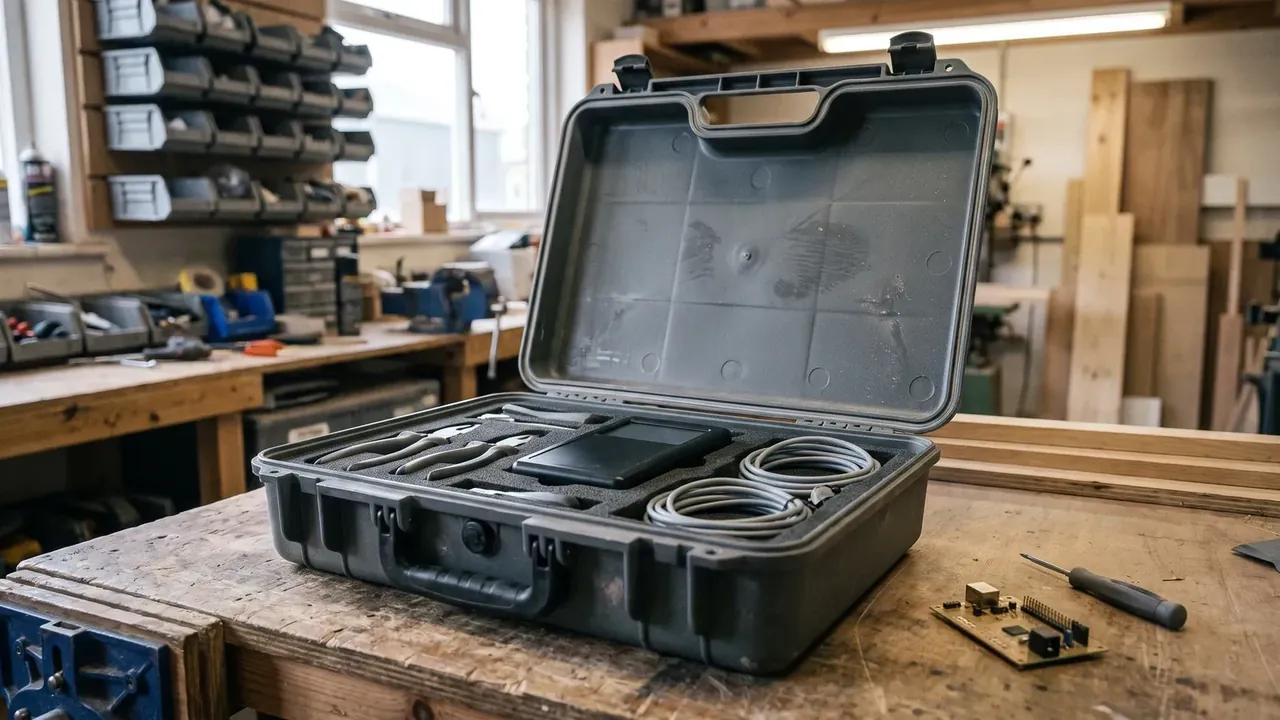
Receiving splits by form: weigh a roll whole at ±2%, gauge 3 sheets at ±1 mm on 30 mm stock, trial-fit the first insert at 1 mm per side.
Labels are 50 mm by 30 mm, stuck on the core face rather than the curve; a label on the curve rubs off once the roll stands.
| Form | Method | Tolerance | Mandatory fields |
|---|---|---|---|
| Roll | Weigh, measure diameter | Mass ±2% | Batch, width, density |
| Sheet | Gauge 3 sheets | Thickness ±1 mm | Batch, density, count |
| Insert | First-article fit | Gap ≤1 mm per side | Tool number, revision |
| Offcut | Measure shortest edge | ≥200 mm | ID, parent batch |
Weighing is where Foam Inventory Management usually fails. A new blowing agent moves density from 38 kg/m³ to 33 kg/m³, thickness reads the same and mass drops 13%.
3. Cutting station: pick lists and offcuts
The table is 1.6 m deep with a 1.2 m knife stroke, enough for 2 sheets of 500 mm per pass. Each cut leaves 30 mm per edge; a hot-knife kerf closes within 1 mm, so the 30 mm feeds the trimming step.
Offcuts are where Foam Inventory Management is hardest to audit. Strip to the scrap bin and issued quantity stops reconciling with finished parts.
Grade by shortest edge and number before returning; the ID extends the parent batch, as in E38-0715-03. Key the return slip within 2 hours, or the offcut reads as waste by morning.
| Shortest edge | Action | Rack position | Expiry |
|---|---|---|---|
| ≥600 mm | Number and return | Upper standing rack | Downgrade at 90 days |
| 200–600 mm | Number into a bin | Bins by density | Clear at 60 days |
| <200 mm | Clear same day | Scrap area | Never overnight |
Return everything above 600 mm for a month and yield rises about 6 points, visible on the next pick list.
4. Trolleys: tracking work in progress
Work in progress never reaches a rack. Foam Inventory Management on trolleys means 4 tiers, 40 kg per tier, heavy parts low, thin sheets high.
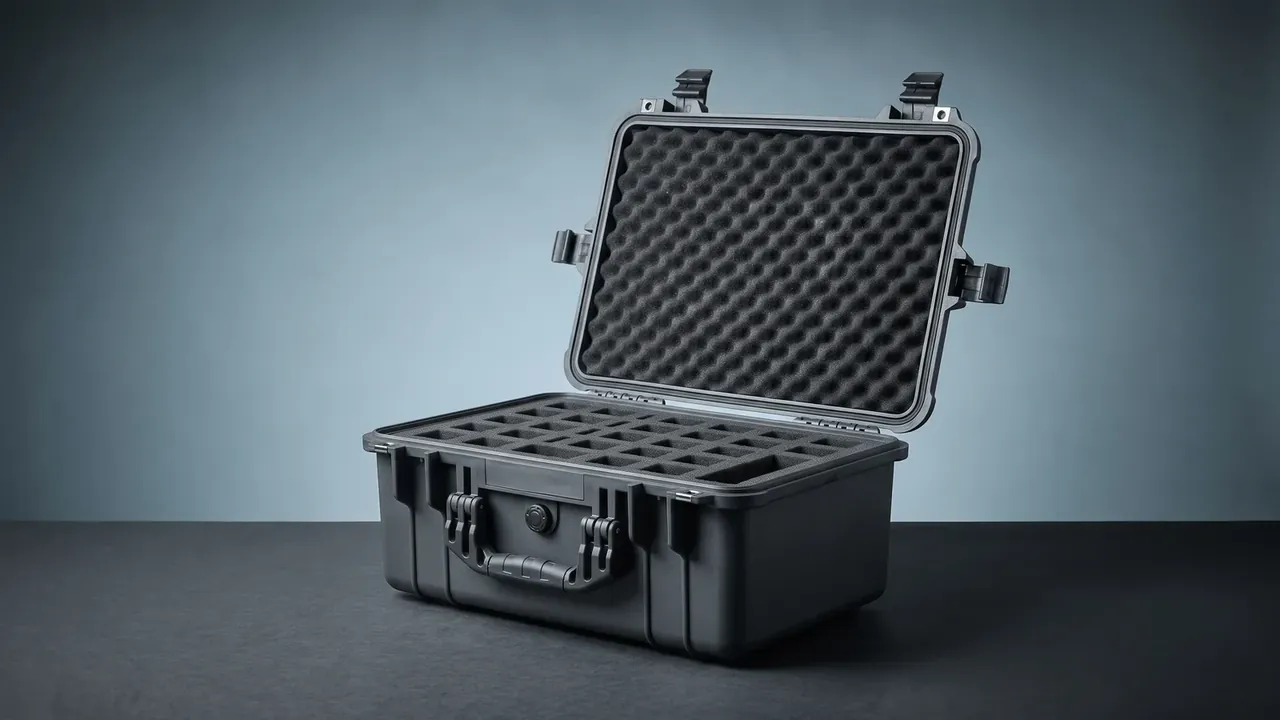
Above 40 kg the castors go first; a tilted wheel shifts the load, thin sheets crease, and the crease lands under the latch.
A tag beats a database. One card per trolley carries work order, quantity, picker and time, in 120 g kraft so swarf wipes off.
The classic mistake is stacking offcuts on top: no rail, the pile slides, and a 30 mm sheet with a lost corner is re-cut smaller.
5. Site stores: three documents
The project sits 300 km out with one 20 m² tent store; summer interior hits 38℃ and humidity holds at 80% for weeks. Foam absorbs in that air, and 48 hours adds 1.2% to mass. Fit it and the 30% compression calculated on dry stock is too light, so the seal never closes.
| Document | Signed by | Frequency | If missing |
|---|---|---|---|
| Dispatch note | Storekeeper, driver | 1 per vehicle | Transit quantity unknown |
| Hold card | Site lead | Weekly | Batches mixed, FIFO dead |
| Return note | Site lead, storekeeper | Every load | Offcuts turn into dead stock |
The hold card goes missing first; material lands in a corner, and by fit-out the batch sits at the bottom of the pile.
6. Rework bay: the ledger afterwards
Rework runs on a 48-hour cycle, and every liner pulled from a case is weighed before anyone decides its fate.
Foam Inventory Management breaks here more than anywhere: the old liner goes in the bin, the work order stays open, and month-end inventory goes negative.
Reuse needs three passes: compression set at or under 5%, no through-crack, no collapsed slot wall. Fail one and it is cut up on the spot.
About 30 rework sets arrive monthly and fewer than 9 liners return to stock; Foam Inventory Management should report that ratio, not the count.
Conclusion
Foam Inventory Management on the floor is one extra weighing, one extra number and one extra tag. Under 90 seconds buys a variance of 1.5% instead of 7%. None of it is dramatic, and all of it repeats every month.
This article discusses only the container (case body) side of specifications and design intent, and does not cover any handling, loading or use of the contents.
Related Reading
- Sequencing work in a foam cutting shop
- Storing foam: heat, humidity, stack height
- Specifying foam liners for plastic tool cases
- Fitting a liner into a case on site
- Custom foam inserts for ammunition boxes
Related Products
- 8 Series — Gun Cases; Military Equipment Cases; Camera Equipment Cases; Drone Cases; Watch Cases; Knife Cases; First Aid Cases; Electronics Equipment Cases
- WL8-2812 PP Gun Case — model WL8-2812
- All protective cases and toolboxes: 7 series, 158 models