

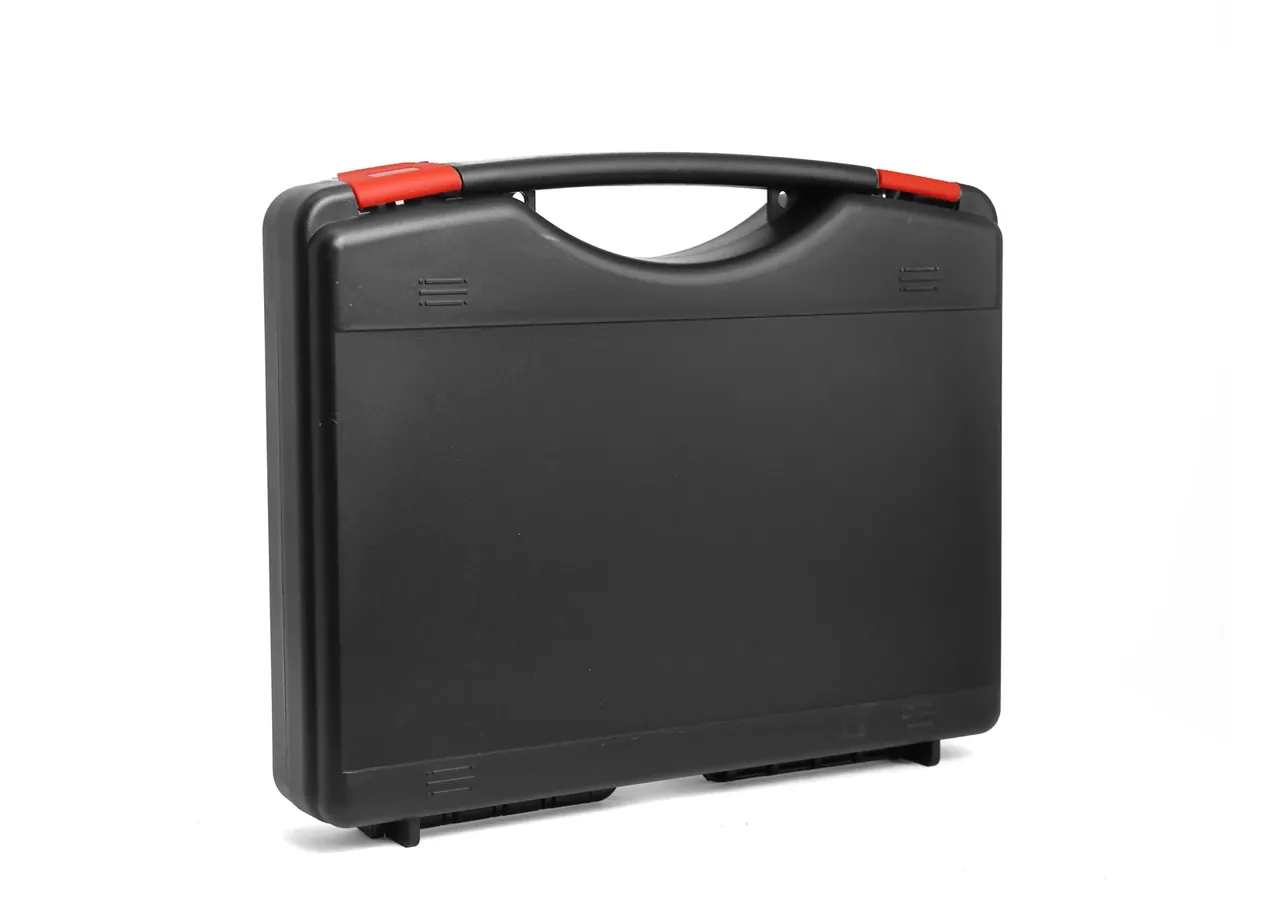
Quick answer: A Food-Grade Protective Case clears US rules by component listing and EU rules by migration, so one 70 °C × 2 h report cannot prove both.
Table of contents
- Two Regimes, Two Questions
- The FDA Side: Component Clearance
- The EU Side: Overall Migration and SML
- Test Conditions, DoC and Recyclate
- FAQ
1. Two Regimes, Two Questions
Send one Food-Grade Protective Case to two labs and the conclusions can differ. The US lab reads 21 CFR 177.1520 and asks whether the resin grade is listed and extractives stay under its ceilings. The EU lab reads 10/2011 and reports overall migration of 4.2 mg/dm² against a 10 mg/dm² limit.
The two regimes answer different questions: the US side asks whether each material is permitted before market entry, while the EU side accepts that a substance is authorised and measures how much leaves the article under stated conditions.
The US list is layered: resin at 177.1520, colorants at 178.3297, antioxidants at 178.2010, and anything outside those sections needs a food contact notification (FCN). The EU side gathers authorised substances in Annex I of 10/2011 and runs the finished article through overall migration and SML.
On a purchase order the difference is concrete: a US composition statement against a finished-article test report per simulant and condition, plus a DoC.
| Aspect | US FDA | EU 10/2011 |
|---|---|---|
| What is judged | Whether a substance is permitted | How much the article releases |
| Basis | 21 CFR 174–178 and FCNs | Annex I list and SMLs |
| Limit format | Extractive ceilings in the section | Overall migration 10 mg/dm² |
| Evidence | Composition statement, extractives | Test report and DoC |
2. The FDA Side: Component Clearance
21 CFR 177.1520 covers olefin polymers, homo- and copolymers of PE and PP included. It sets density ranges and extractive ceilings rather than issuing a pass certificate. Extractives are run in refluxing n-hexane and xylene, and the values must land inside the figures the section gives.
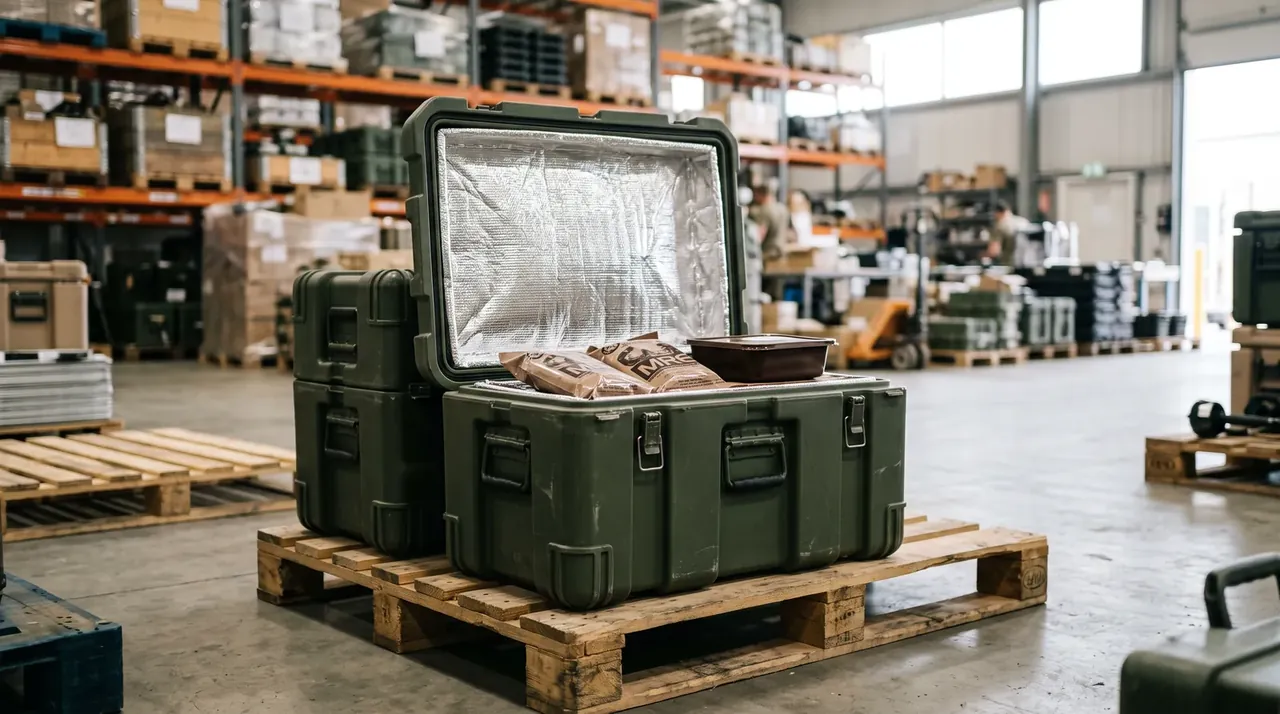
A case is more than a shell. Colorants sit under 178.3297 and antioxidants under 178.2010, while the gasket TPE or silicone has a section of its own. A compliant shell with an unlisted gasket compound is not a food-grade case.
An FCN is effective only for the notifier. Change resin supplier and the earlier notification does not travel with the new grade, which needs its own or an existing section.
So the US file has to be grade-specific: resin grade, colorant grade, section number, measured extractives. "PP, food grade" is worth nothing in an audit.
| Part | US landing point | EU landing point |
|---|---|---|
| Shell, PP or PE | 177.1520 olefin section | Annex I plus overall migration |
| Colorant masterbatch | 178.3297 | Colorant must be listed |
| Antioxidant | 178.2010 | Annex I, per-substance SML |
| Gasket, TPE | Own section, confirm | Annex I, per-substance SML |
3. The EU Side: Overall Migration and SML
The 10 mg/dm² figure is quoted most often, but cases with a capacity below 500 ml or above 10 L are judged at 60 mg/kg. A case with 6 dm² of food contact surface therefore carries a 60 mg ceiling.
SMLs are checked per substance. Annex I assigns a limit to each authorised substance; those without one fall to the 60 mg/kg generic limit, and entries marked not detectable are judged at 0.01 mg/kg. Passing overall migration while one additive exceeds its own SML is a common failure.
Simulants follow the food type, not the marketing category.
| Food type | Simulant | Code |
|---|---|---|
| Aqueous, low alcohol | 10% ethanol in water | A |
| Acidic, pH below 4.5 | 3% acetic acid | B |
| Up to 20% alcohol | 20% ethanol | C |
| Above 20% alcohol | 50% ethanol | D1 |
| Fatty | Vegetable oil | D2 |
| Dry | Tenax | E |
Choose 70 °C × 2 h or 40 °C × 10 days by use. For ambient reusable cases, 70 °C × 2 h is the strictest single condition and covers long room-temperature contact; chilled chains need a low-temperature condition added. Test three samples per condition.
4. Test Conditions, DoC and Recyclate
A DoC is not a stamped sheet. Under 10/2011 it names the manufacturer, identifies the article, states test conditions and simulants, records migration results and keeps supporting files for 5 years.
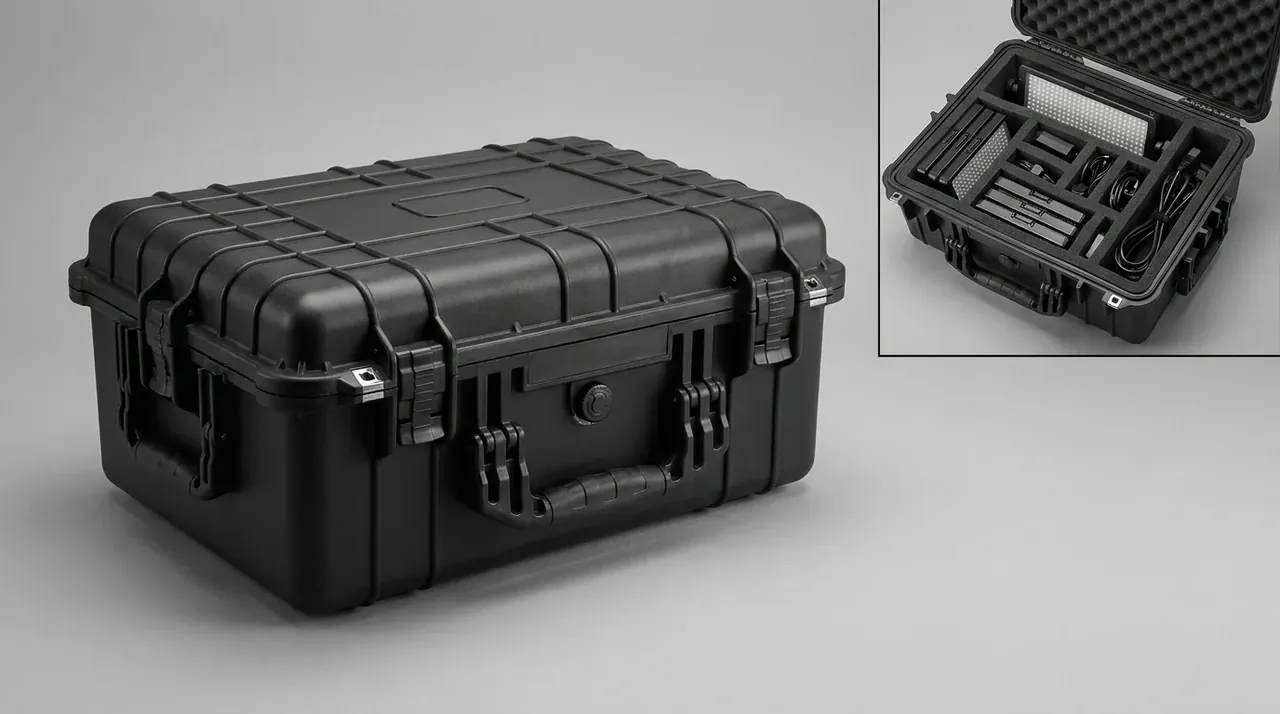
Batch traceability rests on four numbers: case batch, resin batch, colorant batch, test report number. When they line up the file is batch-specific; when they do not, the DoC is generic.
Recyclate divides the two markets. In the EU, recycled plastic follows (EU) 2022/1616. Authorisation attaches to the process, not the grade. Change recycler and the assessment starts over. In the US, recyclate needs challenge testing, possibly an FCN. The bars differ.
| Condition | Use | Duration | Note |
|---|---|---|---|
| 70 °C | Ambient reusable, worst case | 2 h | Most common |
| 40 °C | Long room-temperature storage | 10 days | Closer to shelf life |
| 20 °C | Short chilled contact | 10 days | Frozen chain separate |
Conclusion
Start by deciding whether the question is permission or migration. On the US side, check four things: the resin sits in 177.1520, colorants and antioxidants have their sections, any new additive holds an FCN, and measured extractives stay inside the ceilings. On the EU side, check four more: overall migration under 10 mg/dm², every SML passed, simulants matched to the real use, and a DoC backed by 5 years of batch files. A Food-Grade Protective Case that clears both sells in both markets; one that clears only one holds a report the other side will not accept.
Related Reading
- Choosing and qualifying a food-grade plastic case
- Specifying insulated cases for catering
- Temperature control and compliance in cold chain cases
- Tote configuration on a food processing line
Related Products
- 8 Series — Gun Cases; Military Equipment Cases; Camera Equipment Cases; Drone Cases; Watch Cases; Knife Cases; First Aid Cases; Electronics Equipment Cases
- WL8-2812 PP Gun Case — model WL8-2812
- All protective cases and toolboxes: 7 series, 158 models