

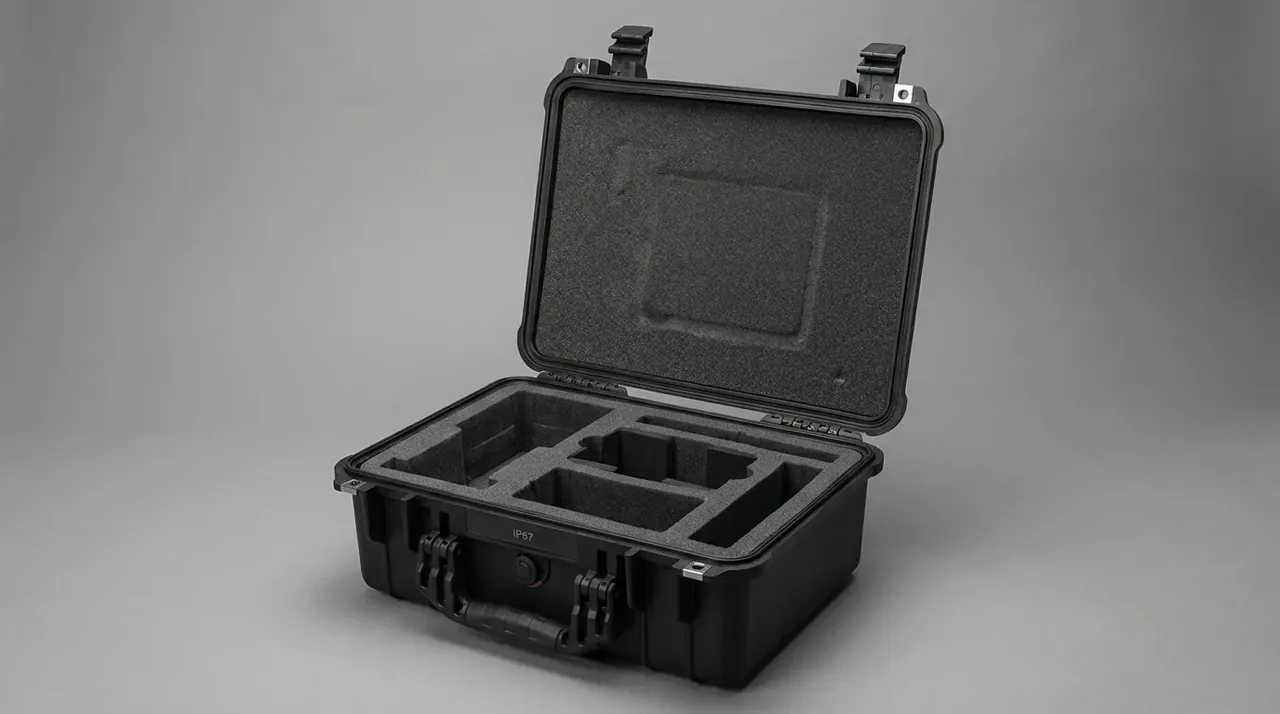
Quick answer: Case safety stock for 40 units a day over a 45-day replenishment is 133 units at Z 1.65, so 600 units covers 15 days.
Table of contents
- The formula: 133 units versus 600
- Checking 40 units a day and 45 days
- Three cases where 600 works
- Recalculating for seasonality
- The dead stock risk of 600 units
- Deciding when 600 is right
- FAQ
1. The formula: 133 units versus 600
Every input can be measured, so the output should never be a figure rounded off in a meeting. Case safety stock is Z × σ × √L: Z 1.65 for a 95% service level, σ 12 units from twelve months of daily demand, L 45 days of replenishment. The square root of 45 is 6.71, so 1.65 × 12 × 6.71 = 132.8, rounded to 133 units.
600 units is 467 above that, or 4.5 times the result. At 40 units a day it covers 15 days against 3.3 days for 133, so the extra 11.7 days is advance buying rather than risk cover.
| Input | Value | If it moves |
|---|---|---|
| Z | 1.65 | 97.5% gives 158 |
| σ | 12 units | 15 units gives 166 |
| L | 45 days | 60 days gives 153 |
| Demand | 40 units | Sets days, not units |
The input copied wrongly most often is L. A supplier quoting 45 days usually means release to completion, without sea freight or customs, and pasting that in cuts the cycle by a third, dropping the result to 88 units.
2. Checking 40 units a day and 45 days
Demand comes from twelve months of shipments, 14,600 units over 365 days, or 40.0 a day. Use outbound, never receipts: receipts carry promotional bulk arrivals that lift the average by 15% and drag the figure up with them.
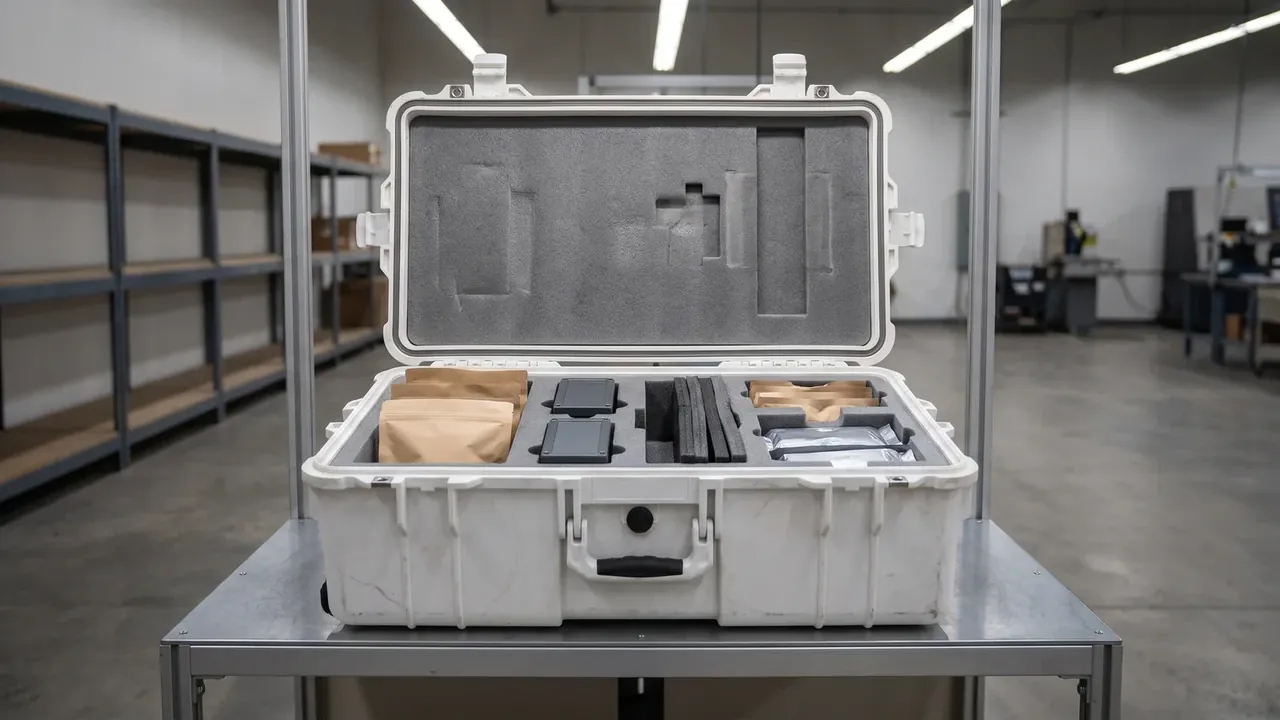
The 45 days split into 30 of production, 12 at sea and 3 for customs, and the supplier controls only the first part, so read each from its own history rather than an average one congestion event can stretch by 20 days.
σ of 12 comes from the spread of daily shipments: demand ran between 28 and 55 units a day, at a monthly average of 1,217 units, a best month of 1,380 and a worst of 1,050.
One wrong basis breaks the whole calculation. Demand from a tender month lifts 40 to 52; σ from three months presses 12 down to 8; a verbal 30-day promise shortens 45 to 33. Get all three wrong and the formula returns 60 units. Reconcile shipments, arrivals and stockouts on one sheet quarterly, then put the verified numbers into the rule untouched.
3. Three cases where 600 works
600 units is not automatically wrong. For case safety stock it holds in three situations, each driven by an outside constraint rather than demand variation.
Full-load buying: four bookings a year 91 days apart, with 600 units filling one 40-foot load, makes the load the order quantity. The 600 covers 15 days and the other 76 depend on handover, so a gap is fixed by changing the rhythm, not by adding stock.
A new product ramp: a 300-unit first order, a 600-unit second and 30 units a day give 20 days of cover, enough to bridge two first orders. Once demand settles at 40 a day the stock is 15 days and should fall back to 133.
A short promise date: committing to 30-day delivery against a 45-day cycle leaves a 15-day hole worth exactly 600 units, which is fulfilment cost booked in selling expense.
| Case | Trigger | Cover | Verdict |
|---|---|---|---|
| Full load | 4 bookings, 91 d apart | 15 d | Lot size only |
| Ramp-up | 300 first order, 30/day | 20 d | Valid, unwind later |
| Short promise | 30 d promise, 45 d cycle | 15 d | Fulfilment cost |
| Steady output | 40/day, monthly order | 15 d | Invalid, 133 fits |
4. Recalculating for seasonality
A single figure held all year averages the peak away. A 90-day peak at 78 units a day with σ 26 gives 1.65 × 26 × 6.71 = 288 units; a 120-day trough at 22 units a day with σ 8 gives 89 units, a gap of 199.
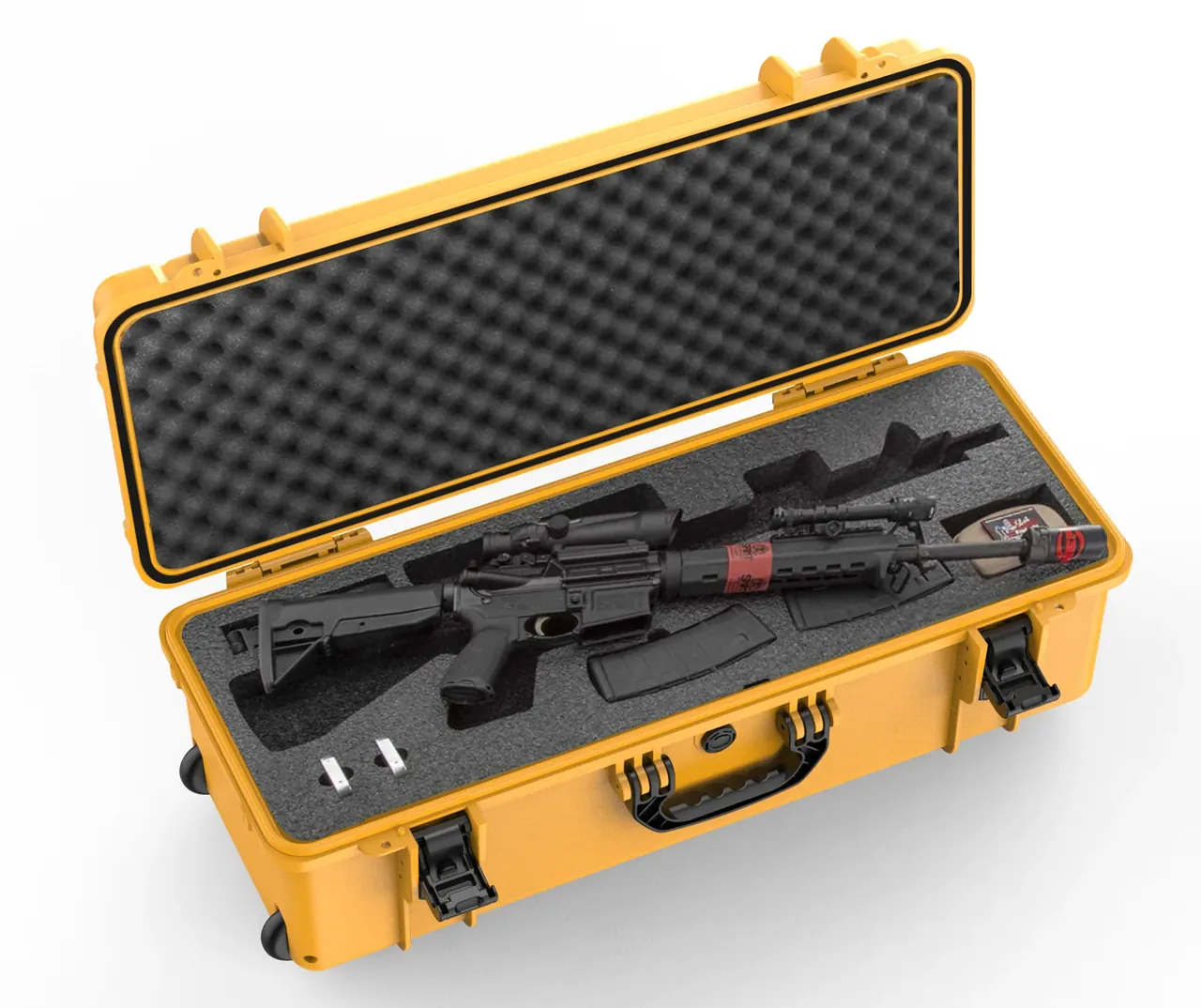
Holding both means carrying peak stock all year, and the extra 199 units tie up 11,500 yuan at 58 yuan a case. Switch instead: lift volume 45 days before the peak and stop ordering 30 days before it ends.
Starting 60 days out adds 15 days of cover, roughly 600 units; starting 30 days out leaves 40 units short in the first two peak weeks, which at 8,000 yuan a stockout buys 138 cases.
At 600 units, cover is 7.7 days in the peak and 27 days in the trough, so the question has no answer without a season.
5. The dead stock risk of 600 units
At 40 units a day, 600 units clear in 15 days. Ninety days without a pick turns them into dead stock: still on the books, no longer moving.
The cash tied up is 34,800 yuan at 58 yuan a case, about 1,566 yuan of interest at 4.5%, plus storage and counting near 2,000 yuan a year.
Gaskets also take a higher compression set past 12 months and opening force rises 8% to 12%, while damp foam recovers slowly and cut cavities loosen by 0.5 mm.
Disposal runs in three steps: split the SKU into 133 standing, 300 for the peak and 167 for clearance; share foam and hardware with a sister case; clear anything untouched for 12 months at 20% off. The balance drops 167 units and 9,686 yuan comes back.
6. Deciding when 600 is right
Four numbers settle the case safety stock verdict: daily demand, replenishment cycle, service level and demand spread. Run the formula, then compare 600 with the result.
| Daily | Cycle | σ | Needed | Cover | Ratio | Verdict |
|---|---|---|---|---|---|---|
| 40 | 45 d | 12 | 133 | 15.0 d | 4.5 | Cut to 133 |
| 78 | 45 d | 26 | 288 | 7.7 d | 2.1 | Peak only |
| 22 | 45 d | 8 | 89 | 27.3 d | 6.7 | Cut to 89 |
| 40 | 90 d | 12 | 188 | 15.0 d | 3.2 | Cut to 300 |
| 30 | 45 d | 12 | 133 | 20.0 d | 4.5 | Ramp only |
The last row is a transition mistaken for normal: at 30 units a day the target stays at 133 while 600 units cover 20 days, and the stock is dead the week the ramp ends. So calculate first, then decide where the units sit.
Conclusion
The answer to case safety stock is not the round number 600 but the figure 1.65 × 12 × 6.71 = 133. Measure demand from shipments, measure L from arrival dates and measure σ across twelve months, then run the formula. A ratio between 1.0 and 2.0 keeps 600; between 2.0 and 3.0 the rule needs a written reason; above 3.0 the SKU gets split. Rerun with σ at 26 for a peak season and the target jumps to 288 units, at which point 600 is suddenly too low. One number pointing in opposite directions across two seasons is exactly why arithmetic, not habit, should decide. Put four inputs, one ratio and one trigger on a single page and the argument ends.
This article discusses container-side specifications and design implications only, and does not cover any handling, loading or use of the contents.
Related Reading
- Case inventory and safety stock
- SKU planning for overseas warehouses
- Basic requirements for case storage
- Putting storage rules into practice
- Case upkeep during storage
Related Products
- 8 Series — Gun Cases; Military Equipment Cases; Camera Equipment Cases; Drone Cases; Watch Cases; Knife Cases; First Aid Cases; Electronics Equipment Cases
- WL8-2812 PP Gun Case — model WL8-2812
- All protective cases and toolboxes: 7 series, 158 models