

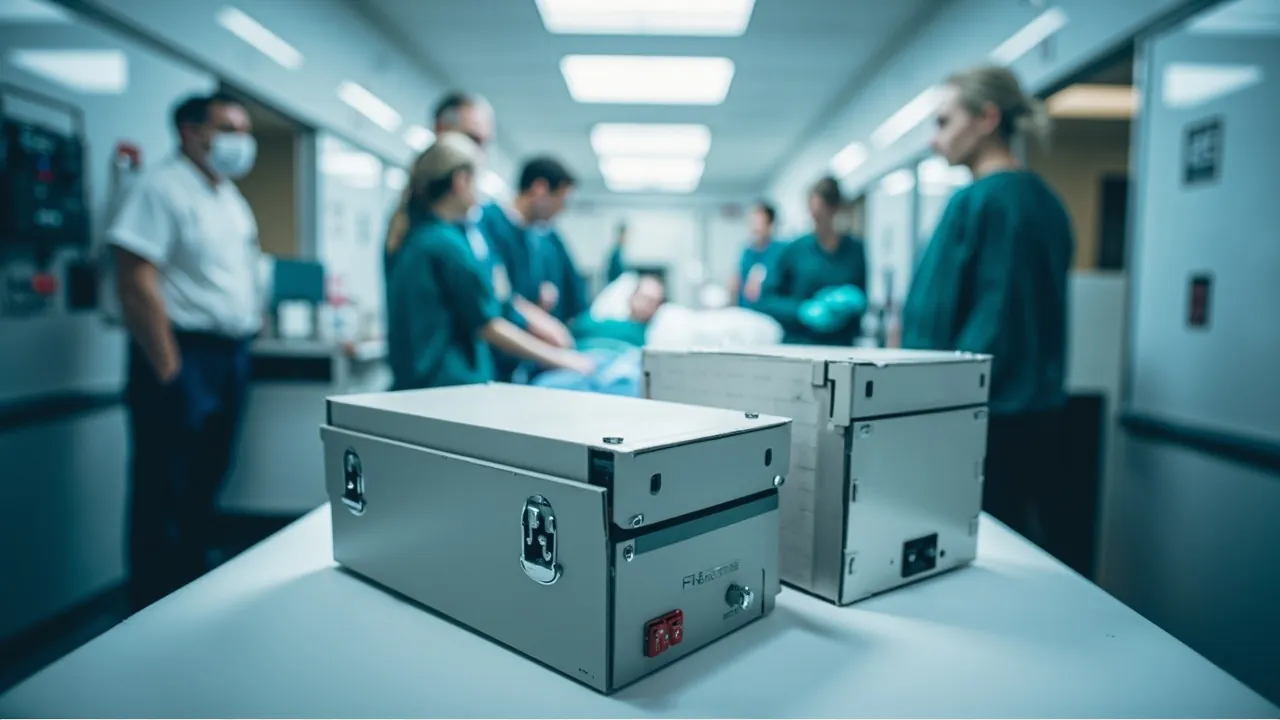
Medical equipment boxes and medical instrument boxes are specialized containers used in healthcare, emergency systems, and public-health scenes to transit, set, and protect various medical devices and instruments. The key conclusion up front: the core value of a medical box is the four-fold guarantee of "aseptic, stable temperature, leak-proof, traceable"unlike ordinary storage, medical boxes directly relate to patient safety and infection control, so they must meet medical-grade requirements in material biocompatibility, sealed leak-proofing, temperature control, and label traceability, not merely hold a lot. For hospitals, emergency centers, and public-health units, choosing the right medical box is a basic link of medical quality and compliance.
This article covers medical equipment boxes and medical instrument boxes, and first-aid medicine boxes, biological sample boxes, test kit boxes, portable ultrasound boxes, and public health emergency boxessorting materials, sealing, temperature control, sterilization, and selection so medical engineering and procurement can build a workable medical-protection spec.
Table of Contents
- Definition of medical equipment and instrument boxes
- Why medical scenes need dedicated boxes
- Core standards and compliance requirements
- Material selection and biocompatibility
- Sealed leak-proof and temperature design
- Protection rating and selection reference
- Medical equipment and instrument boxes
- First-aid medicine and portable ultrasound boxes
- Biological sample and test kit boxes
- Public health emergency box
- Size specifications and bay parameters
- Transit, setting, and infection control
- Sterilization traceability and test documents
- Custom liner and OEM/ODM
Definition of medical equipment and instrument boxes
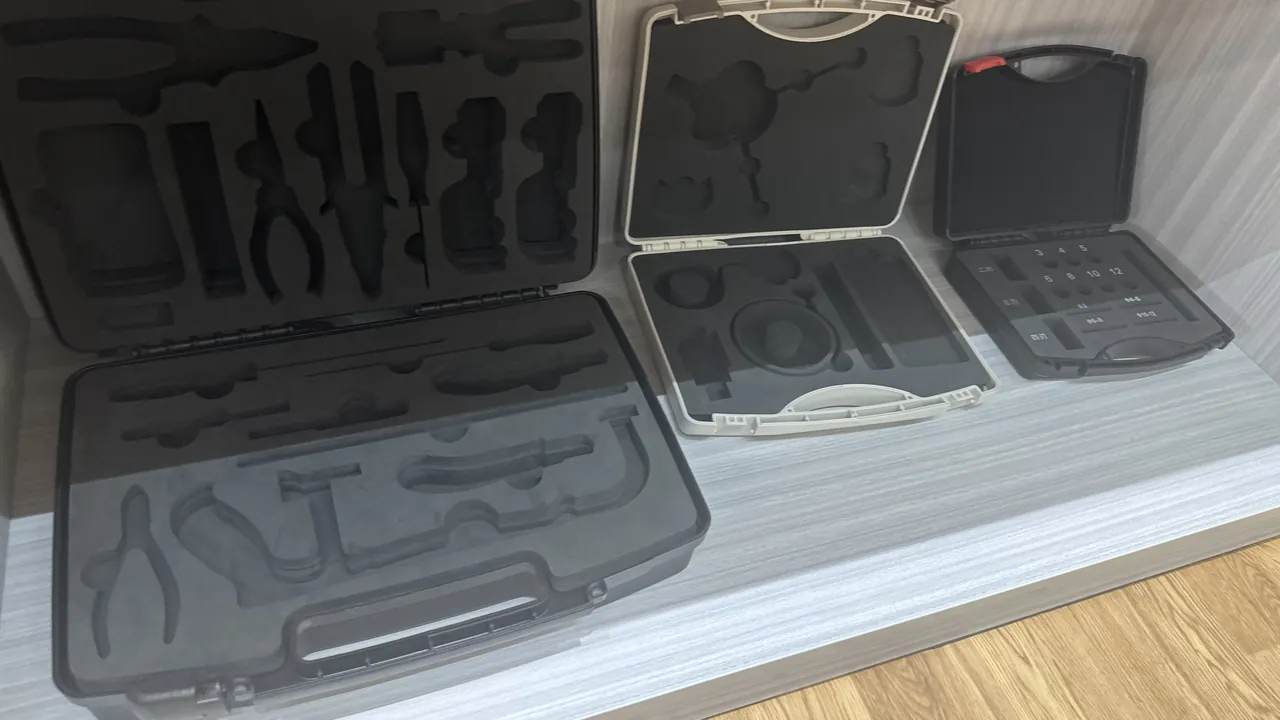
A medical equipment box broadly refers to a container for monitoring, infusion, portable ultrasound hosts or modules, emphasizing whole-unit protection and quick access. A medical instrument box targets classification, sterilization, and transit of specialty instruments (surgery, dental, ophthalmic), emphasizing instrument positioning and aseptic keeping. First-aid medicine boxes, biological sample boxes, test kit boxes, portable ultrasound boxes, and public health emergency boxes are finer carriers: medicine boxes manage drug grids and expiry; sample boxes manage cold chain and leak-proof; kit boxes manage item grids and light avoidance; ultrasound boxes manage whole-unit shock; public-health boxes manage multi-category integration.
By boundary, the series ranges from equipment level (medical equipment box, portable ultrasound box) to instrument level (medical instrument box) to consumable level (first-aid medicine, test kit, biological sample, public health boxes). Clarifying tiers avoids "big box small parts" causing positioning chaos and infection risk. Related categories align with whole-unit protection in Portable Diagnostic Equipment Cases: Handheld Ultrasound, Patient Monitor, Ventilator & Defibrillator.
Why medical scenes need dedicated boxes
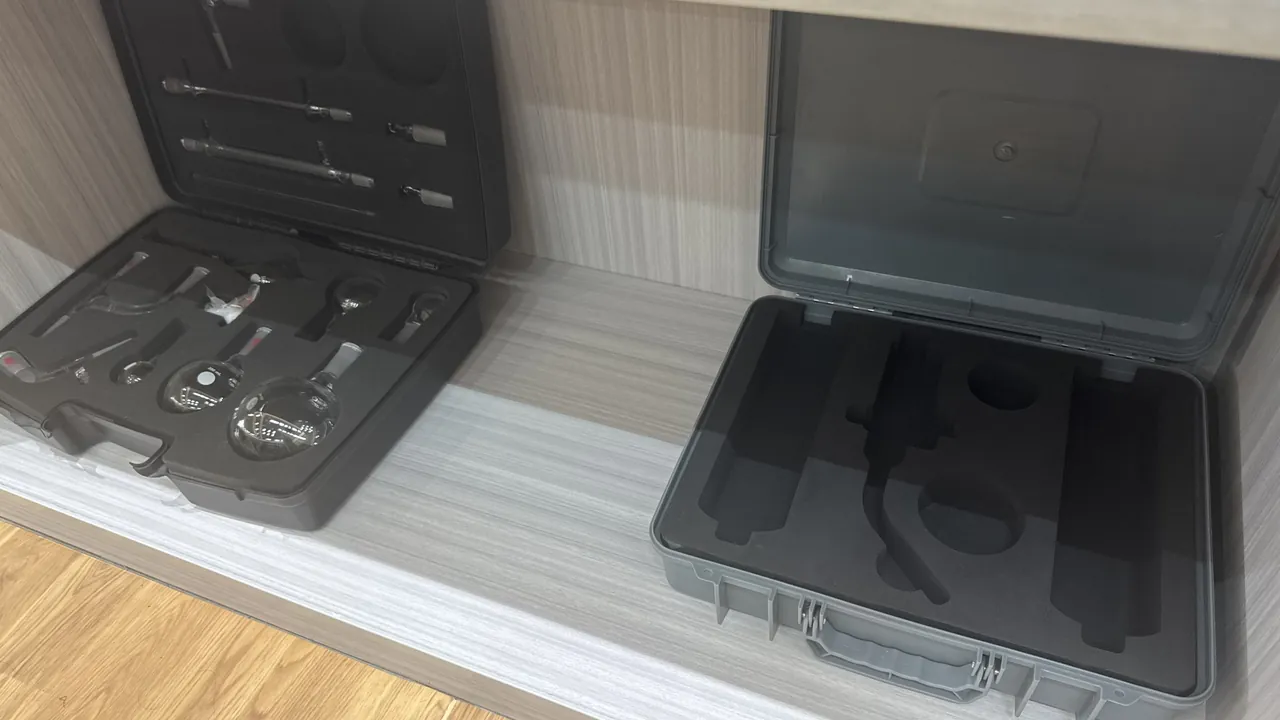
Replacing medical boxes with ordinary storage brings four risks. First, contamination: ordinary plastic is non-medical, easily carries bacteria, hard to fully disinfect, high cross-infection risk. Second, leakage: sample and kit boxes with poor sealing leak in transit, polluting environment and personnel. Third, temperature loss: drugs and samples needing cold chain lose control in box, fail or cause safety incidents. Fourth, misuse: drugs and reagents without grids and expiry labels get wrong-taken, endangering patients. Dedicated medical boxes lower all four via medical material, sealed leak-proof, stable temperature, and clear labels.
For infection control and public health, regulators commonly require medical devices traceable and aseptic items transported normatively; box failure means a compliance gap. So medical boxes should be medical-quality assets not low-value consumables. Put material biocompatibility, sealed leak-proof, temperature, and traceability first in the spec.
Core standards and compliance requirements
Medical-box protection should rest on standards. In China, GB/T 4208 (IP code) corresponds to IEC 60529 for dust/water; aseptic transit references WS/T and hospital sterilization-supply center norms for instrument boxes; biosafety transit references hierarchical packaging principles for specimens. Material should provide food- or medical-grade contact safety; flame retardancy references UL94. For powered devices, sealing and electrical safety comply.
Require material safety, seal-test summary, and disinfection-tolerance description, not just appearance. Boundaries differ: IP describes protection, infection norm describes aseptic transit, biosafety describes specimen hierarchycomplementary. For public health emergency, also watch durability and identifiability in disaster.
Material selection and biocompatibility
Medical-box material prefers medical- or food-grade PP, PC, dense surface easy to wipe and disinfect, no harmful release; avoid recycled and porous materials that trap stains. Transparent PC windows aid visual check. Latches and hinges of stainless or medical engineering plastic, disinfectant-wipe resistant without rust. Liner of disinfectable EVA or medical foam, avoiding ordinary sponge shedding contaminating instruments.
For sterilization-transit instrument boxes, material should tolerate the sterilization method (low-temp plasma, ethylene oxide) temperature and chemical environment, with tolerance stated. JUNZHJIA can use medical-grade PP one-piece shell with disinfectable liner for medical boxes, with zero-clearance notches by instrument and device shape, fitting hospital sterilization supply and emergency setting, easing infection control and bulk acceptance.
Sealed leak-proof and temperature design
For sealing, IP65 uses compression gasket with clasp; boxes with samples and reagents need continuous closed-loop seal against leak, IP67 against water. Liquid boxes get anti-backflow compartment and absorbent layer, leakage not spilling. Temperature: cold-chain medicine and sample boxes use passive insulation and ice-pack/PCM bay, with temperature card and breathable valve against condensation; non-cold-chain boxes still keep desiccant against mold.
For biological sample and test kit boxes, leak-proof and stable temperature are hard metrics, transit per hierarchical packaging. Related cold-chain logic combines Vaccine Cold-Chain Cases & Medicine Insulated Boxes and Emergency Transport Cases & Blood Collection Boxes, putting medical boxes into one temperature and leak system.
Protection rating and selection reference
The table below maps medical scenes to recommended ratings for quick comparison.
| Application | Recommended IP | Temp reference | Typical liner |
|---|---|---|---|
| --- | --- | --- | --- |
| Clinic device setting | IP54 | Ambient | Instrument cradle |
| Portable ultrasound transit | IP65 | Ambient | Shock foam |
| First-aid medicine box | IP54 | Ambient/light | Grid tray |
| Biological sample box | IP67 | Passive cold | Leak bay |
| Test kit box | IP54 | Light-avoid | Item grid |
| Public health emergency box | IP65 | Partial cold | Layered bay |
Grade by exposure and temperature: ambient devices IP54 suffice, sample/reagent need IP65–IP67 and stable temperature. For powered devices, confirm gasket has no migrating plasticizer.
Medical equipment and instrument boxes
Medical equipment boxes hold monitoring modules, infusion pumps, portable ultrasound hosts, emphasizing whole-unit fixation and quick access, liner die-cut zero-clearance by 3D, cable interfaces fixed against pressure. Medical instrument boxes position and aseptically transit specialty instruments (surgery, dental, ophthalmic), instruments independently notched not hitting, not cross-contaminating, box tolerating disinfection and sterilization.
Both enter OR and supply rooms; suggest medical-grade material, disinfectable liner, clear labels. For precision instruments, soft liner against knock. This series shares specialty-transit logic with Surgical Instrument Cases & Dental/Ophthalmic Instrument Protection, enterable into hospital instrument management. Related whole-unit protection references Portable Diagnostic Equipment Cases.
First-aid medicine and portable ultrasound boxes
The first-aid medicine box serves ambulances and visits, holding standing drugs, emergency injections, consumables, requiring clear grids, visible expiry, light avoidance against misuse. Inside grids by system (circulation, respiration, anti-allergy), cells labeled name and expiry, open to take, return to stable. The portable ultrasound box holds host and probe, emphasizing shock and probe fixation, battery bay and moisture, transport per lithium compliance.
The first-aid medicine box is the time-critical link of emergency; suggest issue by vehicle and point with regular expiry check; portable ultrasound box transits with visits, IP65+ drop and dust. Both need clear asset and expiry labels into emergency SOP. This box shares ultrasound protection logic with Portable Diagnostic Equipment Cases, enterable into emergency equipment management.
Biological sample and test kit boxes
The biological sample box serves blood, urine, tissue transit, requiring leak-proof, stable temperature, anti-backflow; inside absorbent layer and independent compartment, leakage not spilling; cold-chain samples with PCM bay and temperature card. The test kit box grids by test item, requiring light avoidance, moisture proof, clear items; inside item grids with batch and expiry, open to take reducing exposure.
Both are biosafety scope, transit per hierarchical packaging, clear traceable labels. For high-pathogenicity samples, boxes meet corresponding protection tier with seal slot. Related sample cold chain combines Emergency Transport Cases & Blood Collection Boxes, putting sample boxes into one biosafety system. This series complements Medical Equipment Boxes & Instrument Boxes tiers.
Public health emergency box
The public health emergency box is a multi-category integrated kit for disasters and public-health events, integrating drugs, consumables, sampling, and simple testing, requiring open-to-use, return-to-stable. Inside layered bays hold drugs, reagents, sample tubes, protection, each independent against cross; temperature card and seal slot for deploy traceable. For large events, suggest "one box multiple sets" backup, primary and spare separate.
Public health boxes enter disaster and temporary points; suggest IP65+ drop and dust, lid with eye-catching label and asset code. Write "layered anti-cross, partial cold chain, label trace" into spec. This box combines field-medical logic in Field Medical Cases & Combat First-Aid Kits, putting single boxes into public-health emergency system.
Size specifications and bay parameters
The table below lists specifications for common medical boxes; specifics depend on actual devices and instruments.
| Type | Outline (mm) | Suggested bay | Protection focus |
|---|---|---|---|
| --- | --- | --- | --- |
| Medical equipment box | 450×320×180 | Instrument cradle | Shock |
| Medical instrument box | 400×280×140 | Instrument position | Aseptic anti-hit |
| First-aid medicine box | 350×250×120 | System grid | Expiry light |
| Biological sample box | 300×220×150 | Leak bay | Cold anti-backflow |
| Test kit box | 320×240×100 | Item grid | Light moist |
List devices, instruments, and temperature needs first, then set bays and protection tier; for multi-spec, adjustable dividers are flexible.
Transit, setting, and infection control
Medical boxes in transit and setting must serve infection control. Transit per biosafety hierarchy, samples and kits independently leak-proof, not mixed with ordinary instruments; setting with name, expiry, asset code on lid, supply room and ambulance by position. Long storage away from light and moisture, regular disinfection and expiry check.
For reusable boxes, build wash-disinfection SOP, material tolerating disinfectant; single-use liner discarded per norm. Cross-department transfer gathers into one mother box to reduce loss. This management is the physical basis of medical-quality traceabilitysee sterilization traceability later.
Sterilization traceability and test documents
Medical boxes enter sterilization and quality traceability. Instrument boxes carry sterilization mark and batch record with sterilization expiry and number on lid; samples and kits carry batch expiry and transit record. Suppliers provide material safety, seal-test summary, disinfection tolerance and drop records, key parts (gasket, latch) batch checkable.
JUNZHJIA can provide per-batch archived test-document packages covering material safety, sealed leak-proof, drop, and temperature verification, convenient for hospitals in supplier review and infection re-inspection. Align medical-box testing with instrument sterilization cycles for a complete loop.
Custom liner and OEM/ODM
Bulk medical projects often need liners die-cut to device and instrument lists. JUNZHJIA can output zero-clearance liners and grid layouts from instrument and device 3D data, and support OEM/ODM color, screen print, and asset-code slot customization so medical boxes unify with hospital visual, infection, and asset standards. For hospitals and public-health units, this "listlinerbox" integrated delivery lowers setting-assembly and infection-management cost.
For customization, sample-verify instrument fit and disinfection tolerance before scaling; contract defines liner spares and five-year supply to avoid stockout. For multi-campus, build a unified box library with cross-campus interchangeable liners.
Common selection mistakes
Mistake one is ordinary boxes in medical, material carries bacteria hard to disinfect. Mistake two is sample/kits not leak-proof, transit leakage pollutes. Mistake three is no temperature control, drugs and samples fail. Mistake four is no grid expiry, wrong-take misuse. Mistake five is box-cargo split, sterilization and batch lost untraceable. The fix is writing "medical material, sealed leak-proof, stable temperature, grid expiry, sterilization trace" into the spec and verifying by sample disinfection and sealing.
Daily maintenance and care
After each use, return instruments and drugs, wipe stains and residue, reusable boxes per disinfection SOP; regularly check latches and gaskets for aging, liner for shedding; replace desiccant and ice packs by cycle, check on temperature-card over-range. Store stacked away from light and moisture, prevent aging. For sample and kit boxes, check seal and batch expiry on each transit, stop and dispose per rule on anomaly.
For spares, keep gaskets and liners at about 3% of box count, replacements at key departments. For powered device boxes, verify power and insulation before each task, ensuring usability.
Procurement and stocking advice
Procure by "device boxes by model, instrument boxes by specialty, drug/sample/kits by point": configure medical equipment and portable ultrasound boxes by model; medical instrument boxes by surgery, dental, ophthalmic; first-aid medicine, biological sample, test kit, public health emergency boxes by ambulance, department, public-health point with safety inventory. Budget medical boxes as medical-quality assets on a three-year cycle within infection and internal audit.
Stock by department and vehicle, label name expiry and asset code on the lid, monthly inventory and expiry check. For a wider matrix, combine Surgical Instrument Cases & Dental/Ophthalmic Instrument Protection and Vaccine Cold-Chain Cases & Medicine Insulated Boxes as lateral references to build a complete medical protection chain from device, instrument, drug, to sample.
In real-world deployments, selecting Medical Equipment Boxes & Instrument Boxes should never reduce to picking a box by its outer dimensions. These units face combined hazards of dust, moisture, vibration and temperature swing, so dust/water protection, shock resistance and foam retention must be specified together to avoid costly rework after delivery.
From a supply-chain perspective, categories like medical equipment boxes instrument protective case custom foam insert IP67 rating MIL-STD-810H are better served by batch customization than scattered purchases. A volume program locks case color, silkscreen identity, custom-cut foam and seal slots, keeping equipment consistent across sites and cutting the cost of non-interchangeable spares.
Standards give the acceptance its backbone. Medical Equipment Boxes & Instrument Boxes should map to GB/T 4208 (IEC 60529) for the IP code, MIL-STD-810H for drop and vibration methods, and the ISTA transit series; where flammability matters, add the UL94 rating. Put the standard numbers in the contract so vendors cannot substitute claims for test reports.
On materials, modified PP, ABS and PC each trade off differently. PP brings toughness and low-temperature resistance for large cases; ABS is rigid but brittle when cold; PC excels in impact and clear windows. For medical equipment boxes instrument protective case custom foam insert IP67 rating MIL-STD-810H, a one-piece shell with neoprene or EPDM foam gasket tends to age more predictably under salt spray and UV.
Foam is what turns a generic case into a purpose-built one. CNC-cut EVA, layered foam and adjustable dividers let the device sit with zero clearance, so it cannot shift under shock or drop. For Medical Equipment Boxes & Instrument Boxes, custom foam also shortens field setup and re-stow time, and the investment is usually far below a single instrument repair.
Maintenance is routinely overlooked. After each use, wipe standing water and salt from the lid, and on coastal sites rinse the gasket with fresh water then air-dry; periodically check latches and hinges for looseness and the gasket for cracks or loss of spring. Stocking latches and gaskets at about 3% of case count contains sudden failures.
Test documentation is the lever for traceability. Ask the supplier to ship material statements, IP summaries, drop and vibration records, and batch numbers for gasket, latch and hinge. For medical equipment boxes instrument protective case custom foam insert IP67 rating MIL-STD-810H, also keep a seal-status template for handover and audit, closing the loop from order to operation.
The procurement spec should name five hard metrics: target IP grade, the matching shock standard, flammability grade, foam form and the identification/seal position. Make sample-case acceptance a contract milestone, lock process and materials on the sample, then inspect volume lots to the same standard with per-batch files to keep lot-to-lot variance in check.
On site, traceable seal status often matters more than the case itself. Build a one-case-one-record habit listing the device inventory, calibration validity and seal state, checked before every use. This supports availability and gives closed-loop evidence for audits and accountability, especially at scale.
JUNZHJIA typically offers OEM/ODM and device-shaped foam tooling for Medical Equipment Boxes & Instrument Boxes, and can deliver per-batch test-file packages covering material flammability, sealing and drop, so buyers can call them up during supplier review and annual re-inspection.
Temperature swing is often underestimated. If Medical Equipment Boxes & Instrument Boxes is used in freezing or hot environments, confirm the material brittle-point and heat-deflection temperatures to avoid cold cracking or heat softening. For medical equipment boxes instrument protective case custom foam insert IP67 rating MIL-STD-810H, an insulated wall or phase-change buffer can keep the interior steadier during short transits.
Stacking and transit design affect field efficiency. The lid should carry anti-slip ribs or locating bosses so stacked cases will not slide sideways, and latches must not pop open under stacked load. For Medical Equipment Boxes & Instrument Boxes, calculate gross weight against the container limit and secure with straps or a cage to prevent latch fatigue from in-vehicle rolling.
ESD and EMC are implicit requirements for electronic equipment cases. For sensitive devices, use anti-static foam and consider a conductive layer or metallized film in the wall for shielding that lowers cross-talk with other radios. For medical equipment boxes instrument protective case custom foam insert IP67 rating MIL-STD-810H, apply these only as the device manual's ESD/EMC spec demands, avoiding blind over-build.
Cost should not be judged on unit price alone. A case below about 1% of the device value usually means cut materials and seals, and the long-run repair and downtime cost is higher. For Medical Equipment Boxes & Instrument Boxes, use a whole-life cost view that counts failure rate, spare availability and seal-verification time to find the option that is truly cheaper.
A smooth customization flow protects the lead time. The ideal path is: provide the device list and 3D data, the supplier returns a foam layout and a sample case, and volume runs start after seal verification. For Medical Equipment Boxes & Instrument Boxes, writing the foam tooling and sample milestone into the contract sharply reduces field rework and repeated changes.
A scenario-based grade map cuts selection guesswork. For medical equipment boxes instrument protective case custom foam insert IP67 rating MIL-STD-810H, build a table linking scenario to IP grade and liner form so apron, warehouse and channel environments each map to a case, letting front-line crews pick by the table and lowering the risk of water entry or calibration drift from misuse.
In real-world deployments, selecting Medical Equipment Boxes & Instrument Boxes should never reduce to picking a box by its outer dimensions. These units face combined hazards of dust, moisture, vibration and temperature swing, so dust/water protection, shock resistance and foam retention must be specified together to avoid costly rework after delivery.
From a supply-chain perspective, categories like medical equipment boxes instrument protective case custom foam insert IP67 rating MIL-STD-810H are better served by batch customization than scattered purchases. A volume program locks case color, silkscreen identity, custom-cut foam and seal slots, keeping equipment consistent across sites and cutting the cost of non-interchangeable spares.
Standards give the acceptance its backbone. Medical Equipment Boxes & Instrument Boxes should map to GB/T 4208 (IEC 60529) for the IP code, MIL-STD-810H for drop and vibration methods, and the ISTA transit series; where flammability matters, add the UL94 rating. Put the standard numbers in the contract so vendors cannot substitute claims for test reports.
On materials, modified PP, ABS and PC each trade off differently. PP brings toughness and low-temperature resistance for large cases; ABS is rigid but brittle when cold; PC excels in impact and clear windows. For medical equipment boxes instrument protective case custom foam insert IP67 rating MIL-STD-810H, a one-piece shell with neoprene or EPDM foam gasket tends to age more predictably under salt spray and UV.
Foam is what turns a generic case into a purpose-built one. CNC-cut EVA, layered foam and adjustable dividers let the device sit with zero clearance, so it cannot shift under shock or drop. For Medical Equipment Boxes & Instrument Boxes, custom foam also shortens field setup and re-stow time, and the investment is usually far below a single instrument repair.
Maintenance is routinely overlooked. After each use, wipe standing water and salt from the lid, and on coastal sites rinse the gasket with fresh water then air-dry; periodically check latches and hinges for looseness and the gasket for cracks or loss of spring. Stocking latches and gaskets at about 3% of case count contains sudden failures.
Test documentation is the lever for traceability. Ask the supplier to ship material statements, IP summaries, drop and vibration records, and batch numbers for gasket, latch and hinge. For medical equipment boxes instrument protective case custom foam insert IP67 rating MIL-STD-810H, also keep a seal-status template for handover and audit, closing the loop from order to operation.
The procurement spec should name five hard metrics: target IP grade, the matching shock standard, flammability grade, foam form and the identification/seal position. Make sample-case acceptance a contract milestone, lock process and materials on the sample, then inspect volume lots to the same standard with per-batch files to keep lot-to-lot variance in check.
On site, traceable seal status often matters more than the case itself. Build a one-case-one-record habit listing the device inventory, calibration validity and seal state, checked before every use. This supports availability and gives closed-loop evidence for audits and accountability, especially at scale.
JUNZHJIA typically offers OEM/ODM and device-shaped foam tooling for Medical Equipment Boxes & Instrument Boxes, and can deliver per-batch test-file packages covering material flammability, sealing and drop, so buyers can call them up during supplier review and annual re-inspection.
Temperature swing is often underestimated. If Medical Equipment Boxes & Instrument Boxes is used in freezing or hot environments, confirm the material brittle-point and heat-deflection temperatures to avoid cold cracking or heat softening. For medical equipment boxes instrument protective case custom foam insert IP67 rating MIL-STD-810H, an insulated wall or phase-change buffer can keep the interior steadier during short transits.
Stacking and transit design affect field efficiency. The lid should carry anti-slip ribs or locating bosses so stacked cases will not slide sideways, and latches must not pop open under stacked load. For Medical Equipment Boxes & Instrument Boxes, calculate gross weight against the container limit and secure with straps or a cage to prevent latch fatigue from in-vehicle rolling.
ESD and EMC are implicit requirements for electronic equipment cases. For sensitive devices, use anti-static foam and consider a conductive layer or metallized film in the wall for shielding that lowers cross-talk with other radios. For medical equipment boxes instrument protective case custom foam insert IP67 rating MIL-STD-810H, apply these only as the device manual's ESD/EMC spec demands, avoiding blind over-build.
Cost should not be judged on unit price alone. A case below about 1% of the device value usually means cut materials and seals, and the long-run repair and downtime cost is higher. For Medical Equipment Boxes & Instrument Boxes, use a whole-life cost view that counts failure rate, spare availability and seal-verification time to find the option that is truly cheaper.
A smooth customization flow protects the lead time. The ideal path is: provide the device list and 3D data, the supplier returns a foam layout and a sample case, and volume runs start after seal verification. For Medical Equipment Boxes & Instrument Boxes, writing the foam tooling and sample milestone into the contract sharply reduces field rework and repeated changes.
A scenario-based grade map cuts selection guesswork. For medical equipment boxes instrument protective case custom foam insert IP67 rating MIL-STD-810H, build a table linking scenario to IP grade and liner form so apron, warehouse and channel environments each map to a case, letting front-line crews pick by the table and lowering the risk of water entry or calibration drift from misuse.
Frequently Asked Questions
Q: Why not use ordinary boxes in medical? A: Ordinary boxes are non-medical, easily carry bacteria, hard to fully disinfect, high cross-infection risk; sample/kit boxes with poor sealing leak polluting environment and personnel; drugs and samples lose temperature failing or causing safety incidents; drugs and reagents without grids and expiry get wrong-taken endangering patients. Dedicated medical boxes lower contamination, leakage, temperature loss, misuse via medical material, sealed leak-proof, stable temperature, clear labels. Infection and public-health regulators require devices traceable and aseptic transit normative; box failure means compliance gap. So medical boxes are medical-quality assets; put material biocompatibility, sealed leak-proof, temperature, traceability first in spec.
Q: How to leak-proof and stabilize temperature in biological sample boxes? A: Biological sample boxes require leak-proof, stable temperature, anti-backflow. Inside absorbent layer and independent compartment, leakage not spilling; cold-chain samples with PCM bay and temperature card, passive insulation slowing rise; breathable valve balances pressure against condensation without breaking seal; specimens upright fixed against backflow. Transit per hierarchical packaging, clear traceable labels, high-pathogenicity samples meet corresponding tier with seal slot. For blood, urine, tissue, compartments independent against cross. Related sample cold chain combines emergency transport cases, putting sample boxes into one biosafety system for no temperature loss no leak whole journey.
Q: How to avoid item confusion and failure in test kit boxes? A: Test kit boxes grid by item, each cell labeled item, batch, expiry, open to take reducing exposure; box light-avoid and moisture-proof, light-sensitive reagents in shaded compartment; liner of disinfectable material against contamination. Expiry management labels total expiry on lid, item expiry per cell, regular near-expiry first-out. Transit per reagent temperature, cold-chain with temperature layer. For multi-item, layered bays avoid cross contamination. This box is biosafety scope, clear traceable; write "item grid, light-moist, batch expiry" into spec, verify by sample.
Q: What is the key design of a first-aid medicine box? A: The first-aid medicine box serves ambulances and visits, requiring clear grids, visible expiry, light avoidance against misuse. Inside grids by system (circulation, respiration, anti-allergy), cells labeled name and expiry, open to take, return to stable; light-sensitive drugs in shaded compartment; lid with eye-catching label and asset code into emergency SOP. The box is the time-critical emergency link, issued by vehicle and point with regular expiry check, near-expiry first-out. Write "system grid, expiry visible, light avoidance" into spec. This box with portable ultrasound forms emergency equipment, IP54+ disinfectant-wipe resistant.
Q: Do portable ultrasound boxes need shock and battery management? A: Yes. Portable ultrasound host and probe fear shock and pressure; inside instrument cradle and probe notch with shock foam zero-clearance, avoiding transit knock and probe pressure; battery bay independent insulated vented, transport per lithium compliance, never undisclosed; body IP65+ drop and dust, transits with visits. For precision probe, soft liner against knock, cable fixed against pull. Portable ultrasound boxes enter clinics and emergency; suggest medical-grade disinfectable material and clear asset labels. This box shares ultrasound protection logic with portable diagnostic cases, enterable into emergency and visit equipment management, with shock and battery safety as hard metrics.
Q: How do medical instrument boxes meet aseptic transit? A: Medical instrument boxes position and aseptically transit specialty instruments (surgery, dental, ophthalmic), instruments independently notched not hitting, not cross-contaminating; box medical-grade tolerating disinfection and sterilization (low-temp plasma, ethylene oxide) with tolerance stated; carry sterilization mark and batch record with expiry and number on lid. Reusable boxes build wash-disinfection SOP, single-use liner discarded per norm. Transit per infection norm, not mixed with ordinary items. This series shares surgical-instrument specialty-transit logic; write "instrument position, sterilization tolerance, sterilization trace" into spec, verify by sample disinfection, into hospital instrument management.
Q: How to integrate multi-category in public health emergency boxes? A: Public health emergency boxes integrate drugs, consumables, sampling, simple testing for disasters and events, requiring open-to-use, return-to-stable. Inside layered bays hold drugs, reagents, sample tubes, protection, each independent against cross; temperature card and seal slot for deploy traceable; for large events "one box multiple sets" backup, primary and spare separate. Enter disaster temporary points, suggest IP65+ drop and dust, eye-catching lid label and asset code. Write "layered anti-cross, partial cold chain, label trace" into spec. This box combines field-medical on-site logic, putting single boxes into public-health emergency system, lifting response speed.
Q: How to accept bulk medical-box quality? A: Four things: first, medical material, verify material safety and disinfection tolerance, avoid recycled; second, sealed leak-proof, water and flip verify sample/kits not leaking; third, temperature, verify insulation, ice bay, temperature card, simulate temperature-loss boundary; fourth, traceability, sterilization number expiry slot on lid, per-batch material seal drop temperature documents. Suggest small-sample disinfection and seal sealing first, mass by same standard. For multi-campus, build unified box library, annual re-inspection on gasket aging, liner shedding, expiry management, and put medical boxes into infection and audit cycles for medical-quality traceability.
Q: How much can medical boxes lower infection and error risk? A: They lower "contamination controllable, misuse preventable." Medical material and disinfectable liner eliminate cross bacteria, sealed leak-proof eliminates sample/reagent leakage, stable temperature eliminates drug/sample failure, grid expiry eliminates wrong-take, sterilization trace eliminates batch loss. Experience: treating medical boxes as quality assets, accepting by medical material sealed leak-proof stable temperature trace hard metrics, significantly reduces infection events and medication errors. Investment is far below one cross-infection or medication-error cost; set "four-fold guarantee" as hard metrics for real cost reduction and the basic link of medical compliance.
Conclusion and Related Reading
Medical equipment boxes and medical instrument boxes, and first-aid medicine boxes, biological sample boxes, test kit boxes, portable ultrasound boxes, public health emergency boxes, are the physical foundation of medical quality and infection control. Bringing them into a unified medical material, sealed leak-proof, stable temperature, grid expiry, and sterilization traceability standard secures patient safety and compliance from the source. JUNZHJIA's capability in medical-grade materials, instrument-based custom liners, OEM/ODM, and test-document archiving can serve as a cooperation path for bulk medical-box projects.
Related Reading