

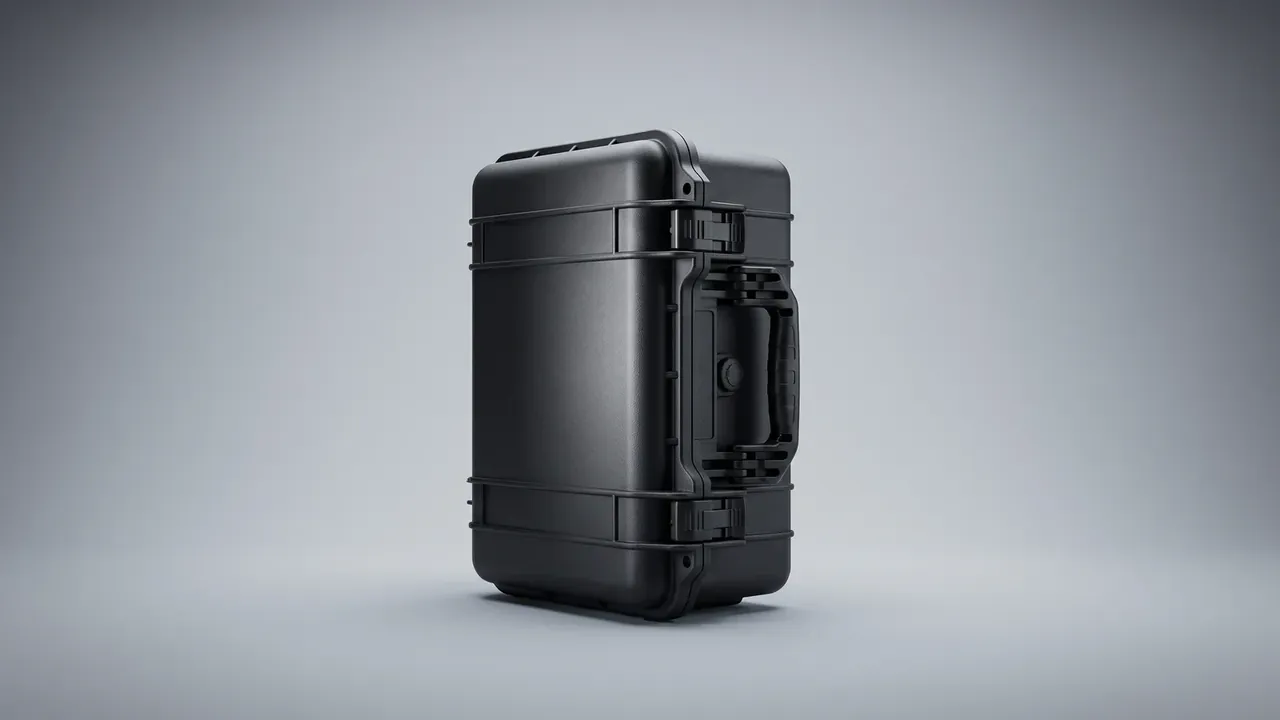
Quick answer: A Metal Ammunition Box is judged by five floor measurements: cavity length, latch gap, seal compression, base deflection and coating salt spray. Any one out of line removes the supplier.
Table of contents
- Five failures found in one return
- Latches and seal faces at the handover
- Re-measuring the cavity and divider pitch
- Judging stiffness on the loading ramp
- Three configurations inside one price band
- Turning five checks into one score sheet
- FAQ
1. Five failures found in one return
A pallet of Metal Ammunition Box units was refused at goods-in two autumns ago, with one line on the note: does not match the sealed sample. We measured both side by side.
| Check | Tool | Pass line | Evidence |
|---|---|---|---|
| Cavity length | Tape and square | Within 8 mm of nominal | Three points |
| Latch gap | Feeler gauge | 0.8 mm or less | Each latch, probed |
| Seal compression | Caliper on cord | 24% to 30% | Ten minutes after closing |
| Base static load | Weights and dial gauge | Under 1.5 mm in 72 hours | Centre and one corner |
| Coating salt spray | Spray cabinet | 720 hours minimum | Original mill report |
The cavity was nominally 860 mm and measured 822 mm, 38 mm short, consuming the whole assembly allowance once 4.5 mm walls were counted. The latch gap read 1.6 mm against 0.7 mm on the sample; the seal cord had become a hollow profile at 19% compression; four-layer stacking for 72 hours left the base sagging 2.4 mm; salt spray blistered at 480 hours against a 720-hour requirement.
None of the five needs a laboratory. What a Metal Ammunition Box buyer needs is those checks written into the sealed-sample record.
2. Latches and seal faces at the handover
Ten minutes is all a dock gives, so the order of inspection decides everything.

On a Metal Ammunition Box the latches are read three ways: how many, how far they travel, what gap remains. Four latches should mirror each other, the middle pair within 5 mm of equal distance from the ends. A latch travelling under 10 mm cannot compress the seal and opens in a year.
A gap above 0.8 mm means the base is not biting deep, which is where a lid works loose. Read the seal on cord section against groove: an 8 mm solid cord in a 3.2 mm groove lands near 26% compression; hollow cord recovers slowly at minus 20 °C.
3. Re-measuring the cavity and divider pitch
Measure at three stations along the long side and keep the smallest figure. Formed bodies close in at both ends, where net width runs 6 to 9 mm under the centre; a 10 mm corner radius with 1.5 degrees of draft takes another 4 mm.
Divider pitch comes from the pitch of what goes in: a 62 mm clear cell holds four columns, a 6 mm divider takes 18 mm across four cells, to be subtracted before length is fixed. Lid foam 20 mm at 30% compression eats 6 mm of depth.
4. Judging stiffness on the loading ramp
Stiffness is not a wall-thickness figure, it is what four stacked Metal Ammunition Box units do on a hot van floor.

One unit weighs 23 kg empty and carries 40 kg, so the bottom case of a four-high stack holds 189 kg on four feet and an unsupported base pan. A batch at 1.2 mm wall sagged 2.4 mm in 90 days, enough to break the seal line.
- Van floors reach 52 °C, the contact face softens and the permitted stack drops a layer
- A strap over the lid edge lets the base slide out; anchor on the rib-to-foot line
- With 450 mm shelf levels, keep case and pallet under 400 mm
5. Three configurations inside one price band
When three quotes land in the same band, the difference is how the budget split.
| Tier | Wall | Latches | Seal | Lining | Score |
|---|---|---|---|---|---|
| Basic | 3.5 mm | Two, nylon | Single hollow cord | None | 62 |
| Balanced | 4.5 mm | Four, nylon over steel | Single solid cord | Base foam | 78 |
| Reinforced | 5.5 mm | Four, all steel | Double solid cord | Six-face foam | 86 |
Basic pays later: 3.5 mm walls and two nylon latches leave the base near 3 mm down after four-high stacking, and one repair bill matches the step up. Balanced spends on latches and cord and survives inspection.
Reinforced earns its second ring outdoors or on sea freight past 30 days. Under three years Balanced wins; over ten years the premium falls under 2% of price a year.
6. Turning five checks into one score sheet
Weights and veto items must both exist, or the sheet collapses into price.
- Cavity dimensions, 25 points, zero beyond 8 mm
- Latches and hinges, 20 points, full deduction above 0.8 mm
- Seal face and cord, 20 points, nothing under 24% compression
- Base load and stacking, 20 points, half deduction beyond 1.5 mm
- Coating and finish, 15 points, prorated under 720 hours
Three items veto: a cavity over 8 mm short, fewer latches than designed, hollow cord quoted as solid. If one applies, a Metal Ammunition Box that cannot clear 70 stays out of the store.
Conclusion
A rejected batch bought a measuring routine instead of a refund. Once the five checks are in the contract, ten minutes at the dock separates the good from the rest, and the numbers argue for a Metal Ammunition Box you can defend for a decade.
This article discusses only the container (case body) side of specifications and design intent, and does not cover any handling, loading or use of the contents.
Related Reading
- Corrosion and seal replacement
- Steel and aluminium compared
- Ammunition chest criteria
- Storage unit selection order
- Box versus alternatives
Related Products
- 8 Series — Gun Cases; Military Equipment Cases; Camera Equipment Cases; Drone Cases; Watch Cases; Knife Cases; First Aid Cases; Electronics Equipment Cases
- WL8-2812 PP Gun Case — model WL8-2812
- All protective cases and toolboxes: 7 series, 158 models