

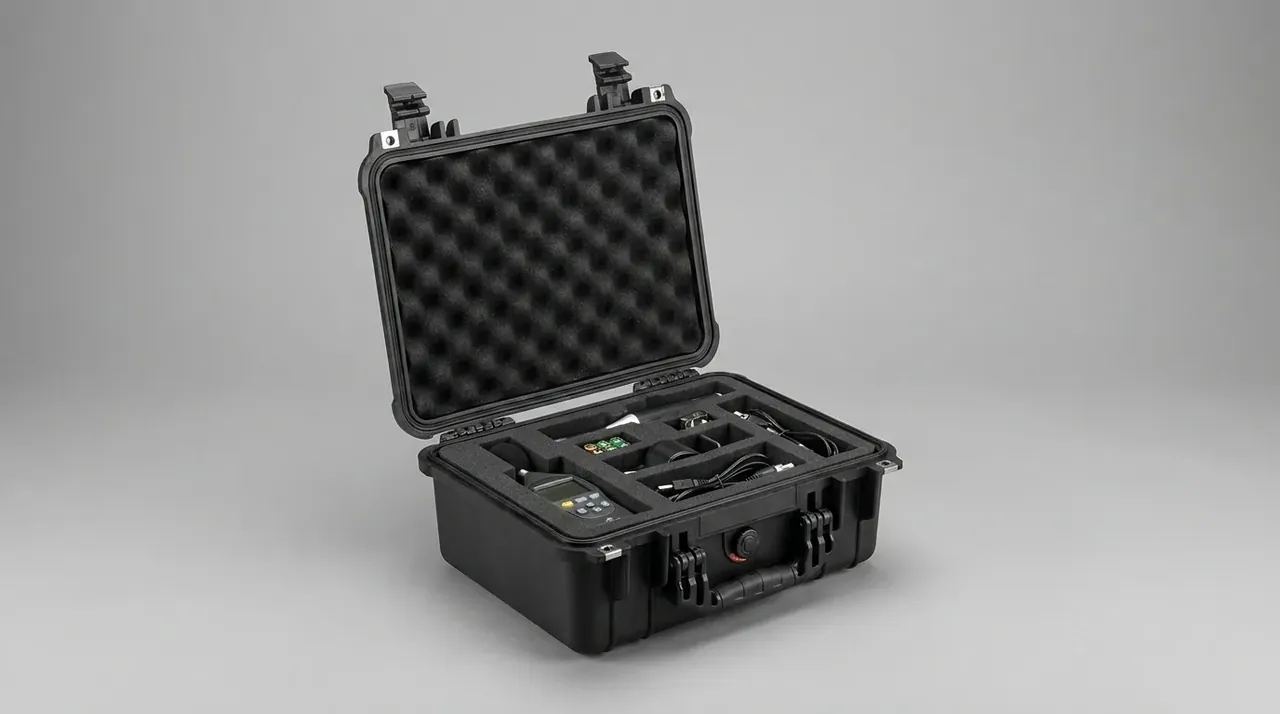
Quick answer: Outsourcing control turns on volume and colour count, not unit price: under 3,000 pcs the coating goes out, over 8,000 it comes back in-house.
Table of contents
- Where Outsourcing Control Begins: 3,000 and 8,000 Units
- Incoming Inspection: Four Numbers That Gate Every Lot
- Three Checkpoints on the Vendor Floor
- Who Pays When a Batch Comes Back
- The Ledger, WIP Turns and Two Gate Criteria
- FAQ
1. Where Outsourcing Control Begins: 3,000 and 8,000 Units
A 620 × 420 × 220 mm case at 2,600 pcs a month looks like a simple make-or-buy sum: the coater quotes CNY 8.6, in-house variable cost is CNY 6.1, a book saving of CNY 6,500 a month. The sum ignores two costs. A colour change means stripping the jig, 40 min, plus 35 min for the oven to climb from 160 ℃ to 185 ℃, so six colours a month is 7.5 h of dead time. At a jig pitch of 150 mm, a larger case drops from 12 pieces to 8 and throughput falls a third.
So the first test is volume against colour count, never unit price. Below 3,000 pcs a month, one line cannot absorb its fixed cost and the work goes out. Above 8,000 pcs, two-way freight over a 40 km radius eats the gap and it comes back. In between, read the line: under 65% load keep it in-house, over 85% send it out.
Left to the shop floor, the switch condition drifts with whoever is on shift.
| Process | Monthly volume | Make or buy test | Switch trigger |
|---|---|---|---|
| Spray coating | Under 3,000 pcs | Outsource, no in-house line | 2 months above 8,000 pcs |
| Screen print | 3,000–8,000 pcs | Outsource above 85% press load | More than 40 screens a month |
| Laser marking | Under 200 pcs | Outsource for sampling | Single run above 500 pcs |
| Hardware assembly | Above 8,000 pcs | In-house, same takt as final line | Vendor distance beyond 80 km |
Laser marking is the row people skip: above 500 pcs in a run, set-up pushes the price CNY 1.2 past in-house.
2. Incoming Inspection: Four Numbers That Gate Every Lot
Control sits at your goods-in door, not the vendor's plant. Appearance parts argue over colour and feel, so the door checks four measurable items and leaves the rest to first-piece and patrol checks.
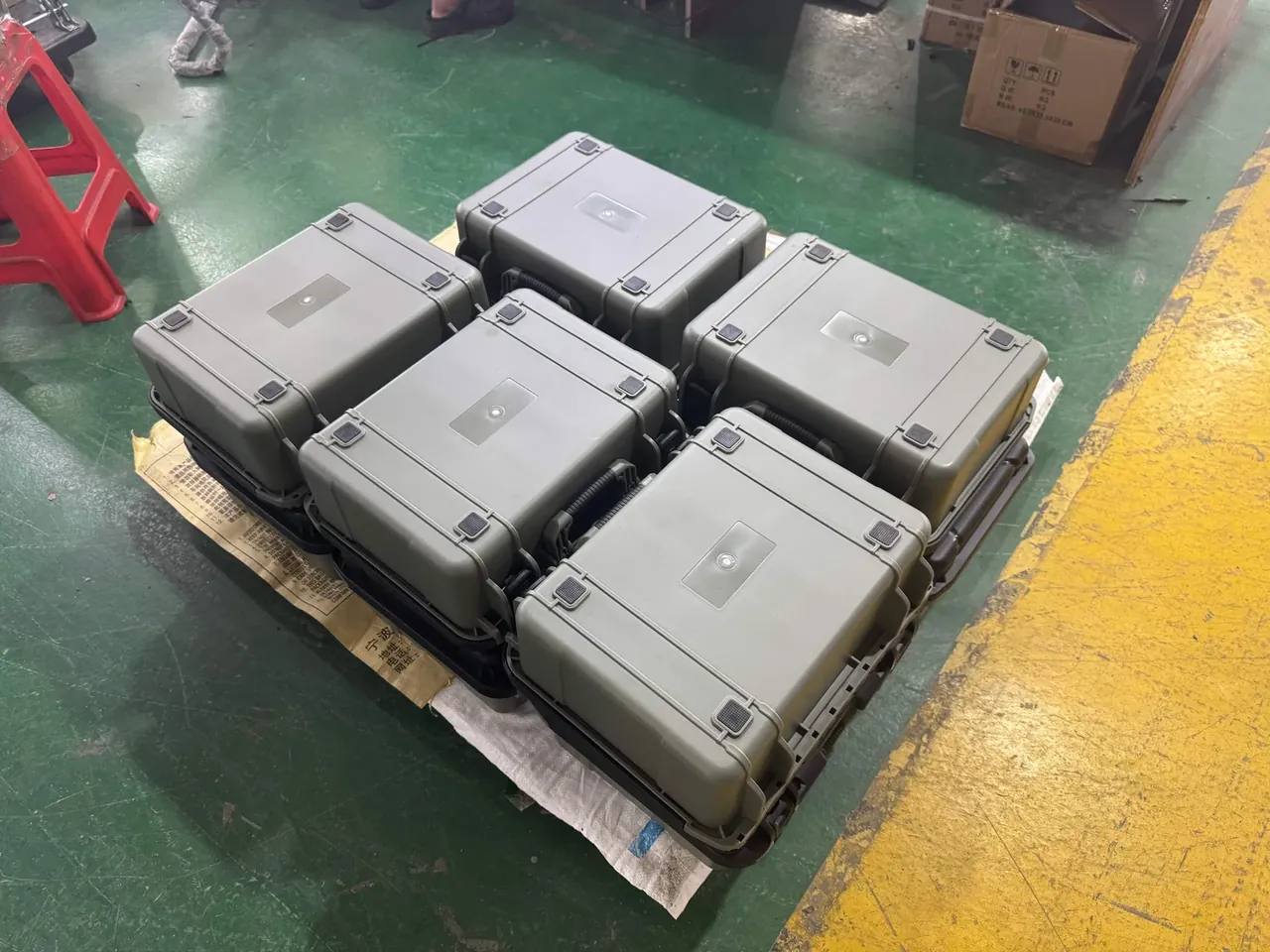
Film build is judged at 60–90 μm. Pull 5 cases per lot, take 5 points on each — four corners plus centre — and average 3 reads per point, 75 readings in total. Any point below 60 μm returns the lot. Corners and boss roots run thinnest: a 15° change in gun angle costs 10 μm.
Adhesion uses a cross-cut, 1 mm spacing, 6 × 6 squares, graded by area lifted; grade 3, meaning 5%–15%, is the floor. Colour is read against 3 plaques under D65, ΔE ≤1.5 accepted. Print abrasion runs 500 g over 200 strokes.
| Control item | Limit | Sampling | Action on failure |
|---|---|---|---|
| Film build | 60–90 μm | 5 cases × 5 points × 3 reads | Any point under 60 μm, lot returned |
| Cross-cut adhesion | Grade 3 or better | 2 cases per lot | Grade 4 returned, grade 3 plus 5 cases |
| Colour difference | ΔE ≤1.5 | 3 cases, D65 light | 1.5–2.5 concession, stored apart |
| Print abrasion | 500 g / 200 strokes | 3 cases per lot | Missing stroke, part rejected |
Colour is the item that gets waved through: one batch reads as one shade under shop lighting and splits into three near a window, usually because cure ran 8 ℃ low or film ran 12 μm thin. Judge it in a light booth and renew the plaques every 12 months.
3. Three Checkpoints on the Vendor Floor
The vendor side needs 3 actions, no more.
First-piece approval: 2 pieces before each run, with film and colour records attached, signed before volume starts. An unsigned first piece turns every later patrol check into a rescue.
Patrol every 2 h: read film build at the top, middle and bottom of the jig. When cure is pushed from 180 ℃ / 20 min, film barely moves while adhesion drops a grade, so watch the oven profile as well as the gauge.
Tail-piece retention: 3 pieces per lot, held 6 months. Arguments surface two months later; without a retained piece you argue from photographs.
4. Who Pays When a Batch Comes Back
Settle liability before the purchase order, not after the reject.
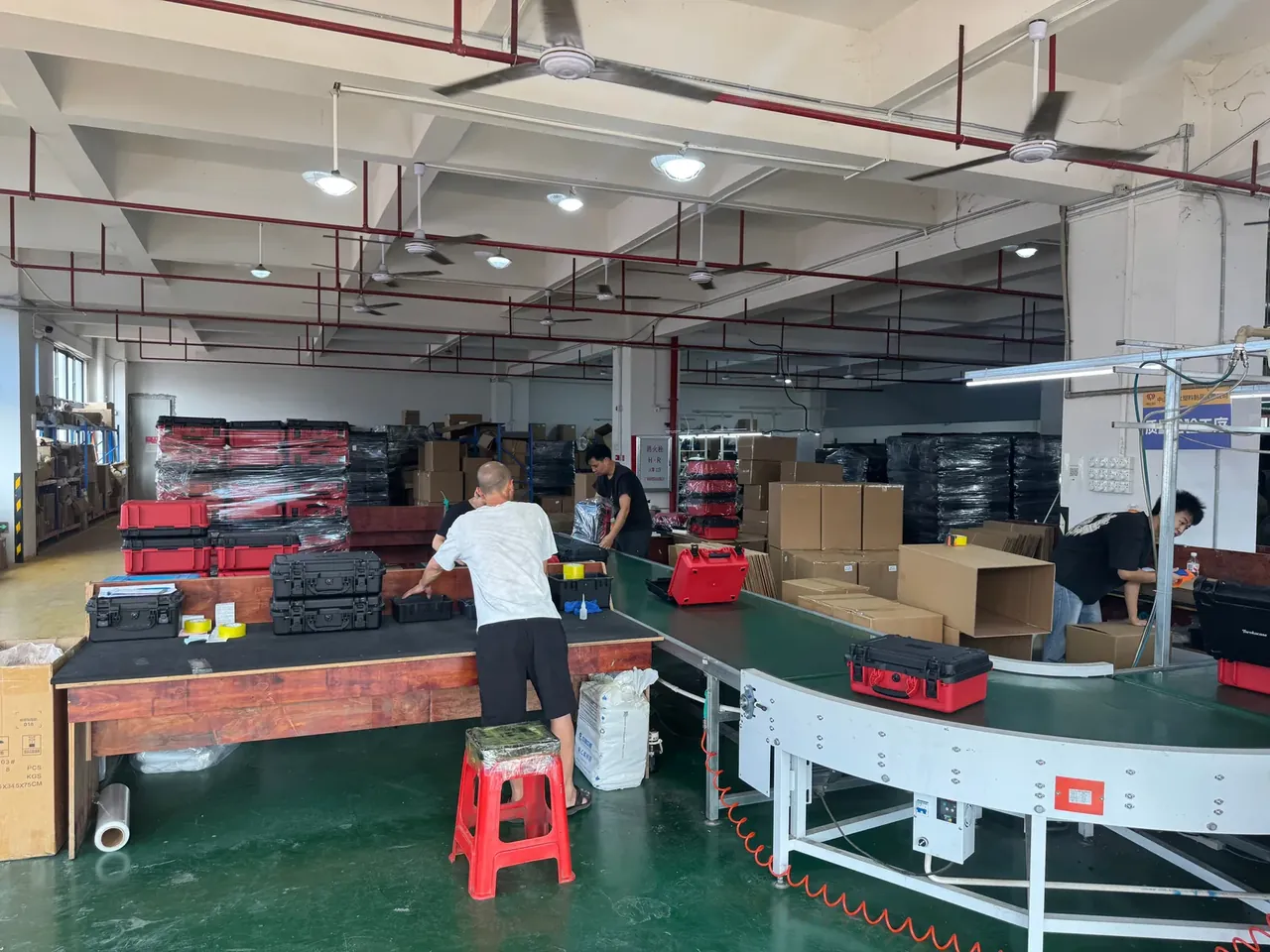
Outsourcing control here runs on 3 tiers. Vendor liability covers thin film, ΔE above 2.5 and grade 4 adhesion: rework and both freight legs, closed in 5 working days. Shared liability covers a drawing that said dark grey instead of a colour reference: split 5:5, agreed in 7 working days. Buyer liability covers claims raised after 15 days and handling damage: internal work order, confirmed in 3 working days.
Shared liability is the tier that burns time. If colour reference, film window and print tolerance are not all on the drawing, the cost lands on purchasing.
5. The Ledger, WIP Turns and Two Gate Criteria
Log 7 columns: lot number, process, vendor, receipt date, inspection result, rework quantity, closure date. Only rework quantity gets read twice; it is the hard number at price review.
Work in process turns twice a week; the outside cycle runs 5–7 days including 2 days of freight, on a 40 km radius and 2 runs a week. Past 80 km, move to 3 runs, or 3 days of WIP sit at each end.
Two gate criteria: an independent pretreatment line, shot blast or phosphating, and 15,000 pcs a month of coating capacity. A shop with booths but no pretreatment hits 90 μm film and sits at grade 4 adhesion, with a rework rate 2.4 times our own.
Conclusion
Outsourcing control is less a process problem than a matter of whether the tests are written down: volume, colour count and line load decide make or buy; film, adhesion, colour and abrasion decide accept or reject; first piece, patrol and tail piece decide whether the process holds. Put those ten items on one page and most disputes disappear.
This article covers case-side specifications only and does not address any handling, loading or use of the contents.
Related Reading
- Screen printing versus in-mould labels
- Six ways to print a case logo
- What a supplier audit actually reviews
- Checking moulding machines and test equipment
Related Products
- 8 Series — Gun Cases; Military Equipment Cases; Camera Equipment Cases; Drone Cases; Watch Cases; Knife Cases; First Aid Cases; Electronics Equipment Cases
- WL8-2812 PP Gun Case — model WL8-2812
- All protective cases and toolboxes: 7 series, 158 models