

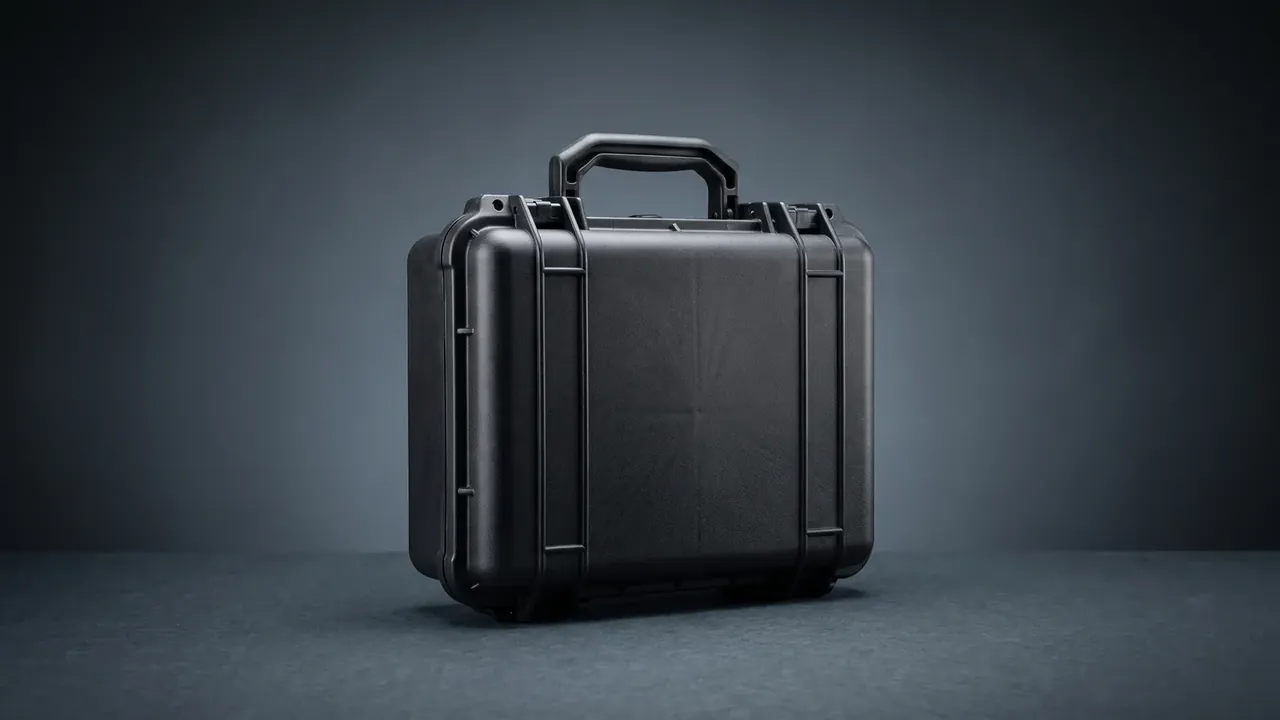
Quick answer: A Projectile Pallet quote with one delivered price cannot be compared. Split it into resin, energy and labour, tooling, packing and freight, and margin, then read moq and lead-time nodes against it.
Table of contents
- Set the Unit Price Aside
- MOQ and Tooling Ownership
- How Lead Time Is Built
- Sampling and Pilot Runs
- Payment Terms Tied to Inspection
- Six Warning Signs in a Quote
- FAQ
1. Set the Unit Price Aside
Three replies arrive, the numbers go side by side, and the lowest wins. On a Projectile Pallet that fails, because the five cost blocks move in different directions and any supplier can give back five percent on one line while taking it back on another.
| Block | Share | What moves it | Room to negotiate |
|---|---|---|---|
| Resin | 52 percent | Grade, powder price, wall thickness | Low, quarterly lock-in |
| Energy and labour | 26 percent | Oven size, arms, shifts | Medium, by volume |
| Tooling | 7 percent | Mould price, agreed volume | High, see ownership |
| Packing and freight | 9 percent | Container fill, destination | Medium, by fill |
| Overhead and margin | 6 percent | Continuity, payment terms | Depends on terms |
Shares are a starting point. On 50 units tooling climbs past 20 percent, pressing the other four down; the total looks similar, the structure does not.
A low unit price is not a low total.
2. MOQ and Tooling Ownership
Who owns the mould decides whether you can change supplier later.
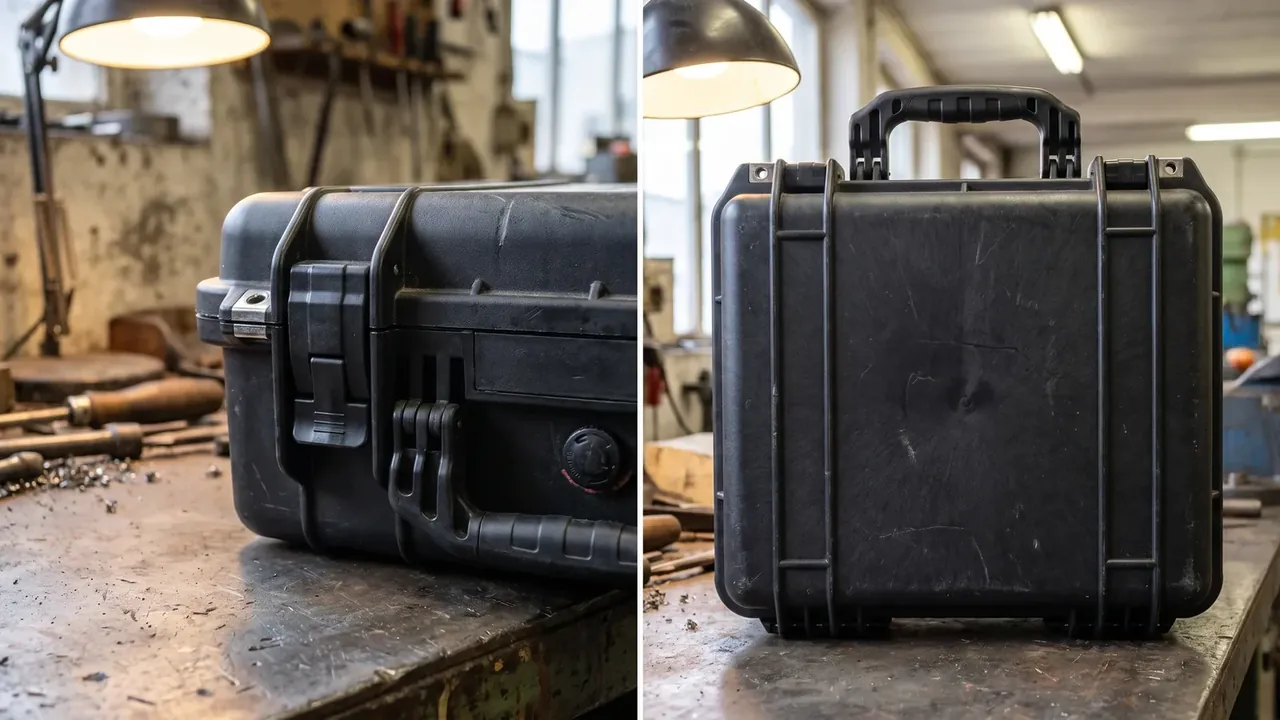
A Projectile Pallet rotomoulding tool runs about 80,000 yuan by the set, and a four-arm machine with a 3.5 m oven carries four. Minimum order is normally 200 units, or 50 on a trial, where tooling per unit jumps from 20 yuan to 1,600.
Tooling is written three ways: prepaid with title passing to the buyer; amortised into the price until 4,000 units, title staying with the factory; or free against a three-year no-transfer clause. The third is cheapest and locks hardest.
Put tool price, payment nodes, title after amortisation and post-programme storage in the contract. Miss one and changing supplier means cutting a new mould.
3. How Lead Time Is Built
Lead time starts not at the purchase order but when the schedule hits the oven. Powder comes first, three to five days from stock and fifteen or more for a custom colour. Then the pallet queues for oven space, which peak season stretches by a week. Moulding takes hours, cooling longer on thick walls, and trimming, assembly, inspection and packing follow before a container is booked. A 32-day quote carries ten days of waiting.
| Node | Days | What jams it |
|---|---|---|
| Powder delivery | 3 to 15 | Custom colour, masterbatch |
| Oven slot | 2 to 10 | Peak schedule, mould lifting |
| Moulding and cooling | 1 to 2 | Thick walls, slow cooling |
| Trimming and assembly | 1 | Latch or valve shortage |
| Inspection and packing | 1 | Rework after sampling |
| Booking and loading | 3 to 7 | 40HQ slots, fill rate |
The gap between 32 days on a first order and 16 on a repeat sits in powder and oven space.
Write nodes into the contract, not the phrase about thirty days.
4. Sampling and Pilot Runs
Sampling is not about how the sample looks. It is about whether the plant can repeat it.
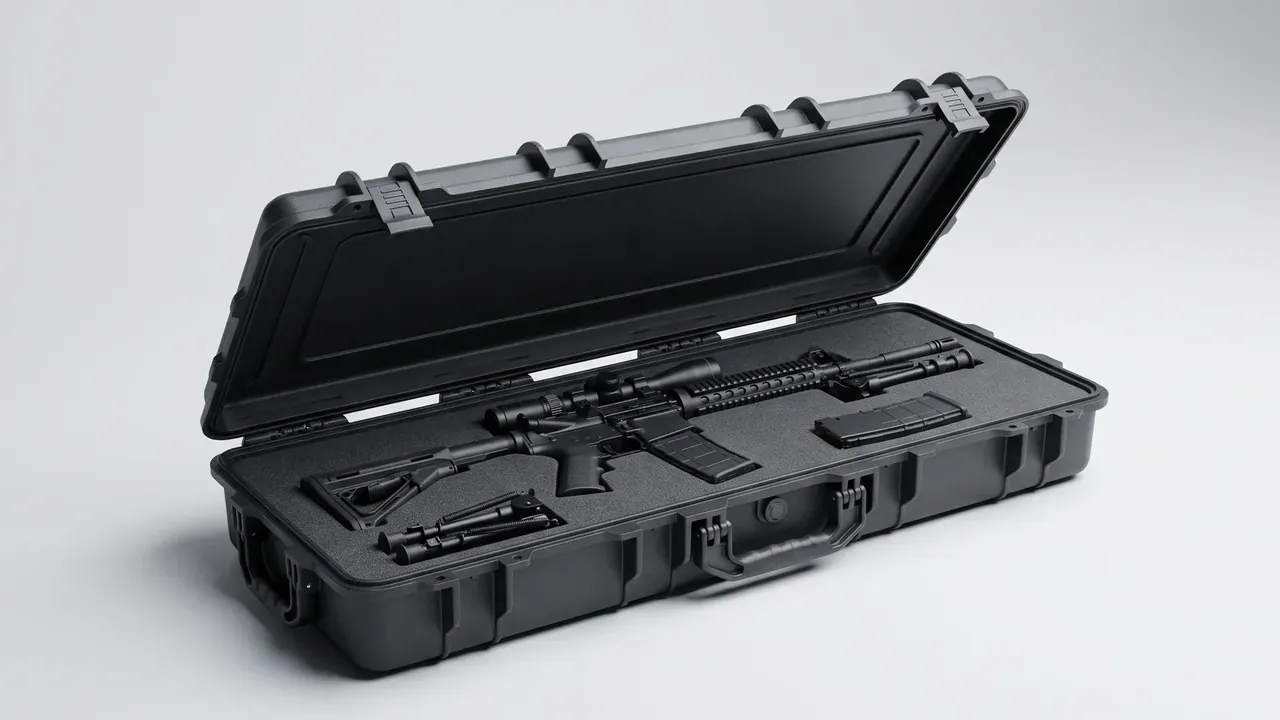
Three steps. T0 comes off a modified tool in seven days and shows outline and latch position only. T1 uses the production tool, takes ten days, and allows wall thickness and load to be measured. T2 is a 50-unit pilot on the full line, where consistency shows.
Sampling costs around 3,000 yuan and a serious factory credits it against the first order. No credit and no test report is a good place to stop.
Pilot data is worth most as wall thickness spread: ten units, three points each, a range above 0.4 mm means unstable dosing.
5. Payment Terms Tied to Inspection
Payment rhythm is part of the price: prepayment buys three to five points, 60-day terms add two or three.
The common split is 30 percent down, 60 against the bill of lading, 10 after acceptance. That last slice is the only money that constrains quality.
Inspection clauses belong in the same document as the payment. Name the check items, sampling ratio and disposition route, and the final 10 percent has a basis for being withheld.
Longer terms mean a higher price: interest, not contradiction.
6. Six Warning Signs in a Quote
When these appear on a Projectile Pallet quote, stop comparing prices:
- One delivered figure, tooling and packing unlisted
- Lead time as about thirty days after payment, with no nodes
- Wall thickness as per drawing, without tolerance or measuring point
- Tax-inclusive and tax-exclusive figures mixed on one sheet
- Packing at cost, with no container fill rate
- Acceptance only as meeting the standard, with no check items
Three or more of the six and the problem is no longer the price.
Conclusion
Buying a Projectile Pallet is not about pressing the price down, it is about taking the quote apart. Five cost blocks read separately, tooling settled, lead time checked node by node, terms tied to inspection, and the numbers mean something. Whatever cannot be taken apart is recovered elsewhere on the Projectile Pallet order.
This article discusses only the container (case body) side of specifications and design intent, and does not cover any handling, loading or use of the contents.
Related Reading
- What a projectile pallet actually is
- Wall thickness and load path
- How to score a case supplier
- Auditing a case production line
- Factory tour checklist for case plants
Related Products
- 8 Series — Gun Cases; Military Equipment Cases; Camera Equipment Cases; Drone Cases; Watch Cases; Knife Cases; First Aid Cases; Electronics Equipment Cases
- WL8-2812 PP Gun Case — model WL8-2812
- All protective cases and toolboxes: 7 series, 158 models