

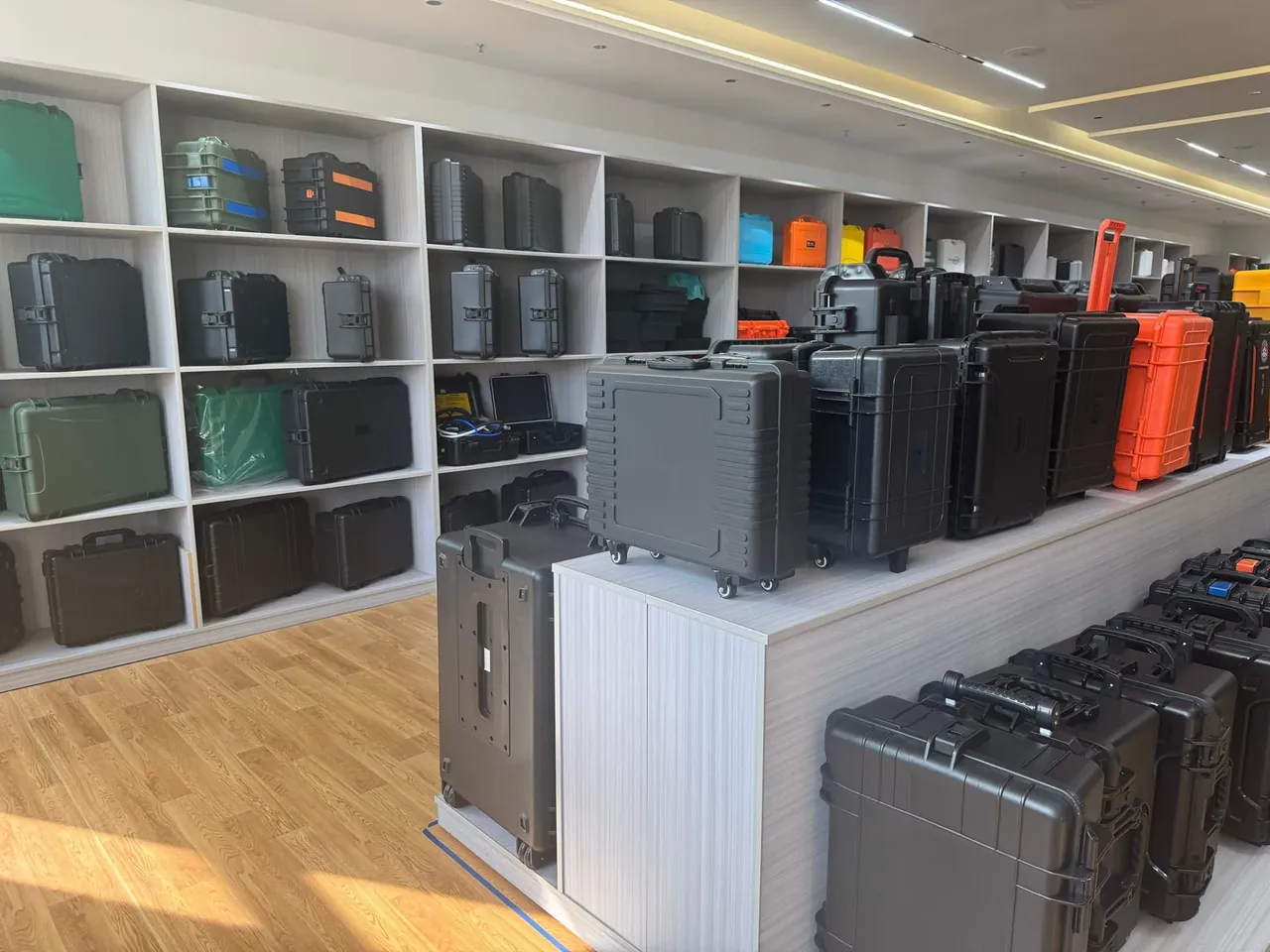
Quick answer: A supplier scorecard weights delivery, quality, response, cost and compliance at 30, 25, 20, 15 and 10, then converts each into five fixed anchors.
Table of contents
- What the scorecard decides, once approval is done
- Five weights, five anchors, one formula
- Four data feeds and who owns each
- Settlement, tiers, and the allocation they trigger
- Appeals and the two-quarter exit
- FAQ
1. What the scorecard decides, once approval is done
Approval answers yes or no; a scorecard answers how much of next quarter's order book a plant should get. Mix the two and both fail: an entry score quoted in a price review sounds like an insult, and a plant approved on one strong quarter is indefensible six months later. With 22 approved suppliers, score only the 14 already shipping, every 90 days.
One rule keeps it believable: the window closes, and a strong Q2 carries nothing into Q3.
| Metric | Weight | Source of truth | Anchor span |
|---|---|---|---|
| Delivery | 30 | Receipt date against promise | 100% on time to below 90% |
| Quality | 25 | Incoming ppm, lot acceptance | 600 ppm to 3,500 ppm |
| Response | 20 | Reply and plan timestamps | 6 hours to 72 hours |
| Cost | 15 | Quote against benchmark | 3% below to 8% above |
| Compliance | 10 | Certificate and nonconformities | 12 months valid to expired |
The split is deliberately unequal. One stockout that idles an assembly line for a day costs about RMB 14,000 in labour and floor time; a 2% price gap across 2,000 cases is roughly RMB 11,000. Delivery outranks cost because a stopped line is not cheap.
Compliance holds 10 points but behaves differently: a lapsed certificate cancels the other 40.
2. Five weights, five anchors, one formula
Every metric scores on five fixed steps: 100, 85, 70, 55 and 40. No half points, no interpolation: two people with the same data reach the same integer.
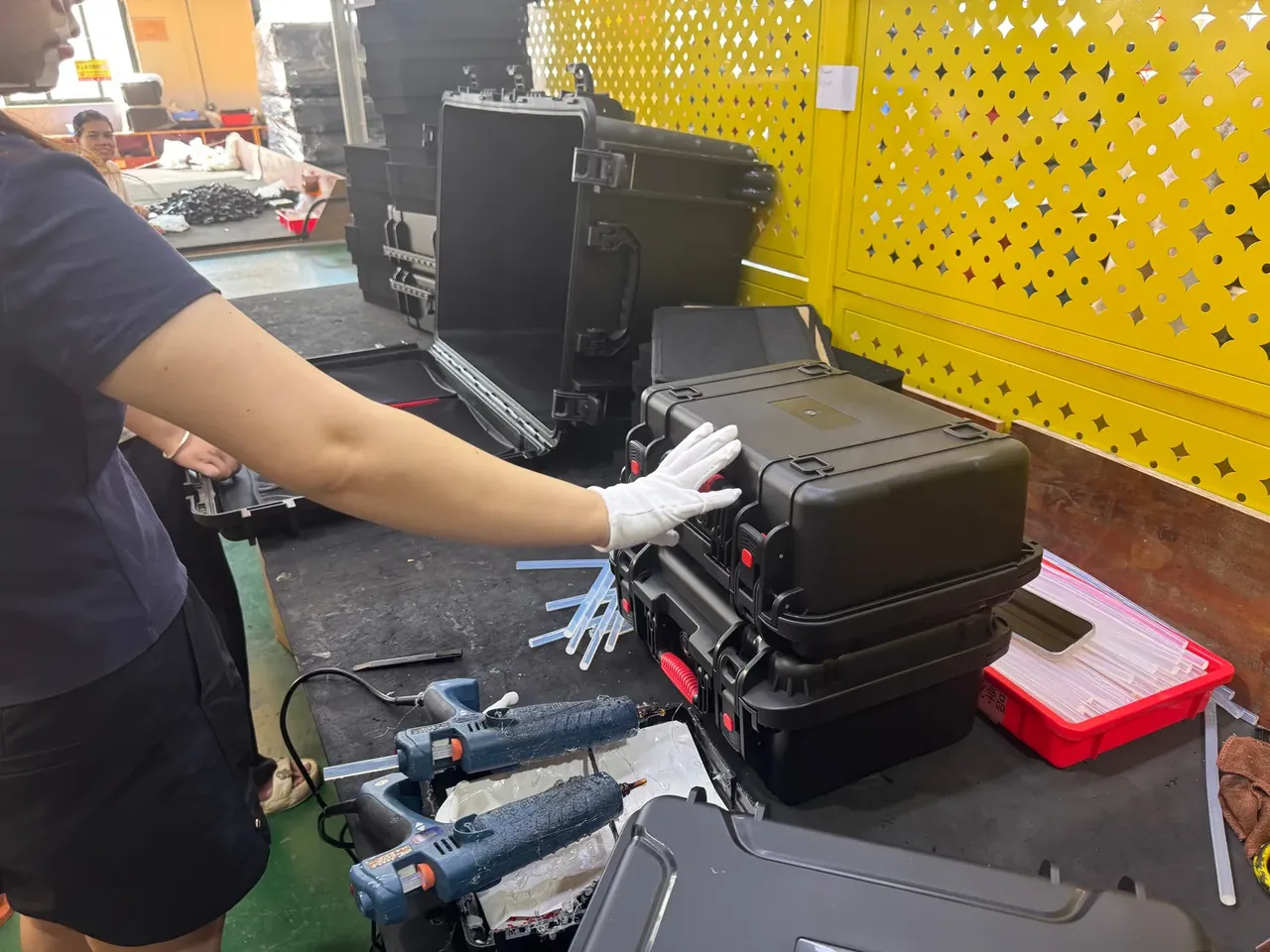
Multiply each step by its weight, add the five products, divide by 100. Delivery 85, quality 70, response 100, cost 85 and compliance 100 returns 25.5 + 17.5 + 20 + 12.75 + 10, or 85.75, which lands in tier A.
Delivery anchors run on the on-time rate: 100% earns 100 points, 98% earns 85, 95% earns 70, 92% earns 55, below 90% earns 40. The promise is 30 days with a ±2 day band, 4 points per day beyond it, capped at 15 a quarter.
Quality anchors run on incoming ppm: 600 or fewer earns 100, 1,200 earns 85, 2,000 earns 70, 3,500 earns 55, above 3,500 scores 40. Lot acceptance at 98% is recorded but never averaged in; when the two disagree, ppm wins.
Response anchors run on hours: 6 hours for 100 points, 12 for 85, 36 for 70, 72 for 55, anything slower scores 40. The clock starts at the incoming mail timestamp.
Cost is deviation from the benchmark at the same wall thickness, latch set and foam cut: 3% under earns 100, parity within 1% earns 85, 2% over earns 70, 5% over earns 55, 8% over earns 40. Tooling amortisation must sit on the same basis.
3. Four data feeds and who owns each
Most scorecards die of ownership, not weighting: four feeds, four named owners, no editing rights elsewhere.
| Feed | Owner | Refresh | Cross-check |
|---|---|---|---|
| ERP receipt and promise dates | Planning | Monthly | Order delivery field |
| Incoming inspection results | Quality | Every lot | Inspection report and sample |
| Mail and ticket timestamps | Purchasing | Weekly | Original message thread |
| Quotes and revision letters | Purchasing | Quarterly | Same-spec benchmark |
Definitions have to survive an audit by a stranger. Receipt date is the warehouse posting, not the dispatch note; ppm counts cases received, not orders placed; response is the first reply, not the final fix.
One wrong feed kills the table.
Data is exported before the 5th and cross-checked by both functions; a gap over 3 percentage points goes back to the source documents.
4. Settlement, tiers, and the allocation they trigger
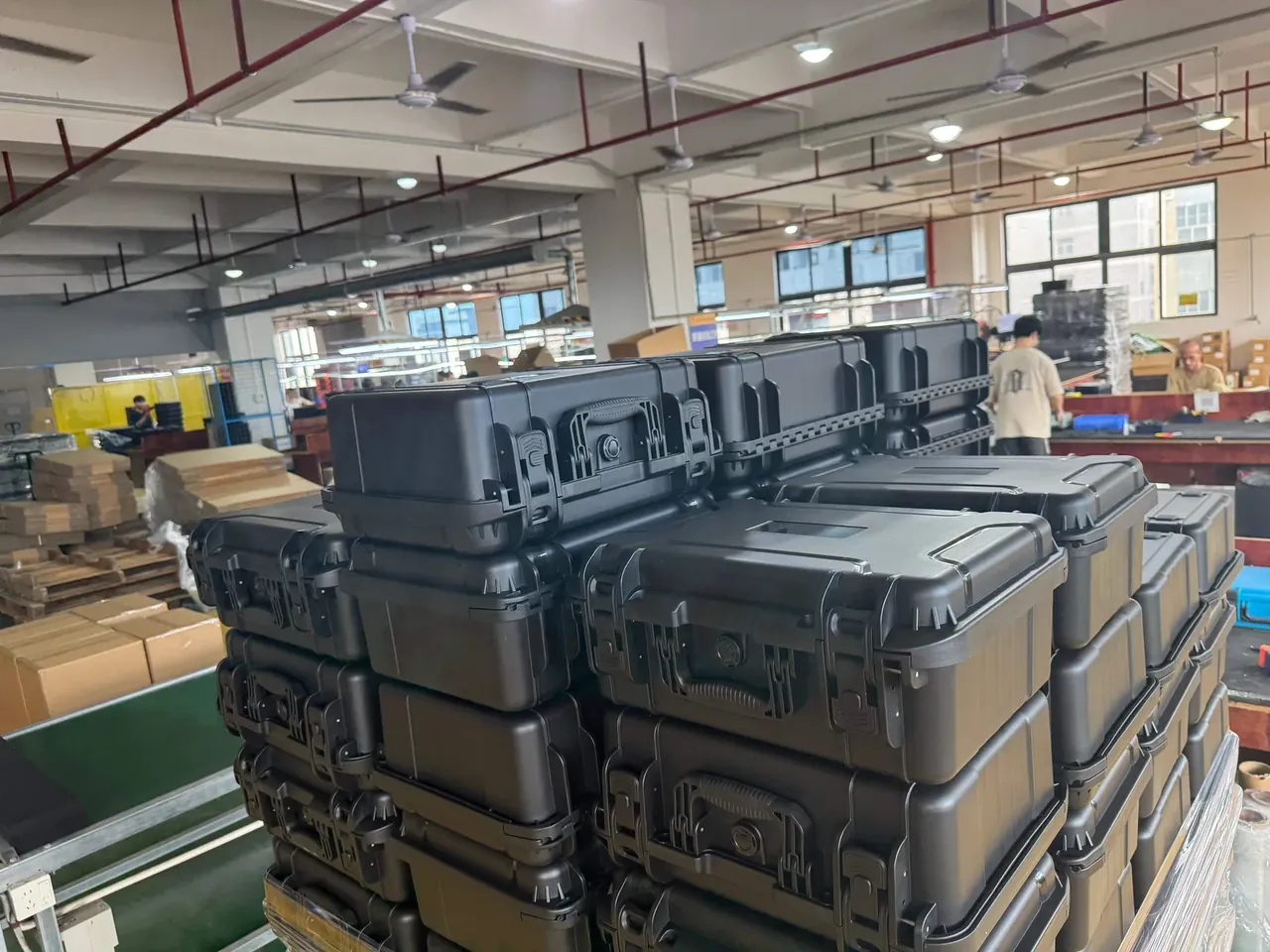
Settlement runs on the 90-day window, published within 7 working days. The review takes 45 minutes with purchasing, quality and planning present.
| Tier | Score | Allocation action | Review |
|---|---|---|---|
| A | 85 and above | Up to 20% more volume, first call on capacity | Automatic next quarter |
| B | 75 to 84 | Hold current share | Automatic next quarter |
| C | 60 to 74 | Share frozen, 30-day corrective plan | Review on day 30 |
| D | Below 60 | Volume cut by 50%, status kept one quarter | Priority review next quarter |
The 20% uplift is a ceiling, not a promise: it still passes a capacity check, and volume that would grow beyond 20% is deferred. A supplier rewarded into a late delivery is a scorecard that has stopped working.
Tier C gets 30 days and three corrective actions at most; still between 60 and 74 on day 30, the plant drops to D.
Tier D is a volume decision, not a blacklist: half volume for one quarter, and delivery or quality back above 70 points returns the plant to C.
5. Appeals and the two-quarter exit
The appeal window is 5 working days, with three classes of document required: goods receipt notes, inspection reports and the original mail thread. All three or nothing, and an answer in 2 working days.
Only the line item backed by a document can move, and the revision applies to the current quarter, never retroactively. A complaint is easy to make; a document trail is not.
Two consecutive quarters in D start the exit, with one quarter of order transition to avoid a gap. Reapplication opens after 12 months.
Write the exit clause into the framework agreement: a rule invented afterwards is a negotiation, one agreed in advance is a procedure.
Conclusion
A supplier scorecard earns its place when five metrics become one recomputable number. Weights of 30, 25, 20, 15 and 10, anchors from 100 down to 40, thresholds at 85, 75 and 60, a 5 working day appeal and an exit after two consecutive quarters: run that for four quarters and the order book shifts by itself.
This article covers case-side specifications only and does not address any handling, loading or use of the contents.
Related Reading
- How supplier qualifications are verified
- Building a delivery and quality scoring system
- Splitting suppliers into A, B and C tiers
- Entry scoring versus quarterly scoring
Related Products
- 8 Series — Gun Cases; Military Equipment Cases; Camera Equipment Cases; Drone Cases; Watch Cases; Knife Cases; First Aid Cases; Electronics Equipment Cases
- WL8-2812 PP Gun Case — model WL8-2812
- All protective cases and toolboxes: 7 series, 158 models