

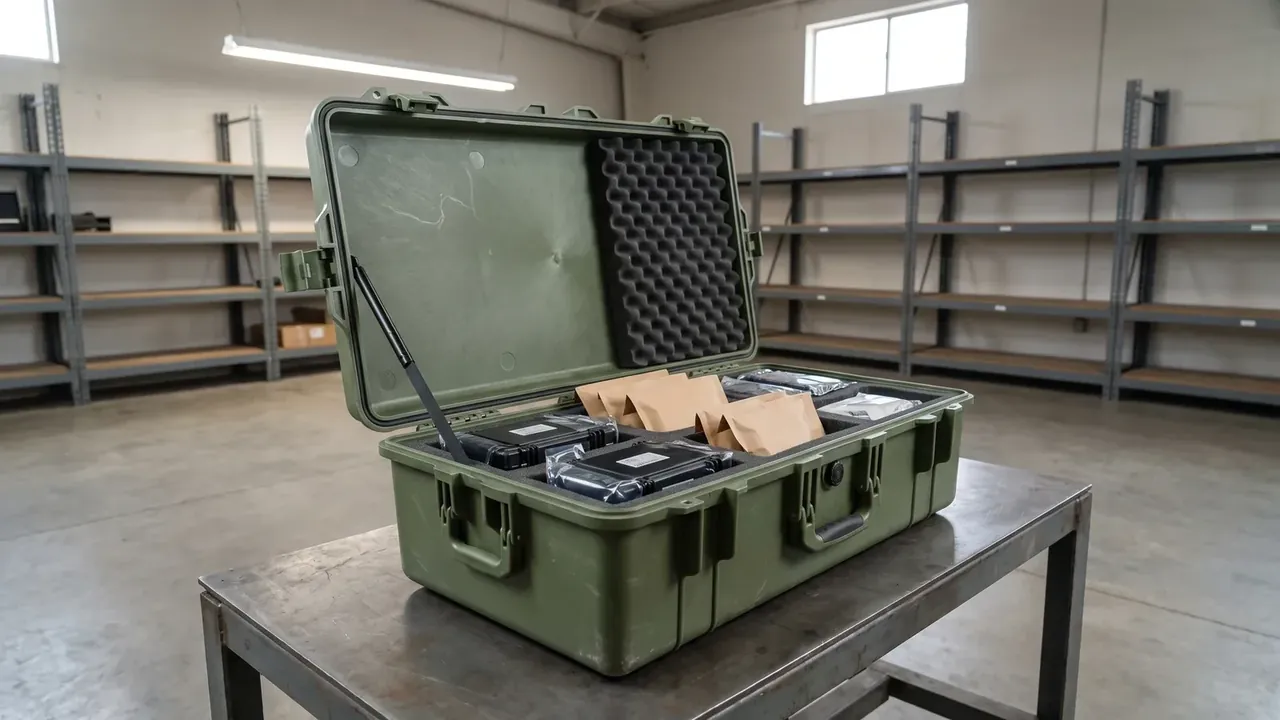
Quick answer: Case supplier tiering scores five dimensions out of 100: A tier takes 70% of volume, B tier 30%, and C tier only samples under 50 units.
Table of contents
- Splitting the score into five dimensions
- How much volume each tier receives
- Review rhythm at 12, 6 and 3 months
- Holding the 60% single supplier cap
- Downgrade and recovery rules
- FAQ
1. Splitting the score into five dimensions
A 1,200 unit order went to the cheapest of three quotes within 3 CNY of each other, and that supplier missed the ship date. Case supplier tiering exists to stop that outcome, so the 100 points are cut with delivery first: on-time 30, pass rate 25, audit 20, response 15, price 10.
Three hard gates sit in front of the weighting. A supplier below 92% on-time does not enter A tier, an audit under 85 points does not enter A tier, and a pass rate under 96% drops it straight to C tier. Gates come first because one strong dimension otherwise hides a structural weakness.
| Dimension | Weight | Evidence used | A tier gate |
|---|---|---|---|
| On-time rate | 30 | Actual arrival dates of 24 batches in 12 months | ≥98% |
| Batch pass rate | 25 | Failed units per sampled batch | ≥99.2% |
| Site audit | 20 | Moulding, assembly and inspection sections | ≥85 points |
| Response time | 15 | Quotation, tooling change and defect replies | ≤4 hours |
| Price competitiveness | 10 | Deviation from the lowest of three quotes | ≤5% |
Price is the dimension buyers misgrade most often. A 3 CNY advantage looks like a win until one line stop on a 1,200 unit batch costs 8,000 CNY, which is 6.7 CNY per case. Price therefore carries 10 points, scored within 5% of the cheapest comparable quote for full marks and zero beyond 15%.
Scoring runs quarterly. One round never sets the tier; the tier uses the latest round at 40% and the three earlier rounds at 20% each, because rush seasons inflate one quarter and shutdowns deflate the next.
2. How much volume each tier receives
Tiers allocate volume, not status. A tier takes 70%, B tier 30%, and C tier gets no production volume, only sample orders capped at 50 units. Those percentages belong in the annual purchasing agreement, not in an internal scorecard.
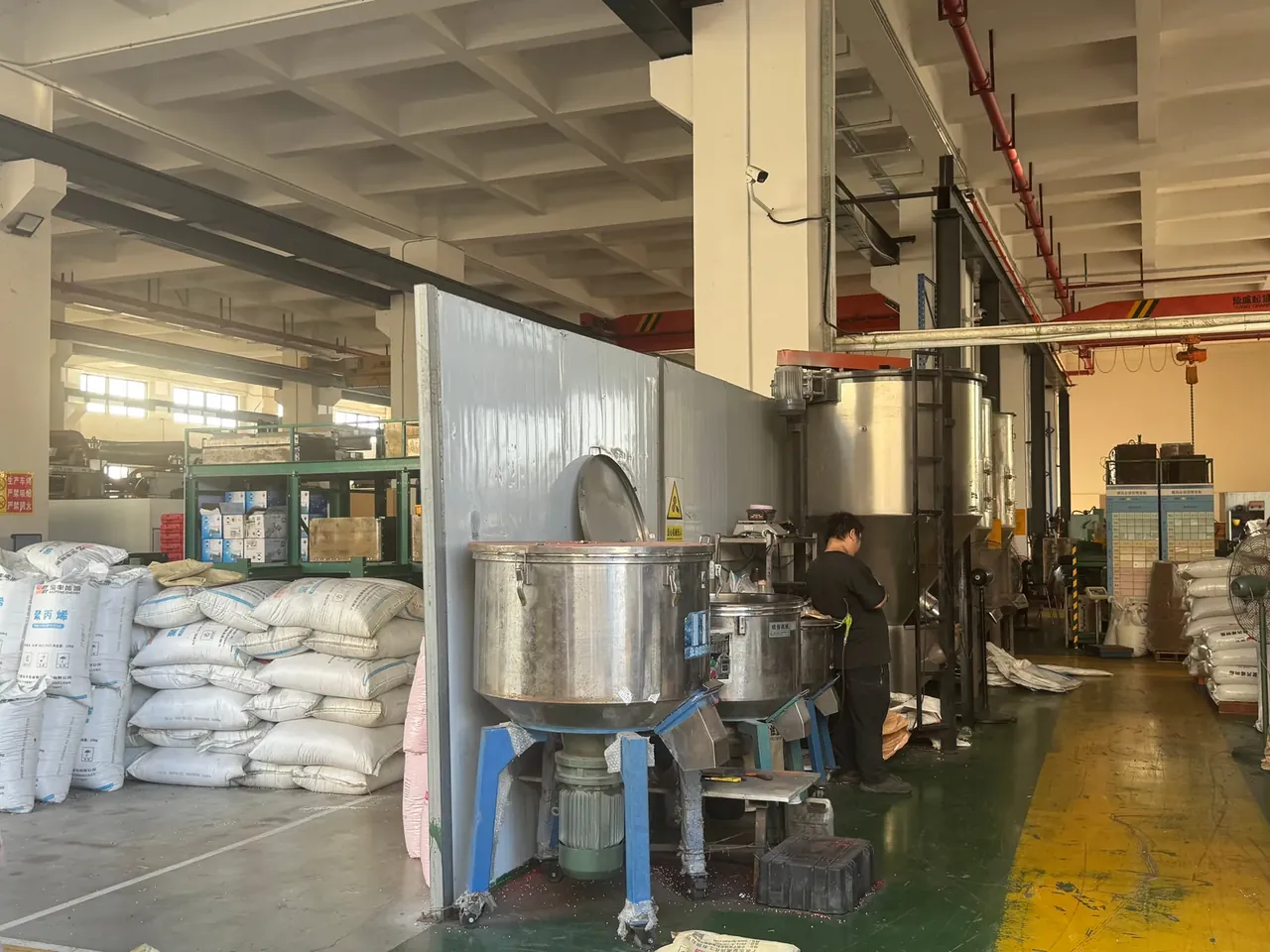
A tier stops at 70% because of capacity elasticity. One A tier plant is already full at eight batches a month, so three extra batches push lead time from 25 to 40 days, and the 30% held by B tier is a line that can start on demand.
| Tier | Score band | Volume | Sample orders | Quotation access |
|---|---|---|---|---|
| A | ≥88 points | 70% | Priority | All enquiries |
| B | 75–87 points | 30% | Accepted | New specifications |
| C | 60–74 points | 0 | ≤50 units per run | Reference pricing only |
The samples-only rule for C tier is underrated. Sample runs are small and change often, which makes them a fair test of response speed: two sample orders delivered inside 12 days with a passing first article earn promotion to B tier without waiting for the quarterly review.
3. Review rhythm at 12, 6 and 3 months
Review frequency inverts with tier: A tier is fully reviewed every 12 months, B tier every 6 months, C tier every 3 months. The logic is that the closer a supplier sits to main volume, the more it is watched through quarterly scoring, while marginal suppliers need frequent confirmation that anything has changed.
A 12 month review does not mean one look a year. Quarterly scoring continues, and two rounds below 85 points inside four pull the review forward. The audit line breaks into 35 points for moulding, 30 for assembly and 20 for inspection, with deductions clustering around maintenance records and first article retention.
The 6 month review for B tier carries one site walk, asking whether the supplier treats A tier work as practice. Two stops suffice: the changeover time in the log, and where the last three batches of scrap went. A plant needing over 90 minutes per changeover cannot absorb urgent orders.
The 3 month review for C tier is a status check: has it taken work, stopped production, or changed resin grade. Case supplier tiering costs least at C tier, where a 40 minute desk check replaces half a day on site.
Records follow one page per review: the five scores, the move from the previous round, and the evidence behind each deduction. After three years that curve argues better than any single audit.
4. Holding the 60% single supplier cap
No supplier may exceed 60% of purchasing value. That cap is harder than the 70% volume share, because one number governs models and the other governs money.
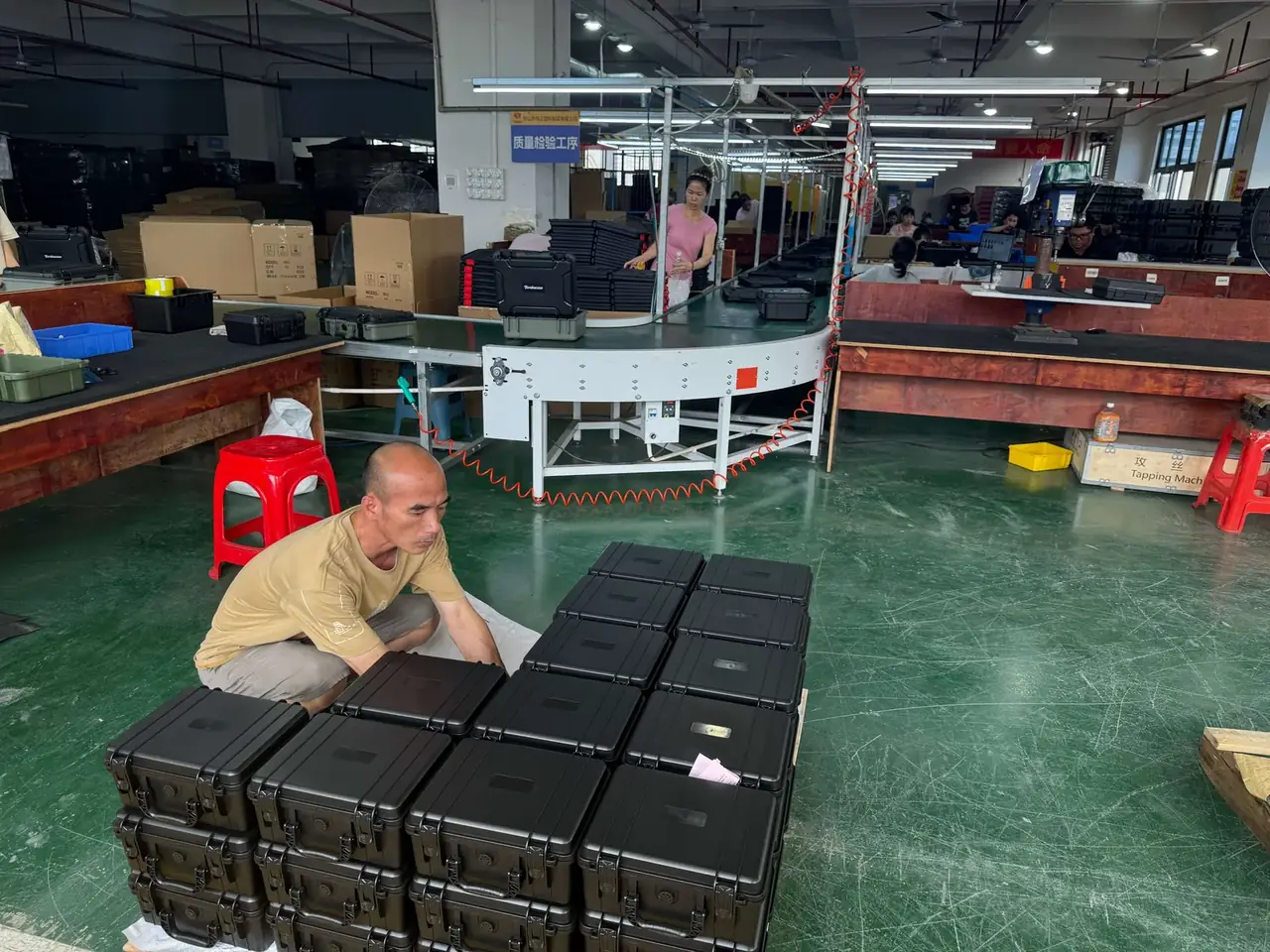
The cap holds only if the second source is proven in advance. A backup supplier must take a 1,200 unit batch within a month, fit the tooling on its platens, and draw on two resin sources. Miss any of the three and 60% is a sentence on paper.
The 60% and 70% figures only look contradictory. Giving one model 70% to A tier keeps the main line smooth, while capping total spend at 60% stops any plant owning the price conversation.
Crossing 60% does not call for an immediate cut. Move one new specification to a B tier trial first: a six week validation costs far less than stopping a main line.
5. Downgrade and recovery rules
Two triggers demote a supplier: two consecutive quarters below 75 points, or one major quality event. The first is a slow slide, the second a sudden failure, and both move the tier down one step.
A major event means a full batch rejection, a leak failure rate above 3%, or a delay beyond 15 days that reaches customer claims. Any one drops A tier to B and B to C immediately, with no appeal window.
Recovery is deliberately slower. Climbing from C to B needs three fully inspected batches and a 30 day observation period; climbing from B to A needs two quarters at 88 points or better plus a fresh audit above 85. A downgrade takes one day, a recovery at least 90.
One clause matters: a demoted supplier must still accept sample orders. A plant willing to run 50 unit lots while holding little volume intends to stay, and two refusals remove it.
Conclusion
Case supplier tiering ends in one table, not one opinion. Filter hard defects with the 85 point audit, the 98% on-time gate and the 96% pass rate, then apply weights of 30, 25, 20, 15 and 10: 88 points takes A tier with 70% of volume and a 12 month review, 75 to 87 takes B tier with 30% and 6 months, 60 to 74 takes C tier with samples capped at 50 units and 3 months. Cap spend at 60% so no plant owns the price conversation. Demotion takes one day and recovery at least 90, which gives the scores consequences. Attach the table to the annual agreement, refresh scores each quarter, and let volume follow numbers instead of relationships.
| Tier | Gate | Volume | Review | One line verdict |
|---|---|---|---|---|
| A | ≥88 points and ≥98% on-time | 70% | 12 months | Main line, urgent orders first |
| B | 75–87 points | 30% | 6 months | Backup line, new specification trials |
| C | 60–74 points | 0 | 3 months | Sample pool, ≤50 units per run |
This article discusses container-side specifications and design implications only, and does not cover any handling, loading or use of the contents.
Related Reading
- Eight site checks in a case supplier audit
- How a case supplier scorecard is weighted
- Three gates in case supplier qualification
- How to audit a case factory on site
Related Products
- 8 Series — Gun Cases; Military Equipment Cases; Camera Equipment Cases; Drone Cases; Watch Cases; Knife Cases; First Aid Cases; Electronics Equipment Cases
- WL8-2812 PP Gun Case — model WL8-2812
- All protective cases and toolboxes: 7 series, 158 models