

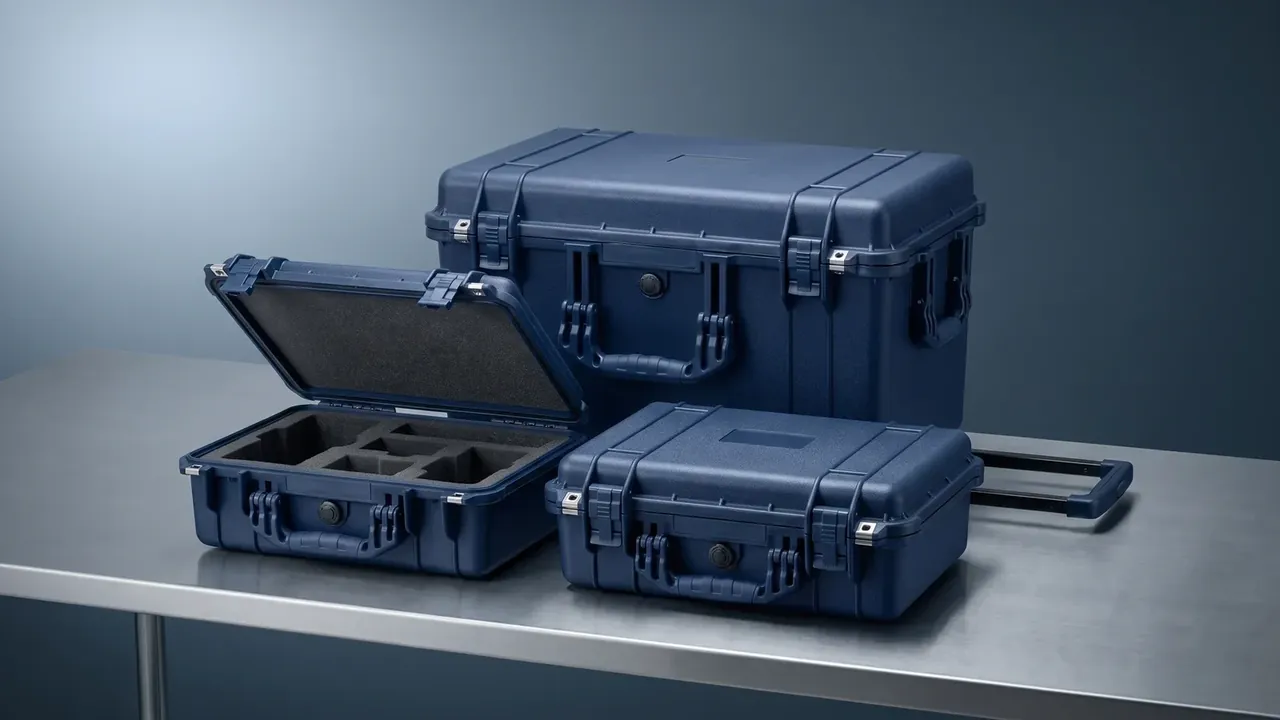
Quick answer: Sequence a weapon storage cabinet check by rework cost: paint and welds, then gaps and diagonals, then locks, then load and tip resistance. Each item needs a repeatable method and a written pass line.
Table of contents
- The order a weapon storage cabinet gets checked in
- Paint and welds before seams
- Five places to put the caliper
- Locks: three numbers, three key levels
- Load and tip: weights plus a pull gauge
- What happens to a failed unit
- FAQ
1. The order a weapon storage cabinet gets checked in
The sample stopped at the fourth unit of twelve. Closed, the door of that weapon storage cabinet looked fine. Latched, the gap ran from 2 mm at the top to 5 mm at the bottom, and the plant blamed shipping on cabinets that had never left the yard.
Since then I sequence a visit by rework cost: paint is cheapest to fix, dimensions next, locks after that, load last. Run the 40 kg load first and you meet the gap with the frame already deflected.
| Step | Item | Test on site | Pass line |
|---|---|---|---|
| 1 | Paint, welds | Gauge readings, loupe on weld toes | 60 to 80 μm, no undercut |
| 2 | Gap, diagonals | Feeler gauge, steel tape | 2.5 mm gap, 3 mm spread |
| 3 | Locks | Preset torque wrench, key walk | 12 mm engagement, 6 N·m |
| 4 | Load, tip | Weights, pull gauge | 2 mm set after 40 kg for a day |
2. Paint and welds before seams
Paint gets skipped first: it changes nothing about function and everything about year three. Five readings on door face, side, top, inner floor and a shelf; two under 60 μm and the lot is rechecked.
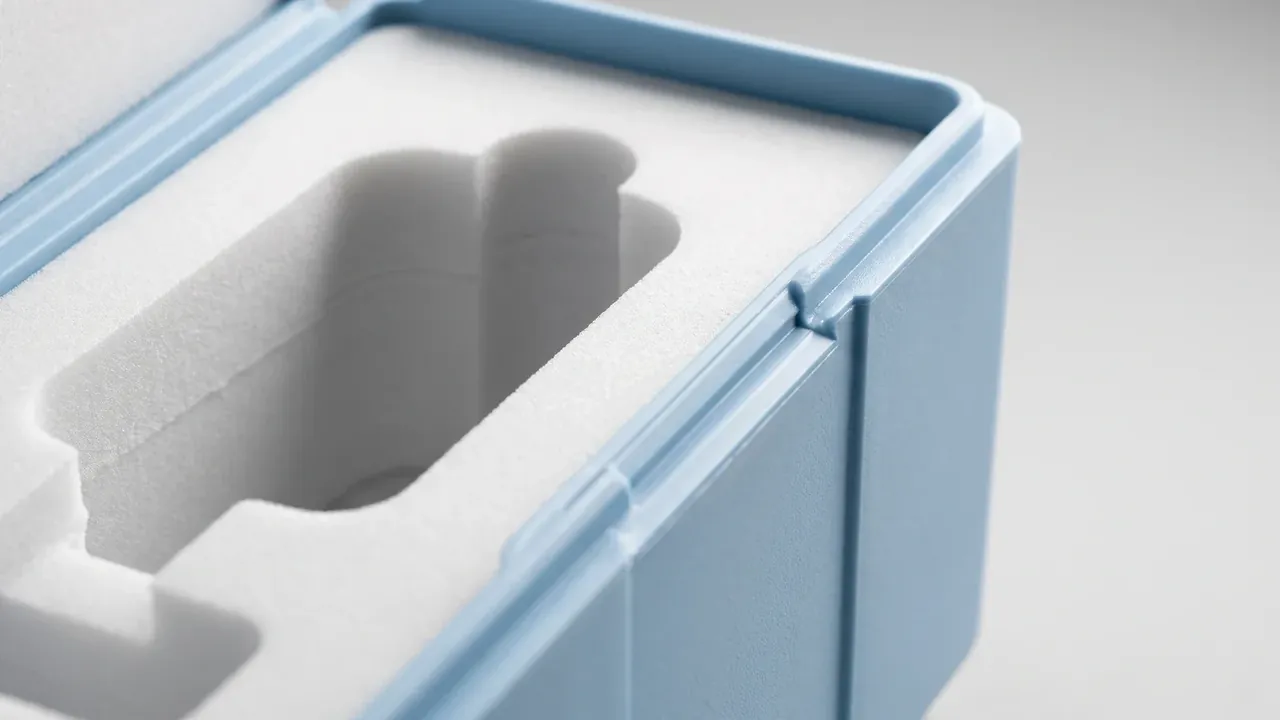
Thin spots sit inside returns and beside weld beads, where pretreatment never reached.
Welds are read at four corners, the door frame and the shelf brackets. Height is not the criterion; undercut and lack of fusion are. A 0.5 mm undercut rusts within 480 hours of salt spray and pushes out through the coating.
3. Five places to put the caliper
A dimensional miss on a weapon storage cabinet is an assembly problem, not a precision problem: a door that will not seat leaves the bolt short of the keeper. Five measurements, twenty minutes.
- Door diagonals: spread under 3 mm
- Gap at top, middle and bottom: 1.5 mm spread
- Frame plumb: 2 mm over the height
- Shelf pitch: 50 mm, moves without binding
- Foot plane: 1 mm feeler refused
Diagonals fail most and cost most. Weld sequence out of order or clamps released early, and shrinkage pulls the frame out of square. Hinge adjustment hides the gap while shifting the bolt pockets, so measure before the locks go on.
4. Locks: three numbers, three key levels
The criterion is not that the lock closes. It is engagement depth, turning torque and key levels. Under 12 mm a pry bar opens the cabinet in one push; above 6 N·m a guard in gloves stops turning it, and the cabinet stays unlocked all shift.
| Lock item | Pass line | Failure looks like |
|---|---|---|
| Bolt engagement | 12 mm minimum | Gap opens by hand |
| Turning torque | 6 N·m maximum | Gloves give up |
| Three-point linkage | All seated, middle tight | Top edge lifts 3 mm |
| Key levels | One per real post | Spare key lent out |
Three-point locking on a weapon storage cabinet is about stiffness as much as prying: one lock clamps a side and leaves the rest to panel rigidity, while three points restrain the leaf where it matters.
Three key levels are usual: master, zone, single cabinet. More levels is not more control.
5. Load and tip: weights plus a pull gauge
Load testing runs 24 hours, not a quick press. Folded cold rolled shelves show nothing in minutes; creep appears hours later. Over 2 mm of set at mid span after 40 kg for a day means a different shelf section, not another bracket.
Tip testing: cabinet closed, push 200 N at the top front rail. Over 5 mm of movement, or a rear foot lifting, and the fixing fails. An M10 anchor wants 60 mm in C25 concrete; hollow brick will not hold a bracket, so ballast is the only route.
Level is the step most often skipped: an out-of-level cabinet swings its own door and wears a ramp into the keeper within three months.
6. What happens to a failed unit
Failures split three ways: cosmetic misses that leave function intact go to concession with a price adjustment, any miss in locks, load or tip resistance rejects the lot, and a single repairable defect returns for rework against itself and its neighbours.
Write the recheck scope down or the plant repairs the surface only. Hinges adjusted for a gap bring gap, engagement and torque back; brackets added under a shelf bring load and pitch back. The form carries where the reading was taken, what it was and who took it. Sampling follows AQL 2.5, and two safety misses in twelve units means full inspection.
Conclusion
Inspecting a weapon storage cabinet is not a skill, it is a sequence and a set of numbers. Order the steps by rework cost and write each pass line as something repeatable, and the lot fails in the workshop instead of at the gate. Two suppliers quoting against the same attachment can then be compared, and the difference shows up exactly where a weapon storage cabinet earns its price.
This article discusses only the container (case body) side of specifications and design intent, and does not cover any handling, loading or use of the contents.
Related Reading
- Weapon storage cabinet layouts for armouries and checkpoints
- Weapon storage cabinet shelves, locks and fixing
- Inspection items and pass lines for mould storage
- Foam stock: storage and checks
- Inspection and pass lines for munitions shipping cases
Related Products
- 8 Series — Gun Cases; Military Equipment Cases; Camera Equipment Cases; Drone Cases; Watch Cases; Knife Cases; First Aid Cases; Electronics Equipment Cases
- WL8-2812 PP Gun Case — model WL8-2812
- All protective cases and toolboxes: 7 series, 158 models