

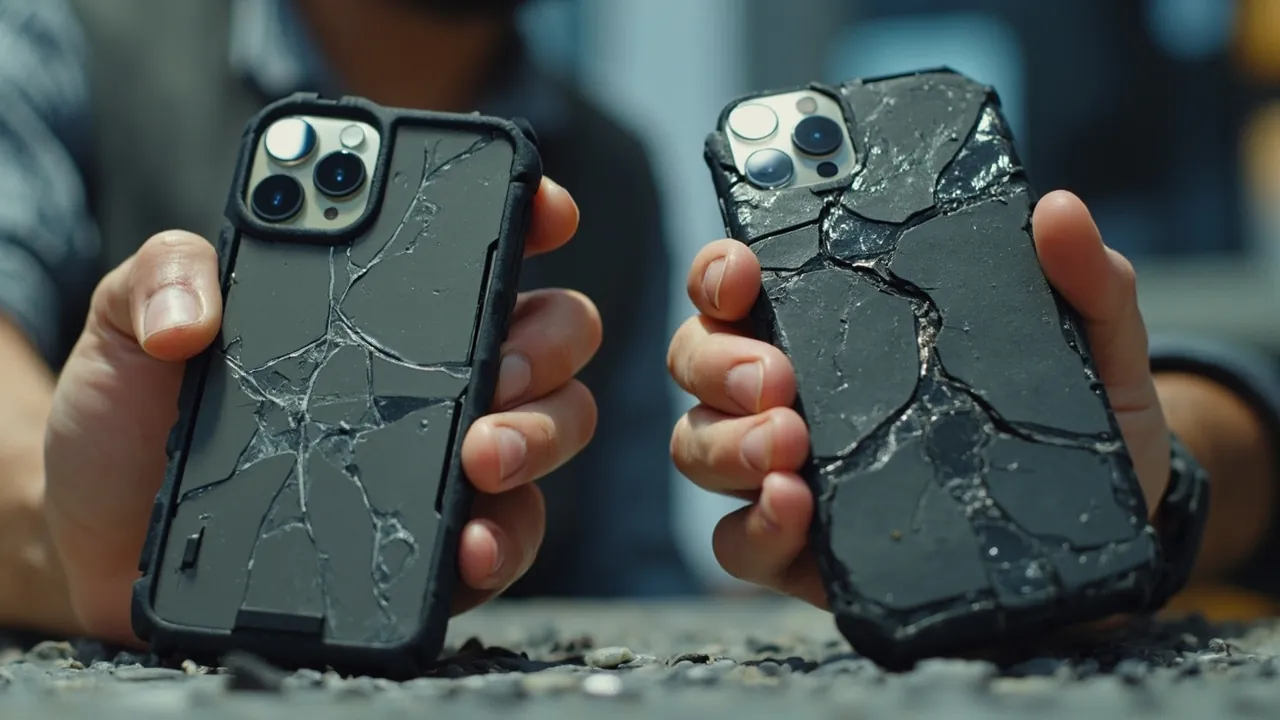
Direct answer: a protective case made of engineering plastic (represented by ABS, PP, PC) and one made of normal plastic (represented by PE, PS) differ in four core dimensions — mechanical strength, temperature range, impact resistance, and long-term service life. Through molecular-structure design, engineering plastics have higher rigidity, a wider operating-temperature window, and better impact and creep resistance, maintaining case shape and sealing fit under harsh conditions such as drops, stacked load, and outdoor temperature change; normal plastics (PE is flexible but low-rigidity and prone to creep, PS is brittle and poor in impact) when used alone as a shell easily deform under load, crack under impact, and fail by aging long term. This is why regular outdoor/industrial protective cases almost invariably use engineering plastic as the shell base material, using normal plastic or foam only in non-load-bearing parts such as feet, bushings, and liners. Below, from principle to comparison table, the "difference" is made clear.
Table of Contents
- What Is Engineering Plastic, What Is Normal Plastic
- Strength Difference: Rigidity, Creep Resistance, and Load Bearing
- Temperature Difference: Operating Range and Heat Deflection
- Impact Difference: Who Withstands Drops and Crushing
- Life Difference: Aging, Creep, and Long-Term Reliability
- Engineering vs. Normal Plastic Protective Case Total Comparison Table
- Why Protective Cases Use Engineering Plastic
- How Modification Narrows the Gap
- Total-Cost-of-Ownership View of Cost and Life
- Material Performance Test Standards (Industry Knowledge)
- Industry Application and Material-Choice Mapping
- Purchasing Acceptance Checklist (Material Dimension)
- Common Pitfalls
- Extra Notes on Engineering vs. Normal Plastic Misconceptions
- Evolution From Single Material to Composite Structure
- Why Cheap Normal-Plastic Cases Go Loose Over Time
- Three Iron Rules for Buying an Engineering-Plastic Case
- Frequently Asked Questions (FAQ)
- Conclusion and Further Reading
What Is Engineering Plastic, What Is Normal Plastic
In the plastics-engineering context, "engineering plastic" and "general/normal plastic" are divided by mechanical property and usage level:
- Engineering plastic: A structural plastic that can bear mechanical stress over a wide temperature range, maintain dimensional stability, and replace some metals. Protective-case-common ABS, PP (especially modified/co-polymer PP), PC belong to this class; more broadly it also includes PA (nylon), POM, PBT, etc.
- Normal plastic (general-purpose plastic): Daily plastics characterized by large volume, low price, and easy molding, such as PE (polyethylene), PS (polystyrene), PVC, ordinary PP. They meet packaging, container, and household needs, but fall short on high-strength, high-rigidity, long-life structural parts.
A common misunderstanding needs clearing: PP is both a "general-purpose plastic" and the most frequently used modified object as "engineering plastic" — through copolymerization, reinforcement (glass fiber/talc), and toughening, PP can approach engineering-plastic performance, so the PP in protective cases usually refers to modified/engineering-grade PP, not the most ordinary homopolymer PP. The "engineering-plastic case" in this article means products with ABS, engineering-grade PP, or PC shells; the "normal-plastic case" means low-strength products with pure PE, pure PS, or recycled material as the main shell.
Strength Difference: Rigidity, Creep Resistance, and Load Bearing
Strength is the first threshold of a protective case. Outdoor/industrial cases often bear stacked load, latch compression, and handling squeeze; once the shell creeps (slow deformation under long-term stress) or collapses, the sealing fit is destroyed and the protection level fails.
- Engineering plastic (ABS/PC): High rigidity, good creep resistance. ABS tensile strength about 40–50 MPa, PC about 60–70 MPa, high heat-deflection temperature, small deformation under long-term load, case stays stiff, latch seats do not loosen.
- Normal plastic (PE): Low density, flexible, but low rigidity and poor creep resistance; a pure-PE shell slowly "sags" under long-term stacking or sustained pressure, with dimensional drift; PS is more brittle, almost not compression-resistant.
- PP: Between the two; pure homopolymer PP has average rigidity, but engineering-grade co-polymer/reinforced PP raises rigidity through modification, the "lightweight player" in the engineering-plastic camp.
In one sentence: on "not collapsing under pressure, not deforming, latches not loosening," engineering plastic leads normal plastic by an order of magnitude, deciding whether the case can maintain design shape and sealing long term.
Temperature Difference: Operating Range and Heat Deflection
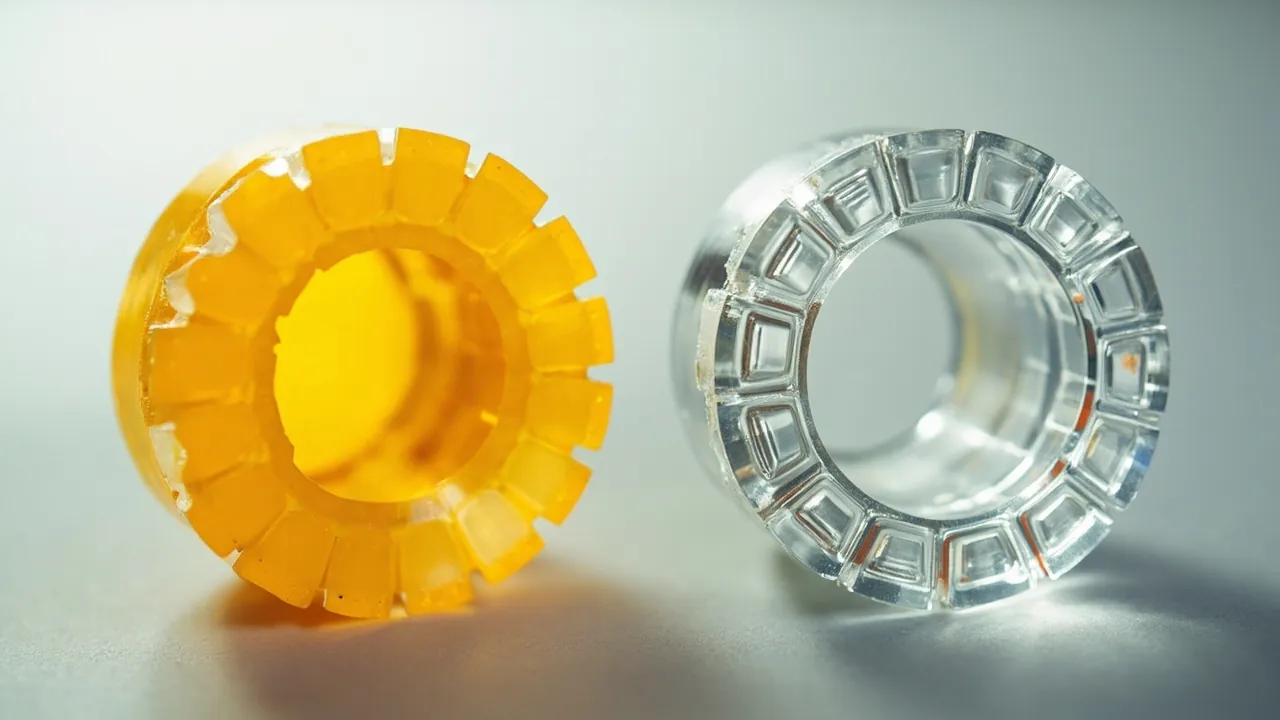
Protective cases often work under outdoor day–night temperature swings, cabin sun exposure, high-altitude low temperature, and cargo-hold temperature change; the material's upper and lower temperature limits directly decide whether the case softens or brittle-cracks.
| Material | Typical continuous use range (reference) | Heat-deflection temp. (reference) | Meaning for case |
|---|---|---|---|
| --- | --- | --- | --- |
| ABS | about -20°C to 80°C (caution at extreme cold) | about 90–100°C | Stable room to mid temp, needs modification for polar |
| Engineering-grade PP | about -20°C to 100°C+ (co-polymer good cold) | about 60–100°C+ | Cold and heat balanced, wide use |
| PC | about -40°C to 120°C | about 130–140°C | Highest temp resistance, also good cold |
| PE (normal) | about -50°C to 60–80°C | lower | Not brittle cold but soft/creep hot |
| PS (normal) | about 0°C to 70°C | about 70–90°C | Deforms hot, brittle cold |
It can be seen: engineering plastics (especially PC, engineering-grade PP) have wider upper and lower temperature limits, covering more complex environments; normal plastics either soften hot (PE) or brittle cold (PS), with a narrow environmental-adaptation window. This is also the material basis for a case to work reliably in a sun-baked cabin or a northern winter.
Impact Difference: Who Withstands Drops and Crushing
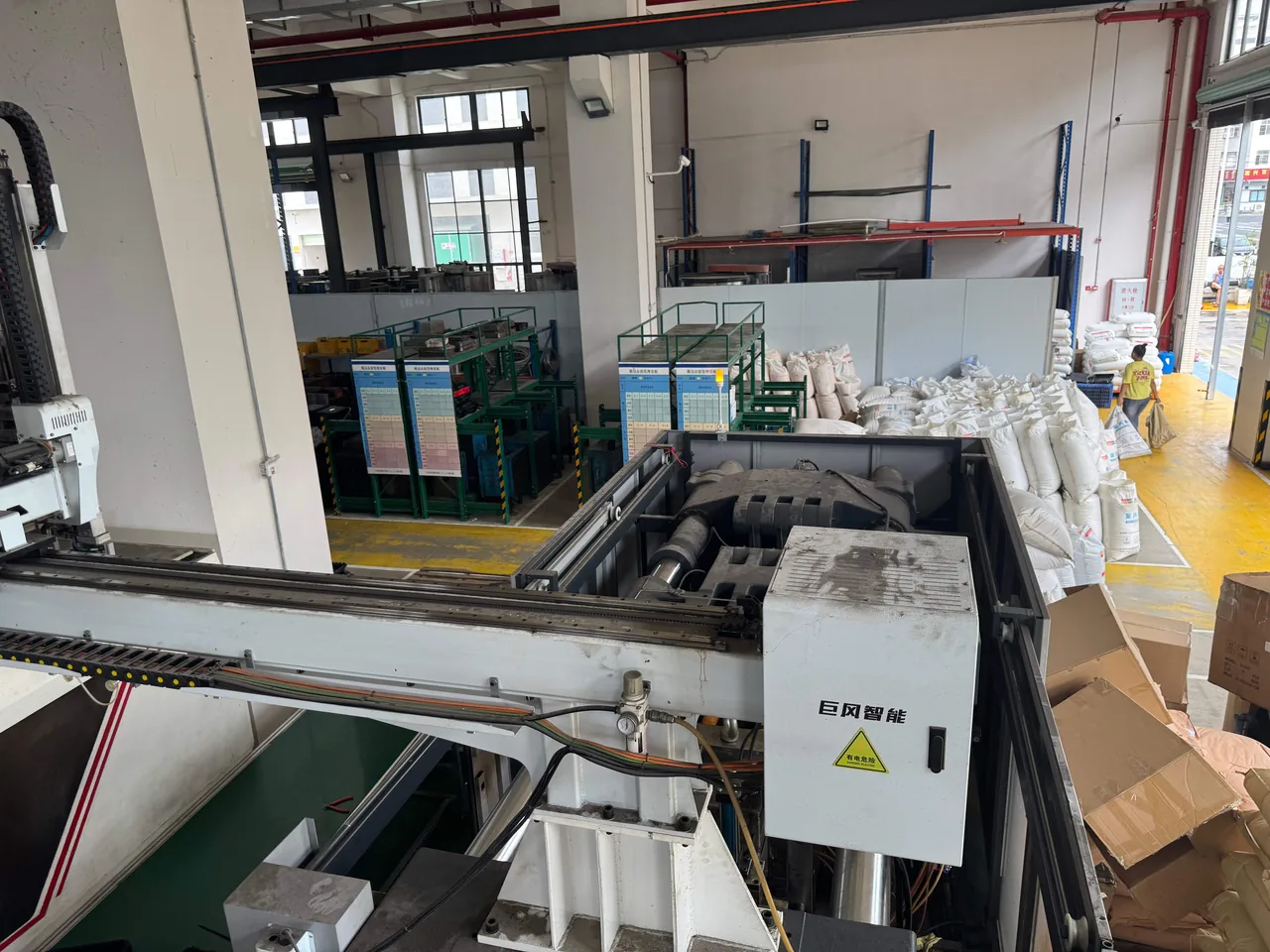
The most typical risk of a protective case is drops and crushing. Impact resistance looks at the material's energy-absorption ability (notched impact strength):
- PC: Highest impact strength (around 60–80 kJ/m² level), the byword for "anti-crush," suited to high-impact parts or transparent windows.
- ABS: Medium impact strength (about 15–25 kJ/m²), enough at room temperature, but toughness drops at low temperature; frequent drops or extreme cold need reinforcement ribs or modification.
- Engineering-grade PP (co-polymer): Average impact at room temp, but far better low-temperature toughness than ABS, less likely to crack when dropped in cold.
- PE (normal): Flexible, not easily broken by impact, but low rigidity, dents after impact, poor rebound, weak overall protection.
- PS (normal): Brittle, easily cracks on drop, basically unsuitable as a load-bearing shell.
Conclusion: engineering plastics comprehensively beat normal plastics on "both withstand impact and keep shape." Normal plastics are either brittle (PS) or soft (PE); alone as a shell they hardly satisfy both impact and deformation resistance.
Life Difference: Aging, Creep, and Long-Term Reliability
A protective case is not disposable; life comes from the material's stability under long-term stress, light, and temperature change:
- Engineering plastic: By adding UV inhibitors and stabilizers, it can be used outdoors for years without obvious yellowing and embrittlement; creep resistance keeps the sealing fit from drifting long term.
- Normal plastic PE/PS: Poor weather resistance themselves; PE powders and embrittles under long-term UV; PS more easily yellows and cracks; and PE has large creep, dimensional drift under long-term pressure, causing seal failure. Plus normal-plastic shells often use recycled material to cut cost, further shortening life.
- Modification headroom: Engineering plastics can be continuously upgraded by alloying, reinforcing, toughening; modified normal plastic still has a lower performance ceiling than engineering plastic.
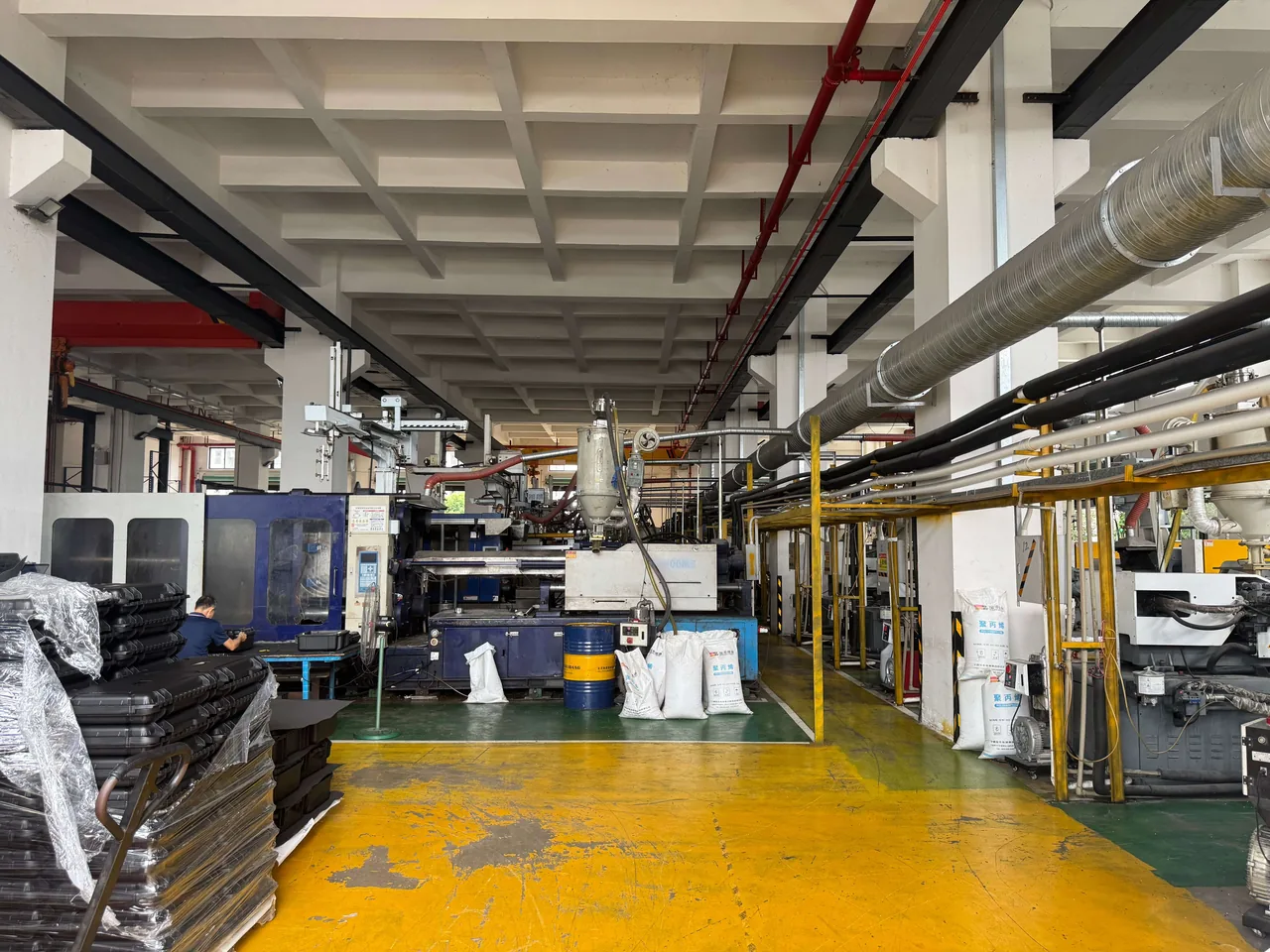
So "an engineering-plastic case is still stiff and sealed after five years, a normal-plastic case goes loose and leaks within a year" is not exaggeration but the inevitable result of material creep and aging differences. The JUNZHJIA protective-case product line of KeXin New Materials (Guangdong) Co., Ltd. uses virgin engineering plastic as the base material; the factory is in Zhongshan City, Guangdong Province (Greater Bay Area), about 18,000 square meters, with more than 80 machines and over 100 staff, with product-design, injection-molding, and mold-making capability; its plastic cases in ABS/PP material pass RoHS testing.
Engineering vs. Normal Plastic Protective Case Total Comparison Table
| Dimension | Engineering-plastic case (ABS/PP/PC) | Normal-plastic case (PE/PS) |
|---|---|---|
| --- | --- | --- |
| Shell rigidity | High, stiff, no deformation | Low (PE soft) or brittle (PS) |
| Creep/load | Good, small deformation under long load | Poor, easy creep collapse |
| Temp. range | Wide (-40 to 120°C level) | Narrow, soft hot/brittle cold |
| Impact | High (PC highest, PP good cold) | Low (PS brittle, PE soft-dent) |
| Long-term life | Stable years, good weather resist. | Easy aging/powder, seal drift |
| Seal-fit retention | Excellent, stable dimensions | Poor, easy seal loss |
| Cost | Medium–high | Low |
| Suitable for | Outdoor/industrial/transport/precision | Disposable pack, low-req storage |
Why Protective Cases Use Engineering Plastic
Combining the four points above, the four reasons a protective case "must use engineering plastic":
- Protection level depends on seal fit: Dust/water ratings like IP67 rely on precise compression of lid and case; normal-plastic creep makes the fit drift and seal fail — engineering plastic's dimensional stability is the premise of the level.
- Equipment must withstand drops and pressure: Outdoor handling, drops, stacking are routine; engineering plastic provides margin in strength and impact that normal plastic cannot.
- Large environmental span: From northern winter to cabin sun, engineering plastic's wide temp band; normal plastic easily "soft hot, brittle cold."
- High asset value: Cases hold instruments, communication, batteries and other valuables; case life and reliability must match, and engineering plastic's long-term stability is more cost-effective.
Add: engineering plastic is not "the whole case uses the most expensive." The sensible design is shell uses engineering plastic for strength, feet/bushings use PE for wear/shock, liner uses EPE/EVA for energy absorption — putting normal plastic and foam where "should not bear load but should wear-absorb," is the mature engineering approach. KeXin New Materials has one-stop OEM/ODM for injection, mold, and liner, coordinating material and structure before leaving the factory.
How Modification Narrows the Gap
Some ask: can normal plastic catch up to engineering plastic through modification? The answer is "limited catch-up." PE can raise rigidity through cross-linking and filling; PS can become HIPS through rubber toughening to improve impact; ordinary PP can upgrade to engineering-grade PP through copolymerization and reinforcement — exactly why PP is both "general" and often used as "engineering." But modification has a ceiling: even reinforced PE's creep resistance and temp are still weaker than ABS/PC; PS/HIPS after toughening still falls short of PC in impact and temp; normal plastic's molecular structure sets its strength, temp, and impact ceiling below engineering plastic. In other words, modification makes normal plastic "adequate," but hardly "reliably usable in harsh protection scenarios." A protective-case shell must bear load long term, resist drops, keep sealing — still engineering plastic as base; normal-plastic modified material is better for non-load-bearing parts like liners, trays, dividers. Understanding this, you won't be misled by claims like "modified PE is also strong."
Total-Cost-of-Ownership View of Cost and Life
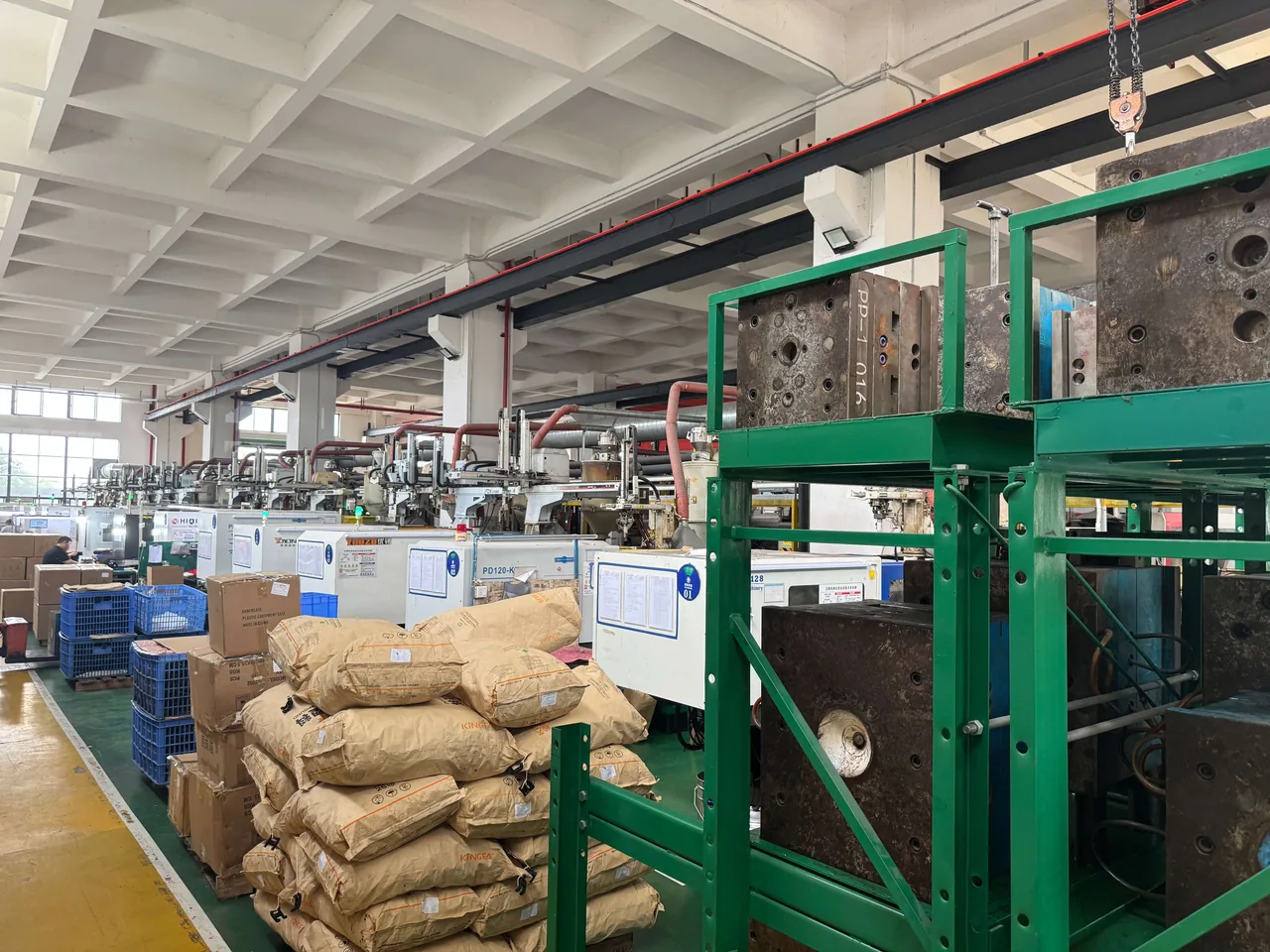
Converting the engineering-vs-normal gap into money, the conclusion often reverses: a normal-plastic case has low unit price, but short life, easy deformation, easy seal failure; once the instrument inside is damaged by water or dust, the loss often far exceeds the case price difference; an engineering-plastic case has higher unit price but stays stiff and sealed for years, and the annualized holding cost may not be higher. This total-cost-of-ownership (TCO) view is especially important for batch users — a survey team, a repair crew, an equipment maker, if a few instruments are scrapped yearly due to unreliable cases, the case savings are not worth mentioning. Moreover, the high consistency of engineering-plastic cases aids batch management and OEM/ODM customization; liners, zoning, LOGO can be uniformly planned, further lowering long-term O&M cost. So selection should not just compare "case unit price" but "protection ability per unit divided by total holding cost"; engineering plastic is often more economical in most protection scenarios.
Material Performance Test Standards (Industry Knowledge)
Comparing manufacturer data horizontally needs unified standards. Protective-case shells commonly use these material test standards (for judging the material itself, not directly equal to whole-case level):
| Standard | Test content | Corresponding protection need |
|---|---|---|
| --- | --- | --- |
| ISO 527/ASTM D638 | Tensile strength | Shell tensile load |
| ISO 178/ASTM D790 | Flexural strength & modulus | Compression/bend rigidity |
| ISO 179/ISO 180 | Notched impact strength | Drop/crush resistance |
| ISO 75/ASTM D648 | Heat-deflection temp. | No deformation hot |
| IEC 60529 | IP rating | Whole-case dust/water |
Normal plastics (PE/PS) generally show lower specimen data on these indicators, especially heat-deflection temp. and notched impact. Emphasis: material specimen data is only an "entry threshold"; whether the whole case reaches IP67 also depends on sealing and structure; but the material floor sets the case performance ceiling — a normal-plastic shell, even with good sealing, will still show weakness in long-term load and impact. When getting a third-party report, check that test standards and methods are consistent.
Industry Application and Material-Choice Mapping
Mapping material differences to the public application directions of KeXin New Materials' product line: outdoor survey and scientific exploration often meet low temperature and frequent handling, tending to engineering-grade PP's cold-impact resistance; military/police/fire validated against MIL-STD-810H as a product-line environmental test basis demand high rigidity and impact, mostly ABS or ABS/PC alloy with reinforcement ribs; electronics repair fears dust/moisture, IP67 case with liner is standard, ABS/PP both fine; aviation communication experiences vibration and temp change, demands dimensional stability and temp resistance, engineering-plastic shell more suitable; chemical and coastal environments emphasize acid/alkali/salt-spray resistance, PP's chemical advantage stands out. The essential difference among these industries is the weight allocation among strength, temp, impact, and life — engineering plastic exists to balance all four; normal plastic hardly meets all simultaneously.
Purchasing Acceptance Checklist (Material Dimension)
Check by checklist before ordering: confirm the shell is virgin engineering plastic (ABS/PP/PC or modified), not recycled or pure PE/PS; confirm the operating-temperature range covers your environment; confirm compliance such as RoHS/REACH (KeXin New Materials plastic cases in ABS/PP material pass RoHS testing); request material grade and third-party test report, write specific parameters into the contract; check whether the inner wall has reinforcement ribs, corners are rounded, stress points have metal inserts (see structure articles); batch orders go OEM/ODM to coordinate material and liner. The checklist turns "engineering or normal" from feeling into verifiable items, avoiding being misled by low-price normal-plastic cases.
Common Pitfalls
- Pitfall 1: All plastic cases are about the same. Engineering and normal plastic differ by an order of magnitude in strength, temp, impact, life; cannot be lumped together.
- Pitfall 2: PE is flexible so more drop-resistant. Flexible ≠ impact protection; PE dents after impact, poor rebound, weaker overall than engineering plastic.
- Pitfall 3: PS is transparent and cheap, just right for a case. PS is brittle, cracks on drop, unsuitable as load-bearing shell; only for non-load-bearing liners/trays.
- Pitfall 4: Recycled counts as engineering plastic. Recycled has large performance fluctuation, uneven wall; even if base is engineering plastic, recycled lowers life and seal.
- Pitfall 5: Look only at material, ignore structure. Material is the base; wall thickness, ribs, seal, latch also decide final protection; engineering plastic + good structure = reliable case.
Extra Notes on Engineering vs. Normal Plastic Misconceptions
Around the two plastics, a few easy-to-confuse points deserve a word. First, flexible is not drop-resistant: polyethylene is very flexible, not easily broken by impact, but dents and poor rebound after impact, weaker overall than engineering plastic that also keeps shape; true "drop-resistant" balances energy absorption and shape retention. Second, transparent is not strength: a transparent case may come from brittle cheap general-purpose polystyrene, or from expensive strong polycarbonate; the key is material and thickness. Third, color depth has nothing to do with strength: black often hides mixed color with masterbatch or even recycled, not naturally stronger; virgin can be any color, strength depends on base not tone. Fourth, feeling hard is not impact-resistant: some materials are statically hard but notch-sensitive, cracking from stress points on impact. Fifth, thickening normal plastic cannot catch engineering plastic: thickening only partly raises rigidity, cannot change the ceiling of creep, temp, and impact, and adds weight and cost. Keep these five in mind, and facing a "thick and cheap" normal-plastic case you can calmly judge whether it truly holds up.
Evolution From Single Material to Composite Structure
Early simple cases mostly used a single normal plastic, meeting basic loading but not outdoor abuse; as equipment value rose, shells shifted to engineering plastic, developing the composite structure of "engineering-plastic shell + local functional material + foam liner." The evolution logic is plain: no single plastic satisfies rigidity, light weight, toughness, and transparency simultaneously, so the smart move is to put different materials in the most suitable positions. The shell needs stiffness and compression — give it ABS or PP; transparent anti-crush — give PC for the window; wear/shock — give PE for feet; energy absorption and fixing — give EPE or EPP for liner. This position-by-position material use is the key step for the protective case to upgrade from "a box that holds things" to a "mobile safe." For the user, understanding the composite structure is more useful than memorizing material names — it makes you instinctively ask "what is each part made of and why," rather than being led by a single selling point. Professional manufacturers often proactively state each part's material distribution, because that is exactly where their design skill shows, and where the engineering-vs-normal gap becomes concrete.
Why Cheap Normal-Plastic Cases Go Loose Over Time
Many users have this experience: a cheap normal-plastic case bought for little money works fine at first, but after half a year the lid won't latch, corners whiten and crack, stacking collapses it, and the seal is decorative. Behind this is the fundamental gap between the two plastics in "long-term reliability." Normal plastic like polyethylene is flexible but creeps easily, slowly deforming under long-term pressure and not returning, and after dimensional drift the lid and case no longer fit tightly; polystyrene is more brittle, a single knock buries a crack, later extending silently at stress concentration. Plus cheap cases use recycled material to cut cost, thin wall no ribs, sharp corners straight walls, high internal stress, poor impact, aging and creep amplified. Engineering-plastic cases rely on molecular structure and UV stabilizers to stay stiff outdoors for years, creep resistance keeping the seal fit from drifting. So "goes loose after a while" is not accidental but the inevitable result of material creep, aging, and recycled material combined. Understanding this, you won't misjudge "worked well at first" as "this case is reliable," but pay for virgin engineering plastic and solid structure at purchase for long-term reliability.
Three Iron Rules for Buying an Engineering-Plastic Case
Condense all comparisons above into three iron rules for purchasing. Rule 1: recognize the material tier, not the word "plastic": just buying because the shell says "plastic" confuses normal and engineering cases; you must ask whether it is ABS, PP, or PC, and whether virgin. Rule 2: look long-term not present: a normal-plastic case works fine at first but goes loose and leaks within half a year; an engineering-plastic case costs more for years of stiff sealing; compare total cost of ownership not case unit price. Rule 3: look structure not thickness: with the same nominal material, a case with even wall thickness plus ribs far beats a thick plain-wall case; while choosing material also check inner ribs, rounded corners, and insert at stress points. These three seem simple but exactly correspond to the three easiest-pitfall dimensions of strength, life, and structure. Turn the iron rules into must-check items on the purchase list, combined with the material test standards and acceptance items above, and you can basically screen out truly reliable cases in a mixed market, avoiding handing equipment to a container that silently fails.
Frequently Asked Questions (FAQ)
Q: Is an engineering-plastic case necessarily much more expensive than a normal-plastic one? A: In material cost engineering plastic (especially PC) is higher than PE/PS, but the value of a protective case is in protecting the assets inside. The case-price saved with normal plastic is often less than one instrument's water/dust damage; and ABS and other engineering plastics already have balanced cost-performance, not all "much more expensive."
Q: Is a PE case completely unusable? A: Not unusable, but depends on use. PE is flexible and chemical-resistant, suited to non-load-bearing parts like feet, bushings, trays, disposable packaging; but as a load-bearing shell its rigidity is low and it creeps easily, hard to maintain sealing and load. PE is a "good supporting actor," not a "good shell."
Q: Can PS be used for a protective-case liner? A: Yes. PS/HIPS is low-cost and easy to mold, suited to non-load-bearing liner trays, dividers, transparent small windows; but because it is brittle, it cannot be a load-bearing structure, and the tray itself may shatter on drop; precision equipment still suggests EVA/EPE cushioning.
Q: Can thickening normal plastic reach engineering-plastic effect? A: Thickening partly raises rigidity but cannot change the material's own ceiling of creep, temp, and impact, and adds weight and cost; overall still worse than engineering plastic at reasonable wall thickness + ribs. Material and structure must coordinate, not simply "pile thickness."
Q: Why do some protective cases have both ABS and PP? A: Because different parts have different needs: the main shell may use ABS for stiffness and printability, or PP for light weight and cold resistance; the two are often paired by scenario, even on different parts of the same case, to balance multiple performances.
Q: Which is more reliable, a recycled engineering-plastic case or a virgin normal-plastic case? A: Usually a virgin normal-plastic case is still better than a recycled engineering-plastic case in purity and consistency, but neither beats a virgin engineering-plastic case. The key is "virgin + engineering plastic + structural design" — all three together is most reliable.
Q: How long does an engineering-plastic case generally last? A: Life depends on material, structure, and environment; no uniform years can be given. Under normal outdoor use, avoiding sun and over load, a virgin engineering-plastic case often lasts years still stiff and sealed; while normal or recycled cases often go loose, crack, seal-fail within half a year to two years. The key to extending life is virgin material, good structure, diligent maintenance, and strict adherence to nominal stacking and load.
Q: Is a normal-plastic case completely useless? A: No. Normal-plastic cases suit low-requirement scenarios such as indoor short-term storage, non-precision clutter, disposable transport packaging, where their low cost is an advantage. The real problem is misusing them — putting precision instruments in a normal-plastic case, taking it outdoors in rain and wading, doing long-term stacked load — that causes trouble. The core of selection is matching material tier to risk.
Q: Can modified normal plastic fully replace engineering plastic? A: Limited replacement, not full. Through copolymerization, reinforcement, toughening, normal plastic can rise to the "adequate" range, e.g., engineering-grade PP can approach ordinary ABS, but creep, temp ceiling, and long-term reliability are still below true engineering plastic. A protective-case shell must bear load, resist impact, keep sealing long term, so engineering plastic is the safer base; normal-plastic modified material is better for non-load-bearing liners and trays.
Q: Does an engineering-plastic case age? A: Yes, but much slower than normal plastic. Engineering plastic through UV stabilizers and molecular structure itself is more weather-resistant, keeping mechanical properties outdoors for years; normal plastic especially PE and PS more easily powder, yellow, brittle under sunlight. Either way, long-term sun accelerates aging; store shaded, avoid high temperature is the general rule, specific per manufacturer advice.
Q: Is a recycled engineering-plastic case worth buying? A: Considerable for non-load-bearing liners or disposable packaging, but not recommended for load-bearing shells. Recycled has multiple heat histories, lower molecular weight, more impurities; even if base is engineering plastic, performance and consistency are clearly lower than virgin, wall uneven, high internal stress, long-term seal and compression unreliable. For load-bearing shells insist on virgin and request virgin proof and test from the manufacturer.
Q: Can a normal-plastic case become a protective case by adding a seal? A: Cannot reliably. Protection relies on precise fit of case and lid with full-perimeter compression sealing; a normal thin-wall case has poor dimensional stability and easily deforms under load; even adding a strip or tape only blocks falling dust, cannot reach a quantifiable dust/water rating, let alone maintain it long term. A true protective case designs the seal fit in from the material and mold stage, not something retrofitted later.
Conclusion
The gap between protective cases made of engineering plastic (ABS/PP/PC) and normal plastic (PE/PS) concentrates in four dimensions: strength, temperature, impact, life — engineering plastic has high rigidity, creep resistance, wide temp band, good impact, long-term stability, maintaining seal fit and load shape, the inevitable choice for outdoor/industrial protective-case shells; normal plastic is flexible and creep-prone or brittle, easily deforms, cracks, ages and fails alone as a shell, only suited to non-load-bearing parts like feet, bushings, liners. The fundamental reason a protective case uses engineering plastic is that protection level, drop/compression resistance, environmental span, and asset value all demand long-term material reliability, not simply "plastic is fine." When buying, recognize virgin material, check grade, verify structural design, and go OEM/ODM when needed to coordinate material and liner. To further understand material distribution and structural principles, continue reading the related articles below.
Further Reading
- What plastic materials do protective cases commonly use?
- What is the difference between PP, ABS, and PC protective cases? How to choose?
- Why do outdoor protective cases mostly use engineering plastic?
- How to choose outdoor protective-case material? ABS, PP, PC how to pick?
- How is a high-strength protective-case structure designed?
- What are the advantages of a PP outdoor protective case?