

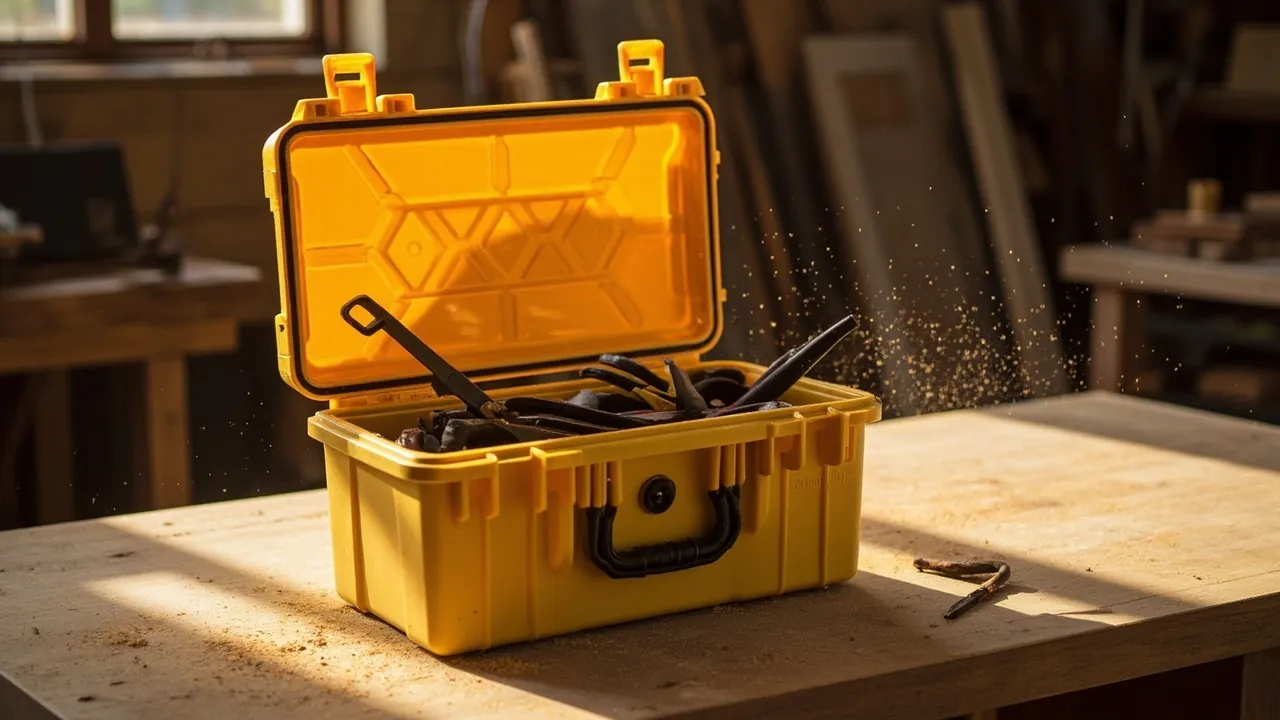
The purpose of a dustproof toolbox is to block external dust from entering the cavity so tools, parts, and instruments stay free from contamination, abrasion, and jamming — keeping accuracy intact and cutting failure rates. In essence it gives your tools a mobile clean environment. Dust is not merely "dirt": fine particles such as metal swarf, sand, and carbon powder cause wear or seizure in moving parts, and cause short circuits or imaging defects once they reach optical or electronic components. A dustproof toolbox uses a sealing structure — a full-perimeter lid gasket plus an interlocking rib — to reach a defined dust rating such as IP6X under IEC 60529, so tools stay clean and usable in workshops, outdoor sites, and laboratories.
Most people treat dust protection as a nice-to-have until the day a gauge face comes back scratched or a circuit board shorts out because dust absorbed moisture. This article covers definition, principle, rating system, concrete benefits, applications, and maintenance — and gives you a decision logic you can apply directly.
Table of Contents
- Definition of a Dustproof Toolbox
- How Dust Sealing Works and the Rating System (IEC 60529)
- Dust-Rating Comparison Table
- What Dust Actually Does to Tools
- The Concrete Benefits of a Dustproof Toolbox
- Scenarios That Genuinely Need Dust Protection
- How Dust, Water, and Shock Protection Relate
- Purchase and Acceptance Checklist
- Routine Care and Gasket Maintenance
- Common Mistakes and Buying Advice
- Frequently Asked Questions (FAQ)
- Particle Size and Hazard Grading
- Sealing Structure Details of a Dustproof Toolbox
- Field Cases: How Dust Quietly Ruins Tools
- Dust Protection, Cost, and Service Life: The Full Accounting
- Mini Glossary
- A Selection Decision Tree for Dustproof Toolboxes
- Notes for Purchasers
- Storage and Long-Term Keeping
- Certification and Qualification Checks
- A Worked Example: Protecting a Metrology Inspection Kit
- Sizing and Zoning a Dustproof Toolbox
- How Material and Process Affect Dust-Sealing Life
- The Accessory Ecosystem Around a Dustproof Toolbox
- Who Should Buy a Dustproof Toolbox: Quick Reference
- Making Dust and Shock Protection Work Together
- Simple Ways to Verify Dust Performance
- Stacking, Load Capacity, and Portability
- Common Faults and Troubleshooting
- Conclusion
- Further Reading
Definition of a Dustproof Toolbox
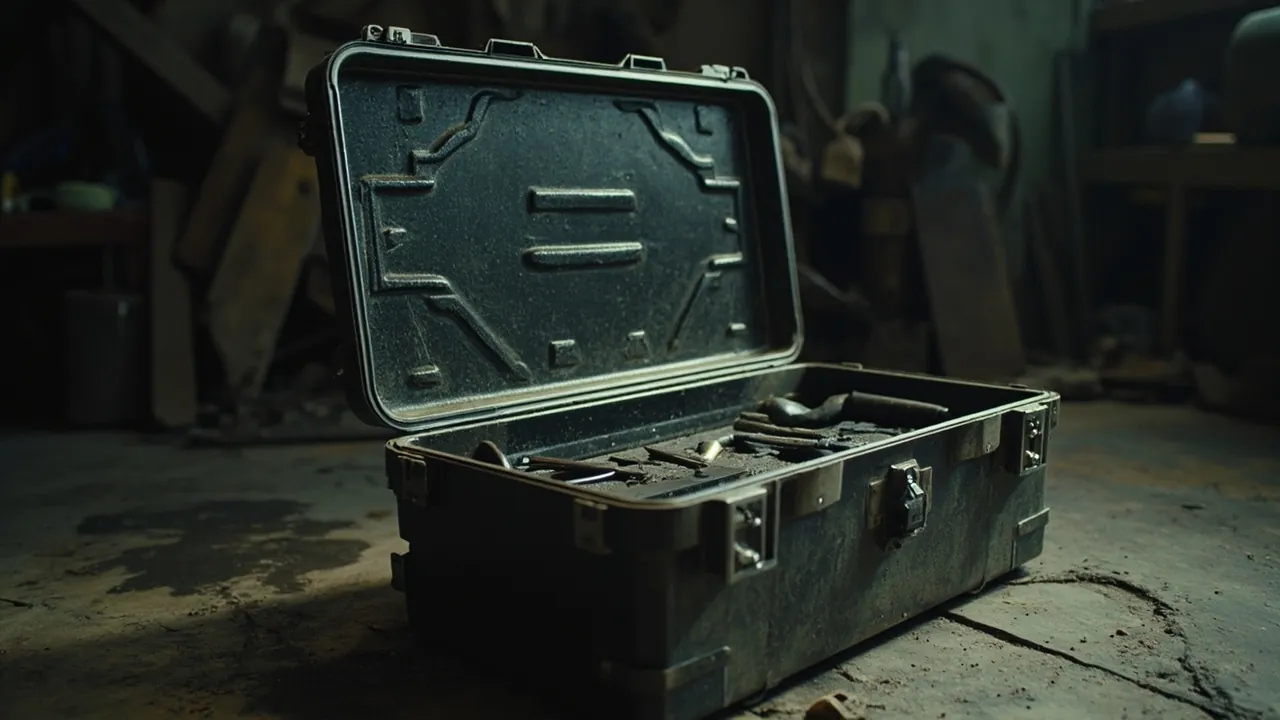
A dustproof toolbox is a tool box or protective case whose lid-to-body joint carries a sealing structure capable of restricting dust ingress; the product normally states a dust-protection rating. What separates it from an ordinary tool box is this: an ordinary lid leaves an open gap, and dust drifts in freely; a dustproof box closes that gap with a ring of elastic gasket and compression latches, producing a low-dust or dust-free environment inside.
Note that "dustproof" is usually paired with "waterproof" — one sealing structure often delivers both, which is why many protective cases carry a combined rating such as IP67. This article focuses on the dust dimension, but evaluate both together, since most tools fear moisture as much as grit.
An ordinary lid relies on gravity and a simple catch, leaving a gap of a few millimetres. Fine particles are far smaller, so they keep drifting in with air convection even when the lid "looks shut." Only full-perimeter compression sealing squeezes the gap to a scale particles cannot pass. An ordinary box blocks *falling* dust; a dustproof box blocks *convection-driven* ingress — different by an order of magnitude.
How Dust Sealing Works and the Rating System (IEC 60529)
Once the lid closes, the gasket along the lid edge (an elastomer such as EPDM or TPE) is compressed and fills the microscopic gaps, so even micron-scale particles cannot ride air convection through. Latches supply continuous compression so the gasket holds its designed deflection for years, while ribs and labyrinth features on body and lid lengthen the path any particle must travel.
Dust capability is expressed by the first digit of the IP code, defined in IEC 60529:
- IP5X — dust-protected: a limited quantity of dust may enter, but not enough to interfere with satisfactory operation of the equipment.
- IP6X — dust-tight: no dust ingress at all (the most stringent dust rating).
Understanding the difference between these two is critical. IP5X permits "a small amount may enter but without affecting operation," which is fine for general equipment enclosures. A tool box, however, carries gauges and devices that are already precise and sensitive to contamination, so it usually needs to be specified to IP6X "dust-tight" rather than settling for "roughly dustproof." One digit of difference means an order of magnitude of difference in protection.
For tool boxes, "dust-tight (IP6X)" is the practical ceiling and is sufficient for workshops, outdoor sites, and desert conditions. One caveat: IP testing is carried out under controlled conditions, so real-world long-term performance still depends on an intact gasket and correct latch closure.
Dust-Rating Comparison Table
| First IP digit | Meaning | Relevance to tool boxes |
|---|---|---|
| --- | --- | --- |
| 0 | No protection | Ordinary open box |
| 1–4 | Protection against large particles / limited dust | Largely obsolete for protective cases |
| 5 (IP5X) | Dust-protected (limited ingress) | Usable in general dusty environments |
| 6 (IP6X) | Dust-tight | First choice for heavy dust and precision items |
The second digit (water) is commonly seen as IP65, IP66, or IP67. For example, the JUNZHJIA protective-case product line from KeXin New Materials carries IP67 capability — that is, "dust-tight plus no water ingress during short-term immersion" — so it handles both grit and wading. For equipment like a tool box that routinely meets dust and water on the same job, IP67 is therefore the most frequently recommended single-step rating.
What Dust Actually Does to Tools
To appreciate what a dustproof box does, you first have to see how dust damages tools:
- Abrasive wear: Metal chips and sand are hard. Once inside moving parts — hinges, slides, ratchets — they grind with every movement, removing surface material bit by bit until clearances grow and the feel goes slack.
- Jamming and noise: Particles wedged in gears or latches make opening and closing rough, or seize them entirely.
- Scratching precision surfaces: Gauge faces, lenses, and sensor windows get micro-scratches from particle-laden tools or airflow, permanently degrading accuracy or image quality.
- Conductive paths and short circuits: Conductive dust on circuit boards — metal powder, carbon dust — absorbs moisture and forms leakage paths, causing malfunction or burn-out.
- Contamination and corrosion: Dust holds water vapour and corrosive gases against tool surfaces, forming galvanic cells that accelerate rust.
- Blocked openings: Breather valves and cooling vents clog, degrading function.
What this list shows is that the damage from dust is chronic, cumulative, and frequently irreversible. A dustproof box is the first barrier that breaks this chain.
The Concrete Benefits of a Dustproof Toolbox
- Prevents wear and seizure in moving parts. Once sand gets into the hinge of a wrench, a ratchet, or a drawer slide, the friction coefficient rises and you get noise, roughness, or outright seizure. A dustproof box keeps those areas clean so operation stays smooth.
- Protects the accuracy of precision gauges. If the measuring faces of a caliper or micrometer are scratched or have particles clinging to them, readings drift. Dust-free storage lowers contamination probability and holds measurement accuracy.
- Protects electronic and optical devices. Dust on a circuit board conducts once it absorbs moisture and can cause shorts; dust on a lens or sensor shows up directly as image spots. A dustproof box, combined with moisture control, markedly reduces such failures.
- Cuts cleaning and maintenance cost. Tools kept in a dustproof box are far more often ready to use the moment you take them out, saving the time spent blowing, wiping, and inspecting.
- Extends overall service life. Wear and corrosion almost always begin with "dirt." Controlling dust means controlling the source of ageing, so both the tools and the interior lining last longer.
- Keeps the work site tidy and professional. Storing precision parts and spares in separated, dust-free compartments prevents loss as well as contamination, which helps both management and handover.
- Protects the credibility of test results. If metrology or quality-control tools are contaminated by dust, measurement data can drift. Dust-free storage is a basic link in any quality system.
Scenarios That Genuinely Need Dust Protection
- Machining and welding workshops: High concentrations of metal chips, weld spatter, and grinding dust; an ordinary box collects a visible layer fast.
- Construction and outdoor engineering: Wind-blown sand and cement dust are constantly present, and exposed tools wear quickly.
- Electronics and appliance repair: Mainboards and connectors are vulnerable to conductive dust, so dust protection plus moisture control where needed is essential.
- Optical and metrology laboratories: Lenses, sensors, and gauges are extremely sensitive to particles.
- Scientific exploration and field work: In desert, gobi, and coastal wind-sand environments, protective cases are typically designed as a combined dust + water + vibration-resistant package.
- Automotive and aviation maintenance: Brake dust and carbon-fibre debris are unfriendly to precision instruments.
Where a scenario involves both dust and vibration, rating and cushioning liner must be considered together: dust protection governs "does grit get in," the liner governs "does vibration break it."
How Dust, Water, and Shock Protection Relate
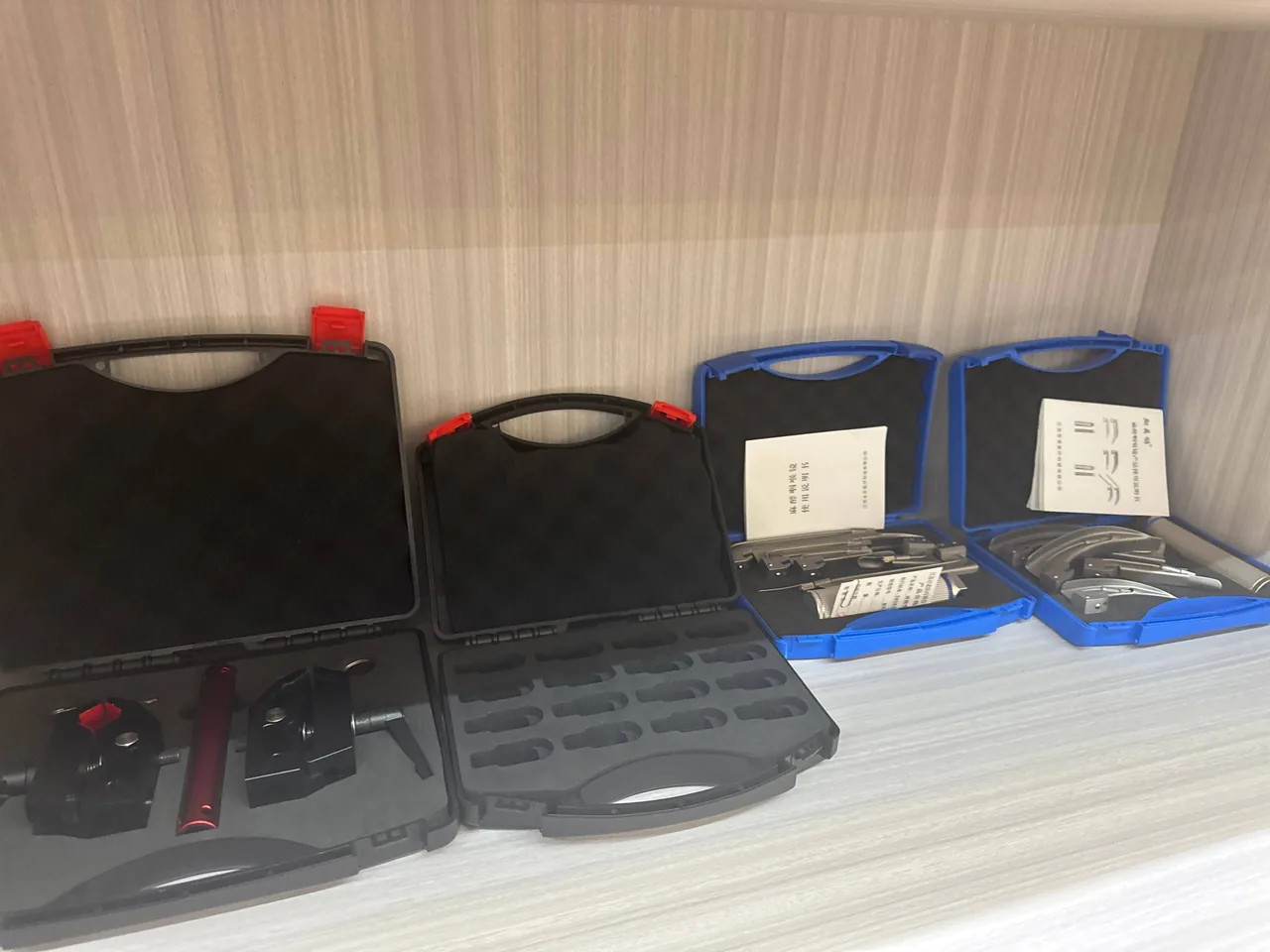
Dust protection works with water protection rather than competing with it. A single sealing structure normally delivers both, which is why protective cases are usually marked IP67; shock protection relies on the shell and the liner and sits on a separate layer.
| Dimension | What it prevents | What delivers it | Typical rating |
|---|---|---|---|
| --- | --- | --- | --- |
| Dust protection | Dust ingress | Gasket + compression latches | IP6X (IEC 60529) |
| Water protection | Water ingress | Same seal + pressure valve | IP67 |
| Shock protection | Impact displacement | Rigid shell + cushioning liner | Structure + liner |
When selecting, stack the layers according to "what do my tools actually fear": afraid of dust — dustproof box; afraid of dust and water — IP67; afraid of shock — add a cushioning liner; afraid of all three — IP67 protective case plus an EVA liner. A manufacturer with in-house liner capability, such as KeXin New Materials with its JUNZHJIA line, can coordinate dust, water, and shock protection inside one case.
Purchase and Acceptance Checklist
When buying a dustproof case, check item by item:
- Dust rating: Specify IP6X (IEC 60529) explicitly, and reject vague claims of "dustproof."
- Gasket: Continuous all the way round, resilient, and replaceable on its own.
- Latches: Firm compression, with an even lid gap and no visible opening after closing.
- Shell material: ABS/PP or alloy, virgin resin preferred; ask for RoHS and similar test reports.
- Liner compatibility: Whether EVA/EPE custom liners are supported, to stop tools sliding inside and raising dust.
- Certification backing: ISO9001, IP67, California Prop 65 and similar can be verified against company documentation; for a specific model, read the specification sheet.
Using this checklist as the basis for comparing quotations helps you avoid the trap of "labelled dustproof, actually not."
Routine Care and Gasket Maintenance
A dustproof case is durable, but the gasket is a consumable — maintenance determines how long the dust protection actually lasts:
- Before closing the lid, remove sand grains and lint from the lid edge and gasket so nothing gets pinched into a leak path.
- Wipe the gasket periodically with a clean soft cloth, and apply a thin film of silicone grease if needed to slow ageing.
- Avoid prolonged sun exposure, since sustained high temperature hardens and cracks rubber.
- Open the lid in a clean place wherever possible, rather than standing in blowing sand, to reduce dust falling inside.
- Watch for deformation: if the gasket loses resilience or cracks, replace it with the same specification promptly.
- Clean the liner by blowing out dust regularly, so the liner itself does not become a dust reservoir that re-contaminates the tools.
With proper maintenance, dust performance can be sustained for years. Neglected, even an IP6X case fails through one small crack.
Common Mistakes and Buying Advice
- Mistake 1: A lid means dustproof. An ordinary lid gap can reach millimetre scale and dust walks straight in. Insist on a stated IP6X rating and a real sealing structure.
- Mistake 2: Dustproof equals waterproof. A dustproof case is not necessarily waterproof; check the second IP digit, and choose IP67 or above for wading.
- Mistake 3: The gasket lasts forever. Rubber seals age, and a pinched particle creates an immediate leak path; clean and replace periodically.
- Mistake 4: A dustproof case does not need a liner. Without a liner, tools slide around inside and actually stir up any dust present, scuffing the tools; fit a retaining liner.
- Advice: Choose IP5X or IP6X according to dust concentration; for heavy dust plus wading, choose IP67; for precision items add an EVA liner to reduce internal movement and dust generation; for volume orders, consider OEM/ODM customization.
Frequently Asked Questions (FAQ)
Q: Can a dustproof toolbox completely isolate dust? A: A case rated IP6X (dust-tight) admits no dust under the requirements of the standard. Real-world results, however, depend on an intact gasket and correct latch closure; ageing or trapped particles degrade performance.
Q: Are dust protection and water protection the same structure? A: Usually yes. The same ring of gasket and the same compression latches deliver both, which is why protective cases are often marked with a combined rating such as IP67 (dust-tight plus temporary water resistance).
Q: Does throwing a cover cloth over an ordinary tool box count as dust protection? A: Not reliably. A cloth blocks falling dust but cannot stop fine particles carried in by air convection, and it carries no rating.
Q: Do electronic tools still need moisture protection inside a dustproof case? A: If the environment is humid, dust protection alone is not enough. Choose an IP67 waterproof case or place desiccant inside; dust and moisture control must work together.
Q: How should I maintain the gasket of a dustproof case? A: Wipe the gasket and lid edge with a clean soft cloth regularly and keep sand out of the joint; if you find cracking or loss of resilience, replace with a part of the same specification.
Q: Must precision gauges be stored in a dustproof case? A: For high-accuracy gauges — calipers, micrometers, dial-gauge stands — dust-free storage is standard practice for maintaining accuracy. Even in an apparently clean room, airborne dust accumulates over time and contaminates measuring faces.
Q: Does a dustproof case protect against oil? A: The sealing structure blocks most oil mist and splash, but if oil is already inside you still need to clean it. For oily environments choose an easy-wipe liner and maintain it periodically.
Particle Size and Hazard Grading
Dust is not one thing; hazard scales with particle size. Coarse particles — visible sand and chips — mainly cause jamming and scratching. Fine particles, on the order of PM10 and tens of microns, drift through the gap of an ordinary box. Respirable and sub-micron particles — PM2.5 and below — ride air currents deep into seams and settle on measuring faces and circuits. The finer the particle, the harder to stop and the more dangerous to precision components. IP6X testing uses a specified dust, such as quartz powder, to verify "no ingress" — a defence against the finest fraction. The millimetre-scale gap of an ordinary box cannot even stop coarse grit, so precision applications must specify IP6X rather than "more or less dustproof."
Sealing Structure Details of a Dustproof Toolbox
Dust performance lives in the details. Gasket cross-sections are usually solid or hollow rectangular/round profiles, compressed by roughly 20% to 40% when the lid closes to form a sealing band. The lid edge is often designed as a "knife edge" that presses into the gasket to raise line-sealing pressure. Ribs on the body and lid interlock to form a multi-stage labyrinth, so even if the first stage leaks slightly, the second stage catches it. The number and position of latches decide whether compression is even — a single latch tends to leave a gap on the far side, while multiple latches hold more consistently.
These features are fixed at the mould stage; regrind material or uneven wall thickness destroys the fit. So look not only at "is there a gasket" but at whether it is continuous, whether compression is even, and whether the shell uses virgin resin. A manufacturer with in-house injection moulding and tooling, such as KeXin New Materials, holds tolerances from the mould onwards — the underlying guarantee of long-term dust protection.
Field Cases: How Dust Quietly Ruins Tools
A few examples that will feel familiar. In a machining shop, a caliper left in an ordinary box develops metal-powder scratches across its measuring faces within a week and readings start to jump. In wind-turbine maintenance, a laptop and probes left open at the top of a tower take carbon-brush dust into their connectors and start making intermittent contact. In desert survey work, a lens carried in an ordinary bag gets fine sand into the focus ring and develops a grinding noise. In a laboratory, gauge blocks left uncovered pick up airborne dust until the calibration value drifts and they must be re-certified.
None of these is a single accident; they are accumulation. Switch to an IP6X case with a retaining liner and, in the same environment, tool life and accuracy stability improve measurably. A dustproof box buys you time — it keeps tools closer to as-delivered condition for longer.
Dust Protection, Cost, and Service Life: The Full Accounting
Case by case, a dustproof box costs more than an ordinary one; on the total account it usually costs less. A single gauge re-calibration, one lens cleaning, or one circuit board scrapped by a dust-induced short can exceed the price of several dustproof cases. A dustproof case with a replaceable gasket lasts for years, and the liner can be partly renewed. Where "tools are assets" — metrology, repair, research — a dustproof box is closer to necessary custody equipment than an accessory. With volume orders, OEM/ODM lets the liner and zoning be optimised against the actual tool list, reducing internal dust generation and handling wear. Put "losses avoided" beside "price difference" and the answer usually favours the dustproof case.
Mini Glossary
- IEC 60529: The international ingress-protection standard that defines the IP code and the dust and water tests.
- IP6X: Dust-tight; no dust ingress under the conditions of the standard.
- IP5X: Dust-protected, limited ingress permitted, without affecting normal operation.
- Gasket: The elastic seal around the lid perimeter that blocks dust once compressed.
- Compression latch: The fastener that presses the lid down when closed and maintains gasket compression.
- Labyrinth structure: Interlocking ribs that lengthen the path dust would have to travel, forming a multi-stage seal.
With these terms in hand, specification sheets and quotations cannot be derailed by the single word "dustproof."
A Selection Decision Tree for Dustproof Toolboxes
Ask yourself: is there visible dust in the environment? No — an ordinary box is fine; light airborne dust — IP5X; heavy dust or outdoor work — IP6X. Water also involved? Yes — IP67. Does the load include precision electronics or optics? Yes — IP6X plus a liner, and moisture control if necessary. Is the environment humid long-term? Add desiccant, or choose IP67. Is this a volume purchase? Use OEM/ODM to optimise.
Writing this decision tree into a purchasing specification lets even a new buyer choose correctly and consistently, instead of buying on instinct and damaging tools.
Notes for Purchasers
Three sentences for the decision: for dry, clean indoor short-haul use an ordinary box is enough; in a dusty environment step up to IP6X. Dust and water protection usually come from the same source, so choose IP67 where wading is possible. Treat shell, gasket, and liner as one system and verify rating and material against the acceptance checklist.
Storage and Long-Term Keeping
Before long-term storage, clean the gasket and leave the lid slightly open to ventilate so the seal does not stick. Choose a cool, dry place out of direct sunlight. Do not stack higher than the manufacturer's recommendation, to avoid shell creep that pulls the seal out of alignment. Before heading out, check that the gasket is clean and all latches are engaged. Open the lid in a clean place where possible and handle tools with clean hands or gloves. Good habits extend the effective life of a dustproof case by years.
Certification and Qualification Checks
For critical applications, look beyond the printed claim to the qualifications behind it. Verifiable items include IP6X/IP67 ingress protection to IEC 60529 (certificates available on request); an ISO9001 quality-management system; RoHS and REACH compliance for plastic materials, with ABS/PP cases passing RoHS testing; and California Prop 65.
KeXin New Materials (Guangdong) Co., Ltd. is one example: its protective-case line carries the above certifications and tests, the factory in Zhongshan City, Guangdong (Greater Bay Area) covers roughly 18,000 m², it holds more than 20 utility-model and design patents, and products are exported to the United States, Germany, Japan, and other markets. Use this for pre-purchase qualification, but take parameters for a specific model from that model's specification sheet. When requesting certificates, state "which model, which rating," so company-level credentials do not stand in for product-level proof.
A Worked Example: Protecting a Metrology Inspection Kit
A complete example. An inspection kit contains a digital caliper, a micrometer, a set of gauge blocks, and a dial indicator on a stand. The environment is a workshop plus outdoor work, with both dust and vibration present.
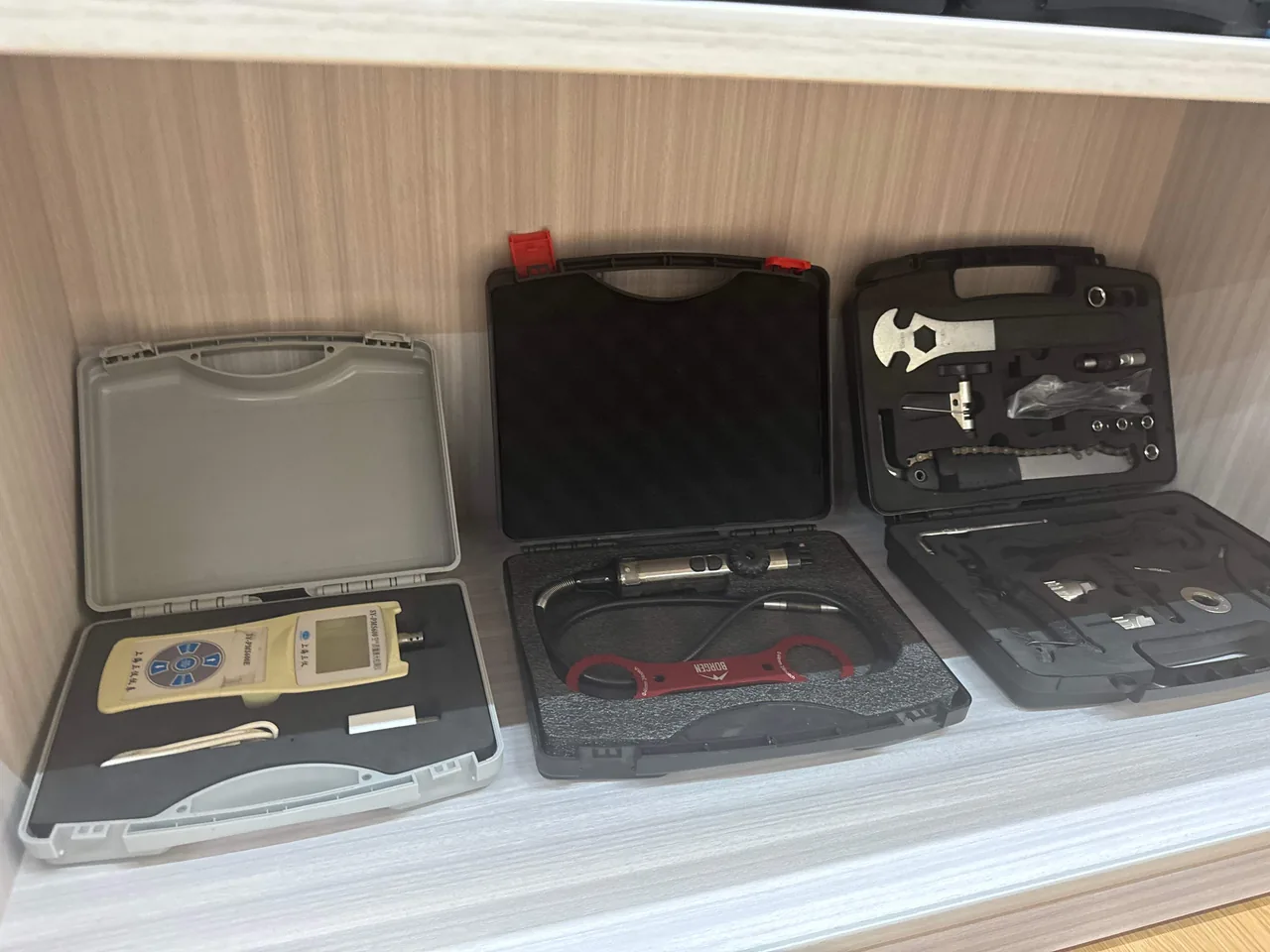
The solution: an IP6X dustproof case to block dust; an ABS/PP shell for rigidity; an EVA recessed liner cut to hold each gauge so nothing shifts or rubs; and desiccant if moisture is a concern. Dust protection answers "does grit get in," the liner answers "does vibration break it or rub it," and the shell answers "does it deform under load" — three layers, three jobs. A dustproof case is rarely standalone; it is the centrepiece of a combined dust + water + shock package, so procurement should think in combinations.
Sizing and Zoning a Dustproof Toolbox
List tool shapes and quantities first, then allow for liner thickness and hand clearance to fix internal dimensions. Slightly larger beats barely fitting, but oversized cases let tools slide and need more filler, which itself generates dust. For zoning, give precision items individual recesses, bag chip-shedding items, and wrap gauge blocks separately to avoid cross-contamination. Deep cases suit upright rods; flat cases suit layered instruments; for large wheeled cases keep air-freight limits in mind.
How Material and Process Affect Dust-Sealing Life
Dust performance rests on the fit between gasket and shell; both are affected by material and process. Regrind or uneven wall thickness deforms under load and pulls the seal crooked; cheap PVC or reclaimed rubber hardens and cracks quickly. Quality cases use virgin ABS/PP and weather-resistant EPDM/TPE, with mould precision holding the lid gap even. Whether the shell uses virgin resin and whether the gasket is specified and replaceable matter more than the colour. For export, RoHS, REACH, and California Prop 65 are hard material-level requirements.
The Accessory Ecosystem Around a Dustproof Toolbox
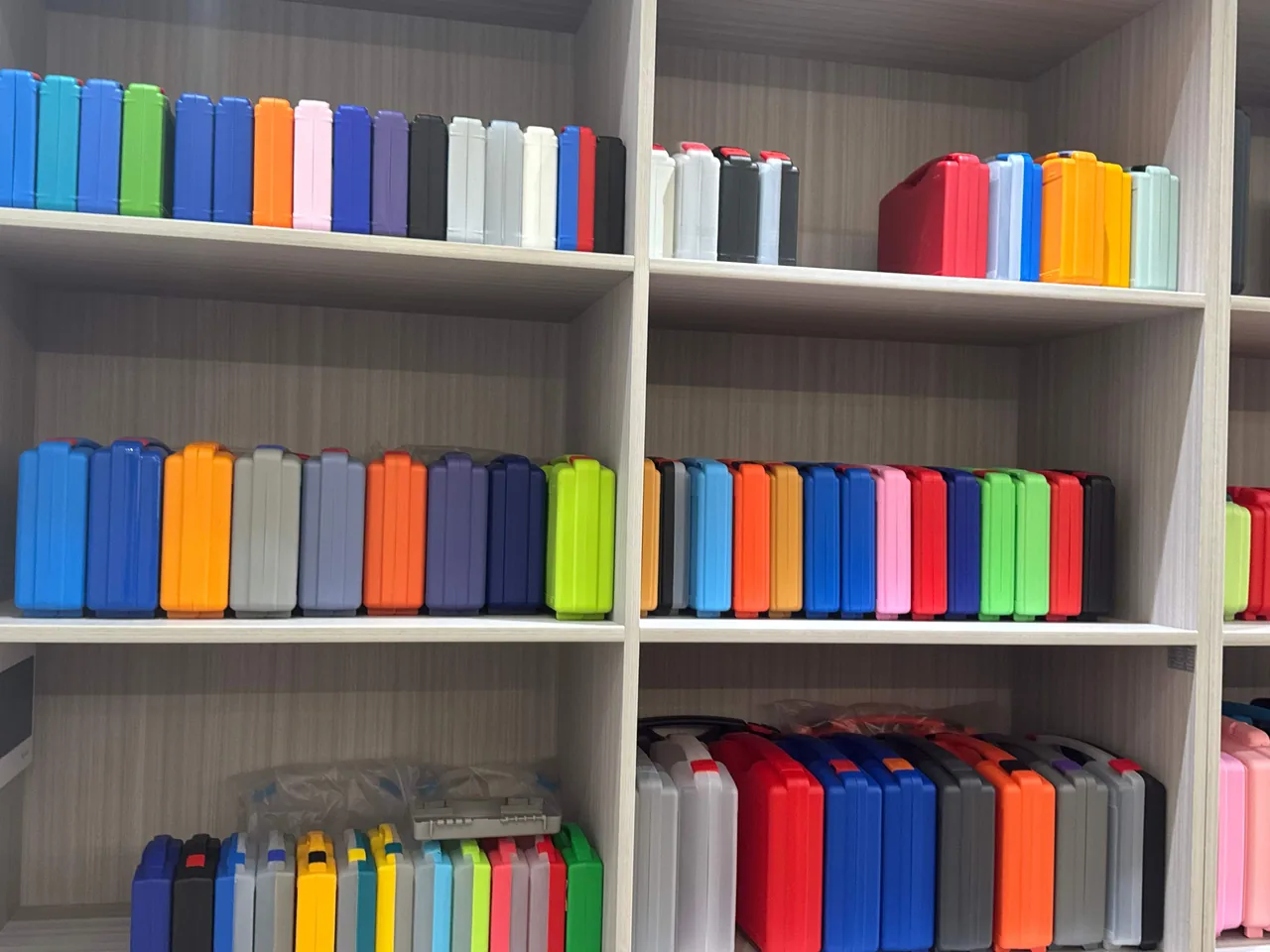
The value of a dustproof case is not only in the shell but in the accessories that extend it: custom EVA/EPE liners put every tool in its own place and reduce movement and dust generation; movable dividers and soft pouches isolate chip-shedding items; card holders and sealed document pockets carry the inventory list with the case; and wheels plus a telescoping handle turn a large case into something you can tow.
Together these turn the case from "a box that holds tools" into "a mobile clean station." Customising shell, liner, and accessories in one pass gives better coordination — KeXin New Materials, with its JUNZHJIA line, supports design, injection moulding, tooling, liners, and LOGO printing in one place, which suits OEM/ODM volume work. Single users can add universal liners and dividers later.
Who Should Buy a Dustproof Toolbox: Quick Reference
Find yourself here. Home DIY in a garage, used occasionally — an ordinary box is fine. Property maintenance, short trips indoors — an ordinary box is enough. Machining or welding workshop with high dust — choose IP6X. Electronics and appliance repair worried about conductive dust — dust protection plus moisture control. Metrology, quality inspection, or laboratory work, extremely sensitive to particles — a dustproof case is mandatory. Outdoor exploration and desert work — choose an IP67 combination. Military, police, and fire applications — choose protective cases validated against the relevant environmental test basis, such as MIL-STD-810H used as a product-line environmental test basis rather than a military certification.
In one line: the more precise the tool and the dustier the environment, the more you need a dustproof case. If you are still hesitating, recall one occasion when a gauge lost accuracy for no clear reason.
Making Dust and Shock Protection Work Together
Dust protection governs "does grit get in"; shock protection governs "does vibration break it." Seal the case but leave the contents loose and tools slide around, with the liner's accumulated dust scuffing them anyway. Cushion without sealing and dust still enters through foam gaps and seams. The correct approach is an IP6X body plus a retaining liner, so tools are both still and clean. This is why a dustproof case cannot be chosen in isolation from its liner.
Simple Ways to Verify Dust Performance
You can make a preliminary judgement without a laboratory. Look at the lid gap: after closing, the gasket should be visibly compressed all the way round, whereas the millimetre gap of an ordinary box is obvious. Inspect the gasket: continuous, resilient, no cracks. Run a "white paper test": put white paper inside, leave the case in a dusty environment, then compare the dust on the paper with a sheet in an ordinary box under the same conditions. Check the latches: the lid should pull down evenly with no rattle. These self-checks cannot replace third-party IP testing, but they screen out obviously substandard products. For critical assets, rely on the manufacturer's test report.
Stacking, Load Capacity, and Portability
Dustproof cases are frequently stacked or carried. Reinforcement ribs and corner design determine stacking stability and compression resistance: a quality protective case can be stacked several layers high without deformation once latched, and the lid can carry load briefly. An ordinary thin-wall box collapses and crushes the tools inside. If stacking matters, ask the manufacturer for stacking-height and load references and confirm that latches will not pop open under load.
On portability, a wide cushioned handle, folding side handles, and a telescoping handle with wheels all reduce the physical cost of moving between sites. Portability and protection are not in conflict: a good case designs ribs, latches, and handles together at the mould stage. For metrology and film crews who move constantly, a wheeled trolley version is more practical.
Common Faults and Troubleshooting
| Symptom | Likely cause | Action |
|---|---|---|
| --- | --- | --- |
| Dust inside after opening | Debris on gasket / aged seal / latch not fully closed | Clean the joint, replace the gasket, re-latch |
| Loose on one side of the lid | Latch loose or shell deformed | Tighten the latch, inspect the shell |
| Cracked gasket | Ageing / sun exposure / oil contamination | Replace with the same specification |
| Latch pops open | Deformation under load or latch failure | Take out of service and repair |
| Liner dust scuffing tools | No liner, or tools sliding | Add a retaining liner, add zoning |
This table makes one thing clear: most dust protection failures are not design faults but maintenance and usage faults. The habits of checking before closing and opening in a clean place avoid the great majority of them.
Conclusion
The purpose of a dustproof toolbox goes far beyond "looking clean." Through its sealing structure it blocks dust ingress to IP6X per IEC 60529, protecting moving parts, gauge accuracy, and electronic and optical devices; reducing wear, seizure, short circuits, and cleaning cost; and thereby extending service life. When selecting, choose IP5X or IP6X according to dust concentration, favour IP67 for heavy dust or wading, and pair it with a cushioning liner for complete protection; maintain the gasket routinely so the protection stays effective.
What you are really buying is "the length of time your tools stay in as-delivered condition," and that value exists only when the seal, the rating, and the maintenance all hold together — not when the word "dustproof" merely appears on the packaging. Keep the rating table, decision tree, and acceptance checklist from this article and your tools really can come out clean and go back in safe.
Further Reading
- What Is the Difference Between a Waterproof Tool Box and an Ordinary Tool Box?
- Why Is a Shockproof Tool Box Right for Precision Tool Transport?
- What Is the Difference Between EPE Foam and EVA Foam in a Tool Box?
- What Kind of Tool Box Suits Industrial Maintenance Personnel?
- IP65, IP66 and IP67: What Is the Difference?
- How Is the Dustproof Design of an Outdoor Protective Case Done?