

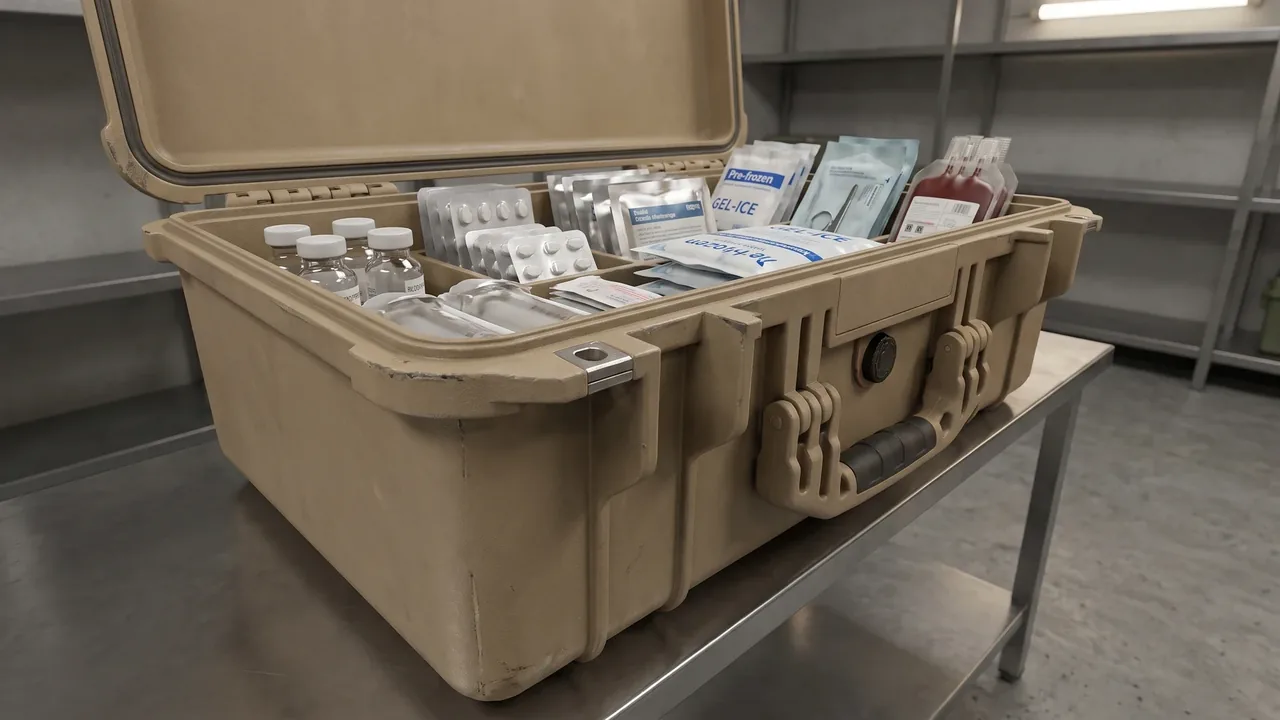
In film and television production, cameras, lenses, lighting fixtures, tripods, audio recorders and power modules are moved repeatedly between studios, outdoor locations and broadcast vehicles. Key conclusion: the core value of a film production equipment case is not merely holding the gear, but delivering repeatable cushioning, sealing and cavity positioning so that high-value imaging equipment keeps a consistent safety margin through every loading, transport and storage cycle. A well-designed case system minimizes equipment loss, downtime and repair cost, while letting a crew keep a fast packing and unpacking rhythm during location changes, air freight and field shoots. This article covers case structure, liners, latches, sealing, shock isolation, temperature control, labeling and selection, giving production managers, rental houses and equipment support staff a practical engineering reference.
1. Application Scenarios and Turnover Requirements
Film equipment turnover has three typical traits: high unit value, irregular shapes and sensitivity to shock and dust. A cinema camera body with several prime lenses, a color-tunable lighting kit, batteries and a power module can be worth hundreds of thousands of yuan, and its mounts, ports and glass are extremely sensitive to knocks. The case must keep the equipment in a controlled package while transport modes change.
From a scenario view, short moves inside a studio emphasize fast opening and internal zoning; air checked baggage emphasizes compression, drop resistance and zero internal shift; off-road location transport emphasizes dustproofing, moisture resistance and vibration damping; and broadcast-vehicle carry emphasizes stable stacking and instant access. These four scenarios impose different requirements on shell material, sealing grade and liner form, and a single universal case cannot cover them all.
Turnover frequency drives durability design. A rental-house case may endure hundreds of load cycles per year, so the fatigue life of hinges, latches and seal strips must be checked against cycle counts. We recommend writing turnover count, single-trip mileage, road grade (paved or unpaved) and climate zone (humid heat, dry cold, coastal salt spray) into the requirement sheet as inputs for later selection.
At the asset level, the case is also a mobile ledger. Each case maps to a device list; through numbering, QR codes and positioning foam, an equipment manager can quickly inventory before departure and after return, reducing mispacking, omission and loss. This matters most on large projects with parallel shooting units.
For complementary whole-system thinking, see the broadcast and film equipment cases guide.
2. Case Shell Structure and Material Selection
The shell determines overall stiffness, weight and weather resistance. Common materials are injection-molded ABS, modified PP, aluminum alloy and rotomolded polyethylene, each suited to a different turnover intensity.
ABS injection cases have high surface hardness, regular shape and moderate cost, fitting studio and short-haul use, but toughness drops at low temperature, so brittle fracture must be considered in sub-zero environments. Modified PP offers better impact and fatigue resistance with slightly lower weight, a common choice for mid-size cases. Aluminum cases excel in stiffness and shielding, suiting precision gear needing EMI isolation, but cost and empty weight are higher. Rotomolded PE cases are seamless and outstanding in drop resistance, fitting heavy lighting and track gear under frequent rough handling.
Selection should treat equipment weight versus case empty weight as a key ratio. Generally the fully loaded single case should stay within one-person carry range; beyond that, add wheels and a telescopic handle, or switch to a two-person lift structure. Wall thickness and rib layout directly affect stacking load; external dimensions should preferably match standard pallets and aircraft bin positions to reduce voids and secondary fixing.
Material must also be compatible with enclosed gear. Some lighting surfaces have anodized layers that scratch against bare aluminum, so an isolation layer in the liner is advised. For lighting and power modules with electronic control boards, the shell material should be flame retardant, referencing UL 94 grades; typical experience values target V-0 or V-2.
Shell color and finish affect field identification and sun resistance. Light-colored shells heat less under direct sun; dark shells hide dirt but absorb heat. For long outdoor use, choose a UV-resistant outer formula and avoid prints in high-friction zones that wear prematurely.
Material choice also involves a cost versus service-life tradeoff that rental houses should model explicitly. A cheaper injection case may need earlier shell replacement under heavy cycling, while a rotomolded case costs more upfront but survives far more drops. We advise computing total cost per turnover rather than purchase price alone, including liner refresh, seal replacement and expected retirement mileage. For mixed fleets, standardize on two or three shell platforms to simplify spare parts and liner templates, which lowers inventory complexity and training overhead across crew members who move between projects.
3. Foam Lining and Cavity Positioning
The liner is where the case's zero-shift promise is realized. Common liners are pre-cut foam, peel-grid foam, EVA die-cut inserts and thermoformed pads. Pre-cut foam is contoured to equipment shape and is the first choice for high-end imaging gear; peel-grid lets users tear layers to form shapes, flexible but less precise; EVA die-cut inserts are easy to remove and clean; thermoformed pads balance light weight and rebound.
The core principle of cavity positioning is one item per cavity, no mutual contact, orderly access. Lenses should stand separately or be individually divided to avoid barrel compression; the camera body needs buffer margin with the mount facing inward; batteries and chargers form their own cavity, never mixed with optics. Each cavity depth should slightly exceed device height so the lid foam closes with even compression.
For irregular lighting gear such as spotlights, softbox frames and controllers, combine a contoured pad with strap fixing: the pad supports the body, elastic straps limit horizontal shift, protecting yet allowing fast access. Custom liner capability lets the cavity plan match the user's actual equipment list precisely, removing uncertainty from on-site temporary filling.
Liner material should suit the environment. Flame-retardant, low-dust, anti-static foam suits sharing a case with electronics; in sustained high humidity, choose closed-cell structure and ventilate after return to avoid mildew. Liner replacement cost belongs in life-cycle accounting because foam is consumable.
4. Latches, Hinges and Load-Bearing Structure
Latches are the first line of security and theft resistance. Common forms are press latches, butterfly latches, draw latches and lockable paddles. Press latches open fast with one hand, suiting high-frequency turnover; butterfly latches give even compression and good sealing, used on heavy cases; draw and paddle locks with padlocks add theft resistance and responsibility separation for unattended transit.
Latch count and position must match case size. Large cases need double latches on the long side, ensuring no gap rebound after closure. Hinges should be embedded metal or full-length, avoiding one-shot plastic hinges that snap in cold. Metal hardware should be corrosion treated; coastal or humid areas prefer stainless or plated parts, optionally referencing salt spray experience values.
Load-bearing structure includes lid stiffeners, corner guards and stacking bosses. The lid bears the weight of cases above during stacking, so it must be internally stiffened to prevent mid-span collapse onto liners. Corner guards lift the case off the ground, reducing water and impact; stacking bosses align with the lower case's corners to prevent sliding.
Latch and hinge life should be checked against cycle counts, for example by daily open-close frequency and hundreds of annual cycles, choosing hardware with margin in rated life. In routine care, lubricate latch pivots and retighten hinge screws to avoid loosening from long vibration.
5. Seal Strips and Ingress Protection (IP67/IP68)
The seal strip decides the case's ability to resist water, dust and moisture. Common sealing materials are foamed EPDM or silicone, with hollow rectangular, lip and double-lip profiles. On closure the strip compresses into a continuous seal line, blocking liquid and particles. Compression rebound, aging resistance and temperature range are key parameters.
Protection grade follows GB/T 4208 or IEC 60529 IP codes. For film locations, IP67 means temporary immersion and full dust protection, sufficient for mud, showers and wading; IP68 covers deeper sustained immersion, suiting water-crossing or shipboard use. Note that IP testing is under standard lab conditions; a case after impact or with aged seals loses protection, so recheck periodically.
Seal installation needs continuous corners with no breaks. Corners are leak-prone, so use hot joints or dedicated corner connectors rather than simple overlaps leaving gaps. After closure, a simple self-check uses pressure hold or spray observation: if the case holds pressure after inflation, or stays dry inside after water spray, the seal is effective.
For optical gear, dustproofing often matters more than waterproofing. Fine sand entering a lens mount or sensor bay causes irreversible damage, so even in dry environments prefer cases with continuous seal strips. Condensation from temperature swings can be eased with desiccants and breather valves, discussed later.
6. Shock Isolation and Impact Design (MIL-STD-810H)
Film gear in transport faces vibration and shock. Vibration comes from vehicle motion, taxiing and handling rolls; shock comes from drops, throws and adjacent cargo compression. The case's damping design aims to keep acceleration transmitted to equipment within its tolerance.
Impact resistance can reference MIL-STD-810H methods simulating drop, bump and random transport vibration. Structure should buffer at corners, edges and faces: corner guards absorb first impact, wall sandwich absorbs face impact, liner foam isolates gear from walls. For heavy lighting and batteries, add an elastic support layer at the base to lower low-frequency transmission.
Under random vibration, no play should exist between gear and liner, or it becomes high-frequency collision. Contour compression should be moderate: too loose lets gear rattle, too tight hinders access and may crush housings. Experience says a gently shaken closed case should make no internal noise, a good fit state.
For air transport, consider pressure change. High-altitude low pressure creates negative pressure inside a sealed case, causing hard opening or seal damage; a pressure valve (breathable but watertight) balances differential pressure. This is especially important for long flights in the baggage hold, a common optional feature of the camera equipment case.
Damping must also distinguish equipment tolerance from operator comfort. Broadcast-vehicle cases emphasize isolation from road excitation; short-haul hand-carried cases can reduce buffer thickness to save weight. Design should respect the fragile part's tolerance spectrum as the floor.
7. Temperature, Humidity and ESD Protection
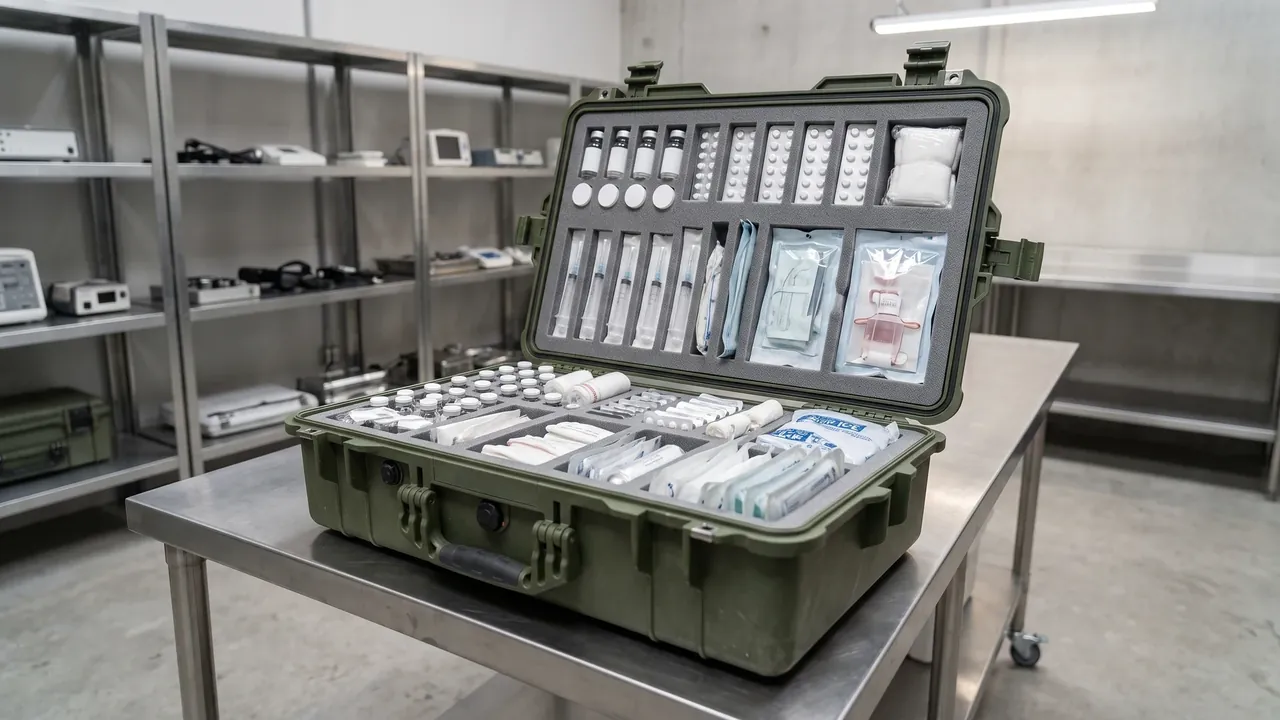
Many film devices are temperature and humidity sensitive. Lighting ballasts, camera batteries and storage media, and some lens coatings drift or fail outside temperature ranges. The case can maintain the internal environment by passive insulation or active control.
Passive schemes rely on wall insulation and phase-change material. Double walls or insulated fill slow external temperature transfer; pre-cooled phase-change packs hold a low range for short hot-location use. Active schemes integrate thermoelectric cooling, heating and a controller to hold a setpoint and output temperature logs, following the constant-temperature integration practice of the photography equipment protective case.
Humidity control uses desiccants and humidity cards. Silica gel changes color when saturated, prompting replacement; with seal strips it keeps relative humidity low, suppressing mold and metal corrosion. For long-stored lenses and bodies, fit humidity indicators and replace desiccant regularly; after sea or coastal work, inspect seal and drying state.
ESD protection targets lighting controllers, wireless video and power modules with circuit boards. Use anti-static foam in the liner and a grounding contact on the case; operators should discharge before opening in dry low-humidity conditions to avoid static damage. Sensitive cavities can follow basic EPA practice for consistent environment and handling.
Temperature and humidity monitoring should be recorded. For valuable gear, place a small logger recording the transport temperature curve, exported for check on return. If thresholds are exceeded, send related gear for inspection before use.
A practical field routine pairs the case with a pre-conditioning step. Before a hot-location shoot, pre-cool the insulated case with phase-change packs and load gear only after the internal temperature stabilizes; before a cold environment, warm the case gradually to avoid condensation on glass surfaces. This simple discipline protects optics better than any single material choice and is easy to standardize across a rental operation with a short checklist attached to the lid.
8. EMI Shielding and Signal Isolation (Optional)
When a case holds high-frequency circuits, wireless video or remote receivers, EMI shielding becomes optional. Shielding forms a continuous conductive layer on the case, blocking external interference from entering or internal radiation from leaving, ensuring normal operation and information security in complex electromagnetic environments.
Continuity is the key. Metal cases have inherent shielding; plastic cases need an inner conductive coating or metal mesh liner, and the lid closure must form electrical continuity through a conductive gasket, or the gap becomes a leak. Shielding effectiveness is usually expressed in decibels of attenuation at given frequencies, selected by the environment's interference strength.
Signal isolation also means no interference source inside. If a case holds both transmitter and receiver, separate them spatially and by shielding to avoid self-interference. For confidential or sensitive projects, a Faraday inner cage can enclose the whole cavity in a conductive mesh.
EMI cases are mostly used in special shoot support, live production and military-themed gear custody in film work. Ordinary crews without sensitive RF units usually skip this, but rental houses serving cross-industry projects can keep a few shielding cases to widen service scope. When selecting, compare with the shielding practice of communication electronics protective case to ensure frequency coverage.
Note that shielding may affect breathing and pressure balance; coordinate both. A shielded case's pressure valve should be EMC-type to avoid becoming a new leak point.
9. Stacking, Wheels and Carry Ergonomics
Turnover efficiency depends heavily on whether cases are easy to carry, stack and secure. Single carry stresses light weight and balance: center of gravity near the grip, soft-coated handle to spread pressure, total weight within comfortable long-haul limits. Beyond that, add wheels and a telescopic handle for towing.
Stacking design relies on bottom corners and lid stacking bosses. Upper and lower cases interlock through locating structure, preventing slip during transport; stacking load should be checked against full layers, with typical experience values of three-layer stacking under even pressure. For details on the case stacking corner structure, design it with this project's case to ensure stable multi-case stacking.
Wheels should be quiet, wear-resistant wide wheels suiting gravel, planks and grass; axles need dust caps to avoid grit jamming. The telescopic handle should lock reliably without side sway. For broadcast-vehicle cases, preset tie-down points inside connect with vehicle straps to prevent sliding during hard braking.
Carry ergonomics also include opening style. Top-open suits desktop access, front-open suits wall placement, drawer suits frequently rotated consumables. Crews choose by move flow: small quick-access cases top-open, large lighting cases front or dual-open, improving job fluency.
The case exterior should have a name-tag pocket and shipping-label area for quick identification among many cases. Avoid placing labels on the easily worn bottom edge; put them on the lid front or upper side with handwritten number space below.
Weight balance deserves attention during loading. Distribute mass so the handle side stays slightly heavier, preventing the case from tipping when set down on uneven ground; for wheeled cases, keep the center of gravity low and near the wheel axle to reduce drag and handle load while towing. Crews often overload the top cavity with light but bulky soft goods and bottom with dense batteries; reversing this, dense items low and centered, improves stability on ramps and in vehicle compartments where sudden stops are common.
10. Labeling, Tags and Asset Management
The case is the physical carrier of equipment assets; the labeling system decides inventory and traceability efficiency. Basic labels include case number, equipment summary, owner and cautions; advanced labels add QR codes, RFID and tamper seals.
Case number should map one-to-one with internal foam cavity numbers. For example case F-017 maps to a list, the list subdivides cavities A1, A2, and on return each cavity is checked, compressing inventory time. QR codes link to an electronic ledger showing details, last service and loan status, suiting rental houses with parallel cases.
Shipping marks involve direction, fragile, moisture-proof, this-way-up and center-of-gravity. For gear with batteries or lamps, add corresponding warnings on handling and storage taboos. Graphics can follow GB/T 191 packaging pictorial marks so cross-link personnel understand.
Seals separate responsibility. Apply a one-time seal at departure; on arrival verify integrity to judge whether opened in transit. For high-value or sensitive gear, this simple measure sharply lowers dispute risk. Seal numbers are recorded on the handover sheet with the case number.
Asset management should build a case-equipment-project relation. Each move records which case followed which project, who handled it, whether inspected; over time, analyze wear patterns to guide liner replacement and case retirement, shifting reactive repair to proactive care.
11. Certification, Standards and Test Documents
A case's compliance and quality need standards and test documents as evidence. Structurally reference ISTA series transport tests simulating vibration, drop and compression; environmentally use MIL-STD-810H methods for temperature, humidity and shock; sealing follows GB/T 4208 and IEC 60529 IP grades; material flame retardancy references UL 94; environmental substances follow RoHS, REACH and CE.
When procuring, require test reports or self-inspection records matching the claimed grade, not just nameplate labels. For example an IP67 claim needs immersion and dust test data; a drop claim needs height and count conditions. Documents should state sample state, method and conclusion for internal acceptance archiving.
For export or international rental, CE and RoHS declarations may become admission conditions. Shell material, sealant and foam environmental attributes should be traceable, with material declarations when necessary. When air-transporting battery gear, also observe hazardous goods rules to ensure packaging and marks meet carrier requirements.
JUNZHIJIA cases can provide model-matched test documents to support project compliance archiving; under customization, they can also issue corresponding liner and seal plans by specific equipment list, easing acceptance and responsibility tracing.
Test documents should not be archived once and forgotten. Build a file-case-batch index; after refurbishment or seal replacement, promptly add new self-inspection records for full-cycle traceability. For long-service cases, set annual re-test nodes using the same method to monitor performance decay.
12. Selection Process and Parameter Table
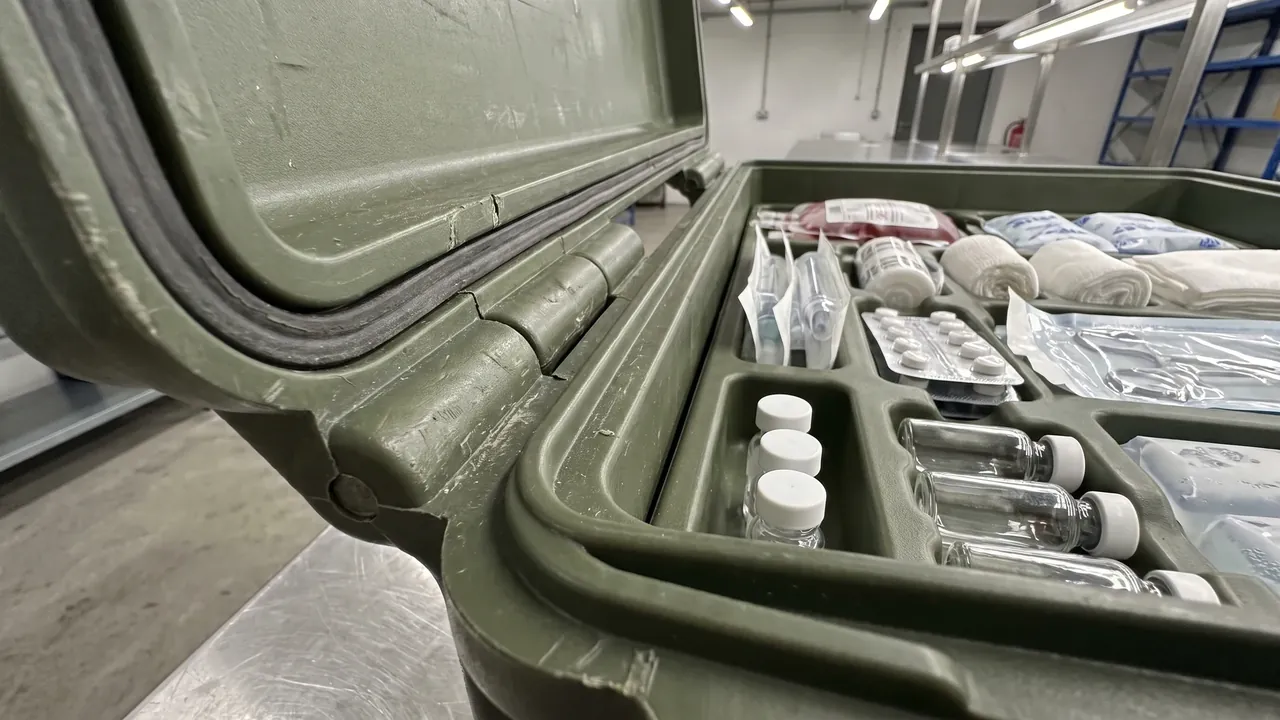
For a concrete project, use a structured process instead of experience guessing. Step one, list equipment: record dimensions, weight, fragile points and special needs (moisture, ESD, shielding). Step two, define scenario: transport mode, road, climate and turnover frequency. Step three, choose material and structure: trade shell and liner across weight-cost-protection. Step four, confirm standards: state required IP, drop and vibration grades in the technical agreement. Step five, verify a prototype: pack real gear, simulate transport, confirm zero shift and smooth opening.
Below is a simplified parameter table for initial screening (all typical or experience values, not commitments for any specific product):
| Item | Studio shuttle | Air freight | Off-road location | Broadcast vehicle |
|---|---|---|---|---|
| --- | --- | --- | --- | --- |
| Recommended shell | Modified PP | Rotomold PE / ABS | Rotomold PE | Aluminum / PP |
| Protection grade | IP54 up | IP67 | IP67 | IP65 |
| Liner form | Peel-grid foam | Pre-cut foam | Pre-cut foam | Die-cut EVA |
| Damping focus | Anti-knock | Anti-drop | Anti-vibration | Road isolation |
| Wheels | Optional | Recommended | Required | Required |
| Test standard | Internal check | ISTA / 810H | ISTA | 810H vibration |
Also watch internal volume utilization. Excess slack enlarges case and weight; excess tight harms access and buffer. Keep about ten to fifteen percent buffer and adjustment space after packing, fixed by positioning foam rather than fillers. For cross-project rental cases, use base contoured foam plus adjustable modules to serve multiple gear sets.
Finally, settle the selection into a specification sheet with outline size, loaded weight, protection grade, liner drawing and maintenance interval, easing repeat purchase and cross-comparison like the protective case selection guide.
13. Maintenance and Life-Cycle Management
Cases are durable, but liners, seals and hardware are consumable and need systematic care. Daily maintenance includes clearing debris after return, wiping inside and out, checking seal strips for flat or cracked state, and confirming latches close smoothly. Replace foam that sheds or collapses to avoid buffer failure.
Seal care focuses on cleaning and shape retention. Dust and grit accelerate seal wear; wipe with a soft cloth. If long compression causes local deformation, release the lid to let it rebound, or replace the whole strip. After coastal or salt-spray use, rinse the shell with fresh water and dry to avoid metal corrosion.
Maintenance intervals should be graded. High-frequency cases get a full check each quarter: latch torque, hinge lube, seal pressure test and liner fit confirmation; low-frequency storage cases every half year. For the general steps of protective case maintenance, build a project-specific checklist with a responsible person.
Life-cycle management asks when to retire. Criteria include unrecoverable shell deformation, exhausted latch life, seals failing grade, and liners that no longer fit after repeated replacement. At retirement, separate recyclable from waste; dispose foam and adhesive by environmental rules. A case life archive turns unexpected damage into predictable replacement planning.
JUNZHIJIA supports model-matched seals and custom liner remanufacturing, letting old cases recover protection without shell replacement, extending service life and lowering total cost. This is economical for rental and production houses holding many identical cases.
Procurement should also plan spare parts as a managed stock rather than an afterthought. Keep a small inventory of common latches, seal strips and corner guards so a damaged case returns to service within a day instead of waiting for a special order. Tie spare consumption to the maintenance log to reveal chronic failure modes, for example a specific latch type wearing faster under cold conditions, and feed that insight back into the next selection round. Treating maintenance as data, not chore, is what separates a durable case program from a reactive one.
FAQ
Q: What is the core difference between a film equipment case and an ordinary suitcase? A: The core difference is controlled protection rather than storage space. An ordinary suitcase only solves carrying and movement, with almost no cavity positioning inside, so devices collide and bear uneven pressure during transit. A film production equipment case uses contoured foam, continuous seal strips, load-bearing latches and damping structure to constrain high-value imaging gear in a safe range through every transport state. Moreover, the case is verified against IP grades, drop and vibration standards, and paired with asset labels and test documents to meet a crew's requirements for equipment integrity and responsibility tracing. For precision parts like cameras, lights and lenses, this difference directly decides whether the gear keeps factory performance after many turnovers. A suitcase cannot deliver repeatable safety margins, while a purpose-built case is engineered exactly for that repeatability across loading, flight and field cycles. In practice the case also shortens setup because every item has a fixed place, so a crew spends less time searching and more time shooting on a tight schedule.
Q: How should I plan cavity layout for one camera body and several lenses? A: Follow the principle of an independent cavity for the body, separate division for each lens, and a dedicated zone for accessories. Place the camera body in a pre-cut foam slot with the mount facing inward and buffer margin around it. Stand each lens separately and divide them so barrels never touch; filters and hoods can join a nearby small cavity. Batteries, chargers and cables go to their own dedicated zone, never mixed with optics. Cavity depth should slightly exceed device height so the lid foam compresses evenly on closure. A clear zone plan also helps new crew members locate gear without searching, which matters during tight call times on a working set. When the kit grows, add adjustable modules rather than loose padding, because padding shifts in transit and restores uncertainty. Document the cavity map on the lid so any operator can repack the case correctly after a long day on location.
Q: For dusty and rainy locations, what protection grade should the case meet? A: Use at least IP67 as a baseline, meaning full dust protection and temporary immersion, enough for mud, showers and wading; if shipboard or long water-crossing transit is involved, raise to IP68. But note IP grades are conclusions under standard lab conditions; a case after impact or with aged seals loses protection, so perform periodic pressure-hold or spray self-checks. Dustproofing often matters more than waterproofing because fine sand entering a lens mount or sensor bay causes irreversible damage, so even in dry environments prefer cases with continuous seal strips. Condensation from temperature swings can be eased with desiccants and breather valves. Always pair the grade with routine inspection rather than trusting the label alone in the field. We also advise drying the case and its seals after every wet shoot, then storing it open in a ventilated room to prevent mold and keep the gasket elastic for the next assignment. In addition, store the case away from direct sunlight when idle, because prolonged UV exposure slowly embrittles both the shell and the seal, and a brittle seal is the most common cause of field water ingress we see in returned rental stock.
Q: What special designs does air transport require for equipment cases? A: Air transport mainly brings three risks: negative pressure, vibration and rough handling. High-altitude low pressure creates negative pressure inside a sealed case, causing hard opening or seal damage, so fit a pressure valve to balance differential pressure. For vibration, check liner fit against MIL-STD-810H random vibration methods, ensuring no play between gear and foam. Handling shock relies on corner guards, wall sandwich and base elastic support. Also, lighting and power modules with lithium batteries must comply with hazardous goods rules, and packaging and marks must meet carrier requirements. We recommend a prototype simulated-transport verification before formal loading, confirming zero shift and smooth opening. These steps together keep sensitive imaging gear safe through the entire flight and baggage-handling chain. Finally, label the case as fragile and keep a copy of the equipment list outside, so handlers understand the contents without opening the sealed container. A practical tip is to pack a thin rigid panel between the lid foam and fragile items, which spreads point loads from the closure latches and prevents the lid from pressing a hard edge into a lens during a stacked load.
Q: How often should foam liner be replaced? A: There is no fixed period; judge by condition. Replace when it sheds, collapses, shows permanent compression marks or loses obvious elasticity; high-frequency cases can be checked each quarter, low-frequency storage cases every half year. Foam is consumable and its cushioning decays with compression cycles, aging faster in high humidity or ultraviolet exposure. When replacing, replicate the original cavity map to keep consistent fit; if the equipment list changes, re-cut or switch to adjustable modules. If foam contaminates a lens or device on return, replace immediately and clean the cavity. Keeping liner replacement records helps shift reactive repair to proactive maintenance across the fleet of cases. A simple rule is to retire a liner once you can press a thumb into it and the impression remains, because that means it no longer returns energy to protect the gear during a drop event. Also keep a spare liner on the shelf for popular kits, because a torn liner left in service is a hidden risk that only shows up as a cracked filter after the next bounce down a loading ramp.
Q: How can rental houses use cases to improve inventory and turnover efficiency? A: Treat the case as the physical node of the asset ledger. Give each case a unique number; map internal foam cavities one-to-one with an electronic list, and check by cavity on return for fast inventory. Fit a name-tag pocket and QR code on the case face linking to device details, last service and loan status; shipping marks show direction, fragile and this-way-up, while seals separate responsibility. Through case-equipment-project relation records, analyze wear patterns to guide liner replacement and case retirement. For large projects with parallel shooting units, this structured labeling sharply reduces mispacking, omission and loss, and shortens location-change time. The payoff is measurable in fewer delayed shoots and lower loss rates. Over a season the saved labor hours alone often justify the small effort of maintaining the labeling system, and insurance claims drop when accountability is clear at every handoff point. For multi-city tours, preprint the case numbers onto the call sheet so location managers can request exactly the right case without describing its contents over the radio.
Q: What advantage does a custom liner have over generic foam? A: A custom liner is cut to the real equipment list, so gear fits the cavity tightly, access is orderly and transport shows zero shift, avoiding the uncertain protection of stuffing generic foam. It also unifies irregular lighting frames, controllers and accessories into one plan, raising space use and opening efficiency. For rental houses, custom liners can be quickly rebuilt per project to serve multiple gear sets. JUNZHIJIA custom liner service matches the cavity plan precisely to the user's actual equipment and, when needed, pairs it with model-matched seals and test documents for acceptance and responsibility tracing. Overall, the reliability and efficiency gains of a custom liner usually outweigh its one-time cost. The result is fewer shock incidents and faster setup on every shoot. Because the liner is documented, a replacement is cut identically years later, which keeps protection consistent even as staff and projects change around the same physical case.
Q: What test documents prove a case's protection ability? A: Require test or self-inspection records matching the claimed grade, not just the nameplate. Structurally reference ISTA transport tests simulating vibration, drop and compression; environmentally use MIL-STD-810H methods for temperature, humidity and shock; sealing follows GB/T 4208 and IEC 60529 IP grades; material flame retardancy references UL 94; environmental substances follow RoHS, REACH and CE. When procuring, ask the supplier for reports stating sample state, method and conclusion, easing internal acceptance archiving. Export or international rental may also need CE and RoHS declarations. We recommend a file-case-batch index; after refurbishment or seal replacement, add new records to keep full-cycle traceability. Annual re-tests on long-service cases monitor performance decay and support timely retirement decisions, turning compliance from a one-time event into a managed, auditable process that protects both the gear and the rental house's reputation with clients. Beyond paperwork, keep one physical archive case containing sample reports so a new client can inspect proof on the spot during a facility visit. This transparency builds trust faster than any brochure claim and often wins repeat rental contracts.