

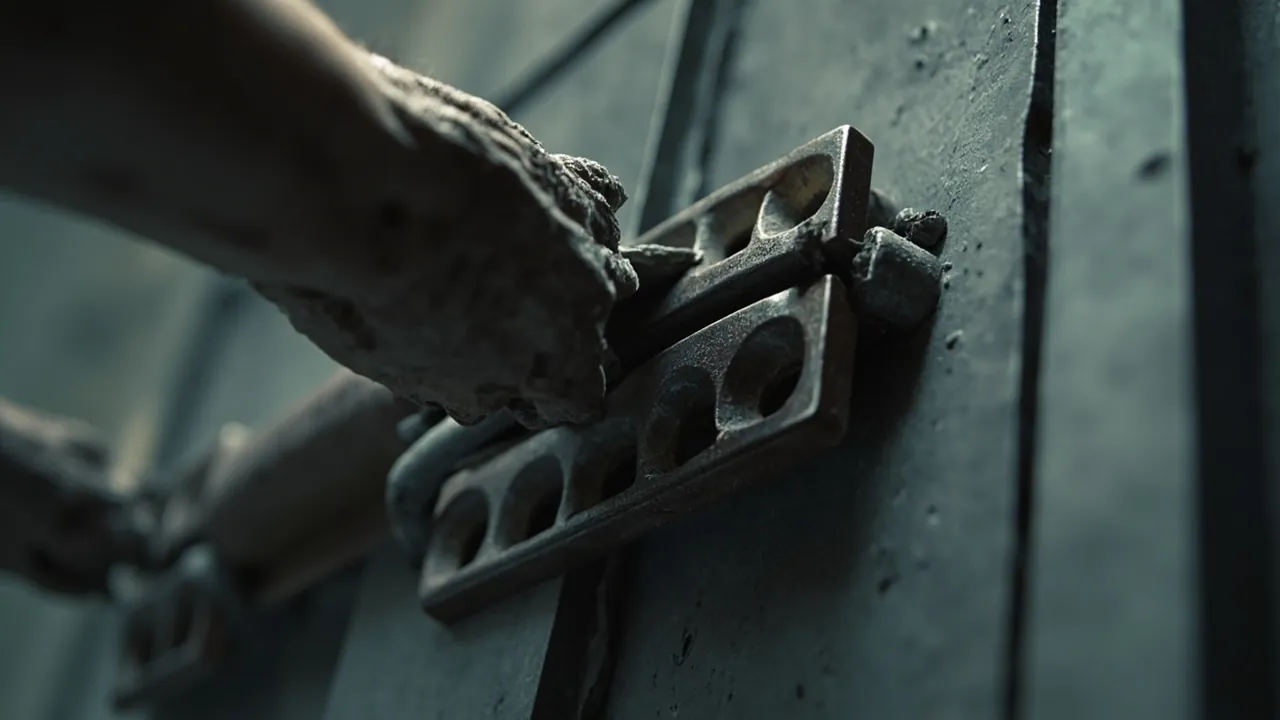
The hinge (the rotating part that connects the lid to the body) is the "throat" of a protective case's opening life and its resistance to being pulled apart. Choose it wrong, and at best the case opens loosely and the lid swings ajar on its own; at worst, the entire lid detaches during handling, a drop, or when someone lifts the case by the lid, scattering the equipment inside. A so-called "high-strength hinge" really comes down to four things: type (recessed vs. external), material (metal vs. engineering plastic), repeated-open-cycle life, and anti-separation design. In short, a recessed hinge is harder to knock damage or pry open than an external one; a metal hinge outlasts a plain plastic hinge under repeated opening and heavy pulling; and what truly defines "high strength" is whether the hinge's connection to the case body is secure and whether it has an anti-separation structure. This article first gives a direct answer on how to choose a hinge, then breaks down type, material, open-cycle life, and anti-separation design, and finally provides a scenario-based selection checklist so you can avoid the pitfall of "the lid falls off the moment you lift it."
Table of Contents
- Direct Answer: How to Choose a Hinge (Conclusion First)
- Hinge Type One: Recessed vs. External
- Hinge Type Two: Metal vs. Engineering Plastic
- Repeated Opening: Cycle Life and Fatigue
- Anti-Separation Design: Why the Lid Must Not "Fall Off When Lifted"
- How the Hinge Works with Latches and Handles
- Hinge Selection Checklist by Scenario
- Common Hinge Failures and How to Avoid Them
- Frequently Asked Questions (FAQ)
- Conclusion and Further Reading
Direct Answer: How to Choose a Hinge (Conclusion First)
If you only want one sentence to remember: prioritize a hinge that is "recessed + metal pin/metal-reinforced + anti-separation"; for frequent opening, heavy loads, or harsh environments, metal material is more reliable; for lightweight, low-cost, or non-metal-required scenarios, choose an engineering-plastic hinge with a metal pin, but you must confirm its secure connection and anti-separation design. Expanding on that:
- Recessed hinge: The hinge body is embedded inside the case body so it does not protrude from the surface; during handling it is less likely to be knocked crooked or hooked, and the appearance is also more integrated. It is the mainstream choice for outdoor protective cases.
- External hinge: The hinge sits on the case surface, visible and repairable, but if not well protected it is easily bumped or pried; it is mostly used on tool boxes or low-cost cases.
- Metal hinge: A steel/stainless-steel pin and leaf withstand repeated opening and strong pulling, suitable for military/police, industrial, and heavy-load use; note that metal can conduct electricity and requires anti-rust treatment.
- Engineering-plastic hinge: Formed integrally with the body by injection molding; light, corrosion-resistant, and non-conductive, but pure plastic fatigues easily under repeated heavy pulling and should be reinforced with a metal pin.
- Anti-separation is the bottom line: Regardless of type, the connection between the hinge and the body (riveting, screws, integral injection-molded anchoring) must be secure, and there should be a stop/anti-separation structure that prevents the lid from accidentally separating.
At KeXin New Materials (Guangdong) Co., Ltd., the protective-case product line is brought to market under the global brand kexinMaterials and the domestic product-line brand JUNZHJIA. The hinge is planned together with the latch, handle, and seal at the mold stage. The factory is located in Zhongshan City, Guangdong Province (the Guangdong–Hong Kong–Macao Greater Bay Area), covers about 18,000 square meters, is equipped with more than 80 machines, and employs over 100 staff. It offers one-stop customization (OEM/ODM) capabilities covering product design, injection molding, mold manufacturing, LOGO printing, and inner trays/liners. , Ltd., and , Ltd. holds more than 20 utility-model and design patents. The discussion here is general selection knowledge and does not give any company-specific numbers.
One more point: hinge strength should also match the overall "positioning" of the case — a small case nominally designed to be lightweight and portable does not need to be burdened with a heavy metal hinge; a large case carrying precision instruments that must be air-freighted between sites should "spend on" the hinge. The art of selection is to make the hinge investment commensurate with the risk level of the equipment, rather than blindly chasing the "strongest" or simply going for the "cheapest."
Hinge Type One: Recessed vs. External
Recessed hinge (concealed/recessed hinge): The hinge body is embedded in pre-cut grooves in the body and lid, and after closing it basically does not protrude from the outer surface. Its advantages fit the protective-case use environment very well:
- Harder to knock: During carrying, dragging, and loading/un loading, the hinge does not protrude, reducing the risk of being knocked crooked or broken.
- Harder to hook: In tight spaces such as tents, vehicle cabins, and aircraft holds, protruding parts easily catch on straps and cables; the recessed type is smoother.
- Harder to pry: With the hinge not exposed, the possibility of breaking the connection from outside is reduced, which helps both anti-theft and protection.
- Integrated appearance: The shell is flatter, which also makes stacking and labeling easier.
The cost is a more complex structure with higher mold and assembly requirements, and relatively inconvenient repair (the body must be opened).
External hinge: The hinge leaf is attached to the outer surface of the case, fixed with bolts or rivets; it is visible and easy to service. The advantages are low cost and easy replacement; the disadvantage is that it protrudes and is easily bumped, hooked, or pried, and it is more vulnerable in the rough handling common to protective cases. Therefore external hinges are more common on ordinary tool boxes and indoor tool boxes than on outdoor cases that emphasize protection.
| Dimension | Recessed hinge | External hinge |
|---|---|---|
| --- | --- | --- |
| Knock resistance | Strong (no protrusion) | Weak (easily knocked crooked/broken) |
| Anti-snag | Good | Poor |
| Anti-pry | Better | Weaker |
| Repair convenience | Lower | High |
| Cost/mold | Higher | Lower |
| Typical use | Outdoor protective case, military/police case | Ordinary tool box, low-cost case |
Selection conclusion: for outdoor, transport, military/police, and aviation scenarios, prioritize recessed; external is also acceptable only for indoor short-haul, low-cost needs.
Hinge Type Two: Metal vs. Engineering Plastic
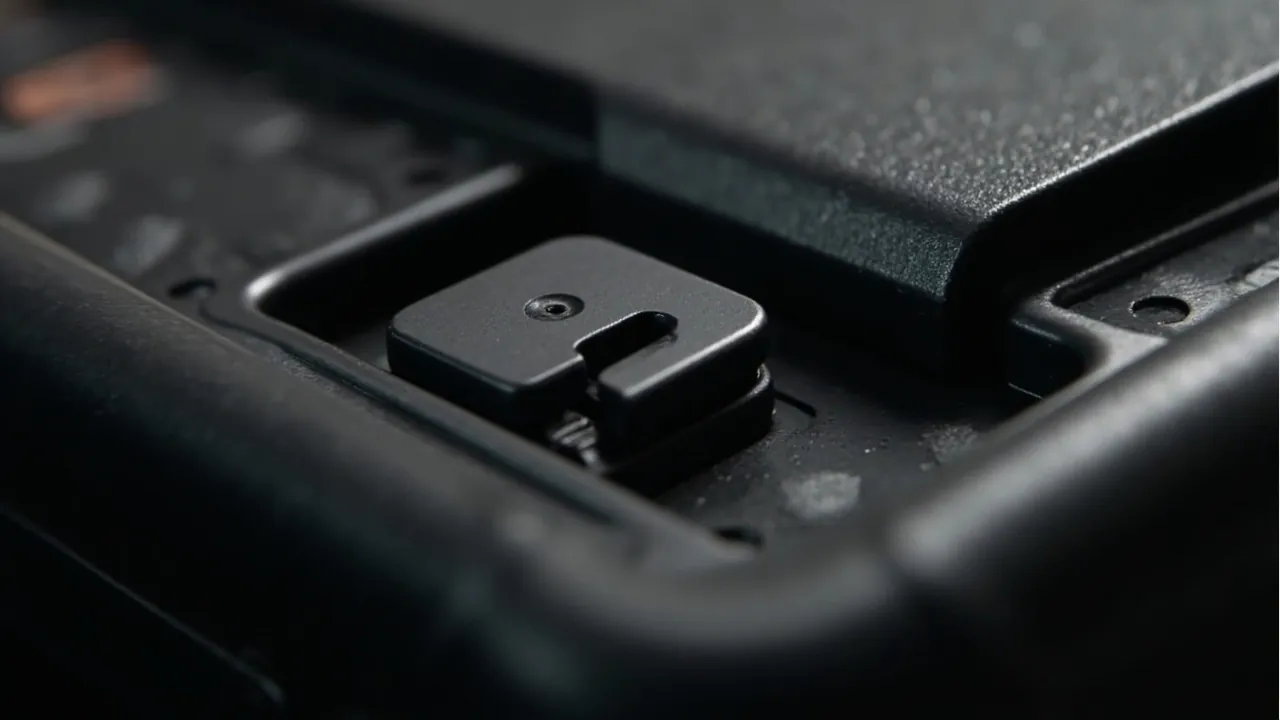
The "material" of a hinge usually refers to the rotating pin and the leaf. Common combinations are: pure metal (steel/stainless steel), metal pin + plastic leaf, and pure engineering-plastic integral hinge.
Metal hinge (steel/stainless steel):
- Advantages: Strong resistance to pulling and to repeated-open fatigue, able to bear the large load of lifting the entire case by the lid, long service life; stainless steel is also corrosion-resistant, suitable for coastal-defense, humid, and salt-spray environments.
- Note: Metal conducts electricity, so for the electrostatic/shock protection of precision electronic instruments it must be paired with liners and insulation; in seaside or chemical-plant environments choose stainless steel or anti-rust treatment to avoid rust seizing.
Engineering-plastic hinge (integral injection with the PP/ABS body):
- Advantages: Light, corrosion-resistant, non-conductive, low cost; same material as the body means less noise from thermal expansion/contraction; the integrated design reduces the number of connectors.
- Disadvantages: Pure plastic easily creeps, fatigues, and loosens under repeated heavy pulling (such as lifting a heavy load by the lid); toughness drops at low temperature. Therefore plastic hinges often embed a metal pin for reinforcement, leaving "wear-resistant rotation" to the plastic and "load-bearing tensile strength" to the metal pin, complementing each other.
Selection logic:
- Heavy load/repeated rough opening/lifting by lid: Choose a metal or metal-pin-reinforced hinge.
- Lightweight/non-metal requirement (e.g., anti-static, non-conductive)/cost-sensitive: Choose an engineering-plastic hinge with a metal pin, and confirm the metal pin is firmly anchored to the body.
- Coastal-defense, humid, salt-spray: Prioritize stainless-steel metal hinge or corrosion-resistant treatment.
For the materials themselves, see further which plastic materials are typically used to make protective cases and the difference between PP, ABS, and PC protective cases.
Repeated Opening: Cycle Life and Fatigue
A protective-case hinge is not "opened once and done"; it must open and close repeatedly year after year, even enduring micro-loads from transport vibration. To evaluate hinge strength, do not just look at "can it rotate," but at:
- Open-cycle life: A quality metal hinge can withstand tens of thousands of open-close cycles without loosening; a pure plastic hinge more easily develops increased play and sagging at the same count.
- Creep and relaxation: Under long-term load (such as the lid's own weight continuously pulling the hinge), plastic gradually deforms, causing the lid to sink, misalign with the body, and press the seal unevenly.
- Wear play: Long-term friction between pin and hole produces play; opening shows "slack," and in severe cases the lid wobbles and the latch cannot align.
- Low-temperature brittleness: In cold environments, plastic hinge toughness drops, and sudden opening or impact more easily cracks it.
Common engineering practices to improve cycle life:
- A metal pin paired with a wear-resistant bushing reduces direct metal-on-plastic wear.
- The metal pin passes through the body wall thickness and is anchored on the inside, avoiding "only hanging on the surface."
- Appropriate clearance and chamfer at the rotating pair reduce assembly stress.
- Toughening modification of the plastic hinge improves low-temperature toughness.
This also explains why "lifting the whole case by the lid" is a hinge taboo: even if a metal hinge can bear it a few times, doing so long-term accelerates fatigue; the correct practice is to carry the case by the body handle, not the lid. For large-case handling, see beyond why a protective case needs anti-slip feet to other handling designs, or choose a model with a telescopic rod and wheels.
Anti-Separation Design: Why the Lid Must Not "Fall Off When Lifted"
The ultimate bottom line of hinge strength is that the lid must never separate from the body under any normal or accidental force. Common anti-separation (anti-separation) designs include:
- Metal pin through-anchoring: A metal pin passes through the hinged part of the body and lid and is fixed on the inside with a circlip, rivet head, or injection-mold overmolding, so the hinge cannot be pulled out axially.
- Stop structure: The lid is stopped by a limit block at a certain open angle, avoiding excessive flipping that over loads the hinge or flips the lid backward.
- Redundant connection: Some designs keep a flexible connection strap or safety structure outside the hinge, so even if the hinge is damaged the lid does not fully detach, protecting equipment from scattering.
- Integral injection anchoring: The plastic hinge and body are formed integrally at injection with thickened anchor points, so the connection area is large enough to avoid local tearing.
- Double/multiple hinges: Large cases use two or more hinges to share the load, so single-point failure does not cause overall detachment.
When selecting, be sure to ask the manufacturer: "Is the hinge anti-separation? How is the metal pin anchored? Is there a stop?" — these are the true meaning of "high strength," not just whether the hinge "looks thick." For military/police, aviation, and scientific-expedition scenarios where equipment must not scatter, anti-separation is a hard requirement.
It must be emphasized that the value of anti-separation design only shows when "accidents" happen: under normal opening even the most ordinary hinge looks reliable, but once the case is tripped, pulled, hooked on a conveyor belt, or tilted with the latch not fully locked, a hinge without anti-separation can let the lid separate and equipment scatter on the ground. So anti-separation is not "icing on the cake" but insurance bought for the force moments you did not expect — it is unfelt in normal use and saves you in an accident. This is exactly why professional protective cases prefer one more anchor and one more stop rather than saving cost on the hinge. After all, on-site outdoors and in transport, once the lid detaches, what is lost is never the hinge itself but the instrument inside that was scrapped by the fall.
How the Hinge Works with Latches and Handles
The hinge is not an isolated part; together with the latch and handle it determines "opening safety":
- With the latch: The latch presses the lid onto the gasket and locks it; the hinge lets the lid rotate stably. Working together, the lid can "open smoothly, close tightly, lock firmly." On latches see how to choose a protective-case latch and the toolbox cluster's how to choose toolbox hinge, latch, and seal.
- With the handle: The handle should be on the body rather than the lid (or the lid handle is only for opening assistance), avoiding putting the whole case weight on the hinge. This is the structural implementation of the "don't lift the lid" principle.
- With the seal: The lid rotation on the hinge side must be stable, and must not cause misalignment between lid and body at the sealing surface due to hinge slack, otherwise the IP rating (such as IP67 per IEC 60529) is affected.
Therefore, to evaluate a hinge, put it in the system of "latch + handle + seal": even if the hinge alone is strong, if the latch cannot align and the handle is on the lid, problems still arise overall.
Daily hinge maintenance also affects actual life: after long use in sandstorm or salt-spray environments, the hinge pin-hole easily accumulates dust or rust; it is recommended to wipe regularly with a clean soft cloth, and if necessary apply a thin anti-rust/lubricating grease on the metal pin to avoid dry wear and seizing; if opening in sand, try not to let sand fall into the pin-hole while open. For stainless hinges, rinsing with fresh water after seaside use extends life; for plastic hinges, avoid prying with hard objects and long-term sun exposure to prevent aging and slack. With proper maintenance, the hinge's cycle life and anti-separation reliability can be maintained long-term — this is the same principle as the protective-case gasket needing care: however strong the structure, neglect degrades it.
Hinge Selection Checklist by Scenario
Condense the above into scenario-based selection:
| Scenario | Recommended hinge | Key reason |
|---|---|---|
| --- | --- | --- |
| Outdoor survey/scientific exploration | Recessed + metal-pin reinforced | Anti-knock, anti-snag, repeated-open resistant |
| Military/police/fire | Recessed + metal + anti-separation | Rough-use resistant, equipment must not scatter |
| Electronics/electrical repair | Recessed + metal/metal-pin | Corrosion-resistant, anti-static (insulate metal) |
| Aviation/communication/high altitude | Recessed + metal pin | Lightweight and vibration-fatigue resistant |
| Seaside/salt-spray/humid | Stainless-steel metal hinge | Rust-proof, corrosion-resistant |
| Lightweight low-cost indoor | External or plastic hinge | Low cost, easy to service |
| Large heavy-load case | Double hinge + metal + anti-separation | Share load, prevent separation |
The core idea of this table is: the harsher the environment, the more valuable the equipment, the more frequent the transport, the more the hinge should lean toward "recessed + metal/metal-pin + anti-separation"; only then consider external or pure plastic. When purchasing, match the scenario first, then ask the manufacturer for hinge material, anchoring method, and open-cycle-life reference — far more reliable than picking by appearance.
Common Hinge Failures and How to Avoid Them
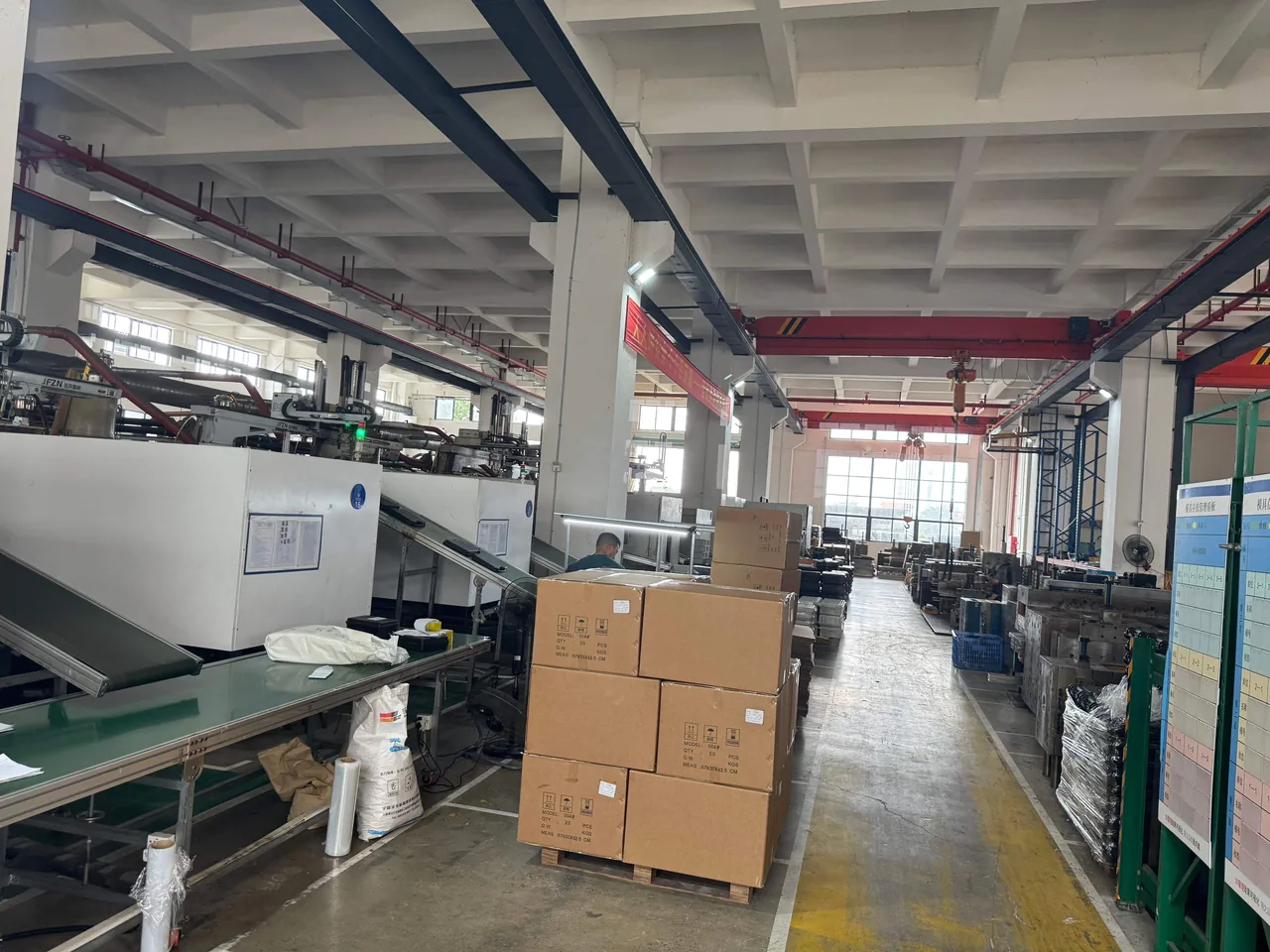
- Failure 1: The lid falls off when lifted. Root cause is usually a plastic hinge without metal-pin reinforcement, or a metal pin that only hangs on the surface without anchoring. Avoid by confirming metal-pin through-anchoring and anti-separation structure.
- Failure 2: Loose, sloppy opening. Mostly plastic wear or excessive pin-hole play. Avoid by choosing metal pin + bushing and paying attention to cycle-life reference.
- Failure 3: Low-temperature cracking. Pure plastic hinges crack in cold. Avoid by choosing toughened plastic or metal/metal-pin hinge.
- Failure 4: Metal rust seizure. Ordinary steel hinges rust in humid/seaside. Avoid by choosing stainless steel or anti-rust treatment.
- Failure 5: External hinge knocked off/pried. Avoid by prioritizing recessed for outdoor scenarios.
- Misconception: The thicker the hinge the stronger. Wrong. The key is material, anchoring, and anti-separation; a thick-but-insecure plastic hinge still falls off.
Acceptance tip: open and close the sample dozens of times to feel the play; gently pull along the opening direction (not violently) to confirm no loosening or separation; check that both ends of the metal pin are reliably fixed; if conditions allow, do small-batch drop and open-fatigue sampling.
Hinge Manufacturing and Assembly: A Good Hinge Is "Assembled"
A hinge that is "well designed" is not necessarily "durable in use"; manufacturing and assembly determine final reliability. Common connection (anchoring) methods each have pros and cons:
- Riveting: The metal pin is fixed with a rivet head after passing through the hinge; the connection is strong and tensile-resistant, but not removable — repair requires destructive removal.
- Screw/bolt fixing: Common for external hinges, easy to service and replace; but requires lock nuts or thread locker, otherwise long-term vibration loosens it — exactly the root cause of many tool-box hinges "getting looser with use."
- Integral injection anchoring: The plastic hinge and body are formed integrally at injection, with thickened anchor points at the hinge root, so the connection area is large enough; the key is the root fillet and wall-thickness transition to avoid tearing.
- Metal pin through + inner circlip/overmolding: The metal pin passes through body and lid, fixed on the inside with a circlip or injection overmolding so the hinge cannot be pulled out axially — a common anti-separation practice.
Regardless of method, the alignment precision at assembly is crucial: if the two ends of the hinge are not concentric, the lid opening will jam and wear unevenly, accelerating failure. Manufacturers with mold-making and injection capability (such as KeXin New Materials) can control the fit tolerance between the hinge position and the body at the source, making "accurate assembly, long service" a mass-production reality rather than a sample coincidence. This also echoes the acceptance logic of how to judge a high-quality protective case from structural details: "look at details, not appearance."
Hinges and IP Protection: How the Opening Does Not Leak
Many users worry: "The hinge connects the lid and body, won't that connection leak?" The professional protective case handles it this way:
- The hinge does not participate in the sealing surface: The full-perimeter seal (IP67 per IEC 60529) relies on the elastic gasket on the mating surface between lid and body plus latch compression; the hinge is outside the sealing line and bears no waterproof duty.
- Water-deflecting structure at the hinge: On the hinge side, a water-deflecting eave or guide groove is often designed; even if a little water flows along the lid to the hinge area, it is guided outward and does not enter the case.
- Pin-hole anti-seepage: At the fit between metal pin and plastic hole, a tight fit or added seal ring prevents water seeping along the pin-hole.
- Latch-led compression: Multiple latches make the sealing surface bear pressure evenly; the hinge only rotates and does not participate in "pressing the seal" — clear division of labor.
Therefore a qualified protective case will not have the hinge as a waterproof weak point; but if the hinge is knocked crooked and the body deforms, the sealing surface misaligns and the IP rating is affected. This shows: hinge strength indirectly guards the seal — if the lid does not fall off or misalign, the seal lasts. On sealing itself see the sealing references and what is an outdoor protective case for protection principles.
The Value of a Hinge Seen Through a Transport-Scatter Accident
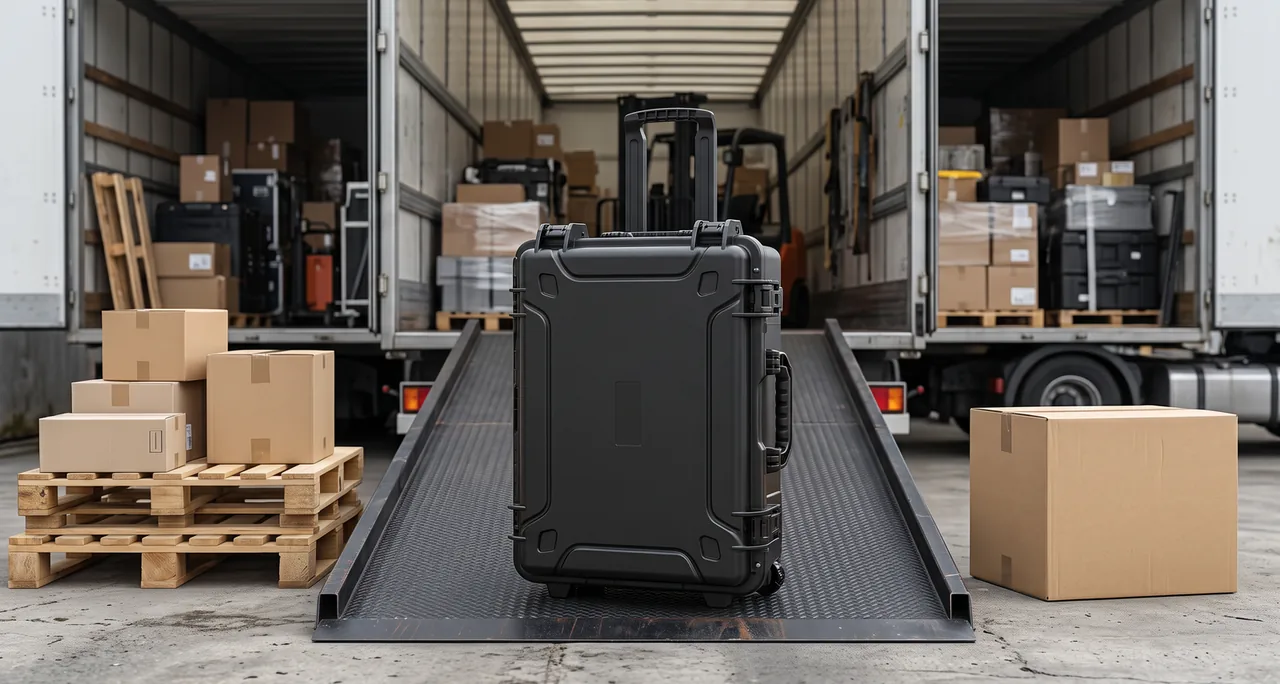
A concrete scenario ties the above together: an electronics-repair team transferred by flight, the cargo hold vibrated for hours, and on arrival they found a protective-case lid had loosened during checked baggage and the internal instruments had scattered and been bruised. Investigation showed the problem was the hinge — a pure plastic hinge without metal-pin reinforcement, whose connection root had crept and loosened under long-term vibration, combined with a not-fully-locked latch, so the lid separated when the case tilted during handling. If they had used a recessed + metal-pin through-anchored + stopped + double-hinge protective case, even if the latch was accidentally unlocked, the hinge would still guarantee the lid does not separate from the body and the instruments would not scatter; paired with liner fixation (see liner references) and full-perimeter sealing, the equipment stays "securely loaded, ready to use on opening." This example shows: the hinge is not a small part that "just needs to rotate," but the physical bottom line of "equipment does not scatter" in the real transport chain; together with the latch, liner, and seal it makes "ready to use on opening" a stable reality. A manufacturer with one-stop OEM/ODM customization capability for structure (such as KeXin New Materials JUNZHJIA) can coordinate the hinge, latch, handle, and liner before leaving the factory, so the user receives a complete solution.
Hinge Selection and Standards Validation: Let Testing Speak
Hinge strength ultimately must land on verifiable testing. Protective cases in outdoor, military/police, and aviation scenarios are often validated for environmental adaptability against the U.S. military standard MIL-STD-810H (note: this is a product-line-level environmental adaptability validation basis, not a "military certification"), where vibration, shock, and drop procedures are an overall test of the "hinge + latch + structure" combination — whether the hinge resists vibration and keeps the lid on is clear after long random vibration and multiple drops. In addition, some manufacturers do open-fatigue testing on hinges (e.g., checking play and loosening after thousands to tens of thousands of open cycles), which is the hard evidence of "high strength."
When purchasing, ask the manufacturer for: hinge material and anchoring description, open-cycle-life reference, and the corresponding MIL-STD-810H-class validation or drop/vibration test records; judge individual product performance by the specification sheet and test report. KeXin New Materials JUNZHJIA protective-case product line uses MIL-STD-810H as the environmental adaptability validation basis and has IP67 (per IEC 60529) capability; its hinge and structure are planned uniformly at the mold stage, making "opening safety" a mass-producible, reproducible fact.
Common Misconceptions About Hinges
- Misconception 1: The thicker the hinge the stronger. Wrong. The key is material, anchoring method, and anti-separation structure; a thick-but-insecure plastic hinge still falls off, and metal-pin through-anchoring is the truly reliable approach.
- Misconception 2: If it rotates it is a good hinge. Wrong. You must look at post-factory cycle life, play, and anti-separation; many hinges are smooth at first but loosen and the lid sags after a few thousand cycles.
- Misconception 3: Lifting the whole case by the lid proves a strong hinge. Wrong. This is exactly what should not be done — long-term lid-lifting accelerates fatigue; a truly strong hinge is not designed for "lift the whole case by the lid" as expected load.
- Misconception 4: External is definitely worse than recessed. Largely true, but external is low-cost and easy to service, still reasonable for indoor short-haul, low-cost tool boxes; it is not absolute good/bad but scenario matching.
- Misconception 5: Plastic hinges are all not durable. Not entirely. An engineering-plastic hinge with metal-pin reinforcement, toughening modification, and proper anchoring performs reliably in lightweight and anti-static scenarios; only pure un-reinforced plastic easily fatigues.
- Misconception 6: The hinge does not affect waterproofing. Indirectly it does. The hinge itself is not waterproof, but if knocked crooked it causes lid-body misalignment and uneven seal pressure, affecting the IP rating; so hinge strength guards the seal.
Frequently Asked Questions (FAQ)
Q: How should I choose a high-strength hinge for a protective case? A: Prioritize a recessed hinge with a metal pin or metal-pin reinforcement plus an anti-separation structure. For frequent opening, heavy loads, or harsh environments, metal is more reliable; for lightweight, low-cost, or non-metal needs, choose an engineering-plastic hinge with a metal pin, but you must confirm secure connection and anti-separation design. For outdoor, transport, military/police, and aviation scenarios, prioritize recessed.
Q: Which is better, a recessed hinge or an external hinge? A: For outdoor protective-case scenarios the recessed type is better: it does not protrude, is less easily knocked crooked/hooked/pried, and the appearance is more integrated; the external type is low-cost and easy to service, but protrudes and is easily damaged, more suited to ordinary tool boxes or indoor short-haul.
Q: Which is more durable, metal or plastic hinge? A: A metal (steel/stainless steel) hinge has stronger resistance to pulling and to repeated-open fatigue, suited to heavy loads and harsh environments; an engineering-plastic hinge is light, corrosion-resistant, and non-conductive, but pure plastic fatigues easily under heavy pulling and should be metal-pin reinforced. For seaside or humid use, prioritize stainless steel.
Q: Why does a hinge need anti-separation design? A: Anti-separation is the bottom line of hinge strength, ensuring the lid never separates from the body under any normal or accidental force, avoiding equipment scatter. Common practices are metal-pin through-anchoring, stop structures, redundant connections, integral injection anchoring, and multiple hinges sharing load; for military/police, aviation, and scientific-expedition scenarios where equipment must not scatter, it is a hard requirement.
Q: Can I lift the whole case by the protective-case lid? A: Not recommended. Even if a metal hinge can bear it a few times, long-term lid-lifting accelerates fatigue, causing lid sag or even detachment. The correct practice is to carry by the body handle; for large cases choose a telescopic-rod-and-wheel model. Hinge design itself should not treat "lift the whole case by the lid" as expected load.
Conclusion
Selecting a high-strength hinge for a protective case is essentially making the right combination across four dimensions — type, material, open-cycle life, and anti-separation: recessed is preferred over external (anti-knock, anti-snag, anti-pry); metal or metal-pin reinforcement is preferred over pure plastic (repeated-open and heavy-pull resistance); and the true "high-strength" bottom line is anti-separation — metal-pin through-anchoring, stop structures, redundant connections, and multiple hinges sharing load, ensuring the lid never separates from the body under any force. View it in the system of "latch + handle + seal" to avoid the pitfall of "thick-but-insecure hinge, lid falls off when lifted." Match to scenario: outdoor survey, military/police/fire, aviation/communication lean toward "recessed + metal/metal-pin + anti-separation"; seaside salt-spray chooses stainless steel; only lightweight low-cost indoor considers external or pure plastic. This is exactly how KeXin New Materials JUNZHJIA plans hinge, latch, and handle uniformly at the mold stage and realizes "opening safety" through one-stop OEM/ODM capability — its protective-case product line has IP67 (per IEC 60529) capability and is often validated for environmental adaptability against the military standard MIL-STD-810H (product-line-level basis, not "military certification"). When purchasing, take this article's selection checklist and acceptance tips with you, and you can pick a reliable protective case that "opens tens of thousands of times without loosening and does not drop its lid when lifted" across outdoor survey, military/police/fire, electronics, and aviation/communication scenarios. A final reminder: the hinge is a part that is "unnoticed in normal use, but critical in an accident" — it does not decide whether the case is waterproof, but it decides whether the case "opens its mouth and spills goods" mid-transport. Evaluating the hinge together with the latch, handle, and seal is the complete view of opening safety; relaxing at a single thick hinge is often exactly where equipment-scatter accidents begin. For a complete structural understanding continue reading what is an outdoor protective case.
Further Reading
- How to Choose a Protective-Case Latch: Types, Compression, and Selection Checklist
- How to Choose Toolbox Hinge, Latch, and Seal
- What Structural Features Characterize a High-Strength Protective Case?
- How to Balance Weight and Strength in Protective-Case Design
- How to Judge a High-Quality Protective Case from Structural Details
- What Is an Outdoor Protective Case and Where Is It Used?