

Boxknow
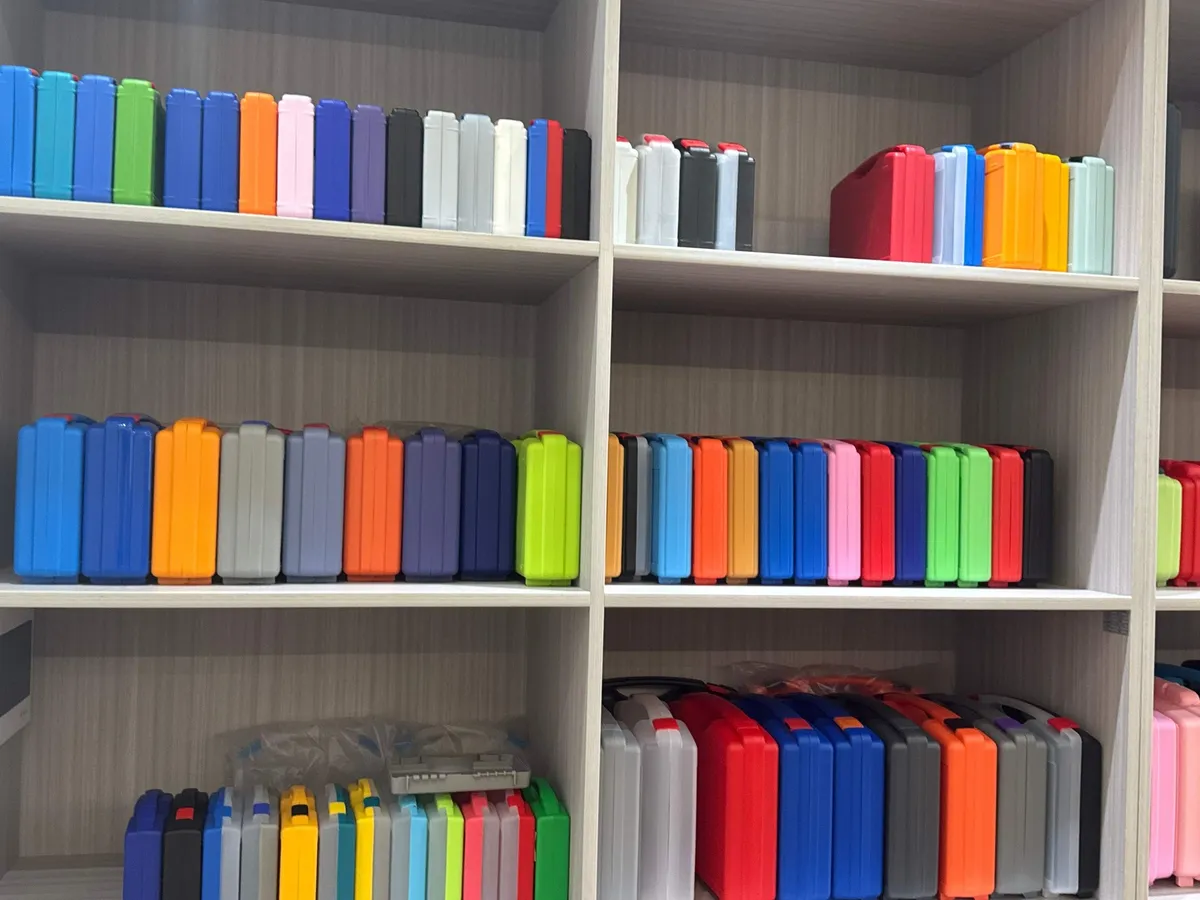
ESD and Anti-Static Protective Cases: Surface Resistivity and When It Matters
An anti-static case is specified by a number, not an adjective. The industry works in surface resistivity bands: conductive, dissipative and insulative, with the dissipative band being the target for most electronics handling. Under ANSI/ESD S20.20 the dissipative band runs from 1x10^4 to below 1x10^11 ohms; IEC 61340-5-1 sets it from 1x10^5 to 1x10^11 ohms.
Read Article →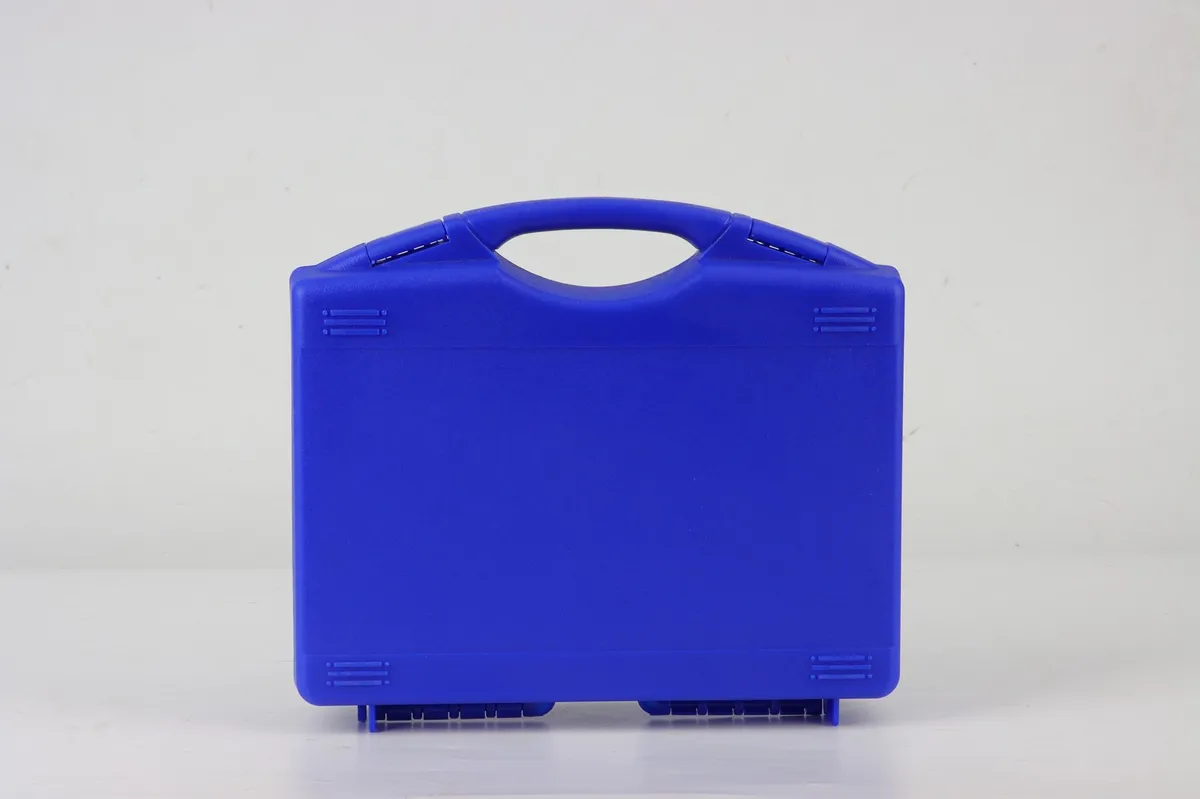
Watch Storage Cases: What Actually Protects a Collection
A watch does not usually fail from impact. It fails slowly, from humidity cycling behind the crystal, from UV fading a dial or a strap, from magnetisation, and from a strap stored under constant bend. A storage case should address those four mechanisms before it addresses drops.
Read Article →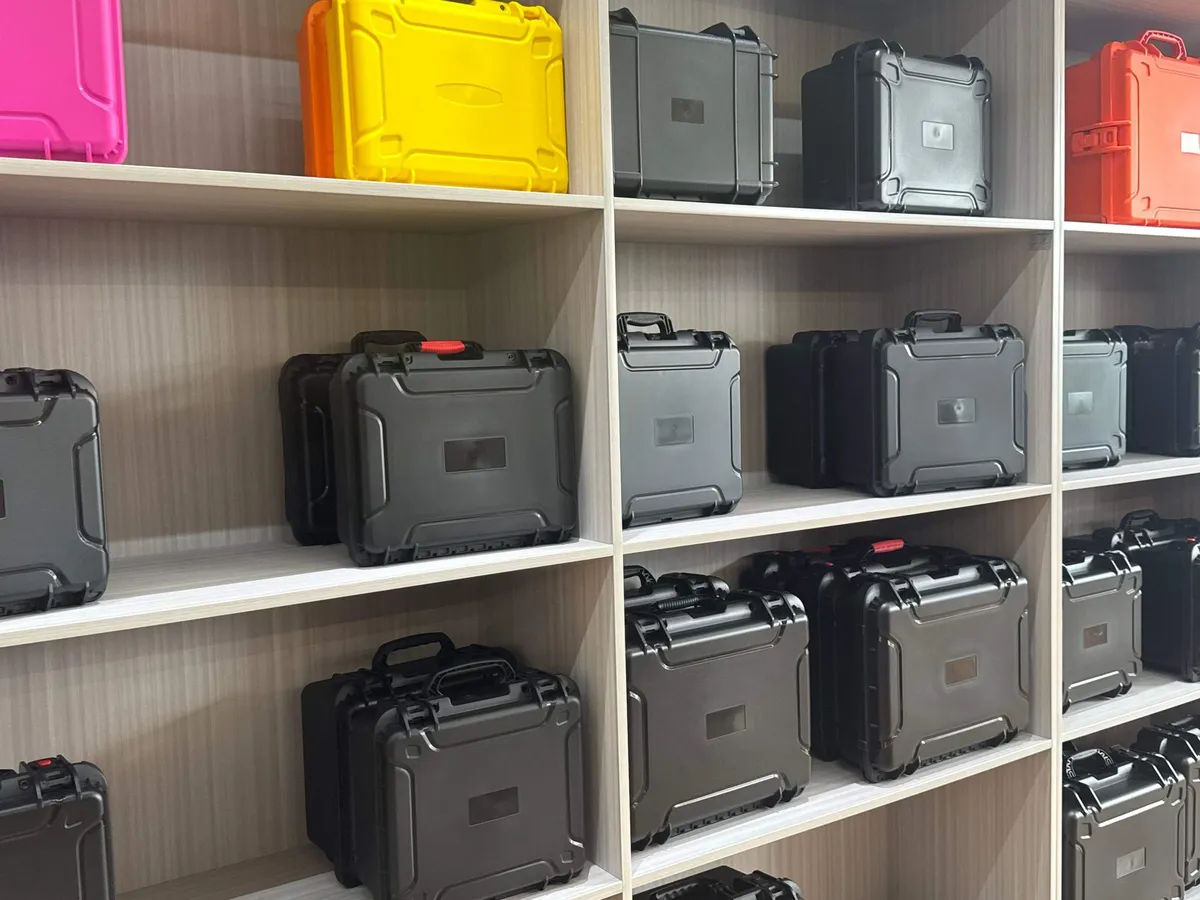
Fishing and Marine Gear Cases: Salt, Hooks and Washdown
Marine duty is harder on a case than almost any other environment, because the threats are simultaneous: salt spray attacks hardware, grit abrades seals, sharp hooks and blades puncture linings, and everything is wet when you pack it. The case has to seal, drain, survive a washdown and not corrode shut.
Read Article →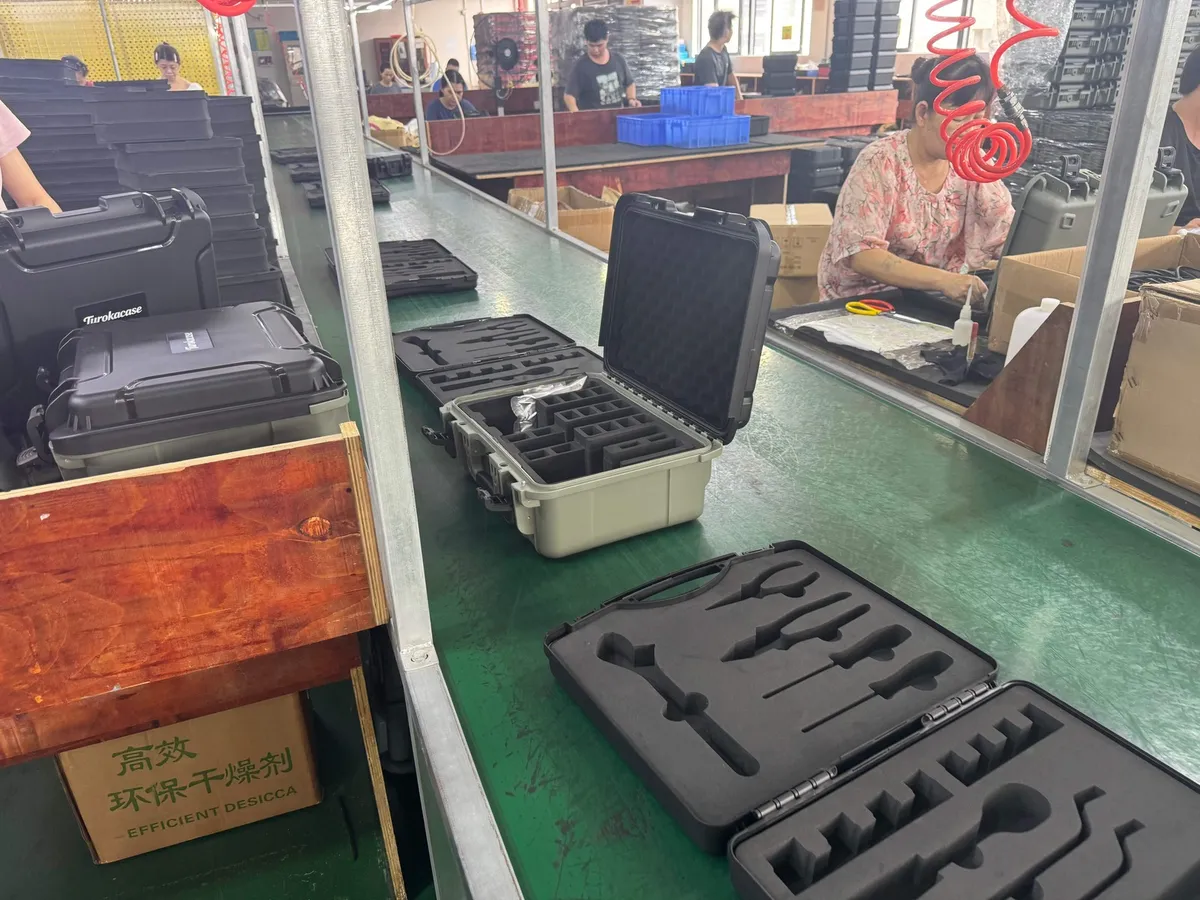
Musical Instrument Cases: Protecting Wood, Brass and Electronics
A guitar, a trumpet and a stage keyboard are damaged by different things. Wood moves with humidity and cracks; brass dents and corrodes at the contact points; electronics fail from impact and from vibration. One case specification does not serve all three, and the differences are in the interior rather than the shell.
Read Article →
Power Tool and Lithium Battery Cases: Transport Rules and Case Design
Shipping lithium batteries is regulated as dangerous goods, and the rules have teeth. Under IATA DGR, lithium-ion cells and batteries must pass the UN38.3 test series, and from the 2026 edition a state-of-charge limit of 30 percent applies to cells shipped on their own and to spares packed with equipment.
Read Article →
How to Test a Waterproof Case on Delivery: An Incoming Inspection Method
A waterproof claim is a statement about a sample, tested once, under controlled conditions. Incoming inspection turns it into a statement about the cases in front of you. The method is not complicated, and most of it can be done in a few minutes per case with a torch, a cloth and a basin.
Read Article →
Pick-and-Pluck Foam: How to Cut a Cavity That Actually Holds
Pick-and-pluck foam is a grid of pre-scored cubes you tear out by hand. It is the fastest way to a custom cavity and the easiest way to get one wrong - most DIY cavities are too large, too shallow, or cut in a way that leaves the contents resting on the case floor rather than supported by the walls.
Read Article →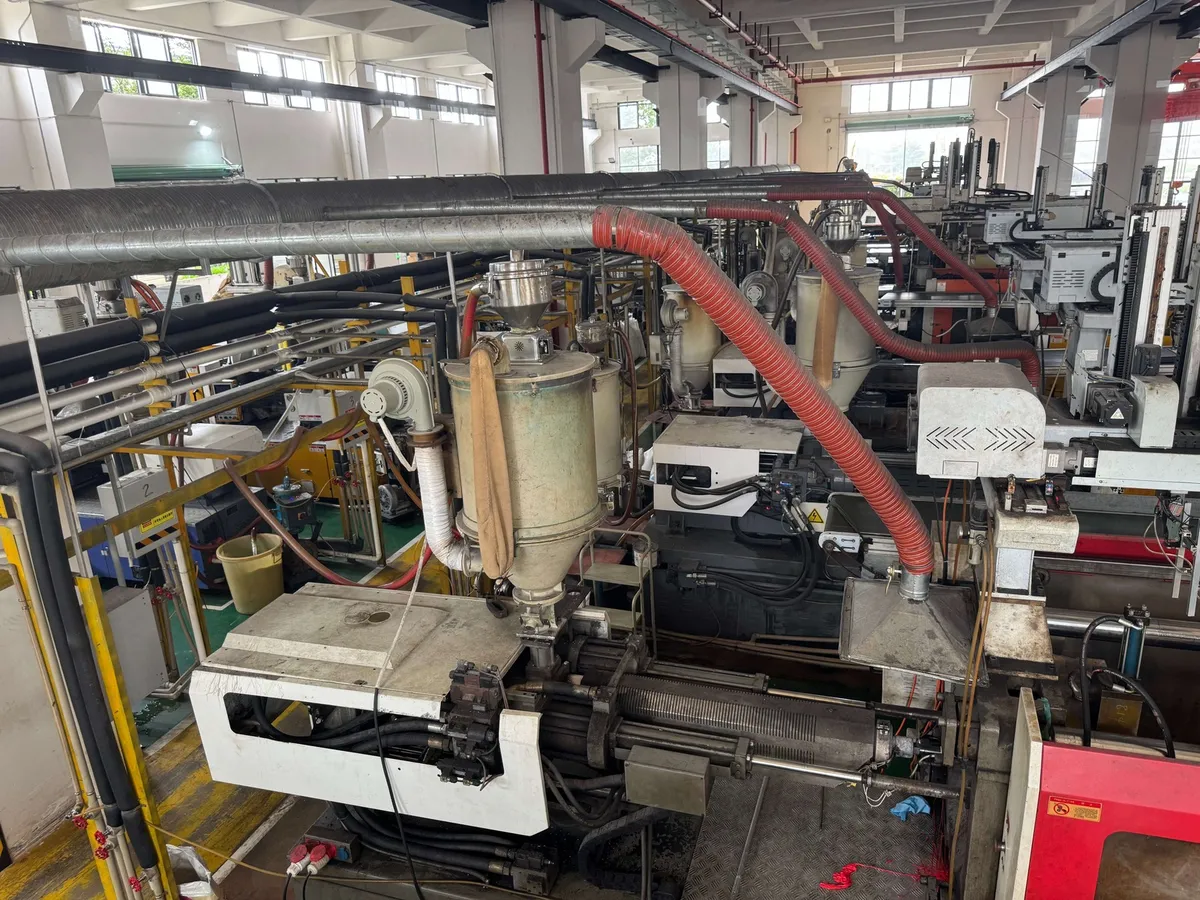
Case Stackability and Pallet Planning: Fitting More Into a Container
Freight cost is charged on volume or on weight, whichever binds first. Stackability is the variable that decides which. Cases that stack without crushing, that share a footprint with a standard pallet, and that interlock rather than slide are the difference between a container that cubes out and one that leaves a third of its volume empty.
Read Article →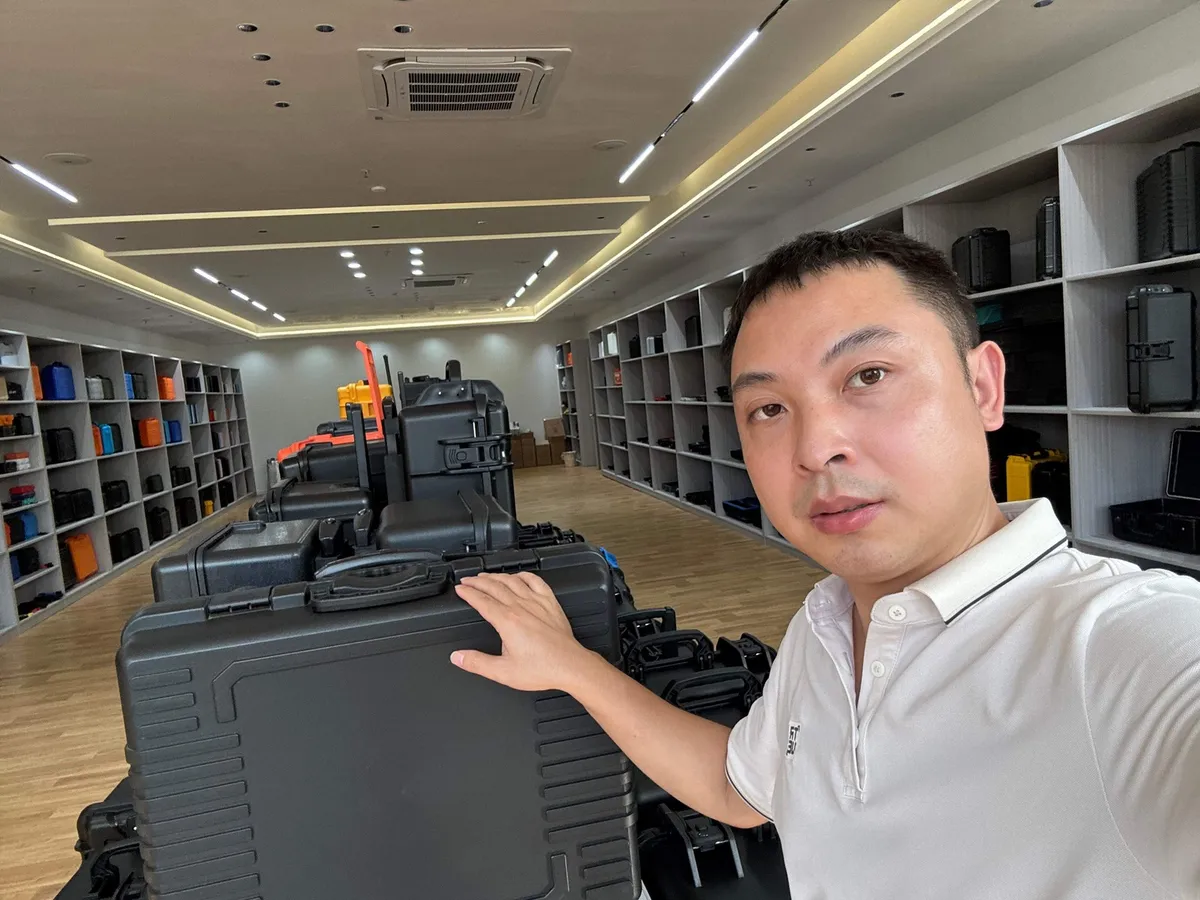
How to Size a Protective Case: Protrusions, Wall Thickness and Foam Clearance
Measure the object in the orientation it will travel in, include every protrusion, separate internal from external dimensions, and treat foam wall thickness as crush distance rather than decoration.
Read Article →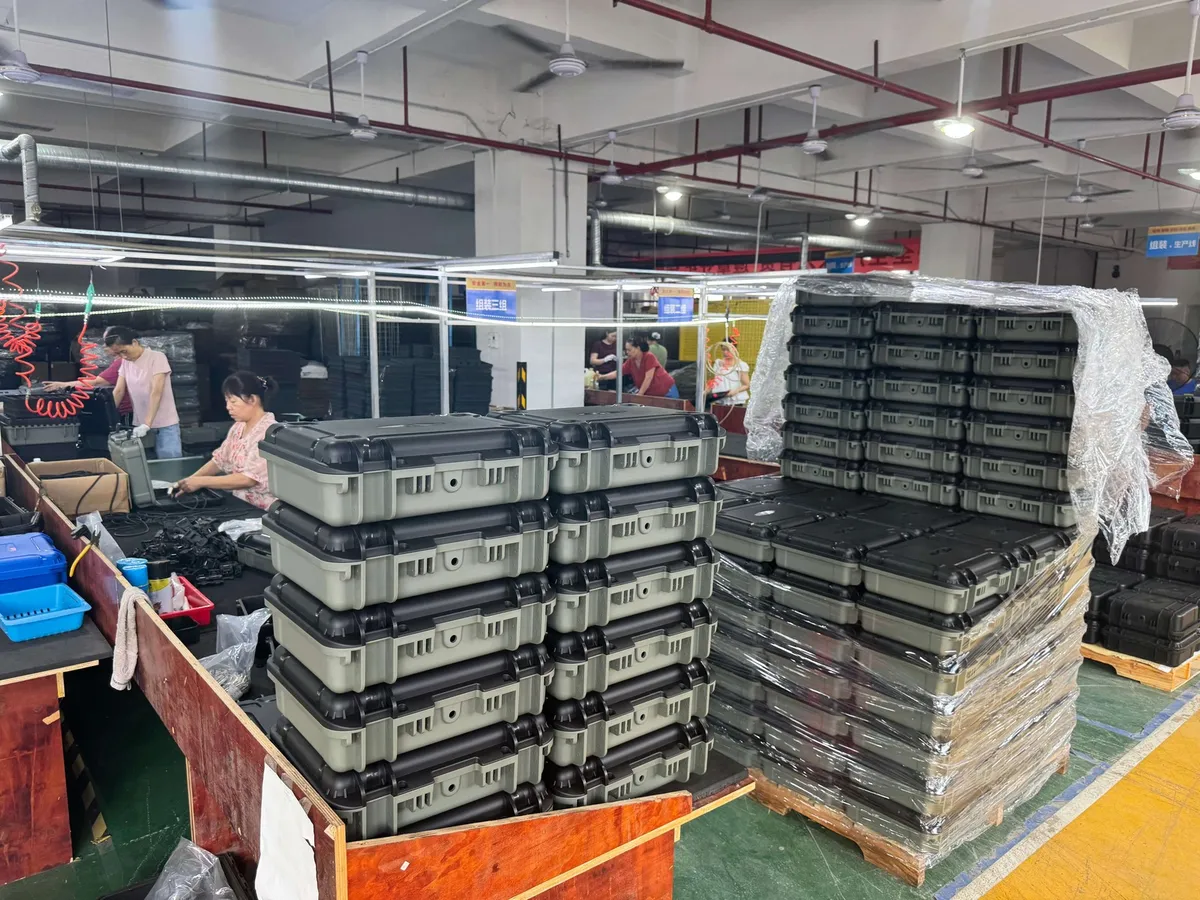
IK Impact Rating for Protective Cases: What IK07 to IK10 Actually Mean
IK codes under IEC 62262 run from IK07 at 2 joules to IK10 at 20 joules - a 5 kg mass dropped 40 cm. But IK tests the shell, not the contents, and it is measured at room temperature.
Read Article →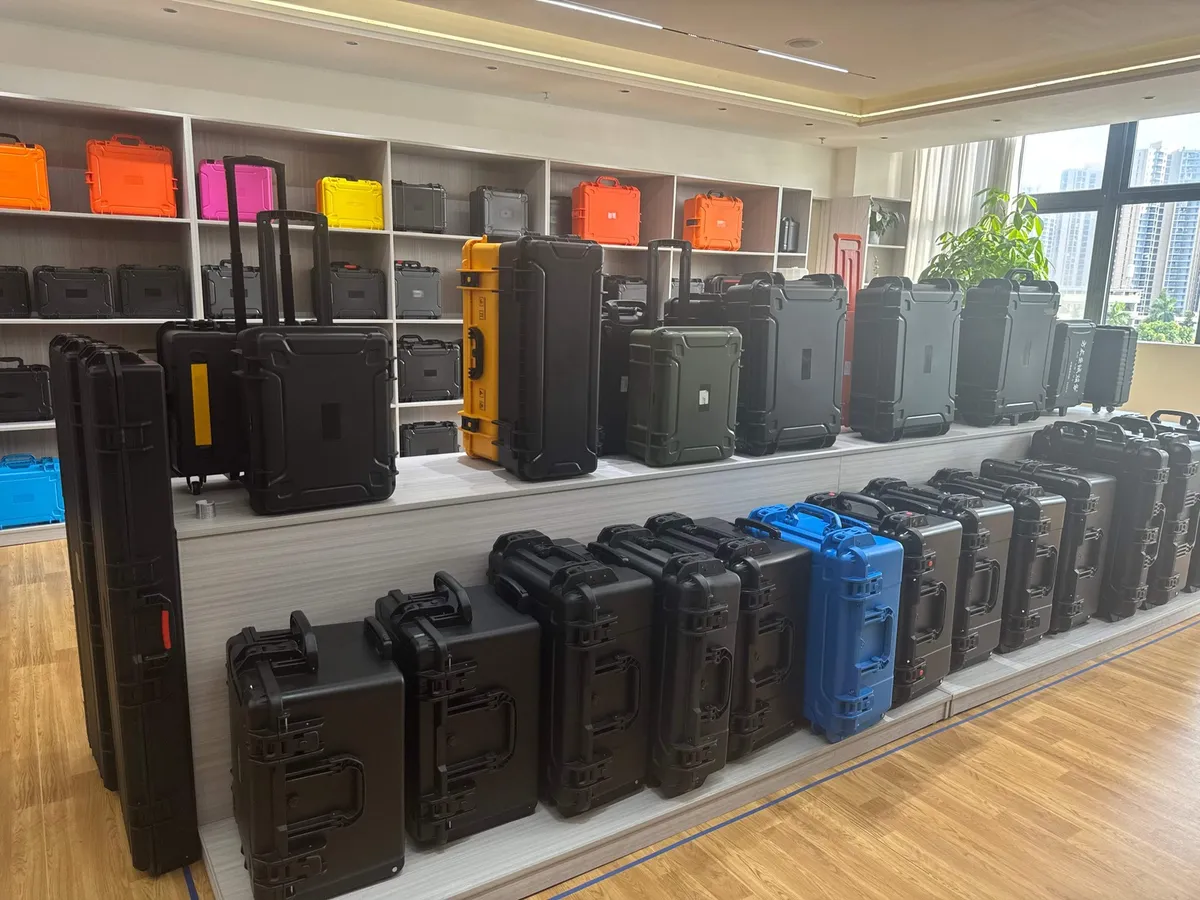
Field Inspection Equipment Cases: Heat, Dust, Condensation and Vehicle Vibration
Inspection gear lives in vehicles, not in storerooms. The four threats that actually damage it are long-duration vibration, dust ingress, heat soak and condensation on arrival at site.
Read Article →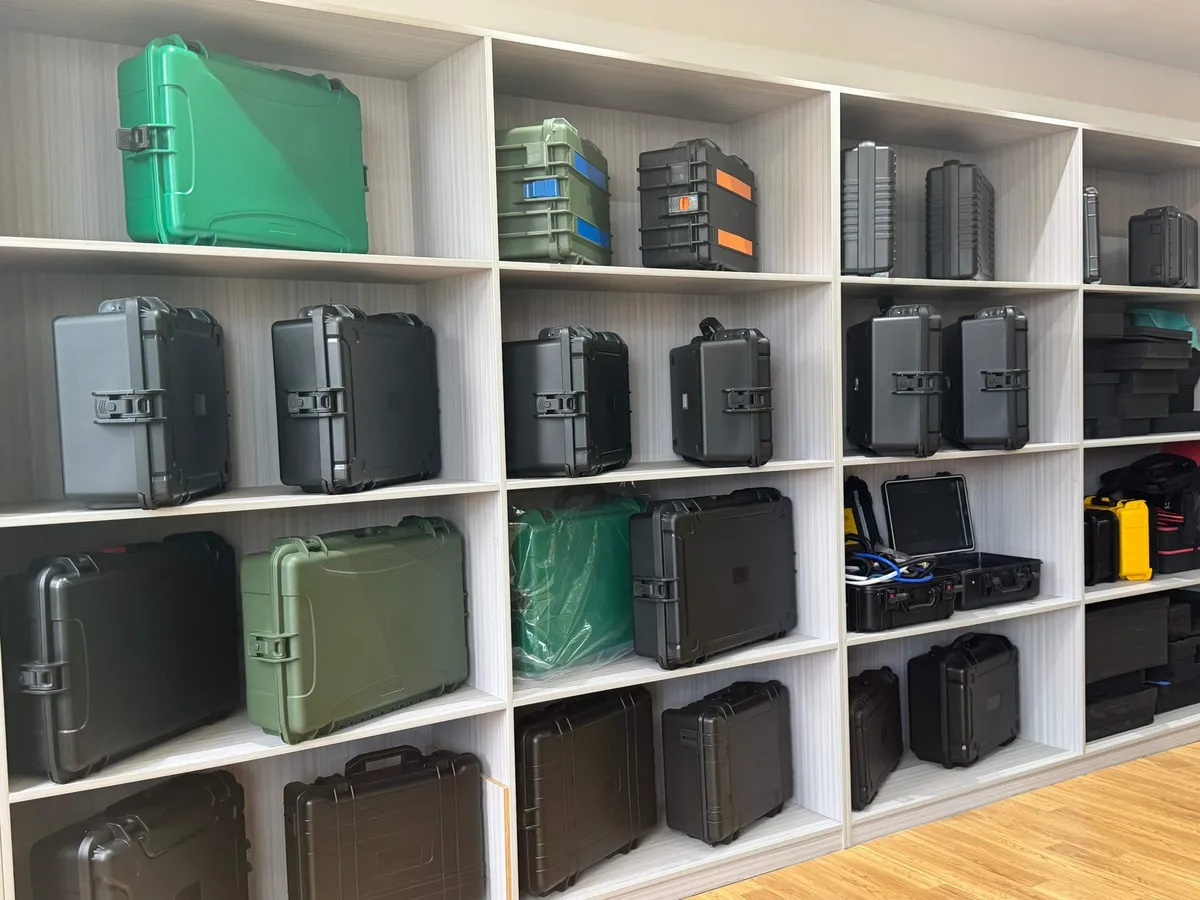
Case Labelling and Asset Tracking: Codes, Carriers and Inventory Method
A fleet of cases is an asset pool. Label the body not the lid, choose a marking method that survives the duty cycle, and make a missing item visible at a glance.
Read Article →