

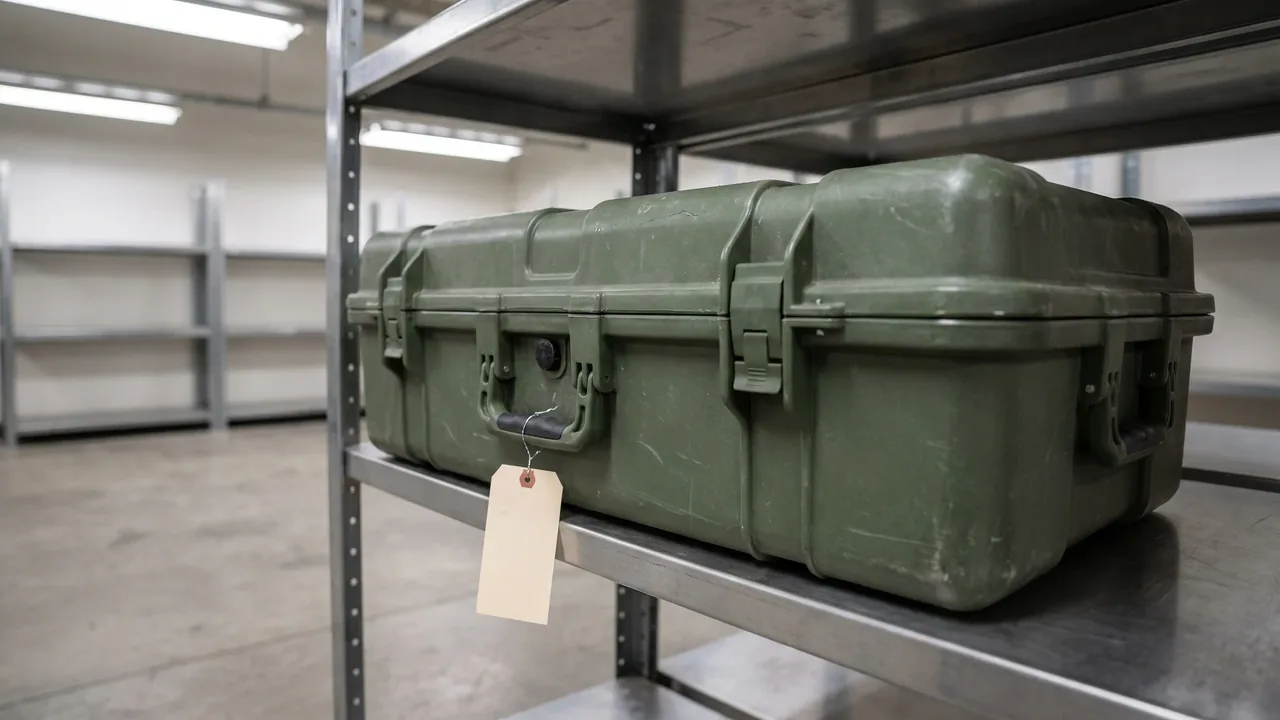
The equipment case and the gear case are zoned protective enclosures built for military materiel, engineering equipment, and maintenance support. Their task is not to "hold a pile of things" but to turn a kit into a standard box unit that can be zoned by function, restorable by pick frequency, and kept orderly through frequent open-and-close cycles. An equipment case is typed at base, opened and closed repeatedly at the repair point, carried with vehicle and personnel in mobile support, lets the handler take every tool and spare without a manual, and keeps the gear from knocking together or losing small parts under vibration and dust-water. This article unpacks, from a protective-case manufacturer's point of view, the general requirements an equipment case should meet in zoning design, material compliance, internal restraint, marking visibility, seal traceability, stack palletization, protection grade, modular adjustability, maintenance reach, and military acceptance, and gives procurement a checklist they can drop straight into a technical agreement. It must be stated plainly that this article discusses the packaging container only; the organization, movement, and any defense-trade export of whatever is loaded inside are governed by local regulations and export control requirements, and the container supplier's duty is to translate zoning, restraint, sealing, and traceability into a mass-producible box structure. JUNZHIJIA manufactures rotomolded and aluminum protective cases over the long term, and the experience below references this kind of volume production process.
Written from the bench of a protective-case manufacturer, this guide deliberately stays within the boundary of the container. It does not describe which equipment the box holds, how it is dispatched, or the controls that govern its movement; those sit with the equipment authority and the support unit. What it does offer is the engineering reasoning a buyer can use to turn a vague "equipment case" request into a numbered technical agreement, and to ask the right questions when two quotations look identical on paper but diverge sharply on the zoning capability they actually deliver. The rest of the article walks the materiel support chain link by link, from standard zoning to on-site acceptance.
The Mission: Turning Gear into a Zoned, Manageable Unit
The equipment case faces a cycle of "type, transit, repair, recover" rather than a single trip. At base it must type the liner to the kit so every item has a fixed home; at the repair point it must open and close repeatedly for quick take-and-put, letting the handler reset without a diagram; in mobile support it must ride with vehicle and personnel over rough roads, keeping gear in place and small parts from getting lost; at recovery it must let the seal be counted, the destination recorded, and the box return to service. This mission means the core of an equipment case is not "carry a lot" but "well zoned, quick to take, easy to reset, hard to lose." Abstracting gear into a standard box plus standard zones is the fundamental way to cut materiel-support complexity, and the basis on which modern maintenance moves from item-level search to zone-level access.
Broken down, the mission has four capabilities: functional zoning, pick-and-reset, restraint stability, and full traceability. Functional zoning means the cavity is divided by function and pick frequency so high-frequency parts are at hand and low-frequency spares go to a lidded cell; pick-and-reset means every item has a fixed position and rest diagram, pickable on open and secured on reset; restraint stability means transport shock is dispersed by the zoned liner so gear does not collide; full traceability means every opening and handover leaves a record so the responsibility chain still closes at recovery. The manufacturer must reserve interfaces for these four in the structure: adjustable zone dividers, a readable rest diagram, custom restraint liner, and a verifiable seal position, all of which are the engineering details that make zoning real.
Concretely, an equipment case earns its name only when three conditions hold together: the shell is generic enough to share pallets and stacks with other boxes, the liner is zoned enough to match different kit organizations, and the identity is readable enough that any handler can tell what class of gear is inside and what is missing without opening it. Miss any one and the box reverts to a clutter case packed item by item, which is exactly the complexity zoned management was built to remove. The remainder of this article treats those three conditions as engineering requirements with measurable acceptance criteria, so a buyer can specify them in numbers rather than adjectives, and can reject a quotation that only describes them in adjectives.
The Core of Zoning: Zone by Function and Pick Frequency
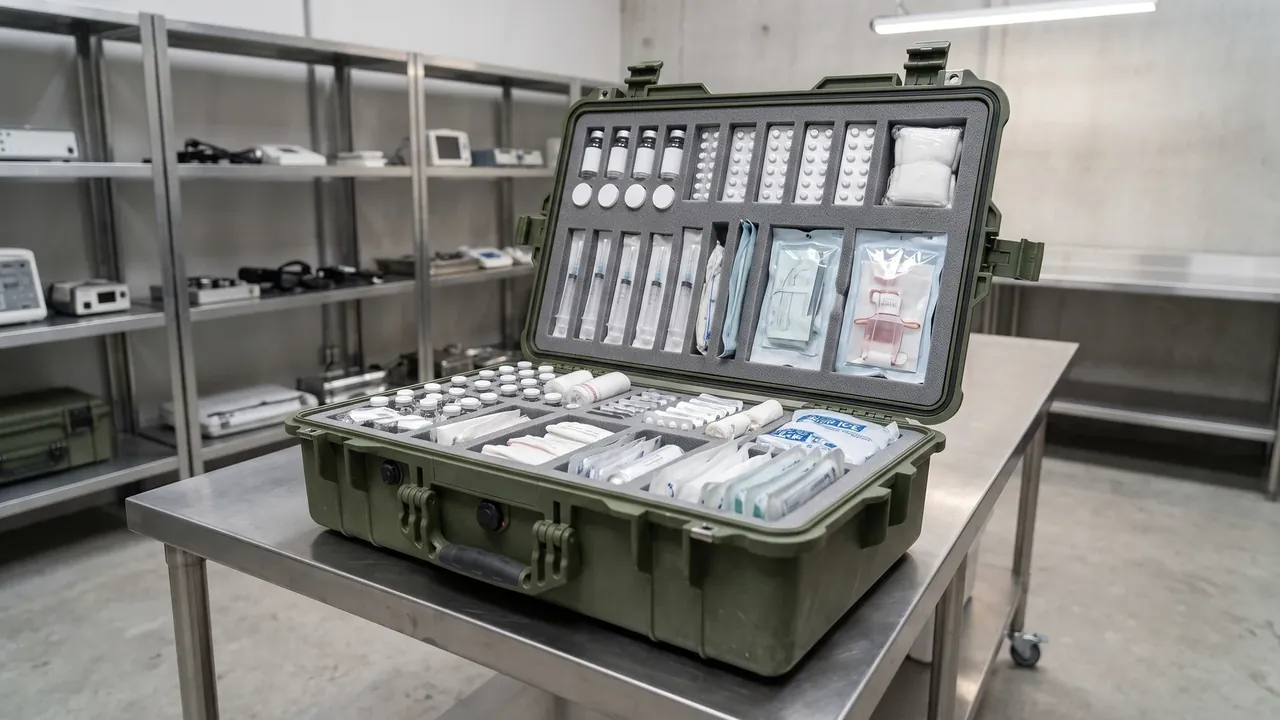
The biggest difference between an equipment case and an ordinary storage box is that it must zone by "function plus pick frequency" on two dimensions, not just fill space. High-frequency tools go to the upper and edge zones reachable on open; low-frequency spares go to independent lidded cells; same-class gear clusters in one zone to avoid cross-zone search; fragile and small parts get typed cavities so they do not roll and get lost in transit. Zoning is not "add a few grids" but lets the handler take and put by muscle memory even under stress, pushing "finding things" time to the minimum. Writing zoning logic into the technical agreement is more reliable than finding "searched three times and still missing it" at the repair site, and aligns with the "internal module is combat power" idea of the tactical hard case.
Zoning should also consider the repair motion line. Repair-point work is a loop of "open, take, operate, reset," so the equipment case zones should align with that line: common wrenches and gauges on one side, consumables on the other, documents and list visible inside the lid. The manufacturer should give a recommended zone layout and adjustable interface so different kit organizations fit in the same shell by moving dividers rather than making an unchangeable box per kit. Front-loading the motion line into zoning is more reliable than finding "layout is awkward" mid-mission and then changing the mold, and avoids the handler bypassing reset out of awkwardness until the box turns messy.
A frequently overlooked detail of zoning is "empty-slot visibility." After a part is taken, the empty slot should be visible at a glance so the handler immediately knows "what is missing, is it reset." Therefore the rest diagram and label slots should cover every zone, with an overall list inside the lid. The manufacturer should write "empty slot is a gap" into acceptance so a missing part is found before closing, not discovered as a missing key spare at the next task. Front-loading empty-slot visibility into the structure is the core difference of an equipment case over an ordinary box on the anti-loss dimension, and the human-factor design bulk support should most use.
Material Routes: Rotomolded, Aluminum, Composite
The equipment case has three common material routes: rotomolded HDPE, aluminum, and composite fiber. Rotomolded HDPE is integrally molded with no seam and no dead corner, winning on cost and consistency in volume, fitting thousands of boxes in long service, and its inner wall can directly carry zone rails; aluminum shells are lighter and more rigid, suiting personnel-carried or weight-critical scenes, but welds and corners need extra treatment; composite fiber wins most on specific strength but batch consistency and repairability need separate assessment. Equipment cases are numerous, widely circulated, and opened often, so the whole-shell cleanliness and zoning consistency of rotomolded HDPE usually beat a metal box that must be leak-checked point by point, which is the root reason it leads the category.
Whichever material is chosen, the equipment case should place "zone interface durability" on a par with protectiveness. The rotomolded wall should give force notes for zone rails and clips so the buyer checks divider retention under vibration; the aluminum zone frame should give connection and load notes; the composite box should give batch-consistency declaration. The manufacturer should state at delivery which faces are main-load and which are adjustable zone areas, avoiding "thicken the whole box" as the only plan. Writing zone durability into the technical agreement is more reliable than finding "divider loose" at the repair site, and avoids wasting self-weight on unnecessary wall.
A second material consideration is repair and whole-life cost. A rotomolded box can be heat-repaired or panel-swapped on local damage, an aluminum box field-straightened, a composite box returned to factory. Repair points often lack professional conditions, so the equipment case should prefer materials and structures that are field-treatable or module-replaceable, so a damaged box can still recover basic zoning and seal at the front. The manufacturer should give damage-assessment guidance and replaceable-part numbers, writing "damaged but recoverable" into the delivery spec, more reliable than finding "a broken box is scrap" mid-mission, and avoiding one key box's damage dragging down a whole batch of support.
Marking and Visibility: Making the Box Speak Class and Zone
An equipment case is handled and quickly identified by many people in transit and repair, so its marking system matters more than for ordinary cases. A qualified equipment case should provide at a readable position: box type, contents class, weight and center-of-gravity mark, open indicator, stacking limit, zone index, and a scannable identity code. Marking should let warehouse, repair point, and front personnel complete identification and access within seconds — see the class from afar, see the contents up close, scan the whereabouts — instead of everyone opening the box to search. Visibility is the cheapest way to cut communication cost across the materiel chain, and aligns with the "marking is a management interface" idea of the logistics support box.
Marking materials and process must survive the environment. Repair-point and field conditions quickly fade and peel paper labels, so identity and class markings should prefer silkscreen, engraving, or weatherproof plates over stickers; the updatable zone list can use a clear window card that is both weatherproof and easy to change. The manufacturer should deliver marking maintenance guidance: which marks are fixed, which are field-updatable, and how to verify after update. Writing marking into the technical agreement is more reliable than discovering "can't tell what this box holds" mid-support and then fixing it, and avoids mis-identification causing wrong-issue accidents. An equipment case's marking should also highlight the zone index so any handler sees "how many zones inside" before "box model."
Beyond the marks themselves, the equipment case should make re-marking a controlled act. When a box is repurposed between tasks, the old class mark must be cleanly removable or permanently overprinted, not taped over, because a taped-over mark that peels at the wrong moment can send a box to the wrong destination. The manufacturer should design the marking surface so updates are deliberate: a recessed window for the swap card, an engraved class code replaced only with an authorized insert. Treating re-marking as a controlled change, like a configuration change on any managed asset, is what keeps a large box fleet honest across years of reuse, and is the "pre-pack, rapid deploy" idea of the deployable hard case landing in the equipment scene.
Internal Restraint and Zoned Liner
The liner system of an equipment case has one goal: every item inside has a fixed position, pickable on open and secured on reset. EVA and EPE foams fix single items in pre-cut cavities; divider panels and adjustable trays handle mixed loads; label slots and rest diagrams let any handler reset without training. The liner is not "stuff it with foam" but assigns force to the mass center and vulnerable point of each item so transport shock is absorbed and dispersed rather than concentrated on one edge causing collision or liner tear.
The trade-off between fixed and universal liner depends on how the kit is organized. Fixed-baseline kits suit CNC-cut typed liners with high consistency; ad-hoc tasks suit adjustable dividers and modular trays using zoning logic rather than per-item cutting. Either way, the equipment case should guarantee "pick on open, secure on reset" without special tools, which directly decides restraint quality on the next transit and accuracy on the next pick. Writing the reset as a diagram on the inner lid is low-cost and high-return; if reset depends on one specific handler's memory, quality drifts when that person leaves, and that is the human-factor risk bulk support fears most.
A detail often missed is liner-to-shell coordination. Under vibration a liner that detaches from the shell lets the gear bounce a second time inside the cavity, so the liner should clamp the shell or form its own shell so restraint does not depend on the shell shape. The manufacturer should give the liner-shell fit tolerance and clamp method, writing "liner stays put" into acceptance rather than discovering "foam loosened" after transit. Front-loading liner-shell coordination into the structure is the essential action that keeps gear intact under long-route and bad-road sustained vibration, and the basis the buyer can rely on at inventory, far more than simply filling the box.
Locks and Seals: The Responsibility Chain for Gear
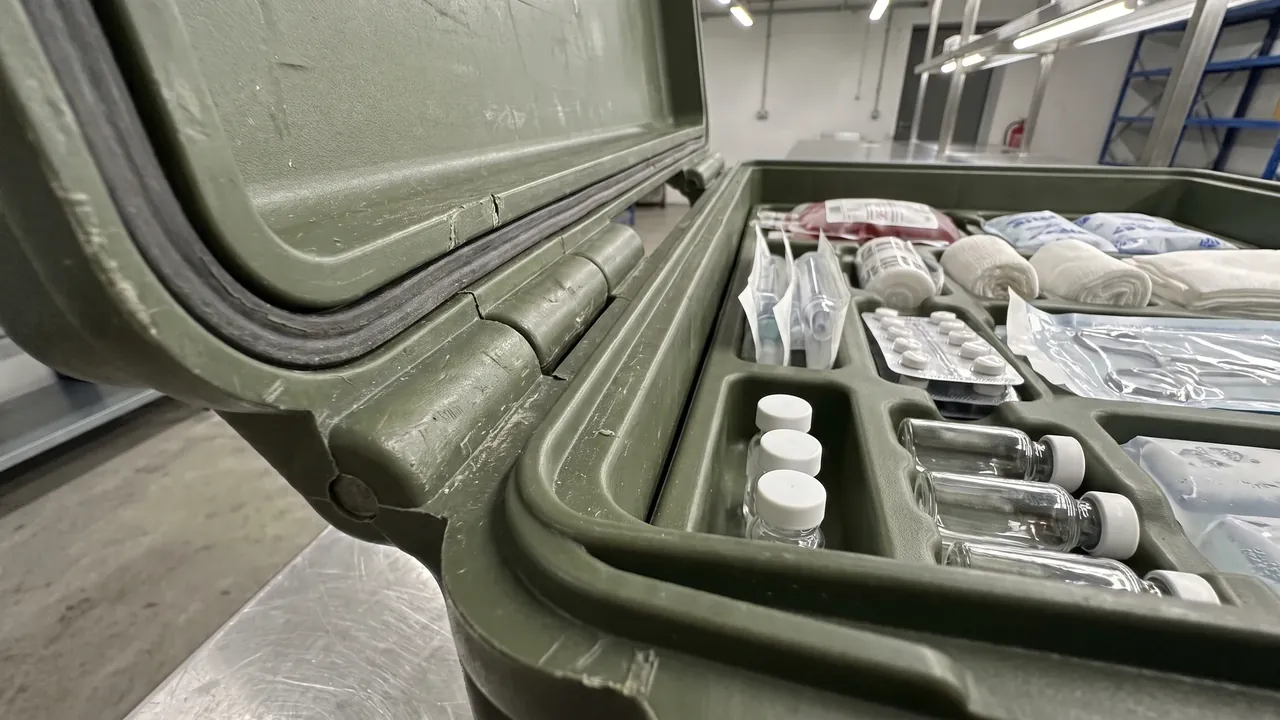
In mass support, seal management matters more than for a single box. An equipment case usually has two lock layers: a quick-open latch for daily access, and a numbered seal added at handover. The seal number binds to the handover sheet, and every opening generates a record, ensuring a definite answer to "was it opened." High-value or sensitive batches can upgrade to RFID seals that automatically record time and location at each custody point, turning the responsibility chain from manual check to system trace, reducing human error and raising credibility across multi-unit handovers. This is consistent with the sealed-to-opened traceability of the war reserve case, only the equipment case extends the concern from storage environment to gear completeness and small-part anti-loss.
Traceability also lives in the identity system. The equipment case should provide both a QR code and an embossed serial on the identification panel, so manual verification survives a scanner outage; a hidden verification code inside the lid guards against malicious replacement of the external plate. This dual identity matters especially in mass materiel, because a batch may cross many units and years, and any single identity mismatch voids every later record. Front-loading traceability into the box structure, rather than pasting paper after the fact, is the key action within the manufacturer's responsibility boundary and the basis the buyer can rely on at inventory and audit.
The seal should also link to the gear list. The equipment case seal or list should record pack date and contents class so every handover can check "is this box complete, any missing part." When a batch circulates across years, any mismatch of identity or date voids gear management, so the identity and list system must be front-loaded into the structure rather than pasted on afterward. High-value batches can upgrade to time-stamped seals that record time at each custody point, turning the gear responsibility chain from manual ledger to system trace, so "any missing part" has a definite answer and mis-issue risk across multi-unit handovers drops sharply.
Stacking and Palletization: Docking with Unit Loads
Equipment cases rarely sit single in warehouses; more often they stack densely and dock with pallets, racks, and container modules. Stacking strength depends on bearing surface, ribs, and locator pins working together: top and bottom stacking bosses must align so load transfers vertically to the main structure, not onto thin walls or latches; locator pins prevent inter-layer sliding, avoiding collapse during a forklift hard brake or rough road. The manufacturer should give a clear maximum tier and single-tier load, marked visibly, not buried in a manual, especially important for vehicle-carried cases stacked in multiple layers inside the cabin.
Palletization is the key interface that lets an equipment case join the logistics system. External dimensions should prioritize alignment to standard pallets and container inner widths, so multiple boxes tile a pallet without gaps or overhang; the base should have features that work with pallet straps or anti-slip mats, preventing the whole load from sliding in transit. This interface looks like a sizing issue but decides whether the box truly enters containerized logistics or gets re-stacked at every node. For mobile support, palletization also directly affects rapid loading and vehicle fixing efficiency, the last mile that turns "a box" into "a logistics unit," and it shares the stack-to-pallet discipline of the stackable container, only the equipment case also brings the zone index onto the visible face of the pallet unit.
Stacking should also consider gear-safety specifics. An equipment case stacked in a warehouse may sit at the bottom under long compression and near-ground humidity, so the base should have off-ground support or ventilation so pooled water and rising damp do not attack the seal. The manufacturer should state the minimum off-ground clearance and stack-bottom ventilation in the technical agreement so the warehouse does not lay the bottom box directly on the floor. Writing this into acceptance is more reliable than finding bottom boxes moistened at the warehouse and then remedying, and avoids a whole stack of gear being scrapped in a chain because the bottom box took in water.
Protection Grade and Sealing: Dust-Water in the Field
The biggest environmental threat to an equipment case at field and repair points is dust and water, so its protection grade should be written as an acceptable IP grade rather than a vague "splash-proof." A normal repair point needs at least IP54, rising to IP67 for wet transit or open storage; the key is uniform gasket compression around the full perimeter and continuity at corners, because any under-compressed section becomes a path for water and dust. The gasket material must be a weatherproof elastomer that does not leach or stick to the shell over long use, a point barely asked on ordinary storage boxes but a dust-water floor on equipment cases, consistent with the "stable sealed environment" logic of the ordnance packing box, only the equipment case turns the environment from static storage to a frequently opened dust-water scene.
Sealing should also consider opening frequency. An equipment case at a repair point may open several times a day, so the latch should give clear feedback when not fully engaged, such as a two-stage latch tongue or a visible closure indicator, turning "is it closed tight" into a readable state rather than a matter of personal habit. Such details look trivial but decide whether the box keeps dust-water proof in real use, and are the most worthwhile investment within the manufacturer's responsibility boundary, solving more field failures than simply thickening the wall.
A further key of protection grade is small-part anti-loss. Equipment cases often hold screws and connectors; if the seal is loose or the cell lid missing, small parts fall out through gaps under bump. Therefore the equipment case cells should have independent lids or clips so small parts do not spill in transit; the manufacturer should give the cell seal and clip notes, writing "small parts do not drop" into acceptance. Front-loading small-part anti-loss into the structure is the core difference of an equipment case over an ordinary box on the anti-loss dimension, and the design the handler should most use, avoiding one transit losing a key screw that stops a whole set of gear.
Modular and Adjustable Zoning: One Box for Many Kits
The modular capability of an equipment case decides its utilization across changing tasks. A generic case that fits only one kit forces a box swap at every task change, with very low utilization; adjustable zoning lets the same box adapt to many kits by swapping dividers and trays, multiplying utilization. The key to modularity is interface standardization: divider clips, tray rails, and liner clamp dimensions and forces should be unified so modules from different batches or suppliers work in the same shell rather than closed parts only the original factory can fit. Writing interface standardization into the technical agreement is more reliable than discovering "modules not interchangeable" mid-mission, and aligns with the "support volume with standard interfaces" idea of the military rotomolded case.
Modularity also brings a frequently overlooked benefit: fewer spares. When a zone module is damaged, the adjustable part can be replaced alone without scrapping the whole box; when a task changes, only the module changes, not the box. This matters especially at sea or overseas support points, where a whole-box swap is often impossible on site. The manufacturer should provide the module interface standard and interchange specification so the site can replace on the spot. Writing module replaceable into the delivery spec is the key that keeps an equipment case at low ownership cost over years of reuse, and avoids one module's failure dragging down a whole box.
A second layer of modularity is zone reversibility. After a task, the equipment case should quickly return to a generic state so the next batch needs no original-factory module. Therefore zone dividers and trays should be hand-adjustable, tool-free, with a rest diagram and list card inside the lid. The manufacturer should write "zone reversible" into acceptance so the handler can re-form between tasks rather than making re-form a specific person's craft. Front-loading reversibility into the structure is what keeps a large equipment-case fleet flexible across years of reuse, and the dimension most easily overlooked yet most combat-valuable at selection.
Maintenance Reach and Tool Reset
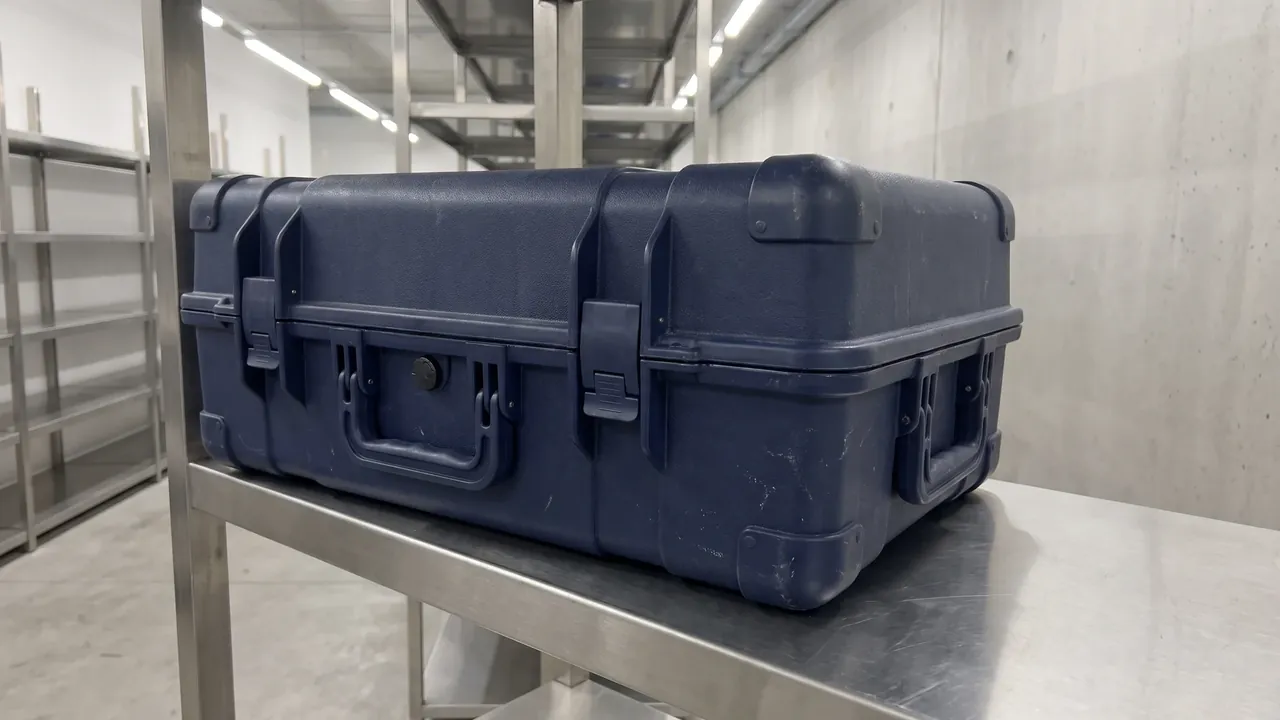
The core value of an equipment case at the repair point is "open and repair," so its design serves maintenance reach. Zoning should make common tools all visible and reachable the instant the lid opens, avoiding "open then search"; documents, lists, and marks should sit inside the lid or by the zone so the handler checks while repairing; fragile and small parts get typed cavities, and the empty slot after take is visible for reset. Writing reach as an acceptable pick path is the core difference of an equipment case over an ordinary box on the maintenance dimension, and the key to repair timing.
Tool reset is the other side of reach. Repair is often tense; if reset depends on memory, the box soon turns messy and small parts get lost. Therefore the equipment case should build each tool's rest diagram and label slot into the structure so "take one, reset one" is a controlled act; the manufacturer can preset a rest diagram and weatherproof clear window inside the lid so the list is readable and swappable per task. Front-loading reset into the structure is the core action that keeps an equipment case accurate in mass repair, and the basis the buyer can rely on at inventory and audit, more reliable than opening boxes at the repair site.
Maintenance reach should also extend to recovery. An empty equipment case at recovery may carry crumbs or moisture on the liner and cells, and if reused without cleaning it carries the previous batch's contamination into the next. Therefore the equipment case should be a thoroughly washable structure, with guidance for post-clean drying and storage so a recovered box passes a verifiable hygiene step before reuse. The manufacturer can commit in the technical agreement the liner's washable cycles and tolerable cleaning methods, writing "recoverable then renewable" as an acceptance metric rather than a vague "keep it clean." Front-loading the hygiene life cycle into the structure is what essentially distinguishes an equipment case from an ordinary storage box.
Military Acceptance: Mapping MIL-STD-810H to GJB
Military acceptance of the equipment case usually maps to MIL-STD-810H and the corresponding GJB methods, but the focus differs from an ordinary transport case: beyond generic drop, vibration, and salt spray, the equipment case should add zoning-related verification such as whether the liner truly kept gear still under vibration, whether the cell lid spilled small parts under bump, and the durability floor of latch and marking under salt spray. Turning "zoning capability" from a claim into a set of acceptable tests is the core by which a buyer distinguishes an equipment quote from an ordinary one. The test profile should bind to the real route rather than be requested generically, because only a profile matching the actual logistics scenario predicts field performance, consistent with the "drive verification by environment profile" idea of the temperature-controlled case.
Military testing should not be read only for a pass mark, but for whether the report maps to the specific box. The equipment case acceptance report should record: corner deformation at drop, whether the liner truly kept gear still under vibration, the durability floor of latch and marking under salt spray, and the cell-lid retention under inversion. These findings feed directly back into mold and liner improvement, where the test budget earns its return. A supplier without a report can only promise verbally, with nothing to compare in a dispute; a supplier with a report has committed to specific test conditions checkable line by line. The bound object should be the real batch, not a generic sample, because the consistency of bulk materiel shows exactly in every box reproducing the report's conclusion.
The deeper value is the improvement loop: aligning field damage with lab failure modes forces mold or liner optimization. For example if a cell lid loosens and a small part is lost in transit, the lab should reproduce it with vibration at the open lid, then use the clip section and compression as the mold-change basis. Writing this loop into the technical agreement makes the equipment case not "accepted once, then unchanged" but continuously converging with field feedback. This is consistent with the "drive mold iteration by test profile" idea of the military rotomolded case, only the equipment case extends the test goal from protection to zoning and small-part anti-loss.
Export and Compliance Documents: Trade Requirements for Gear Containers
When an equipment case is exported or moved cross-border with gear, its compliance documents are more complex than an ordinary case. Beyond the general UN packaging certification (where applicable), packing list, and material conformity, a gear container also needs a module declaration, a third-party test report number, and traceable batch records so the physical box, certificate, and report correspond one to one. Wooden packaging must meet IPPC fumigation or exemption; metal and plastic focus on material declaration and recyclability marking. The typical failure is document inconsistency: certificate box type, report status, and actually shipped box do not match, often detained at the port. Writing the boundary of "container compliance" versus "gear compliance" clearly is the premise that defense-trade export avoids responsibility disputes.
Export should also separate the boundary of "container compliance" from "gear compliance." The equipment case manufacturer is responsible only for the container's zoning and sealing; the gear compliance is the equipment party's, and the two must not be confused. Therefore the technical agreement should state which module declarations the container provides, who issues them, and for how long, while the gear compliance is separately the buyer's or equipment party's responsibility. Writing the boundary clearly is more reliable than arguing "who owns this box" at the port, and avoids mistakenly pushing gear responsibility onto the container manufacturer. It must be restated that this article discusses the container only; export is governed by local regulations and export control requirements, and the manufacturer's duty is to build compliance into the box, not to replace the equipment or regulatory body.
In practice, the equipment case export documents should attach a list-style annex stating version, validity, and issuing body, re-verified against the certificate before each production, starting paperwork two weeks early typically halving clearance time. The equipment case's multi-batch, long-cycle nature makes document version management more critical than single-batch export: the same box type in different years may correspond to different test standards, and if documents are not updated per batch, an old report with a new box fails at the port. Binding the document version to the production batch is the most overlooked yet most fatal link in equipment case export compliance.
Long Seal and Turnover: Reliability After Frequent Opening
In repair and mobile support, the equipment case often faces a rhythm of "frequent open, transit, re-open." Frequent opening demands that latch, seal, and zoning still function after hundreds of cycles, so the handler can take and reset quickly without guidance; transit demands the shell and liner stay stable under vibration, gear not shifting, small parts not lost; re-open demands list, seal, and pallet module mesh seamlessly. This rhythm decides that the equipment case's reliability is written into every detail of the open-transit loop, not into the static word "sturdy."
The difficulty of frequent opening is aging visibility. The gasket, latch, and marking slowly age under long compression and cycling, and if not visually judged they fail exactly at the task. Therefore the equipment case should turn easily aged parts into visible maintenance nodes: gasket press-back, latch feel, marking clarity should all have on-site criteria, not just a factory-year figure. The manufacturer should provide a recommended inspection interval and spare list so the support unit can do a minimal check before the task. Writing aging visibility into the technical agreement is more reliable than finding "the box should have been replaced long ago" at the task site, and avoids a whole batch becoming unusable in a chain because one consumable failed.
Turnover also emphasizes records. Each open and handover of an equipment case should leave a trace so "which batch was sealed when, opened when, any missing part" is one-click at inventory. This is consistent with the reserve-packaging strategy of the war reserve case: front-load the responsibility chain into the structure so a sudden task still has a definite answer. High-value or long-cycle support can upgrade to time-stamped seals and readable serials so turnover records move from manual ledgers to system trace, markedly cutting mis-issue and missing-part risk across multi-unit handovers.
Same-Structure Scenes: Industrial and Engineering Gear Cases
The equipment case's design logic is not only for the military; in industrial and engineering gear support it is the same structure. Field repair of power, communication, and construction machinery equally needs zoning, dust-water proofing, and traceability, differing only in marking class and dispatching body. Therefore the equipment case's modularity and zoned liner can migrate directly to the industrial system, letting the two share production and spares and cut total cost of ownership. The manufacturer should reserve interfaces for "civil-military common structure" rather than making incompatible molds for each version, and aligns with the "common unit at hub nodes" idea of the transit case and shipping case.
The civilian scene also stresses reachability and readability. Industrial-site handlers are often non-military, so the equipment case marking should highlight the zone index and reset method so anyone sees how to take and put before model number. The box should reserve multilingual or pictogram card positions so cross-region support needs no repaint to swap the list. Writing "readable by civilians" into the design is the last mile taking the equipment case from military to industrial public service, and the key to its real scaled-reuse value.
The industrial scene sometimes demands a higher protection grade. Field sites are muddy and repeatedly flooded, and the equipment case's IP grade and washability directly decide whether tools hold the usable floor under harsh conditions. Therefore the industrial version should emphasize on-site maintainability of sealing and liner even more than the military version, so the site maintains without factory support. The manufacturer can provide a simplified maintenance guide and a pictogram check card so non-professionals complete a minimal health check. Lowering the maintenance threshold to the site level is the key that makes the equipment case truly deliver "support" value.
Procurement Checklist: Writing "Equipment Case" into a Technical Agreement
Buying an equipment case should not stop at "a sturdy tool box" but turn every line above into an acceptable clause. The checklist should at least include: zoning logic mapped to pick frequency, liner typed cavities and rest diagram, zone reversible and module interface standard, stacking tier and single-tier load, pallet module alignment, seal and dual-identity traceability, readable marking positions and weatherproof process, IP grade and perimeter seal compression, small-part anti-loss cell lid, aging-visible nodes, military test profile with bound batch, and export document list with version management. Writing this list into the technical agreement gives the buyer the right to question quotations rather than picking boxes by feel at acceptance.
Procurement should also write "opening frequency" and "turnover cycle" into the requirement. The real cost of an equipment case is not the unit price but how many open cycles it can reliably turn, how cheap each cycle is to maintain, and whether it still holds the zoning and small-part floor under frequent transit. Once those two numbers are estimated honestly, every line of the checklist gains a budget anchor. It must be restated that this article discusses the packaging container; gear storage, transport, and export are governed by local regulations and export control requirements, and the container manufacturer's duty is to translate zoning, restraint, sealing, and traceability into a mass-producible box structure, not to replace the equipment or regulatory body. Writing the checklist into the agreement is the first step that turns "zoned support" from a slogan into an auditable engineering fact.
Frequently Asked Questions
Q: Why must an equipment case stress functional zoning; is an ordinary storage box not enough? A: Because the pain of materiel support is "findable, resettable, not lost under frequent opening," while an ordinary storage box only solves "fits a lot"; the equipment case must also solve "zoned by function and pick frequency, pickable on open, securable on reset." The difference is threefold: first, high-frequency parts go to upper edge and low-frequency to independent cells, which an ordinary box does not do; second, every item has a typed cavity and rest diagram, while an ordinary box only stuffs foam; third, empty slots are visible at a glance so a missing part is found before closing, while an ordinary box often finds the loss only at the next task. Writing these three into the technical agreement lets the buyer distinguish a "real equipment case" from "just a box with grids" with acceptable clauses. The typical field failure is an ordinary box holding tools that takes three searches to find, then gets stuffed at random, and loses small parts after a few transits, with the responsibility boundary already blurred because "zoning was never written." Specifying it turns a vague promise into a checkable fact.
Q: Why does an equipment case liner stress shell coordination rather than stuffed foam? A: Because repair points and bad roads are sustained vibration, not a single shock; a liner detached from the shell lets the gear bounce a second time inside the cavity, losing all restraint and dropping small parts. A coordinated liner clamps the shell or forms its own shell so restraint does not depend on the shell shape, keeping items in place under vibration. The manufacturer should give liner-shell fit tolerance and clamp method, writing "liner stays put" into acceptance rather than discovering "foam loosened" after transit. At acceptance the buyer should remove and refit the liner once without tools and confirm no looseness, not only checking restraint, because a well-restrained but loose liner will expose shift and loss risk on the long route. An ordinary storage box only wants filling; the equipment case wants zero second bounce under vibration, which is the core stability difference and the most overlooked link in support, paid by the support unit rather than the factory.
Q: How does an equipment case prevent small-part loss in transit? A: Small-part loss is the most fatal field failure of an equipment case; one dropped screw or connector can stop a whole set of gear. Therefore the equipment case cells should have independent lids or clips so small parts do not spill in transit; the liner should give typed cavities for small parts so the empty slot is visible after take; the manufacturer should give the cell seal and clip notes, writing "small parts do not drop" into acceptance. Field experience is that a cell without a lid lets screws roll out through gaps under bump, while a lidded cell limits loss to the taken compartment and the rest reset as usual. Front-loading small-part anti-loss into the structure is the core difference of an equipment case over an ordinary box on the anti-loss dimension, and the design the handler should most use yet quotations most often omit, so it must be written into the technical agreement without fail. A practical tip is to require a drop test at the quoted cell grade, because a lid that looks fine on paper but pops open under a few bumps silently raises the missing-part rate, a cost paid at the repair point rather than the factory.
Q: What documents differ from an ordinary case when an equipment case is exported? A: Beyond the general packing list and material conformity, a gear container also needs a module declaration, a third-party test report number, and traceable batch records so the physical box, certificate, and report correspond one to one; wooden packaging needs IPPC fumigation or exemption, metal and plastic focus on material declaration and recyclability. The biggest failure is document inconsistency: certificate box type, report status, and shipped box mismatch often get detained. Also separate "container compliance" from "gear compliance" — the manufacturer only owns the container zoning and seal, the gear compliance is the equipment party's, and the agreement must state who issues which and for how long. The equipment case's multi-batch long cycle means the module version must bind to the production batch; an old report with a new box fails at the port, and starting paperwork two weeks early typically halves clearance time. A sound practice is to attach the document annex with version, validity, and issuing body, and re-verify against the certificate before each new production.
Q: Why should equipment case stacking also consider off-ground clearance? A: Because an equipment case often sits at the warehouse bottom where near-ground damp rises through the base and attacks the seal, causing a whole stack of gear to rust in a chain. An ordinary case only checks bearing under stack; an equipment case also checks protection: the base should have off-ground support or ventilation so pooled water and rising damp do not enter. The manufacturer should state the minimum off-ground clearance and stack-bottom ventilation in the technical agreement so the warehouse does not lay the bottom box directly on the floor. At acceptance the buyer should measure bottom-box clearance and ventilation rather than only the tier limit. The field lesson is that bottom boxes often take in water not because the gasket failed but because the whole stack sat on the floor and damp seeped through the bottom seam; writing off-ground clearance into the agreement is more reliable than opening boxes afterward, and avoids scrapping a whole batch of gear because the bottom boxes moistened.
Q: Why should an equipment case seal preferably carry a time stamp? A: Because an equipment case circulates across many units and years, a seal numbered but not timed breaks the gear responsibility chain — you do not know when this box was sealed, opened how many times, or any missing part. A time-stamped seal records time and location at each handover, giving a definite answer to "is it missing parts, was it opened midway," turning the duty from manual ledger to system trace and markedly cutting mis-issue and missing-part risk across multi-unit handovers. High-value or sensitive batches should upgrade to RFID seals so turnover records are one-click. Dual identity (QR plus embossed serial plus hidden lid code) defends against external plate replacement, verifiable even if any single point fails. Linking the seal to the gear list and writing it into the structure is the essential difference of an equipment case over an ordinary storage box on the traceability dimension, and the one that survives the multi-year, multi-unit reality of support.
Q: Can an equipment case be civil-military common to cut total cost? A: Yes, and it should be. Field repair of power, communication, and construction machinery equally needs zoning, dust-water proofing, and traceability, differing only in marking class and dispatching body, so the equipment case's modularity and zoned liner can migrate directly to the industrial system, letting the two share production and spares and cut total cost of ownership. The manufacturer should reserve interfaces for "civil-military common structure" rather than making two incompatible molds. The civilian scene should also stress reachability: marking highlights zone index and reset method, with multilingual or pictogram card positions so cross-region support needs no repaint. Writing "readable by civilians" into the design is the last mile taking the equipment case from military to industrial public service, and the key to its real scaled-reuse value, avoiding dual-tooling that wastes the most money over a decade of service, exactly where civil-military common structure pays back fastest. Procurement should ask for the common-structure option explicitly in the agreement, because the saving shows up only after years of parallel service, not on the first invoice, and a vague "we can also do a civilian version" rarely delivers the shared-tooling payoff that the structure was meant to produce.
Q: Why should the military test report not be read only for a pass stamp? A: Because a pass stamp only says "passed," not "how, and which box." The equipment case report should record corner deformation at drop, whether the liner truly kept gear still under vibration, latch and marking durability under salt spray, and whether the cell lid spilled small parts under inversion; these findings feed directly back into mold and liner improvement, where the test budget earns its return. A supplier without a report can only promise verbally, with nothing to compare in a dispute; a supplier with a report has committed to specific test conditions checkable line by line. The report should also bind to the real batch rather than a generic sample, because the consistency of bulk materiel shows exactly in every box reproducing the conclusion. The deeper value is the improvement loop: aligning field damage with lab failure modes forces mold change, so the equipment case converges continuously with feedback rather than staying unchanged after one acceptance, which is the only way bulk gear enclosures stay trustworthy across years of circulation.
Closing
The reliability of an equipment case is written into every detail of zoning and traceability: functional zones, no second bounce, no small-part loss, closed-loop seals. Buy it as a gear-management system, not as a sturdier clutter box. Related Reading: Tactical Hard Case, Logistics Support Box, Stackable Container.