

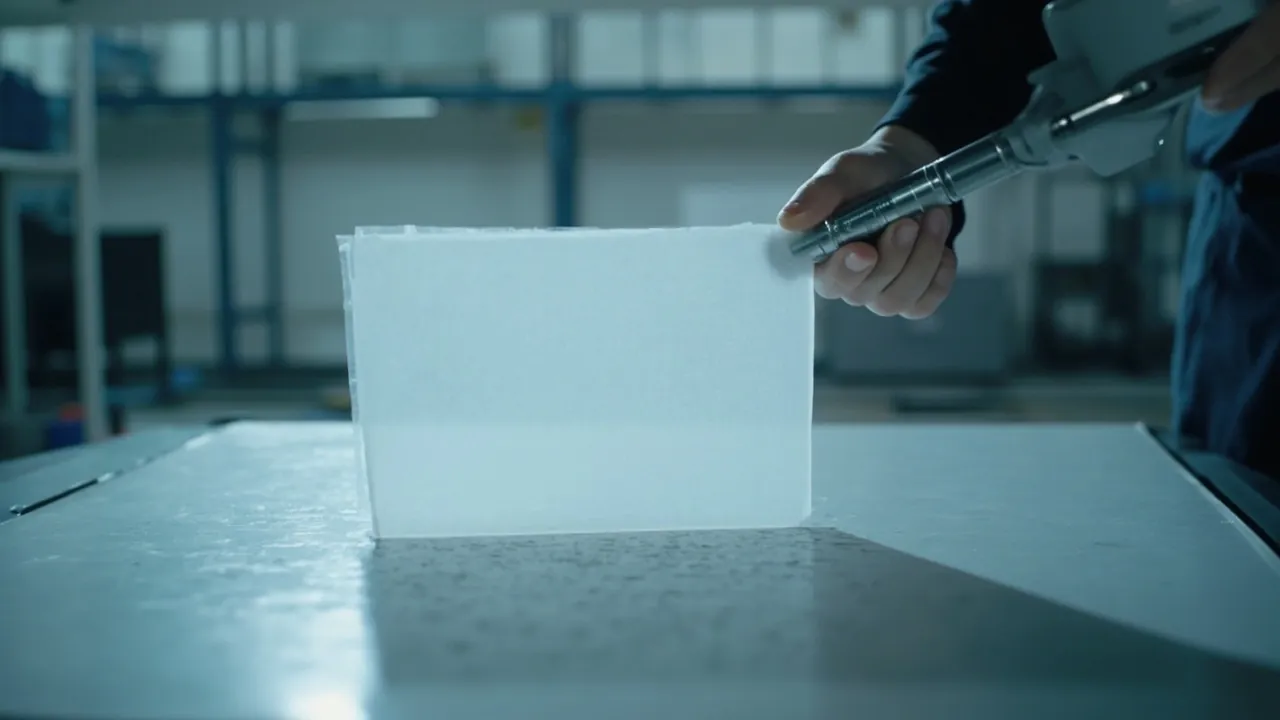
The short answer: a low-temperature brittleness test does not ask whether plastic deforms in the cold. It asks where the material crosses from ductile to brittle fracture. A minus 40 C falling weight impact asks whether the assembled case cracks when struck at that temperature. The first is a material-level test, run to ISO 812 or GB/T 15256 for rubber and ISO 974 for plastics, in which standard specimens are fully cooled in a low-temperature medium, struck by a striker at a defined speed, and the temperature at which 50 per cent of specimens fail is derived statistically as the brittleness temperature, Tb. The second is a product-level test, in which the whole case is soaked in a minus 40 C chamber to thermal equilibrium and then struck with a falling weight or dropped, after which the shell is checked for cracks, the latches and hinges for function, and the seal for retained performance. The two do not substitute for each other. A low material Tb does not guarantee that the assembled case survives impact at minus 40 C, and a passing case does not prove that the material itself is not brittle, because the assembled behaviour is decided by material, wall thickness, radii, weld lines and residual stress acting together.
Low temperature is the most underestimated service environment for a plastic protective case. Many cases that pass an IK08 impact rating comfortably at room temperature will split open after a modest knock at minus 20 C or minus 40 C, and the crack usually starts at a stress concentration: a corner, a latch mounting hole, or an insert root. This is not a sporadic quality defect but the intrinsic behaviour of polymers. As temperature falls, segmental motion of the molecular chains slows. The material shifts from absorbing energy through yielding and plastic deformation to responding only through elastic deformation and fracture, so impact absorption collapses. Winter transport in northern regions, cold-chain warehousing, high-altitude field work and the low-pressure low-temperature environment of an aircraft cargo hold all push a protective case onto that transition curve.
This guide is written for procurement, export and structural engineering staff working with protective cases. It sets out the physics of low-temperature embrittlement, the roles of ISO 812, GB/T 15256, ISO 974 and ASTM D746, the reasoning behind a minus 40 C falling weight judgement, the difference between material-level and product-level testing, the variables that drive the result, the route to compliance through material and structure, and a checklist for reviewing a report. All temperatures, dimensions, speeds and durations quoted are standard or industry-typical values. Binding decisions rest on the released standard and the agreed test plan.
Contents
- What a brittleness test examines, and how a minus 40 C impact is judged
- Low-temperature embrittlement and the ductile-brittle transition
- The standards: ISO 812, GB/T 15256, ISO 974 and ASTM D746
- Test principle: cold bath, striker and specimen
- Specimen preparation and conditioning
- Test procedure and operating detail
- Acceptance criteria: failure types and the 50 per cent temperature
- How a minus 40 C falling weight differs from a low-temperature drop and a low-temperature shock
- How plastics and rubbers differ in the cold
- The variables that drive the result
- Achieving compliance: material, toughening and structure
- Reading the report, and the usual misreadings
- Frequently Asked Questions
- Conclusion and Related Reading
What a brittleness test examines, and how a minus 40 C impact is judged
Separate the two levels of testing first, so that the wrong method is not chosen.
Material-level testing, the brittleness temperature. This follows ISO 812 or GB/T 15256 for vulcanised or thermoplastic rubber, and ISO 974 or ASTM D746 for plastics and elastomers. A set of specimens of defined dimensions is clamped in a defined fixture and soaked in a low-temperature medium to thermal equilibrium. A striker travelling at a defined speed, typically on the order of 2 m/s, strikes each specimen in turn. Groups are tested at several temperatures and the failure ratio recorded. The temperature at which 50 per cent of specimens fail is reported as the brittleness temperature Tb. Tb is a statistical threshold, not an exact physical constant. It varies with specimen thickness, notching, cooling medium, striker speed and specimen count, so the report must state the test conditions or the numbers cannot be compared.
Product-level testing, the minus 40 C falling weight impact. The complete case, normally in its real loaded state, is placed in a minus 40 C chamber and soaked to thermal equilibrium. As a rule of thumb small cases need a few hours and larger ones longer, with the criterion being that the core temperature has stabilised. It is then struck or dropped within a defined time, with striker energy and drop height set by the product specification and customer requirement. Afterwards the case is inspected for shell cracks, latch and hinge failure, case-mouth distortion, and retained sealing performance. The output is pass or fail, not a temperature.
| Dimension | Material brittleness temperature | Product minus 40 C falling weight |
|---|---|---|
| --- | --- | --- |
| Object | Standard specimen | Complete case with latches, hinges and liner |
| Standards | ISO 812, GB/T 15256, ISO 974, ASTM D746 | Customer specification, company standard, MIL-STD-810 methods 502 and 516 combined |
| Output | Brittleness temperature Tb, a statistical value | Pass or fail |
| Main variables | Thickness, notch, medium, speed | Soak time, loading state, impact energy and attitude |
| Purpose | Material selection, incoming consistency | Design freeze, customer acceptance |
| Limit | Does not represent the assembled structure | Does not give a material transition temperature |
One recommendation in a sentence: run material-level Tb during material selection, and run the full-case minus 40 C impact during design freeze and acceptance. Use them as a pair. For the wider temperature test system, see how high and low temperature testing is done and the temperature limits of a protective case.
Low-temperature embrittlement and the ductile-brittle transition
Understanding embrittlement starts with the two fracture modes of a polymer.
Ductile fracture. The material yields first. Segmental slip and orientation, crazing and shear yielding absorb a large amount of energy. The visible result is substantial plastic deformation, stretching, denting or whitening, and only then fracture. This is the normal behaviour of engineering plastics at room temperature, and the reason a case dents rather than splits when knocked.
Brittle fracture. The material undergoes almost no plastic deformation. A small defect at a stress concentration propagates rapidly. The fracture surface is flat, deformation is absent, and there is often a sharp report. Energy absorption may be a fraction of the ductile value.
Falling temperature drives the transition from ductile to brittle. Cooling weakens segmental motion. The yield stress of the material rises faster than its fracture stress, and once yield stress exceeds fracture stress, the material breaks before it can yield, which appears macroscopically as embrittlement. The transition occurs over a temperature band, not at a single point, which is why engineering practice speaks of a ductile-brittle transition temperature, DBTT, describing a region.
Why does engineering use the 50 per cent failure temperature? Because embrittlement in polymers is not deterministic. In the same batch at the same temperature, some specimens break and others do not, depending on the distribution of microscopic defects, orientation and residual stress. Standards therefore adopt a statistical approach: test groups at several temperatures, record the failure ratio, and take the temperature at which the ratio reaches 50 per cent as Tb. The meaning of Tb is that at this temperature approximately half the specimens fail in a brittle manner. It is a relative index for comparing materials and batches, not an absolute line below which a part certainly breaks or above which it is certainly safe.
Engineering consequence: low-temperature impact design should not treat "material Tb below the minimum service temperature" as the only goal. It should retain margin, for example a minimum service temperature several degrees above Tb, and simultaneously reduce stress concentration through structural design. For structural measures, see designing high-strength case structures.
The standards: ISO 812, GB/T 15256, ISO 974 and ASTM D746
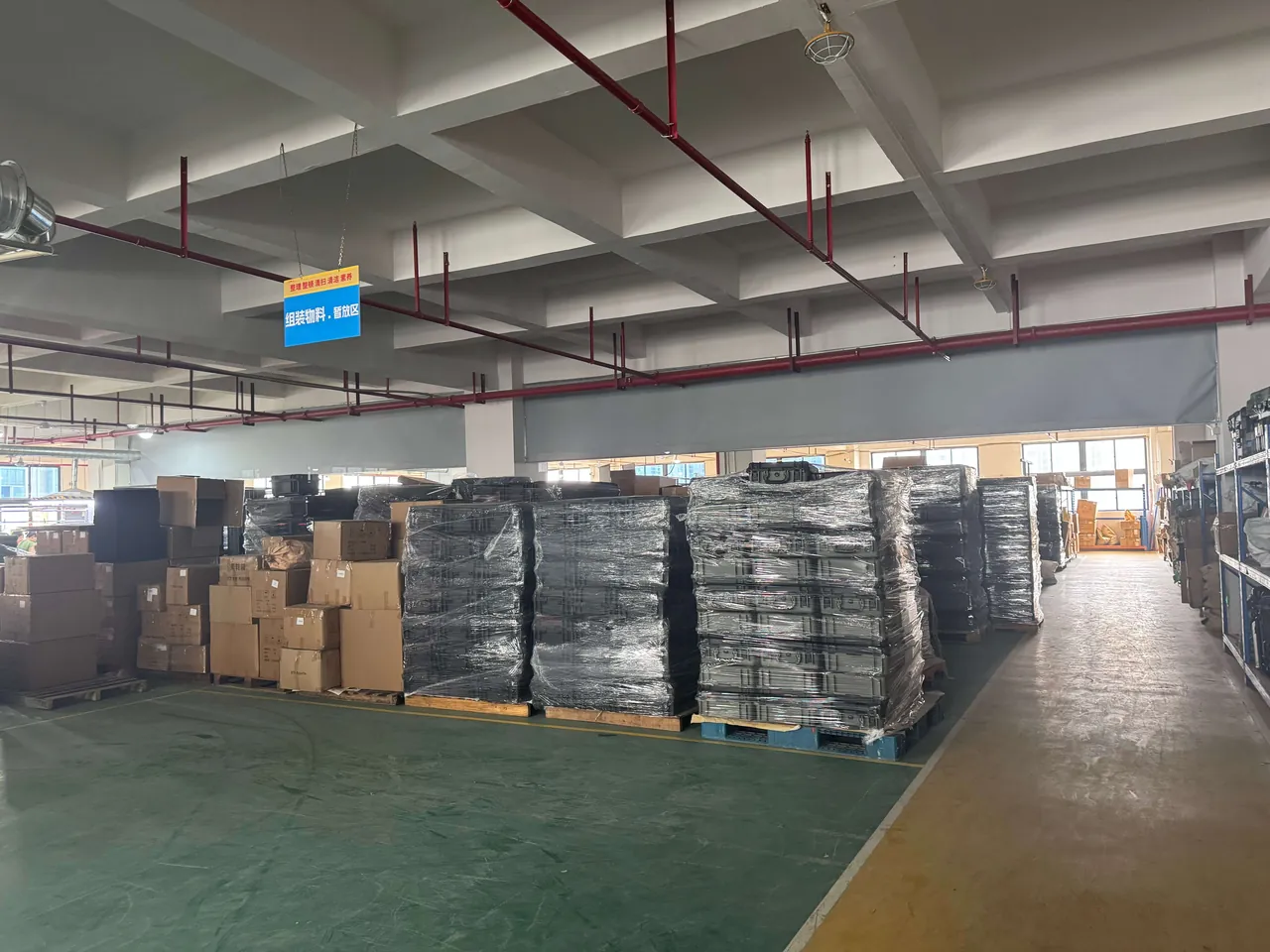
Several standards cover low-temperature brittleness, with different scopes and details. Choosing the wrong one leaves results that do not line up with a customer's requirement.
| Standard | Scope | Method summary | Typical use |
|---|---|---|---|
| --- | --- | --- | --- |
| ISO 812 | Vulcanised or thermoplastic rubber | Defined specimens cooled in a low-temperature medium and struck by a striker, 50 per cent failure temperature derived | Seal and rubber part selection |
| GB/T 15256 | Vulcanised or thermoplastic rubber | The Chinese method, same principle as ISO 812 | Domestic rubber parts and projects |
| ISO 974 | Plastics | Impact method for determining the embrittlement temperature of plastics | Engineering plastic selection and incoming checks |
| ASTM D746 | Plastics and elastomers | Impact determination of brittleness temperature, widely used in North America | Export projects to North America |
| MIL-STD-810 Method 502 | Complete equipment | Low-temperature storage and operation, combined with Method 516 shock | Military and premium equipment |
Three points deserve particular attention. First, the rubber and plastic methods differ. A case shell is plastic and its gasket is rubber, so if a customer writes only that a brittleness test is required without naming the object, confirm whether both the shell material and the seal material need separate testing. Second, results are not interchangeable between standards. Specimen size, cooling medium, striker speed and statistical method differ, so the same material can yield Tb values several degrees apart under two standards. The report must therefore name the standard and revision. Third, material-level standards cannot support a whole-product claim. ISO 812 or ISO 974 gives a material index and cannot be turned into a statement that the assembled case is serviceable at minus 40 C.
For military and premium equipment customers, tie the brittleness work into the military standard system. MIL-STD-810 Method 502 assesses low-temperature storage and operation, Method 516 assesses drop and shock, and low-temperature embrittlement is frequently the physical reason the two combine into a failure. For method selection and tailoring logic, see tailoring MIL-STD-810 testing.
Test principle: cold bath, striker and specimen
Taking an ISO 812 type test as the example, the apparatus has four parts.
- Cold bath and refrigeration. The bath holds a low-temperature medium, commonly ethanol or methanol with dry ice, or a mechanically refrigerated bath, and in some cases liquid nitrogen is used for cooling. The medium must be compatible with the specimen material and must not cause swelling or extraction.
- Specimen fixture. The specimen is held cantilevered or simply supported, with clamping force set as specified. Over-tight clamping introduces additional stress concentration at the root and raises the measured Tb. Under-tight clamping lets the specimen slip during impact and distorts the result.
- Striker and drive. The striker hits the specimen at a defined speed, typically on the order of 2 m/s, at a defined position and in a defined direction.
- Temperature measurement and control. The bath temperature must be stable and monitored continuously, and specimens must be held long enough to reach thermal equilibrium before striking.
Tests are usually organised as a temperature staircase. First, run a coarse scan with a wide step, on the order of 5 C, to bracket the all-fail and all-pass boundaries. Then refine within the transition region with a smaller step, on the order of 2 C, testing a group at each point, commonly around ten specimens, and recording the number of failures. The 50 per cent failure temperature is then derived statistically, for example by probability regression. Specimen count and step size determine the confidence interval of Tb, and the report must state both.
Specimen preparation and conditioning
Specimen preparation is the most overlooked and most scatter-inducing part of low-temperature brittleness testing. Control the following.
- Dimensions and tolerances. Thickness, width and length must fall within the tolerances the standard specifies. Thickness is a sensitive parameter, because a thicker specimen sits deeper in triaxial constraint and embrittles more readily.
- Notching. Whether a notch is used, and its form and depth, must follow the standard. A notch raises constraint and stress concentration substantially and generally raises the measured brittleness temperature, so notched and unnotched results are not comparable.
- Surface condition. Scratches, flash, voids and sink marks all act as crack initiators. Specimens cut from a moulded part are often more brittle than standard moulded specimens, so the report should state the specimen source.
- Orientation and location. Injection mouldings carry flow orientation, so toughness differs along and across the flow direction, and weld lines are the weakest locations. If specimens are taken from a finished part, state the location and direction.
- Conditioning. Specimens must be conditioned to the specified temperature, humidity and time before testing, removing machining residual stress and absorbed moisture. For hygroscopic materials such as nylon, moisture content strongly affects low-temperature toughness, and unconditioned specimens can behave very differently from conditioned ones.
- Count. Each temperature point needs enough specimens for acceptable statistical confidence, commonly around ten.
| Factor | Direction of effect | What the report must state |
|---|---|---|
| --- | --- | --- |
| Specimen thickness | Thicker embrittles more readily | Thickness and tolerance |
| Notch | Notched Tb is generally higher | Notch type and depth |
| Specimen source | Parts cut from mouldings are often more brittle | Location and orientation |
| Conditioning | Moisture and residual stress affect toughness | Conditioning conditions and duration |
| Specimens per point | Determines the confidence interval | Specimen count |
Test procedure and operating detail
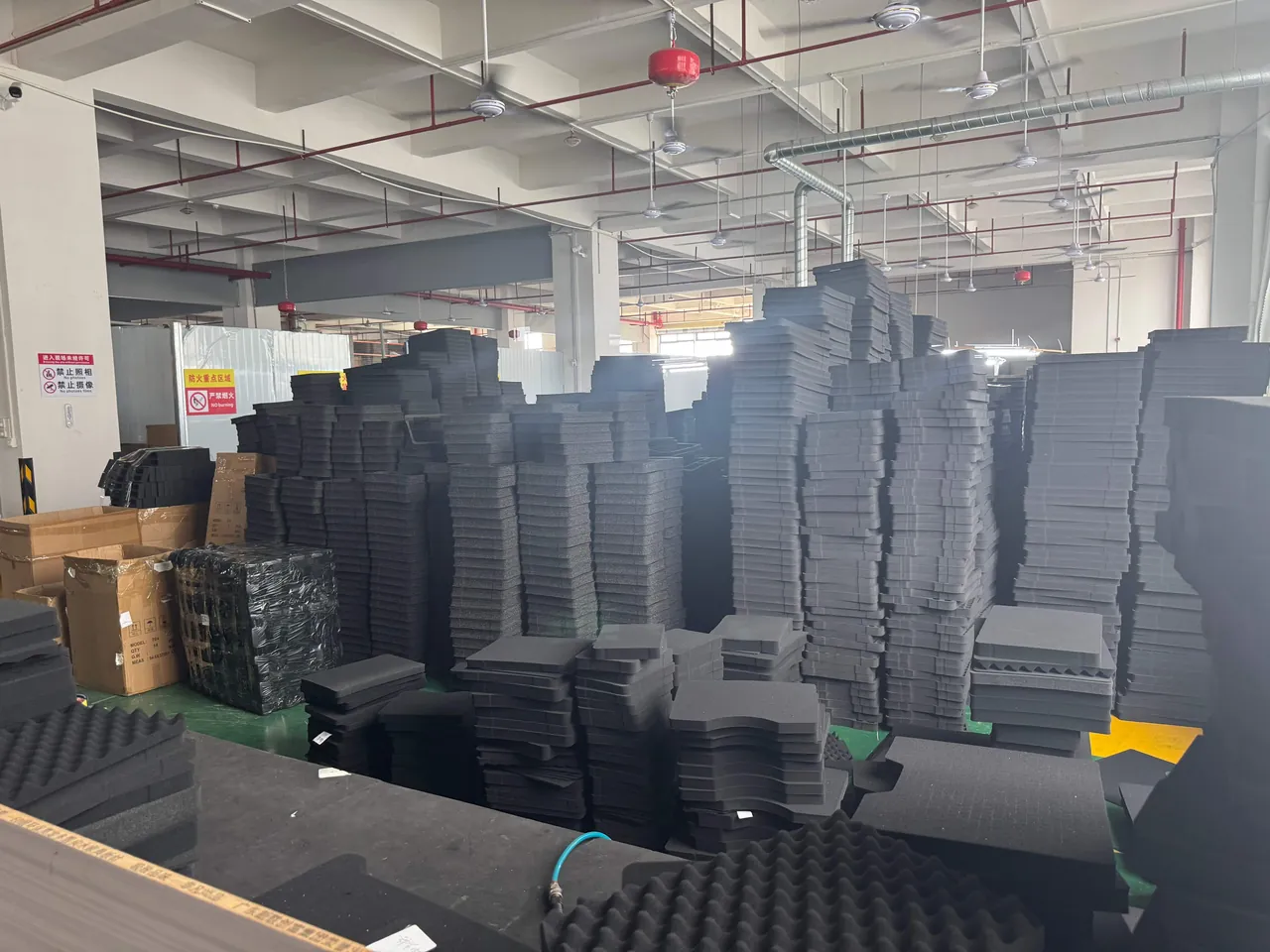
Break the typical flow into steps so it can be written into a work instruction.
- Fix the parameters. Standard and revision, specimen type, notching, striker speed, cooling medium, temperature staircase and specimens per point.
- Prepare and condition specimens. Cut or mould to the standard, inspect for surface defects, complete conditioning and record it.
- Pre-cool. Load specimens into the fixture and immerse in the medium already stabilised at the target temperature, holding long enough for the core to reach equilibrium. Insufficient soak is a common error: the surface reaches the target while the core has not, and the measured Tb comes out too high.
- Strike. Complete the impact within the specified time, retrieve the specimen and classify the failure.
- Record and grade. Record failed and unfailed as the standard defines, and classify partial failures accordingly.
- Advance the staircase. Refine the temperature points between the boundaries until the statistical requirement is met.
- Reduce the data. Derive the 50 per cent failure temperature by the specified statistical method, and report the confidence interval alongside a summary of conditions.
- Issue the report. Attach specimen photographs, fracture surface photographs and the raw data table.
Three operating details are most often missed. First, the interval between removing the specimen from the bath and striking it must be as short as possible, since warming changes the result. Second, the fixture and striker should be pre-cooled, since a warm fixture transfers heat to the specimen on contact. Third, specimens must not be reused at another temperature point, because an impacted specimen already contains internal micro-damage.
Acceptance criteria: failure types and the 50 per cent temperature
Brittleness testing does not treat every visible mark as a failure. Classification follows the standard.
- Fracture. The specimen is completely broken or separated. This is a clear failure.
- Crack. A visible crack without complete separation, normally counted as a failure, with the precise definition taken from the standard.
- Surface damage or whitening. This is plastic deformation or crazing, normally not counted as brittle failure, but it should be recorded, because it shows the material is approaching the transition region.
- No failure. No visible crack or fracture.
The 50 per cent failure temperature is obtained by fitting the failure ratios across the temperature points and taking the temperature at which the failure probability is 50 per cent. That definition requires the report to give the specimens and failures at each point, the statistical or regression method used, and the confidence interval for Tb. A report that gives a Tb number without raw data cannot be assessed for reliability.
For a product-level minus 40 C falling weight test, write the acceptance criteria in three parts.
- Structural integrity. No cracks, fractures or chipping in the shell, lid, corners or latch mounting areas.
- Functional retention. Latches open and close normally, hinges are undeformed, handles are intact, the liner has not worked loose.
- Performance retention. After the test, and after returning to room temperature where relevant, sealing is retested and the dust and water rating still holds.
The sequence matters here. If the goal is to establish whether the case still keeps water out after being struck in the cold, the correct order is cold soak first, impact second, sealing retest last. Run the sealing test before the cold impact and the failure chain in which a case only leaks after being hit will never be found. For the sequence logic, see the temperature limits of a protective case.
How a minus 40 C falling weight differs from a low-temperature drop and a low-temperature shock
These three ideas are frequently conflated, and the differences are substantial.
| Item | Loading | Key variables | Main purpose |
|---|---|---|---|
| --- | --- | --- | --- |
| Minus 40 C falling weight | Defined striker and energy, struck at a point on the surface or a weak location | Impact energy, strike location, soak time | Local impact resistance and material embrittlement |
| Low-temperature drop | Whole case falls freely from a defined height in a defined attitude | Drop height, attitude, loading state | Whole-assembly structure and latches |
| Low-temperature shock, MIL-STD-810 Method 516 | Loading to a defined shock spectrum or pulse | Peak acceleration, pulse width, waveform | Equipment suitability in a shock environment |
| Material brittleness temperature | Striker on a standard specimen | Temperature, thickness, notch | Material selection and incoming consistency |
The relationship can be expressed this way. Material brittleness temperature tells you at what temperature the material starts to become brittle. Low-temperature falling weight and low-temperature drop tell you what happens to the assembled case when it takes one impact at that temperature. Low-temperature shock to a military method tells you whether the assembled case retains function under a defined shock environment. Together they form a complete evidence chain from material to structure, from qualitative to quantitative. They are not three interchangeable options.
A word about minus 40 C itself. It is an extremely common test point for three reasons. It covers extreme low temperatures across almost all inhabited regions, including high-latitude winters, aircraft cargo holds and various cold chain segments. It is the point at which Celsius and Fahrenheit coincide, minus 40 C equals minus 40 F, which simplifies communication with export customers. And most general-purpose engineering plastics have crossed or approached their ductile-brittle transition by that temperature, so it discriminates well between materials and structural designs. Note, however, that minus 40 C does not mean a material only becomes brittle at minus 40 C. Many materials are noticeably brittle by minus 10 C to minus 20 C, so best practice is to set several test points matched to the target markets rather than a single point.
How plastics and rubbers differ in the cold
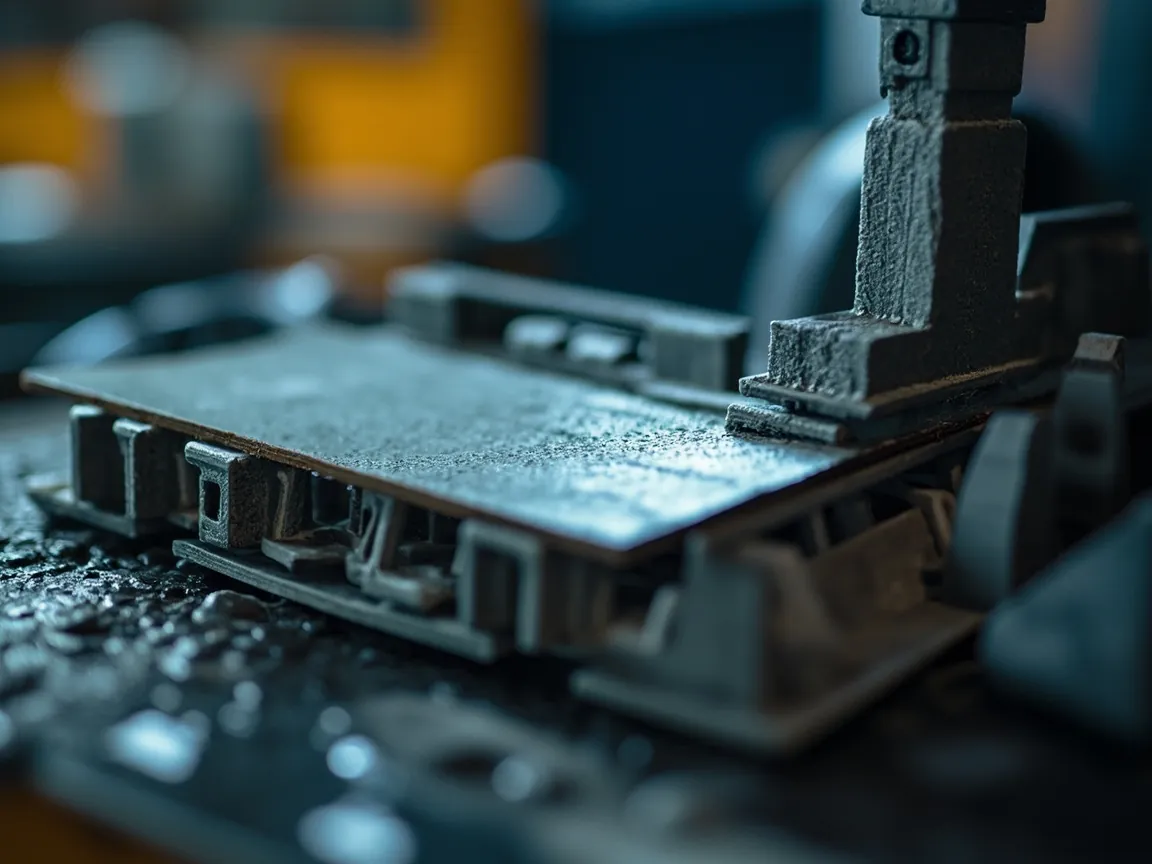
A protective case consists of a plastic shell and rubber seals, and the two behave differently at low temperature. Assess them separately.
Plastic shell, for example PC, PC/ABS, PP, PA or ABS. These are thermoplastics, and low-temperature embrittlement is governed by the glass transition temperature, chain flexibility, toughening system and crystallinity. The empirical pattern is that PC and PC/ABS retain useful toughness to minus 30 C to minus 40 C and below; ABS becomes noticeably brittle; homopolymer PP embrittles sharply while copolymer PP or toughened grades improve markedly; and glass-filled grades generally lose low-temperature toughness, because fibre ends create stress concentrations. In addition, weld lines, gate regions and thickness transitions in a moulding are the weakest locations.
Rubber seals, for example silicone, EPDM, NBR or fluorocarbon. Rubber has no sharp brittleness point of that kind, but at low temperature it hardens, recovers slowly and takes greater compression set. The real low-temperature threat to a seal is not fracture but stiffness. A hardened material cannot follow small distortions of the case mouth, contact pressure falls, and sealing capability is lost in the cold. The low-temperature assessment of a rubber part should therefore focus on low-temperature compression set and low-temperature resilience, with brittleness temperature as an entry-level indicator only. For material selection and ageing, see choosing case seal materials and seal ageing and replacement cycles.
| Material class | Low-temperature behaviour | Key indicator | Points to watch |
|---|---|---|---|
| --- | --- | --- | --- |
| PC / PC+ABS | Good toughness, low transition range | Notched impact versus temperature | Residual stress and solvent stress cracking |
| ABS | Clearly brittle in the cold | Brittleness temperature and impact strength | Thin walls and weld lines |
| PP homopolymer / copolymer | Homopolymer brittle, copolymer improved | Brittleness temperature | Toughener ratio and crystallinity |
| PA nylon | Toughness strongly moisture dependent | Dry versus conditioned comparison | Behaviour after moisture uptake |
| Glass-filled grades | Reduced low-temperature toughness | Notched impact and brittleness temperature | Fibre orientation, stress concentration |
| Silicone | Still flexible when cold | Low-temperature resilience and compression set | Sealing retention below minus 50 C |
| EPDM | Hardens but remains usable | Compression set | Contact pressure at low temperature |
| NBR | Hardens markedly | Brittleness temperature, cold resilience | Seal reliability in severe cold |
The variables that drive the result
The same material can produce very different low-temperature results under different conditions. Control each of the following and state it in the report.
- Temperature and soak time. A specimen that has not reached equilibrium reads optimistically, especially with thick walls or coiled structures.
- Specimen thickness and geometry. Thicker specimens sit closer to plane strain and embrittle more readily; small radii cause premature failure through stress concentration.
- Notches and stress concentrations. Notches, sharp corners, screw holes and insert roots are natural crack initiators and raise brittleness substantially.
- Weld lines. The strength of a weld line in a moulding is typically a fraction of the base material and is weaker still in the cold, making it the usual starting point when a case splits at the corner.
- Internal and residual stress. Uneven cooling, demoulding damage and excessive packing pressure all leave residual stress that promotes cracking in the cold.
- Material ageing. Ultraviolet, heat ageing and plasticiser migration progressively embrittle the material. The brittleness temperature of an aged material is often markedly higher than that of new material, so passing as new does not mean passing after years of service.
- Moisture and plasticiser. Hygroscopic materials such as nylon are more brittle when dry, and plasticiser migration or loss has the same effect as ageing.
- Regrind ratio. Regrind reduces material consistency and low-temperature toughness, so the ratio needs control and batch verification.
- Impact speed and energy. Higher speed pushes the material toward brittle response. Higher energy produces more complete failure but can mask the real transition behaviour.
- Loading state. In full-case testing, heavy contents produce a secondary impact after the first, and that is a common cause of shell cracking.
In one sentence: low-temperature embrittlement is not a material problem alone. It is the combined result of material, structure, process and ageing. Changing only the material, without changing structure and process, often fails to solve it.
Achieving compliance: material, toughening and structure
Passing a minus 40 C falling weight test requires three routes in parallel.
Route one, material selection and toughening. Prefer base polymers with good low-temperature toughness such as PC, PC/ABS or copolymer PP, and where necessary raise cold impact strength through an elastomer toughening system. Avoid excessively high glass fibre content purely for stiffness, because glass fibre sharply reduces low-temperature toughness. For seals, choose materials with good low-temperature resilience and low compression set, such as silicone or EPDM. For the wider material logic, see choosing plastic materials for a protective case.
Route two, structural reduction of stress concentration. Increase fillet radii, avoid sharp corners and abrupt thickness changes, thicken locally at corners and latch mounting areas, add ribs to raise stiffness, and keep weld lines out of high-stress zones by adjusting gate position. Practical experience is that most low-temperature cracking is not caused by an inadequate material but starts at a sharp corner or a weld line. Changing the structure is often more effective than changing the material. See designing case reinforcement ribs and designing high-strength case structures.
Route three, process and verification. Control moulding parameters to reduce residual stress, including adequate mould temperature, balanced packing and even cooling, control the regrind ratio, and avoid demoulding damage. During design validation, build cold soak, falling weight or drop, and seal retest into one chain, and consider adding an ageing pre-treatment such as ultraviolet or heat ageing before the cold impact, so that the result reflects service condition. For the corresponding impact rating framework, see IK ratings and impact protection for cases.
| Measure | Effect | Typical practice |
|---|---|---|
| --- | --- | --- |
| Low-temperature base material | Reduces intrinsic embrittlement | PC, PC/ABS, copolymer PP |
| Elastomer toughening | Raises cold impact absorption | Add toughener and verify batch consistency |
| Larger fillet radii | Lowers stress concentration | Increase radii at corners and internal corners |
| Optimised gates | Moves weld lines away from high stress | Adjust gate position and flow balance |
| Residual stress control | Removes crack initiation sites | Higher mould temperature, balanced packing and cooling |
| Seal cold resilience | Maintains contact pressure when cold | Silicone or EPDM, verify compression set |
| Post-ageing retest | Reflects toughness in service | Age first, then cold impact |
Reading the report, and the usual misreadings
When a brittleness or minus 40 C falling weight report arrives, check the following.
- Test type. Is it a material brittleness temperature test or a product-level full-case impact? The conclusions are not interchangeable.
- Standard and revision. ISO 812, GB/T 15256, ISO 974, ASTM D746 or a customer specification, and which edition?
- Specimen information. Dimensions, thickness, notching, source, whether a standard moulding or taken from a part, plus location and orientation.
- Test conditions. Cooling medium, target temperature, soak time, striker speed, specimens per point and temperature step.
- Data and statistics. Failure ratios at each point, the statistical method used, Tb and its confidence interval.
- Full-case details. Model and configuration, loading state and ballast, soak time, falling weight energy and strike location, attitude sequence.
- Acceptance and retest. How are the criteria defined? Was the case returned to room temperature and sealing retested? Are photographs and fracture surface images attached?
- Change rules. Does a change in material, structure, process or regrind ratio trigger re-verification?
Four misreadings deserve particular attention. First, using a material Tb to claim whole-product low-temperature performance, ignoring the effect of structure and weld lines. Second, ignoring soak time, so the surface is at temperature while the core is not, producing an optimistic result. Third, testing only new parts and not aged ones, ignoring the rise in brittleness temperature after ageing. Fourth, treating no crack as no risk, ignoring the hidden failure in which a hardened seal loses the ingress protection rating. For how low temperature combines with other environmental stresses, see how high and low temperature testing is done.
Frequently Asked Questions
Q: What is the difference between a low-temperature brittleness test and a minus 40 C falling weight impact? A: They operate at different levels. The brittleness test is a material-level test to ISO 812, GB/T 15256, ISO 974 or ASTM D746. Standard specimens are cooled to thermal equilibrium in a low-temperature medium, struck by a striker at a defined speed, and groups are tested at several temperatures so that the temperature at which 50 per cent fail can be derived as the brittleness temperature Tb. The output is a temperature, used to compare materials and batches. The minus 40 C falling weight is a product-level test. The complete case, including latches, hinges and liner, is soaked at minus 40 C to equilibrium, struck by a falling weight of defined energy at a defined location, and then judged for shell cracking, latch and hinge failure, and retained sealing. The output is pass or fail. They cannot substitute for each other. A low material Tb does not guarantee that the assembled case survives impact, because assembly behaviour also depends on wall thickness, radii, weld lines and residual stress, and a passing case does not prove that the material is not brittle at an even lower temperature. Run material testing during selection and full-case testing at design freeze and acceptance.
Q: Does Tb mean the material definitely breaks below that temperature? A: No. Tb is a statistically derived 50 per cent failure temperature. Its meaning is that at this temperature approximately half the specimens fail in a brittle manner. It describes the ductile-brittle transition region rather than an absolute safety line. The reason is that embrittlement in polymers is probabilistic: in the same batch at the same temperature, some specimens break and some do not, depending on the distribution of microscopic defects, molecular orientation, residual stress and surface condition. In service, a temperature slightly below Tb does not necessarily cause immediate fracture, and a temperature clearly above Tb does not guarantee safety either, because a real part contains notches, weld lines, screw holes and residual stress that a standard specimen does not. Use Tb as a relative index for material selection and batch consistency, and retain design margin, for example a minimum service temperature comfortably above the material Tb combined with structural measures that reduce stress concentration.
Q: Where does minus 40 C come from, and why is it used so widely? A: Minus 40 C is a widely used test point for three reasons. First, it covers the extremes of almost every inhabited environment, including high-latitude winters, aircraft cargo holds, various cold chain segments and outdoor work in northern regions, so it is representative. Second, minus 40 C and minus 40 F are numerically equal, the crossover point of the two scales, which makes communication with North American and European customers straightforward with no conversion required. Third, most general-purpose engineering plastics have crossed or approached their ductile-brittle transition by that temperature, so the point discriminates well between materials and structural designs. Note, however, that minus 40 C does not mean a material only becomes brittle at that temperature. Many materials are clearly brittle by minus 10 C to minus 20 C, and real service temperature varies continuously rather than holding constant. Best practice is to set several test points matched to the target market, for example minus 20 C, minus 30 C and minus 40 C, and assess each.
Q: Are the test methods the same for plastics and rubbers? A: No. The focus is completely different. A plastic shell is a thermoplastic, and its low-temperature problem is the ductile-brittle transition, that is, the shift from absorbing energy through yielding and plastic deformation to fracturing with almost no plastic deformation. The appropriate methods are brittleness temperature determination and low-temperature impact, and the criteria look at cracking and fracture. Rubber seals show no such sharp transition. Their low-temperature problem is hardening, slow recovery and increased compression set. The real threat to a seal at low temperature is stiffness rather than fracture. A hardened material cannot follow small distortions of the case mouth, contact pressure falls, and sealing is lost in the cold. The low-temperature assessment of a rubber part should therefore focus on low-temperature compression set, cold resilience and sealing retention, with brittleness temperature as an entry indicator only. For a protective case the shell and the seal must be assessed separately, and the assembly must be retested for ingress protection after low-temperature conditioning to cover both failure paths.
Q: Why is soak time so important in low-temperature testing? A: Because the test is about the true core temperature of the specimen or assembly, not the surface temperature. Plastics are poor conductors of heat, and for thick walls or a complete case with a liner, reaching thermal equilibrium from surface to core takes considerable time. The surface may reach the set point within tens of minutes while the core needs hours or more. Striking before the core has equilibrated means testing a sample that is cold outside and warm inside, which raises the measured toughness, that is, produces an optimistic result and conceals real risk. The correct practice is to monitor core temperature with a thermocouple, confirm that it has reached the target and stabilised before starting the clock and the test, and record the soak duration. Environmental test systems and military standards both require a defined temperature stabilisation period. The interval between removing the sample and striking it should also be short, and the fixture and striker should be pre-cooled, because contact heat transfer changes the surface temperature of the specimen.
Q: If a new case passes the low-temperature test, is long-term service assured? A: No. Materials age in service, and ageing generally makes them more brittle. Ultraviolet radiation causes chain scission and crosslinking, heat ageing accelerates oxidation, and plasticiser migration or loss reduces flexibility. All of these raise the brittleness temperature over time, so a material with toughness at minus 40 C when new may approach embrittlement at minus 20 C several years later. Testing new parts alone is therefore insufficient. The correct approach is to add an ageing pre-treatment, running standard ultraviolet, heat or hygrothermal ageing first and then the low-temperature impact, so that the conclusion covers retained performance after ageing. This matters particularly for products exported to high-ultraviolet or high-temperature regions. Seals should be included as well, because aged rubber recovers even less well in the cold and loses sealing capability more noticeably, which does not show as cracking and is easily missed.
Q: Where do cracks usually start when a case fails in the cold? A: In practice crack initiation is highly concentrated at a few stress raisers. The first is corners and internal transitions, especially where fillet radii are small or a sharp corner exists, since the stress concentration factor under impact is high. The second is weld lines. A weld line formed where two melt fronts meet in a moulding typically has a fraction of the base strength and is weaker still in the cold, so if the gate design places a weld line in a high-stress zone, cracking is almost inevitable. The third is latch mounting holes, hinge bosses and insert roots, where holes and inserts create natural notches and interfaces. The fourth is thickness transitions, where uneven cooling leaves residual stress that becomes a crack initiator in the cold. The improvement priority therefore runs as follows: identify the crack origin first, then increase radii, optimise gates to move weld lines out of high-stress areas, thicken locally at corners and mounting areas, and only then consider changing the material. That sequence is usually cheaper and more effective than simply switching polymer.
Q: If the case does not crack in the cold, can it still fail the requirement? A: Yes. No crack is only the pass line for structural integrity, not for function and performance. Two classes of change occur at low temperature that are hard to see. The first is seal hardening and compression set: rubber stiffens and recovers slowly when cold, cannot follow the small distortion of the case mouth after impact, loses contact pressure, and the ingress protection rating can quietly fall away. The second is latch and hinge function: a brittle material can develop micro-cracks in a snap feature that are invisible to the eye and fracture after repeated operation, while hinge clearances change with cold contraction and produce abnormal opening force. In addition, the case may carry invisible internal stress damage that does not show immediately and develops into a crack during later use. A proper verdict is written in three parts: structural integrity, meaning no cracks or fractures; functional retention, meaning latches, hinges and handles operate correctly; and performance retention, meaning sealing still complies after returning to room temperature. Judging only the absence of cracks misses most of the real risk.
Q: If a cold impact test fails, should the material or the structure be changed? A: Locate the crack origin first, then decide the direction of change. In most cases structural changes give a better return than a material change. Inspect and photograph the crack initiation point after the test and establish whether it sits at a radius, a weld line, a screw hole or a thickness transition. If it starts at a sharp corner or a small radius, increase the fillet radius and thicken locally. If it starts at a weld line, adjust gate position and flow balance to move the weld line away from high-stress areas. If it starts at a latch hole or an insert root, convert to a blind hole, add a shoulder and undercut, and avoid a through-wall design. Only when the crack starts uniformly in the bulk material and no obvious stress concentration remains should the base polymer, toughening system or regrind ratio be reconsidered. Also check whether the moulding process is leaving residual stress through low mould temperature, excessive packing pressure or demoulding damage. Any change should be re-verified through the complete chain of ageing pre-treatment, cold impact and seal retest, not a single repeated test.
Conclusion and Related Reading
Back to the question in the title. A low-temperature brittleness test examines the ductile-brittle transition of the material and derives, to ISO 812, GB/T 15256, ISO 974 or ASTM D746, the temperature at which 50 per cent of specimens fail. That temperature is a statistical index, not an absolute line. A minus 40 C falling weight impact examines the structural integrity, functional retention and performance retention of the assembled case after impact at that temperature, and the verdict should be written in three parts rather than judged only on whether a crack appeared. One supports material selection and the other supports design freeze and acceptance, and together they form a complete evidence chain. Low-temperature failure in a protective case is rarely a material problem alone. It is the combined result of material, structure, process and ageing, and weld lines, fillet radii, screw holes and insert roots are the most common crack origins.
Three actions follow. First, keep material-level and product-level testing separate, in execution and in reporting, using Tb for material selection and incoming comparison and full-case impact for design freeze and customer acceptance, with standard revision, specimen information and all test conditions stated. Second, write cold soak first, impact second and sealing retest last into the test sequence, specifically to catch the hidden failure in which cold hardening degrades the ingress protection rating. Third, build ageing pre-treatment into the verification chain, running ultraviolet or heat ageing before the cold impact so that new-part compliance does not conceal in-service cracking.
JUNZHJIA, manufactured by KeXin New Materials (Guangdong) Co., Ltd., produces protective cases, tool cases, military-specification storage cases and waterproof junction boxes for wholesale, distribution, OEM and ODM supply worldwide. We can recommend base materials and toughening systems based on a customer's target market temperatures and service conditions, optimise fillet radii, rib structure and gate layout, supply material data, structural documentation and test records, and agree low-temperature verification items and acceptance wording with the customer.
Related Reading