

Boxknow
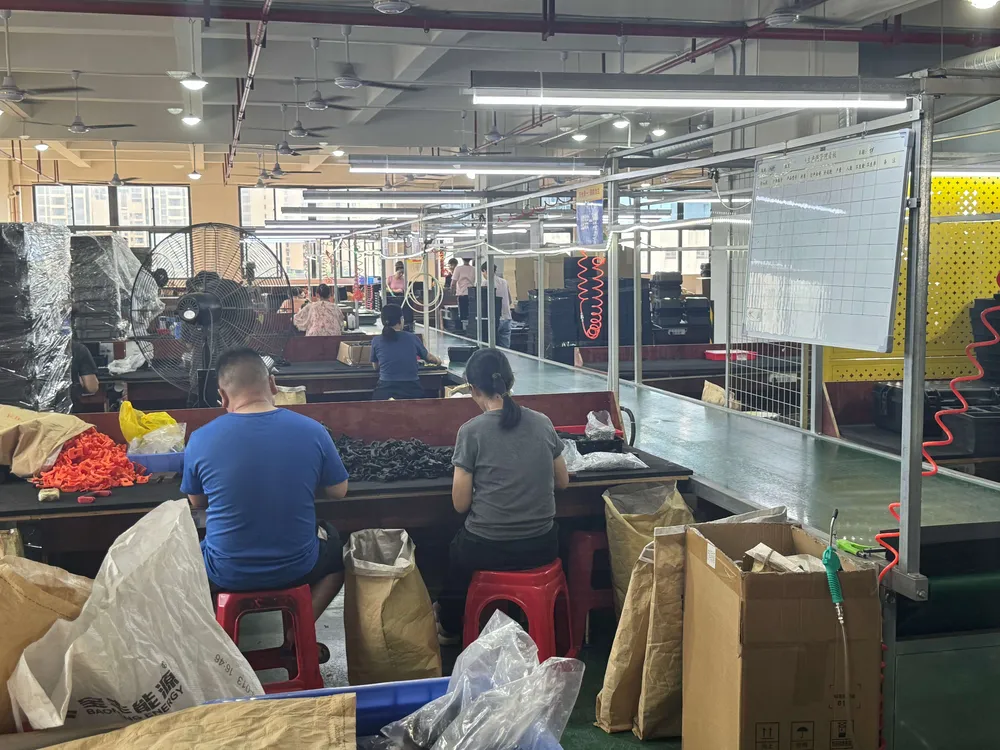
How to Negotiate Protective Case Pricing Without Trading Away Quality
Price negotiation works best when it targets the cost structure rather than the number. Quantity, lead time, specification, payment terms and commitment length all move price — and most of them cost less than silently downgrading the product.
Read Article →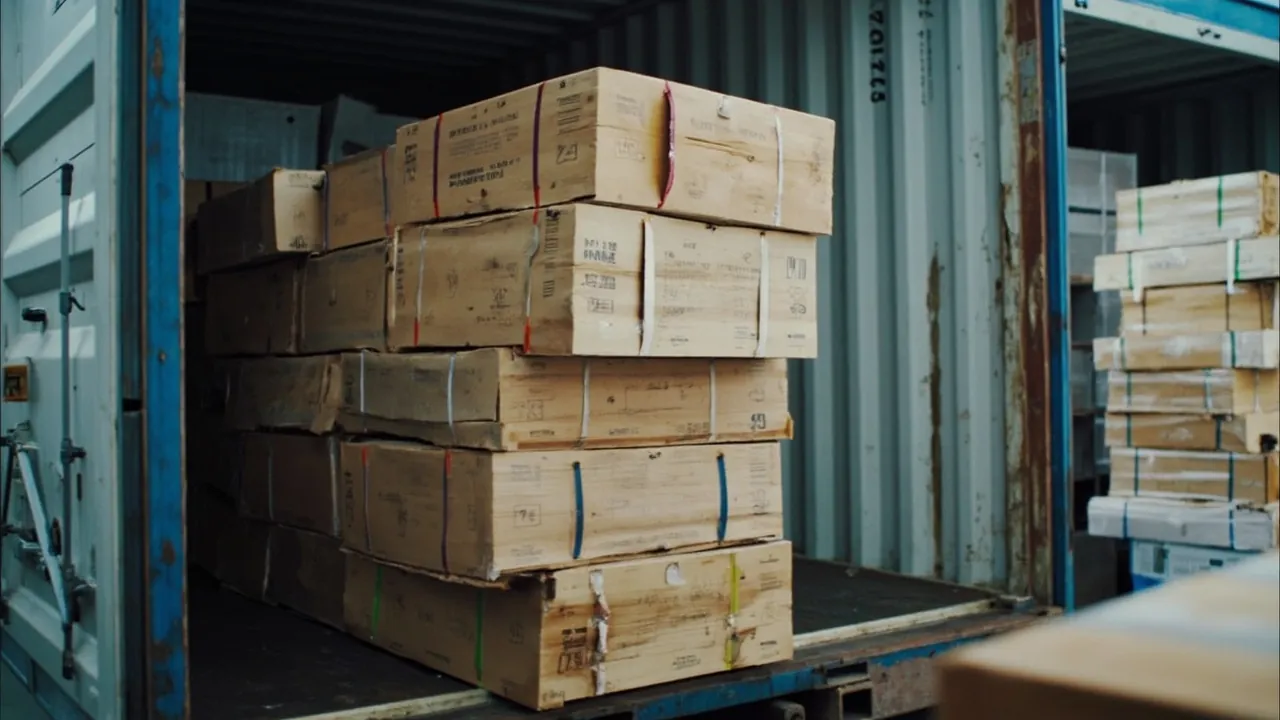
Incoterms and Freight Options for Case Shipments: Choosing Where Risk Transfers
An Incoterms rule answers three questions: who pays, who arranges transport, and at which point risk passes to the buyer. Choosing well depends on how much control you want and how much logistics capability you have.
Read Article →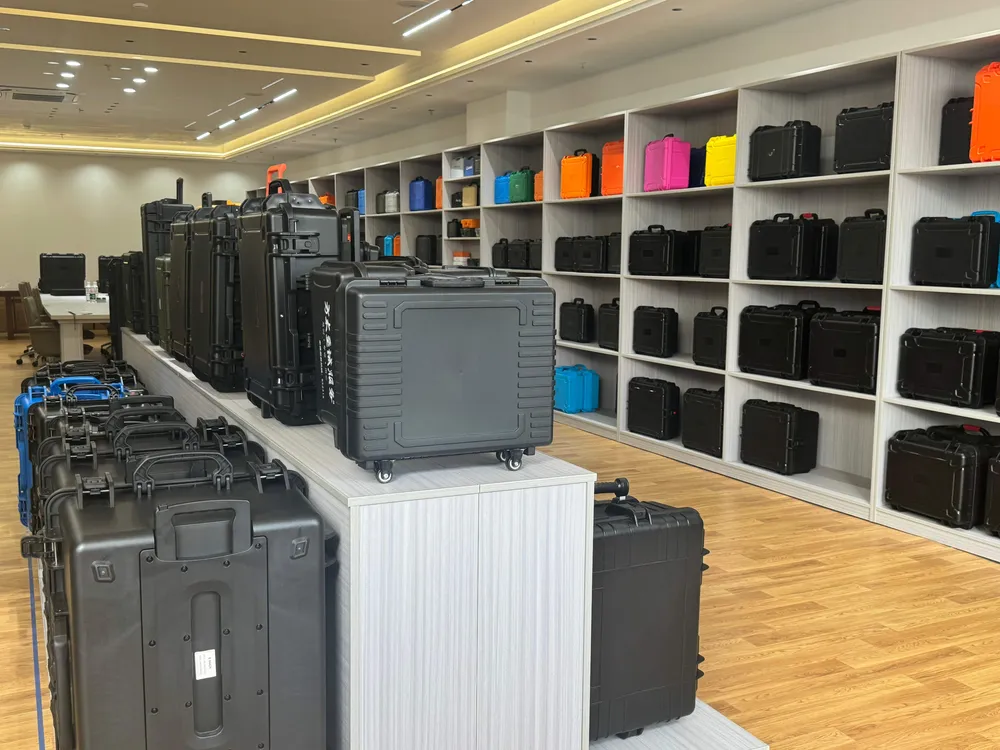
Case Gasket Ageing: How to Tell When a Seal Needs Replacing
A gasket rarely fails all at once. It loses compression set first, then resilience, then material integrity. Recognising the early signs and replacing on condition rather than on a fixed date keeps a case sealed through its working life.
Read Article →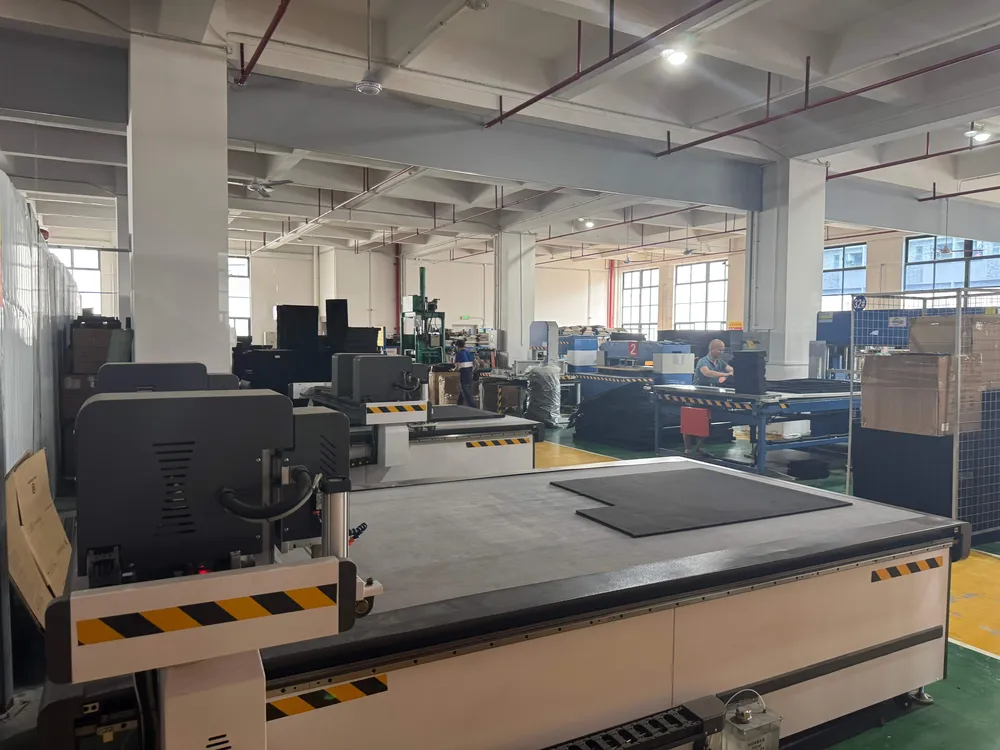
Replacing and Re-Cutting Case Foam: When to Repair and When to Start Over
Foam is the part of a case that wears fastest. Small changes can be cut into an existing liner, but once compression, tearing or shedding sets in, patching costs more than replacing — and protects less.
Read Article →
TSA Locks and Airline Travel with Equipment Cases: What to Expect
A TSA-recognised lock lets security open a case for inspection without destroying the lock. It is an inspection convenience, not a security device — and knowing that distinction changes how you pack valuable equipment.
Read Article →
Travel Humidor Case Guide: Keeping Cigars at 65–70% RH on the Road
Cigars hold best at 65–70% relative humidity and 18–21 °C, kept below 21 °C to deter tobacco beetles. A crushproof hard case supplies the seal and the impact protection; a two-way humidity pack supplies the climate. You need both.
Read Article →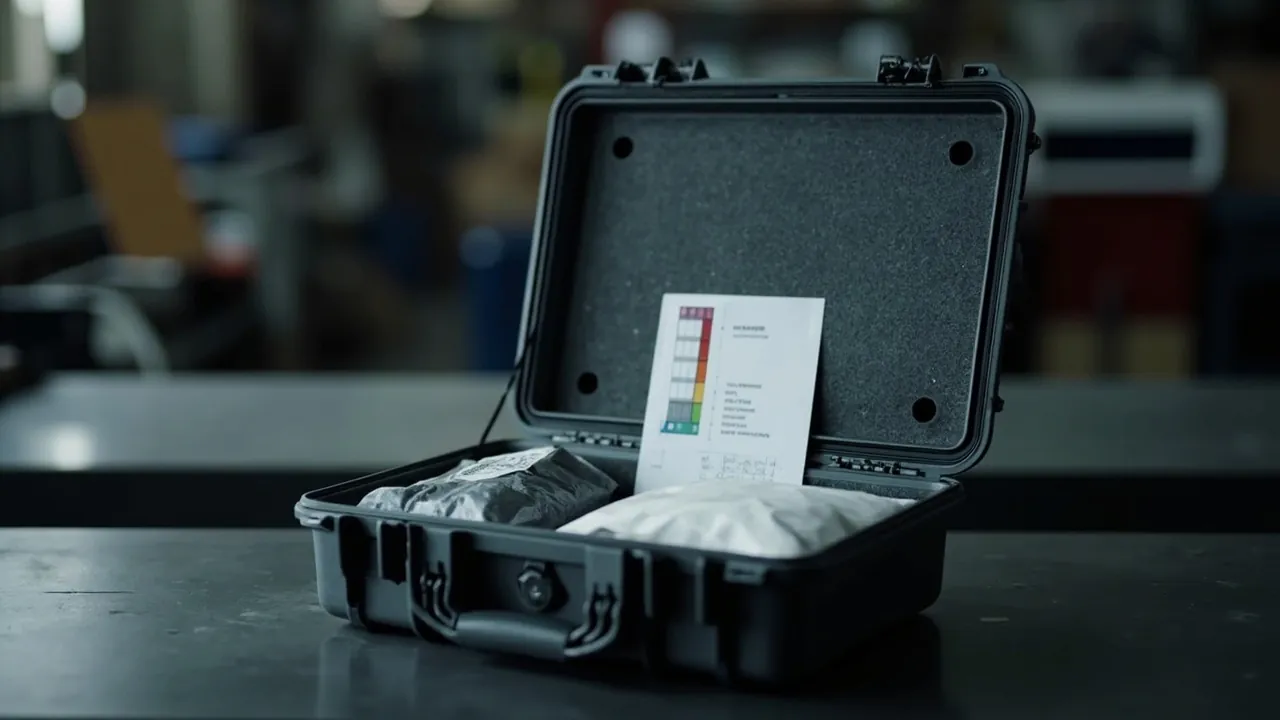
Condensation Inside Cases: Why Dry Equipment Comes Out Wet
Condensation happens when a surface falls below the dew point of the air around it. In a sealed case that means a cold night, a warm vehicle, or wet equipment packed too soon — and the water appears exactly where it does most harm.
Read Article →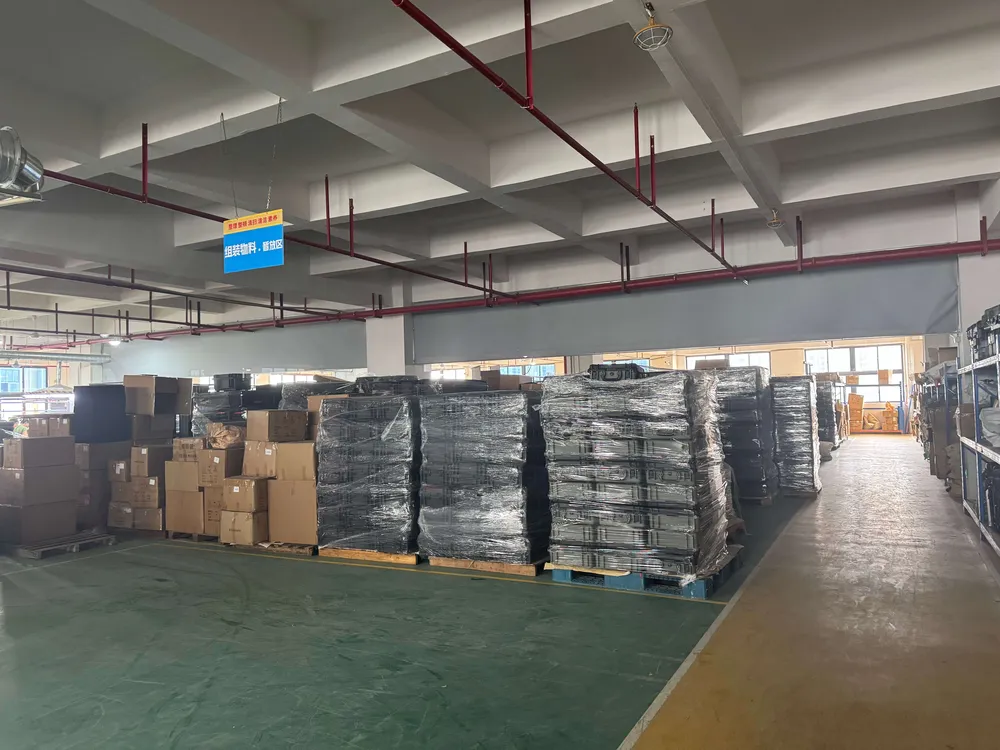
Storing Cases in the Warehouse: Stacking Limits and Moisture Control
Long-term storage deforms cases through sustained stacking load and damages contents through humidity. Both are slow, both are preventable, and both are usually discovered only when the stored equipment is finally needed.
Read Article →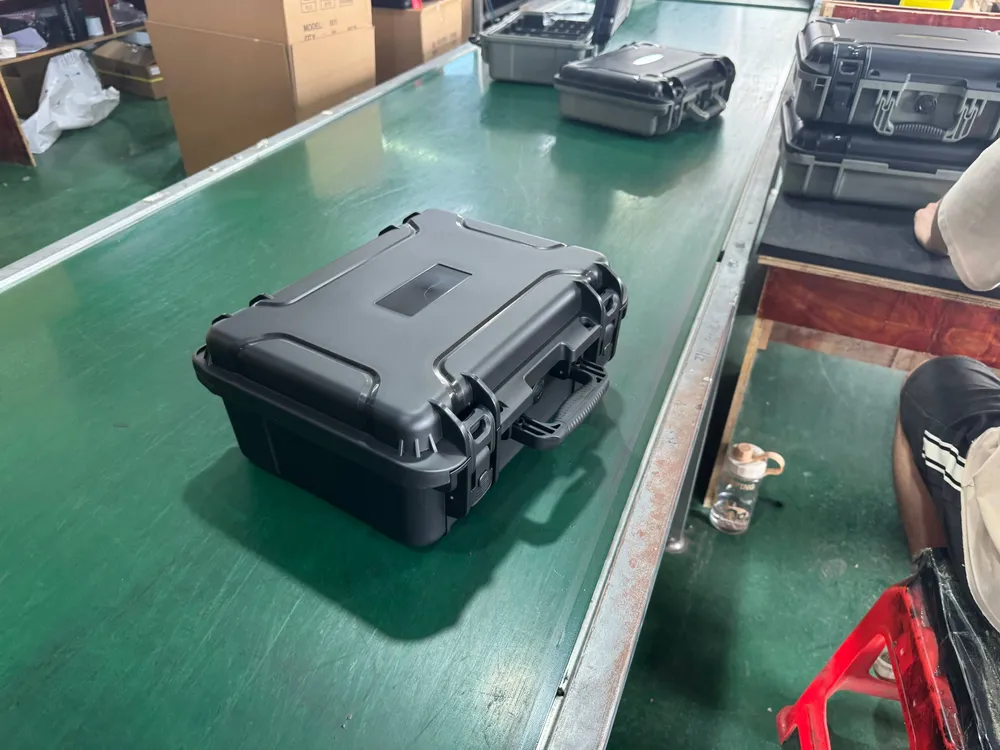
Leak Testing Protective Cases: Pressure Decay, Bubble and Tracer Methods
Leak testing answers a question that visual inspection cannot: not whether a case looks sealed, but whether it actually holds pressure. The main methods differ in sensitivity, speed and whether they locate the leak.
Read Article →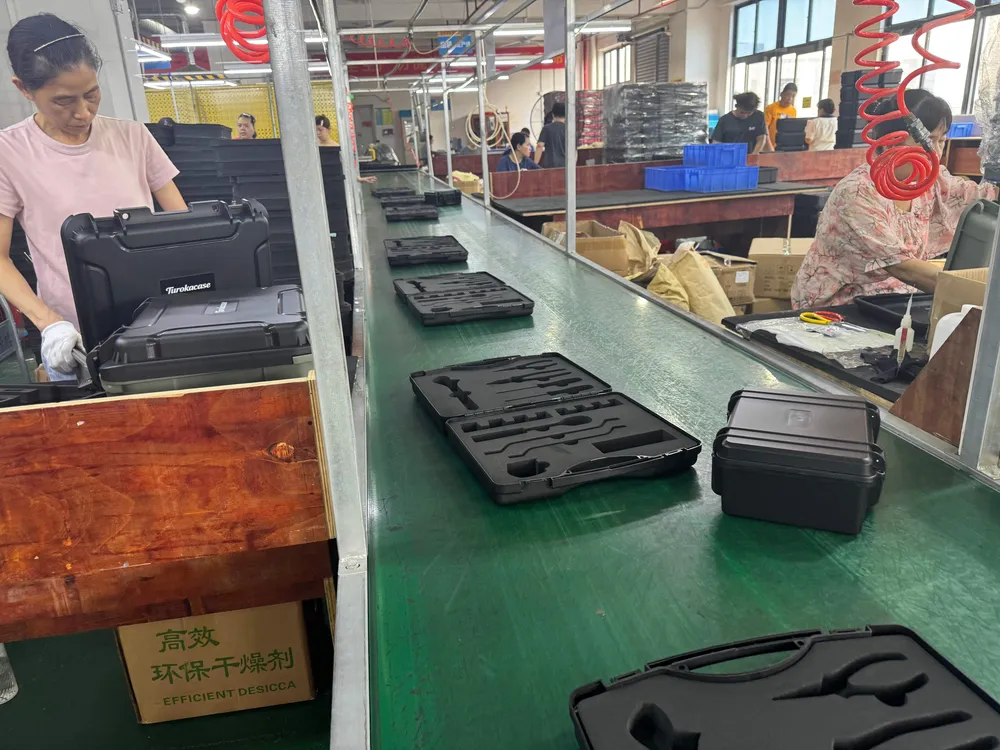
Vibration Testing for Transport Cases: What Resonance Reveals
Vibration testing finds a different class of failure from drop testing. Instead of one large impact, it applies many small ones, which is where resonances, loosening hardware and fatigue cracks show up.
Read Article →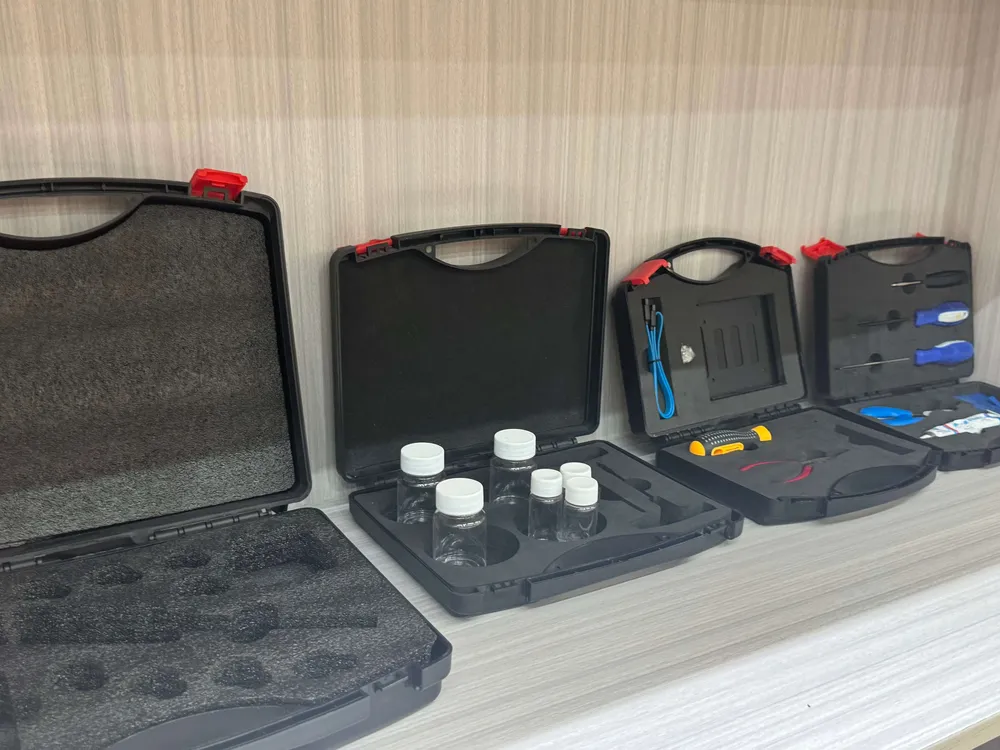
Wall Thickness and Structural Design in Moulded Case Shells
Making a case stronger by thickening its walls is the obvious move and usually the wrong one. Ribs, corner geometry and section transitions deliver stiffness with less material, a faster cycle and fewer moulding defects.
Read Article →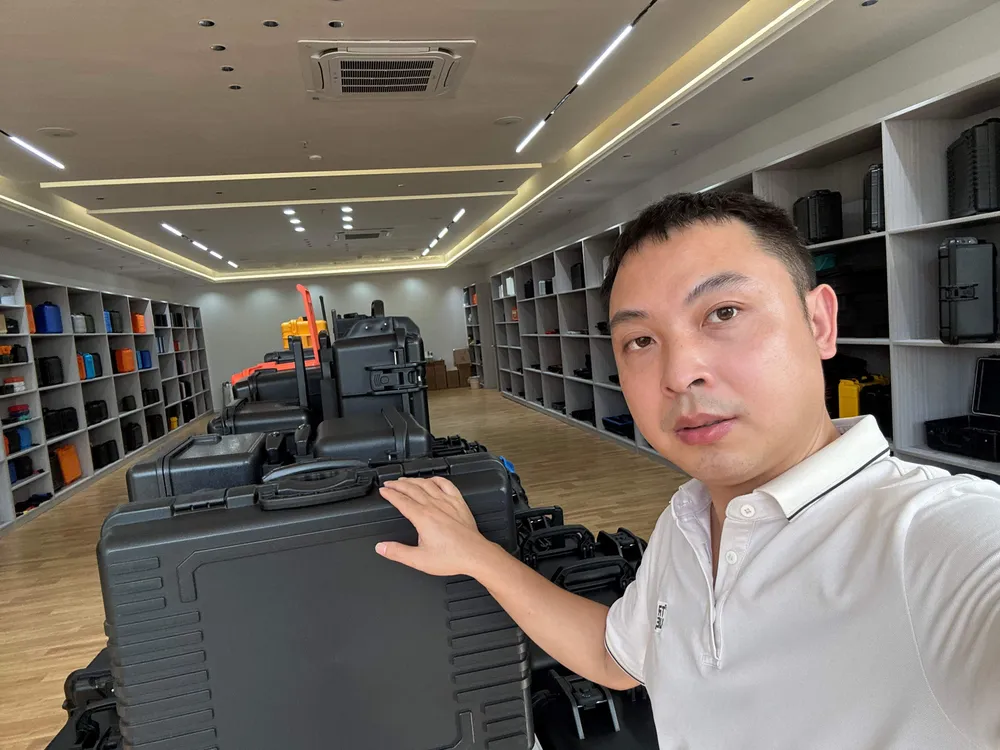
Hinge and Latch Design: The Parts That Decide a Case's Working Life
Cases rarely fail because the shell breaks. They fail because a latch stops holding, a hinge wears, or a fastener works loose — which is why hardware design, serviceability and replacement parts matter as much as the moulding.
Read Article →