

Boxknow

How to Write a Protective Case RFQ That Gets Accurate Quotes
Most protective case quotes are vague because most RFQs are vague. A request that states the payload, the environment, the protection target, the quantity and the acceptance criteria lets a supplier price honestly instead of padding for unknowns.
Read Article →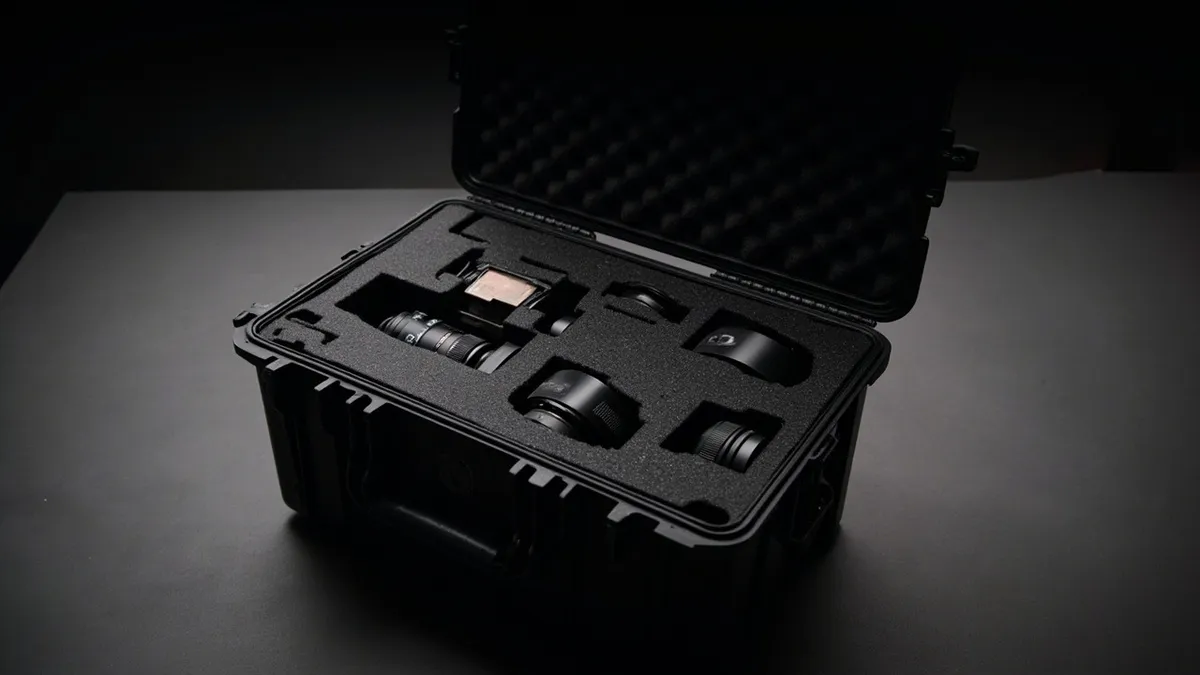
Camera Equipment Case Guide: Hard Case Sizing, Foam Buffer and Moisture Control
For air travel and wet or dusty locations, a sealed hard case beats a soft bag. Leave at least one inch of foam between each item and the case wall, keep heavy bodies low and delicate optics toward the centre, and run two to three fresh silica gel packets inside.
Read Article →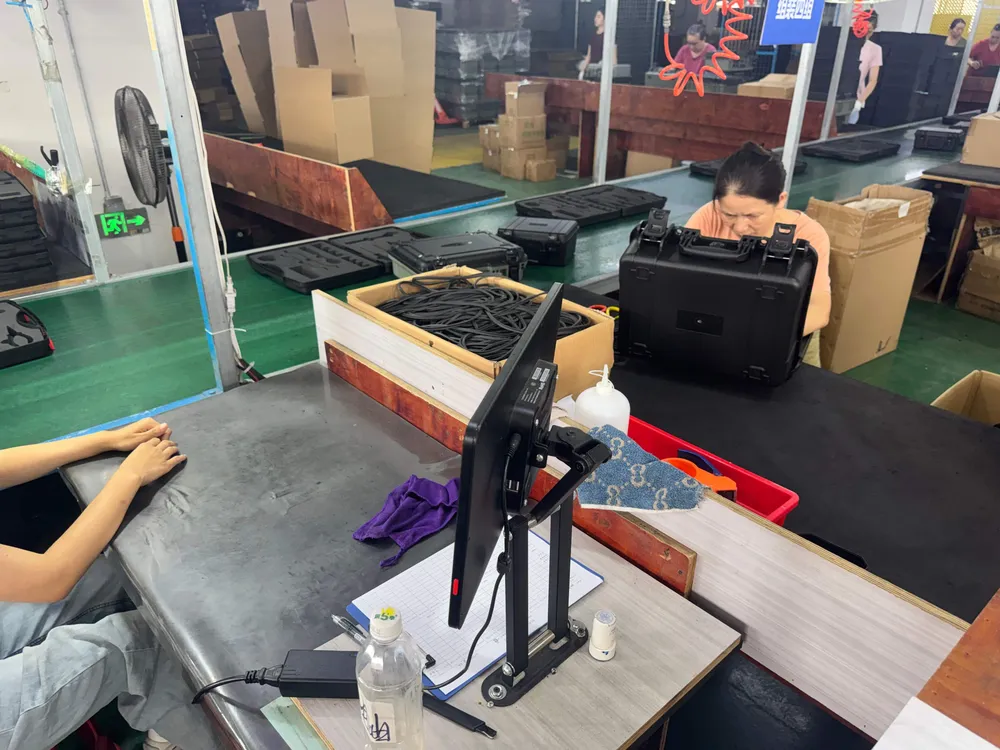
Total Cost of Ownership for Protective Cases: Looking Past Unit Price
Unit price is the most visible cost of a protective case and usually the smallest part of what it costs to own one. Purchase, freight, duty, replacement, downtime and the risk to the payload all belong in the comparison.
Read Article →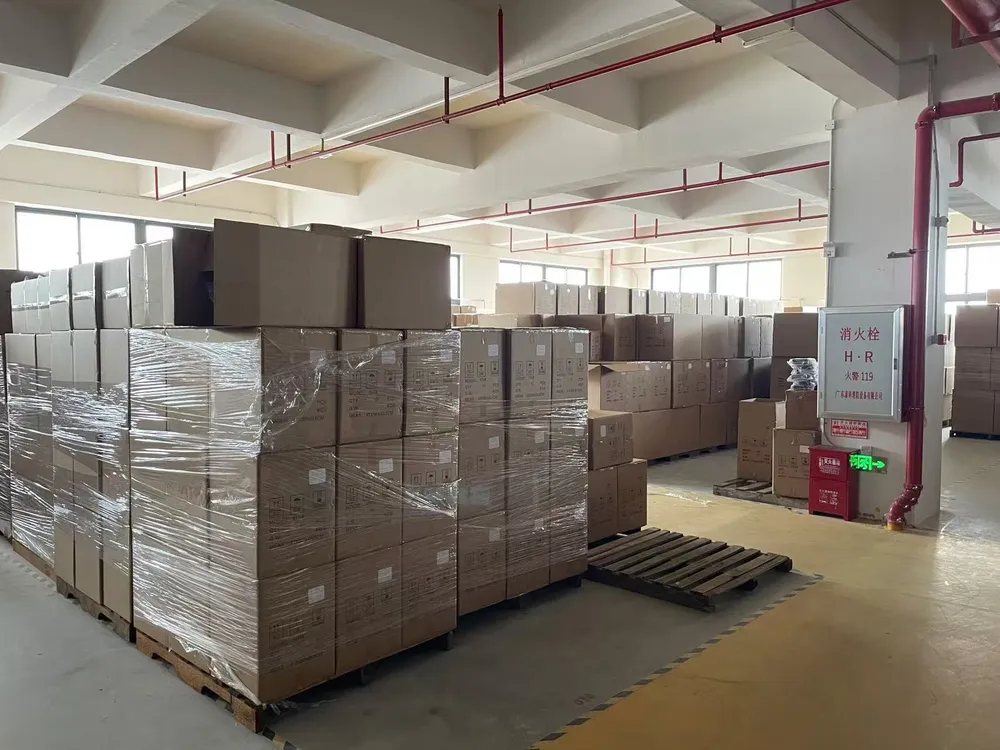
Pre-Shipment Inspection for Protective Cases: AQL, Checklists and Defect Classes
Pre-shipment inspection turns quality from a promise into a measurement. Using a recognised sampling standard, an agreed defect classification and a written checklist, a buyer can verify a production run before it leaves the factory.
Read Article →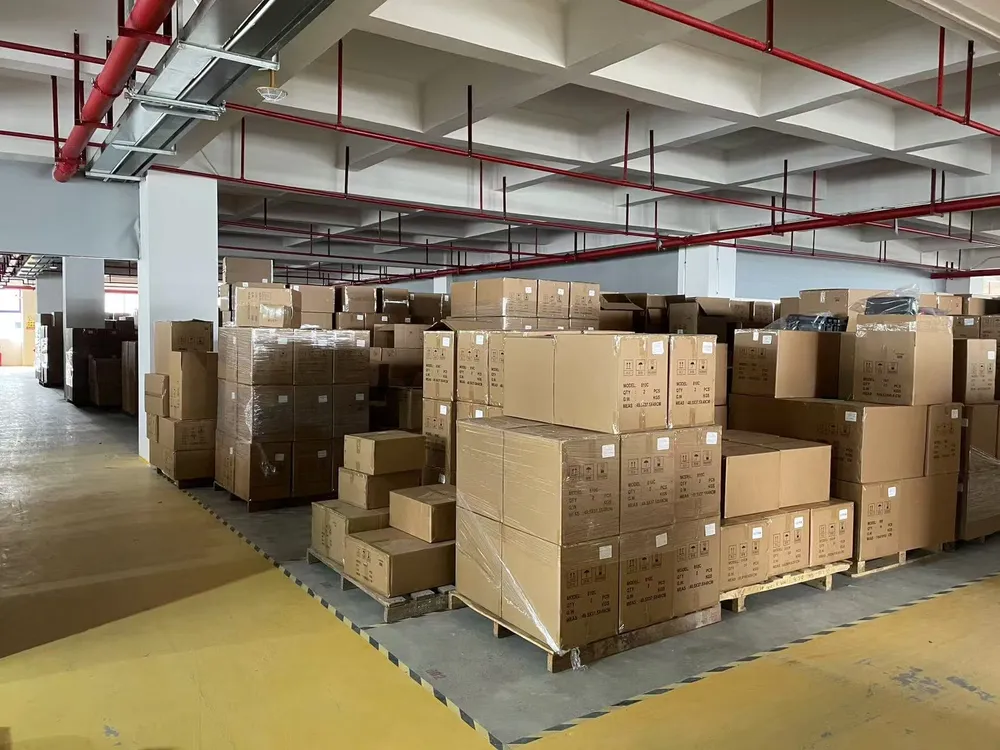
HS Codes and Export Documents for Protective Cases: Getting Paperwork Right
Classification drives duty, clearance speed and compliance risk. For protective cases, the code depends on material and construction, and the first six digits are internationally harmonised while the remainder is set by the destination.
Read Article →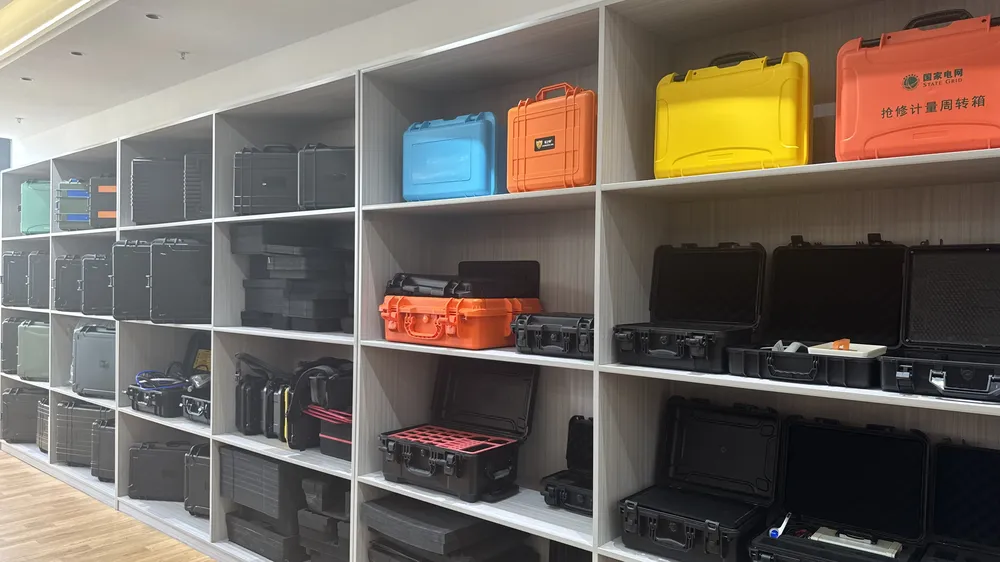
How to Evaluate Supplier Samples: A Scoring Method for Case Buyers
Samples arrive looking similar and perform differently. A written scoring method — covering dimensions, materials, hardware, interior, sealing and documentation — turns an impression into a comparable result across suppliers.
Read Article →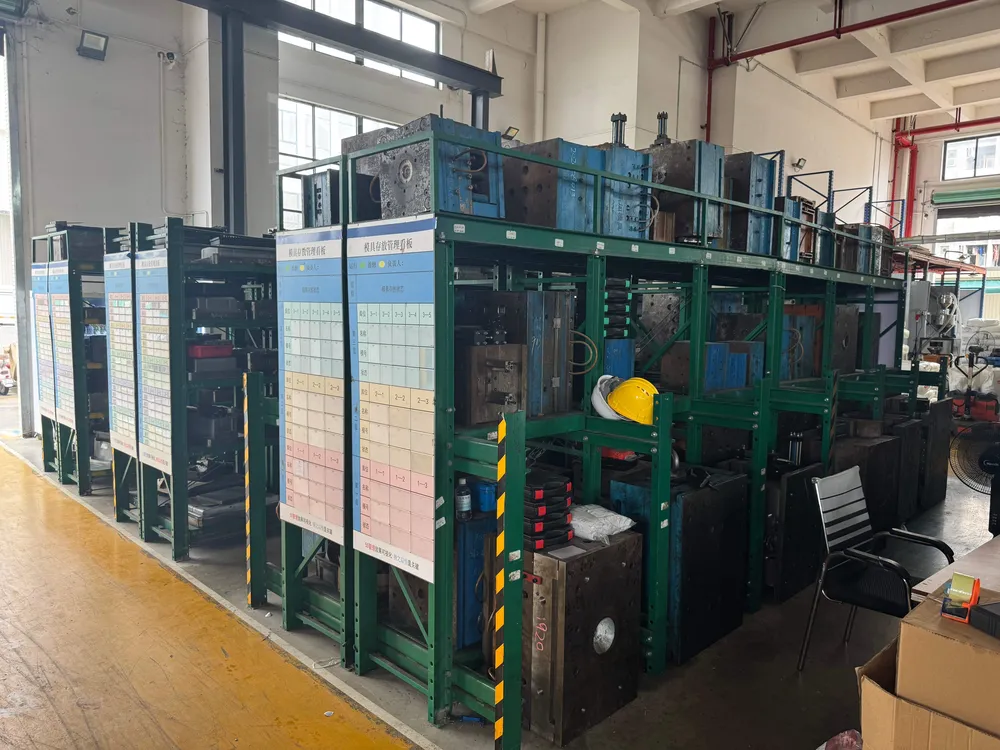
Tooling Ownership and IP Rights in Custom Case Projects
Whoever owns the mould controls future supply. In custom case projects, tooling ownership, exclusivity and the right to move production are commercial decisions that should be settled in the contract, not discovered later.
Read Article →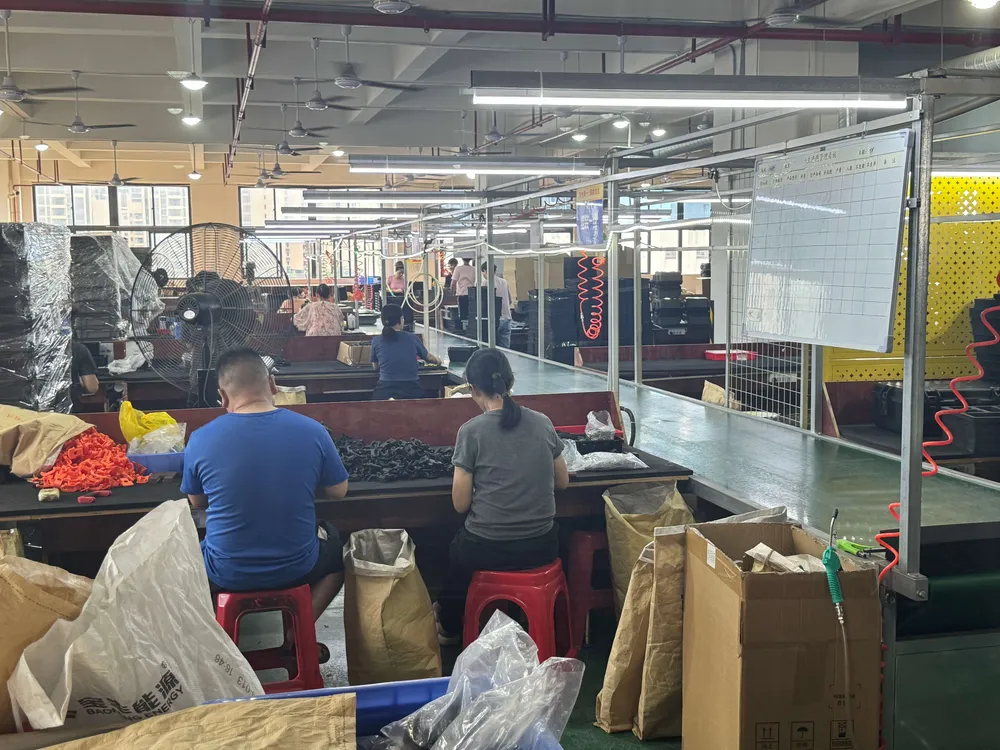
How to Negotiate Protective Case Pricing Without Trading Away Quality
Price negotiation works best when it targets the cost structure rather than the number. Quantity, lead time, specification, payment terms and commitment length all move price — and most of them cost less than silently downgrading the product.
Read Article →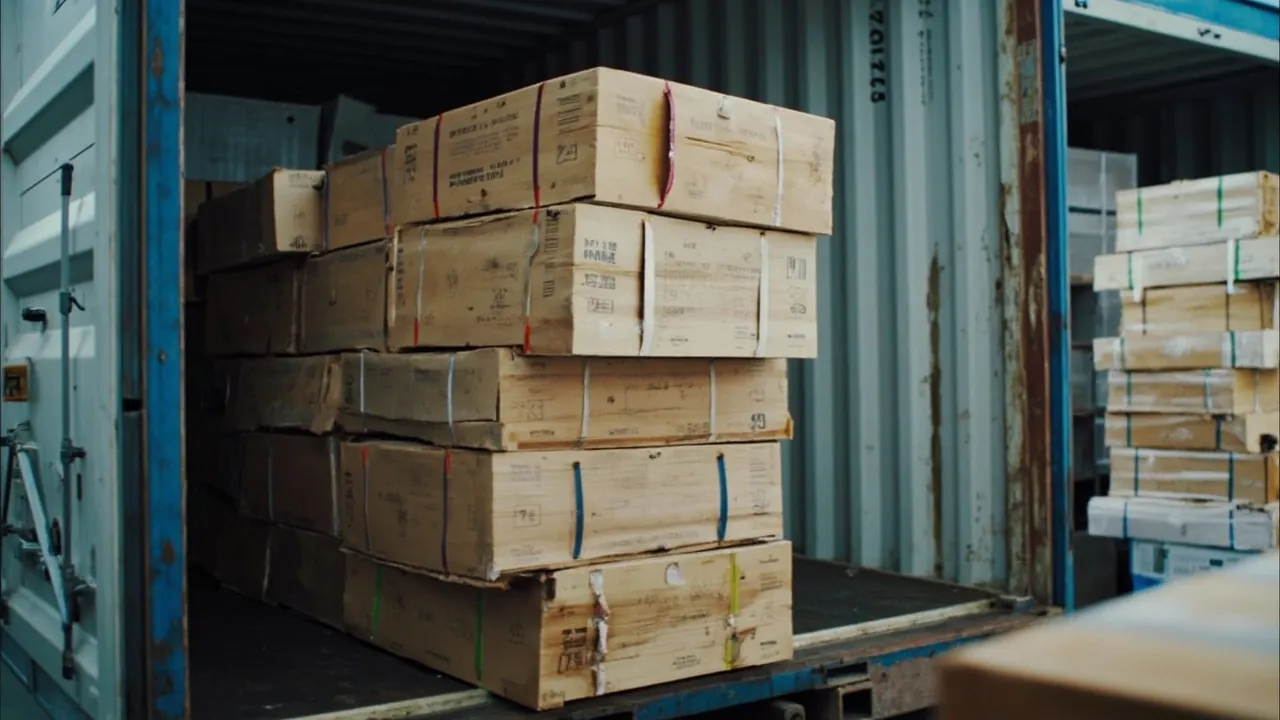
Incoterms and Freight Options for Case Shipments: Choosing Where Risk Transfers
An Incoterms rule answers three questions: who pays, who arranges transport, and at which point risk passes to the buyer. Choosing well depends on how much control you want and how much logistics capability you have.
Read Article →
Case Gasket Ageing: How to Tell When a Seal Needs Replacing
A gasket rarely fails all at once. It loses compression set first, then resilience, then material integrity. Recognising the early signs and replacing on condition rather than on a fixed date keeps a case sealed through its working life.
Read Article →
Replacing and Re-Cutting Case Foam: When to Repair and When to Start Over
Foam is the part of a case that wears fastest. Small changes can be cut into an existing liner, but once compression, tearing or shedding sets in, patching costs more than replacing — and protects less.
Read Article →
TSA Locks and Airline Travel with Equipment Cases: What to Expect
A TSA-recognised lock lets security open a case for inspection without destroying the lock. It is an inspection convenience, not a security device — and knowing that distinction changes how you pack valuable equipment.
Read Article →