

Boxknow
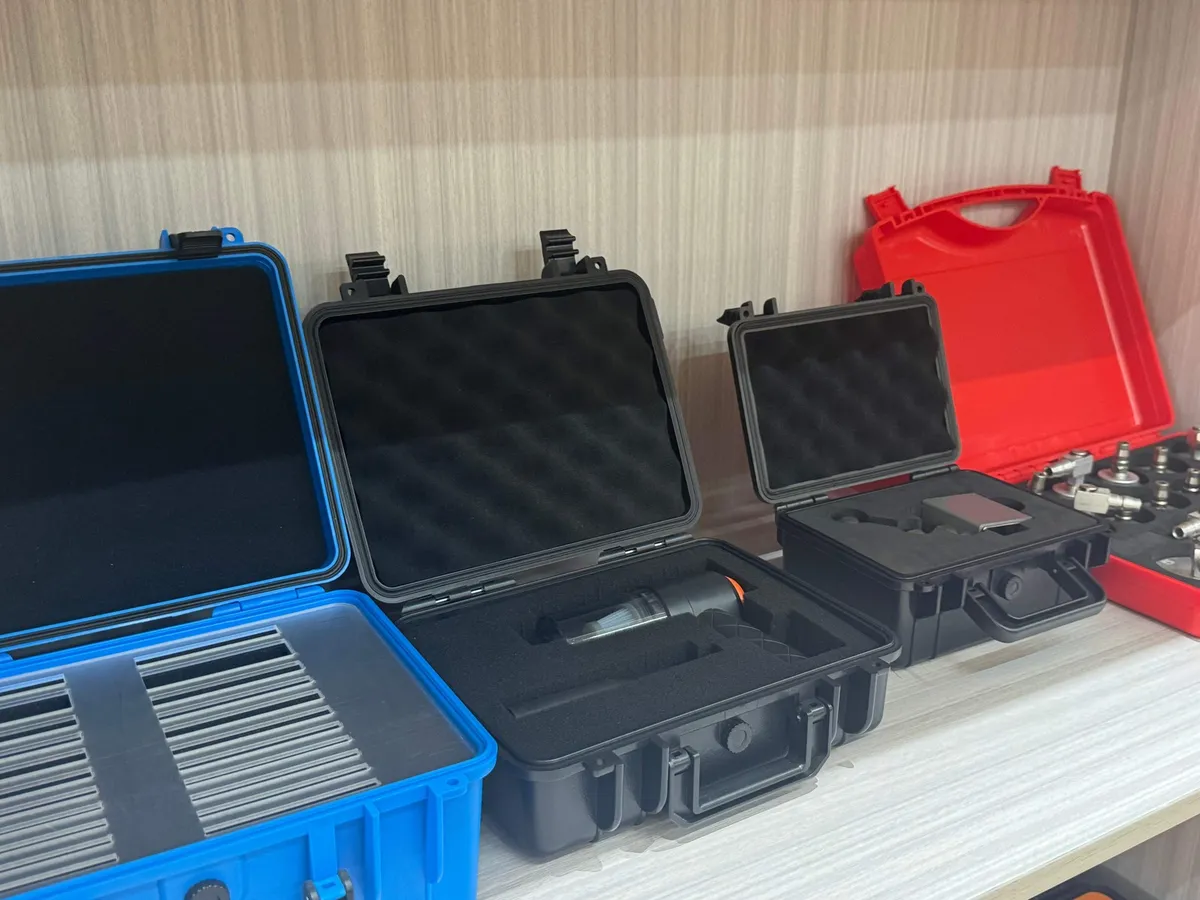
How to Choose a Case for Precision Instruments: A Practical Selection Guide
Precision instruments fail through calibration drift, not just breakage. The right case matches interior dimensions to the instrument, uses layered or fitted foam to stop all movement, seals to IP67, and adds a pressure valve for air freight.
Read Article →
Medical and First Aid Cases: What EMS and Healthcare Teams Should Look For
Medical cases protect supplies that lives depend on: they must open fast, organize contents for blind retrieval, seal out water and contamination, survive drops, and be instantly recognizable. Here is how to evaluate them.
Read Article →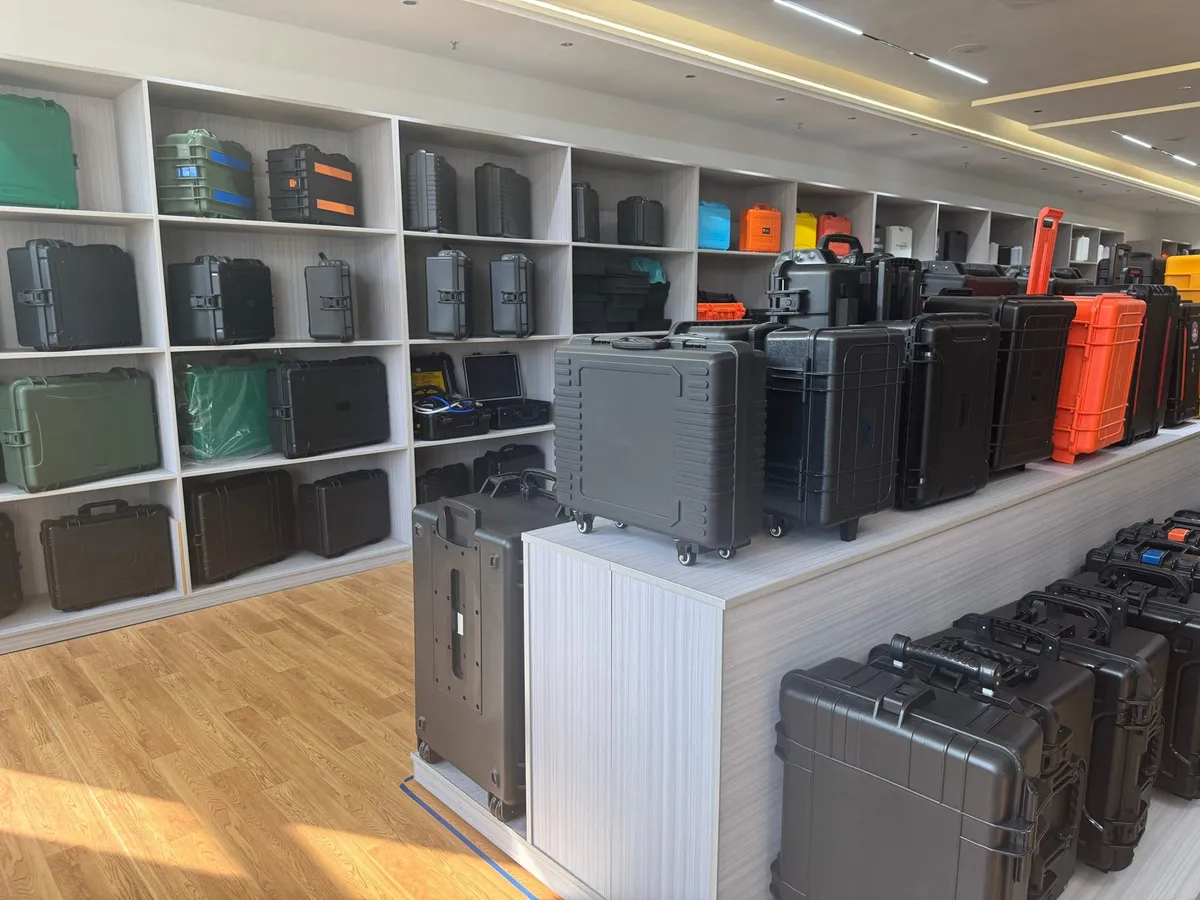
OEM vs ODM Protective Cases: How Custom Case Manufacturing Works
OEM means we build cases to your design and brand; ODM means you start from our proven models and customize color, logo, foam and more. Here is the full process from requirement to shipment — and what to prepare before you ask for a quote.
Read Article →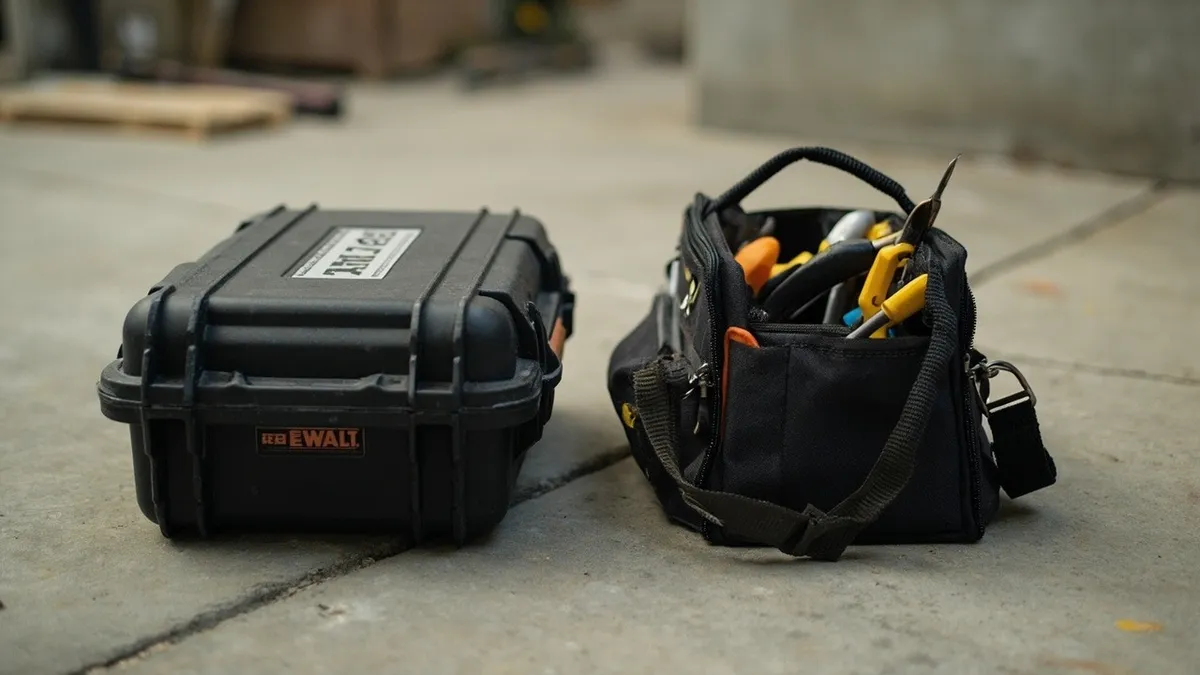
Hard Case vs Soft Tool Bag: Which One Does Your Toolkit Need?
Hard cases win on protection, sealing, and organization; soft bags win on weight and access speed. The deciding rule is simple: if the tool costs more than about three times the price of the case, buy the case.
Read Article →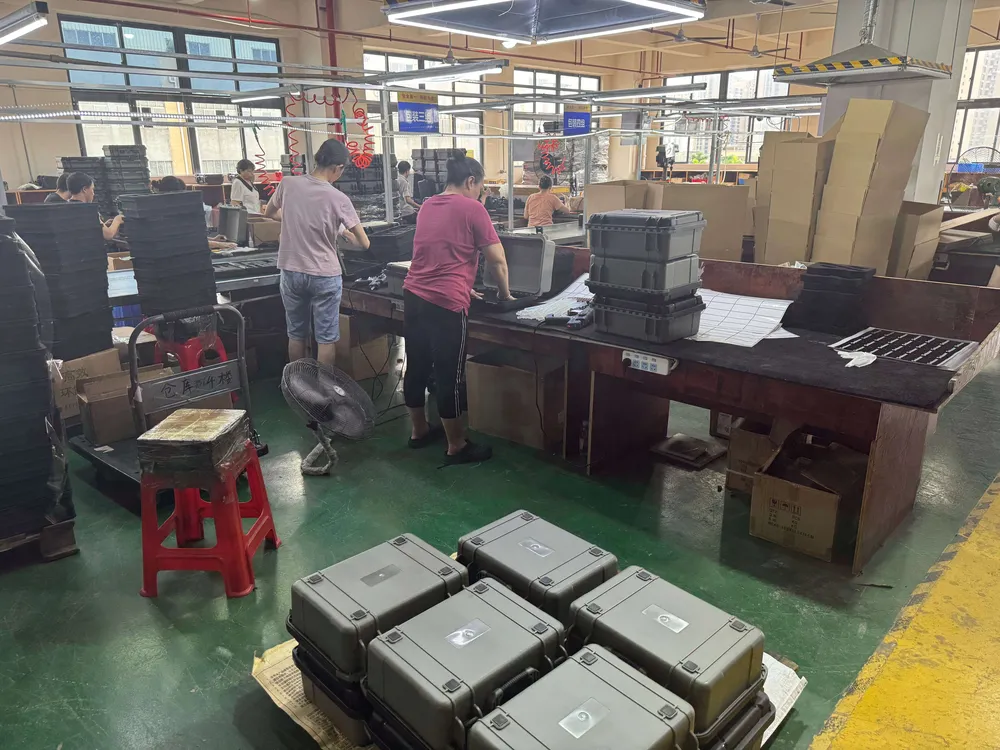
IP69K vs IP67: What High-Pressure Washdown Ratings Really Mean
IP67 and IP69K test completely different things: IP67 is 30 minutes of immersion in 1 m of still water, while IP69K is a high-pressure, high-temperature spray at close range. Passing one does not imply passing the other, and most protective cases only claim the code they were actually tested for.
Read Article →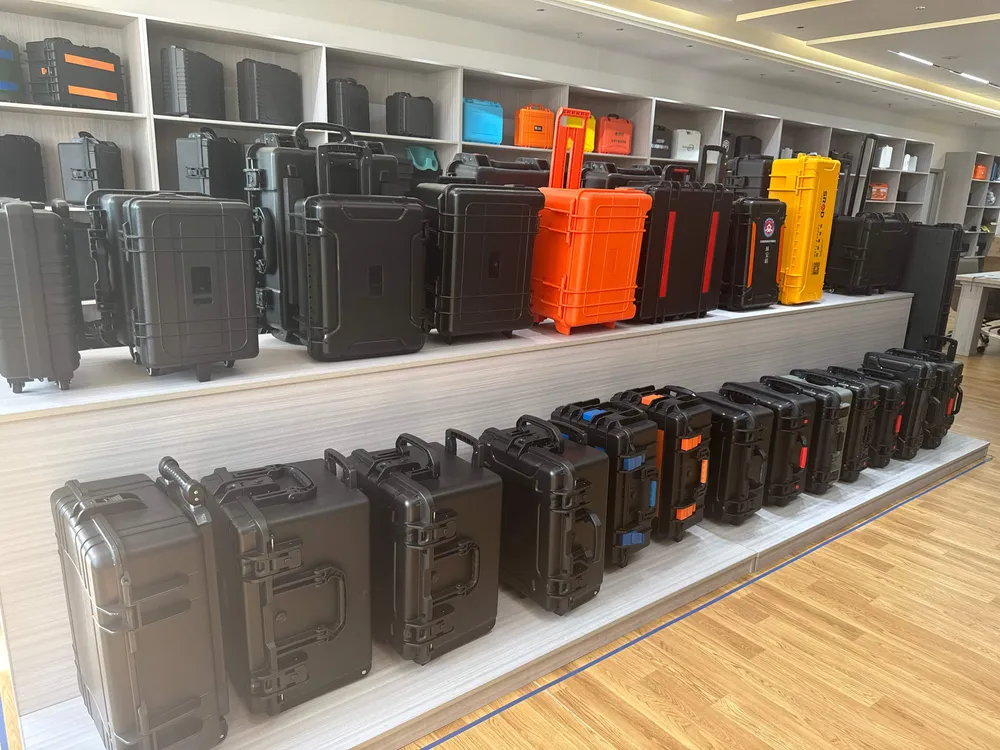
ATA 300 Airline Case Standard: Categories, Tests and What Buyers Should Verify
ATA 300 is the airline industry specification for reusable shipping containers, grouping cases by expected service life into categories. Understanding which category a case is built to — and which tests support that claim — prevents paying for durability you do not need, or buying too little for the trips ahead.
Read Article →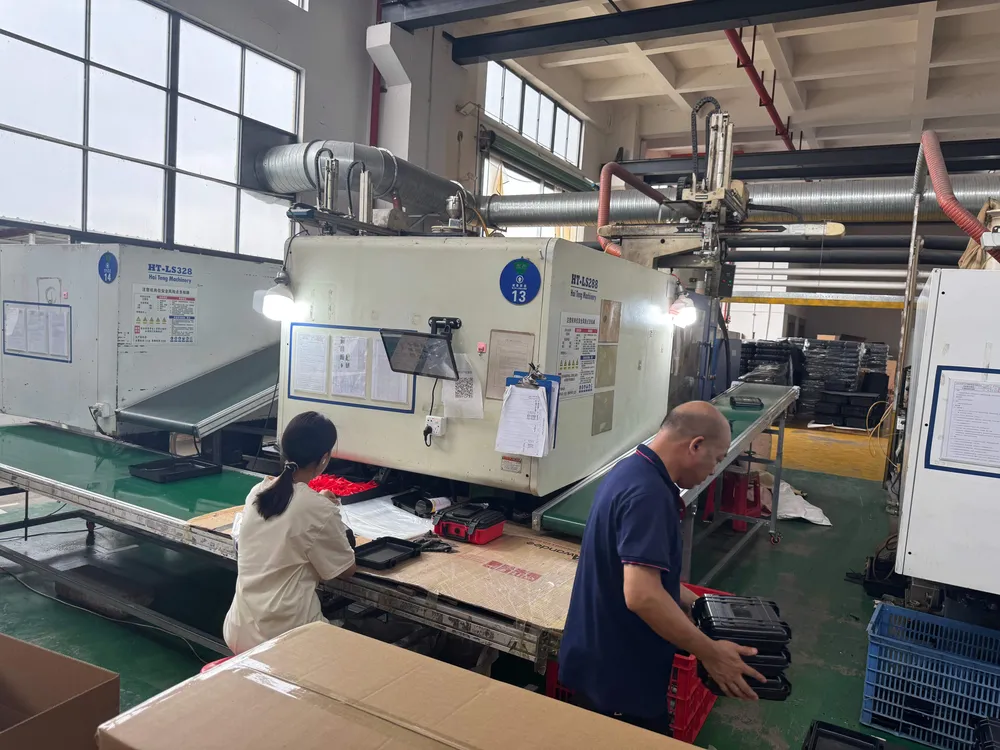
UL94 Flammability Rating for Protective Cases: HB, V-0 and 5VA Explained
UL94 is a material flammability standard, not a case rating. HB, V-2, V-1, V-0 and 5VA describe how a plastic specimen behaves when a flame is applied and removed, and every rating is tied to a specific specimen thickness. Knowing that prevents the two most common buying mistakes.
Read Article →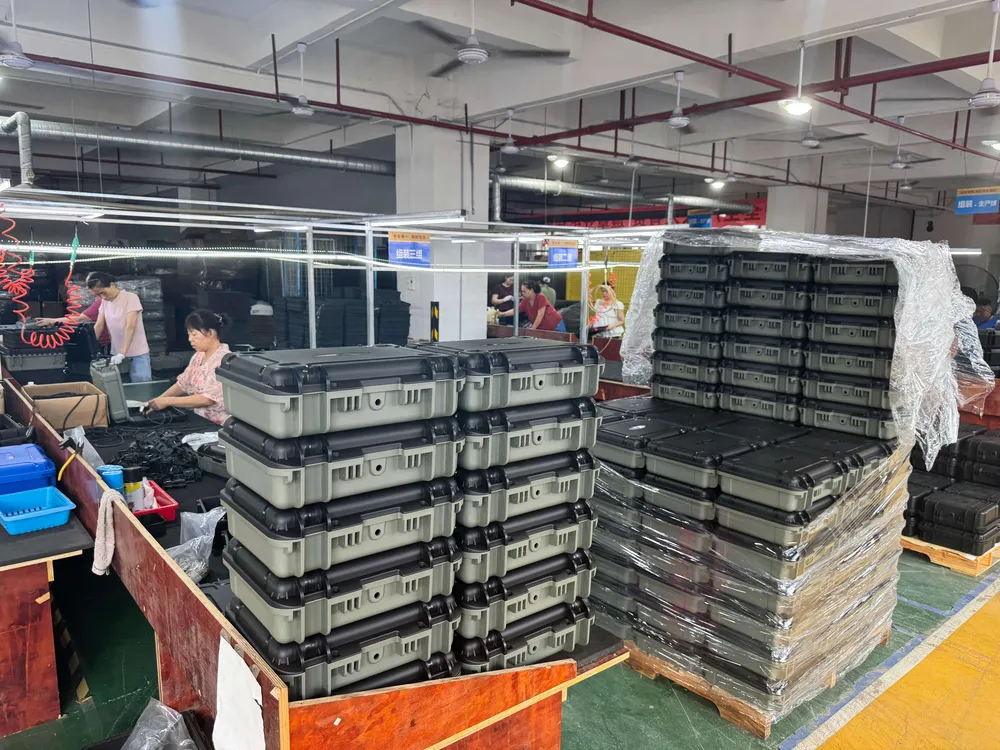
Salt Spray Testing for Protective Cases: Reading Corrosion Results Correctly
Salt spray testing exposes materials to a continuous saline mist to compare corrosion resistance. It is a comparative quality tool rather than a pass/fail prediction of service life, and for cases the hardware — latches, hinges, springs and fasteners — usually matters more than the plastic shell.
Read Article →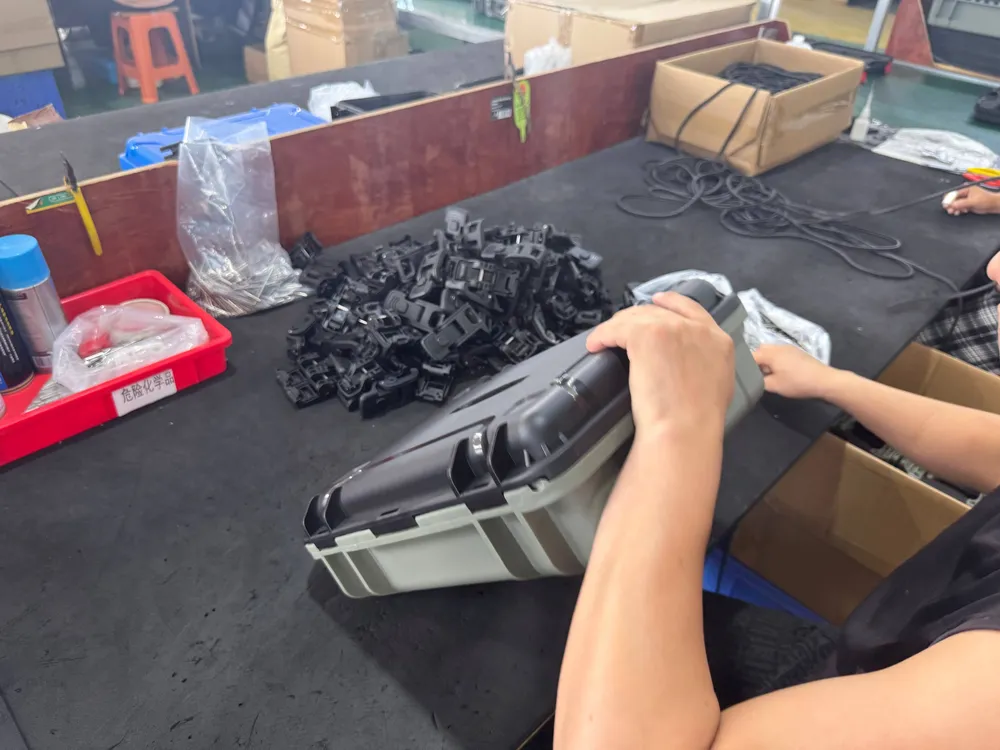
UV Weathering of Protective Cases: Why Colour and Additives Decide Outdoor Life
Sunlight degrades polymers through a predictable chain: colour shift, surface chalking, then loss of impact strength. Accelerated weathering tests compress that timeline, but the strongest practical lever is simpler — pigment choice and UV stabiliser package, which is why black shells generally outlast light colours outdoors.
Read Article →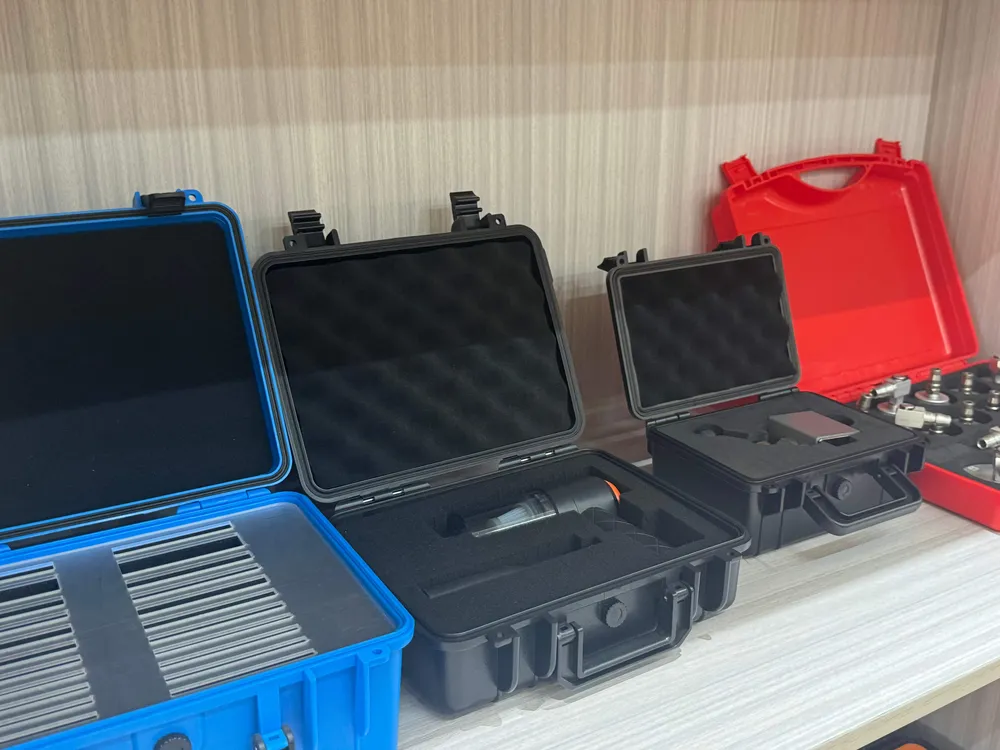
Cold Temperature Brittleness in Protective Cases: Why Winter Drops Crack Shells
Polymers lose toughness as temperature falls. A case that shrugs off a drop in a warm warehouse can crack in freezing conditions because the shell no longer yields. Material selection, wall design and payload all change the safe working window.
Read Article →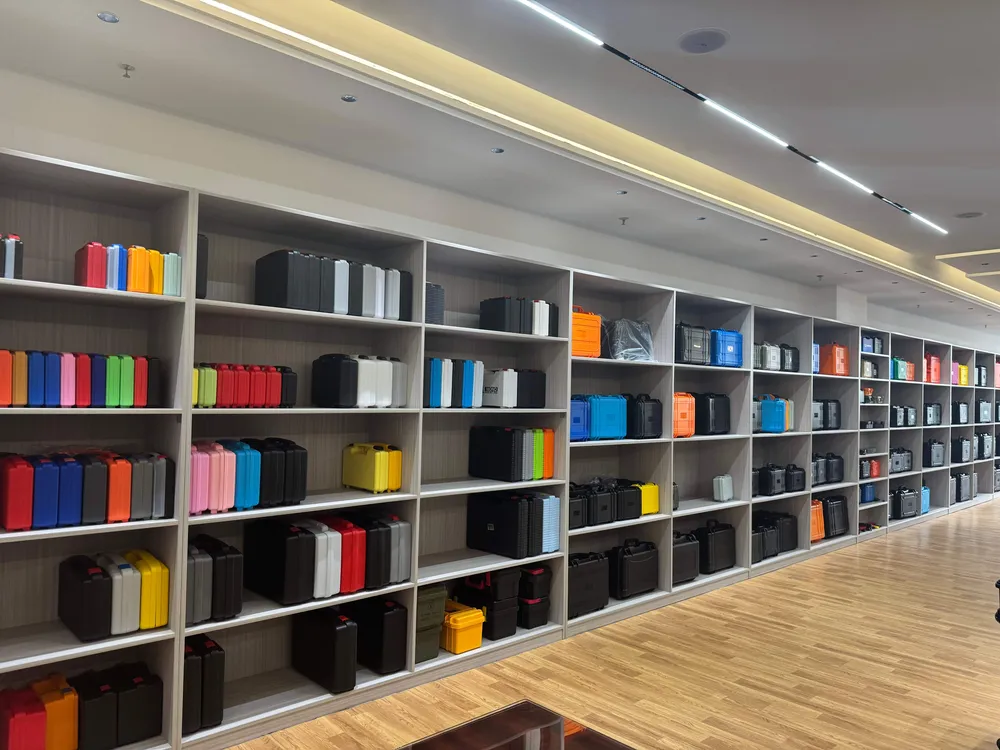
Aluminium vs Plastic Protective Cases: Choosing on Engineering, Not Habit
Aluminium brings stiffness, a wide temperature range and EMI shielding; injection-moulded polymer brings low weight, elastic recovery, corrosion resistance and lower unit cost. The right choice follows from payload, environment and handling, not from which material feels more premium.
Read Article →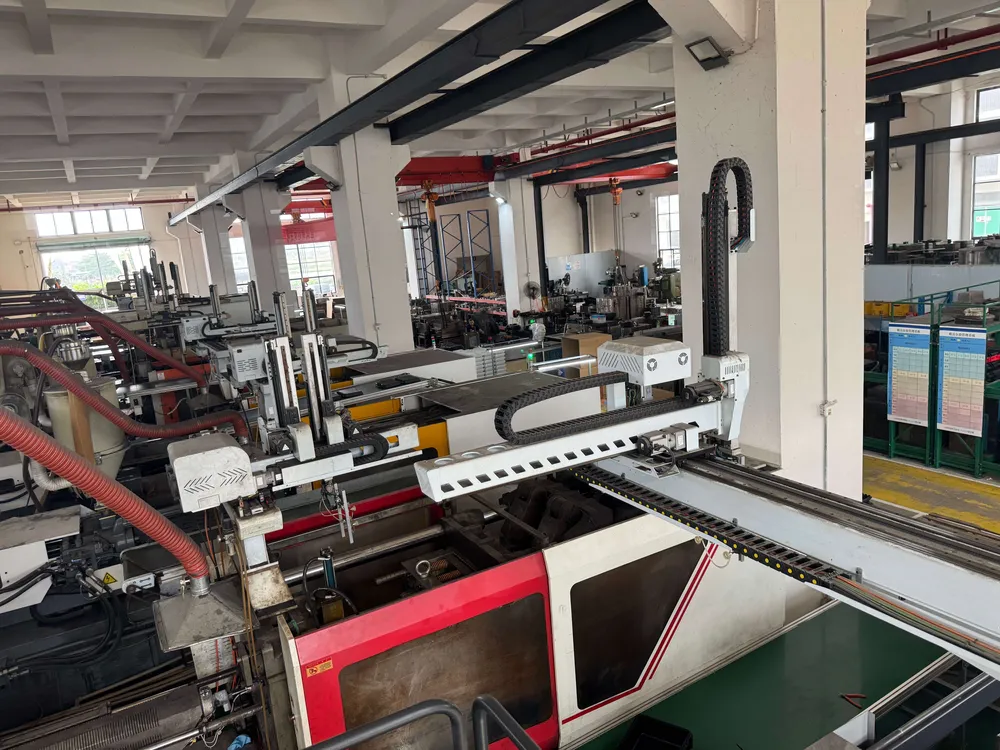
Virgin vs Recycled Plastic in Protective Cases: What Changes and What Does Not
Recycled resin lowers cost and material footprint, but brings variability in mechanical properties, colour and contamination control. The practical answer is not a blanket preference: it is deciding which components may use it, and demanding the incoming controls that make it predictable.
Read Article →