

Boxknow

What Is the Difference Between Engineering-Plastic and Normal-Plastic Protective Cases?
Engineering-plastic (ABS/PP/PC) protective cases beat normal-plastic (PE/PS) cases in strength, temperature range, impact resistance, and long-term life — the basis for reliable sealing, drop resistance, and asset protection outdoors.
Read Article →
How to Choose a High-Strength Hinge for a Protective Case: Recessed vs. External, Metal vs. Plastic
A protective-case hinge is the throat of opening life and anti-separation. Learn how recessed vs. external types and metal vs. engineering-plastic materials compare, plus anti-separation design and scenario checklists.
Read Article →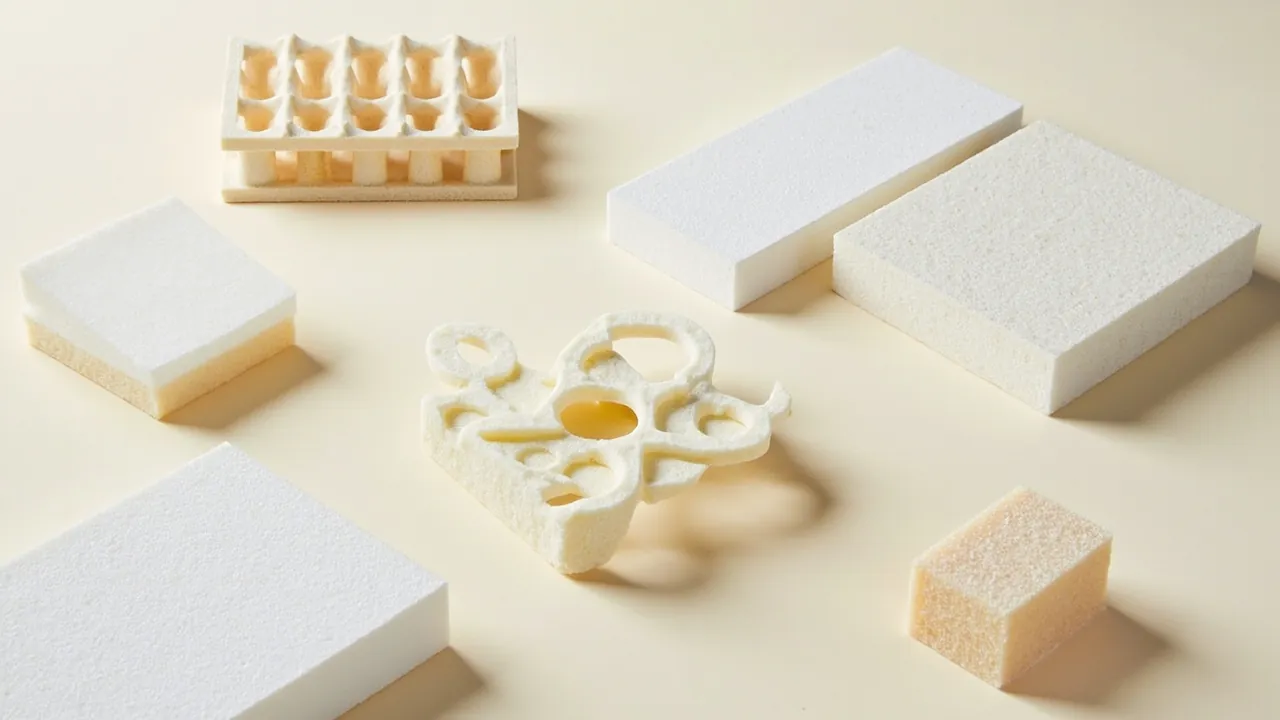
What Are the Types of Internal Foam for a Protective Case?
Protective-case internal foam mainly comes in five types — EVA, EPE, XPE, PU, and PE. Learn how density, resilience, and energy absorption differ, and how to choose by equipment type and form.
Read Article →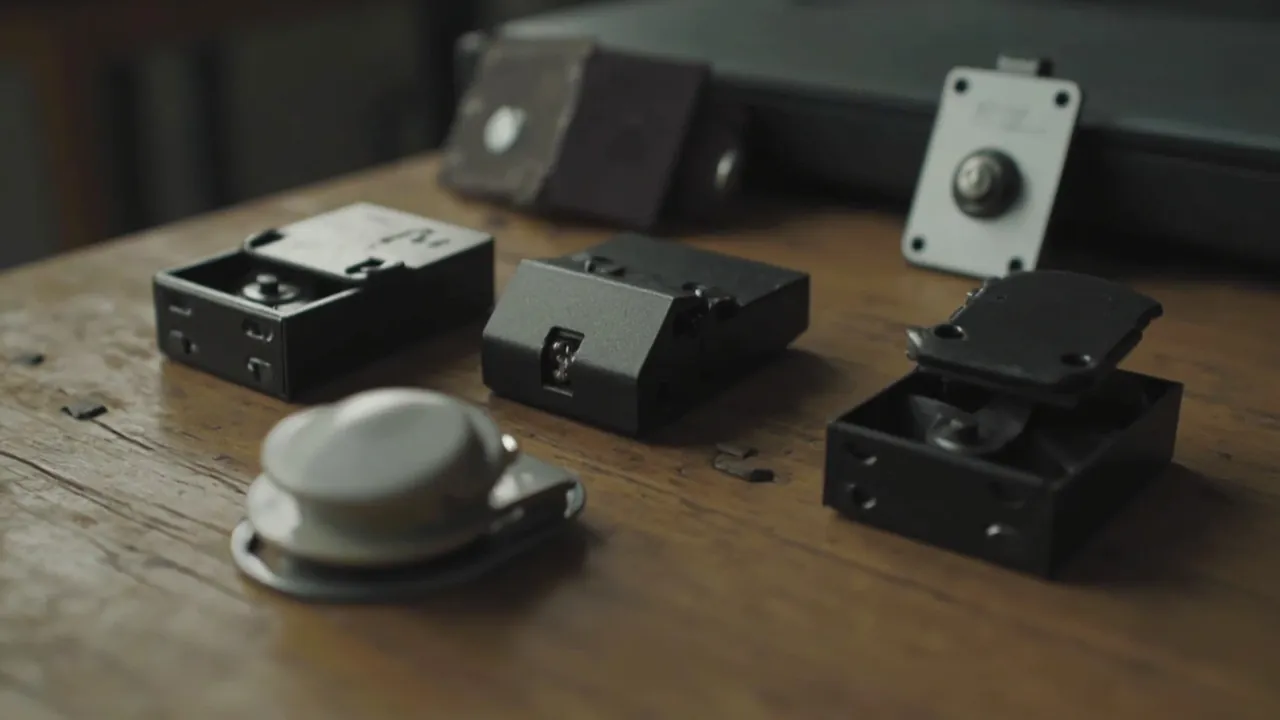
How to Choose a Protective-Case Latch: Types, Compression Points, and Selection Checklist
A protective-case latch locks the lid onto the full-perimeter gasket with even compression. Learn the 5 latch types, compression uniformity, anti-open mechanisms, and how to pick count and material by scenario.
Read Article →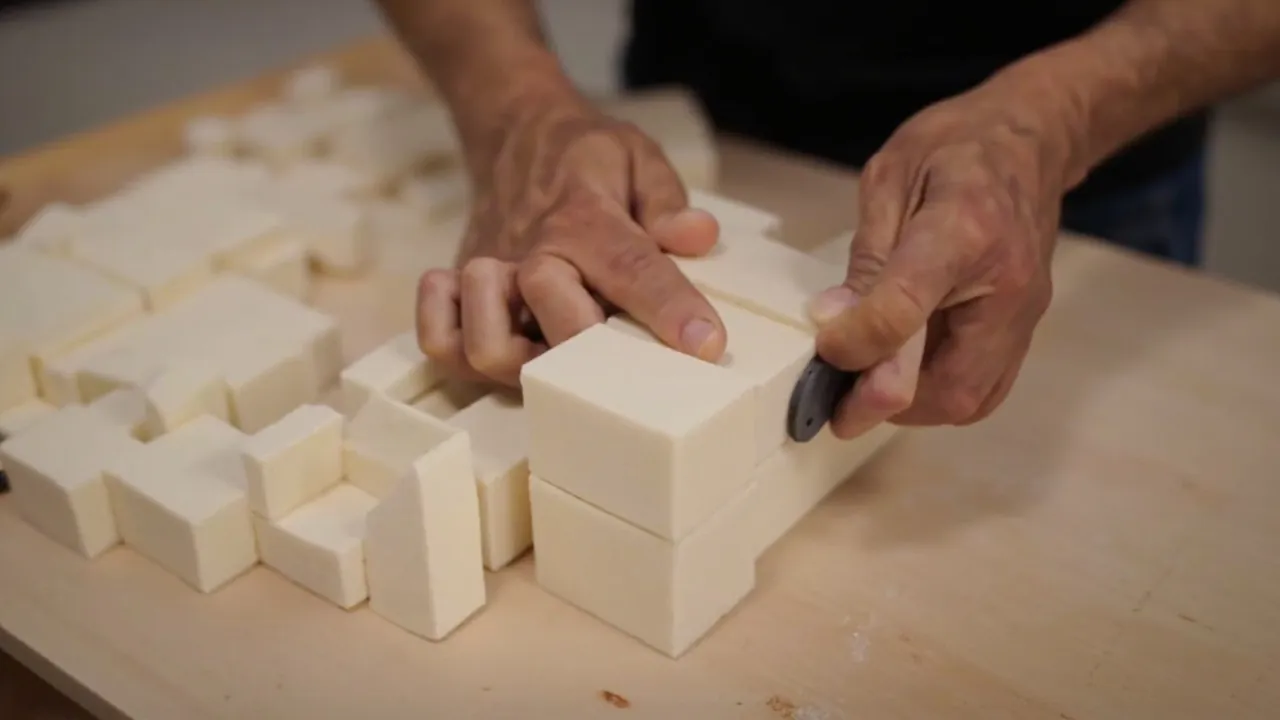
How to Use Pick-and-Pluck Foam: Steps, Pros and Cons, and Best-Use Scenarios
Pick-and-pluck foam lets you tear grid by grid to shape a custom cavity for any equipment outline. Learn the step-by-step process, pros and cons, and how it compares with pre-cut and custom foam liners.
Read Article →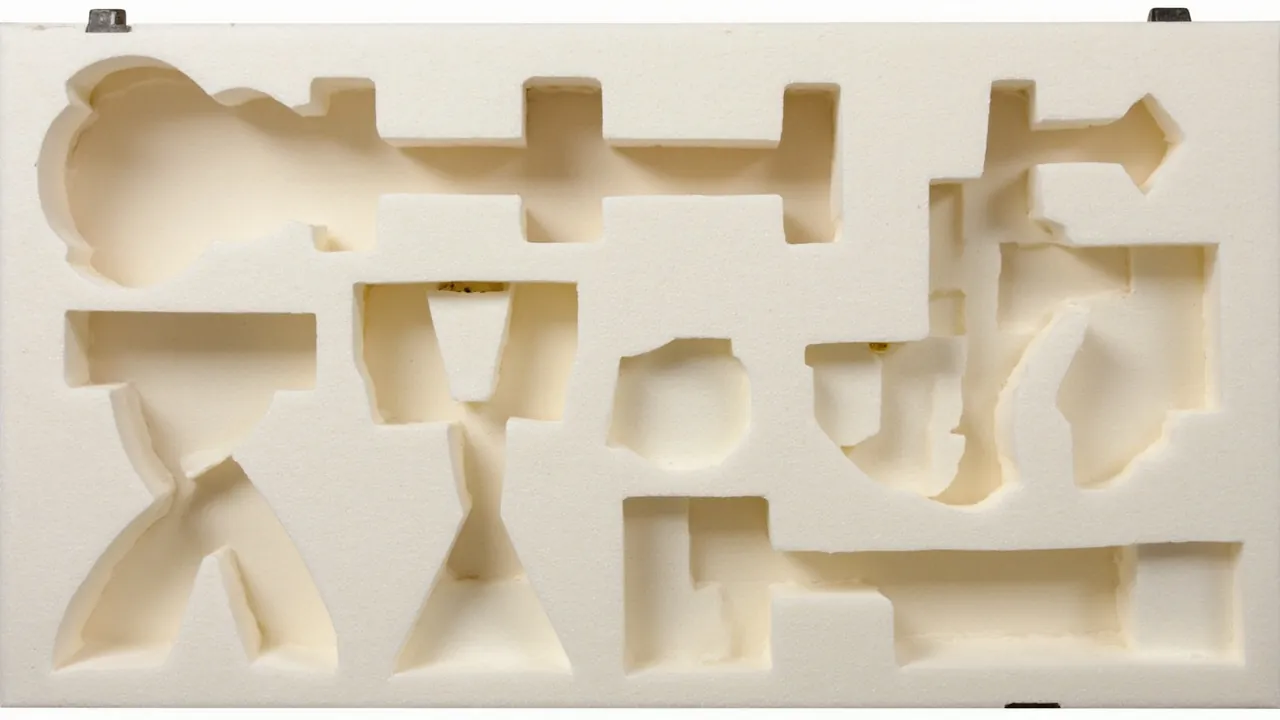
What Is Pre-Cut Foam for Protective Cases (Pre-Routed Insert)? Pros, Cons & When to Use It
Pre-cut foam is a factory-routed closed-cell liner that holds standard equipment in dedicated cavities for a ready-to-use, secure, reproducible fit — best for brand kits, standardized inspection sets, and batch issue.
Read Article →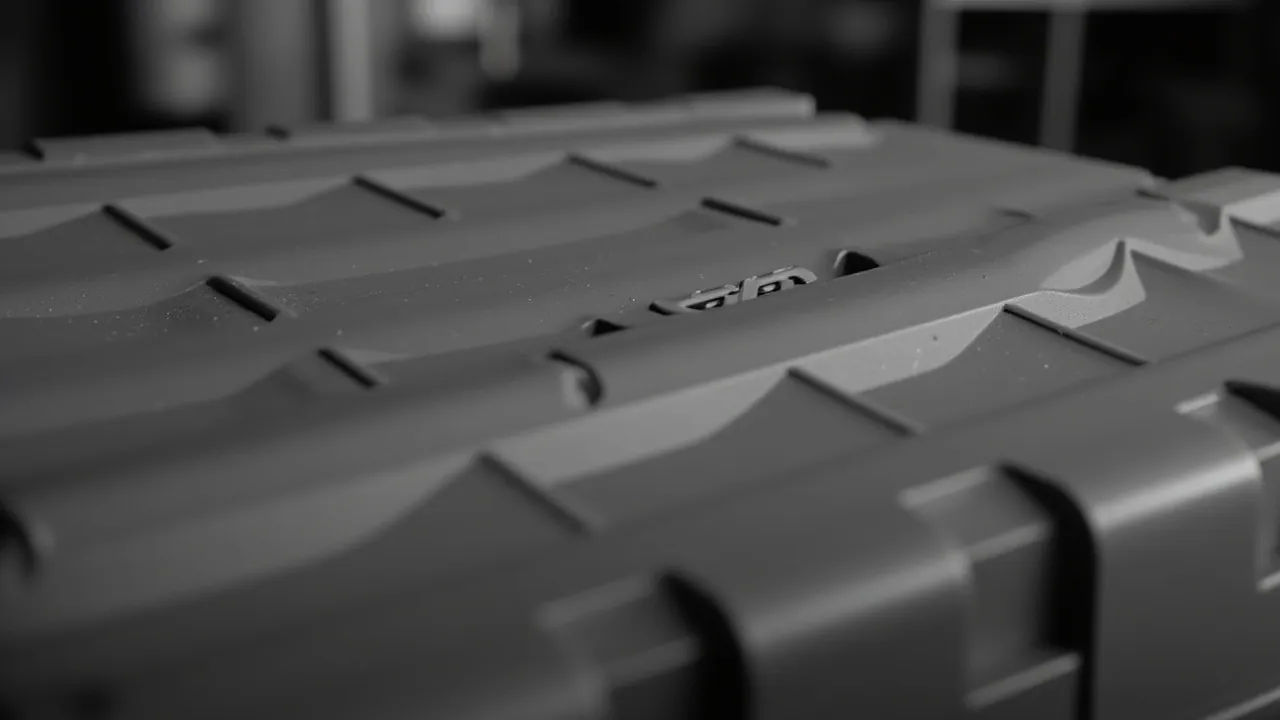
What Do Reinforcement Ribs Do in a Protective Case? Why Even Thin-Wall Cases Get Rigid from Them
Reinforcement ribs raise a protective case's rigidity, deformation resistance, and impact resistance without thickening the wall — splitting panels into rib-supported cells to shorten the load span and save weight.
Read Article →
Why Do Protective Cases Use Rounded Corners? What Differs Between Sharp and Rounded Corners
Rounded corners disperse stress concentration, improve drop and knock resistance, and make protective cases easier to clean and safer — unlike sharp corners that crack, hide dirt, and cut.
Read Article →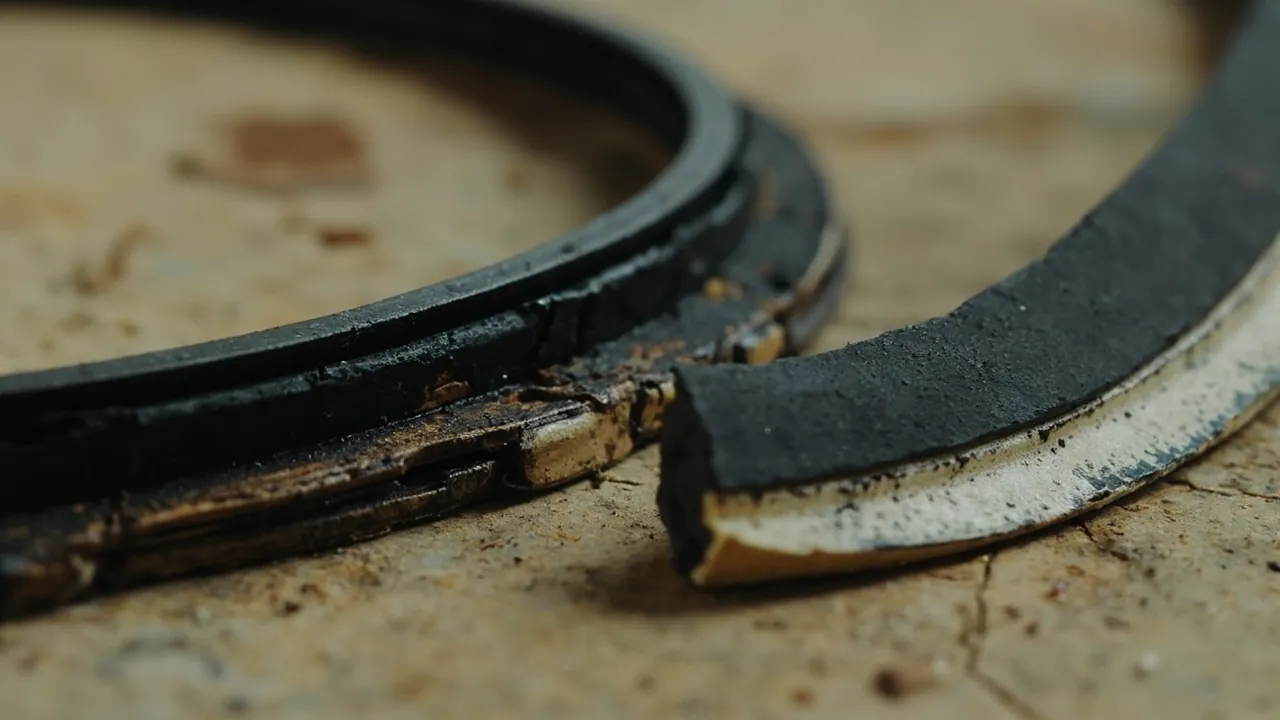
What to Do When a Protective-Case Gasket Ages
Hardening, cracking, and lost rebound are the signs a protective-case gasket is aging. Learn the causes, self-check list, replacement tiers, and how to prevent seal failure.
Read Article →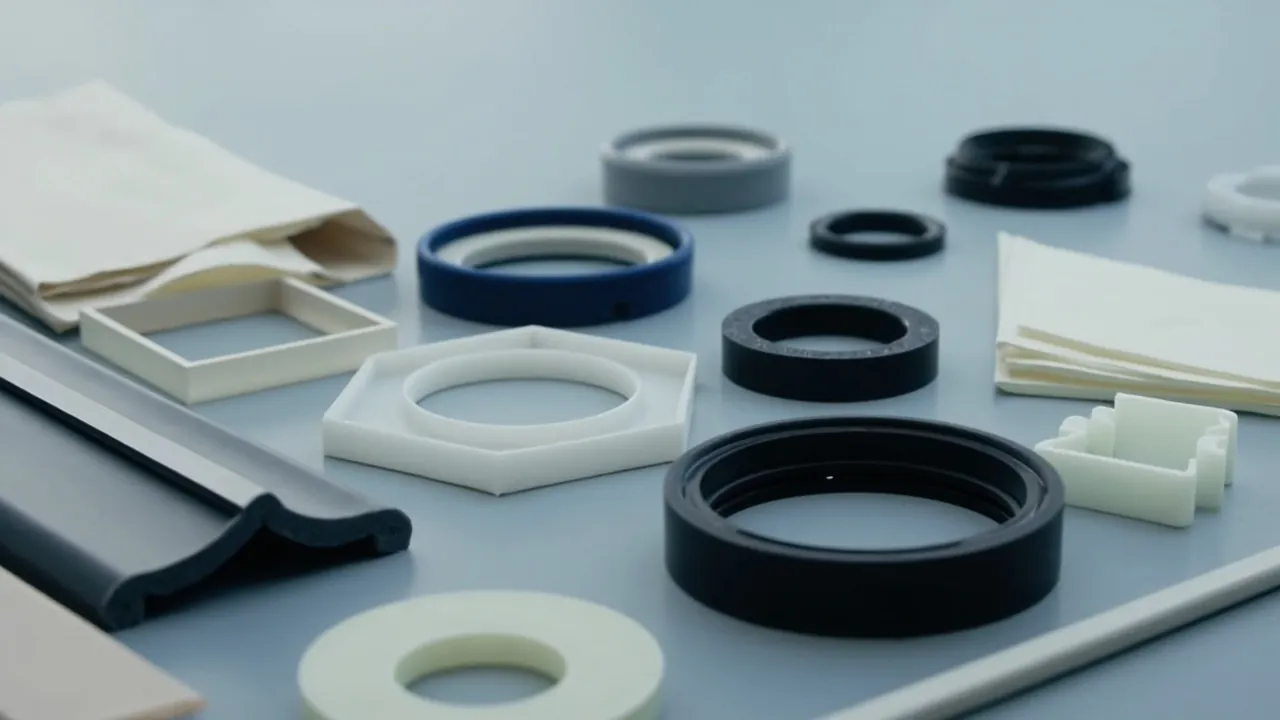
What Materials Are Used for Protective-Case Seals, and How Do You Choose?
A protective-case gasket is the only physical barrier against dust and water; this guide compares EPDM, TPE, Silicone, and CR and explains how to choose the right seal material by scenario.
Read Article →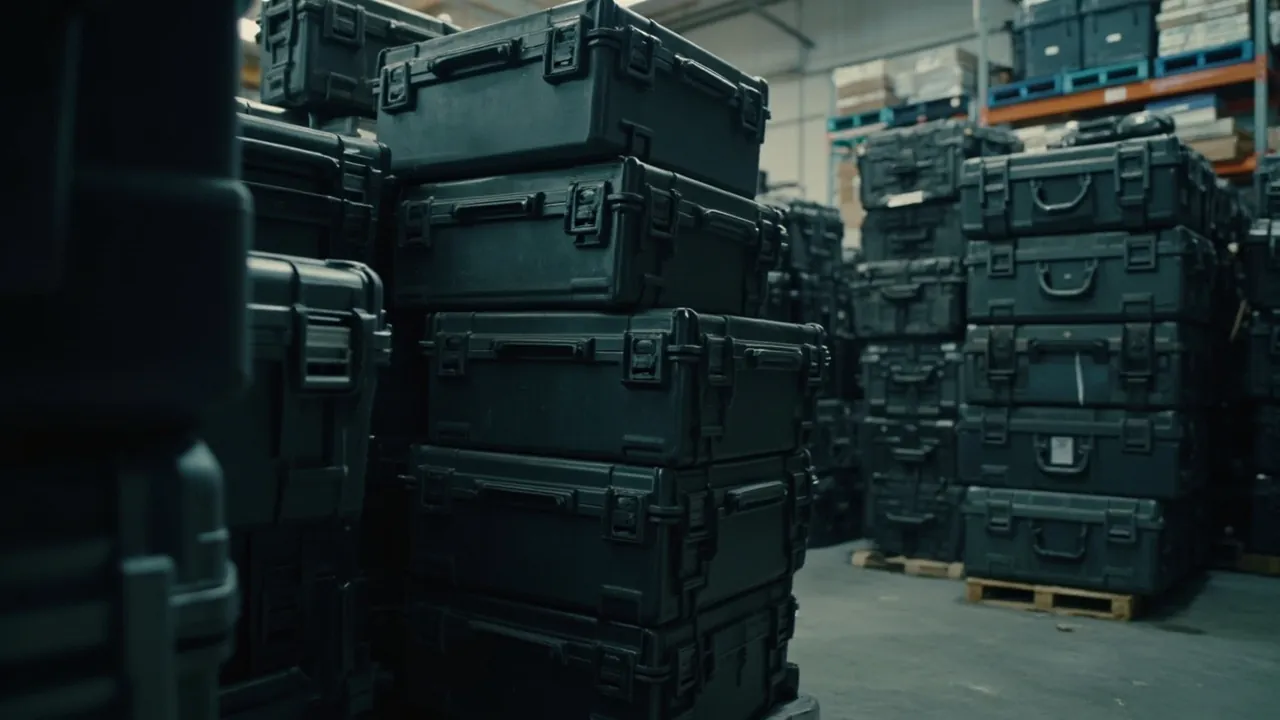
How Do Protective Cases Achieve Stable Stacking? Stacking Ribs, Locator Bosses, and Interlocking Principles
Stable protective-case stacking comes from interlocking ribs, locator bosses, reinforcement ribs, latches and anti-slip feet working together — not just a hard shell. Learn the structure and how to verify it.
Read Article →
What Is the Relationship Between Protective-Case Wall Thickness and Strength? How to Choose a Reasonable Wall Thickness
Wall thickness is only one input of case strength; bending stiffness rises with its cube but weight and cost rise too. Reinforcement ribs, material grade and mold precision decide real durability.
Read Article →