

Boxknow

How an Outdoor Protective Case Handles Rain and High Humidity
A protective case blocks rain with an IP67 full-perimeter seal and fights hidden humidity and condensation with a low-absorption liner, desiccant, humidity card, and correct storage habits.
Read Article →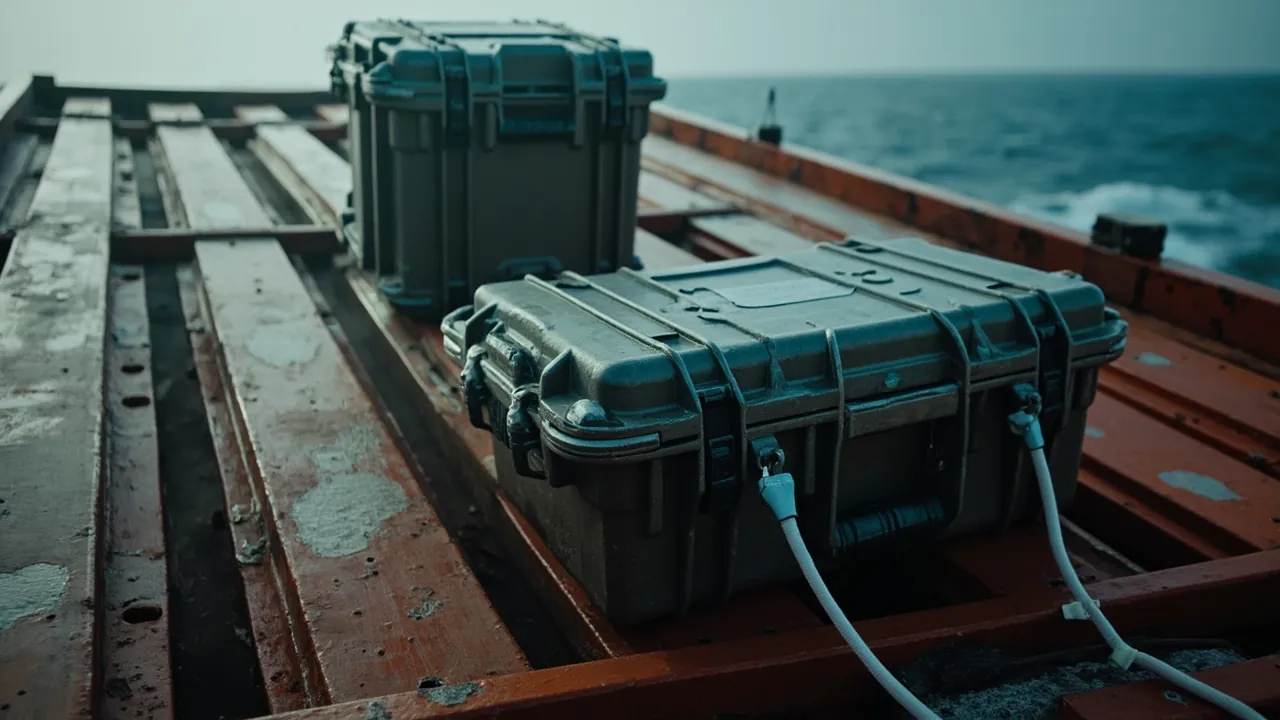
How a Protective Case Prevents Moisture and Rust During Sea Freight
Sea freight stacks high humidity, salt spray, long duration and stacking compression; an IP67 sealed case plus desiccant, anti-rust bags, salt-spray-resistant fittings and clear labeling keeps equipment intact to shore.
Read Article →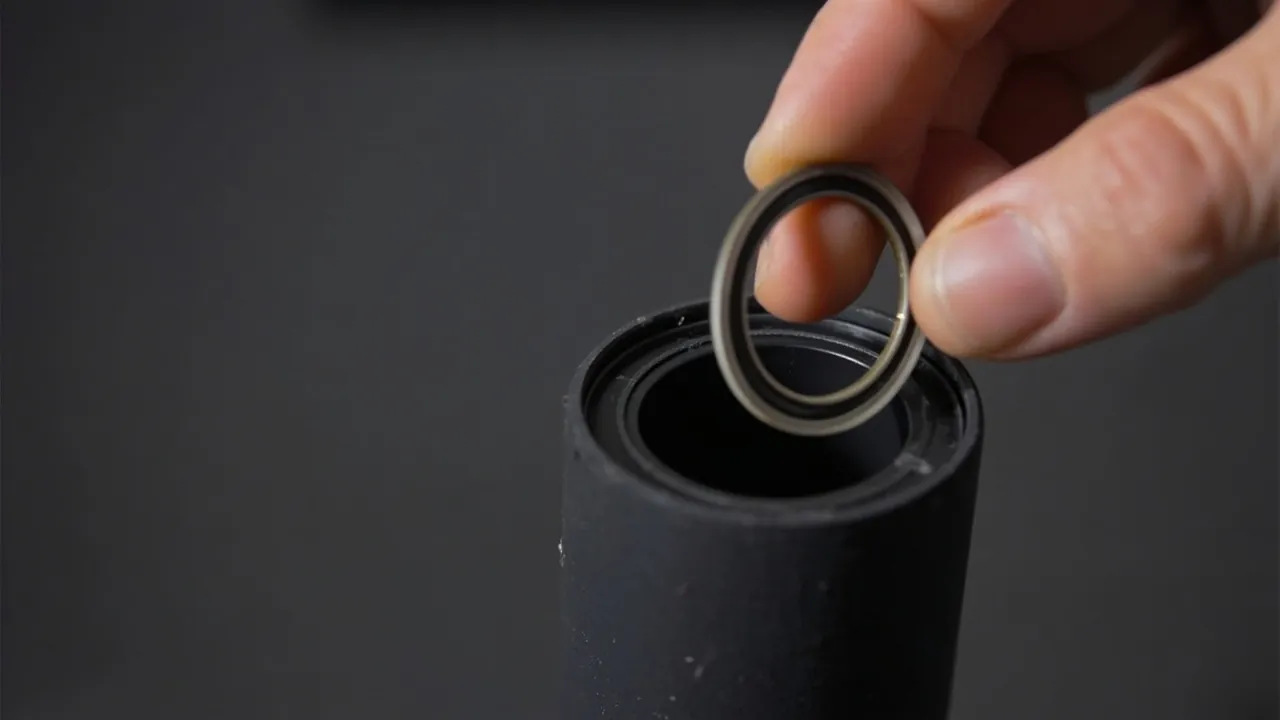
What Does the Seal Ring of an Outdoor Protective Case Do, and How to Choose Its Material?
The seal ring is the full-perimeter elastic gasket that blocks water, dust, and moisture from entering an outdoor protective case; this guide covers how it seals, EPDM/TPE/silicone choices, compression, aging, and replacement.
Read Article →
How to Choose and Use an Outdoor Protective Case in Extreme Temperatures
For extreme temperatures, match the shell material to the temperature range and a pressure-balancing valve to temperature cycling: prefer PP at low temperature, watch the seal and liner in heat, and use a valve for altitude and day-night swings.
Read Article →
How an Outdoor Protective Case Protects Equipment During Transport
An outdoor protective case protects equipment in transit through a four-layer structure — impact-resistant shell, cushioning liner, anti-open latches, and stackable body — countering drop, vibration, crush, and accidental opening.
Read Article →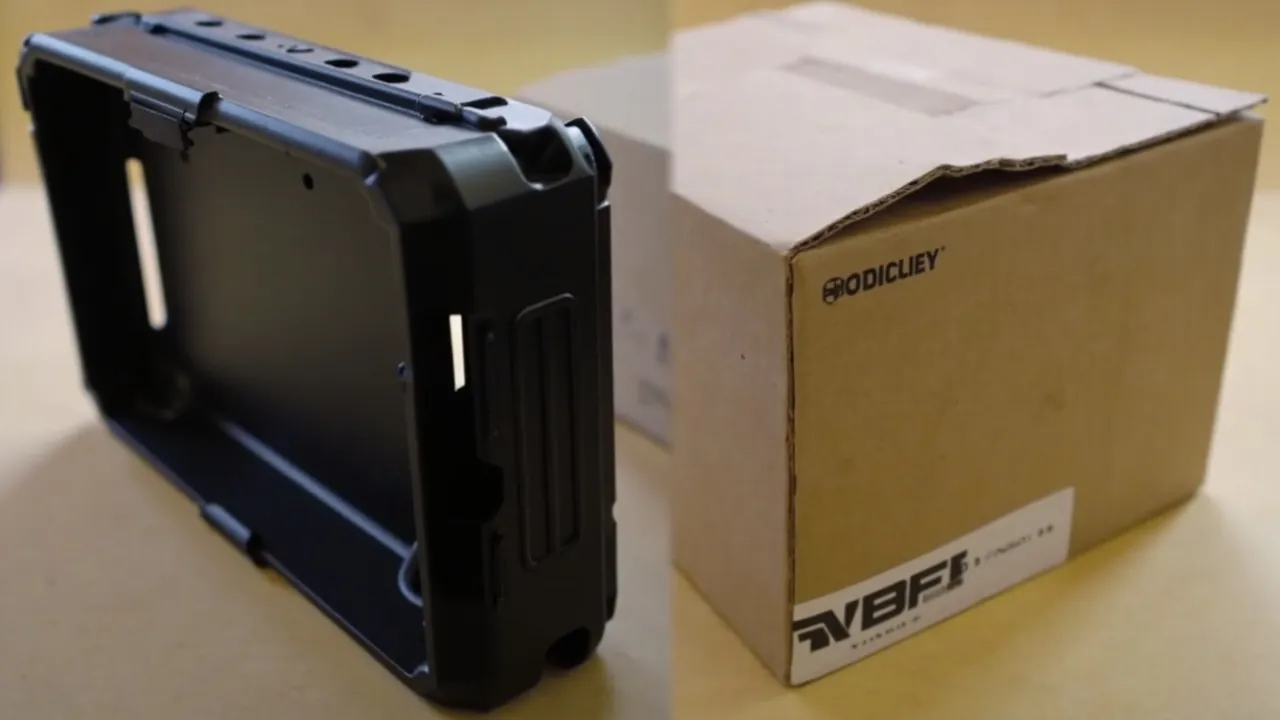
What Is the Difference Between an Outdoor Protective Case and an Ordinary Storage Box?
An outdoor protective case pursues 'safe even outside' with sealed IP67 design, while a storage box only manages 'categorization' — learn where the two truly differ and when each is mandatory.
Read Article →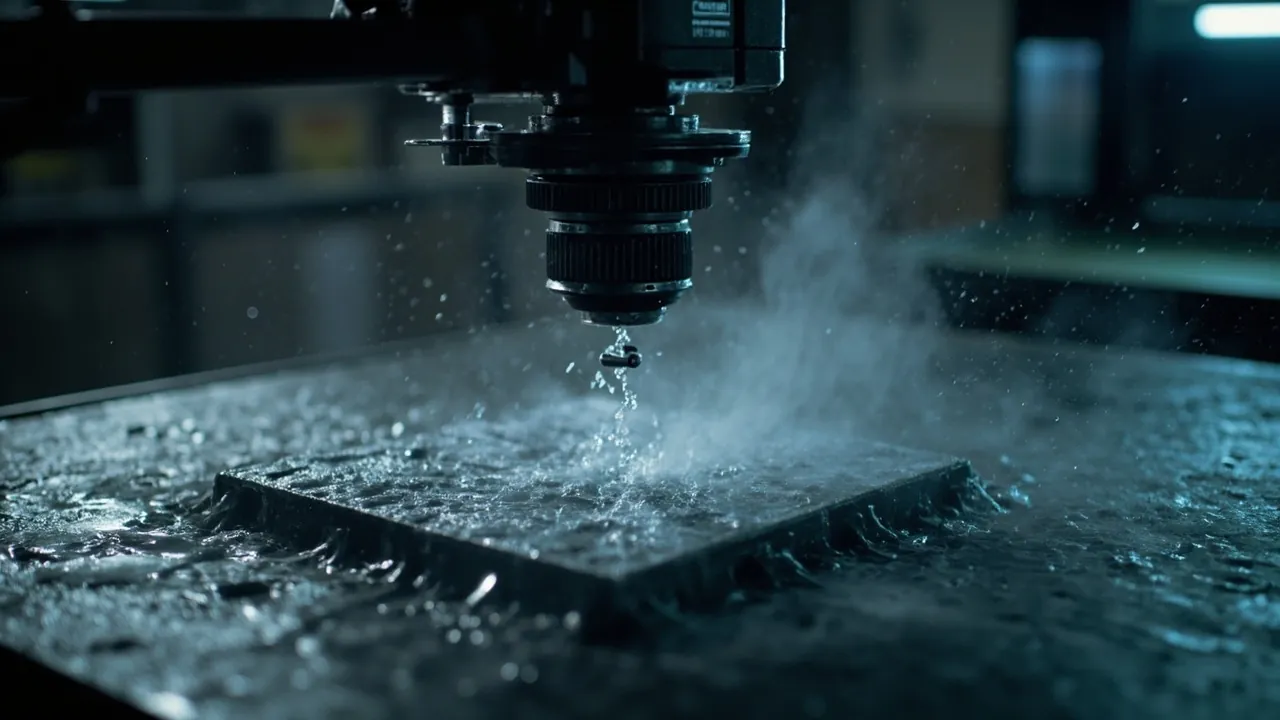
Why Does an Outdoor Protective Case Need Waterproof Design?
Waterproof design is a survival bottom line for outdoor protective cases — rain, spray, wading and condensation cause short circuits and rust, so IP67 sealing with a pressure-balancing valve is essential.
Read Article →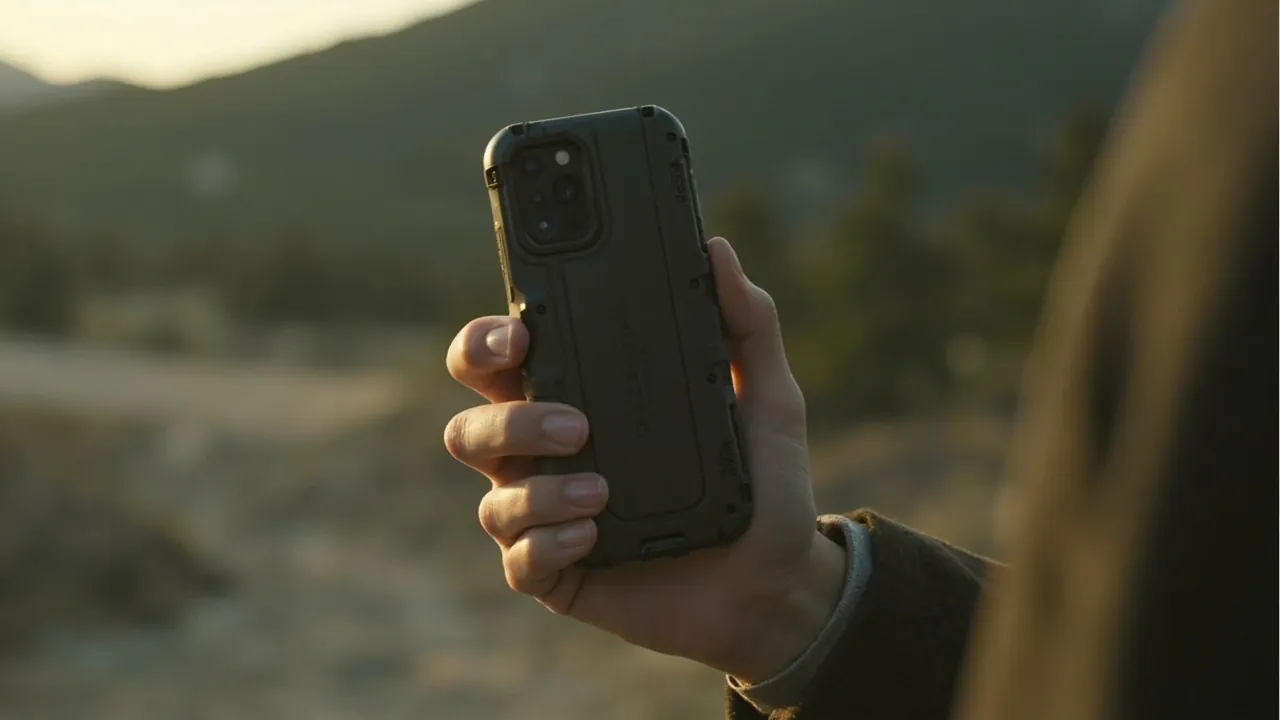
What Are the Advantages of a PP Outdoor Protective Case?
A PP outdoor protective case offers five advantages — low-temperature impact resistance, fatigue resistance, light weight, chemical resistance, and food-contact-grade options — making it ideal for cold, frequent-transfer, and weight-sensitive scenarios versus ABS.
Read Article →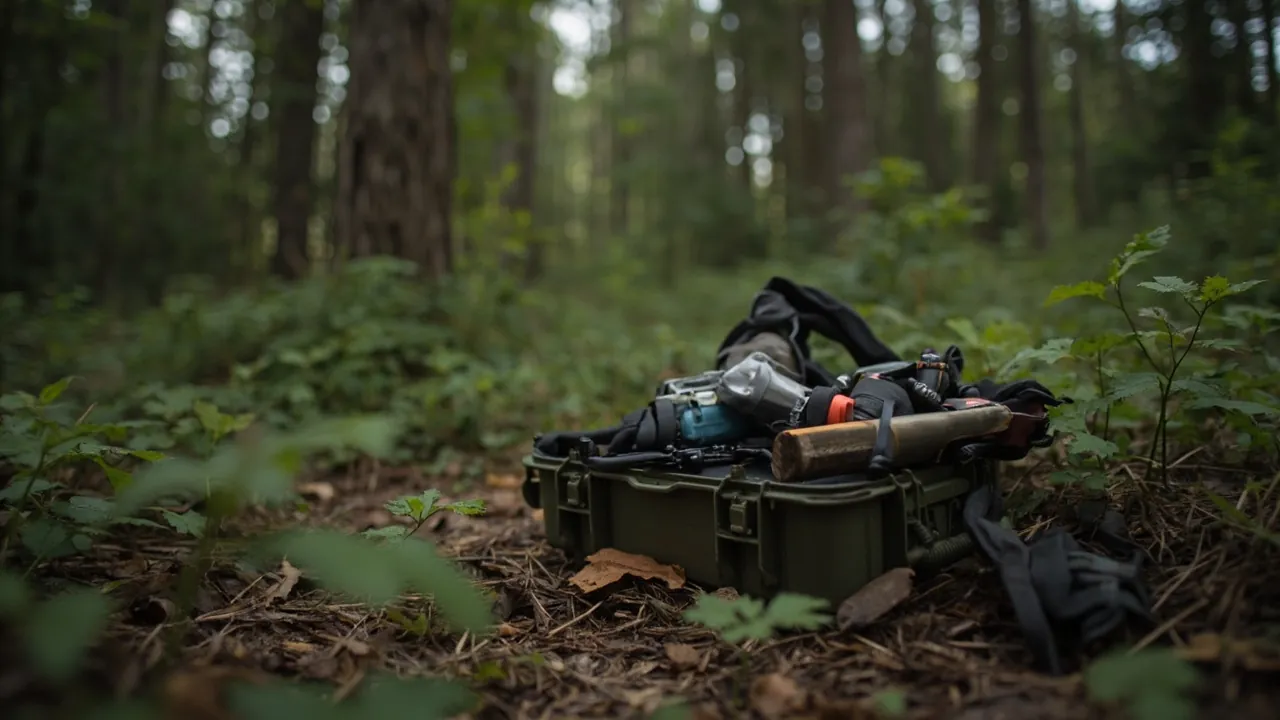
What Is an Outdoor Protective Case and Where Is It Used?
An outdoor protective case is a sealed enclosure built to protect tools, instruments, and electronics from rain, dust, drops, vibration, and temperature swings in field and transport environments.
Read Article →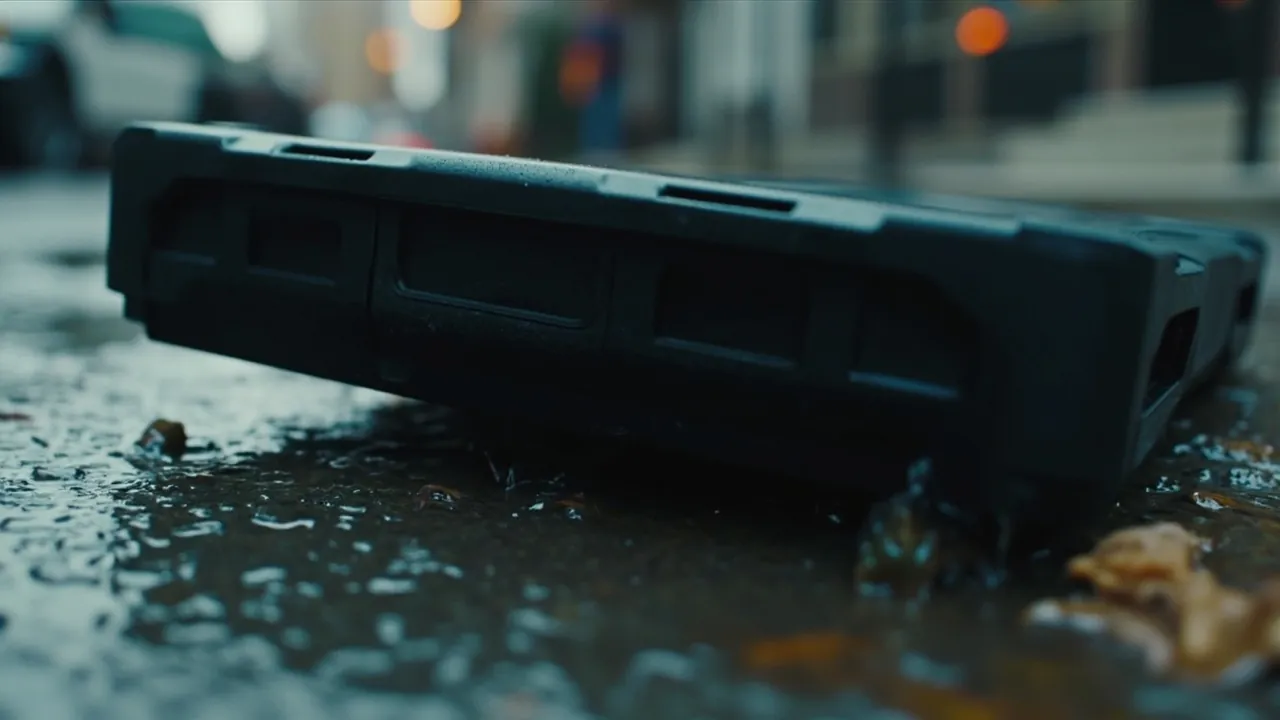
What Are Anti-Slip Feet on a Protective Case For? Stability, Moisture Protection, and Shell Protection Explained
Anti-slip feet on a protective case add stability on slippery surfaces, lift the shell off standing water for ventilation, cushion impact, and reduce noise — small parts that decide whether the case stands, stays dry, and resists knocks.
Read Article →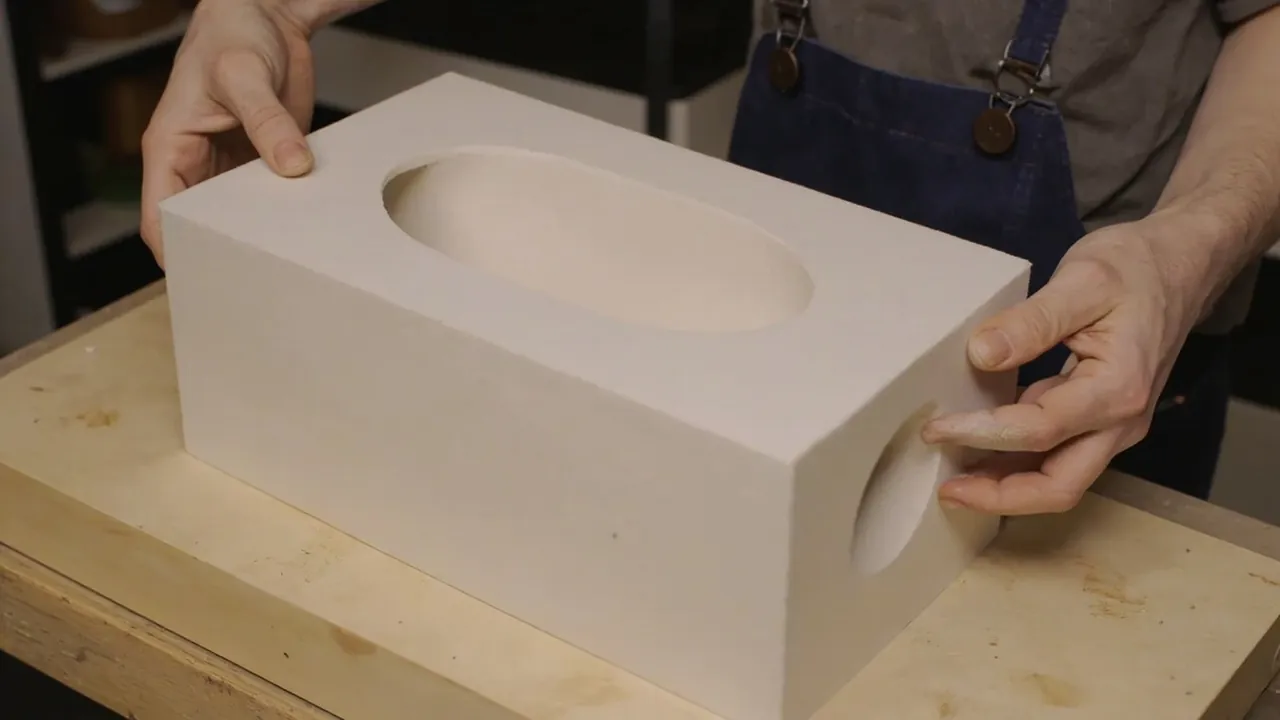
What Factors Should a Custom Protective-Case Foam Insert Consider? A Complete Checklist Based on Equipment Shape, Weight, and Vulnerability
A custom protective-case foam insert is designed around your actual equipment — its shape, weight, vulnerability, quantity, access frequency, and transport mode — for snug, consistent, layered cushioning of high-value and irregular gear.
Read Article →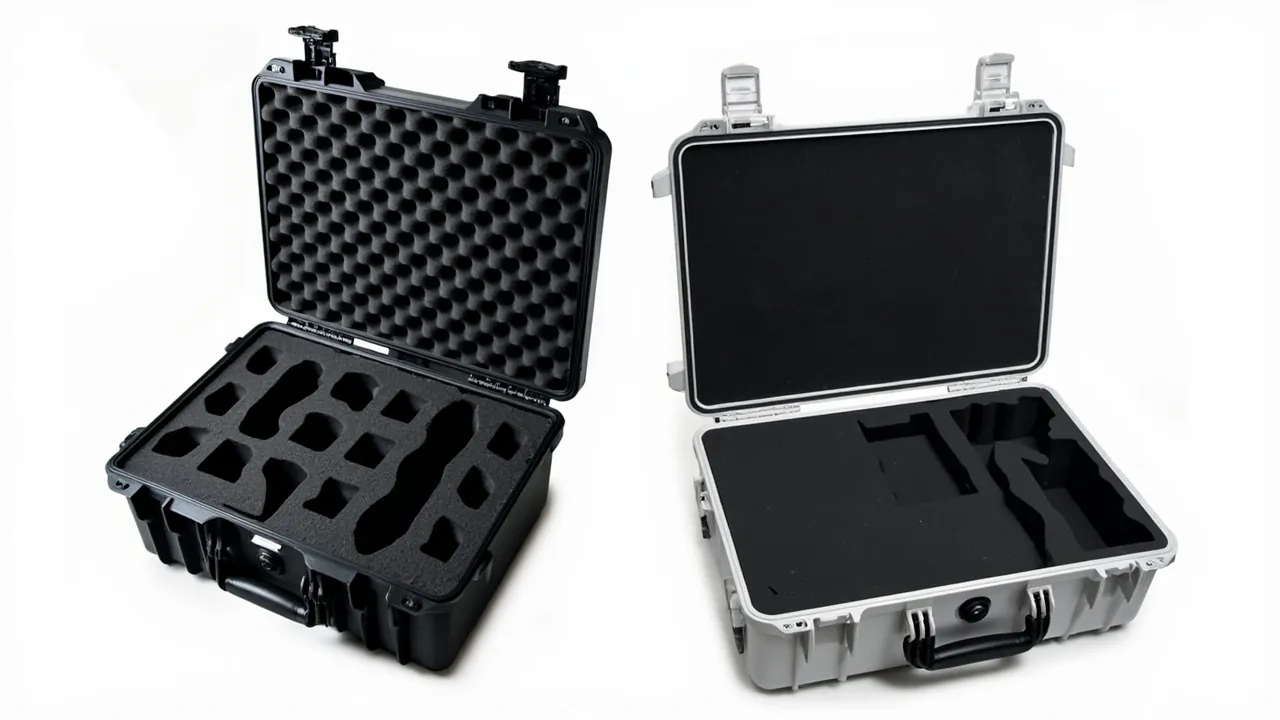
Should a Protective Case Use Dividers or Foam Liner? Divider vs. Foam Comparison Table and Selection Advice
Choose dividers for durable, frequently accessed, regular gear and foam for high-value, vibration-sensitive, fixed-shape equipment; many professional schemes mix both — dividers for zoning, foam for single-item fixing.
Read Article →