

Boxknow
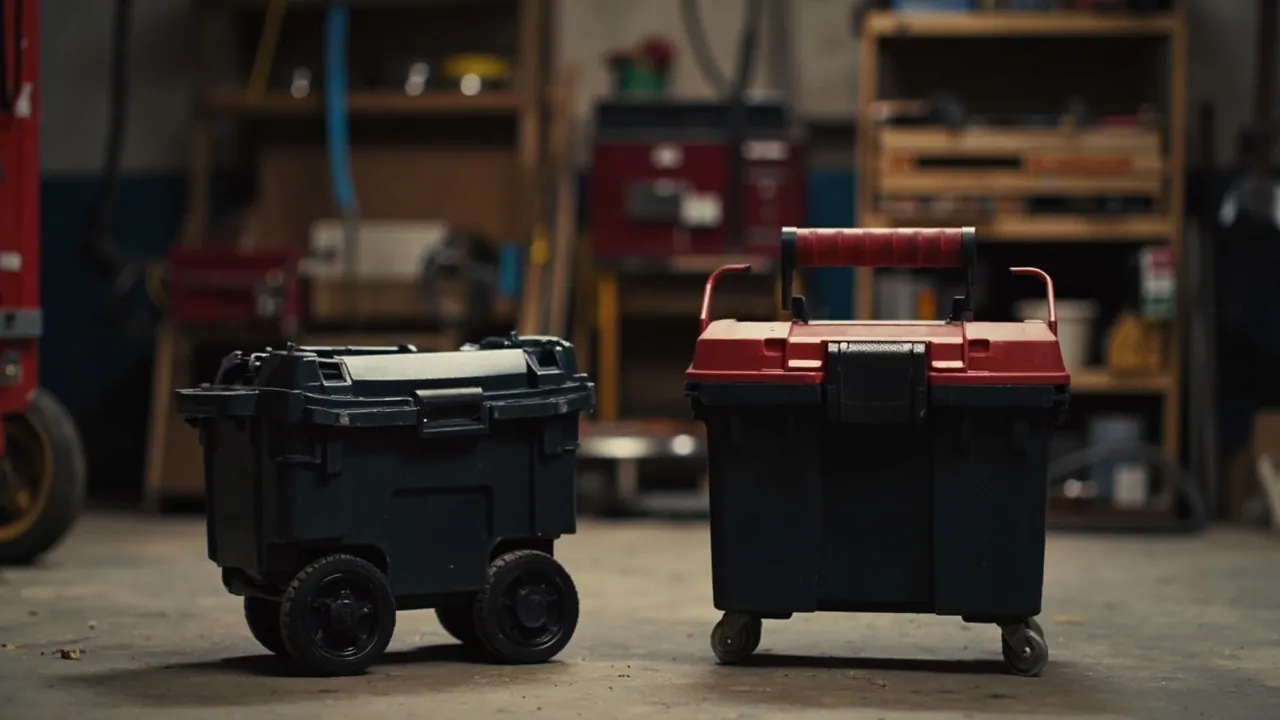
Wheeled vs Standard Toolboxes: What Is the Difference?
**Direct answer:** The core difference between a wheeled toolbox (rolling toolbox / trolley toolbox) and a standard hand-carried toolbox is **whether the weight is transferred onto
Read Article →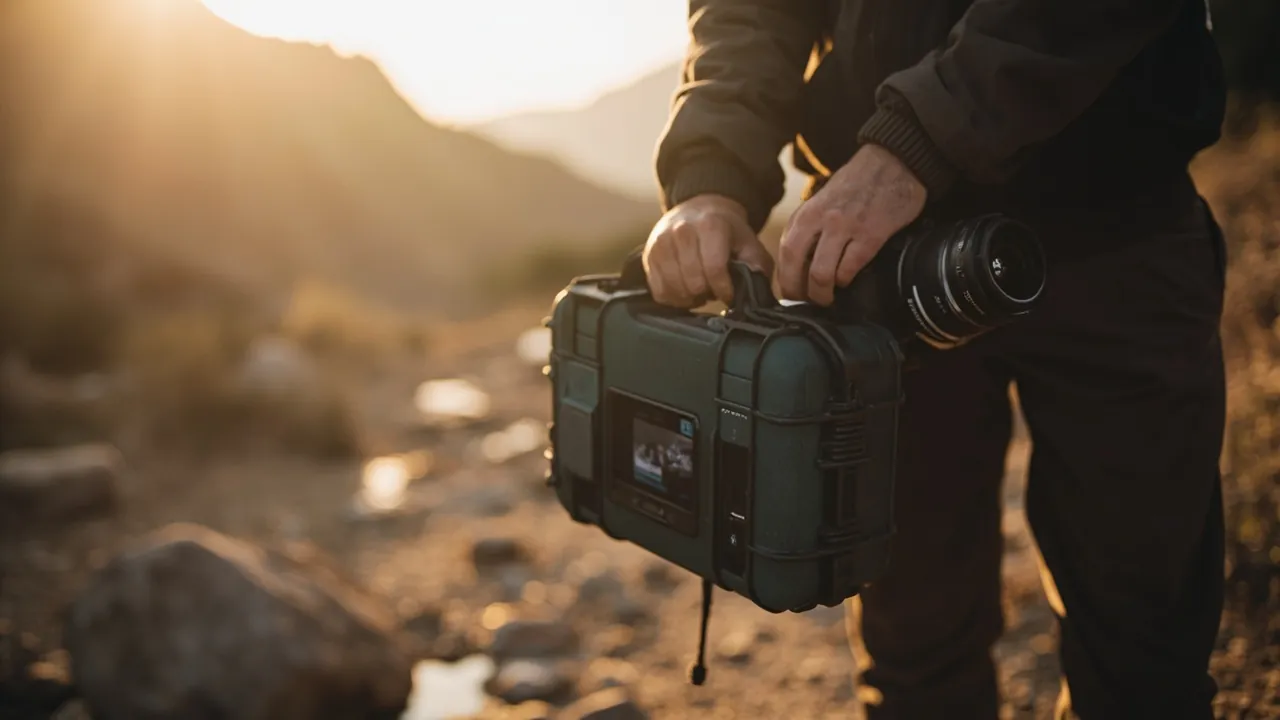
What Outdoor Uses Are ABS Protective Cases Best Suited For?
ABS protective cases suit outdoor uses needing rigid, dimensionally stable, finely finished shells — instrument cases, tool boxes, display cases, and mild-climate outdoor protection; PP fits extreme cold.
Read Article →
What Is the Difference Between IP65, IP66, and IP67? How to Choose
IP65, IP66 and IP67 all share first digit 6 (fully dust-tight); they differ only in water resistance — IPX5 water jet, IPX6 powerful jet, IPX7 short-term immersion. Choose by the water form you actually meet.
Read Article →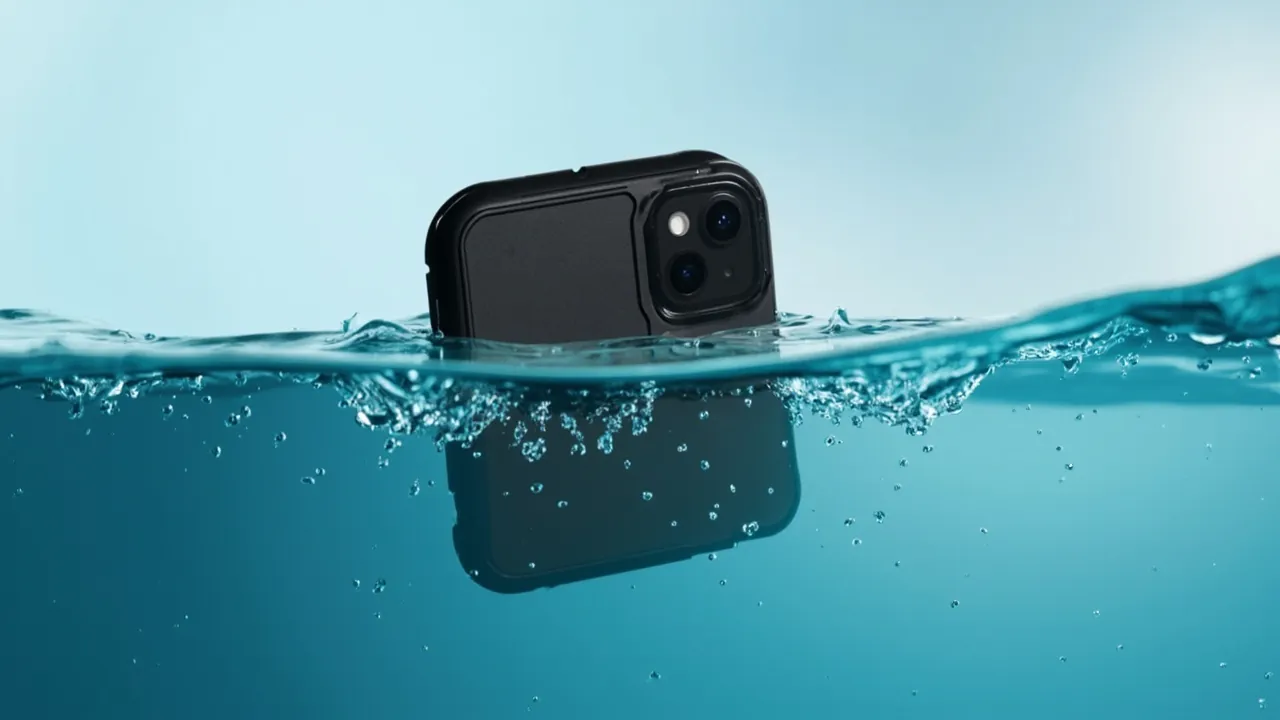
What Is an IP67 Protective Case? Core Protection and Selection
An IP67 protective case per IEC 60529 is fully dust-tight (IP6X) plus short-term immersion resistant (IPX7, 1 m/30 min). Learn how it achieves this, how it differs from ordinary boxes, and how to select one.
Read Article →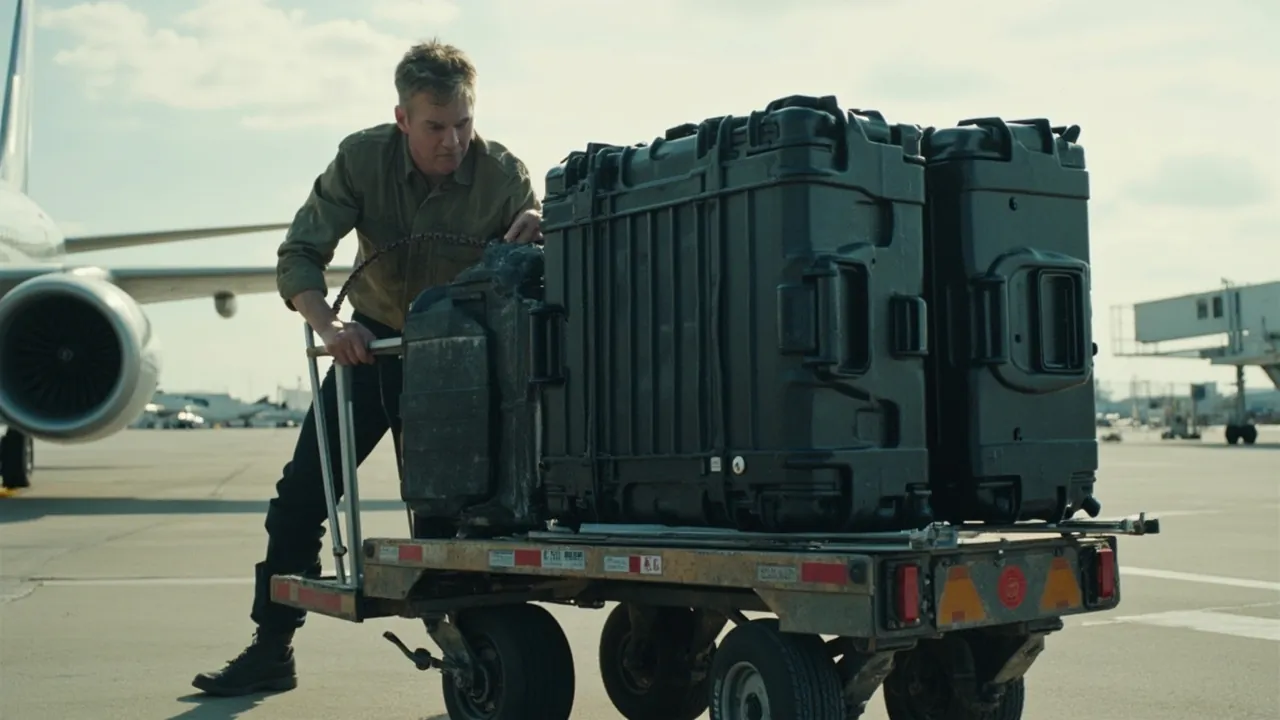
What to Consider for a Protective Case in Air Transport
Air-transport protective cases must handle low cargo pressure, temperature swing, vibration, and handling shock. A pressure-balancing valve is mandatory, plus contoured liner fixation and aviation compliance.
Read Article →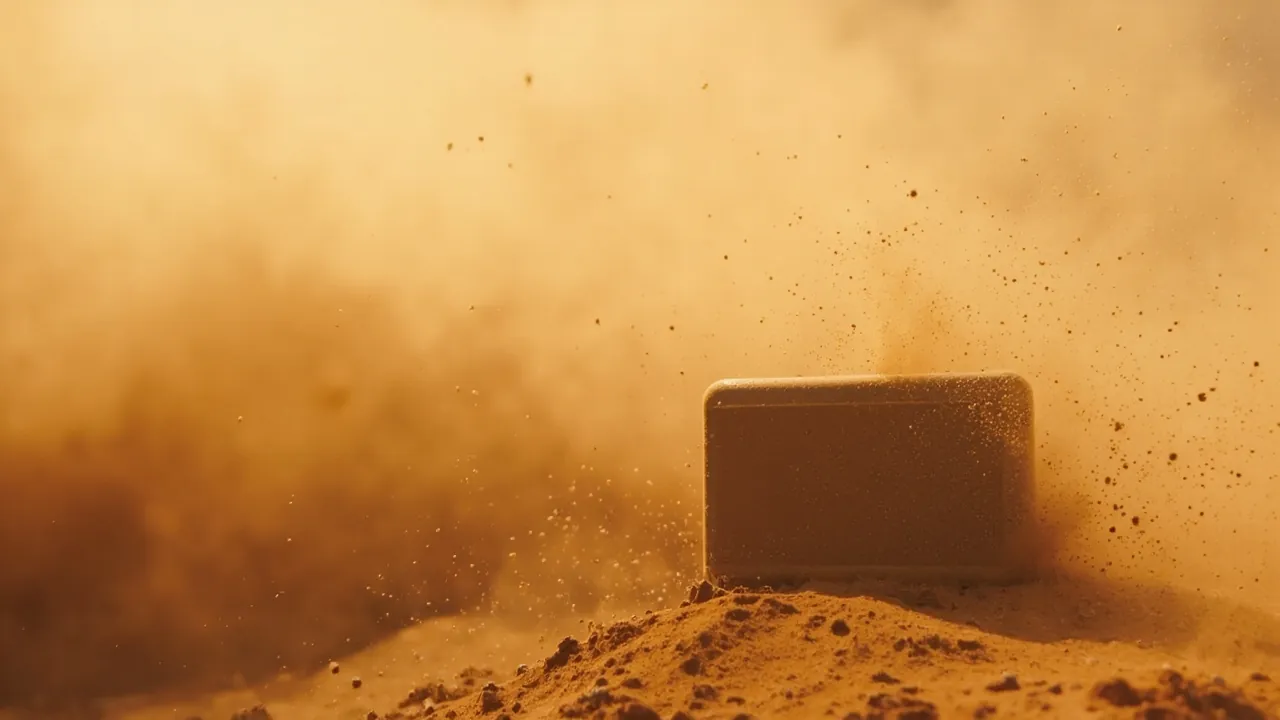
Why Does an Outdoor Protective Case Need Dustproof Design?
Dustproof design is a survival bottom line for outdoor protective cases — fine particles cause chronic wear, jams, scratches and short circuits, so IP6X sealing with a fixed liner is essential.
Read Article →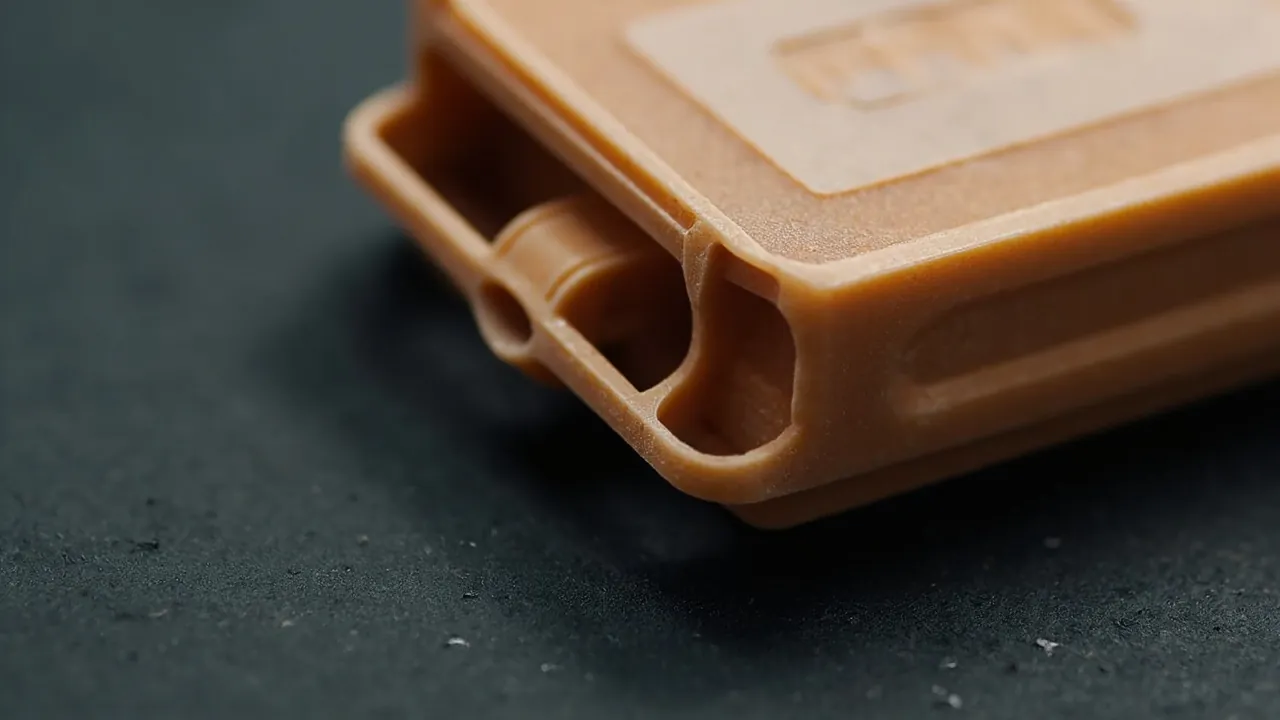
What Engineering Plastics Are Used in Outdoor Protective Cases?
Outdoor protective cases mainly use ABS, PP, and PC engineering plastics. This guide compares their properties and explains why virgin resin, ribs, and sealing matter more than the material label.
Read Article →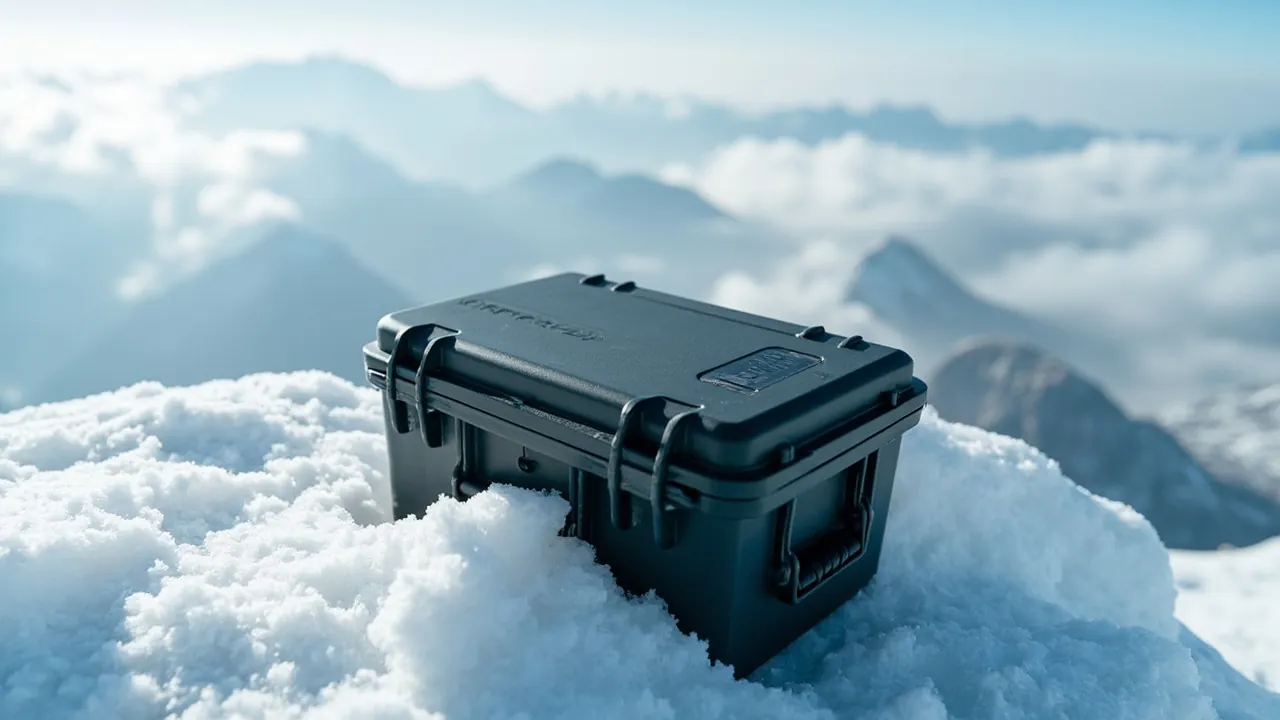
What to Consider for Protective Cases in High-Altitude Environments?
High altitude stacks low pressure, cold, temperature swing, and UV against a protective case. Learn why a pressure-balancing valve, low-temp PP shell, desiccant, and liner are mandatory.
Read Article →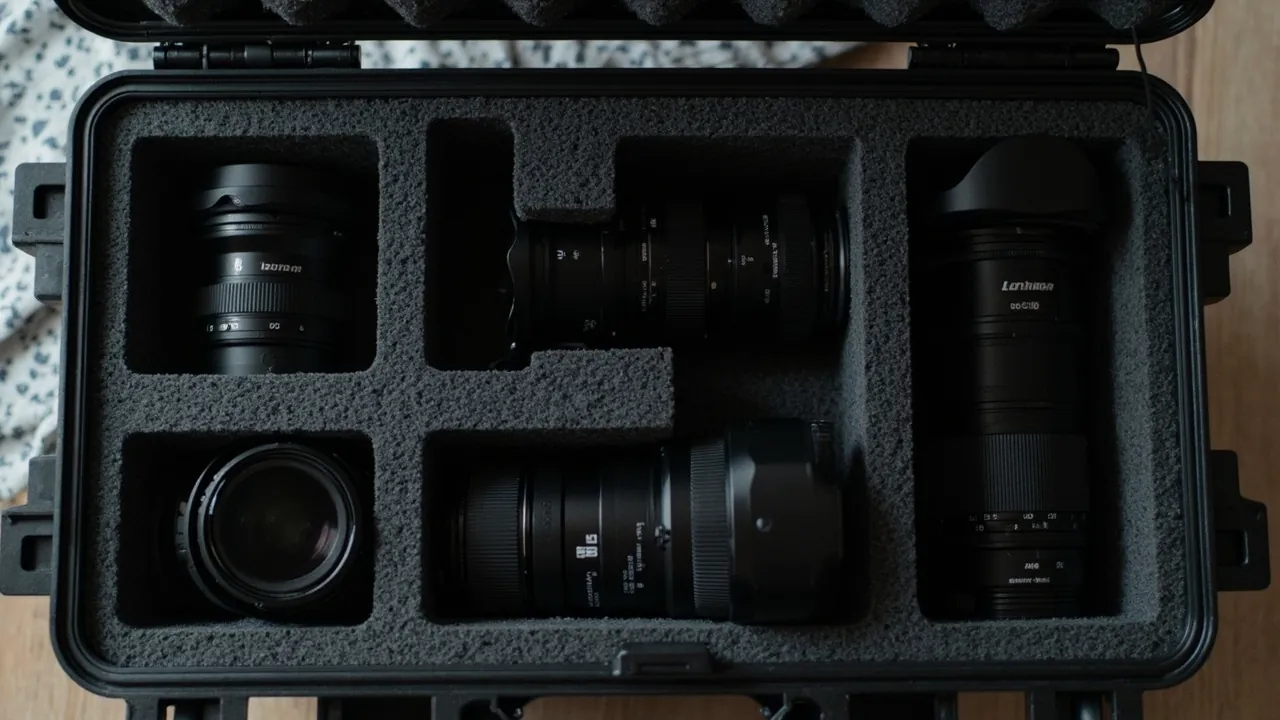
What Types of Cushioning Liners Do Outdoor Protective Cases Use, and How to Choose?
Protective-case liners come in EVA, EPE, XPE and PU foams, formed as pre-cut, modular or custom cut-foam trays. Match the liner to equipment fragility for shock and shift protection.
Read Article →
How to Choose the Shell Material of an Outdoor Protective Case? ABS, PP, or Alloy?
Choose protective-case shell material by temperature, impact, weight, load/shielding, and budget: ABS for normal temp, PP for cold and drops, alloy for heavy-load shielding. Material alone does not set the IP rating.
Read Article →
What Does the Pressure-Balancing Valve (Breather Valve) Do in a Protective Case?
The pressure-balancing valve slowly equalizes internal-external air pressure to stop the lid popping open or the seal crushing under altitude and temperature swings, while its breathable membrane blocks water and dust.
Read Article →
How an Outdoor Protective Case Protects Cameras, Drones, and Communication Equipment
An outdoor protective case protects cameras, drones, and communication gear with an IP67 seal against water and dust, a cut EVA/EPE liner against shock, a rigid shell, and a pressure-balancing valve for air transport.
Read Article →