

Boxknow

How Do Protective Cases Balance Weight and Strength? Material, Wall Thickness, Ribs, and Topology Optimization
Protective cases balance lightness and strength through material choice, variable wall thickness, reinforcement ribs, topology optimization and liner load-sharing — not by simply thickening.
Read Article →
How to Judge Whether a Protective Case Has Good Structure: A Seven-Dimension Checklist
Judge a protective case by seven verifiable dimensions — shell, sealing, hinge, latch, liner, stacking, and certification — rather than by wall thickness or looks alone.
Read Article →
How Is the Structure of a High-Strength Protective Case Designed?
A high-strength protective case is built on overall rigidity through five principles — uniform wall, ribs, fillets, metal inserts, and coordinated fit — not by simply thickening the plastic.
Read Article →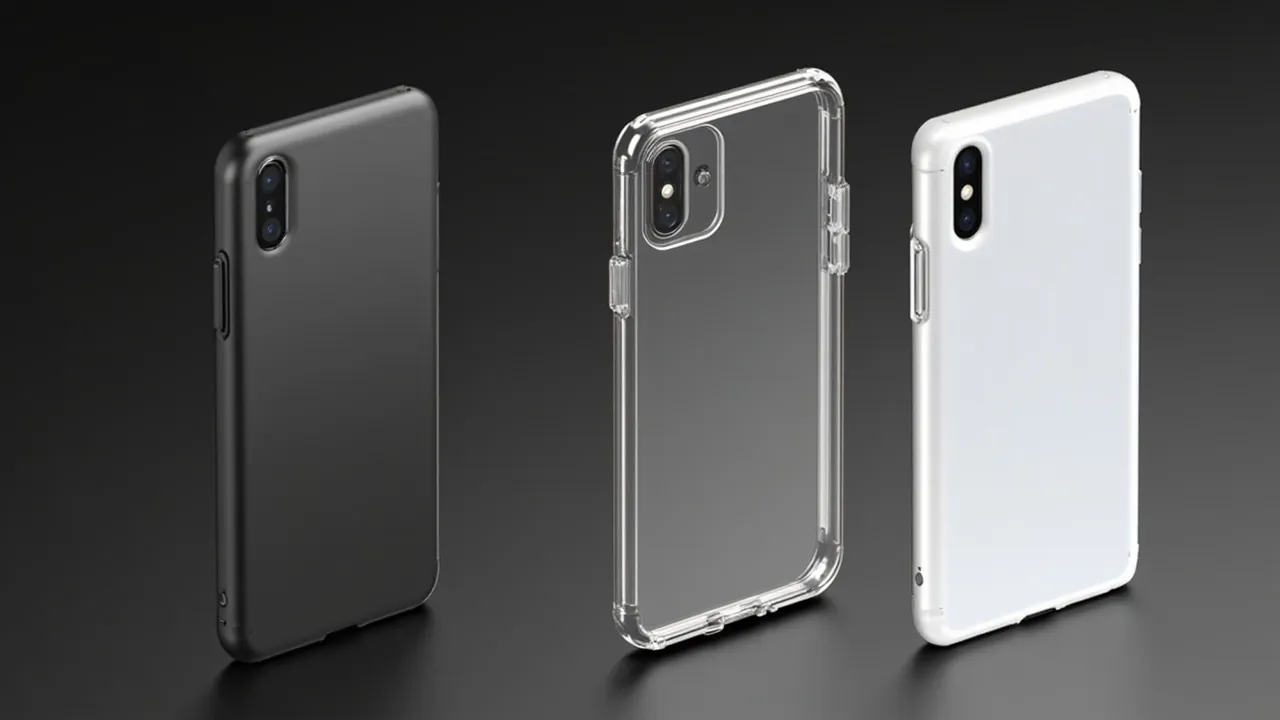
What Is the Difference Between PP, ABS, and PC Protective Cases, and How to Choose?
PP wins on lightness and low-temperature impact, ABS on balanced rigidity and printing, PC on high impact and transparency — choose by matching material to your environment, not by price.
Read Article →
What Common Plastic Materials Are Used in Protective Cases?
Protective-case shells mainly use three engineering plastics — ABS, PP and PC — plus PE, PS and EPE/EPP foams for feet, bushings and liners. Material is assigned by section, not by price.
Read Article →
How to Choose a Protective Case for Outdoor Power Stations and Energy Storage Devices
How to Choose a Protective Case for Outdoor Power Stations and Energy Storage Devices Guide.
Read Article →
What Is the IP67 Rating: The Hard Threshold for Outdoor Low-Voltage Waterproof Enclosures
IP67 per IEC 60529 means dust-tight (6) and 30 minutes at 1 m immersion (7). Learn the rating tables, exact IP67 test conditions, five misconceptions, and how to specify outdoor low-voltage waterproof junction boxes: materials, sealing structure, six-step selection, installation rules and maintenance schedules.
Read Article →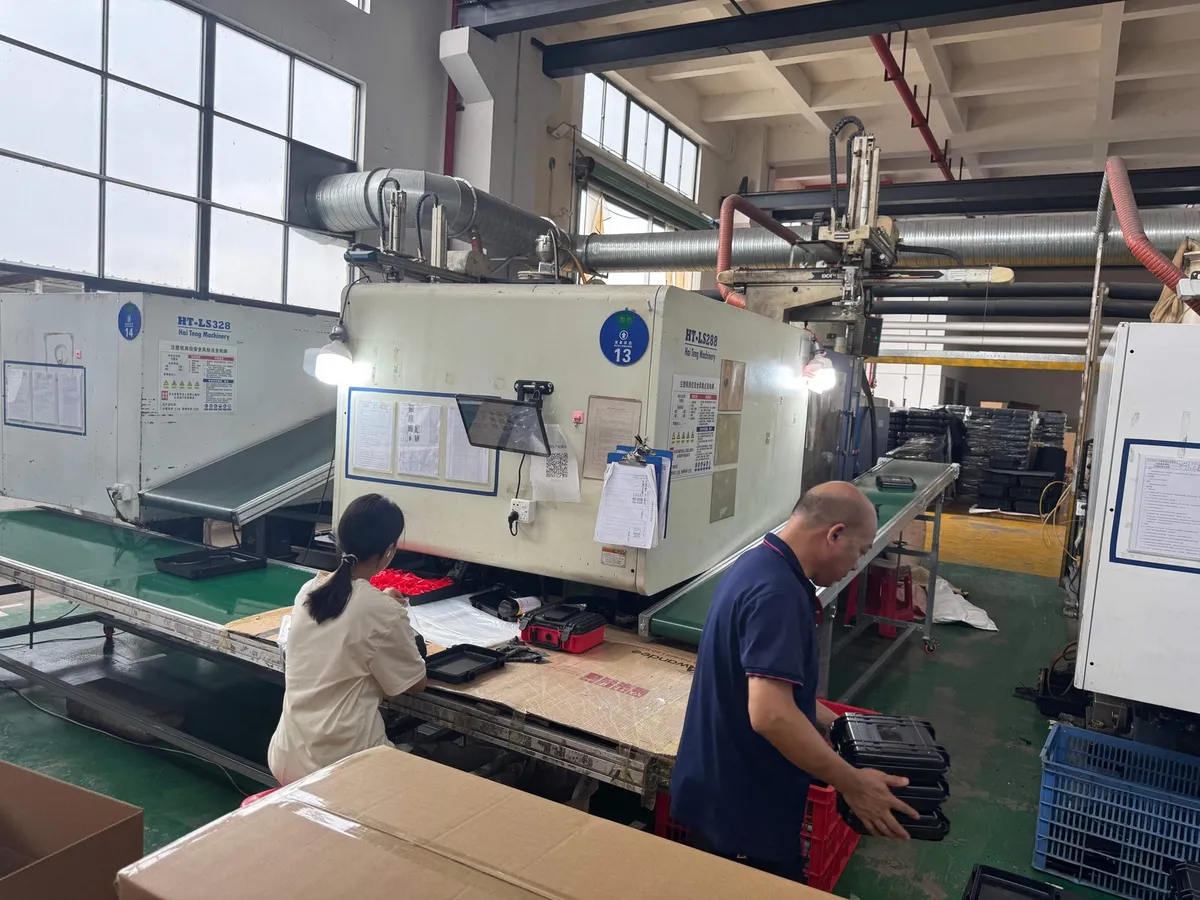
ABS vs PP for Protective Cases: Which Material Should You Choose?
ABS is rigid, glossy, and highly impact-resistant; PP is lighter, moisture-proof, chemical-resistant, and more economical. Neither is universally better — the right choice depends on your equipment, environment, and budget.
Read Article →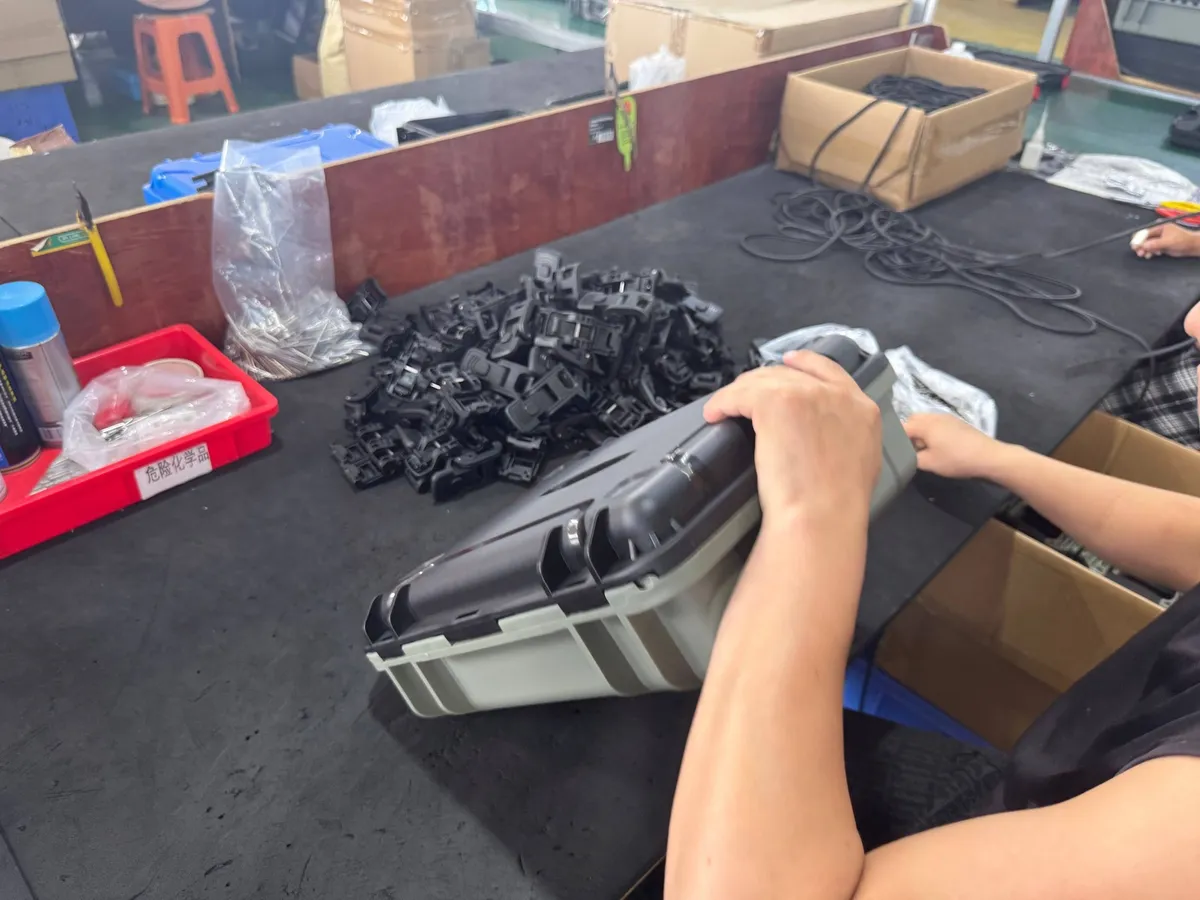
MIL-STD-810H Explained: What the Military Drop Test Really Means
MIL-STD-810H is a U.S. Department of Defense test methodology covering shock, vibration, temperature, humidity, dust and rain. It is a tailoring-based test standard, not a certification — and Method 516.8 Procedure IV defines the well-known 26-drop transit test.
Read Article →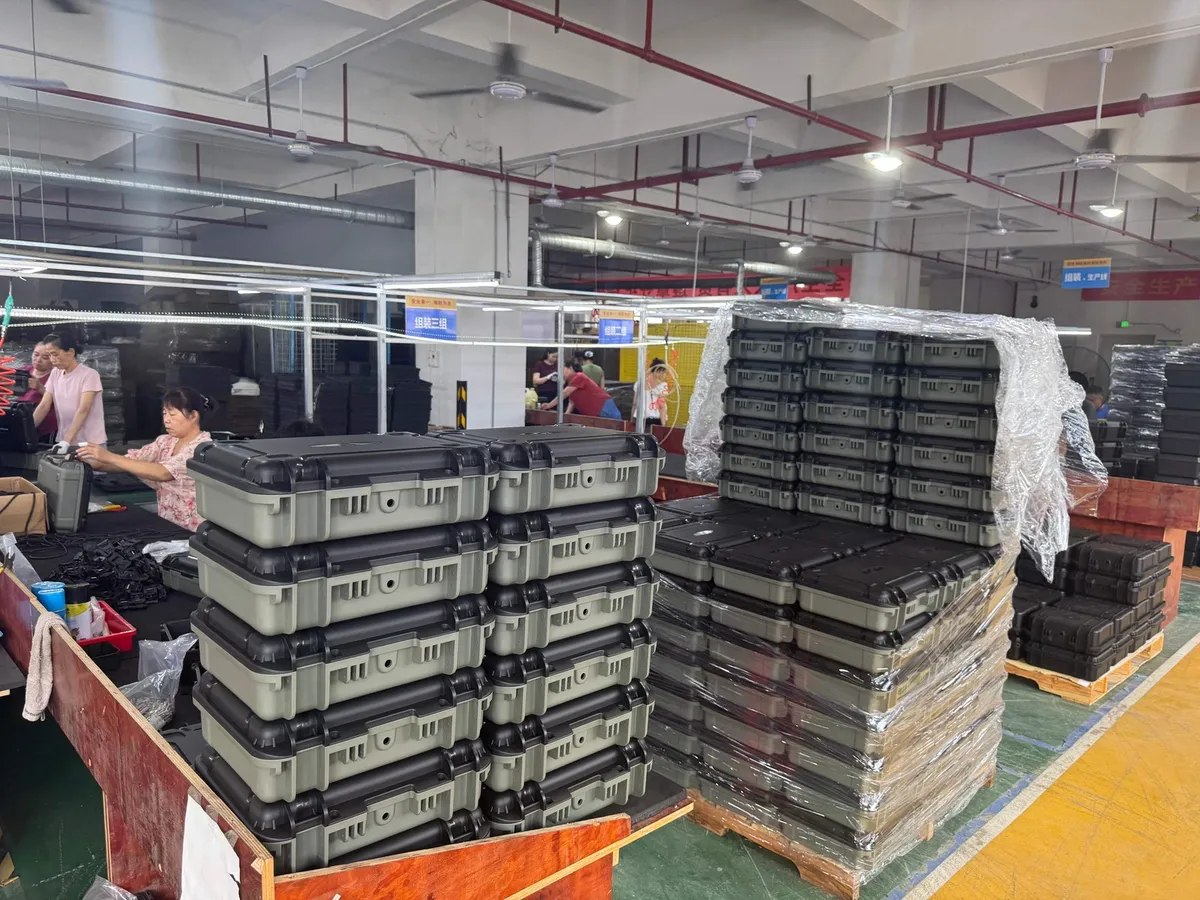
How to Choose a Gun Case: Hard Cases, Foam, Locks and Airline Rules
A proper gun case is hard-sided, lockable, foam-fitted, and sized to your firearm. If you fly in the U.S., TSA rules add specific requirements: unloaded firearm, locked hard-sided container, checked baggage, and declaration at check-in.
Read Article →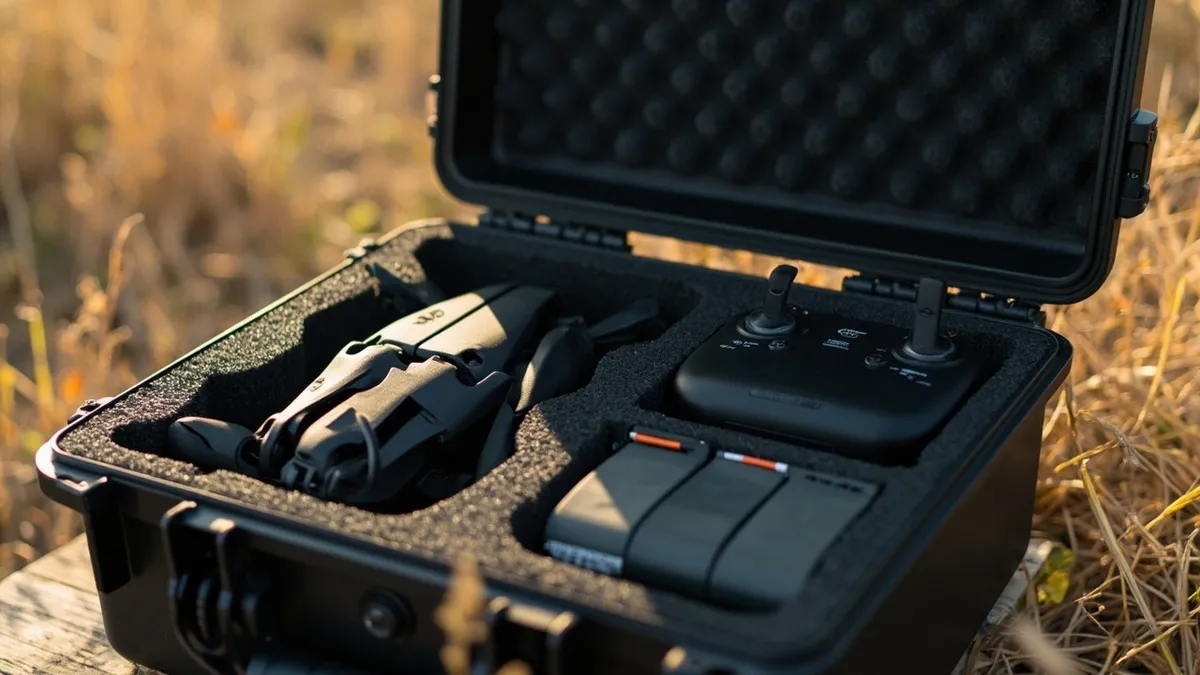
Drone Cases: How to Protect Your UAV, Gimbal and Batteries in the Field
Drones fail in the field through impact, dust, and moisture — not in the air. A proper drone case is IP67-sealed, foam-fitted around the gimbal and props, sized with battery rules in mind, and wheeled once the kit grows.
Read Article →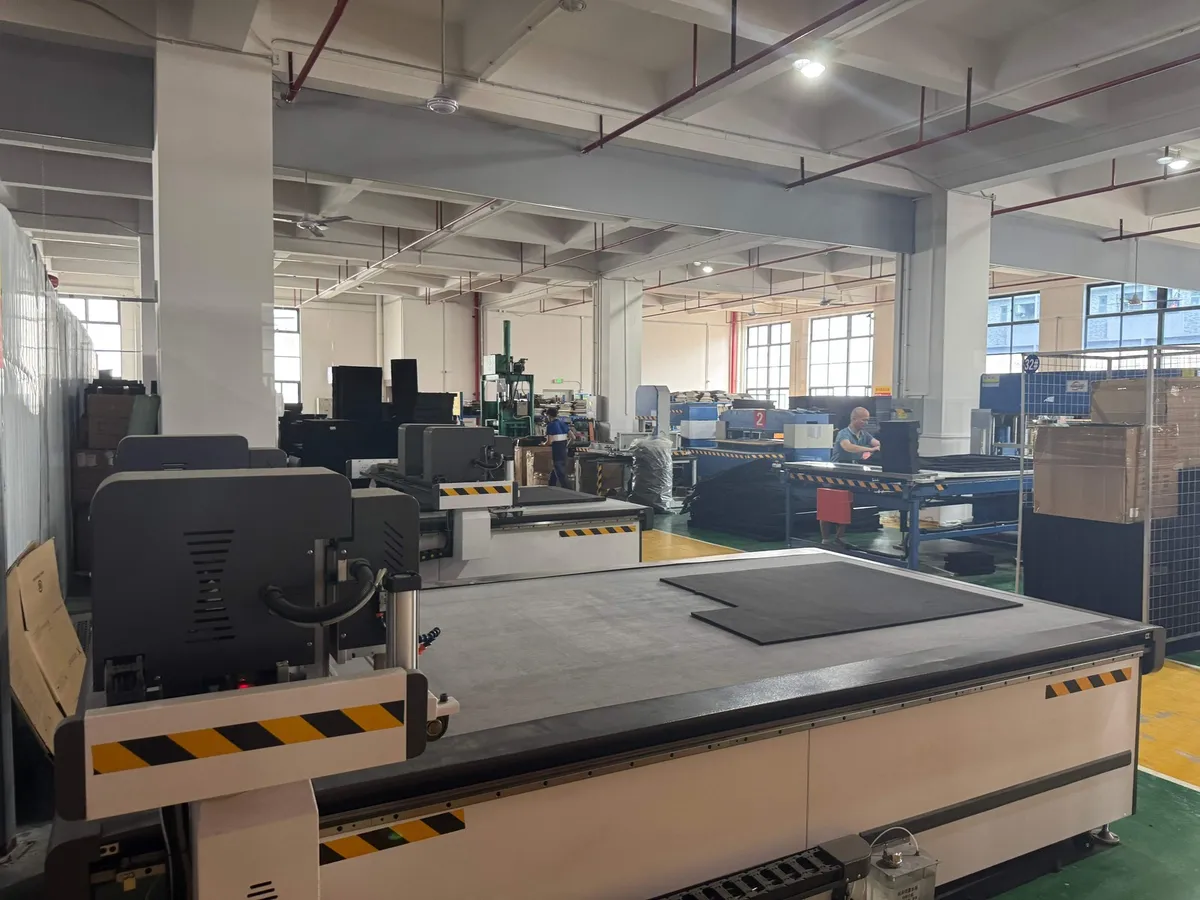
Custom Foam Inserts: EVA vs EPE vs PU, and How to Spec the Right One
The foam inside a case does the actual protecting. EVA is the durable premium choice, EPE is light and economical, PU is soft for delicate items — and the cutting method (CNC, die-cut, pick-and-pluck) decides the fit quality and cost.
Read Article →