

Boxknow
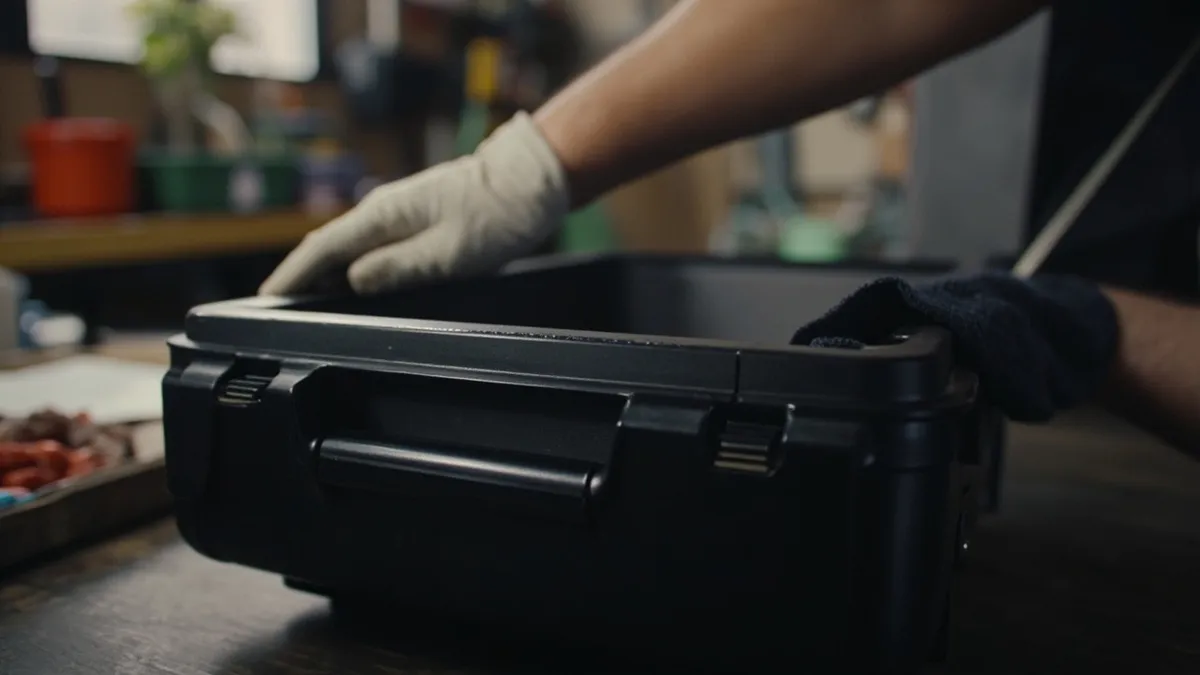
How to Clean and Maintain a Protective Case: Shell, Gasket, Latches and Foam
Use mild dish soap and warm water, or 70% isopropyl alcohol for disinfection. Never use bleach, ammonia, acetone or abrasives, and lubricate the gasket with pure silicone grease only — petroleum jelly and WD-40 swell rubber and destroy the seal.
Read Article →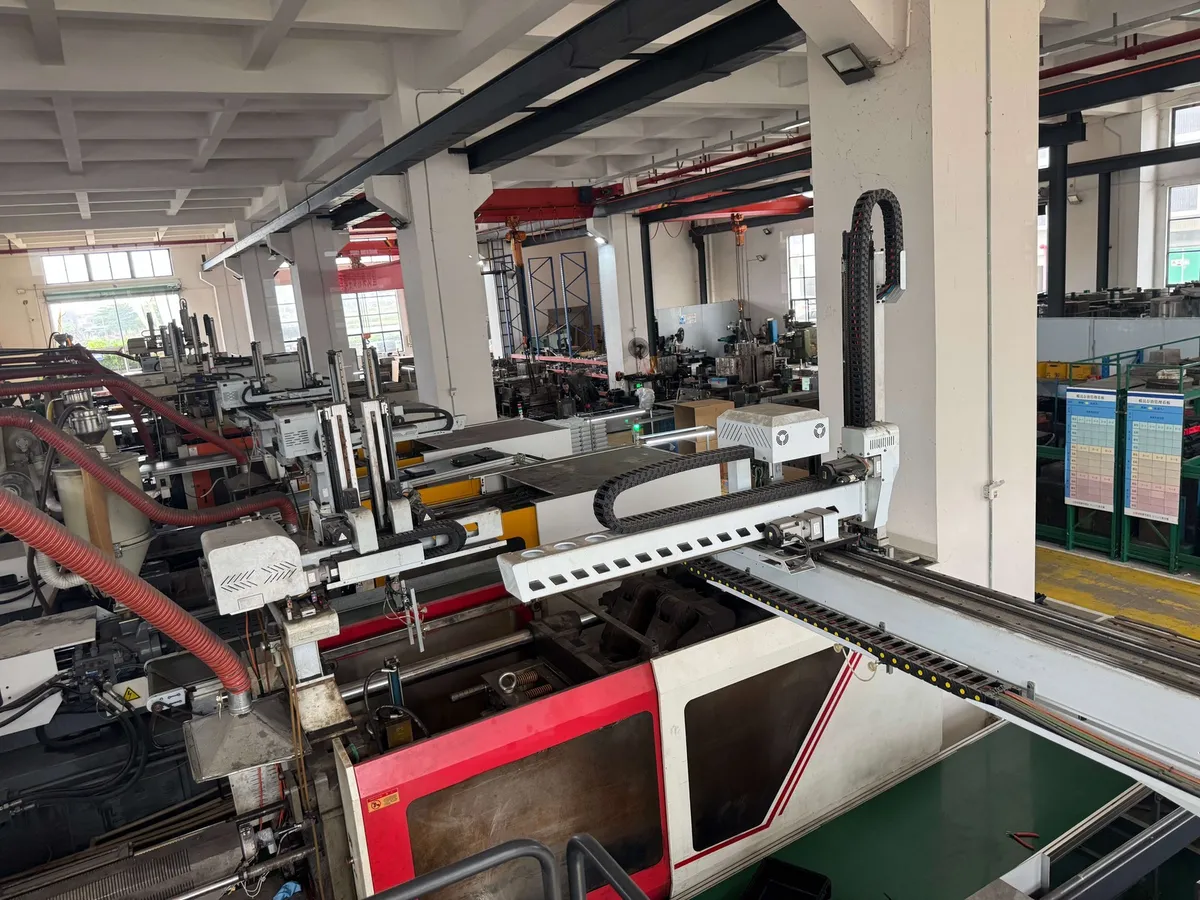
Injection Molding vs Rotational Molding: How Protective Cases Are Actually Made
Injection molding injects molten polymer into a steel tool under 500–2,000 bar, giving tight tolerances and fast cycles but expensive tooling. Rotational molding tumbles powdered resin in a heated mould at atmospheric pressure, giving seamless, uniform walls and cheap tooling for large parts at slow cycle times.
Read Article →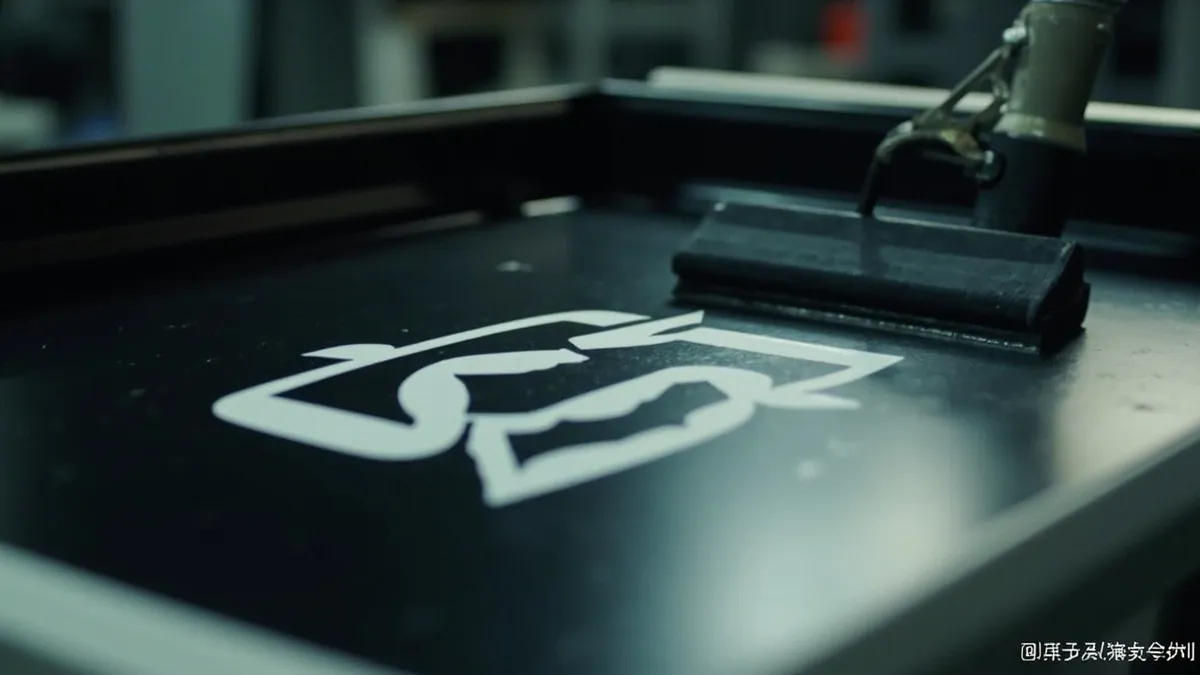
Custom Logo Printing on Protective Cases: 6 Methods Compared
Silk screen is cheapest for bold flat logos at volume, pad printing handles curves, laser engraving is permanent and needs no ink, UV digital printing needs no plates at all, IML fuses the label into the plastic, and mould-etched embossing never fades. Volume, surface and durability decide.
Read Article →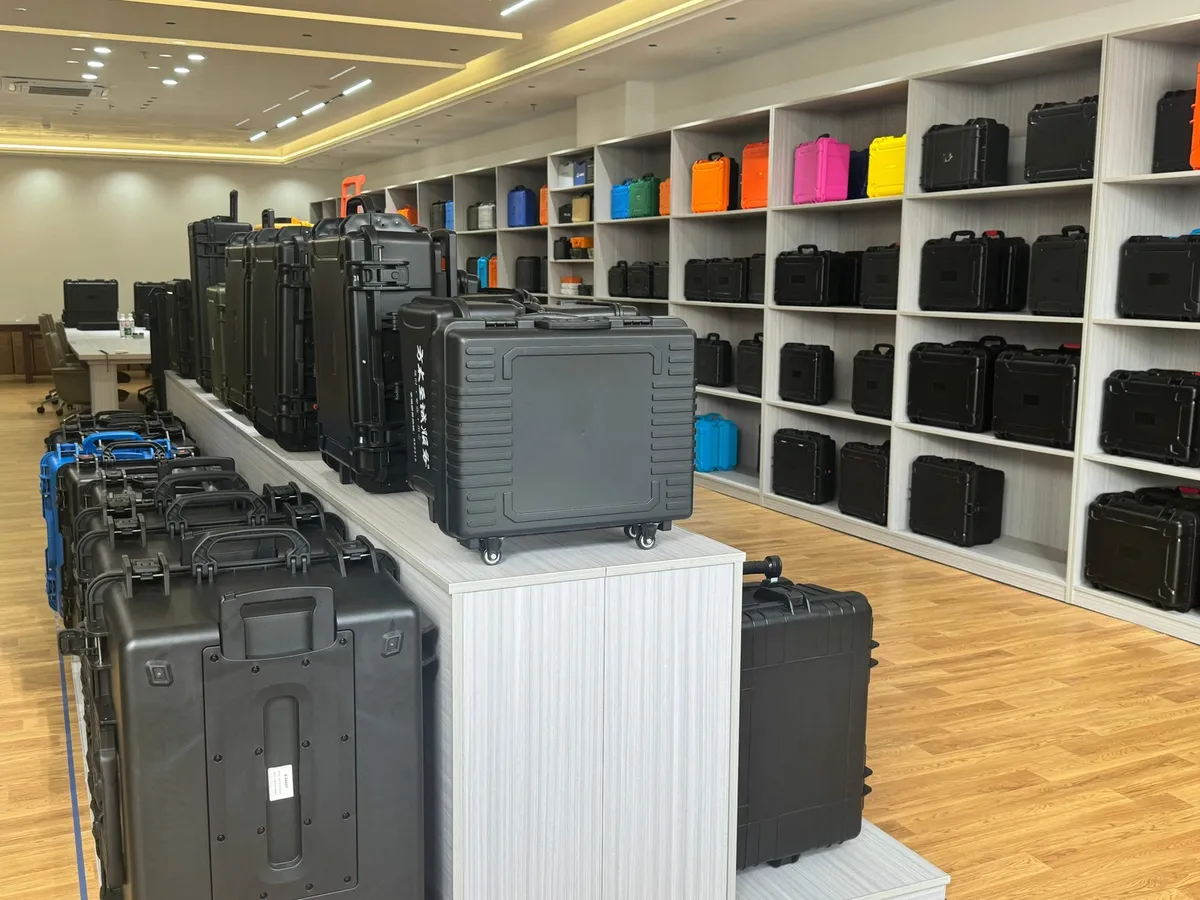
Tactical Equipment Cases: What MIL-STD-810, STANAG and IP67 Really Require
A tactical case is judged on documented compliance, not adjectives. The standards that matter are MIL-STD-810 environmental methods, NATO STANAG 4280 and 4340, UK Def Stan 81-41, ATA Spec 300 Category I, and an IP rating backed by a test report.
Read Article →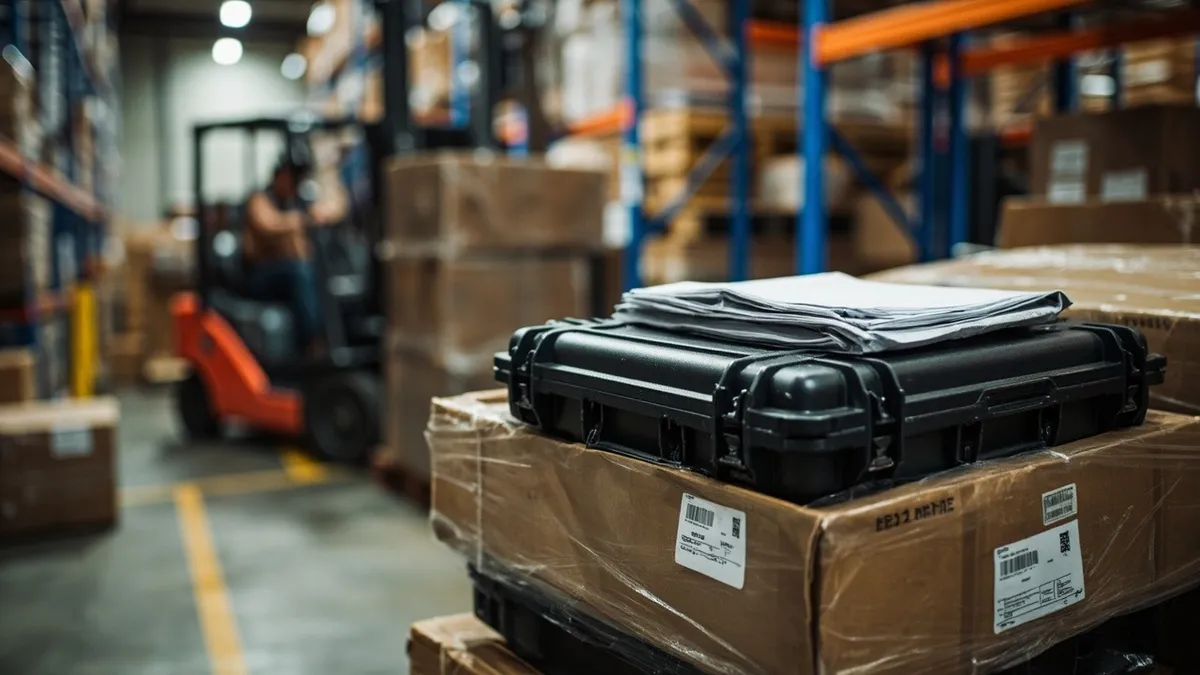
Export Packaging Compliance: ISPM 15, Labeling and Shipping Marks Explained
ISPM 15 requires all wood packaging thicker than 6 mm to be treated — heat treatment means a 56 °C core held for 30 minutes — and stamped with the IPPC mark. Plastic cases and crates are exempt from ISPM 15 entirely, which is one reason moulded containers simplify export.
Read Article →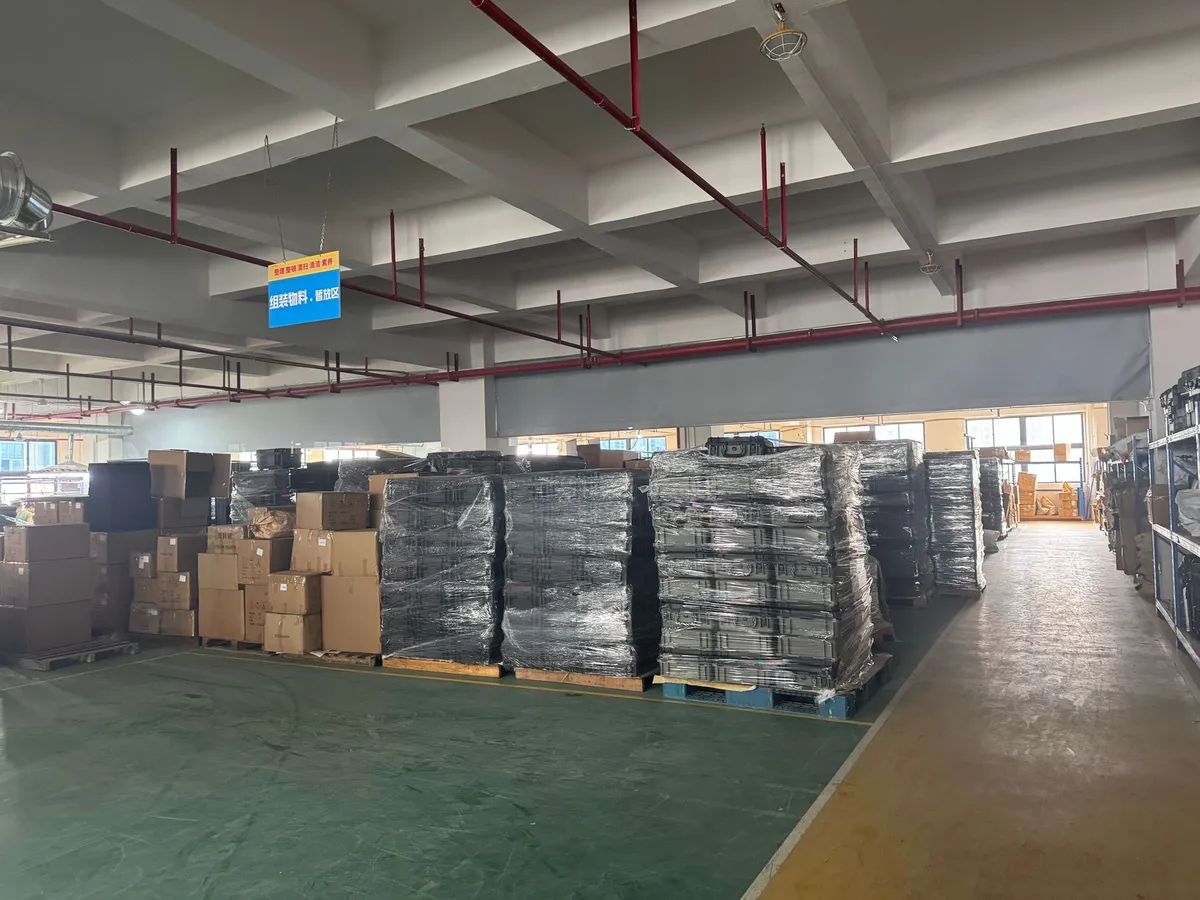
Reusable Transport Cases in Logistics: Cost Per Trip, Nesting and Tracking
Returnable packaging is judged on cost per trip, not purchase price. A wood pallet costing 15 USD that lasts 20 trips costs 0.75 USD per trip; a 75 USD plastic pallet that lasts 1,000 trips costs 0.075 USD. Nesting and tracking decide whether the maths holds.
Read Article →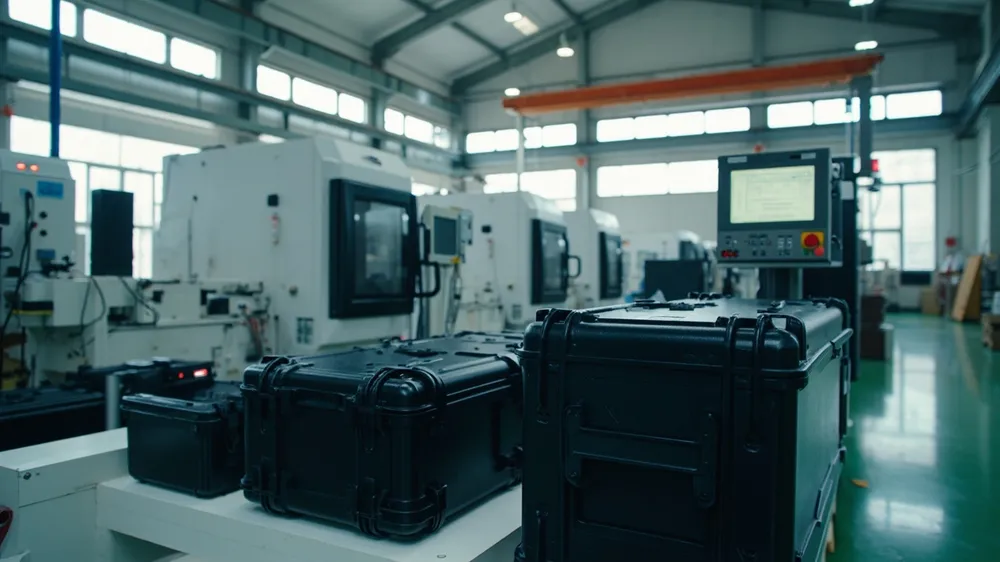
Inside a Drone Case Manufacturing Factory: Capabilities, Process and What to Verify
A drone case factory is judged on more than moulding capacity. Material control, tooling precision, interior engineering, testing discipline and the ability to hold tolerances across a production run are what separate a supplier that can make a sample from one that can hold a specification.
Read Article →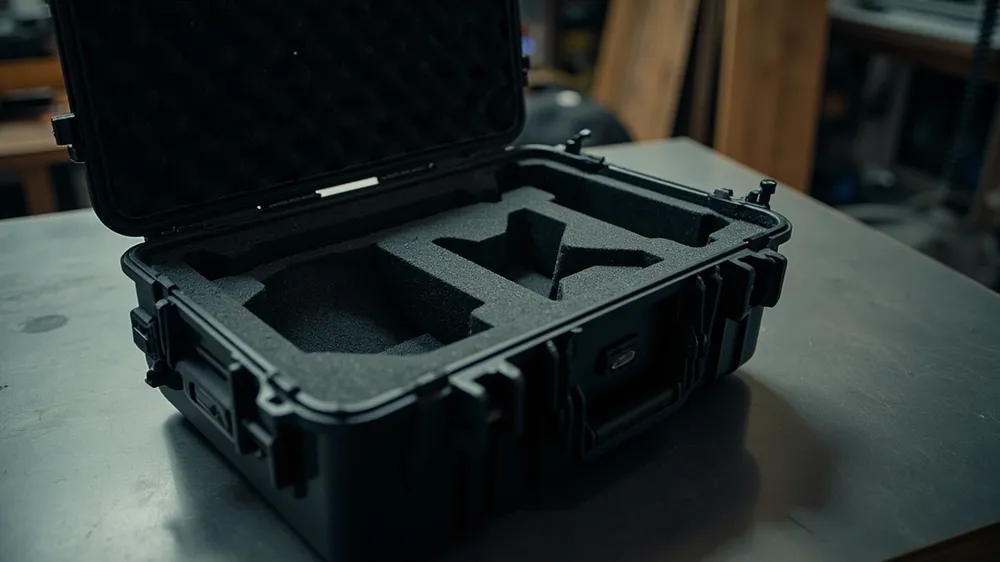
How a Drone Case Is Made: The Complete Production Process Step by Step
A drone protective case passes through roughly a dozen stages, from payload scanning to final packing. Knowing what happens at each stage — and what typically goes wrong — lets a buyer ask the right questions and catch problems before they reach production.
Read Article →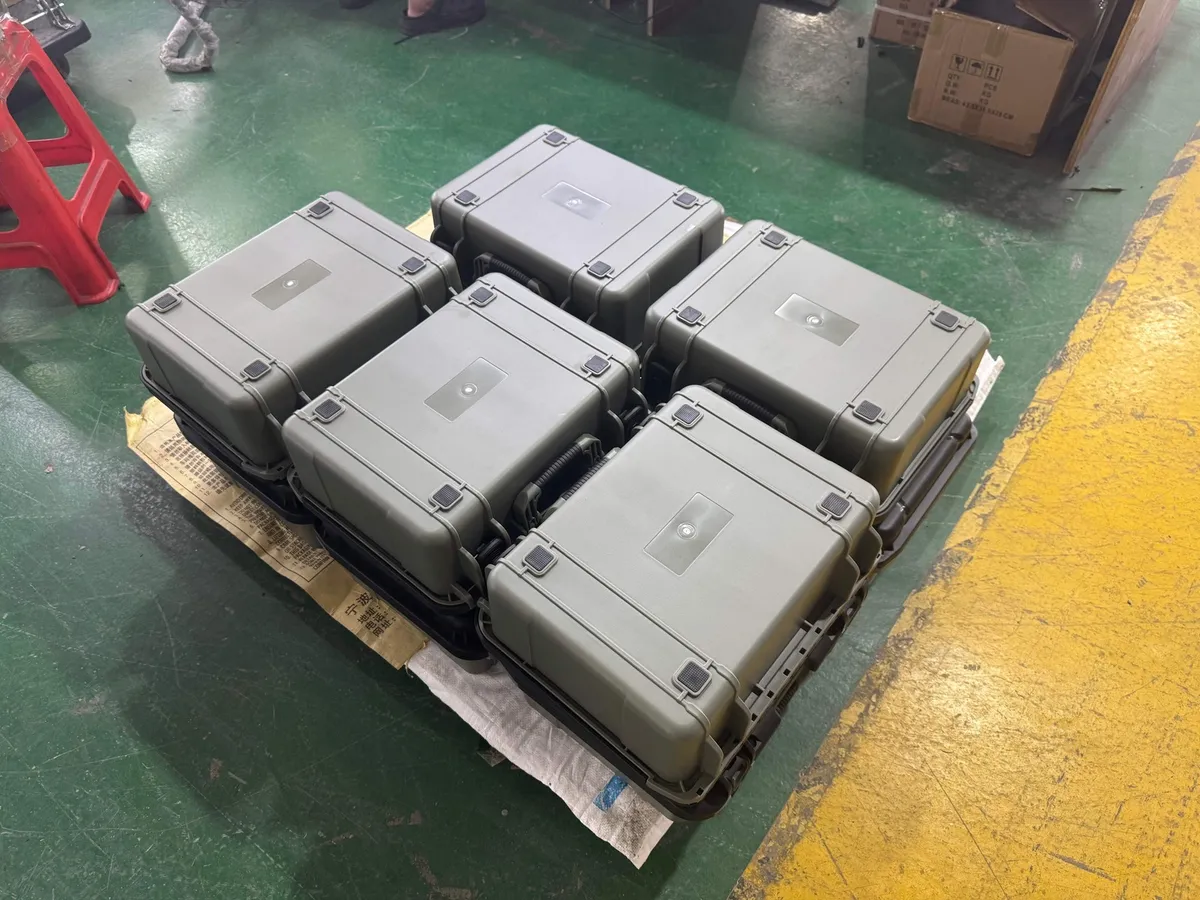
Protective Case MOQ and Lead Time: What Buyers Should Expect
MOQ on a protective case is not an arbitrary number. It is the volume at which a factory's fixed costs - colour changeover and machine purging, foam die-cutting setup, printing screen preparation, hardware minimum packs - stop dominating the unit price. Lead time, likewise, is the sum of material prep, moulding, foam, printing, testing and packing, not a single number a supplier invents.
Read Article →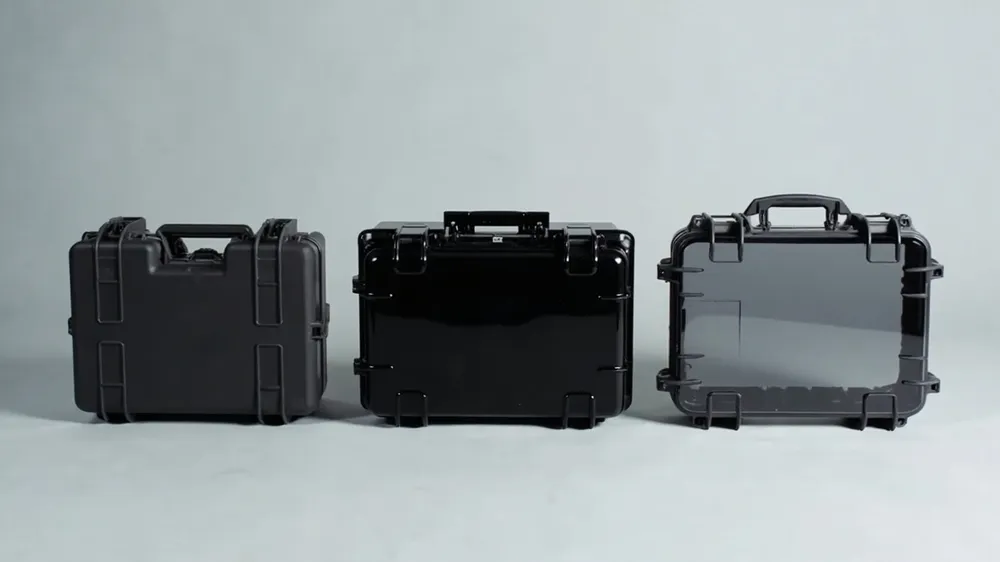
Drone Case Material Selection: PP, ABS and PC Explained for Buyers
The shell material decides most of what a drone case can survive. PP, ABS and PC each trade weight, rigidity, cold toughness and cost differently, and the right choice follows the deployment rather than the price tag. This guide walks through how to pick without over-specifying.
Read Article →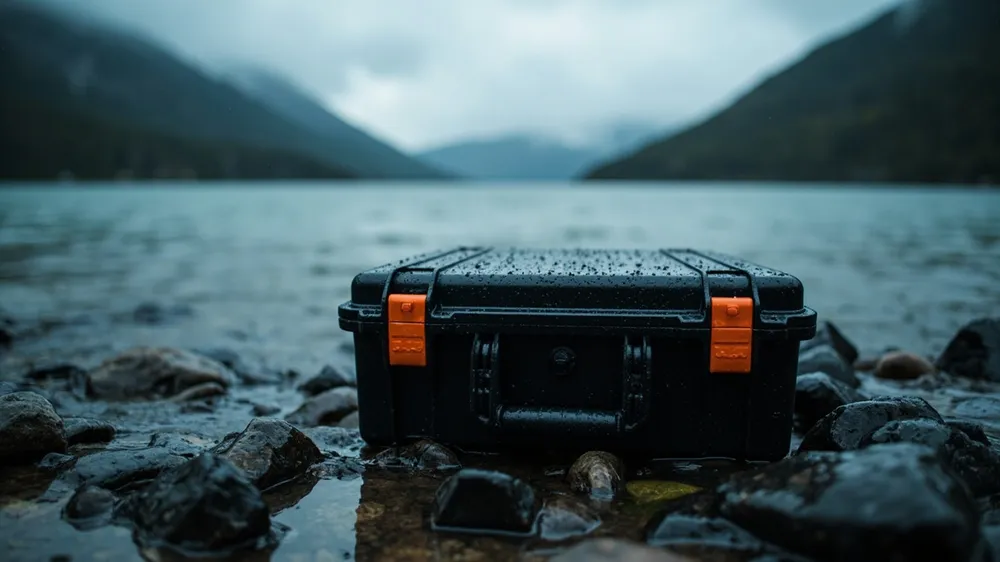
Drone Case Waterproofing: What IP67 Really Means for Your Drone
IP67 is the rating most protective cases claim, but the code alone tells you little unless you know what was tested, how, and whether the seal survives real field use. For drones that meet rain, spray, dust and boat decks, understanding the rating prevents both over-trust and wrong purchases.
Read Article →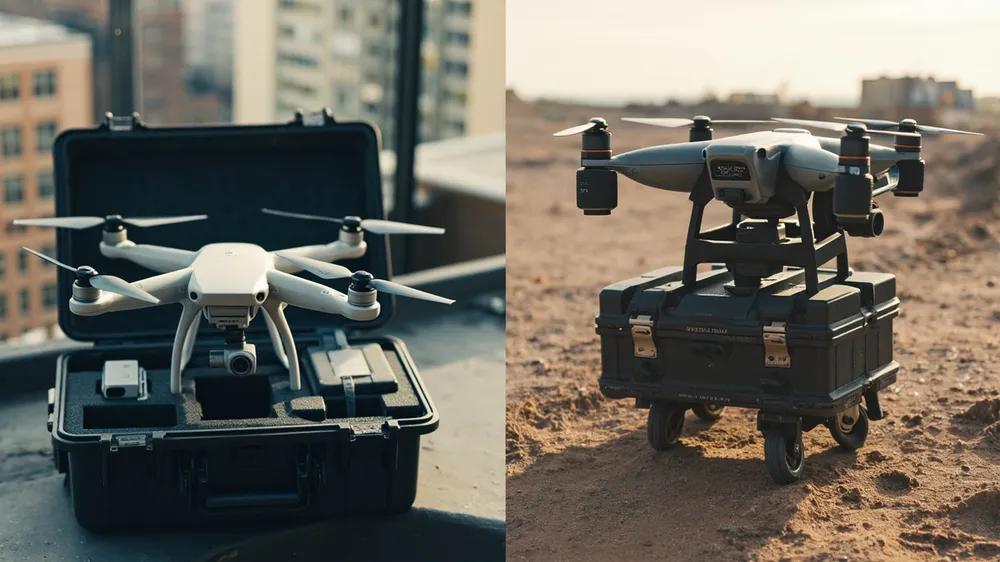
Consumer vs Commercial Drone Cases: What Actually Differs
A consumer folding drone and an industrial survey drone need very different cases. Size, protection grade, interior complexity, access speed and total cost all shift with the aircraft. Buying the wrong tier wastes money or, worse, under-protects an expensive payload.
Read Article →