

Boxknow
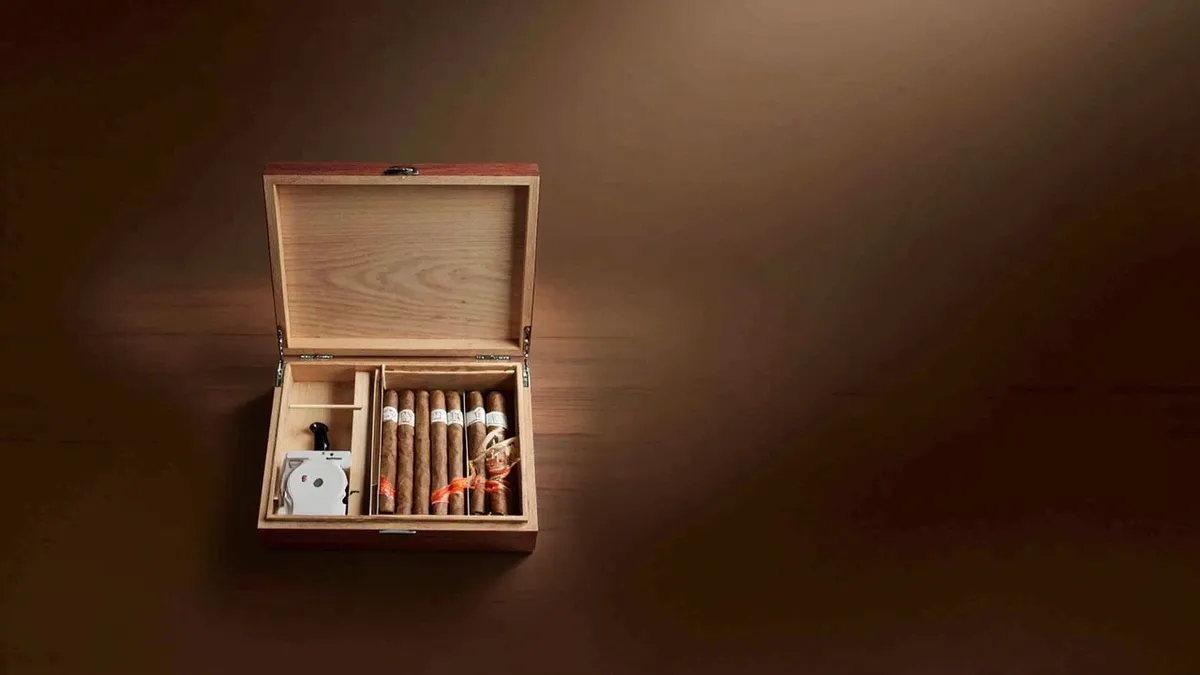
Travel Humidor Case Guide: Keeping Cigars at 65–70% RH on the Road
Cigars hold best at 65–70% relative humidity and 18–21 °C, kept below 21 °C to deter tobacco beetles. A crushproof hard case supplies the seal and the impact protection; a two-way humidity pack supplies the climate. You need both.
Read Article →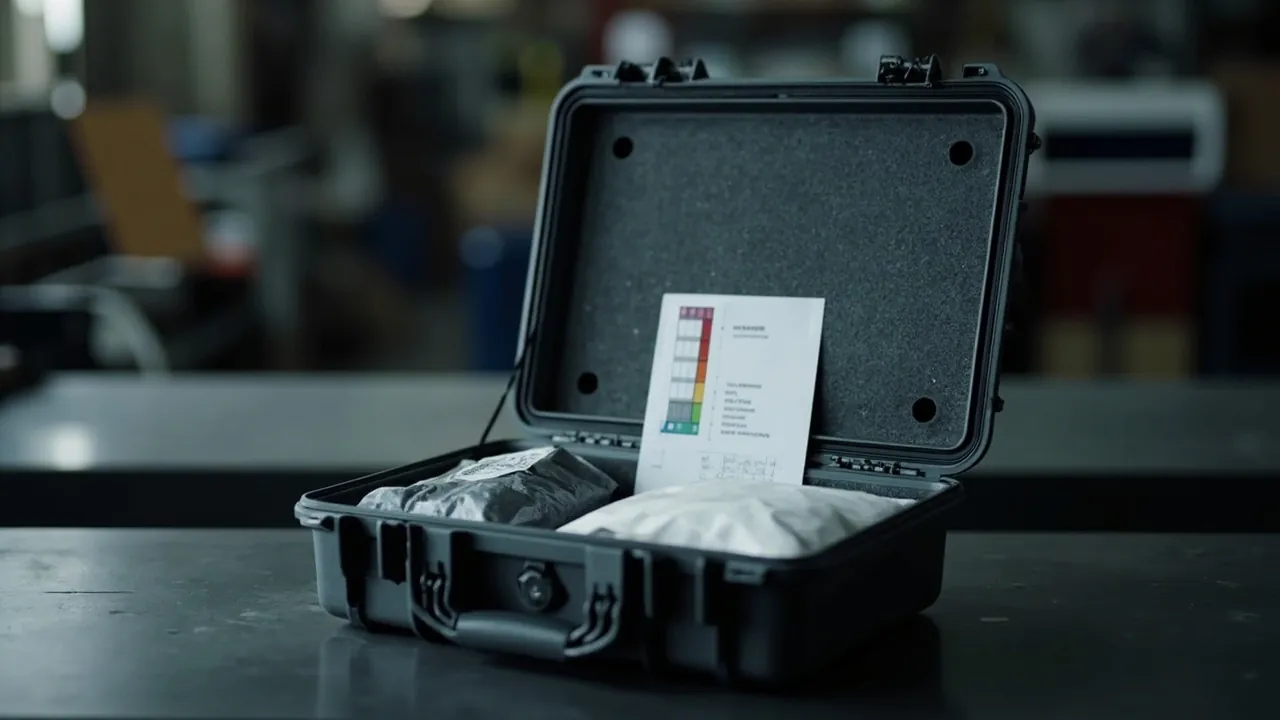
Condensation Inside Cases: Why Dry Equipment Comes Out Wet
Condensation happens when a surface falls below the dew point of the air around it. In a sealed case that means a cold night, a warm vehicle, or wet equipment packed too soon — and the water appears exactly where it does most harm.
Read Article →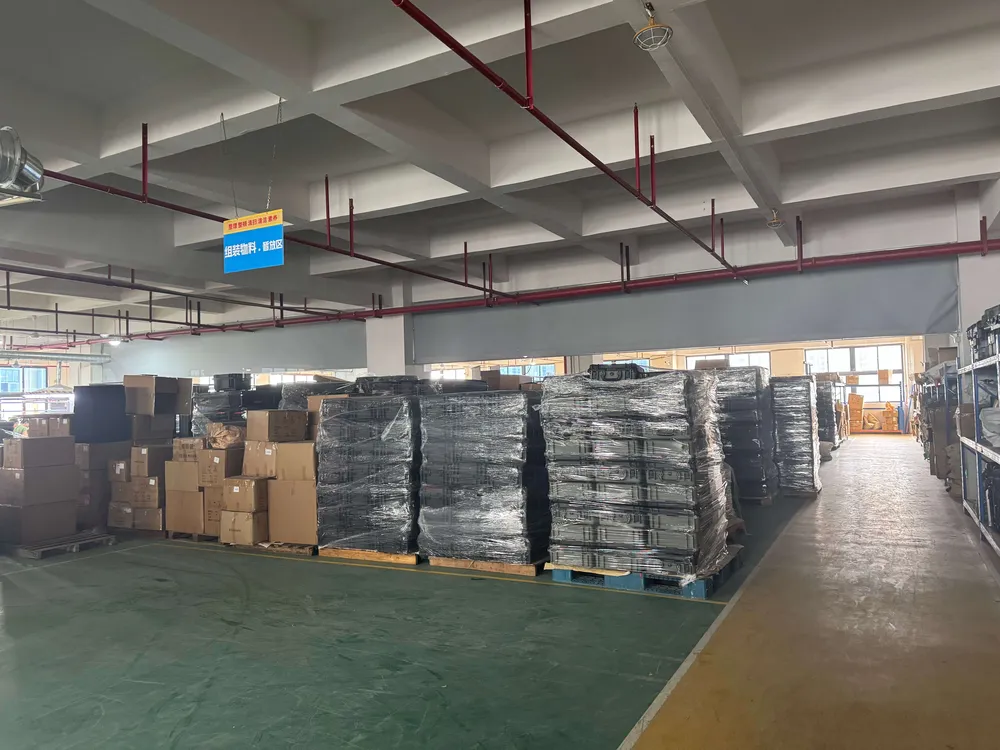
Storing Cases in the Warehouse: Stacking Limits and Moisture Control
Long-term storage deforms cases through sustained stacking load and damages contents through humidity. Both are slow, both are preventable, and both are usually discovered only when the stored equipment is finally needed.
Read Article →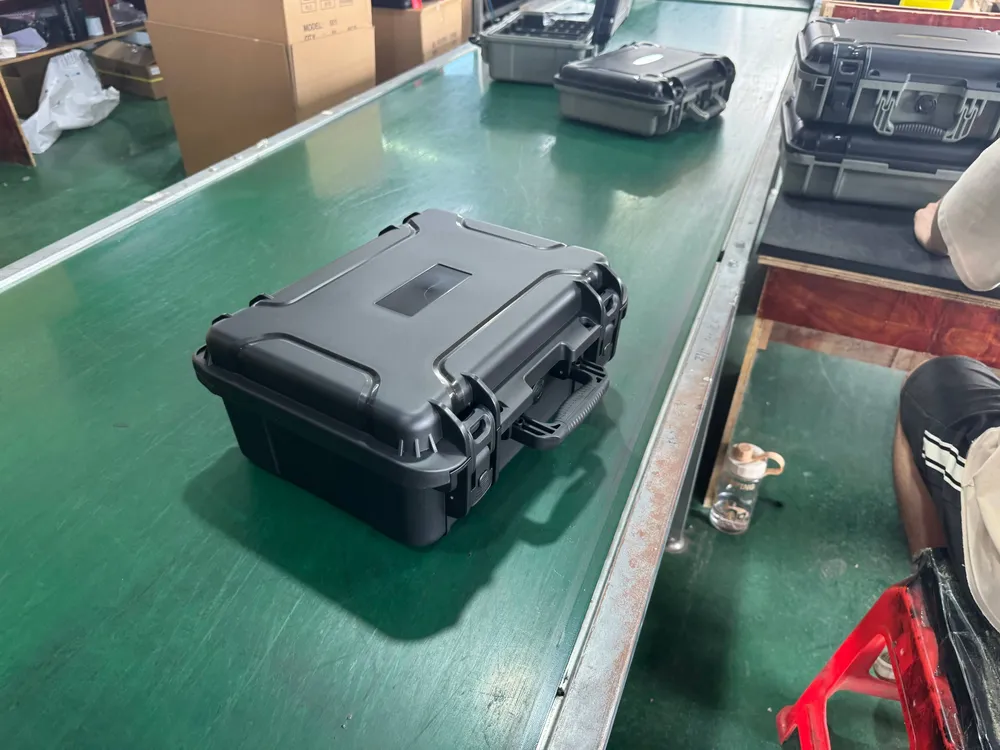
Leak Testing Protective Cases: Pressure Decay, Bubble and Tracer Methods
Leak testing answers a question that visual inspection cannot: not whether a case looks sealed, but whether it actually holds pressure. The main methods differ in sensitivity, speed and whether they locate the leak.
Read Article →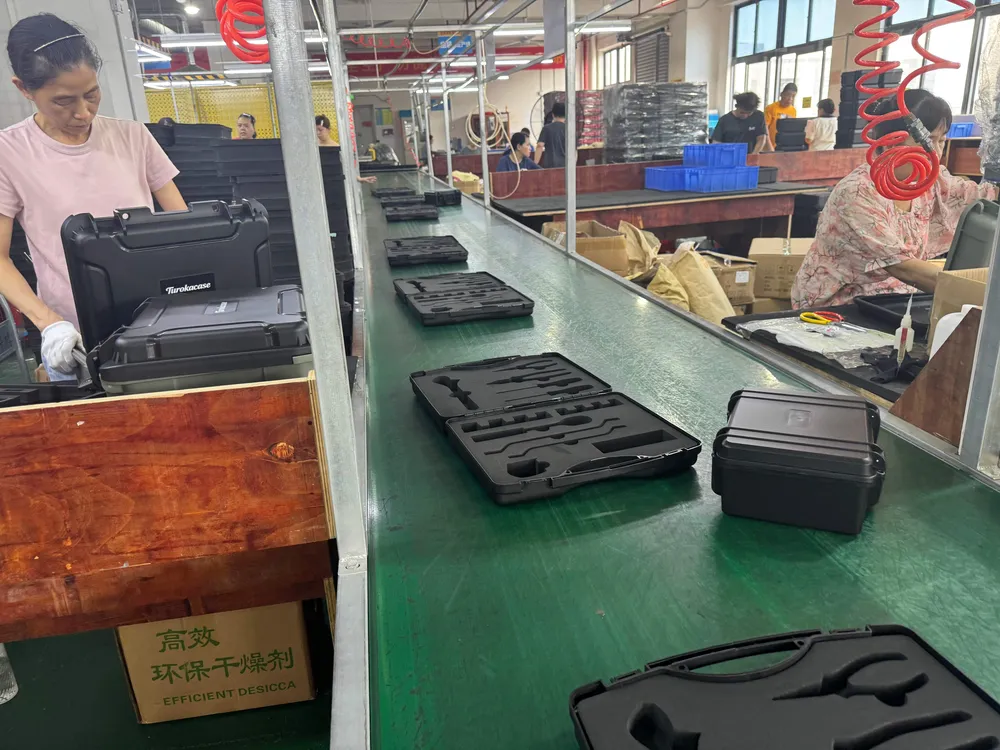
Vibration Testing for Transport Cases: What Resonance Reveals
Vibration testing finds a different class of failure from drop testing. Instead of one large impact, it applies many small ones, which is where resonances, loosening hardware and fatigue cracks show up.
Read Article →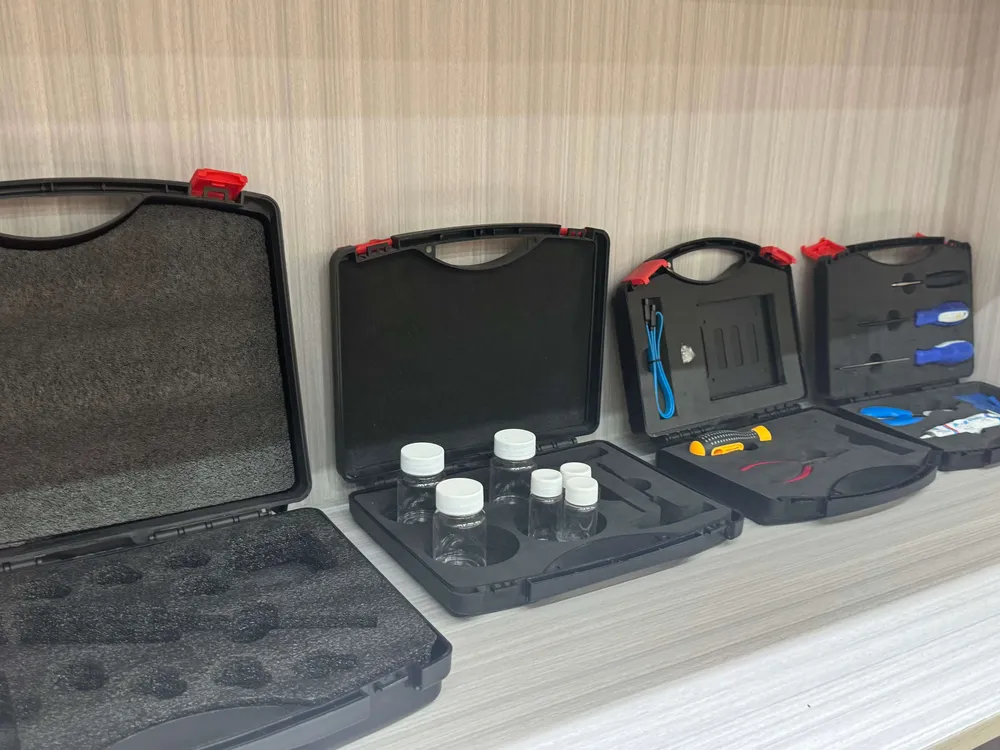
Wall Thickness and Structural Design in Moulded Case Shells
Making a case stronger by thickening its walls is the obvious move and usually the wrong one. Ribs, corner geometry and section transitions deliver stiffness with less material, a faster cycle and fewer moulding defects.
Read Article →
Hinge and Latch Design: The Parts That Decide a Case's Working Life
Cases rarely fail because the shell breaks. They fail because a latch stops holding, a hinge wears, or a fastener works loose — which is why hardware design, serviceability and replacement parts matter as much as the moulding.
Read Article →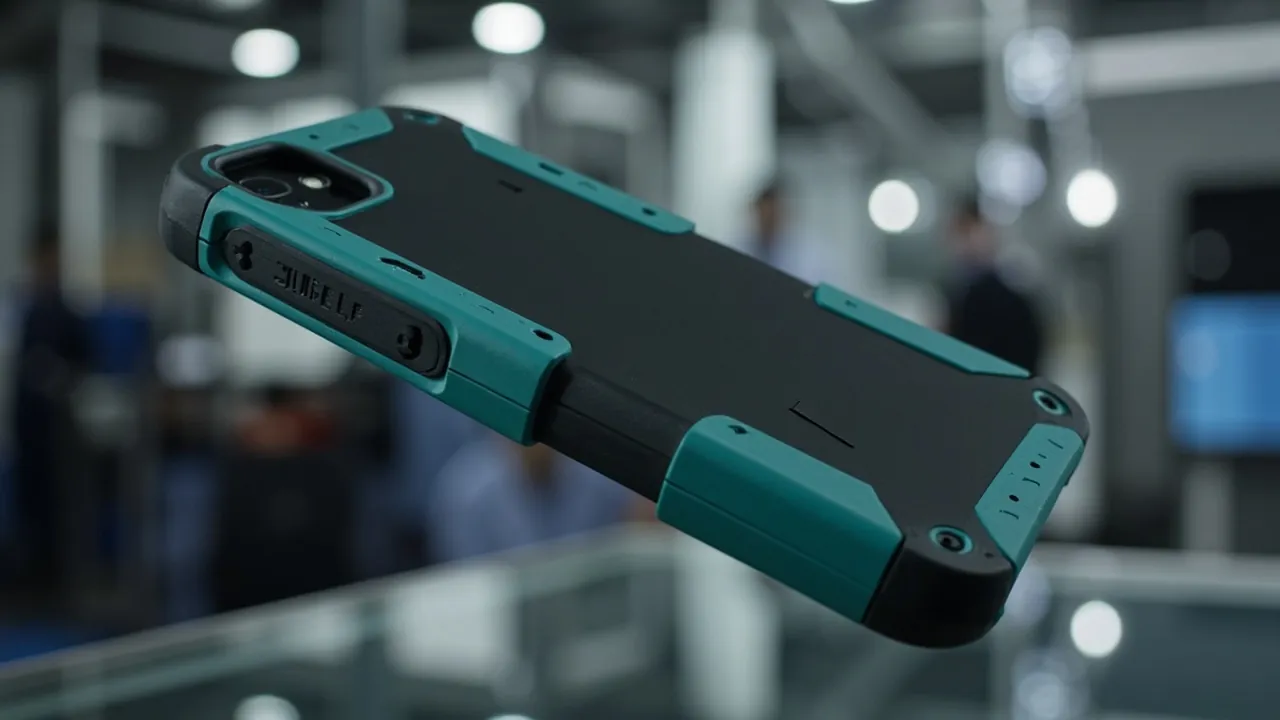
Two-Colour Moulding and Overmoulding: When Multi-Material Cases Make Sense
Moulding two materials into one part removes assembly steps and can improve grip, sealing and appearance. It also raises tooling cost and demands material compatibility, so the economics depend on volume and on what the second material actually buys.
Read Article →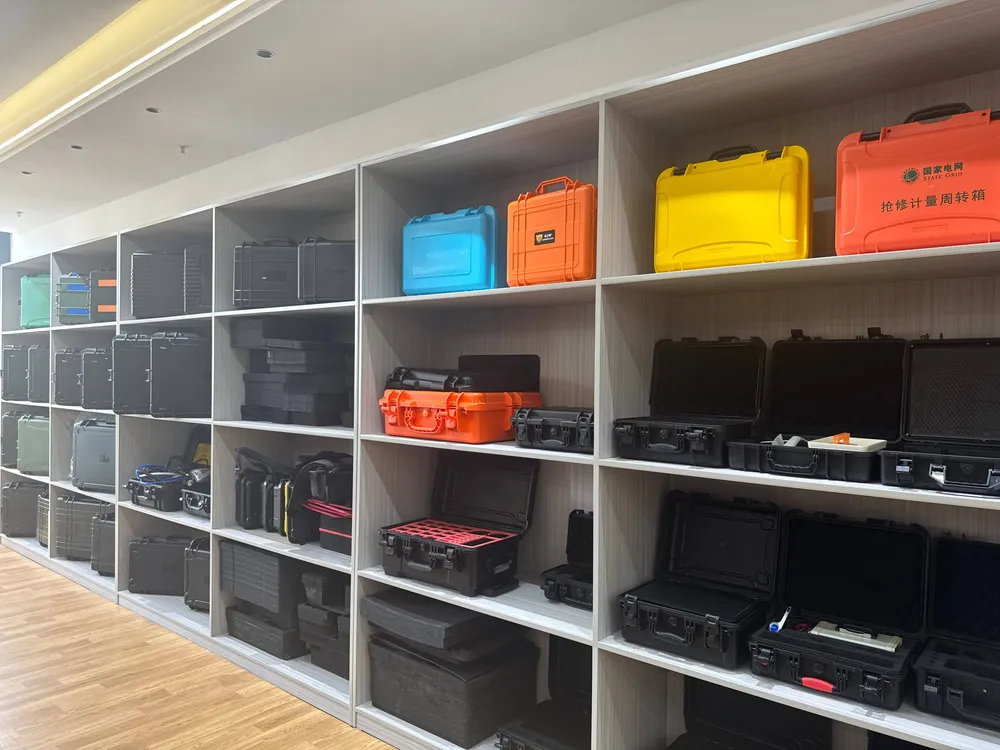
Colour Coding and Visual Management for Case Fleets
Colour coding turns identification into a glance. Applied to a fleet of cases it reduces mis-picks, speeds loading and makes gaps obvious — provided the scheme is simple, documented and stable enough that everyone learns it.
Read Article →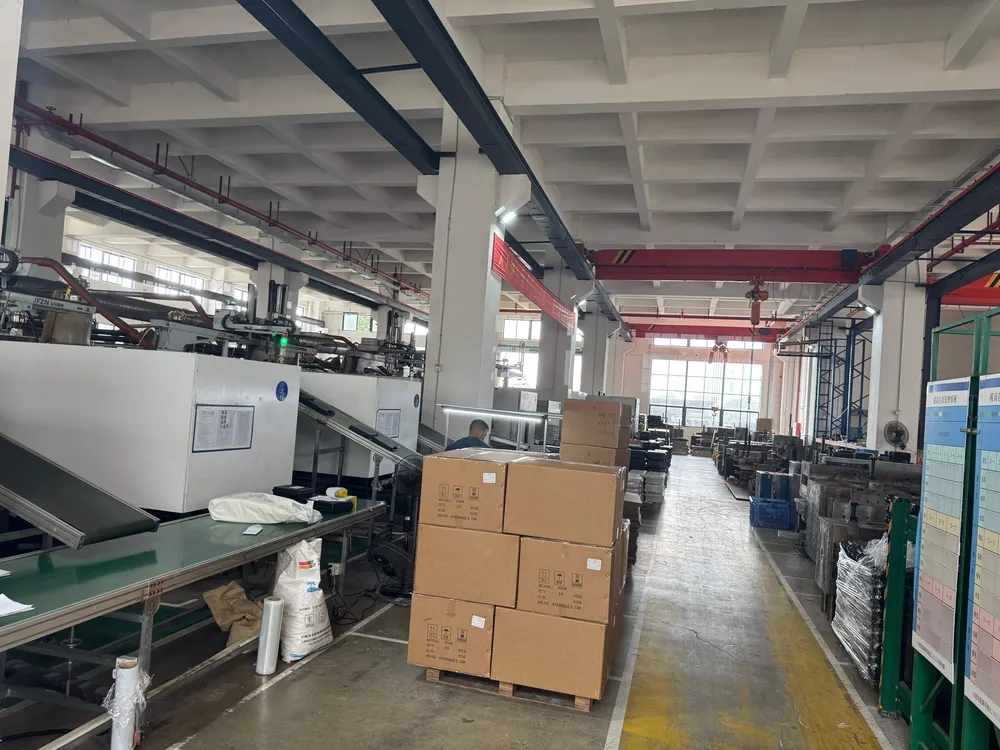
RoHS and REACH Compliance for Protective Cases: What Buyers Should Ask For
RoHS restricts specific hazardous substances and REACH governs chemicals more broadly. For cases, compliance is a materials question that has to be evidenced by testing and declarations, not assumed from a supplier's assurance.
Read Article →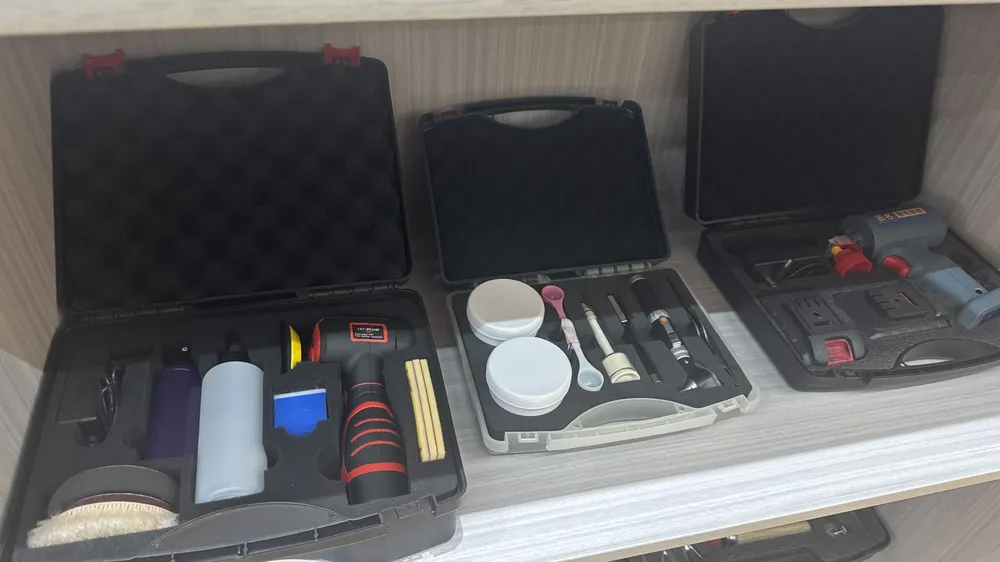
Where Protective Case Design Is Heading: Six Developments Worth Watching
The pressures shaping case design are practical rather than fashionable: payloads are getting more valuable and more delicate, sustainability reporting is becoming a procurement question, and fleets are large enough that small per-unit improvements compound.
Read Article →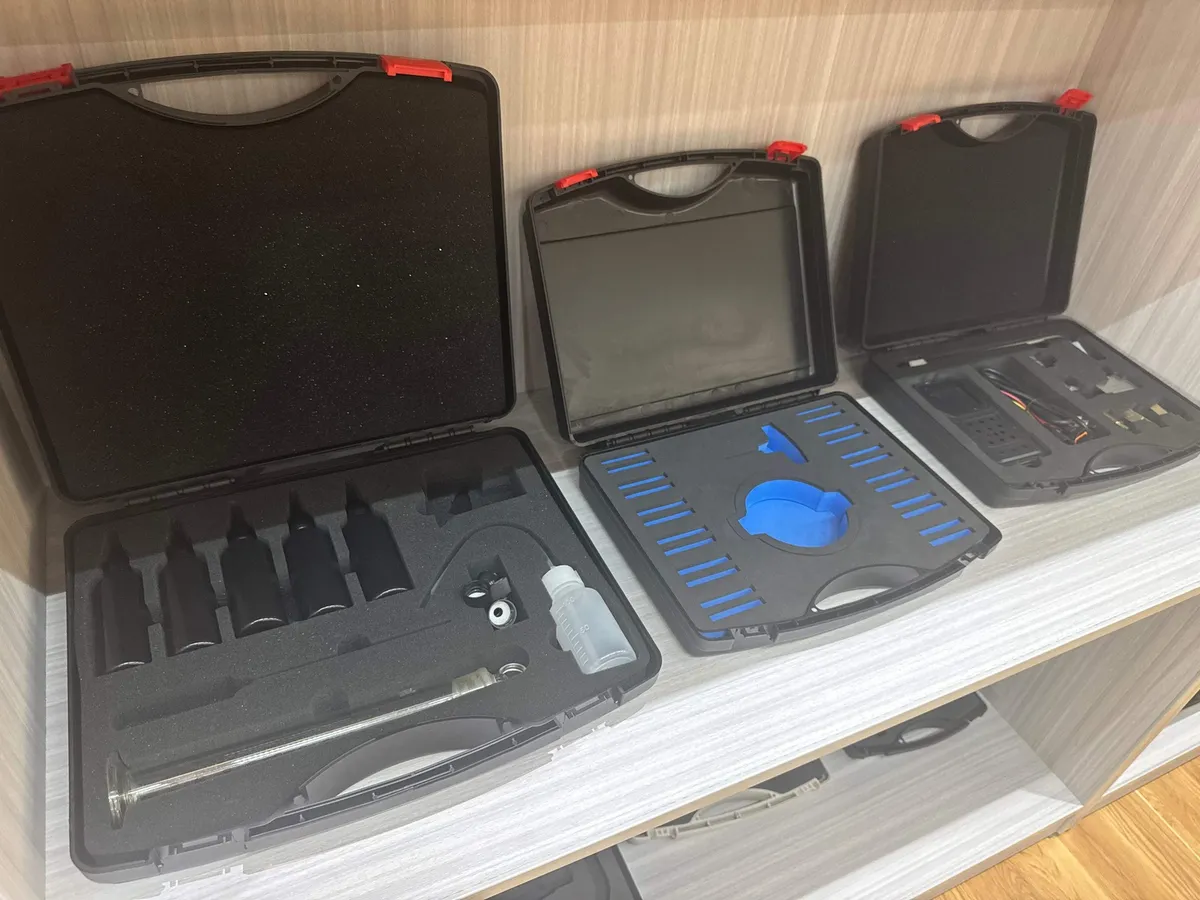
Knife Collection Storage Case: Foam Choice, Humidity Control and Long-Term Care
For knife storage the foam matters as much as the shell. Closed-cell cross-linked polyethylene does not absorb moisture or oils, while cheap open-cell foam holds humidity against the blade. Control humidity, keep blades clean and dry, and avoid long-term storage inside leather sheaths.
Read Article →