

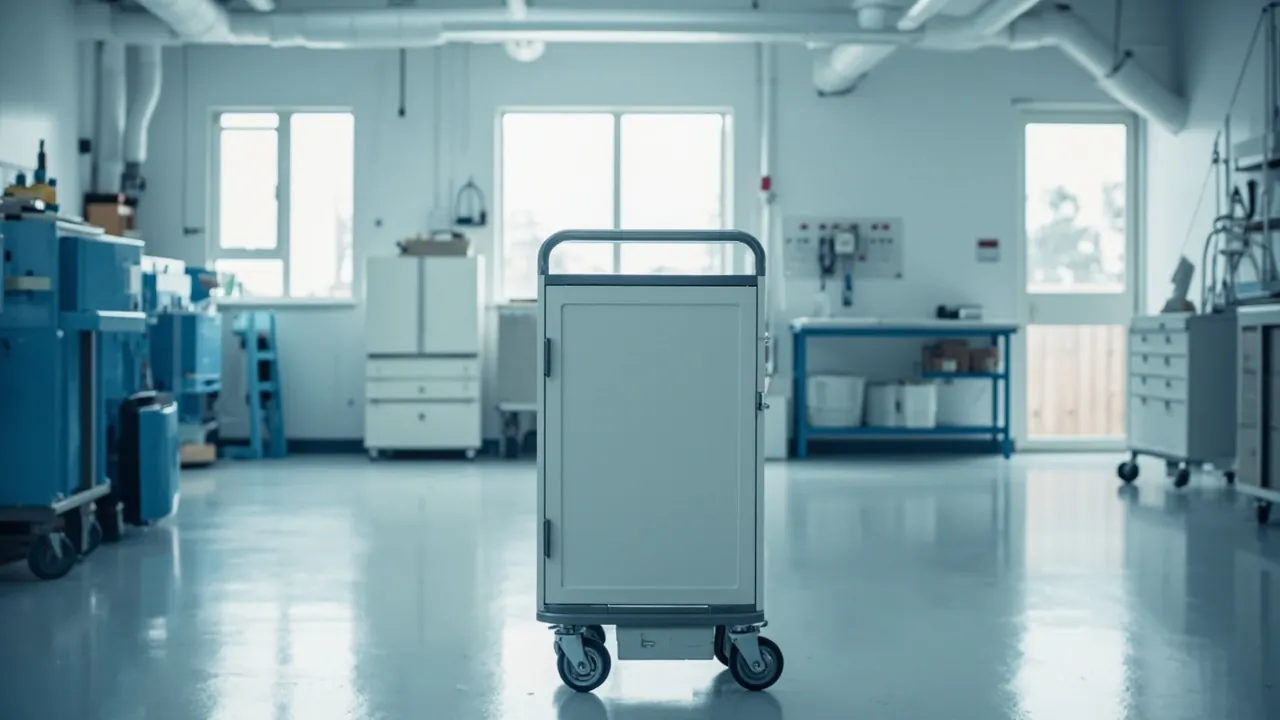
A tool cart and cabinet is a mobile workstation that consolidates common tools, consumables and measuring instruments for storage and rolls to the bench for instant use. Unlike a protective case that solves "single-device transport", a tool cart solves "a set of tools flowing and returning within the shop": it gathers scattered wrenches, drivers, screws and spares into a cabinet with drawers and dividers, fitted with casters and an ergonomic handle, so maintenance, assembly and inspection flow efficiently on the floor. JUNZHJIA builds tool carts from small service carts to large shop cabinets. This article explains the key technology and scenes of tool carts and cabinets structure, material, casters, drawer storage, shadow management, ESD and selection so factories, mechanics and field service cut "time looking for tools" to the minimum.
What Is a Tool Cart and Cabinet
A tool cart is a wheeled tool cabinet; a tool cabinet is a fixed or wheeled storable body; together they are called a "tool workstation". Typical parts are frame, drawers, divider boxes, worktop, casters, handle and lock. The core value is "tools centralized, go with you, return after use": a 5S approach fixs each tool in place, reducing search, mis-grab and loss.
Versus a plain toolbox, a tool cart holds more, sorts finer, and rolls to the machine; versus a protective case, a tool cart emphasizes high-frequency in-shop access and dust resistance, not transport protection. For taking devices off-site, still use the rotomolded case forming principles or aluminum alloy case. In the JUNZHJIA range, tool carts run alongside the instrument cart and lab trolley, serving tool flow and instrument move respectively.
Selection first asks three things: what tools, what floor, ESD or not; then body material, drawer layers, casters and lock. For general storage knowledge, see the plastic protective box overview.
Selection should start from the scenario, not from shape or unit price. For , first define the size, weight, vibration sensitivity and environment of the payload, answer what is carried, where it is used, how it moves and what protection grade is needed, then decide material, structure and accessories. For tool carttool cabinetmobile workstationworkshop storage, a requirements list before comparing options avoids rework and a second purchase later. Many projects fail not because the product is poor but because the need was never clarified before ordering, so load, size or protection ends up wrong and the rework costs far more than a day or two of early study. Have the using department and procurement confirm the list together and write the key parameters into the specification.
Asset and digital management is the trend. Bring into asset management with a one-item-one-record of ID, location, maintenance and calibration status, made visible with labels and boards. For multi-station and multi-site settings, standardized carriers and IDs cut misplacement and loss, and form a basic step in lean management and digital transformation. The data can also reveal wear patterns that inform selection and spare strategy, shifting management from reactive repair to preventive care.
Structure of the Mobile Tool Workstation
A tool cart is built from frame, drawer units, worktop, casters and handle. The frame carries the main load, drawers sort light and heavy, the top holds the current part or driver, casters decide move and stop, the handle decides push posture. A good structure rolls loaded without sway, drawers do not slide out, the top does not deform.
Drawers use three-section ball slides for heavier tools, with self-lock against accidental slide; the top is steel or ESD board with edge lips against roll-off; sides hang bins and kanban. JUNZHJIA uses profile frames on medium-large carts with corner reinforcement and slide ratings matched to tool weight. Review: slide rating, drawer anti-drop, top level, handle handy.
Material sets the performance ceiling. Frame and shell material directly drives load capacity, corrosion resistance and service life: steel is cheap and tough but rusts in damp areas, stainless steel resists corrosion and cleans well but is heavier and pricier, and aluminium profiles are light and reconfigurable but softer. Choose by environment and load, not by price, and use protective treatment or stainless hardware in salt-spray, cleanroom or medical settings. Material also affects total weight and pushing feel, so using steel for light loads wastes effort while using aluminium for heavy loads may deform. Weigh material, load and environment together rather than deciding on one dimension.
Delivery and training also shape the outcome. After arrives, run a short use-and-maintenance briefing covering load limits, pushing method, lock and brake use and daily checks, so misuse does not cause early failure. For tool carttool cabinetmobile workstationworkshop storage, posting the operating rule beside the station and tying it to a board helps new staff ramp up quickly. Delivery documents should include the item list, drawings and spare list to support later maintenance and additions and reduce repeated communication when information is lost.
The table below adds a load-and-accessory view for quick selection:
| Tier | Typical rated load | Suggested material | Accessory set | Typical use |
|---|---|---|---|---|
| --- | --- | --- | --- | --- |
| Light | <= 60 kg | aluminium / steel | single surface + PU wheels | instruments & light tools |
| Medium | 60-150 kg | steel / stainless | multi-tier + central lock | workshop repair & assembly |
| Heavy | 150-400 kg | reinforced steel | dual-brake wheels + damping top | heavy inspection & lines |
Body Material and Load
Tool cart bodies are mostly cold-rolled steel painted, stainless, or aluminum profile. Steel is cheap and tough for general shops; stainless resists corrosion for food, pharma and wet; aluminum profile is light and reconfigurable for line-side change. Load follows frame and caster rating, common drawer 30–80 kg, whole cart 150–400 kg.
Material by environment: dry shop steel is enough; wet or stainless zone chooses stainless; weight-cut and looks choose aluminum profile. JUNZHJIA matches frame section and casters to load, avoiding "light cart weak wheels" that make pushing hard or wheels fail. For shielding or load inner layers, put tools in aluminum cases first, see aluminum alloy case material and shielding.
| Material | Advantage | Disadvantage | Use |
|---|---|---|---|
| --- | --- | --- | --- |
| Cold-rolled steel | Cheap, tough | Rusts if wet | General shop |
| Stainless | Corrosion-proof | Costly, heavy | Food, pharma, wet |
| Aluminum profile | Light, reconfig. | Costly, soft | Line-side change |
Calculate load with a safety margin. The rated load of should cover the fully loaded weight of tools or equipment with headroom, and mobile units usually rate at least 1.5 times the actual total. Place heavy items low and centred to lower the centre of gravity and prevent heavy pushing or tipping. Write the rated load and its test basis into the contract instead of judging by outer dimensions. Where thresholds, ramps or lifts are crossed often, add the dynamic shock load, a factor that is commonly ignored yet directly shortens castor and frame life.
On-site adaptation needs ongoing tuning. After a carrier is in use, adjust zoning, restraint and accessory layout against real feedback so it fits the actual work flow. Optimizing is not a one-off task but an iterative process as processes and products change. For tool carttool cabinetmobile workstationworkshop storage, keep room for adjustment with adjustable dividers and modular accessories to allow later expansion. Visit the using department on a cycle, collect issues into an improvement list, and the equipment stays efficient and usable over the long run.
Caster Choice: PU / Rubber / Stainless
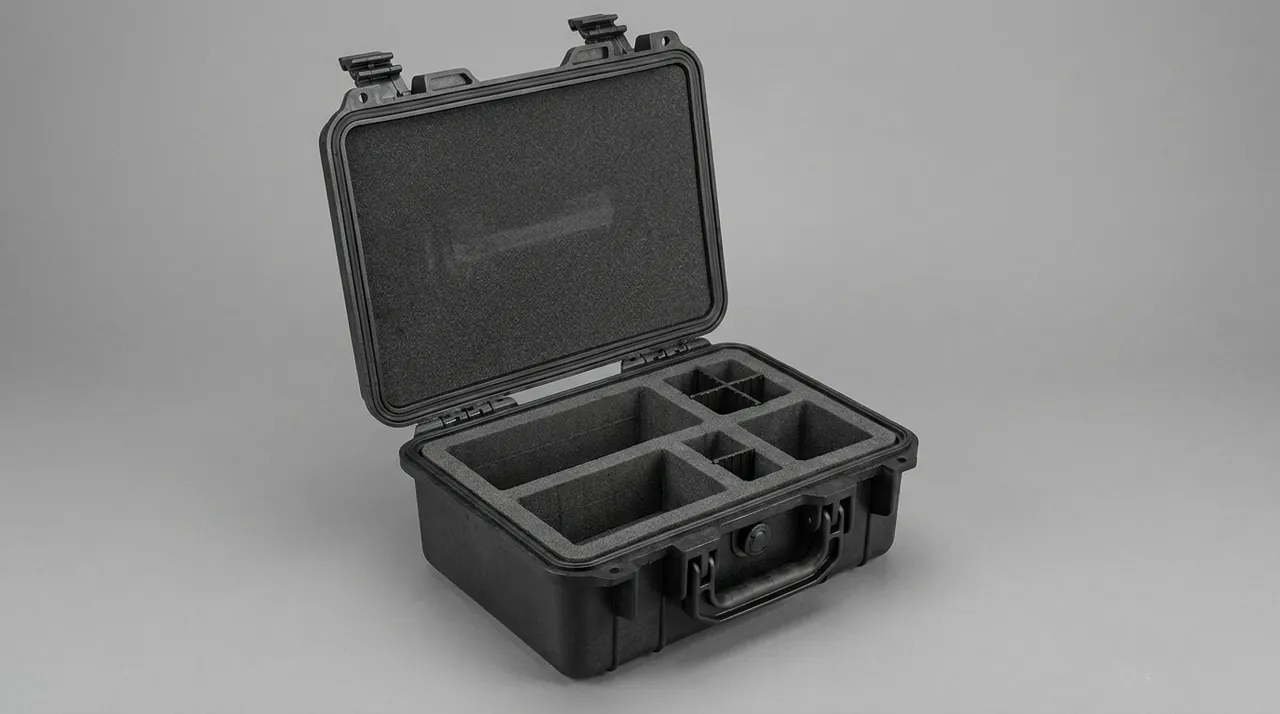
Casters decide the cart's move feel and life. PU wheels are silent, floor-friendly on epoxy, good load, for shop and server room; rubber absorbs shock but marks, for outdoor uneven; stainless or nylon resist chemical for special env.; braked wheels lock against roll. JUNZHJIA matches wheel to floor and load, rating above 1.5x total cart weight.
Caster choice by four: floor (epoxy/cement/grating), load, brake need, oil-chemical resistance. Dual-brake wheels (turn + roll locked) suit ramps and elevators; directional plus swivel combo is steadier. Maintain by lubricating axles and clearing wire; replace bad wheels. Related mobility is in the instrument cart and lab trolley caster design.
| Wheel type | Quiet/obstacle | Chemical/oil | Typical floor | Notes |
|---|---|---|---|---|
| --- | --- | --- | --- | --- |
| PU polyurethane | Quiet, medium obstacle | Medium | Epoxy, server room | Avoid long static load marks |
| Rubber | Good damping, obstacle | Medium | Outdoor cement, uneven | Leaves marks, avoid oily floor |
| Stainless/nylon | Medium | Strong | Wet, chemical | Hard wheel noisy, protect floor |
| Conductive | Medium | Medium | Electronics shop | Use with ground chain |
It should be noted that caster ratings are often given as "static load", while actual rolling is affected by impact, thresholds and off-center load, so select above 1.5x the total cart weight; any one of four wheels failing makes pushing hard or even tips the cart, so wheels are a maintainable part, not disposable. JUNZHJIA matches wheels to floor and load and keeps standard wheel spares, so a bad wheel can be replaced singly, avoiding "one bad wheel scraps the cart".
Castors determine the moving experience and life. Castors are the life-critical part of a mobile unit: PU wheels are quiet and protect epoxy floors, rubber wheels damp vibration on uneven outdoor ground, and stainless or nylon wheels resist chemicals. Braked wheels allow positioning, and dual-brake wheels suit ramps and lifts. Rate castors above the total weight, replace worn wheels promptly and lubricate axles regularly. Wheel diameter also affects capability: small wheels are nimble but struggle over gaps, while large wheels cross gaps well but raise the centre of gravity, so choose by ground conditions rather than by appearance alone.
Drawers and Divider Storage
Inside drawers, divider boxes, foam inserts and module trays zone tools. Small parts in grid boxes, long parts in slots, rolling parts in limits. Layered storage: same type same layer, frequent in middle, heavy at bottom. JUNZHJIA offers adjustable dividers and standard liners, replaceable.
Storage rules: heavy bottom light top, frequent middle, clear shadow. High-frequency tools get shadow management (next); consumables in clear boxes. Drawer depth by longest tool, avoid diagonal insertion that is hard to grab. Pair with parts box series and hardware toolbox series for second-level small-part storage.
Divided storage speeds up access. Good zoning follows the rule of similar items on the same layer, frequently used items in the middle and heavy items at the bottom: small parts in compartment trays, long items in slots, rolling items restrained, and clear boxes for easy identification of consumables. For tool carttool cabinetmobile workstationworkshop storage, fixed zoning rules and adjustable dividers cut retrieval time and form the base of 5S and shadow management. Once zoning is set it should be fixed and labelled to avoid constant change that forces staff to re-adapt, and for multi-shift use a common zoning also lowers handover communication cost.
Tool Positioning and Shadow Management (5S)
Shadow management (shadow board) lines the drawer with foam or a print, cuts or outlines by tool profile, so missing tools show at a glance. This is the core of 5S: sort, set, shine, standardize, sustain. It cuts tool-search time, loss and mis-assembly.
Rollout: photo tool profile -> CNC or knife-cut foam slot -> tool in slot -> missing shows. JUNZHJIA supplies shadow liners or user self-mod. For multi-cart same type, liners interchange for rotation. Shadow logic also applies to device positioning in the cushion liner case, same thinking.
Shadow management is the most effective error-proofing. Cutting or outlining the contour of tools and equipment makes missing items obvious at a glance, which sharply cuts search time and reduces loss and mis-installation. The practical route is to photograph the outline, CNC-cut or blade-cut the liner, then place each tool in its slot. For multiple identical units, a common liner simplifies rotation and spares. Liner material matters too: EVA and pearl foam differ in resilience, oil resistance and cost, so high-frequency settings should use a material that resists compression and recovers well, otherwise it collapses over time and loses locating ability.
Protection and Dust Resistance
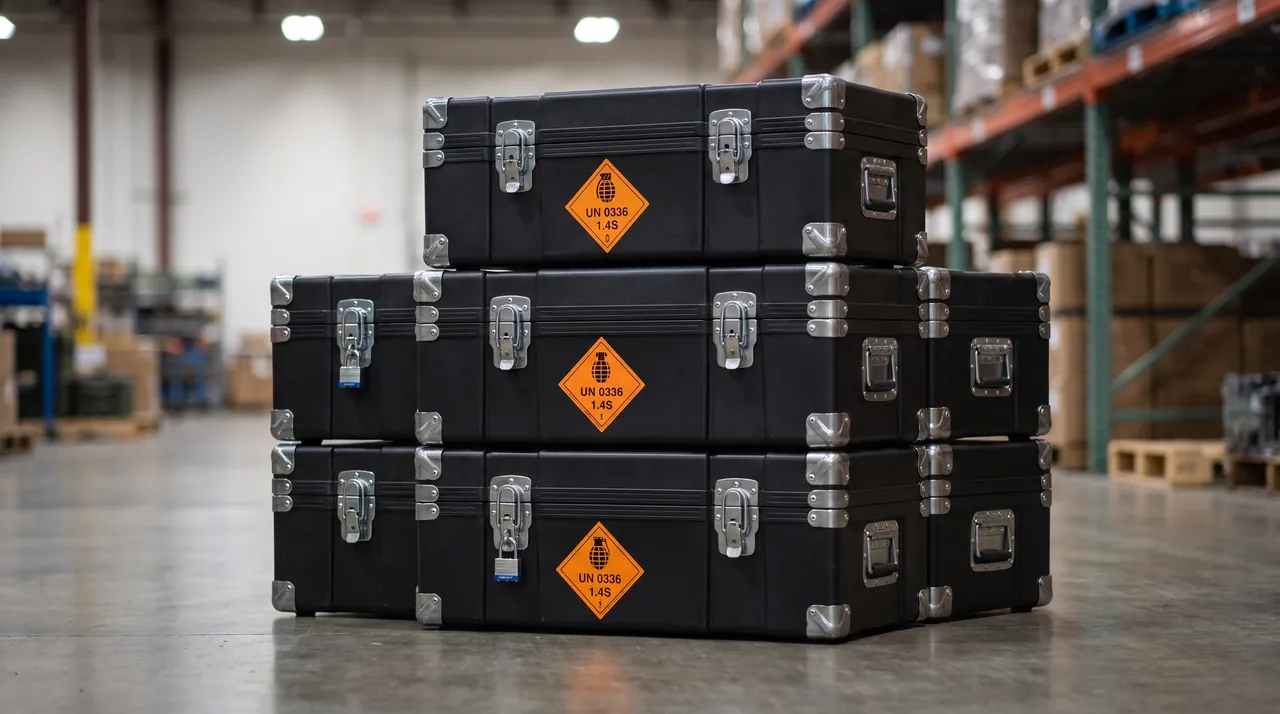
Shop tool carts resist dust by top lips, drawer gaskets and lockable doors. No need for IP67, but keep chips out of drawers and liquid off the top. For oil mist, easy-clean coating wipes; for chips, magnetic or mesh boxes collect.
Protection also means theft: drawers and doors lock, valuable assemblies in locked drawers. For outdoor transfer, the whole cart can take a rain cover or move in a box per the protective case IP rating analysis. Clear drawer debris regularly for smooth slides.
ESD depends on what is serviced. Electronics and semiconductor settings need anti-static measures: an anti-static work surface, conductive wheels and a grounding chain, with surface resistance usually held at 10^4 to 10^9 ohms to bleed charge while limiting current. Choose by the object being serviced: repairing boards requires it, general measurement can be simpler. Verify with a surface-resistance meter and check grounding continuity. Also watch the durability of anti-static materials, since some coatings fail as they are wiped and age, so re-test resistance on a fixed cycle and put that cycle into the maintenance plan to sustain protection.
Electrical and ESD
Electronics-shop tool carts need ESD: ESD top, conductive casters, ground chain, so static drains without harming PCB. ESD worktop resistance is typically 10^4–10^9 ohm, draining yet current-limited. JUNZHJIA offers ESD config with ground socket and wrist-strap interface.
Selection by object: repairing cabinets needs no ESD, repairing boards needs ESD. Accept by surface resistance meter on top and wheels, check ground continuity. Related precision env. is in the precision instrument case ESD liner. Military users include in the military security case system.
Precision equipment demands vibration control. Precision instruments are sensitive to high-frequency vibration and shock, so damping comes from elastic castors, a damping mat on the work surface, shelf cushioning and strap restraint, with isolators added where needed. For vehicle or long-distance transport, apply two-stage protection plus foam restraint. Verify a smooth push and a no-spill emergency stop, and use a fixed bench rather than a cart for the most delicate devices. Separate floor-running vibration from transport shock, because the first is handled by elastic wheels and damping while the second needs cushioning and restraint, and one measure cannot simply cover both.
Damping and Vibration Control
Tool carts rolling over gaps and thresholds vibrate; precision gauges (micrometers, indicator bases) hate shock. Damping comes from caster elasticity, top damping pad and drawer buffer. For vehicle transfer, add straps and foam against tool clash. JUNZHJIA stresses damping more on instrument carts, see the instrument cart and lab trolley.
Damping points: gauges in own cell, edges sheathed, top damped pad, elastic wheels. For air or long haul, use the isolation thinking of the seal and shock case as second protection. Accept by smooth roll and no spill on hard stop.
Match the protection grade to the environment. The protection level of should follow the exposure: indoor workshops mainly need swarf and spill resistance, while outdoor transit needs a higher grade. Dust protection comes from lips, seals and door panels, and moisture protection from surface treatment and off-ground storage. Put the target grade and its standard into the specification so claims can be proven at acceptance. Note that a higher grade usually means higher cost and more open-close effort, so chasing the highest rating wastes budget and hurts daily convenience; set the grade by the real exposure instead.

Typical Application Scenarios
Tool carts suit "tools must flow in the shop": machining repair, line-side assembly, equipment inspection, electronics repair, auto service, field service. Common is many tools, frequent access, must return. For military and aviation, the cart is a line-maintenance mobile station; for medical, an equipment trolley (with medical box series).
In e-commerce warehouses, carts serve picking and packing stations; in labs, as the mobile bench paired with the industrial detection case. For drone field work, see the drone carry case on-cart idea.
Power and cable routing affect site efficiency. Equipment carriers often need on-site power, typically via multi-socket outlets, cable ducts, pass-through holes and grounding. The routing rule is to separate high and low voltage, split long and short runs, and label clearly, with switched and overload-protected outlets. Check outlet polarity, grounding continuity and duct clearance at acceptance to avoid temporary cabling that harms safety and signals. Where devices are plugged and unplugged often, use locking outlets or magnetic retention to reduce contact faults caused by vibration, which matters especially in precision measurement.
Working with Protective Cases
Tool carts and cases complement: cart manages in-shop flow and return, case manages single-device off-site transport. Common practice puts valuable or transport tools in a rotomolded case or aluminum case, then fixes to the cart, taking the whole cart or single case out. JUNZHJIA supplies cart fixings to lock cases without sliding.
Fit is dimensional: case bottom fits door layer or top, latch matches cart fixing point. For precision cases, add foam on cart for double protection. This gives both cart convenience and case protection.
It is worth adding that the "interface" between cart and case must be settled at procurement: case bottom size, fixing point spacing, latch spec and load layer. Any mismatch ends in "it does not sit steady after purchase". For teams that transfer frequently, choose a cart top with locating slots or a dedicated fixing frame, so the case locks as soon as placed and is easy to take off. If tools must transfer to air or long-haul road, choose cases by IP and impact rating per the rotomolded and aluminum alloy case requirements, then think about cart fixing.
Maintenance decides real service life. Daily care means clearing debris from slides and castors, wiping the work surface to prevent corrosion, clearing cable ducts and checking locks, and in ESD settings verifying that the grounding chain conducts. In salt-spray areas maintain stainless parts and touch up steel parts against rust. Keep a log of maintenance and replacement and fold the unit into asset management to extend life and cut total cost. Maintenance should not rely on personal experience but on an executable checklist with cycles, owners and pass criteria, so it does not lapse when staff change.
Difference from Instrument Cart
A tool cart serves "tool flow and return"; an instrument cart serves "instrument move and damping". Instrument carts stress top level, damping, power and cable; tool carts stress drawer capacity, shadow and load. Select by load: many mixed tools choose tool cart, valuable vibration-shy instruments choose instrument cart.
They combine: tool cart with common disassemble tools, instrument cart with test gear, together do field overhaul. For IT moves, see the damping and cable of the IT carry case.
Procurement and acceptance should focus on the essentials. Weigh the total load first to set frame and castor ratings, then choose material by environment, and finally configure storage, locks and accessories. The contract should state material, load, castor spec and brake type, ESD requirement and spare supply. Verify acceptance by a fully loaded push and an emergency stop, checking wobble, shifting and wheel wear rather than a single sample. For volume projects also agree a sampling ratio and a handling rule for non-conforming lots, treating consistency as a hard metric so the first batch does not pass while later ones quietly degrade.
Selection and Procurement
Procurement in four steps: list tools and weight, set floor and load, pick material and casters, fit drawers and lock. First weigh total to set frame and wheel rating; then floor picks wheel; then tool size sets drawer layers and dividers; last lock and handle. Contract states: material, load, drawer slide rating, caster spec and brake, ESD or not, lock, spares.
Do not be led by "more drawers better"; land on load, slide and wheel rating. Accept by loaded roll and hard-stop test, check sway, slide-out, wheel wear. For military export confirm material declaration.
Assess whole-life cost, not unit price. The evaluation of should count the whole-life cost including maintenance, spares, downtime and replacement. Products that are repairable, have replaceable parts and share standard components cost less over time. For tool carttool cabinetmobile workstationworkshop storage, putting spare availability and maintenance convenience into the tender is often more economical than pressing the unit price. On a production line especially, a single downtime caused by a failed carrier can exceed the price of the unit several times over, so reliability belongs in the hidden cost calculation.
Use and Maintenance
Daily: clear and lube drawer slides, clear caster wire and check brake, wipe top against corrosion, check lock smooth. Salt spray: stainless shine, steel repaint. Check: drawers anti-drop, top level, wheel wear, ground chain (ESD) continuity.
Long storage: avoid light, off ground, drawers half-open against damp, oil prone-rust parts. Ledger records maintenance and wheel life, rotate at point. Maintenance in asset management extends life and lowers cost.
Keep OEM/ODM customization on standard parts. JUNZHJIA offers OEM/ODM services, customizing color, silkscreen and liners to brand standards and configuring whole units to an equipment list. Customization should stay close to standard parts for spares, while non-standard sizes and special functions are quoted to drawings. For volume projects, sample first, lock process and material, then release volume runs. Define drawing approval, first-article acceptance and change control so verbal changes do not create inconsistent lots and unclear responsibility.
Sustainability and Customization
Tool carts last long, repairable, liners and wheels interchangeable. Steel recyclable, aluminum profile reconfigurable. JUNZHJIA keeps standard slides, wheels and liner spares, small repairs extend life. Custom includes non-standard size, ESD and special locks, but prefer standard parts for spares.
Procurement can require material declaration and restricted-substance list, important for export. Include cart in asset management with shadow and labels, extend life and lower total cost. Standard liners beat non-standard for spares.
From a cost-reduction view, the real cost of a tool cart is not only the purchase price, but also search time, mis-assembly rework and replacement of lost items. Using shadow management and lists to push down these three hidden costs often pays back the body price difference within one or two years. Related storage and protection categories can be seen in the plastic protective box overview and the cushion liner case, planning in-shop flow and off-site device transport in one go.
In a machining shop the cart usually lives beside the machine it serves, so its footprint and the width of the roll path matter as much as its capacity; a cart that blocks an aisle will be left unused. In electronics lines the cart often doubles as a small bench, so top height and ESD continuity become daily concerns. In food and pharma zones the cart is washed down, so stainless and drain-friendly drawer design beat extra capacity. Matching the configuration to the daily rhythm of the area, rather than to a spec sheet maximum, is what makes a tool cart actually get used.
Quick selection and common configurations
Different shops need very different tool carts, so first a "selection by scene" quick table, then the three most common whole-cart configurations, to help procurement locate fast.
| Scene | Preferred material | Drawer/storage | Casters | ESD |
|---|---|---|---|---|
| --- | --- | --- | --- | --- |
| Machining repair | Painted steel | 3–5 layers + slots | PU braked | No |
| Electronics assembly | Steel or profile | Multi-layer + grid boxes | Conductive + ground | Yes |
| Food and pharma | Stainless | Sealed door + washable tray | Stainless/nylon | Depends |
| Line-side change | Aluminum profile | Module trays + hangers | PU directional+swivel | Depends |
| Field service | Steel or profile | Drawer + top tool tray | Rubber obstacle braked | Depends |
Configuration one: the mechanic transport cart. Load capacity and tool volume come first, with painted steel body, a wide top for the part under repair, heavy drawers at the bottom for sockets and large wrenches, shallow drawers on top for gauges and cutting tools, and PU braked wheels. This cart is about "reachable and returnable", so shadow management pays off most.
Configuration two: the electronics ESD cart. Static control comes first, with ESD rubber on the top, conductive casters, ground chain and wrist-strap interface, transparent grid boxes for components, and heavy parts still at the bottom. Acceptance for this cart must confirm both surface resistance and ground continuity, otherwise the protection is nominal.
Configuration three: the field service cart. Mobility and obstacle clearing come first, with a smaller body for vehicle and on-site use, rubber wheels for threshold damping, and valuable test instruments going into a precision instrument case before fixing to the cart, taking the whole cart or single case out. The fit between this cart and protective cases is most critical, and dimensional matching must be checked at procurement.
Three easily overlooked details in selection: first, drawer slide rating matters more than "number of drawers", and more drawers often means shallower and weaker, so heavy tools must go to low heavy-slide layers; second, handle height should match the main user's height, too high is tiring and too low bends the back; third, top lips and rounded edges both keep parts from rolling off and keep hands from being cut, a practical detail in high-frequency shops.
For factories where multiple teams share tool carts, manage by "one cart one list + shadow liner + ledger": the list states what goes on each layer, the shadow liner shows missing parts at a glance, and the ledger records wheel and slide life. This keeps order even when the user changes. Related second-level small-part storage can refer to the parts box series and hardware toolbox series.
It is also worth stating the safety side: a loaded cart moving in a shop is a moving load. Keep the load low and centered, brake when parked, and avoid rolling over cables, air hoses or thresholds at speed, because a tip-over can injure a person and damage instruments. Painting a "keep the roll path clear" line on the floor is a low-cost practice that pays back quickly.
Finally, think about the whole life cycle in procurement. Standard-part carts have shorter lead time, lower MOQ and easier spares; non-standard size, ESD and special locks take weeks by drawing. Run a standard pilot in one area, confirm load, slides, casters and shadow liners, then scale. Include material declaration and restricted-substance list when exporting. This is also how JUNZHJIA structures its tool cart range, keeping standard slides, wheels and liners as spares so carts can be repaired rather than replaced.
Standards and certification are the basis for acceptance. The performance of should rest on citable standards: protection grades map to GB/T 4208 and IEC 60529, shock to MIL-STD-810H and ISTA, flammability to UL94, and export projects to RoHS and REACH. Put the standard numbers and test methods into the contract so vendors cannot replace test reports with verbal promises. For regulated industries, also check sector-specific rules, because a general certificate alone may still fail an industry audit.
Frequently Asked Questions (FAQ)
Question: Steel or stainless for a tool cart? Answer: Dry shop steel is enough and cheap; food, pharma or wet chooses stainless for corrosion and clean; weight-cut reconfig chooses aluminum profile. By environment, not price.
Question: How to pick casters without harming the floor? Answer: Epoxy floor chooses PU silent and friendly; outdoor uneven chooses rubber damping; wet-chemical chooses stainless or nylon. Rating above 1.5x total weight; ramps use electric or dual brake.
Question: Must shadow management be done? Answer: High-frequency many-tool scenes strongly advised; cut by profile shows missing at a glance, cutting search time and loss. Low-frequency single tools can simplify.
Question: Does an electronics repair cart need ESD? Answer: Repairing boards needs ESD: ESD top, conductive wheels, ground chain, top resistance 10^4–10^9 ohm. Repairing cabinets does not. Accept by surface resistance meter.
Question: Can a tool cart load protective cases for off-site? Answer: Yes and recommended. Valuable tools go in rotomolded or aluminum cases then fix to cart, taking whole cart or single case out, both convenience and protection.
Question: What if drawer load is insufficient? Answer: Slide deforms, drawer sags and jams or drops. Set slide rating by total tool weight, heavy tools at bottom, avoid overload.
Question: What if it sways while pushing? Answer: Check wheel uneven wear, frame loose, load eccentric. Replace wheels, tighten frame, center load; slow and steady if needed.
Question: How long for a custom tool cart? Answer: Standard-part combos are short with low MOQ; non-standard size and ESD take weeks by drawing. Suggest standard first then expand, spares easier.
Question: How to extend tool cart life? Answer: Clear slides, check casters, repaint against rust, ledger rotation. Interchangeable liners and wheels allow small repair; standard beats non-standard for spares and life.