

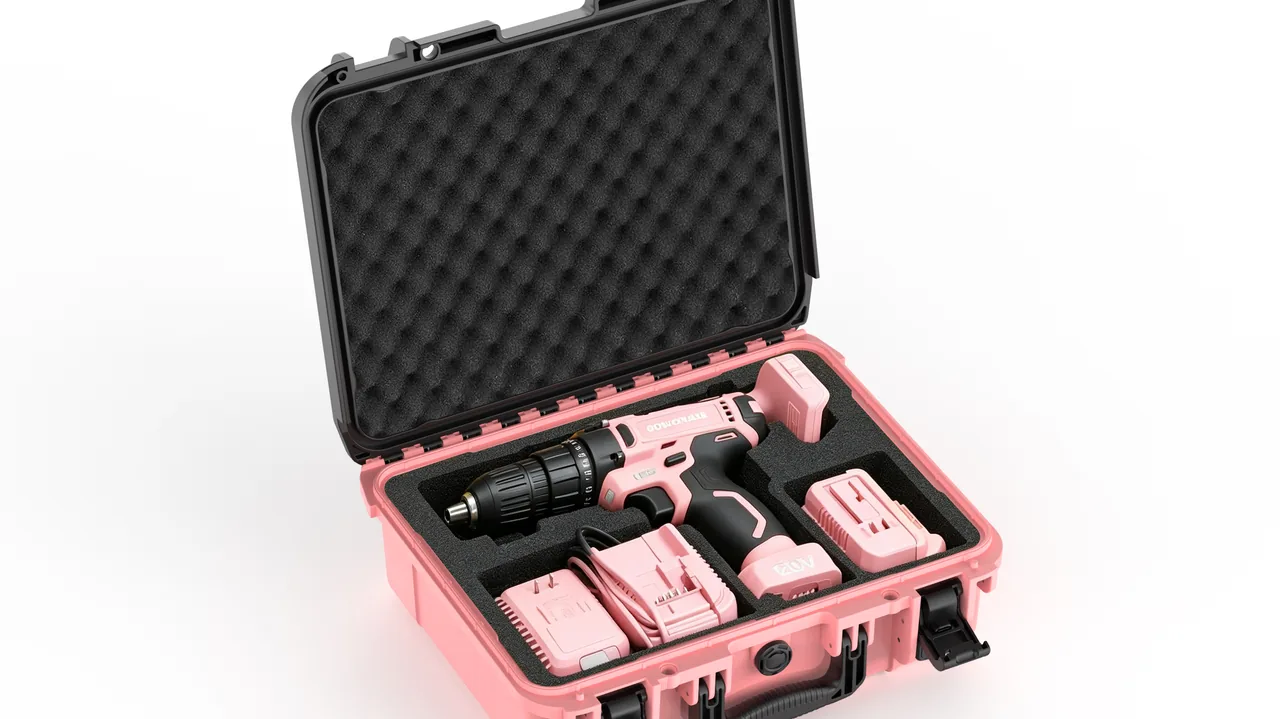
Emergency supplies fail in a way that almost no other equipment does: the failure is not discovered when the item breaks, it is discovered when the item is needed and cannot be used. A first aid case may sit in a vehicle, on a boat or in a storeroom for months or years without anyone opening it. Then an incident happens, and the person reaching into the case is working under stress, often in poor light, often with seconds to spare. If the medicines have caked from moisture, if the dressings have lost their sterile barrier to water ingress, if the instruments have been knocked out of shape by years of contact with each other, or if the tourniquet simply cannot be found because the contents were never organised, the real value of that case is close to zero. The protection position of JUNZHIJIA is that a first aid case should be organised around four lines: compartments that make every item identifiable, sealing that keeps humidity out, a structure that supports one-handed access, and a status record that makes every inspection traceable, rather than a box into which medicines, instruments and dressings are simply poured.
The problems seen in the field are rarely problems of capacity. They are problems of a broken management chain. A case left in a vehicle boot through summer heat and winter condensation sees medicine packaging soften and labels fall off, while condensate forms inside dressing packs, yet nobody notices because the outside of the case still looks fine. A case packed in purchase order means the tourniquet ends up at the bottom of the stack and cannot be reached when it matters. A case stocked once and never logged against expiry dates is opened two years later to find that half the medicines are out of date and part of the dressings have torn packaging. A case packed alongside tools and sundries sees instruments deformed by hard objects and glass bottles broken, with the spilled liquid contaminating everything else. The common thread is that none of these problems are visible in normal use; they surface all at once at the worst possible moment. This article is written for enterprise safety and facility managers, outdoor and camp operators, marine and fleet operators, school and community emergency coordinators, and buyers and product staff at first aid kit and medical device brands. It works through compartment logic, sealing and moisture control, environmental boundaries, access design, cleaning and disinfection, selection tables, turnaround maintenance and acceptance criteria, and closes with a configuration table and answers to the questions that come up most often.
Contents
- Failure Modes and Protection Logic in First Aid Cases
- Contents List and Compartments: Organising by Use Scenario
- Case Structure and Materials: Hard Shell Versus Lightweight
- Sealing and Protection Ratings: Where IP54, IP65 and IP67 Apply
- Cushioning Liners: Fixing Bottles, Instruments and Dressings
- Temperature and Light: Environmental Boundaries for Medicines and Dressings
- Marking and Colour: Fast Identification and Low-Light Access
- Opening and One-Handed Access: Structural Design for Emergency Use
- Locking, Anti-Misopening and Child Safety
- Cleaning, Disinfection and Contamination Control
- Configuration Checklist and Selection Table
- Turnaround Maintenance and Periodic Inspection
- OEM/ODM Customisation and Branded Delivery
- Frequently Asked Questions FAQ
- Conclusion and Related Reading
Failure Modes and Protection Logic in First Aid Cases
Failure in a first aid case falls into two groups that usually appear together. The first is supply failure, where the contents themselves degrade: medicines break down under moisture, heat or light; dressings lose their sterile barrier once the packaging is compromised; rubber articles such as tourniquets and mask seals age, become tacky or crack; and metal instruments rust in a damp environment. The second is access failure, where the design of the case prevents the right item being reached quickly: compartments that make no sense, markings that cannot be read, a lid that does not open far enough, a latch that needs two hands, or contents that shift and pile up during transport.
Field feedback puts failures into five recurring classes. The first is moisture uptake. A vehicle boot, a cabin or a basement produces condensate at seasonal changeovers, and internal relative humidity can rise above 85 per cent within hours; paper-based dressing packs lose strength once they absorb water, and sugar-coated or effervescent tablets cake. The second is heat. A car left in summer sun reaches 60 to 70 degrees Celsius, above the upper limit stated on most medicine labels; suppositories soften, ointment bases separate, and some biological products are deactivated irreversibly. The third is light. A transparent case kept in strong light causes photodegradation in some medicines, shown as discolouration or a drop in assay. The fourth is crushing and impact. Instruments and glass bottles roll freely inside the case and strike each other during a drop; a broken bottle then contaminates the whole case. The fifth is expiry and missing items. Without an expiry log or an inspection routine, out-of-date medicines are never replaced and consumables are never refilled, so the actual contents drift away from the list.
Once these five classes are understood, the protection logic is straightforward. A first aid case is not a container problem; it is an environmental isolation problem plus an organisation problem. Environmental isolation is delivered by sealing, desiccant, thermal insulation and light exclusion. Organisation is delivered by compartments, marking, a contents list and an inspection interval. Neither works alone. Sealing without compartments keeps supplies usable but unreachable; compartments without sealing make access easy but leave the supplies degraded.
| Failure class | Main driver | Typical symptom | Design response |
|---|---|---|---|
| --- | --- | --- | --- |
| Moisture uptake | Condensation, rain, humid storage | Condensate inside dressing packs, caked tablets | Gasket plus desiccant plus humidity indicator |
| Heat | Sun exposure, proximity to a heat source | Softened suppositories, separated ointment | Light-coloured shell, insulating liner, managed storage position |
| Light | Prolonged strong light | Discolouration, reduced assay | Opaque shell, light-proof pouches |
| Crushing and impact | Drops, stacking, mixed loading | Broken bottles, deformed instruments | Compartment locating plus cushioning liner |
| Expiry and shortage | No log, no inspection | Half the medicines expired, tourniquet missing | Expiry card, contents list, inspection interval |
Contents List and Compartments: Organising by Use Scenario
Compartments should not be divided mechanically by product category. They should be divided by the scenario and the order in which items are reached. In a real emergency the order is broadly: make the scene safe and protect yourself first, then deal with life-threatening bleeding, then airway and breathing, then wounds and immobilisation, and finally medicines and ancillary items. If compartments follow that order, a person under stress can still follow a fixed path to the right item.
A workable scheme usually contains five functional modules. The first is protection and isolation, holding gloves, masks, face shields and isolation sheets, placed where the hand reaches first after the lid opens. The second is bleeding control, holding tourniquets, pressure bandages, haemostatic dressings and gauze, in a dedicated compartment with high-contrast marking. The third is airway and breathing, holding masks, oropharyngeal airways and resuscitation membranes, kept in a rigid small box so they cannot be crushed. The fourth is dressing and immobilisation, holding elastic bandages, triangular bandages, plasters, splints and shears. The fifth is medicines and ancillaries, holding antiseptics, topical ointments, routine oral medicines, a thermometer, a torch and a record card.
There are three ways to build compartments, each with a clear boundary. Removable dividers suit cases whose function changes between tasks, for example a case that swaps between a normal week and a field deployment; the cost is that dividers occupy volume and their slots can loosen over time. Cut foam suits a fixed configuration, giving every item one position that never shifts and the shortest possible access path; the cost is that changing an item specification means re-cutting or re-tooling. Soft pouches suit bulk consumables such as dressings, being cheap and replaceable as a unit; the cost is that items still press against each other inside the pouch. Most cases use a hybrid: critical instruments held in cut foam, consumables managed in pouches, module boundaries set by dividers. The trade-off between these liner forms is set out in /news/case-divider-versus-foam/ and /news/case-internal-foam-types/.
| Module | Typical contents | Recommended liner form | Marking method |
|---|---|---|---|
| --- | --- | --- | --- |
| Protection and isolation | Gloves, masks, face shields | Soft pouch | Blue bar plus pictogram |
| Bleeding control | Tourniquet, pressure bandage | Cut foam locating | Red bar plus text |
| Airway and breathing | Mask, airway | Rigid small box | Yellow bar plus text |
| Dressing and immobilisation | Bandages, triangular bandage, splint | Removable dividers | Green bar plus text |
| Medicines and ancillaries | Antiseptics, routine medicines | Cut foam plus pouch | White bar plus expiry card |
Case Structure and Materials: Hard Shell Versus Lightweight
First aid case shells come in three main families: injection-moulded rigid plastic (PP, ABS and PC blends), rotationally moulded polyethylene (LLDPE), and aluminium-framed cases. Each has a clear application boundary.
Injection-moulded rigid plastic offers high dimensional accuracy, flat surfaces that accept a gasket and catches easily, and the ability to form fine features for mounting liners; unit cost is controllable in volume production, which suits standardised configurations. The limitation is wall thickness: impact and stacking performance is lower than a rotomoulded case, so drop height and stacking tiers must be limited to measured values. Rotomoulded cases offer uniform wall thickness, a seamless one-piece shell, and good impact and low-temperature performance, suiting vehicle, marine and field use where handling is rough; the limitations are larger dimensional tolerance, a less flat inner surface that needs a transition structure for liner mounting, and usually higher unit weight for the same volume. Aluminium-framed cases offer high rigidity, a professional appearance and the ability to build drawer-type tiered layouts, suiting fixed stations and wall or bench mounting in medical facilities; the limitations are weight, sealing performance that depends on machining accuracy, and cost.
For vehicle and field use, a rotomoulded or thick-wall injection shell is the sensible choice. For offices, schools and community indoor points, an injection shell with a wall-mount structure is appropriate. For internal transport within medical facilities, an aluminium or tiered injection case fits best. Whichever material is chosen, three shared indicators matter: drop performance, measured with the configured load rather than claimed on an empty case; stacking capacity, stated as a maximum tier count and marked on the case; and low-temperature behaviour, with no brittle fracture at minus 20 degrees Celsius. This follows the same material logic used across protective cases, as described in /news/rotomolded-protective-case/.
Sealing and Protection Ratings: Where IP54, IP65 and IP67 Apply
Protection ratings are assessed to GB/T 4208 and IEC 60529, where the first digit covers solid objects and dust and the second covers water. The three ratings that matter for first aid cases are IP54, IP65 and IP67, and their boundaries differ substantially.
IP54 means limited dust ingress that does not affect operation, plus splash resistance. It suits indoor fixed points and office environments, coping with routine cleaning and the occasional spill, but not with rain or short immersion. IP65 means dust-tight and protected against water jets. It suits vehicles, workshops and sheltered outdoor positions, withstands rain and pressure washing, and is the mainstream choice for vehicle first aid cases. IP67 means dust-tight and protected against short immersion, suiting marine work, waterborne operations, field work involving wading, and any case that may fall overboard. It is worth stating plainly that the IP67 immersion test uses clean water at ambient temperature, for a short duration and at shallow depth; it does not mean the case is intended for prolonged underwater use.
The rating should be chosen against the worst single event rather than the daily average. A commuter car kept in an underground garage sees modest humidity swings, but one instance of water entering the boot after heavy rain is enough to destroy the whole contents. An offshore workboat is not normally submerged, yet a single wave over the deck can put a case briefly under water. For that reason, vehicle and marine applications should start at IP65, and deck or wading applications at IP67. Sealing performance is decided by the whole system: gasket material and cross-section, groove dimensions, latch clamping force and its distribution, and the behaviour of the pressure-equalisation valve all contribute, and any weak point defeats the stated rating. The acceptance basis is set out in /news/ip65-ip66-ip67-difference/ and /news/why-ip67-outdoor-equipment/.
Cushioning Liners: Fixing Bottles, Instruments and Dressings
The liner in a first aid case does three jobs: locating, cushioning and separating. Locating gives every item one position so nothing has to be searched for. Cushioning absorbs drop and vibration energy to protect glass bottles and precision instruments. Separating keeps items from touching each other, preventing both contamination and impact damage.
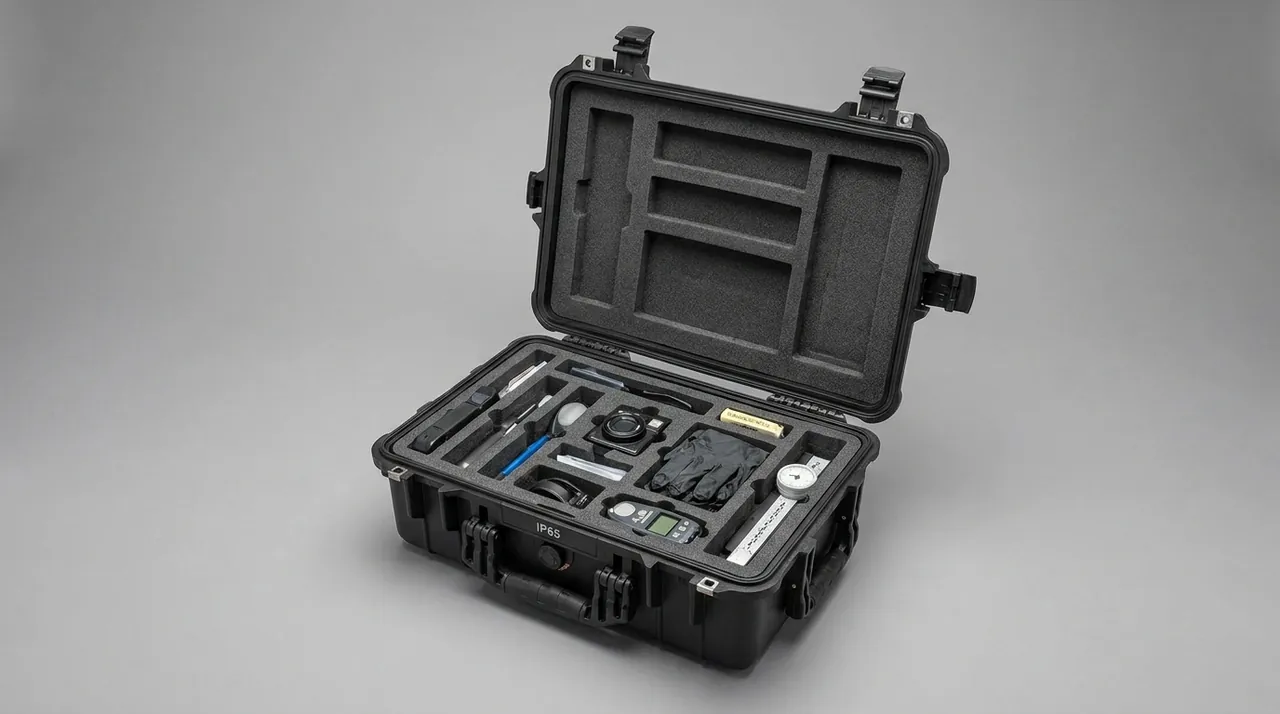
Liner material is chosen by position. The surface layer in direct contact with contents should be closed-cell PE, EVA or IXPE foam: these materials are low in extractables, do not absorb water, clean easily, and resist crumbling over long service. Sulphur-bearing rubber, plasticised soft PVC and recycled material should be avoided, because they can release compounds during long contact that contaminate medicine packaging and accelerate corrosion of metal parts. The cushioning layer can use low-density EVA or EPE, whose compression recovery absorbs shock; EPE should not be used as the main load-bearing layer under sustained preload, because its cell structure takes a permanent set that lets items sit loose. In terms of process, CNC cutting suits small batches and multiple specifications, while compression moulding suits fixed configurations at volume.
Glass medicine bottles deserve particular attention in liner design. Each bottle should sit in its own cylindrical slot with a depth of one half to two thirds of the bottle height, a clearance of one to two millimetres between slot wall and bottle for easy removal, and a soft pad at the base so the bottle bottom does not take load directly. Instruments should sit in profile-cut slots with cutting edges and tips located separately, so they cannot strike other metal parts and develop burrs. Dressings and consumables can be managed in pouches, but should not be left under long-term compression from heavy items. The selection logic follows general protective case practice and is supported by the comparison data in /news/case-foam-material-comparison/.
Temperature and Light: Environmental Boundaries for Medicines and Dressings
Most medicine labels specify storage at room temperature, generally 10 to 30 degrees Celsius, or in a cool place below 20 degrees Celsius, while some biological products require refrigeration at 2 to 8 degrees Celsius. The boot of a car in summer sun reaches 60 to 70 degrees Celsius, far above the room-temperature upper limit; in winter, northern climates can reach minus 20 degrees Celsius, below the tolerance of some liquid preparations. Vehicle and outdoor first aid cases therefore have to address temperature directly rather than simply carrying a note to avoid heat.
Four engineering measures are available. The first is a light-coloured shell: a dark case in direct sun can run 15 to 20 degrees Celsius hotter on its surface than a light one, making colour the cheapest cooling measure available. The second is an insulating liner: a closed-cell insulating layer between shell and liner clips the peak and makes internal temperature lag ambient. The third is storage position management: the case should sit in a shaded, relatively stable place such as under a seat or in a storage well, not exposed in the boot; on a boat it belongs in the cabin rather than on deck. The fourth is monitoring: a temperature indicator card or a simple logger inside the case gives a visible signal when a threshold is exceeded, so the problem is found at inspection rather than at the moment of use.
Where refrigeration is genuinely required, a standard protective case cannot replace an insulated container. The correct approach is a dedicated cold module inside the case, using phase-change material or ice packs to hold the temperature band, physically separated from the desiccant and dressings so condensate does not affect them. On light, an opaque shell solves most of the problem; where a transparent lid is used so contents can be seen, light-sensitive items should be packed in opaque pouches or covered by opaque compartment lids.
Marking and Colour: Fast Identification and Low-Light Access
The marking system for a first aid case has three layers: external identification, internal module marking, and item-level marking. Together they decide whether the right item can be found within ten seconds.
External identification exists so that even a non-specialist recognises immediately that this is a first aid case. It should use a high-contrast scheme such as a white background with a red or green cross, or whatever marking local regulation requires, together with reflective tape and consistent text. Reflective tape greatly improves visibility under low light and vehicle headlights, and is a practical fit for vehicle and outdoor cases. The outside should also carry the responsible person, the inspection date and the next inspection date, so the management state is visible without opening the case.
Internal module marking establishes a stable access path. A triple code of colour bar, pictogram and text outperforms text alone: colour allows fast location from a distance, pictograms cross language barriers, and text confirms the item precisely. The five functional modules should each use a different colour and should all be visible in the plan view immediately after the lid opens, which means modules should be laid out flat rather than stacked. Item-level marking prevents picking up the wrong article, especially among medicines and instruments that look alike, and should carry name, specification and expiry date. Marking materials must withstand wiping and disinfectants; ordinary paper labels stuck directly in place are not adequate. Approaches to case colour and marking customisation are described in /news/protective-case-color-customization/.
Opening and One-Handed Access: Structural Design for Emergency Use
Emergency use places demands on the opening design that ordinary storage boxes never see: the user may be supporting the case with one hand, may be wearing gloves, and may be working on an unstable surface. Lid angle, latch operating force and base stability therefore all need specific design attention.
The lid should open beyond 100 degrees, ideally 105 to 115 degrees, so that it neither falls back nor blocks the view into the case. A limiting feature between lid and body, such as a damped hinge or a restraining strap, prevents the lid closing automatically on a non-level surface and trapping fingers. The latch should be operable with one hand at a reasonable force, and still operable wearing gloves; the common mistakes are choosing a small latch that needs two hands to pinch, or setting an operating force so high that fingernails cannot manage it. The base should have an anti-slip feature so the case does not slide on a vehicle surface or a cabin sole, with strap anchor points or a vehicle mount interface added where needed.
The internal access path also needs designing. The most frequently used items belong in the area reached first after opening, near the front row opposite the hinge, not buried at the bottom. Heavy items should sit towards the hinge side so that the centre of gravity does not move forward and tip the case when the lid is raised. Where compartment lids are transparent, they should stay open once lifted rather than falling back. These details matter little on a general storage box; in an emergency they directly decide how long access takes.
Locking, Anti-Misopening and Child Safety
Locking design for a first aid case has to resolve a genuine conflict: the case must not open accidentally in transit, yet must open immediately in an emergency; it should keep children away from dangerous contents such as medicines, shears and instruments, yet must not delay access because of a lock.
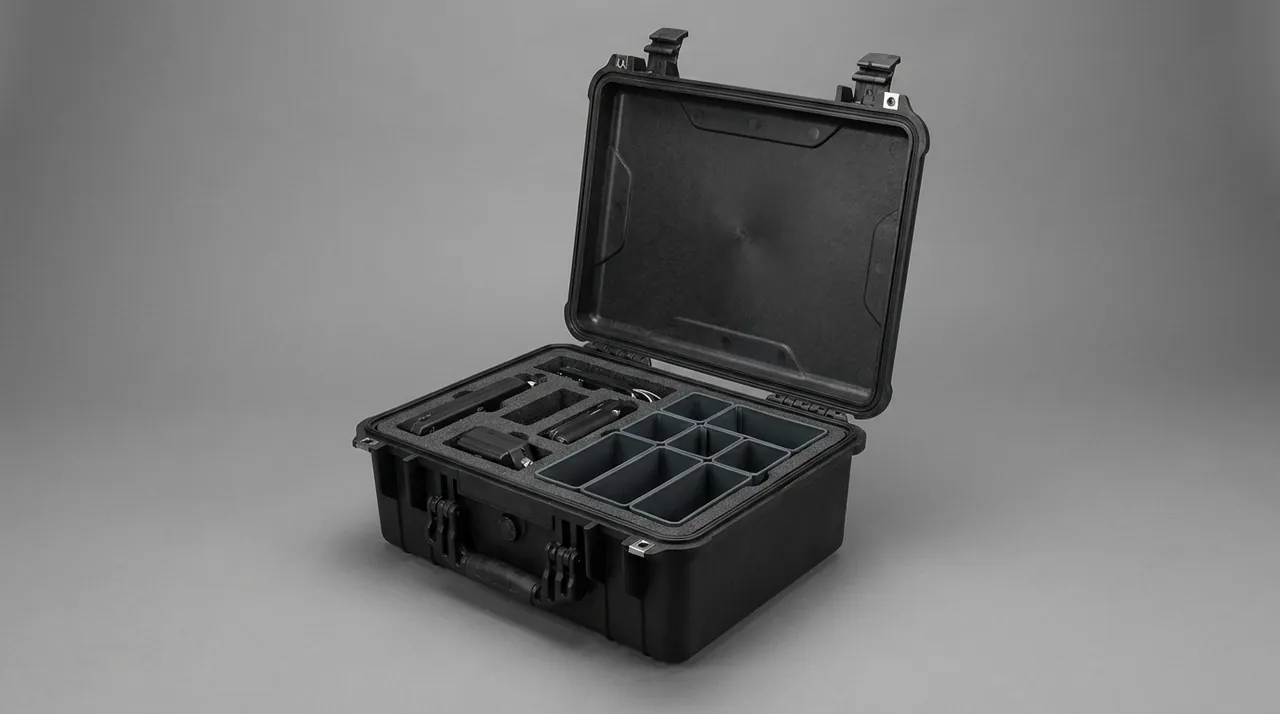
A graded approach resolves this. The first level is transport closure, using an ordinary latch whose only job is to stop the case coming apart during handling and vibration. The second level is anti-misopening, using a latch that needs a clear intention to operate, such as a pinch or dial type, so that a child cannot open it casually while an adult still can; such latches must remain operable by adults and should never require a tool or a code. The third level is controlled management, where workplace and public cases use a single-use seal or a numbered tamper seal, so that an intact seal means unused, which simplifies inspection and discourages pilfering.
It needs to be stated firmly that a public first aid case should never use a lock requiring a key or a code. Keys cannot be found at the critical moment, and codes are lost when staff change; once locked, the practical availability of the case drops sharply. Where child access is a real risk, the correct response is to raise the effort of opening rather than to create an absolute barrier, to place the case where children cannot easily reach it but where it is still clearly marked, and to avoid putting the most hazardous items in the front row where they are easiest to reach. Latch selection should also consider operability with gloves and reliability at low temperature, following the same criteria discussed in /news/military-ammo-box-lock-selection/.
Cleaning, Disinfection and Contamination Control
The shell and liner of a first aid case are repeatedly contaminated by blood, body fluids and disinfectants. Cleanability is a hard requirement in medical use and is the point most often missed by general-purpose storage boxes.
Shell materials must tolerate repeated wiping with the disinfectants in common use, including chlorine-based agents, 75 per cent ethanol and hydrogen peroxide, without cracking, blushing or discolouration. ABS and PP tolerate alcohols reasonably well, though some chlorine-based agents can cause stress cracking over long contact; PC resists impact but not certain organic solvents. The gasket should be removable for cleaning and must be completely dry before refitting, otherwise moisture is sealed into the case. Closed-cell foam liners can be wiped with a damp cloth but should not be soaked for long periods; fabric pouches should be machine washable or replaceable as a unit. Internal geometry should avoid dead corners and deep grooves that cannot be cleaned, with radiused transitions at corners.
Contamination control also includes separation logic: used instruments and dressings must not go back into their original compartment, so the case needs a dedicated position for a contaminated-waste pouch. If the outside of the case is contaminated, it should be cleaned as a whole after the incident and the event recorded. For cases used inside medical facilities, the cleaning and disinfection procedure should sit inside the infection-control system, with the disinfectant, contact time and responsible person all defined.
Configuration Checklist and Selection Table
Selection works best as four steps. First, fix the scenario: vehicle, marine, fixed indoor point or carried in the field, which determines the protection rating and shell material. Second, fix the configuration: list the supplies for that scenario and calculate total volume and total weight. Third, fix the structure: choose the liner form, cut foam, removable dividers or pouches, and the number of compartments. Fourth, fix the management system: marking scheme, expiry log format and inspection interval.
| Scenario | Suggested rating | Suggested shell | Suggested liner | Key additional features |
|---|---|---|---|---|
| --- | --- | --- | --- | --- |
| Office and indoor fixed point | IP54 | Injection PP or ABS | Removable dividers | Wall mount, external marking |
| Vehicle commuting | IP65 | Injection or rotomoulded | Cut foam plus pouches | Light shell, anti-slip base, strap points |
| Marine and waterborne work | IP67 | Rotomoulded LLDPE | Cut foam | Pressure-equalisation valve, reflective tape |
| Field and camp | IP65 minimum | Rotomoulded LLDPE | Cut foam plus pouches | Carry system, temperature indicator |
| Internal transport in medical facilities | IP54 to IP65 | Injection or aluminium | Tiered drawers plus cut slots | Disinfectable surfaces, seal management |
Procurement should ask the supplier for four kinds of evidence: a protection rating test report stating the test conditions and the pass criteria; a drop and stacking test report stating load and height; safety data and low-extractable declarations for the liner materials; and a configuration list together with an expiry management template. Descriptive phrases such as strong and durable cannot support acceptance.
Turnaround Maintenance and Periodic Inspection
The value of a first aid case is decided by maintenance, not by procurement. A workable maintenance regime has four parts: inspection interval, inspection items, replenishment mechanism, and record method.
The interval follows the scenario. Vehicle and marine cases should be inspected quarterly, indoor fixed points every six months, and field or high-frequency cases after every task. Inspection items cover: cracks, deformation and gasket ageing on the shell; whether the humidity indicator has changed colour and whether the desiccant is saturated; whether medicines and dressings are within expiry and their packaging intact; whether instruments have rusted, whether cutting edges are sound, and whether rubber parts have become tacky; whether consumables have been replenished to the listed quantities; and whether markings are legible and the list matches the contents.
The replenishment mechanism must name a responsible person and a supply channel, otherwise inspection finds problems that nobody fixes. Records are best kept on a card carried inside the case, logging date, inspector and action taken; organisations running many cases should keep a register keyed to case numbers so each case can be traced. Gasket ageing criteria and replacement method are covered in /news/case-seal-ring-replacement-guide/. Desiccant quantity should be calculated from the internal cavity volume and the expected storage period, and replacement decided at each inspection from the indicator reading rather than on a fixed schedule.
OEM/ODM Customisation and Branded Delivery
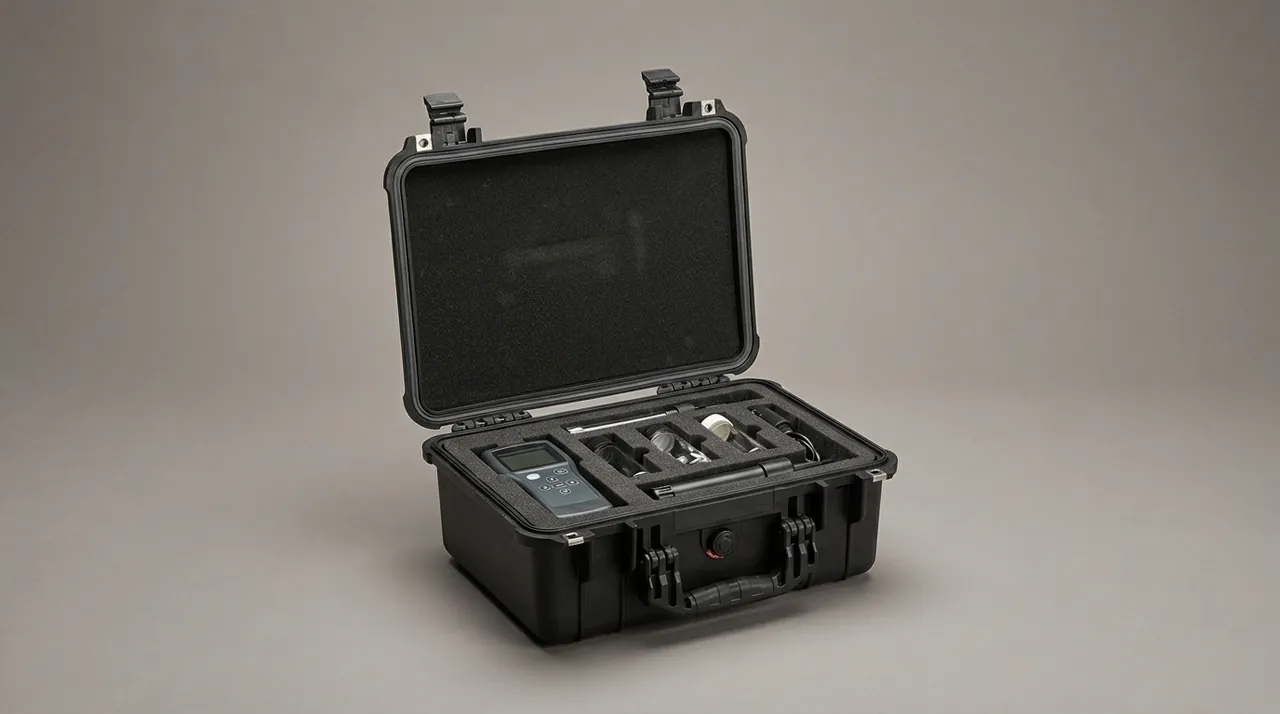
For first aid kit brands, medical device distributors and group buyers, cases are usually customised, and customisation concentrates on six areas: size and volume, liner forming, compartment scheme, marking and colour, accompanying documents, and packaging.
The usual flow is: confirm requirements, confirm the configuration list, design the liner by sampling against real items or modelling from drawings, produce samples, validate drop and sealing performance, run volume production, then deliver and accept. Lead times are typically two to four weeks for liner sampling and three to six weeks for volume production depending on quantity and process. Minimum order quantity and tooling cost are the two commercial terms that matter most: cut foam involves tooling and suits stable configurations at volume, while CNC cutting carries no tooling charge and suits multiple specifications in small batches.
Accompanying documents are routinely underestimated. A complete set should include the configuration list with specifications and quantities, an expiry log template, an inspection card, cleaning and disinfection instructions, a statement of the protection rating, and a field for the responsible person. For export orders, destination-country requirements on medical device accessories and labelling language also apply. Branded delivery covers case colour, silk-screen or laser marking, outer packaging and manual language; colour references and artwork approval steps should be fixed in the contract to avoid colour drift and artwork deviation after production starts. Intellectual property and confidentiality terms in customisation generally follow the practice described in /news/custom-case-contract-ip-clauses/, and common minimum quantity benchmarks are discussed in /news/custom-case-moq-baseline/. This product series is manufactured by Kexin New Materials (Guangdong) Co., Ltd., with the shell, liner and hardware produced to a controlled process, and can be delivered as a complete package covering liner forming, marking customisation and accompanying documents to suit a given configuration list.
Frequently Asked Questions FAQ
Q: Should a first aid case be specified to IP65 or IP67?
A: The decision should not simply take the higher number. It should be driven by the worst single water event the contents are likely to meet. An office or indoor fixed point only ever sees cleaning splashes, so IP54 is usually sufficient. A vehicle sees driving rain and pressure washing, which makes IP65 the sensible starting point. A boat deck, waterborne work or any case that may go overboard can be briefly submerged, which calls for IP67. It is equally important to state what IP67 does not cover: the immersion test uses clean water at ambient temperature, for a short duration and at shallow depth, so it does not imply prolonged underwater use, nor resistance to hot water or to long exposure to salt water. A second point is often missed in procurement. The rating is produced by the whole system, so gasket material and cross-section, groove dimensions, the number and distribution of latches, and the pressure-equalisation valve all contribute; if clamping force is uneven, even a gasket sold as IP67 will not deliver it. Ask for a report that names the conditions and the criteria.
Q: Does the case need desiccant, and how is the quantity decided?
A: Yes, but desiccant is a supplement to sealing and never a substitute for it. Its job is to absorb moisture trapped at packing time and the small amount that seeps in during long storage. Quantity can be estimated from the internal cavity volume, the ambient humidity at packing and the expected storage period, but in practice the more reliable method is to pair the desiccant with a humidity indicator card and decide replacement from the reading rather than from a fixed calendar interval. The card belongs somewhere visible as soon as the lid opens, so an inspector can read it without disturbing the contents. Two cautions matter. Once saturated, desiccant stops absorbing and can release moisture again at high temperature, so periodic inspection matters more than adding more at the start. And desiccant should not sit in direct contact with packaging, particularly loose granular types, which should be bagged and fixed in a position where they cannot move. If condensation has appeared inside, find and fix the sealing fault before replacing the desiccant.
Q: Can medicines and dressings share a compartment with instruments?
A: They should not. Medicines and dressings are environmentally sensitive items whose packaging has to stay intact, while instruments are hard objects that may carry cutting edges, and putting them together creates three separate risks. The first is crushing and breakage: instruments move during handling and drops, and can break a glass bottle or puncture a dressing pack, after which the spilled liquid contaminates the whole case. The second is contamination: an instrument that has been used and then returned to its original compartment carries contamination onto medicines and dressings. The third is access time: anything mixed together has to be searched, which lengthens the time to reach the right item. A sound layout separates them by function, holds instruments in individual cut foam slots, manages dressings and consumables in pouches, and keeps medicines in a lidded small box or separate slots marked with expiry dates. The case should also provide a dedicated position for a contaminated-waste pouch so that used items never return to a clean compartment.
Q: Summer heat in a vehicle is severe. Can the case itself solve it?
A: The case can reduce the problem but cannot eliminate it, so case measures and storage discipline have to work together. At case level there are four useful measures. A light-coloured shell is the cheapest, because a dark case in direct sun can run 15 to 20 degrees Celsius hotter on its surface than a light one. A closed-cell insulating layer between shell and liner clips the peak and makes the internal temperature lag behind ambient. A transparent lid should be avoided, or light-sensitive items should be packed in opaque pouches. A temperature indicator card inside the case makes an excursion visible at inspection rather than at the moment of use. At storage level the position matters more: the case belongs in a shaded and comparatively stable place such as under a seat or in a storage well, not exposed in the boot, and shading the windscreen helps. The honest boundary is that a car in summer sun reaches 60 to 70 degrees Celsius, far above the labelled limit of most medicines, and no passive insulation will hold the interior below 30 degrees indefinitely.
Q: Should a first aid case be locked, and will a lock delay emergency access?
A: A first aid case in a public place should never be fitted with a lock that requires a key or a code, and this is a well-established principle in emergency equipment management. Keys cannot be found at the critical moment, and codes are lost when staff change; once the case is locked, its practical availability falls sharply, and the situation where somebody urgently needs it and cannot open it becomes entirely possible. A graded approach works better. Transport closure uses an ordinary latch whose only task is to stop the case coming apart during handling and vibration. Anti-misopening uses a latch that needs a clear intention to operate, such as a pinch or dial form, so a child cannot open it casually while an adult still can; such latches must never require a tool or a code. Controlled management uses a single-use or numbered tamper seal, so an intact seal means the case is unused, which simplifies inspection and discourages pilfering. Where children are a real risk, the right response is to raise the effort of opening rather than to build an absolute barrier, and to keep the most hazardous items out of the front row.
Q: Which foam is best for the liner, and can EPE be used?
A: The liner should be chosen by layer rather than made from one material throughout. The surface layer in direct contact with contents is best made from closed-cell PE, EVA or IXPE foam, which are low in extractables, do not absorb water, clean easily and do not contaminate medicine packaging or accelerate corrosion of metal parts over long contact. The cushioning layer can use low-density EVA or EPE, whose compression recovery absorbs shock from drops and vibration. EPE can be used, but it is not a good choice as the main load-bearing layer under sustained preload, because its cell structure takes a permanent set that leaves items sitting loose in their slots, which shows up as rattling during transport. Where a configuration mixes heavy and light items, a hard base, a medium-density middle layer and a soft surface layer let each item receive reasonably matched support. Sulphur-bearing rubber, plasticised soft PVC and recycled material should be avoided in any contact layer. On process, compression moulding suits stable configurations at volume while CNC cutting suits multiple specifications in small batches.
Q: How should an expiry management system be set up so medicines do not expire unnoticed?
A: The principle is to make expiry visible rather than to rely on memory, and a workable system has four elements. The first is a list: every case carries a configuration list naming each item, its specification, its quantity and its expiry date, and the list matches the physical contents one for one. The second is visibility: an expiry card or label inside the case shows the item with the nearest expiry date, placed where it can be read as soon as the lid opens, and where possible a colour tag marks items within three months of expiry. The third is a cycle: vehicle and marine cases are inspected quarterly, indoor fixed points every six months, and high-frequency cases after each task, with expiry and quantity checked item by item against the list. The fourth is ownership: a named person and a defined supply channel, otherwise inspection finds problems that nobody fixes. When restocking, place new items behind old ones so the earliest expiry is used first, and remove expired medicines and damaged dressings rather than leaving them in place to make the count look right.
Q: What should be watched when cleaning and disinfecting, and will it damage the case?
A: Two things matter: material compatibility and residual moisture. On materials, the shell has to tolerate repeated wiping with the disinfectants in common use, including chlorine-based agents, 75 per cent ethanol and hydrogen peroxide. ABS and PP tolerate alcohols reasonably well, but some chlorine-based agents can cause stress cracking over long contact, and PC resists impact yet not certain organic solvents, so the case material specification should be confirmed before a disinfectant is standardised. The liner can be wiped with a damp cloth but should not be soaked for long periods, and fabric pouches should be washable or replaceable as a unit. The gasket should be removed for cleaning and must be completely dry before refitting, because sealing in moisture promotes condensation and mould. After cleaning, check that markings are still legible, because a faded label breaks the marking system that makes access fast.
Conclusion and Related Reading
The logic of a first aid case is simple: keep the supplies usable with sealing and desiccant, and keep access fast with compartments and marking. JUNZHIJIA supplies custom first aid cases with liner forming, compartment design and branded delivery.
Related Reading