

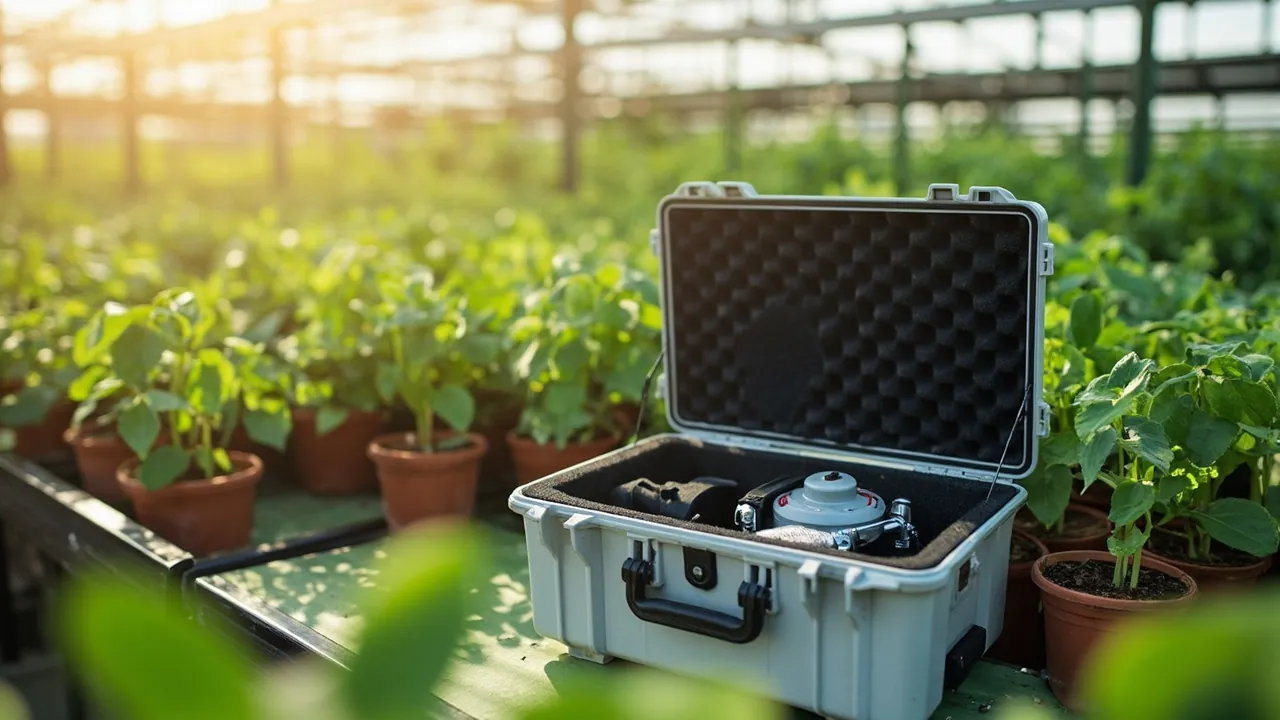
Moving living plants, seedlings, and growing media is unlike moving hardware. A machine part survives a dry box; a seedling does not survive a box that traps condensation or spills its substrate across a shipment. A horticulture and nursery case must do three jobs at once: hold relative humidity in a livable band, contain soil and growing media so nothing leaks, and protect pots and root balls from crush and tipping during transit. This article sets out how to specify cases for nurseries, garden centers, landscaping crews, and research greenhouses, with references to IEC 60529, GB/T 4208, ISTA test procedures, and UL 94 so the choices are defensible rather than guesswork.
The central mistake in this category is treating a plant case like a parts case. Parts want a sealed, dry, foam-cradled environment. Living material wants ventilation, humidity control, and containment rather than a watertight seal that becomes a terrarium. The right case is a controlled micro-environment, not a waterproof vault, and the difference shows up as survival rate at the destination. For a nursery, survival rate is the product; a case that raises it by a few points pays for itself in one season.
We cover the three load types and their distinct risks, humidity control, substrate containment, crush and tipping protection, divider design, sealing and drainage, temperature buffering, shock management, hardware for wet and soiled use, phytosanitary cleaning, sizing and mobility, transit testing, customization, and the service-life and cost picture. Use the Table of Contents to reach the section that matches the load you ship most often.
Table of Contents
- 1. Why Horticulture and Nursery Loads Need a Dedicated Case
- 2. Potted Plants, Seedlings and Substrates: Three Different Risks
- 3. Relative-Humidity Control for Living Material
- 4. Substrate Containment and Spill Management
- 5. Mechanical Protection Against Crush and Tipping
- 6. Anti-Tipping Honeycomb Pockets and Dividers
- 7. Ingress Protection and Drainage to IEC 60529 and GB/T 4208
- 8. Temperature Buffering and Seasonal Transit
- 9. Shock and Vibration for Root Balls and Pots
- 10. Hinges, Latches and Seals for Wet, Soiled Use
- 11. Cleaning and Phytosanitary Compliance
- 12. Sizing, Weight and Field Mobility
- 13. Stacking, Transit and ISTA Testing
- 14. Custom Foam and OEM/ODM Options
- 15. Service Life, Cost and Common Mistakes
1. Why Horticulture and Nursery Loads Need a Dedicated Case
Living cargo has a clock that hardware does not. A seedling stressed by low humidity for two days may not recover even if it looks alive on arrival, and a pot whose root ball dried out in transit may fail weeks later in the customer's care. The case is the only environment the plant has between your gate and the destination, so its internal conditions decide the outcome more than the distance traveled.
A dedicated case treats humidity, containment, and mechanical protection as the three design targets, in that order. Generic totes fail all three: they ventilate poorly or not at all, they leak substrate through seams, and they let pots knock together. The result is a shipment of stressed, soiled, damaged plants and a returns problem that erodes margin faster than the case would have cost.
Specifying this case is also a compliance activity. Many jurisdictions require clean, pest-free plant movement, and a case that cannot be cleaned and inspected becomes a phytosanitary liability at borders and at receiver audits. The cases described here are built so a nursery can demonstrate clean, contained, traceable transport, which is increasingly a condition of doing business rather than a nice-to-have.
2. Potted Plants, Seedlings and Substrates: Three Different Risks
These three load types fail differently, and the case must be zoned for the specific load. Seedlings are small, numerous, and humidity-sensitive; potted plants are heavier and tip easily; substrate, meaning soil, coir, or perlite, is a containment problem first and a weight problem second. The table below maps each to its dominant risk so you can prioritize features.
| Load type | Dominant risk | Priority case feature |
|---|---|---|
| --- | --- | --- |
| Seedlings | Desiccation, crush of tender stems | Humidity band, cell dividers |
| Potted plants | Tipping, root-ball shock | Anti-tip pockets, base retention |
| Substrate | Leakage, contamination | Sealed liner, drainage capture |
Seedlings travel in trays and are vulnerable to both drying and being crushed under a heavier item, so they want a humidified, divided space where nothing sits on top of them. Potted plants are individual and top-heavy; a case that lets a pot lean will arrive with broken stems and spilled media, so they want pockets that hold the pot base and keep it upright. Substrate is usually shipped in bags or loose and wants a sealed, easy-clean liner that captures any rupture rather than letting it spread through the vehicle.
Because a nursery often ships all three, the practical answer is a modular case: a humidity-controlled seedling zone, an anti-tip pot zone, and a sealed substrate liner, combined in one shell sized to the order. When you brief a supplier, lead with the load mix, because the interior architecture follows the mix, not the outer dimensions.
3. Relative-Humidity Control for Living Material
Relative humidity, or RH, is the single most important environmental variable for live plant transit. Most seedlings and cuttings want an RH in a moderate band, commonly around 60 to 85 percent depending on species, so foliage neither desiccates nor sits wet enough to invite fungal growth. A sealed, unvented case drifts to saturation and rots; an open tote drops to ambient and dries the leaves. The controlled case lands between.
Practical RH control uses a passive humidification element, such as a water reservoir with a wick or a saturated pad, paired with limited ventilation so the band holds without becoming a sealed terrarium. Some operations add a small hygrometer in the case to verify the band at arrival, which is cheap insurance for high-value seedlings. The key design point is that the case manages moisture rather than excluding it, which is the opposite of a waterproof electronics case.
For cases that also cross altitude or temperature swings, a pressure equalization valve helps avoid condensation spikes when the case is sealed for part of the route, because equalized pressure reduces the pumping of moist air in and out through the gasket. Used with a humidity reservoir, it keeps the internal band stable across a long, varied trip.
4. Substrate Containment and Spill Management
Substrate leakage is the fastest way to turn a clean shipment into a rejected one. Soil, coir, and perlite escape through any seam or zipper, and once loose they contaminate every other item and the vehicle floor. The case must contain the media even when a bag ruptures, which means a sealed, continuous liner with no gaps to the shell.
Design the liner as a tray or a bag-in-shell: a removable, washable container that holds the substrate zone and captures spills, so a rupture stays inside the liner and is lifted out rather than spread. Closed-cell liner materials wipe clean and do not absorb moisture, which matters because wet media is heavier and messier than dry. After a spill the liner comes out, is emptied and washed, and goes back in, leaving the shell clean for the next load.
Containment is also a phytosanitary point. A receiver auditing for pest-free movement will reject a case that shows media outside its sealed zone, so a contained substrate liner is both operational and compliance hygiene. Pair it with the cleaning routine in section 11 and the case becomes defensible at inspection rather than a source of risk.
5. Mechanical Protection Against Crush and Tipping
Plants break under two mechanical modes: crush, when weight lands on top, and tipping, when a pot leans and snaps its stem or spills its ball. Crush is prevented by not stacking heavy items on living ones and by a lid that cannot close onto foliage; tipping is prevented by base retention that holds each pot upright. Both are layout problems before they are material problems.
The lid deserves specific attention. A domed or extended lid adds headroom so foliage is not compressed when the case closes, and a clear internal standoff keeps the lid off the tallest plant. For seedlings, a shallow tray with a close-fitting but non-contact lid prevents the tray from bouncing and bruising the tops. None of this requires exotic hardware; it requires designing the interior volume around the plant instead of around the box.
Tipping is the more common failure. A pot that arrives leaning has usually been leaning the whole trip, slowly stressing the stem, so the protection must hold it vertical from the start. The next section covers the divider geometry that does this, and together with base retention it removes most transit damage for potted stock.
6. Anti-Tipping Honeycomb Pockets and Dividers
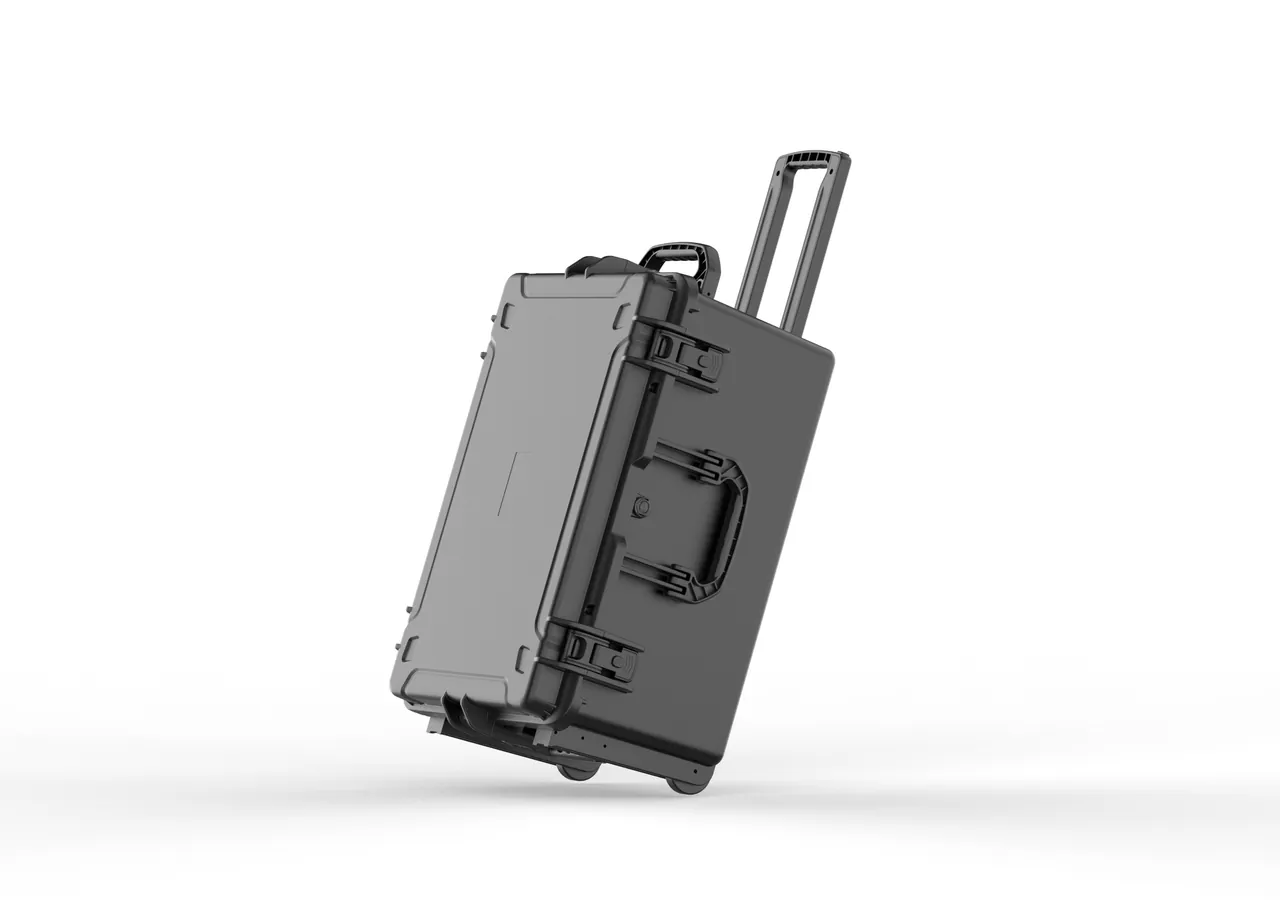
The anti-tip geometry that works for pots is a honeycomb or egg-crate divider with cells sized to the pot base, so each pot sits in its own well and cannot lean into its neighbor. The cell walls are tall enough to support the lower third of the pot, which is where tipping starts, and the base of each cell has a friction surface so the pot does not slide. This is the same logic as a bottle divider, applied to living, top-heavy cargo.
A removable divider system lets you re-zone the case for different pot sizes without buying a new insert, which matters because nurseries run mixed sizes by season. For the divider options and how to size cells, our removable divider system guide covers the geometry and the trade-offs between fixed and adjustable walls. For seedlings, a finer cell grid holds trays and prevents tray-on-tray contact that bruises tender tops.
The foam and liner material should be closed-cell and washable, because plant cases are wet and soiled by definition. Pair the divider with the substrate liner from section 4, and you have a case that protects the plant, contains the media, and cleans afterward, which is the full job. For the underlying liner and cushion choices, see our cushion and liner case guide.
7. Ingress Protection and Drainage to IEC 60529 and GB/T 4208
Ingress protection codes from IEC 60529, with the aligned Chinese national standard GB/T 4208, describe how well a case keeps solids and water out, and for plant cases the reading is different from electronics. You usually do not want a fully watertight IP67 seal, because a sealed case becomes a humidity trap; you want controlled ingress, meaning protection from rain and splash (IP54 to IP65) plus deliberate drainage rather than a dead seal.
The practical design is a case that sheds rain and road spray but includes a drainage path and a captured sump so any water that enters does not pool around the pots. Ask the supplier for the IP test report that names the standard and the exact code achieved, and read it as a weather-resistance statement, not a submersion rating. A stamped IP65 with managed drainage serves a nursery better than an IP67 vault that rots the cargo.
Sealing and drainage are linked to hardware. The gasket must survive wet, organic soiling without swelling, and the drain must not become a leak path. The relationship between the shell seal and the latch that compresses it is covered in our waterproof case and IP guide, and the hardware that makes it serviceable is the subject of the next section.
8. Temperature Buffering and Seasonal Transit
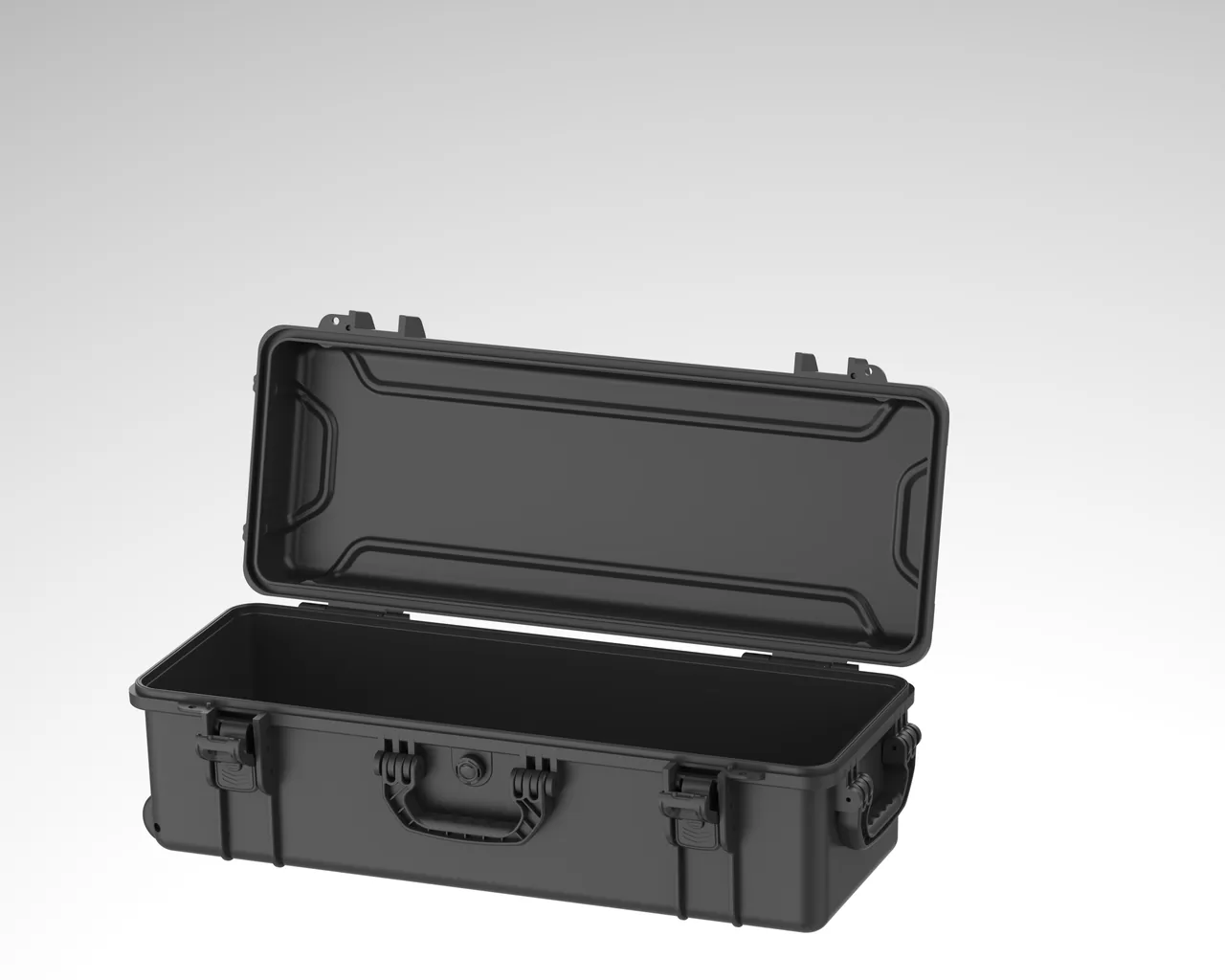
Plants have a temperature comfort range, and a case in a hot trailer or a cold dock can exceed it within hours. The case cannot refrigerate, but it can buffer: an insulated shell wall and a phase-change pack or simple thermal mass slow the swing so the load stays in range across the leg that matters. For a short nursery-to-retail hop this buffering is often enough without active cooling.
Insulation value depends on wall thickness and material, and it is worth specifying for summer and winter both, because the failure modes differ: heat stress in summer, frost in winter. Our extreme temperature case notes explain how wall construction and thermal packs extend the safe transit window, and how to size them for the expected exposure rather than guessing. Couple thermal buffering with the RH control in section 3, because warming air holds more moisture and can push the band upward if ventilation is wrong.
Document the expected window. A receiver asking "how long is this load safe unrefrigerated" needs an answer backed by the case's tested buffer time, not a hope, and the buffer specification is what supplies it.
9. Shock and Vibration for Root Balls and Pots
Root balls and pots dislike sharp shock. A hard drop fractures a root ball and cracks a terracotta pot, and repeated vibration works the media loose so the plant arrives loose in its pot. The case reduces this with a suspended liner and base cushioning that decouples the pots from the shell, so impacts travel through foam instead of through the root ball.
The base deserves the most cushioning, because that is where drops land. A medium-density foam pad under the pot zone absorbs the first impact, and the honeycomb divider above keeps pots from striking each other. The shake test applies here too: close the loaded case and shake it; if pots rattle or media shifts, the layout is wrong regardless of the spec sheet, because a moving pot is a damaged pot.
Transit vibration is slower but steady. A case that isolates the pot zone from the shell wall prevents the long-term working-loose that shows up as collapsed media at arrival. Pair this with the transit testing in section 13, and you have evidence the case survives the route rather than just the showroom.
10. Hinges, Latches and Seals for Wet, Soiled Use
Plant cases are used with wet hands, soiled gloves, and frequent open-close cycles, so hardware is where they live or die. The hinge must be pinned and reinforced, not a living plastic tab that fatigues after a season of daily use. The latch must close with enough force to seat the gasket and the divider, and it must work with one hand while the other holds a tray.
This is where a validated toolbox hinge, latch and seal assembly earns its place: a reinforced pivot, a positive-locking latch, and a continuous gasket channel delivered as one coordinated, serviceable package, instead of three parts hoped to fit. For daily nursery use the integration matters more than any single rating, because the seal only works if the latch pulls the lid tight every time, and the latch only survives if the hinge does not fail first.
Specify stainless or coated hardware because the case is perpetually damp and soiled, and confirm the latch can be operated with gloves on. Replaceable latches are a plus; a case whose only fault is a worn latch should not be scrapped. Ask whether the hinge and latch are serviceable before purchase, because serviceability is the difference between a case that lasts and one that is discarded over a five-dollar part.
11. Cleaning and Phytosanitary Compliance
Cleanability is a compliance requirement in plant transport. Receivers and borders ask for pest-free, soil-free movement, and a case that cannot be cleaned and inspected fails that test. The routine is: empty the substrate liner, remove the divider, wash the shell and liner, disinfect if required, dry fully, and reload. A case designed for fast teardown makes this routine realistic rather than theoretical.
Our how to clean a protective case article gives the step-by-step and the chemical cautions that keep liners intact, and most of it applies directly to nursery cases because the soiling is organic and wet. The points that matter most are to avoid soaking a closed-cell foam past its seam, to use a disinfectant the liner tolerates, and to dry completely before closure so you do not grow mold in transit, which is the step most often skipped and the one that defeats the system.
Keep a cleaning log. Phytosanitary audits increasingly ask for evidence of sanitation cadence, and a case that tears down in minutes makes that cadence documentable. The small discipline of logging protects both the plants and your ability to ship across jurisdictions without delays.
12. Sizing, Weight and Field Mobility
Nursery cases get heavy fast once media and water are inside, so sizing is a weight decision as much as a volume one. Weigh the loaded case, not the empty one, and keep a margin under the handler limit, because a case too heavy to lift safely becomes a two-person job that slows every load and unload. For field crews a mid-size case that carries a tray of seedlings or a few pots in one layer is usually right.
Size the case to the order plus a small buffer. Too small and pots wedge and tip; too large and the divider must be built up with filler that migrates. A modular insert that re-zones for the order avoids both. For routes that walk from vehicle to greenhouse bench, wheels and a trolley handle turn a heavy case into a rollable one, and our case wheels and trolley handle notes help you choose wheel quality that survives wet, rough ground rather than failing on the first trip.
Remember the lid headroom from section 5 when sizing, because foliage height, not pot diameter, often sets the case depth. A case sized only to the pot will crush the plant when closed, so size to the tallest element plus standoff.
13. Stacking, Transit and ISTA Testing
Nursery cases stack in vans and on pallets, and a stacked pot load is top-heavy, so stack stability is safety, not convenience. Look for cases with interlocking corners that keep a stack from sliding, and never stack a heavy substrate case on a case of tall potted plants, because the weight will compress the foliage below. The proof of transit survival is a drop-test standard rather than a claim of toughness.
ISTA procedures are the practical benchmark. An ISTA 1A or 3A sequence subjects a packed case to drops, vibration, and compression that approximate parcel and mixed-mode shipping, and a case that passes gives confidence for daily nursery transit even though the van is gentler than a parcel network. Ask for the ISTA report and the drop height used, because drop height scales with case weight and a light case tested low is not comparable to a heavy one tested higher.
For how these tests are run and what the results mean, see our ISTA transport testing procedure write-up. Pair the transit rating with the shock guidance in section 9, and you have a case validated for the route rather than the showroom, which is what a nursery paying for live survival actually needs.
14. Custom Foam and OEM/ODM Options
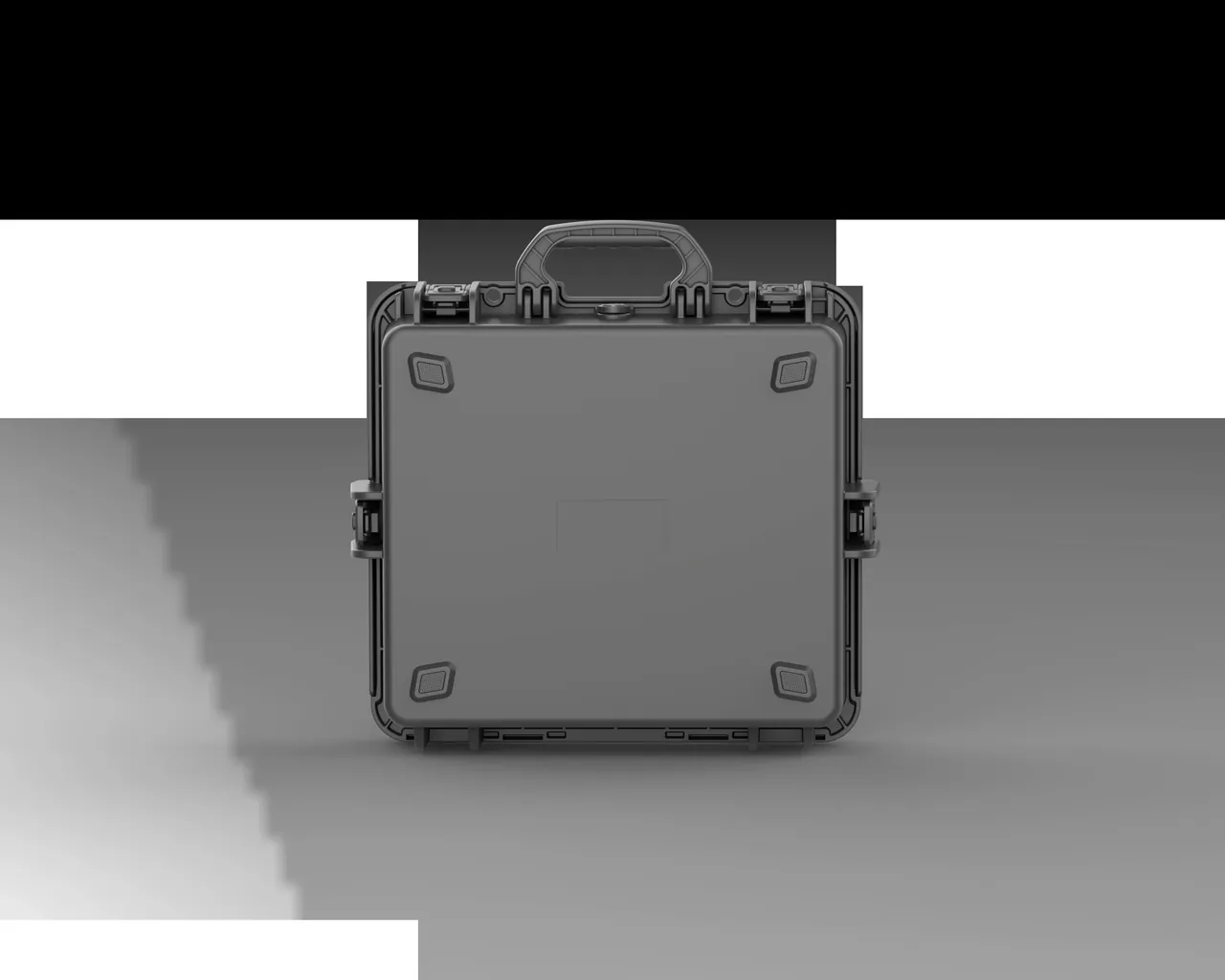
A nursery that ships the same tray sizes and pot diameters repeatedly benefits from a standardized insert. When your cell grid and substrate liner match your actual inventory, every handler loads faster and every pot is held the same way, which raises survival rate and speeds training. A coordinated build from a manufacturer such as JUNZHJIA specifies the shell, the liner grade, the honeycomb cell map, and the latch hardware as one package rather than parts sourced separately and hoped to fit.
The value is consistency across sites and seasons. Every case in the fleet holds the same load the same way, which simplifies spares and audit, and a manufacturer such as JUNZHJIA can supply the material certificates and test files you need for phytosanitary evidence. For what to verify before you commit, our how to choose a case OEM factory guide covers the questions that separate a capable builder from a box mover.
Custom does not mean costly by default. A custom insert for a known tray and pot set is often cheaper than buying generic cases that hold the same load poorly, and it protects the stock better. The rule is the same as for any case: if your load is stable and repeated, standardize it; if it changes weekly, stay modular with a removable divider you can re-zone without new foam.
15. Service Life, Cost and Common Mistakes
Price is the wrong number to optimize; survival rate and reuse are the right ones. A cheaper case that leaks substrate, crushes seedlings, or cannot be cleaned costs more in returns and rework than a specified case that lasts years. Track the case fleet by wear indicators: gasket gaps, hinge play, divider warp, and liner seam failure are the signals to retire or repair before they damage a shipment.
| Cost factor | Cheap case outcome | Specified case outcome |
|---|---|---|
| --- | --- | --- |
| Plant survival at arrival | Variable, often low | Consistent, high |
| Substrate leakage | Frequent, rejected loads | Contained, clean |
| Cleaning time | Slow, poor teardown | Fast, audit-ready |
| Service life | 1 season or less | Multiple seasons |
The common mistakes are predictable. Treating a plant case like a waterproof parts case seals the cargo and rots it. Skipping RH control lets seedlings desiccate. Letting pots tip by using a flat-bottom case loses stock to stem breakage. Ignoring containment spreads substrate and fails phytosanitary checks. For help spotting low-grade construction before you pay, our identify genuine versus fake case guide lists the tells, and our protective case service life article gives the retire-on-wear rule that turns replacement into a budgeted line instead of a surprise.
Frequently Asked Questions
Q: What humidity level should seedlings be shipped at? A: Most seedlings and cuttings travel best in a relative-humidity band around 60 to 85 percent depending on species, high enough to prevent leaf desiccation but below the saturation that invites fungal growth, and the case should hold that band rather than drift to either extreme. A sealed, unvented case drifts to saturation and rots foliage, while an open tote drops to ambient and dries the leaves, so the controlled case uses a passive humidification element such as a wick reservoir paired with limited ventilation to stay in range. For high-value stock, add a small hygrometer inside the case to verify the band at arrival, because the reading is cheap insurance against a stressed shipment. The design goal is to manage moisture deliberately, which is the opposite of a waterproof electronics case that simply excludes it, and getting the band right is the single biggest factor in seedling survival across transit. Document the band on the purchase order and verify it with a hygrometer for high-value stock in transit. Q: How do I stop pots from tipping during transit? A: Tipping starts at the base, so the fix is base retention plus cell support: each pot sits in its own honeycomb or egg-crate well sized to its base, with cell walls tall enough to support the lower third of the pot and a friction surface on the cell floor so it cannot slide. The lid must also have headroom and an internal standoff so it never closes onto the foliage, because a lid that compresses the plant causes crush damage independent of tipping. Load the case so nothing heavy sits on top of potted stock, and run the shake test: close the loaded case and shake it, because if a pot moves the layout is wrong regardless of the spec sheet. Pair the divider with a sealed substrate liner so any spilled media is captured rather than spreading, and you remove both the tipping failure and the containment failure in one interior design that holds every pot upright from the first mile.
Q: Should the case be fully waterproof like IP67? A: Usually no, because a fully watertight IP67 seal turns a plant case into a humidity trap that can rot living cargo, and what you actually want is controlled ingress: protection from rain and road spray, commonly IP54 to IP65, plus deliberate drainage and a captured sump so any water that enters does not pool around the pots. Ask the supplier for the IEC 60529 and GB/T 4208 test report naming the exact code achieved and read it as weather resistance, not submersion rating, because a stamped IP65 with managed drainage serves a nursery better than an IP67 vault. The gasket must survive wet, organic soiling without swelling, and the drain must not become a leak path, so sealing and drainage are linked to hardware quality rather than to a single rating number on the shell. Size the reservoir and ventilation to the species and verify the band with a hygrometer at arrival. Q: How do I contain soil if a bag ruptures in transit? A: Containment starts with a sealed, continuous liner that has no gaps to the shell, designed as a tray or bag-in-shell that holds the substrate zone and captures any rupture so the spill lifts out rather than spreads through the vehicle. Use a closed-cell, washable liner material because it wipes clean and does not absorb the moisture that makes wet media heavier and messier, and make the liner removable so after a rupture you empty, wash, and replace it while the shell stays clean for the next load. Containment is also a phytosanitary point, because a receiver auditing for pest-free movement will reject a case that shows media outside its sealed zone, so a contained liner is both operational hygiene and compliance evidence. Pair it with the cleaning routine so the liner is sanitized after every spill, and the case stays defensible at inspection rather than becoming a contamination source. Read the rating as weather resistance and keep the IP and GB/T 4208 report with your compliance file. Q: Can one case handle seedlings, pots, and substrate together? A: Yes, with a modular interior that zones the three loads rather than mixing them: a humidity-controlled seedling tray zone, an anti-tip honeycomb pot zone, and a sealed substrate liner, combined in one shell sized to the order. The load mix sets the interior architecture, so brief the supplier with the mix and the volumes rather than with outer dimensions, and use a removable divider system so the same shell re-zones for different pot sizes by season. Seedlings must never sit under heavier items, pots must be base-retained and upright, and substrate must be in its sealed liner, so the three zones are physically separated even inside one case. This modular approach is usually cheaper than buying three dedicated cases and protects the stock better, because each load gets the feature it actually needs instead of a compromise that serves none of them well. Make the liner removable so a rupture lifts out and the shell stays clean for the next load. Q: What does ISTA testing prove for a nursery case? A: ISTA procedures subject a packed case to drops, vibration, and compression that approximate parcel and mixed-mode shipping, so a pass gives confidence the case survives the shocks and stacking of daily nursery transit even though a delivery van is gentler than a parcel network. Ask for the ISTA report and the drop height used, because drop height scales with case weight and a light case tested at a low height is not comparable to a heavy loaded case tested higher, so the report only matters if the tested weight matches your real load. Pair the transit rating with the base-cushioning and divider design so impacts travel through foam instead of through root balls and pots, and you have evidence the case is validated for the route rather than the showroom. The test does not guarantee plant survival by itself, but it removes the mechanical-failure modes that would otherwise undermine the humidity and containment design. Use a removable divider so the same shell re-zones for different pot sizes by season without new foam. Q: How often should a nursery case be cleaned? A: Clean it between every load that carried living material or substrate, because plant cases are wet and soiled by definition and a case that is not torn down and washed becomes a pest and mold reservoir that fails phytosanitary checks. The routine is to empty the substrate liner, remove the divider, wash the shell and liner, disinfect if the receiver or jurisdiction requires it, dry fully, and reload, and a case designed for fast teardown makes this realistic rather than theoretical. Avoid soaking a closed-cell foam past its seam, use a disinfectant the liner tolerates, and dry completely before closure so you do not grow mold in transit, which is the step most often skipped and the one that defeats the system. Keep a cleaning log, because audits increasingly ask for evidence of sanitation cadence, and a five-minute clean you actually perform beats a perfect clean that never happens. Ask for the ISTA report and the drop height so the tested weight matches your real loaded case. Q: What materials resist the wet, soiled nursery environment? A: The liner and divider should be closed-cell ethylene-vinyl-acetate or polyethylene foam that wipes clean, does not absorb moisture, and tolerates the disinfectants you use, because open-cell foam wicks water and media and becomes a bacterial reservoir that no amount of surface washing fixes. The shell should be a copolymer rated for repeated wet use, and the hardware should be stainless or coated because the case is perpetually damp and soiled, with replaceable latches so a worn part does not scrap the whole case. On flammability, request the UL 94 grade of the shell material so you have a stated classification rather than a vague flame-retardant claim, which matters for a case stored near heaters or battery banks in a greenhouse or vehicle. The material certificate and the UL 94 grade belong in your compliance file alongside the IP and ISTA reports. Dry completely before closure so you do not grow mold, and keep a cleaning log for phytosanitary audits. Q: When should I replace a nursery case? A: Replace or repair on wear indicators rather than a calendar: retire a case when the gasket shows gaps at the corners, the hinge develops play, the divider warps so pots no longer seat, or the liner seam fails and can no longer contain substrate. Any of these lets moisture, media, or impact reach living cargo you cannot afford to lose, and the cheap time to act is before a shipment is rejected, not after. Track the fleet so replacement is a budgeted line instead of a surprise, and keep a first-article reference unit to compare against incoming batches during acceptance. For the retire-on-wear rule and the cost picture, our service-life article gives the indicators and the total-cost view that shows a specified case costing less per season than a cheap one that leaks, crushes, and cannot be cleaned, once plant survival and reuse are counted. Request the UL 94 grade and the material certificate so the rating is stated, not vague or assumed.
Conclusion & Related Reading
A horticulture and nursery case is a controlled micro-environment, not a waterproof vault. It holds relative humidity in a livable band, contains substrate so nothing leaks, and protects pots and root balls from crush and tipping, using a honeycomb divider, a sealed liner, managed drainage, and base cushioning as one coordinated interior. Validate it with the ISTA drop report, the IP and GB/T 4208 rating read as weather resistance, the UL 94 grade, and a cleaning routine that makes phytosanitary compliance routine rather than exceptional. Working with a supplier such as JUNZHJIA that can deliver the shell, liner, and test files as one coordinated package further simplifies fleet standardization and the compliance evidence receivers ask for. For most nurseries, garden centers, and landscaping crews the total cost of a specified case is lower than a cheap one once plant survival, containment, and reuse are counted, because the case is what decides the outcome between your gate and the destination.
Related Reading