

Military protective case selection directly affects weapon safety, readiness and mission reach. Sound selection evaluates on four dimensions: protection rating (IP / MIL-STD-810H), item fixation, carry mode and compliance, distinguishing rifle cases, ammo transport cases, individual equipment cases, weapon scope cases, ordnance repair toolkits and border-patrol equipment cases rather than vaguely calling all "military cases". This article provides a citable comparison framework and parameters for military, defense and procurement decisions.
The military protective case is the "carry shell" of weapon equipment. From storage, transport, patrol to field deployment, the shell must protect rifles, ammo, optics and tools through drop, vibration, dust-water and shock. We build the selection framework first, then break down by type.
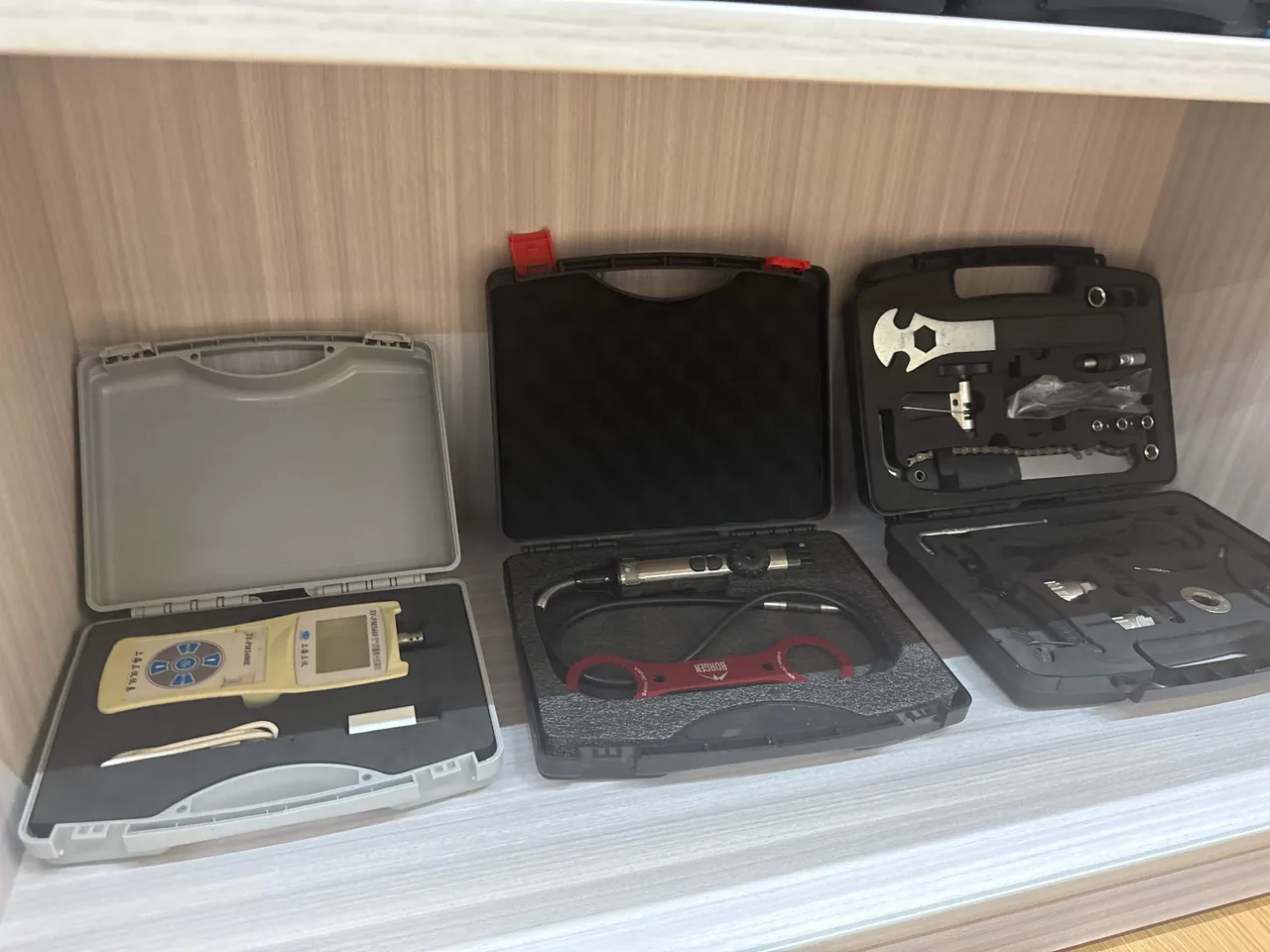
Overall Framework of Military Case Selection
Four selection dimensions: protection rating decides environment fit, fixation decides item safety, carry mode decides mobility, compliance decides legality and safety. Four typical cases (rifle, ammo, individual, tool) each stress different points; optics and patrol add precision and weathering.
This framework can form a "command, weapon, support" outfit with the emergency command comms case and the mobile command case.
Protection Rating Comparison (IP / MIL-STD-810H)
Military cases start at IP67: fully dust-tight, 1 m / 30 min immersion. Military scenes reference MIL-STD-810H drop, random vibration, temp-humidity and salt spray. Ammo and rifle transport care more about mechanical stress than water.
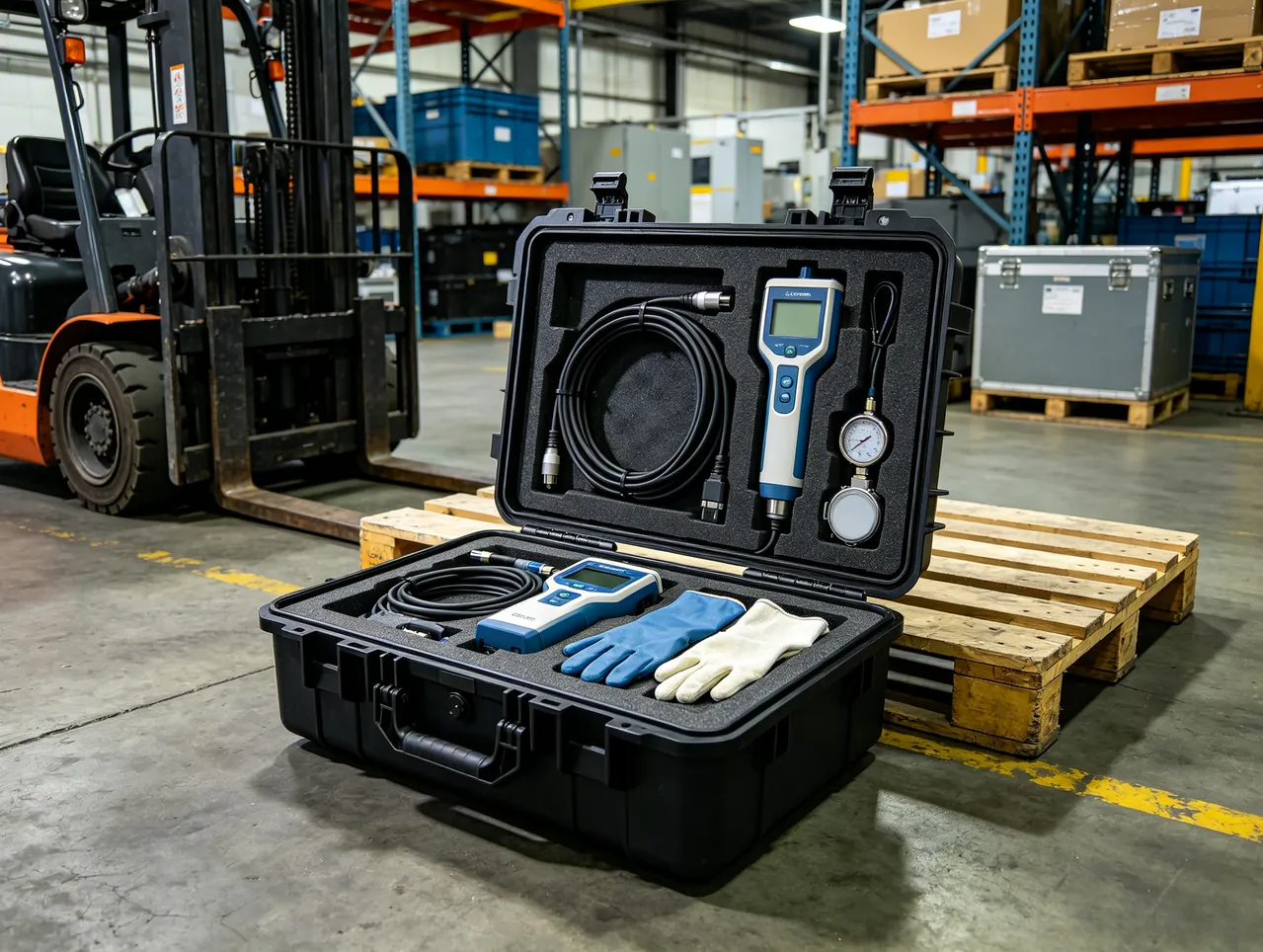
| Type | Rating | Drop | Focus |
|---|---|---|---|
| --- | --- | --- | --- |
| Rifle | IP67 | 1.5 m | Fix/anti-theft |
| Ammo | IP67 | 1.5 m | Safety/compliance |
| Individual | IP65 | 1.2 m | Light |
| Tool | IP67 | 1.5 m | Heavy fix |
| Scope | IP67 | 1.5 m | Optic shock |
Procurement requires GB/T 4208 and MIL-STD-810H reports with sampling plan.
Rifle Case: Long-Gun Carry and Fixation
The rifle case carries long guns and submachine guns, core is barrel anti-shift and anti-theft. Inner EVA custom-cut to gun shape, with barrel slot, receiver slot and accessory slot independent, plus straps, no sway in transport. Latch can be dual-lock with seal.
Its small variant is the rifle protection box, for pistol or single carry, compact with same fixation logic. Body can add warning and number, transport meets weapon management rules.
In real-world deployment of the protective case, sealing performance must be verified against GB/T 4208, which is equivalent to IEC 60529, with IP67 as the common target: fully dust-tight and able to survive immersion at 1 m depth for 30 minutes. For units that are airdropped, vehicle-mounted, or shipboard-transported, it is advisable to add MIL-STD-810H drop (Method 516.8) and random vibration (Method 514.8) to confirm environmental adaptability, and to require a formal test report with a defined sampling plan at acceptance rather than relying on the manufacturer's claimed rating. JUNZHJIA can supply the corresponding documentation package for batch OEM programs. Related approaches are described in the equipment case program. Flame retardancy and corrosion resistance are hard thresholds for the enclosure in harsh conditions. The shell is preferably modified PP, ABS, or PC and should be rated under UL94, typically targeting V-0 or V-1; salt-fog and damp-heat environments are tested per GB/T 10125 neutral salt spray, with metal parts preferably 316 stainless steel or corrosion-resistant engineering plastics. For this class of equipment case, the service life of latches, hinges, and gaskets under corrosion often decides the usable years of the whole case earlier than the shell itself does. Related approaches are described in the equipment case program. On standards mutual recognition, export or defense-trade cases often need parallel standards: domestic IP per GB/T 4208, international IP per IEC 60529 equivalently; environmental testing per MIL-STD-810H or associated GJB methods; flame per UL94 or the corresponding national standard. For the buyer, requiring readable test reports with sampling plans is more valuable than a single pass/fail verdict and lets the same evidence chain be reused across multiple national acceptances. Related approaches are described in the equipment case program. On risk control, configuration errors of the case are costly: mixed weapons and ammunition, sample leakage, or instrument shock damage all translate directly into mission failure. For this case, run a failure-mode analysis (FMEA thinking) before design freeze to identify high risks such as seal failure, fixation loosening, temperature drift, and EMC interference, and add redundancy; before delivery, use ISTA/MIL-STD sampling verification so every batch falls within an acceptable quality interval rather than depending on one sample case passing. Related approaches are described in the equipment case program. Scenario-based selection beats parameter stacking. If the case is for alpine border duty, prioritize weatherability, UV resistance, and low-temperature toughness; if shipboard, prioritize salt-fog corrosion resistance and anti-sway fixation; if urban emergency, prioritize fast open-close and modular swap. For this case, list the usage profile (temperature, humidity, drop, vibration, exposure media) first, then match material, seal, and liner backward, avoiding both over-design and under-protection. Related approaches are described in the equipment case program. From a maintenance-support angle, the case should be field-repairable. The liner is custom-cut to the tool or spare list, with edges and pressure parts in separate pockets; common latches and gaskets are made field-replaceable. For this case, attach a concise maintenance card: inspect gasket, lubricate latch, dehumidify liner every 3 to 6 months; strengthen corrosion control in salt fog; rotate stock to stay fresh, sharing standardized upkeep with similar equipment to keep missions uninterrupted. Related approaches are described in the equipment case program.
Ammo Transport Case: Safety and Compliance
The ammo transport case holds cartridges and hazardous materiel; safety and compliance are first. Core is spark-proof, anti-static, anti-impact: conductive or anti-static liner, body grounded, latch in non-spark material, stack height limited and fixed.
Its small variant is the ammo transport box, for small-batch forward haul, same logic but leaner. Transport must meet dangerous and weapon rules, seal number corresponds, full traceable.
Transport fixation is the easily-overlooked step. When cases are stacked, anti-slip ribs and locating bosses keep the stack stable; single-stack height limits and counterweights must be stated in the specification. Vehicle transport fixes the case with webbing through the lift-ring so it does not shift during hard braking or cornering. ISTA procedures (e.g., ISTA 2A/3A) simulate accumulated damage from road and intermodal shipping and serve as a useful reference method before the equipment case leaves the factory, markedly reducing field open-box breakage rates. Related approaches are described in the equipment case program. In real-world deployment of the protective case, sealing performance must be verified against GB/T 4208, which is equivalent to IEC 60529, with IP67 as the common target: fully dust-tight and able to survive immersion at 1 m depth for 30 minutes. For units that are airdropped, vehicle-mounted, or shipboard-transported, it is advisable to add MIL-STD-810H drop (Method 516.8) and random vibration (Method 514.8) to confirm environmental adaptability, and to require a formal test report with a defined sampling plan at acceptance rather than relying on the manufacturer's claimed rating. JUNZHJIA can supply the corresponding documentation package for batch OEM programs. Related approaches are described in the equipment case program. On standards mutual recognition, export or defense-trade cases often need parallel standards: domestic IP per GB/T 4208, international IP per IEC 60529 equivalently; environmental testing per MIL-STD-810H or associated GJB methods; flame per UL94 or the corresponding national standard. For the buyer, requiring readable test reports with sampling plans is more valuable than a single pass/fail verdict and lets the same evidence chain be reused across multiple national acceptances. Related approaches are described in the equipment case program. On risk control, configuration errors of the case are costly: mixed weapons and ammunition, sample leakage, or instrument shock damage all translate directly into mission failure. For this case, run a failure-mode analysis (FMEA thinking) before design freeze to identify high risks such as seal failure, fixation loosening, temperature drift, and EMC interference, and add redundancy; before delivery, use ISTA/MIL-STD sampling verification so every batch falls within an acceptable quality interval rather than depending on one sample case passing. Related approaches are described in the equipment case program.
Individual Equipment Case: Carry and Modular
The individual equipment case serves soldier personal gear and consumables, stressing light and modular. Capacity 20–40 liters for carry, external webbing mount, grid liner swapped by mission. Consistent with the individual equipment case series, stressing mobility.
The individual case complements the tactical gear box: the former carry, the latter small box. Select capacity and bays by echelon and mission duration.
Cushioning and liner are the core of protecting precision contents. High-density EVA is custom-cut to the three-dimensional profile of the equipment; heavy items use contoured pockets plus straps, optics get independent shock-isolated compartments, and tool edges get separate cut-resistant pockets. The buffering design should address both impact (IK-rated 0.5 to 20 J) and long-term compression creep. JUNZHJIA can produce custom-cut liners from the equipment list so every item is individually located and stays put when opened or closed, with modular dividers replaceable in the field. Related approaches are described in the equipment case program. Flame retardancy and corrosion resistance are hard thresholds for the enclosure in harsh conditions. The shell is preferably modified PP, ABS, or PC and should be rated under UL94, typically targeting V-0 or V-1; salt-fog and damp-heat environments are tested per GB/T 10125 neutral salt spray, with metal parts preferably 316 stainless steel or corrosion-resistant engineering plastics. For this class of equipment case, the service life of latches, hinges, and gaskets under corrosion often decides the usable years of the whole case earlier than the shell itself does. Related approaches are described in the equipment case program. Transport fixation is the easily-overlooked step. When cases are stacked, anti-slip ribs and locating bosses keep the stack stable; single-stack height limits and counterweights must be stated in the specification. Vehicle transport fixes the case with webbing through the lift-ring so it does not shift during hard braking or cornering. ISTA procedures (e.g., ISTA 2A/3A) simulate accumulated damage from road and intermodal shipping and serve as a useful reference method before the equipment case leaves the factory, markedly reducing field open-box breakage rates. Related approaches are described in the equipment case program. In real-world deployment of the protective case, sealing performance must be verified against GB/T 4208, which is equivalent to IEC 60529, with IP67 as the common target: fully dust-tight and able to survive immersion at 1 m depth for 30 minutes. For units that are airdropped, vehicle-mounted, or shipboard-transported, it is advisable to add MIL-STD-810H drop (Method 516.8) and random vibration (Method 514.8) to confirm environmental adaptability, and to require a formal test report with a defined sampling plan at acceptance rather than relying on the manufacturer's claimed rating. JUNZHJIA can supply the corresponding documentation package for batch OEM programs. Related approaches are described in the equipment case program. Flame retardancy and corrosion resistance are hard thresholds for the enclosure in harsh conditions. The shell is preferably modified PP, ABS, or PC and should be rated under UL94, typically targeting V-0 or V-1; salt-fog and damp-heat environments are tested per GB/T 10125 neutral salt spray, with metal parts preferably 316 stainless steel or corrosion-resistant engineering plastics. For this class of equipment case, the service life of latches, hinges, and gaskets under corrosion often decides the usable years of the whole case earlier than the shell itself does. Related approaches are described in the equipment case program.
Weapon Scope Case: Optical Precision Protection
The weapon scope case holds day and night scopes, rangefinder and accessories, core is optic shock and light-block. Scope body in independent bay on high-density EVA, focus mechanism against pressure, cell isolated against short, avoid direct strong light when opening.
The weapon scope case matches the night-vision equipment case optics thinking but stresses rifle fit and calibrated state. Transport against strong magnet and vibration, with temp-humidity log.
Temperature control and seal-failure analysis matter greatly. Gaskets are preferably foamed silicone or EPDM, retaining elasticity from -40 deg C to +80 deg C; extreme ranges require high-low temperature cycling (MIL-STD-810H Methods 502.7/501.7) to confirm no embrittlement or leakage. For cases holding electronics, reagents, or samples, reserve a slot for a temperature-humidity data logger so the whole transit is recorded and traceable at goods receipt, supporting accountability and acceptance evidence. Related approaches are described in the equipment case program. Cushioning and liner are the core of protecting precision contents. High-density EVA is custom-cut to the three-dimensional profile of the equipment; heavy items use contoured pockets plus straps, optics get independent shock-isolated compartments, and tool edges get separate cut-resistant pockets. The buffering design should address both impact (IK-rated 0.5 to 20 J) and long-term compression creep. JUNZHJIA can produce custom-cut liners from the equipment list so every item is individually located and stays put when opened or closed, with modular dividers replaceable in the field. Related approaches are described in the equipment case program. Transport fixation is the easily-overlooked step. When cases are stacked, anti-slip ribs and locating bosses keep the stack stable; single-stack height limits and counterweights must be stated in the specification. Vehicle transport fixes the case with webbing through the lift-ring so it does not shift during hard braking or cornering. ISTA procedures (e.g., ISTA 2A/3A) simulate accumulated damage from road and intermodal shipping and serve as a useful reference method before the equipment case leaves the factory, markedly reducing field open-box breakage rates. Related approaches are described in the equipment case program.
Ordnance Repair Toolkit: Maintenance Support
The ordnance repair toolkit serves on-unit rifle repair, holding wrenches, punches, rods and spares. Tools are heavy and sharp, so independent bays against shift, edge in separate cut-proof bay, pressure parts against shock.
The ordnance repair toolkit stresses field-repairable. Liner custom-cut by tool list, with custom-cut liner fixing every item. Complements the aviation equipment case maintenance support.
Procurement acceptance should write the case metrics into a technical specification and close the loop with test documents. The core checklist: IP rating (GB/T 4208), drop and vibration (MIL-STD-810H), flame rating (UL94), impact (IK level), non-spark latches and cycle life, certifications and compliance files, lead time and OEM/ODM capability. For batch programs, sample first to confirm liner and protection, then validate in a small batch, then mass-produce, avoiding systemic risk from a single large order placed blindly. Related approaches are described in the equipment case program. Temperature control and seal-failure analysis matter greatly. Gaskets are preferably foamed silicone or EPDM, retaining elasticity from -40 deg C to +80 deg C; extreme ranges require high-low temperature cycling (MIL-STD-810H Methods 502.7/501.7) to confirm no embrittlement or leakage. For cases holding electronics, reagents, or samples, reserve a slot for a temperature-humidity data logger so the whole transit is recorded and traceable at goods receipt, supporting accountability and acceptance evidence. Related approaches are described in the equipment case program. Procurement acceptance should write the case metrics into a technical specification and close the loop with test documents. The core checklist: IP rating (GB/T 4208), drop and vibration (MIL-STD-810H), flame rating (UL94), impact (IK level), non-spark latches and cycle life, certifications and compliance files, lead time and OEM/ODM capability. For batch programs, sample first to confirm liner and protection, then validate in a small batch, then mass-produce, avoiding systemic risk from a single large order placed blindly. Related approaches are described in the equipment case program. Cushioning and liner are the core of protecting precision contents. High-density EVA is custom-cut to the three-dimensional profile of the equipment; heavy items use contoured pockets plus straps, optics get independent shock-isolated compartments, and tool edges get separate cut-resistant pockets. The buffering design should address both impact (IK-rated 0.5 to 20 J) and long-term compression creep. JUNZHJIA can produce custom-cut liners from the equipment list so every item is individually located and stays put when opened or closed, with modular dividers replaceable in the field. Related approaches are described in the equipment case program.
Border-Patrol Equipment Case: Weathering and Carry
The border-patrol equipment case serves border patrol carrying weapon, comms and rations, facing alpine, sand and long distance. Body must be weather and UV resistant, latch anti-corrosion, capacity balancing carry and supply. High-visibility color for ID.
The border-patrol case matches the weathering thinking of the earthquake emergency kit but stresses weapon and comms integration. Vehicle or carry fixed, no shift under braking.
In operational composition, the equipment case is rarely used alone; it is paired with command, communication, medical, and supply units into a system. Taking this case as an example, it can interface with command-comms, scene-investigation, and maintenance-support units to form a complete chain such as command-weapon-support or detect-handle-review. Select interfaces and standardized outer dimensions early so same-batch cases stack, intermodal-ship, and share maintenance, lowering lifecycle management and inventory cost. Related approaches are described in the equipment case program. Material and structure decide reliability under harsh duty. Wall thickness is usually 2.5 to 4 mm with thickened corners and stiffeners against deformation; PC may be used for transparent status viewing but needs UV treatment against yellowing. For this case, impact resistance depends not only on the shell but also on latch load paths and lid hinge design; in severe environments prefer metal-cored axles and widened latch bolts, validated to IK08 or above. Related approaches are described in the equipment case program. In operational composition, the equipment case is rarely used alone; it is paired with command, communication, medical, and supply units into a system. Taking this case as an example, it can interface with command-comms, scene-investigation, and maintenance-support units to form a complete chain such as command-weapon-support or detect-handle-review. Select interfaces and standardized outer dimensions early so same-batch cases stack, intermodal-ship, and share maintenance, lowering lifecycle management and inventory cost. Related approaches are described in the equipment case program.
Shell Material and Structural Strength
Military shells use modified PP, ABS or PC. PP resists impact and weather at low cost; ABS high rigidity; PC transparent high-strength. Wall 2.5–4 mm, corners thick, ribs against deformation.
Ammo and rifle cases need non-spark latches (beryllium copper or anti-corrosion plastic). Long outdoor adds UV masterbatch; salt spray uses 316 stainless. Material provides flame and impact reports.
From a lifecycle-cost view, the equipment case should not be compared on unit price alone. Gasket aging, liner replacement, latch repair, and re-verification all incur ongoing cost; a one-case-one-file record of batch, repair, and rotation minimizes the chance of missing a case before mission. For scaled outfitting, modular liners and universal gasket kits cut spare-part variety and let the front line self-replace, raising equipment readiness. Related approaches are described in the equipment case program. Material and structure decide reliability under harsh duty. Wall thickness is usually 2.5 to 4 mm with thickened corners and stiffeners against deformation; PC may be used for transparent status viewing but needs UV treatment against yellowing. For this case, impact resistance depends not only on the shell but also on latch load paths and lid hinge design; in severe environments prefer metal-cored axles and widened latch bolts, validated to IK08 or above. Related approaches are described in the equipment case program.
Liner and Buffer Design
Liner custom-cut to item three-dimensional profile; high-density EVA supports heavy items, grid divider modular. Rifle uses shaped slot plus strap, ammo conductive anti-static compressed, optic independent shock, tool cut-proof.
JUNZHJIA can make custom-cut liner from the item list, fixing every item with no shift on open, and supports modular divider swap.
EMC and ESD protection are not negligible for electronic contents. Cases holding PCBs, batteries, or sensors should use conductive liners and grounding following general ESD practice (in the spirit of IEC 61340); for radiated or strong-magnetic environments add a shielding layer. When the case involves night-vision, comms, or detection gear, transport and storage avoid strong magnetic fields and unknown radiation, with temperature, humidity, and shock logging forming an auditable transit file. Related approaches are described in the equipment case program. From a lifecycle-cost view, the equipment case should not be compared on unit price alone. Gasket aging, liner replacement, latch repair, and re-verification all incur ongoing cost; a one-case-one-file record of batch, repair, and rotation minimizes the chance of missing a case before mission. For scaled outfitting, modular liners and universal gasket kits cut spare-part variety and let the front line self-replace, raising equipment readiness. Related approaches are described in the equipment case program.
Latch, Stacking and Transport Fixing
Military cases stack in vehicles; body has anti-slip ribs and locating boss for stable high stack. Latch prefers corrosion non-spark structure, life experience above 5000 cycles. Transport binds through webbing loops against braking slide.
Airdrop or sling reserves lift point and weight check. This matches the forward-delivery thinking of the drone transport case, balancing light and shock.
EMC and ESD protection are not negligible for electronic contents. Cases holding PCBs, batteries, or sensors should use conductive liners and grounding following general ESD practice (in the spirit of IEC 61340); for radiated or strong-magnetic environments add a shielding layer. When the case involves night-vision, comms, or detection gear, transport and storage avoid strong magnetic fields and unknown radiation, with temperature, humidity, and shock logging forming an auditable transit file. Related approaches are described in the equipment case program. Packaging and marking are the last compliance step. Hazardous, weapon, or sample classes must have matching seal numbers, consistent in-case manifest and shipping note, and full traceability; high-visibility color and warning marks aid identification and inventory. For cross-border or defense-trade scenes, reserve a certification nameplate position stating IP, applied standard, and manufacturer, together with GB/T 4208 and MIL-STD-810H documents, reducing customs and acceptance friction. Related approaches are described in the equipment case program.
Selection Checklist and Procurement Points
Procure against: rating (IP67), drop and vibration (MIL-STD-810H), fixation, carry mode, non-spark latch and life, certification (GB/T 4208), compliance docs, lead time and OEM.
| Dimension | Rifle | Ammo | Individual | Tool |
|---|---|---|---|---|
| --- | --- | --- | --- | --- |
| Rating | IP67 | IP67 | IP65 | IP67 |
| Fix | Shaped | Conduct | Grid | Cut-proof |
| Carry | Handle/wheel | Handle/wheel | Back | Handle/wheel |
| Compliance | Weapon | Hazard | Echelon | Repair |
Packaging and marking are the last compliance step. Hazardous, weapon, or sample classes must have matching seal numbers, consistent in-case manifest and shipping note, and full traceability; high-visibility color and warning marks aid identification and inventory. For cross-border or defense-trade scenes, reserve a certification nameplate position stating IP, applied standard, and manufacturer, together with GB/T 4208 and MIL-STD-810H documents, reducing customs and acceptance friction. Related approaches are described in the equipment case program. Scenario-based selection beats parameter stacking. If the case is for alpine border duty, prioritize weatherability, UV resistance, and low-temperature toughness; if shipboard, prioritize salt-fog corrosion resistance and anti-sway fixation; if urban emergency, prioritize fast open-close and modular swap. For this case, list the usage profile (temperature, humidity, drop, vibration, exposure media) first, then match material, seal, and liner backward, avoiding both over-design and under-protection. Related approaches are described in the equipment case program. From a maintenance-support angle, the case should be field-repairable. The liner is custom-cut to the tool or spare list, with edges and pressure parts in separate pockets; common latches and gaskets are made field-replaceable. For this case, attach a concise maintenance card: inspect gasket, lubricate latch, dehumidify liner every 3 to 6 months; strengthen corrosion control in salt fog; rotate stock to stay fresh, sharing standardized upkeep with similar equipment to keep missions uninterrupted. Related approaches are described in the equipment case program.
Common Mistakes and Pitfalls
Mistake one: vague "military case" with no rating data. Mistake two: generic liner, rifle sways in transport. Mistake three: ordinary ammo latch, spark risk. Mistake four: individual case too heavy, hurts mobility. Mistake five: no compliance docs, transport blocked.
Write protection, fixation, carry and compliance into the spec, and accept with the test report.
Safety and Compliance Points
Rifle and ammo transport must meet weapon management and dangerous rules: rifle and ammo in separate cases, seal number corresponds, full traceable; ammo case spark-proof anti-static, stack limited; transport sheet and in-case record match. Latch non-spark, body warning number. This complements the safety thinking of the explosion-proof inspection toolkit: the former weapon ammo, the latter screening.
Maintenance and Lifecycle Management
Inspect military cases every 3–6 months: silicone grease on seals, latch lube, liner dehumidify. Ammo cases checked by qualified staff for explosion-proof and static. Salt strengthens anti-corrosion. Build one-case-one-file, rotate stock fresh.
Like the field medical case, run standardized operation for equipment readiness.
JUNZHJIA Custom Capability
JUNZHJIA supports OEM/ODM for military protective cases: custom-cut liner by rifle/ammo/tool shape, IP67 seal kits, non-spark latch, weather UV material, vehicle and back interface, with GB/T 4208 and MIL-STD-810H documents, suited to scaled outfitting by military and defense.
FAQ
Q: What dimensions should military case selection look at? A: Four dimensions: protection rating (IP/MIL-STD-810H) decides environment fit, fixation decides item safety, carry mode decides mobility, compliance decides legality and safety. Rifle, ammo, individual and tool each stress different points; optics and patrol add precision and weathering. Form a "command, weapon, support" outfit with the emergency command comms case and mobile command case. Require GB/T 4208 and MIL-STD-810H reports with sampling for acceptance.
Q: What is the difference between rifle case and rifle protection box? A: The rifle case carries long guns and submachine guns, larger with liner custom-cut to gun shape, barrel slot, receiver slot and accessory slot independent with straps, dual-lock seal optional. The rifle protection box is its small variant for pistol or single carry, compact with same fixation logic, often as supply and replace unit. Both share IP67; the difference is capacity and carry mode, issued by echelon, transport meets weapon management rules.
Q: How does an ammo transport case ensure safety and compliance? A: Ammo is hazardous; body must be spark-proof, anti-static, anti-impact: conductive or anti-static liner, body grounded, latch in non-spark material, stack limited and fixed. The small variant ammo transport box serves small-batch forward haul with same logic. Transport must meet dangerous and weapon rules, seal number corresponds, full traceable. Complements the explosion-proof inspection toolkit safety thinking: the former weapon ammo, the latter screening.
Q: How does an individual equipment case balance light and modular? A: Capacity 20–40 liters for carry, external webbing mount, grid liner swapped by mission. Complements the tactical gear box: the former carry, the latter small box. Select capacity and bays by echelon and mission duration, avoid too heavy hurting mobility. Material uses modified PP to lower weight, wall and ribs ensure strength. Vehicle or carry fixed, no shift under braking.
Q: Why must a weapon scope case block light and shock? A: Scopes include day and night optics, rangefinder and accessories; the body is shock and light sensitive, direct exposure may burn sensors, focus pressure distorts. So body in independent bay on high-density EVA, cell isolated against short, avoid direct strong light when opening, transport against strong magnet and vibration with temp-humidity log. Matches the night-vision equipment case optics thinking but stresses rifle fit and calibrated state.
Q: How does an ordnance repair toolkit fix heavy tools? A: Tools are heavy and sharp, so independent bays against shift, edge in separate cut-proof bay, pressure parts against shock. Liner custom-cut by tool list, with custom-cut liner fixing every item. Complements the aviation equipment case maintenance support. Body handle and wheels for field move, latch non-spark anti-corrosion. Life experience above 5000 cycles, lubricate periodically.
Q: Does a border-patrol equipment case need weathering? A: Border patrol faces alpine, sand and long distance, so body must be weather and UV resistant, latch anti-corrosion, capacity balancing carry and supply, high-visibility for ID. Matches the earthquake emergency kit weathering thinking but stresses weapon and comms integration. Vehicle or carry fixed, no shift under braking. Write temperature and corrosion into spec, accept by GB/T 4208 and MIL-STD-810H reports for reliable patrol.
Q: How often is a military protective case maintained? A: Every 3–6 months: silicone grease on seals, latch clean and lube, liner dehumidify. Ammo cases checked by qualified staff for explosion-proof and static; salt strengthens anti-corrosion. Build one-case-one-file with batch and repair, rotate stock fresh. Like the field medical case, run standardized operation for equipment readiness, ready at need.
Q: Can rifle-shape liner and non-spark latch be customized in batch? A: Yes. JUNZHJIA supports OEM/ODM batch customization including custom-cut liner by rifle/ammo/tool shape, IP67 seal kits, non-spark latch, weather UV material, vehicle and back interface, with GB/T 4208 and MIL-STD-810H documents. Batch projects prototype first to confirm liner and protection, then mass produce, suited to scaled outfitting and unified operation by military and defense.
Conclusion and Related Reading
Military protective case selection is not "buy a sturdy box" but a system decision on rating, fixation, carry and compliance. Write every metric into the spec and accept by test report, so weapon safety holds in storage, transport and battlefield.
Related Reading