

Boxknow
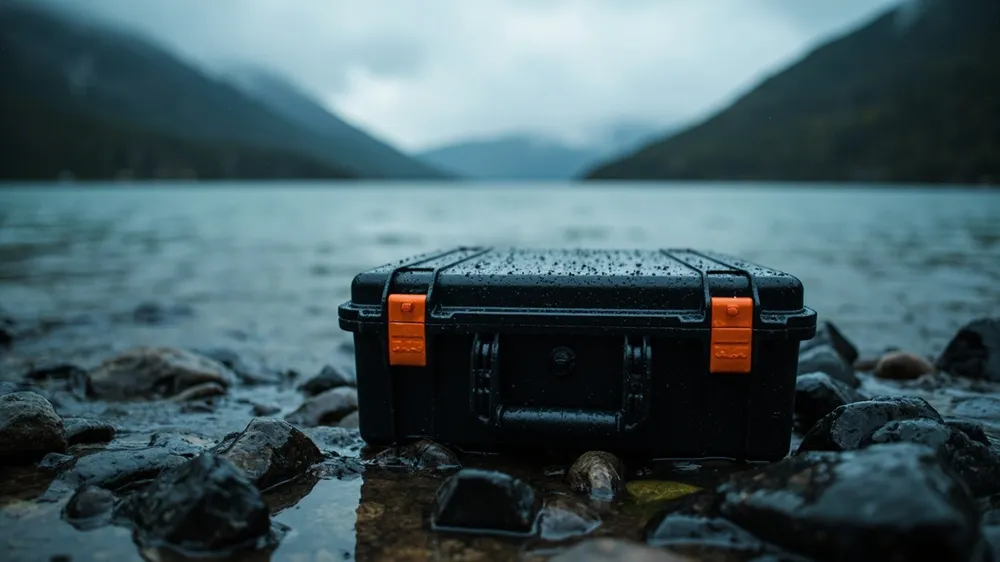
Drone Case Waterproofing: What IP67 Really Means for Your Drone
IP67 is the rating most protective cases claim, but the code alone tells you little unless you know what was tested, how, and whether the seal survives real field use. For drones that meet rain, spray, dust and boat decks, understanding the rating prevents both over-trust and wrong purchases.
Read Article →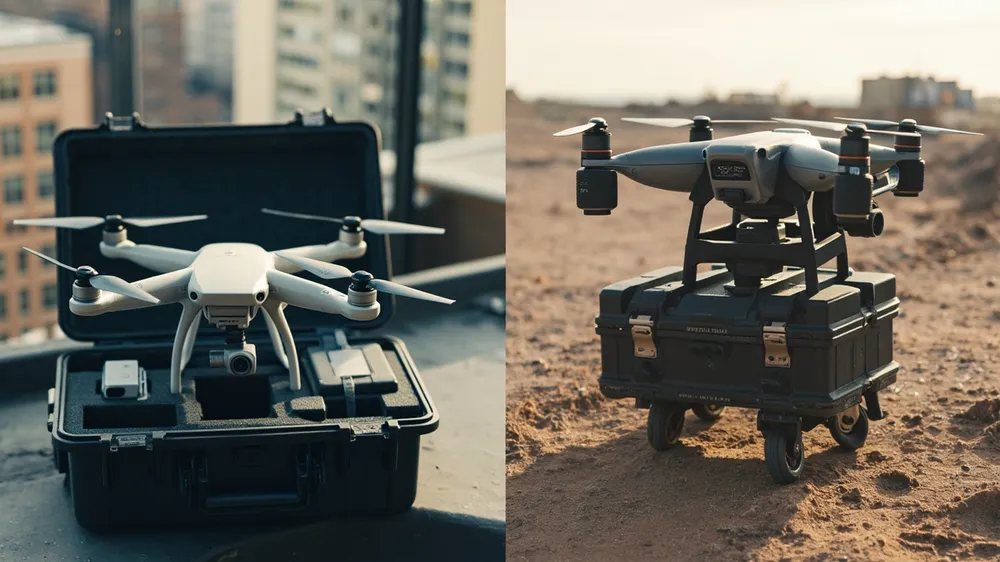
Consumer vs Commercial Drone Cases: What Actually Differs
A consumer folding drone and an industrial survey drone need very different cases. Size, protection grade, interior complexity, access speed and total cost all shift with the aircraft. Buying the wrong tier wastes money or, worse, under-protects an expensive payload.
Read Article →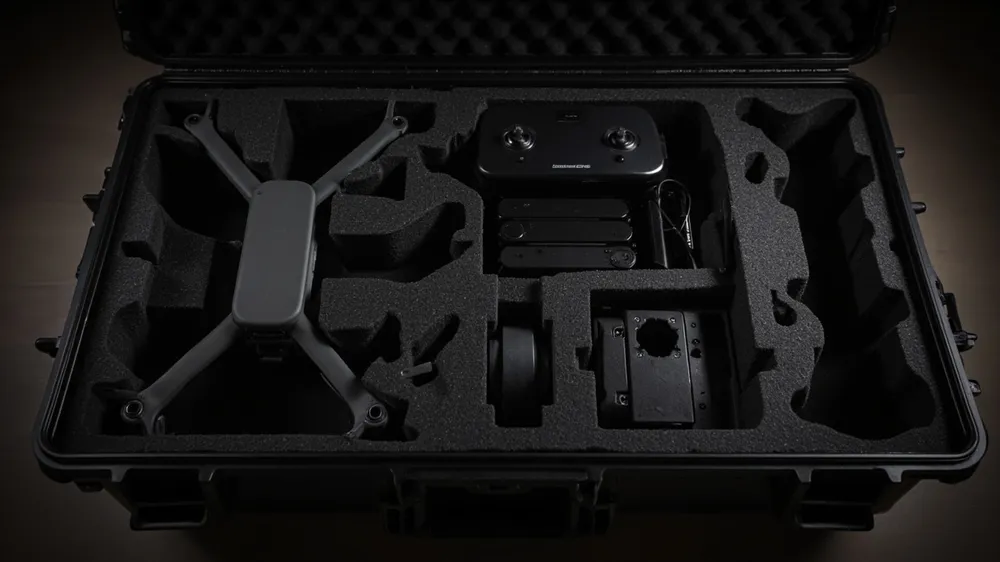
Drone Case Foam Insert Design: Protecting Gimbal and Propellers
The shell takes the hit; the foam absorbs it. A drone case lives or dies on its interior: how the gimbal is suspended, how propellers are restrained, how the battery is carried and how accessories are zoned. This guide covers the design rules that separate a case that protects from one that just looks organised.
Read Article →
Flying with a Drone Case: Airline Rules and Transport Compliance
Travelling with a drone is less about the case and more about the batteries. Lithium batteries drive most airline and shipping rules, and the case's job is to keep the kit organised, protected and inspectable. This guide covers carry-on versus checked, battery rules, TSA locks and cross-border notes.
Read Article →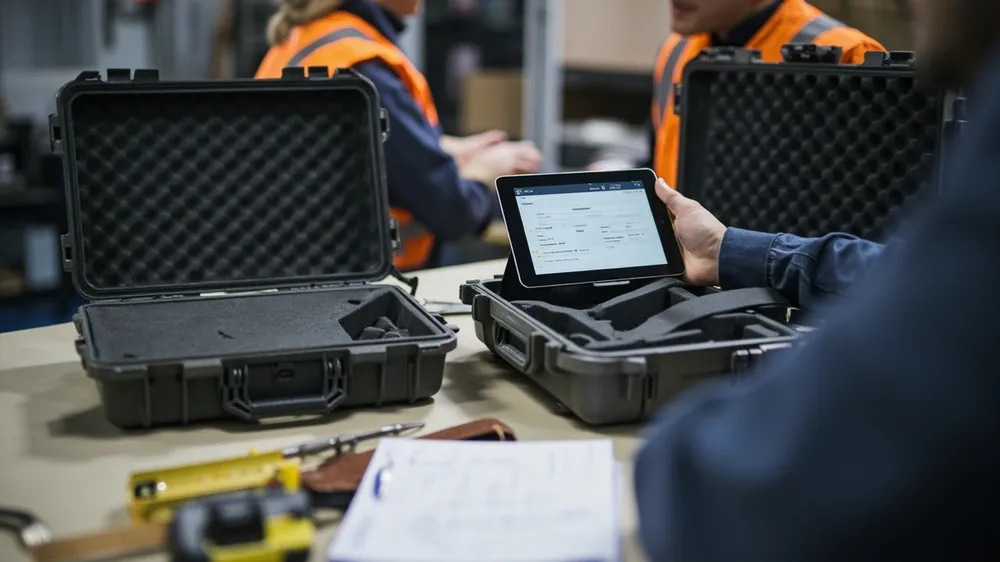
Drone Case Buying Checklist: A Verifiable Specification for Buyers
Most drone case disputes start with a vague requirement. Buyers say “a sturdy case”; factories build a thick-walled box; the real need was “gimbal survives a one-metre loaded drop”. This checklist turns vague wants into ten verifiable clauses, so quotes are accurate and acceptance is unambiguous.
Read Article →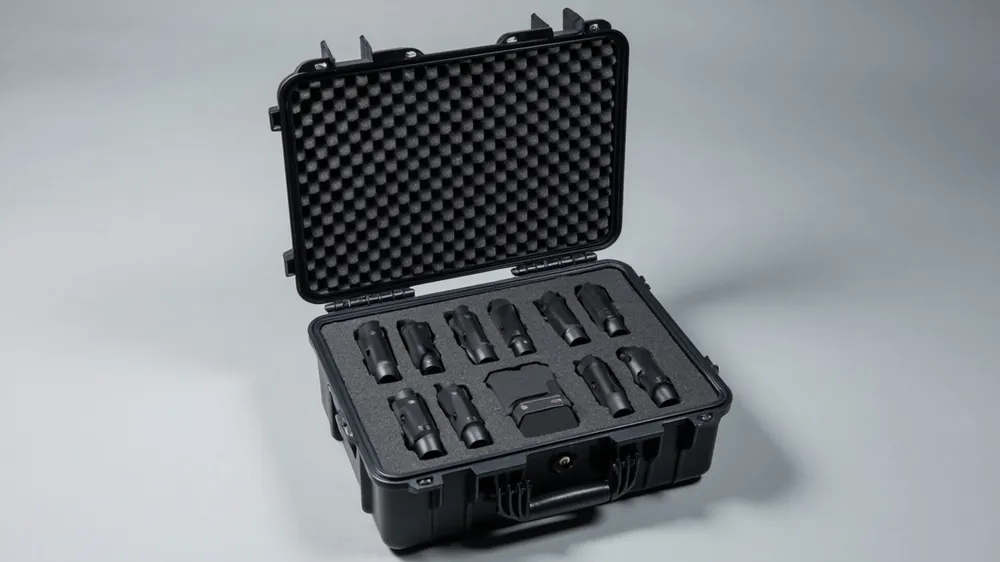
Drone Battery Cases: LiPo Protection, Transport Compliance and Custom Design
A drone battery case is more than a box with foam. Lithium polymer packs are sensitive to impact, pressure, heat and short circuit, and air and road transport of them is regulated. This guide covers cavity design, thermal and electrical isolation, labelling and the compliance details that keep a battery kit safe from bench to baggage.
Read Article →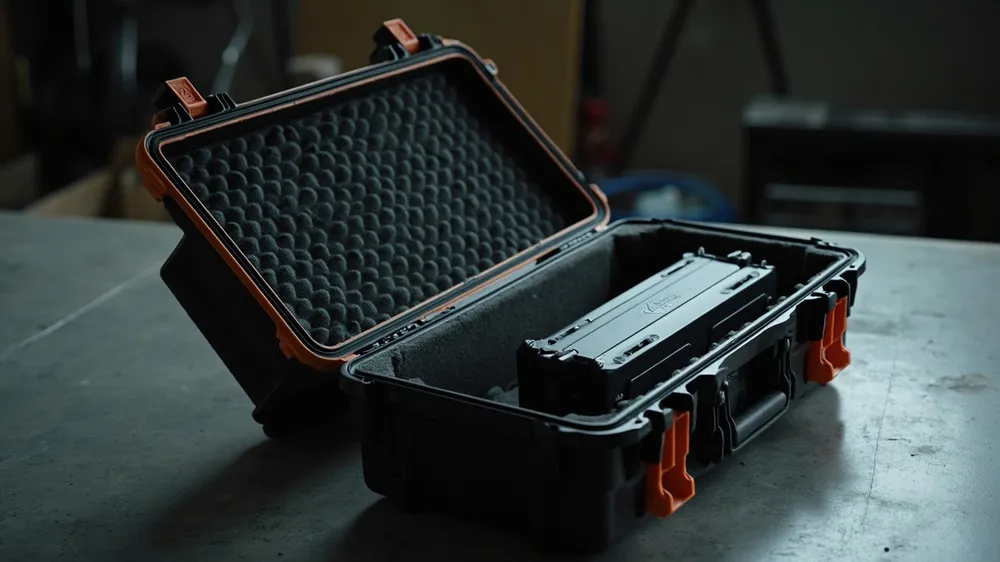
E-bike Battery Cases: Packaging, Protection and Transport Rules
E-bike batteries are larger and heavier than drone packs, and they travel by courier, by car and sometimes by air as after-sales units. A good e-bike battery case balances a rigid shell, a contoured liner that holds a long pack without flex, terminal isolation and the transport paperwork that keeps a high-capacity lithium pack moving legally.
Read Article →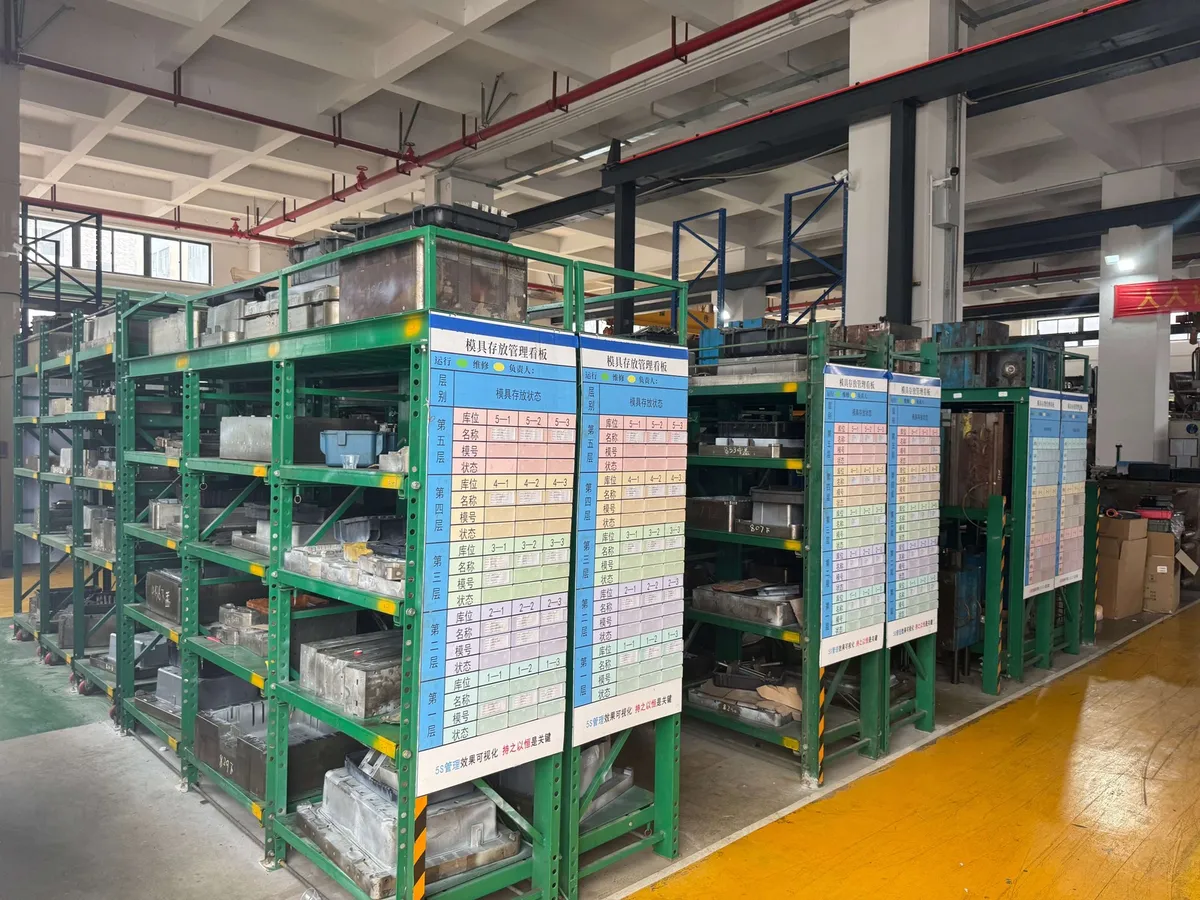
Protective Case Tooling Cost: When a New Mould Actually Pays Off
A new case mould is not a purchase, it is a bet on cumulative volume. The decision turns on a small number of variables: tool cost and its amortisation over expected lifetime units, the per-unit saving the new geometry delivers, and how much of the design risk you retire before steel is cut.
Read Article →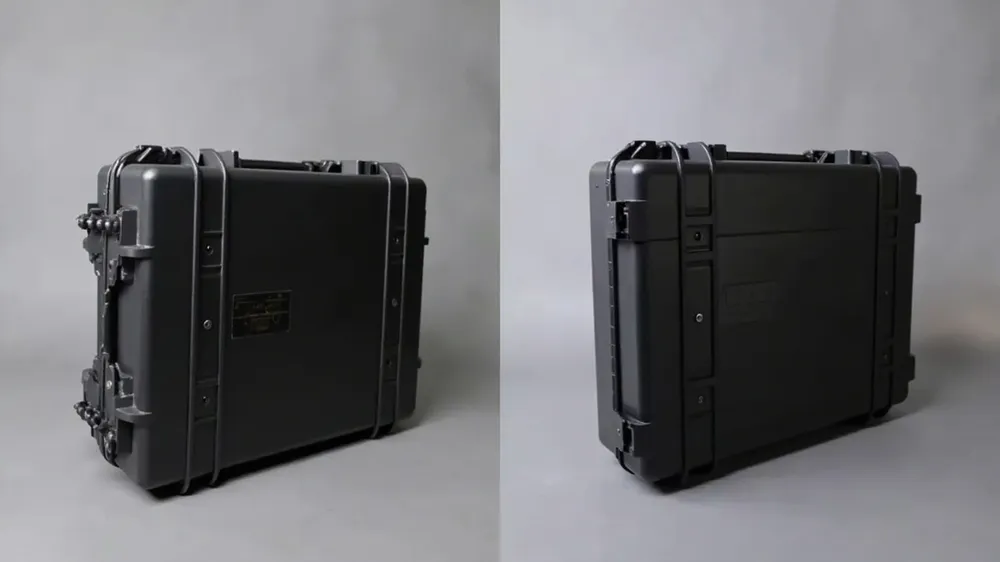
Choosing Pelican Alternative Cases: Spec Comparison and Pitfalls
Pelican set the reference for rugged waterproof cases, but the market is full of look-alikes that copy the shape and miss the substance. This guide shows what the premium case actually delivers — seals, latches, wall structure, liner density — and which spec points separate a real alternative from a shell that only looks the part.
Read Article →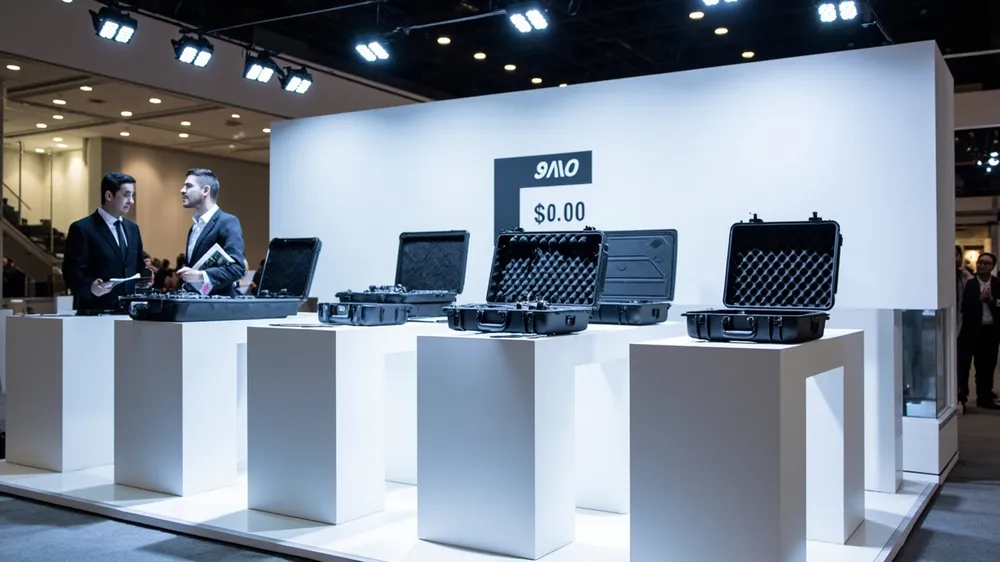
Trade Show Sample Cases: Display, Carry and Transport in One Guide
At a trade show your sample case does three jobs at once: it displays the product, it survives being carried across terminals and venues, and it ships back without damage. This guide covers choosing a case that presents well, protects in transit, carries documents and stays organised through the whole show cycle.
Read Article →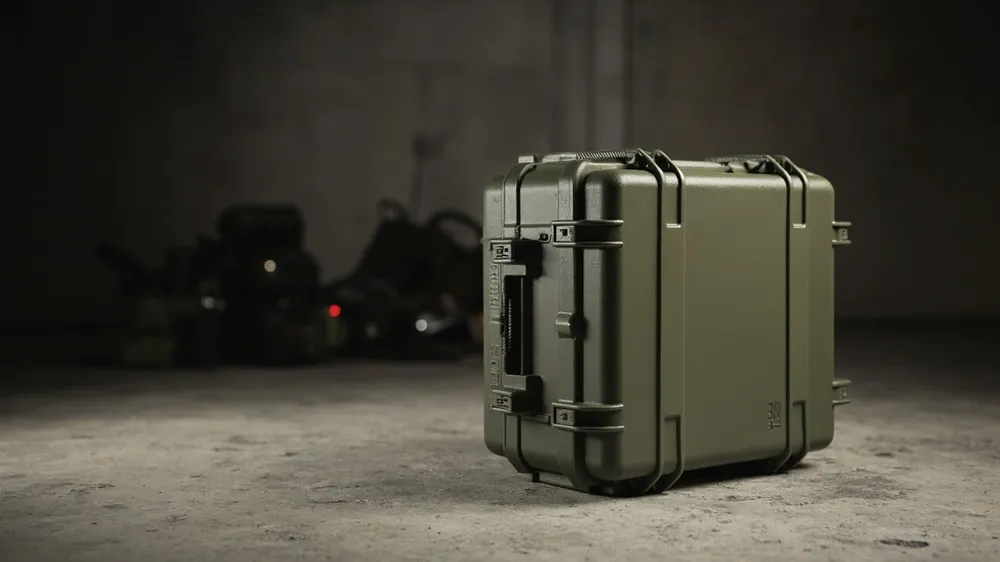
Military and Tactical Protective Cases: Specs, Customisation and What to Verify
Tactical cases carry radio, optics, batteries and sensors through dust, vibration and rough handling. Beyond a tough shell, the real differentiators are corner protection, latch class, liner density and certification. This guide sets out what a tactical case must deliver and how to verify a supplier.
Read Article →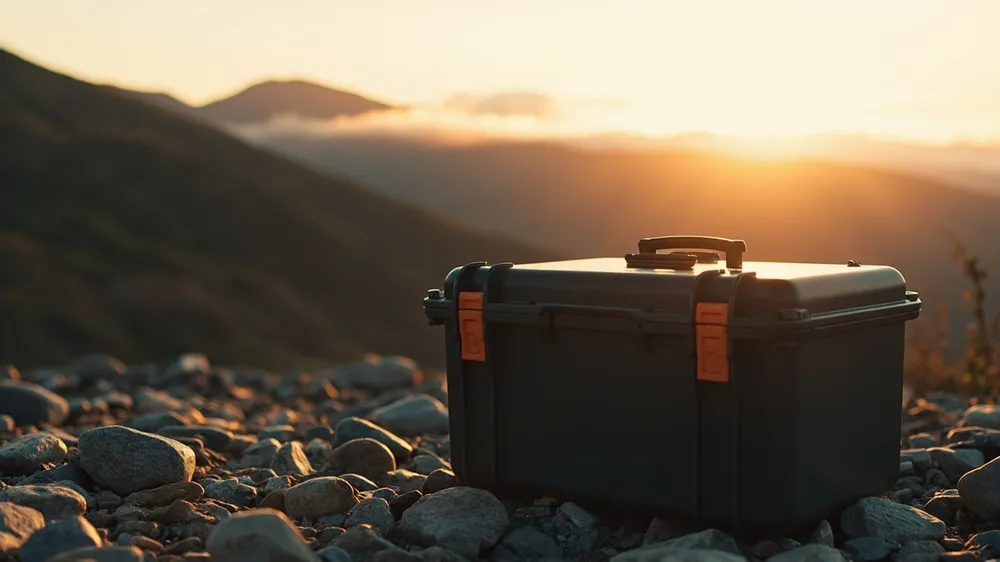
Outdoor Expedition Equipment Cases: Weatherproofing, Carry and Field Use
An expedition case lives outside: rain, dust, temperature swing and being dragged across trails. It must seal, carry comfortably and keep gear findable in bad weather. This guide covers weatherproofing, carry design, liner organisation and the field habits that keep gear dry.
Read Article →