

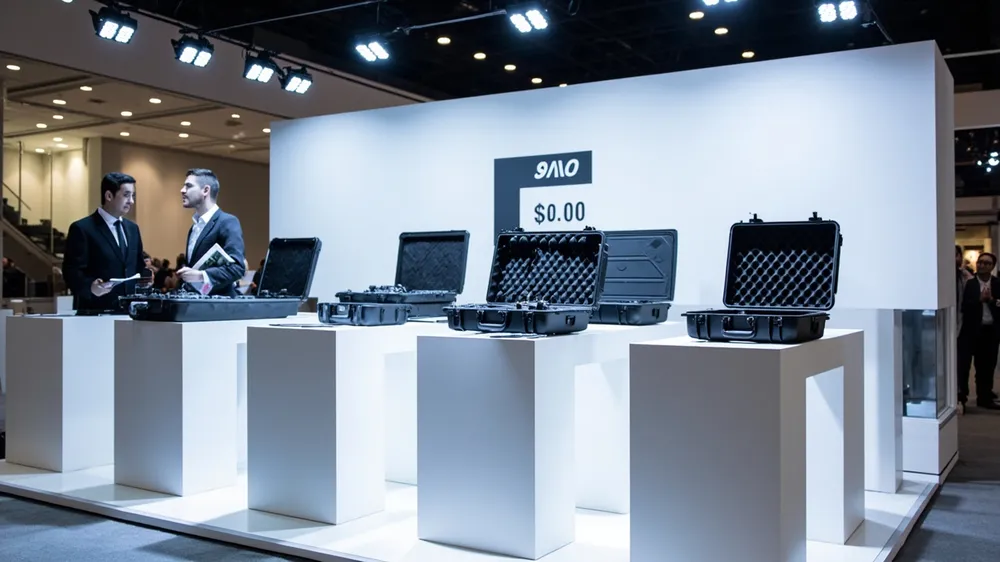
After a whole exhibition run, the most underestimated gear is the sample case. Many spend heavily on samples and catalogues but stuff them in any cardboard box dragged to the venue, only to open it with scratched samples, wrinkled brochures and lost name cards. A trade show sample case is special because it plays three roles at once: display prop, transit container and on-site organiser. Choose wrong and everything prepared beforehand is discounted on site. This guide covers how to choose it across the whole show cycle.
The Three Roles of a Sample Case
Unlike a plain transit case, a sample case lives through three phases with different demands:
- Display: on the table it must look decent, open smoothly, retrieve fast.
- Transit: across stations, airports and venues it must resist drops, crush and dust.
- Return: after the show, repack as-is, no lost docs, no damaged samples.
A good case switches these phases seamlessly, instead of arriving at the venue and revealing "this only transports, it cannot display".
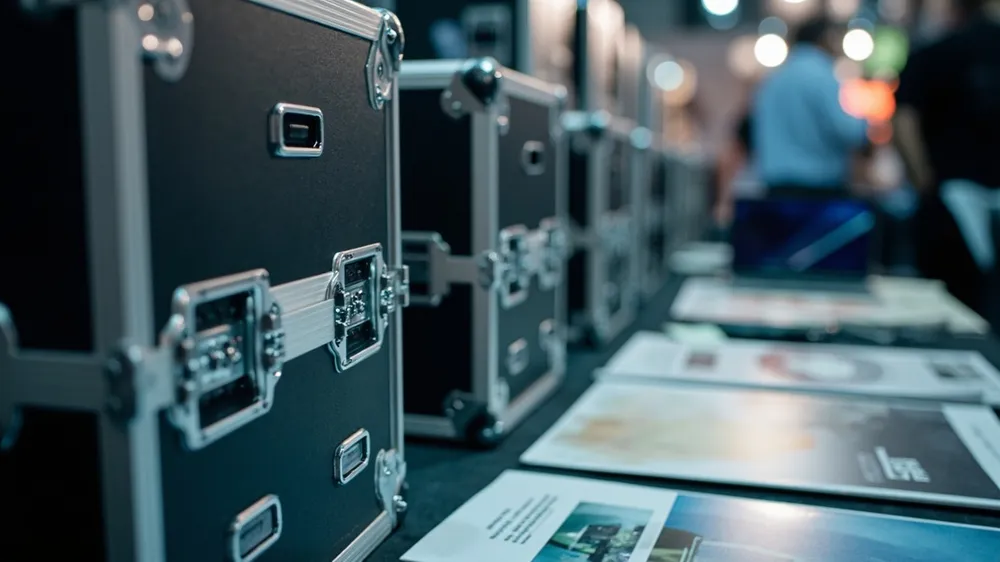
Display-Friendly: Open and Show
| Display need | Case design | On-site gain |
|---|---|---|
| Decent look | Flat shell, no cheap feel, label-ready | Better first impression |
| Fast access | Top-open, clear liner layout | Demo without fumbling |
| Stable rest | Stands or lies, anti-slip base | No wobble, saves space |
| Explain | Liner reserves a doc slot | Manual next to the unit |
For display logic and liner layout see drone case foam insert design and case colour visual management — colour-code sample states for on-site efficiency.
Transit Protection: Cross-City Without Luck
Samples are valuable and often one-of-a-kind; transit brooks no chance.
- Rigid shell: wall and ribs in wall thickness and structural design.
- Contoured liner: samples do not rattle, see EVA thermoformed liner process.
- Dust and water: venues are dusty; sealing in IP67 waterproof and condensation control.
- Vibration: long freight in transport vibration testing.
Docs and Accessories in the Same Case
The messiest on-site item is paperwork. The sample case should integrate "unit + brochure + card + tablet" into one system:
- Doc bay: a thin separate cavity for brochures, not pressing samples.
- Card slot: visible on open, easy to hand out.
- Tablet / sample clip: a tablet slot for demo video.
- Cable slot: fixed grooves for charging and adapters, no tangle.
The system matches automotive vehicle tool cases: everything has a fixed place, grab on open.
Multi-Sample Coordination: One System Per Booth
| Scenario | Approach | Note |
|---|---|---|
| Single hero sample | One case, one unit + docs | Most stable, focused demo |
| Series show | One case, layered multi-cavity | Compare same line, save booth space |
| Mixed sizes | Main case + sub case | Hero protected, others light |
| Overseas show | Checkable hard case | TSA lock in TSA lock airline cases |
For cross-border documents see HS code and export documents; for trade terms see Incoterms and freight options.
Selection Checklist: State Needs Once
| Element | State | If missed |
|---|---|---|
| Sample list | Each size, weight, fragile point | Liner unfit or unprotected |
| Display mode | Top / front open, stand? | Awkward on-site access |
| Doc volume | Brochures, tablet? | Docs press samples |
| Transport | Rail / air / freight | Wrong compliance and lock |
| Show count | How many per year, overseas? | Durability vs check mismatch |
For requirements and supplier evaluation see how to write a case RFQ and supplier sample evaluation cases; for pre-shipment check see pre-shipment inspection cases.
On-Site Management: Open to Close
Order comes from "return every time". Suggestions:
- Photo on open: shoot the liner layout before setup; repack by it after.
- Label management: show name, booth number, Li-ion note if any, see colour visual management.
- Doc count: tally cards and brochures left each day.
- Anomaly log: record case or sample damage on the spot for claims.
Return and Storage
The show ending is not the end. Back in storage:
- Clean and dry: venue dust and moisture; wipe and air before storing.
- Stack limit: multiple cases in warehouse stacking and moisture.
- Accessory reset: empty cable and tablet slots, avoid loss next time.
- Archive: which show, which samples, for review.
Pitfall List
First, cardboard for display — opens damaged, zero impression. Second, docs press samples — brochures crush the unit. Third, no located liner — samples collide in transit. Fourth, wrong lock — no TSA lock on checked air case gets forced. Fifth, no label — which case is which at teardown. Sixth, no clean on return — moisture mould found next show.
Cost and Return
A custom sample case costs little next to the sample value and one show's travel and labour, yet decides whether samples "appear decent and return intact". For total cost see total cost of ownership: treat the case as a reusable show asset, not one-off packaging.
In Summary
The essence of a trade show sample case is "one case, three roles": decent and fast on display, drop- and dust-resistant in transit, integrating unit and docs into fixed positions on site. To choose it, first list sample size and fragile points, display open mode, doc volume and transport mode, then have the factory build a contoured liner with a doc bay and tablet slot. Keep "return every time" and "repack by photo" and order lasts the whole show. Treat the case as a reusable asset, not one-off packaging, and both certainty and professionalism rise clearly. For liner and material trade-offs cross-read drone case foam insert design and wall thickness and structural design; for cross-border compliance see HS code and export documents.
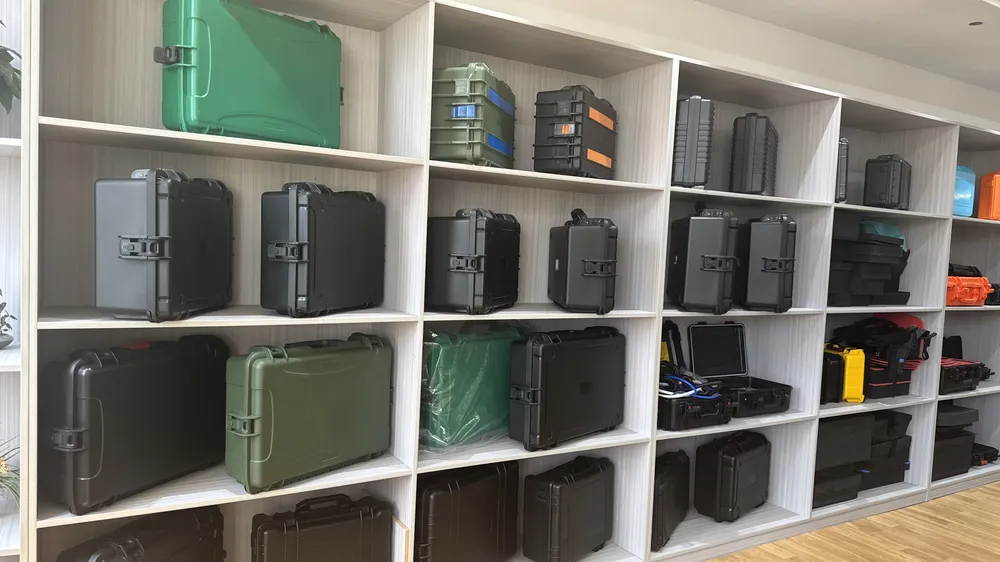
To evaluate a supplier's sample-case capability see supplier sample evaluation cases; for on-site sealing and condensation see IP67 waterproof and condensation control.