

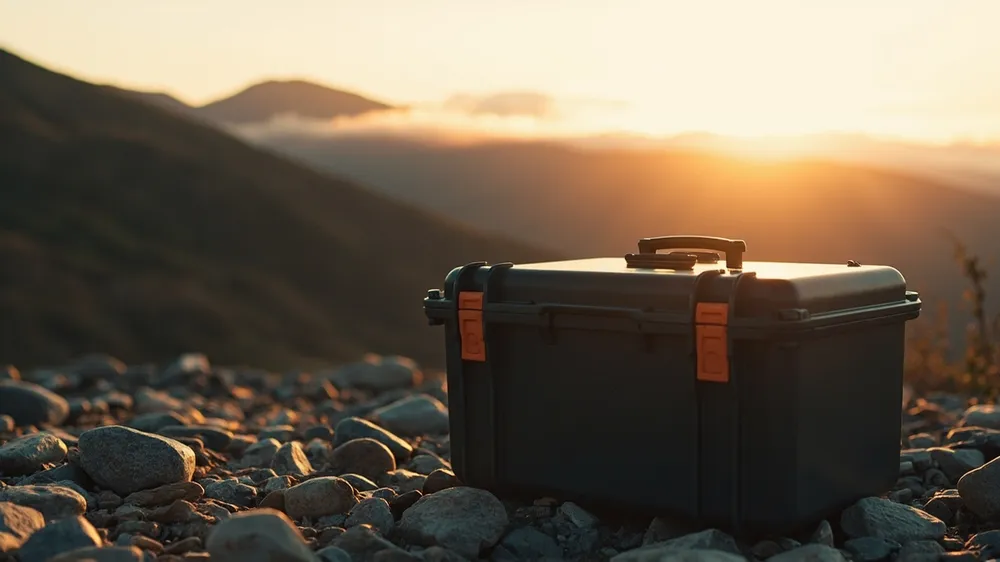
Backcountry expedition is not suburban camping. An expedition case climbs mountains, crosses streams, takes rain, swing from day heat to night cold, and still protects costly cameras, drones, navigation and first-aid after being dragged and knocked. Its worst enemies are not "not rigid" but "got wet", "cannot find it" and "too heavy to carry". This guide covers how to choose and use an expedition case in the field.
Three Ways an Expedition Case Fails
- Water in: gear ruined after rain or ford — most fatal.
- Cannot find: messy liner, fumbling in bad weather.
- Too heavy: poor weight and handle design, a burden over distance.
So the priority is: sealing > organisation > carry.
Weatherproof Hard Specs
| Spec | Expedition delivers | Verify |
|---|---|---|
| Seal class | Real IP67, one-piece gasket | Report, see IP69K vs IP67 |
| UV | Shell resists yellowing | See UV outdoor weathering |
| Temperature | No brittle, no soft | See cold brittleness |
| Condensation | Vent to avoid sweat | See condensation control |
| Salt spray | No rust at coast | See salt spray test |
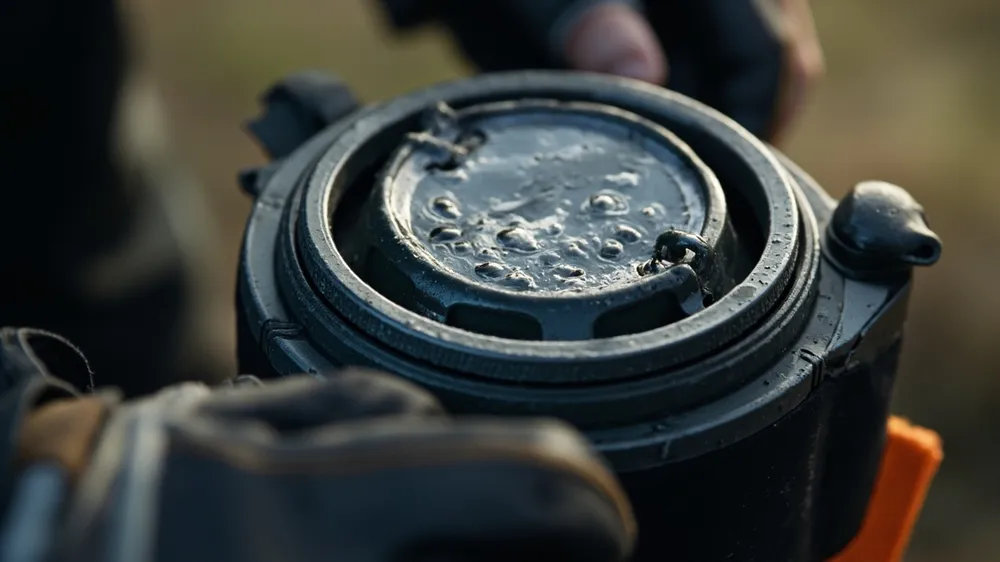
Sealing: Let Water Bead and Roll
A real seal beads water on the gasket and rolls it off, not soaks in. Check: gasket one-piece, lid evenly compressed, pressure valve present. Valve role in drone case IP67 waterproof; gasket ageing in gasket ageing and replacement.
Organisation: Findable in Bad Weather
Liner layers by frequency: often-used (navigation, camera) on top for fast grab, spares (clothes, supplies) below. Points:
- Clear zones: fixed place per item, see drone case foam insert design.
- Damp separation: wet and dry gear apart, liner adds desiccant.
- Colour management: colour-code states, see case colour visual management.
- Recuttable: liner changes with gear, see foam relining and recutting.
Carry Design
Expedition cases often walk. Watch:
- Handle: padded, anti-slip, comfortable long-term.
- Strap: optional, eases load.
- Wheels: big cases get wheels for flat ground, see automotive tool cases.
- Weight: light-tough PP shell, see wall thickness and structure.
Material and Weatherability
Outdoor material resists UV, temperature, salt. Trade-offs in polycarbonate material and aluminium vs plastic case; recycled accelerates ageing, see virgin vs recycled.
Transport and Stacking
Expeditions ship in sets. Stack limit and moisture in warehouse stacking and moisture; vehicle vibration in transport vibration testing; air carry if involved in TSA lock airline cases.
Field Habits
- Open under cover: avoid rain on the gasket, keep dirt off.
- Dry promptly: wipe the gasket after a ford before closing.
- Return to place: restock by position every time, see colour management.
- Clean on return: wipe and air before storage, see moisture.
Customisation Checklist
| Element | State | If missed |
|---|---|---|
| Gear list | Size, weight, frequency | Messy organiser |
| Duty | Rain / dust / temp / coast | Wrong material |
| Carry | Hand / strap / wheel | Too heavy |
| Cert | IP class | No evidence |
For requirements and negotiation see how to write a case RFQ and how to negotiate case price.
Pitfall List
First, trust the waterproof print — ask for the report. Second, messy liner — cannot find in bad weather. Third, no handle design — too heavy to carry. Fourth, recycled shell — see virgin vs recycled. Fifth, no valve — hard to open across altitude. Sixth, no clean on return — moisture mould.
In Summary
The expedition case key is the trio "seal, organise, carry": a real one-piece gasket with an IP report keeps water out, a frequency-layered liner keeps gear findable in bad weather, and a padded handle with optional strap and wheels keeps it portable. To start, write gear list, duty (rain/dust/temp/coast), carry mode and IP class as clauses, then ask the supplier to evidence them. With habits of "open under cover, dry promptly, restock every time, clean on return", gear stays dry and usable throughout. For waterproof and condensation detail cross-read drone case IP67 waterproof and condensation control.
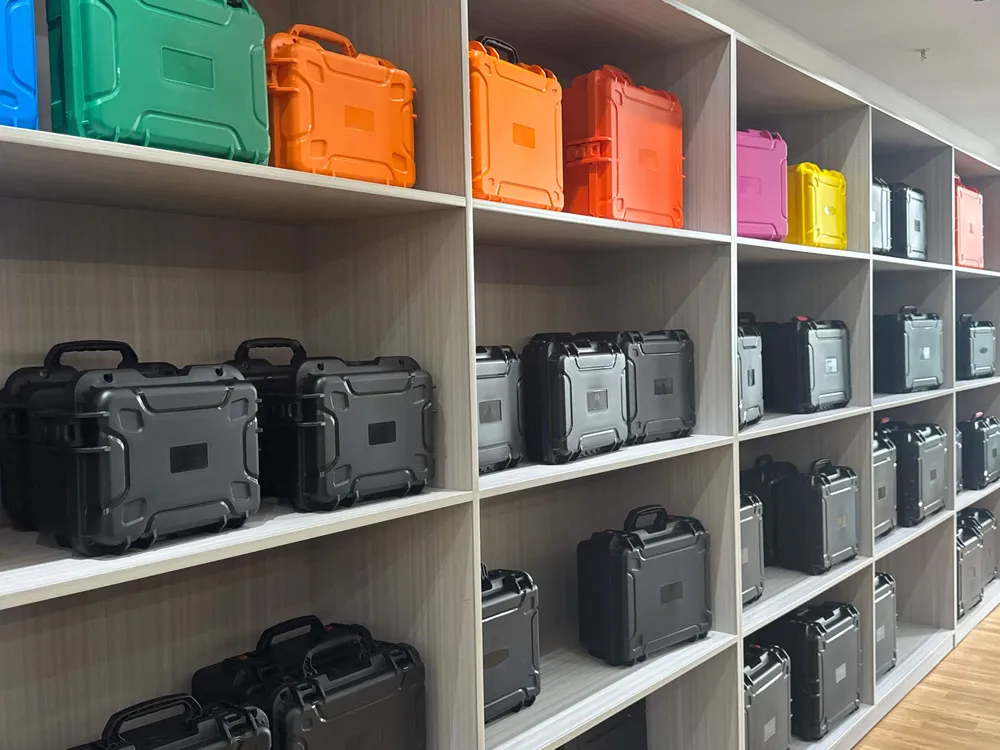
For specific gear liners see drone case foam insert design; for shell weathering see UV outdoor weathering.