

Boxknow
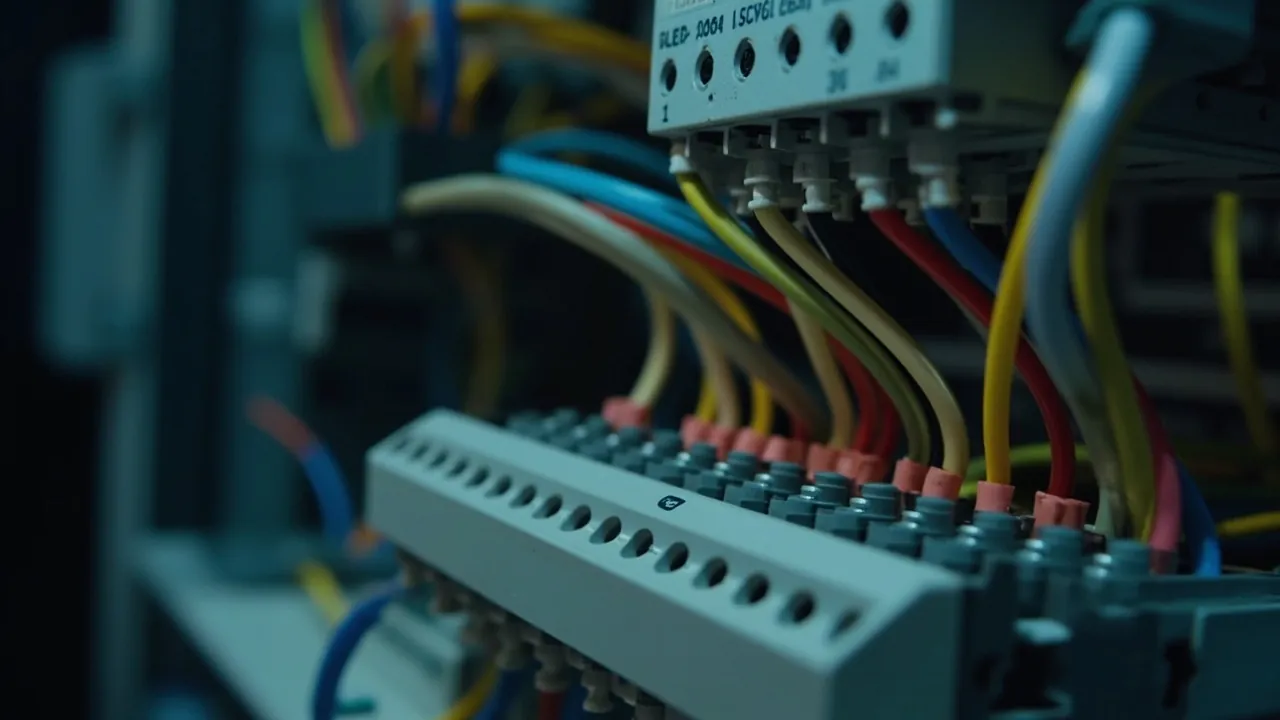
How to Route Cables Inside a Waterproof Box: Wiring Standards for Outdoor Enclosures
IP type tests run on empty boxes; routing decides what you keep. Volume, the 40 percent fill rule, drip loops, bend radius, separation, screening and cooling.
Read Article →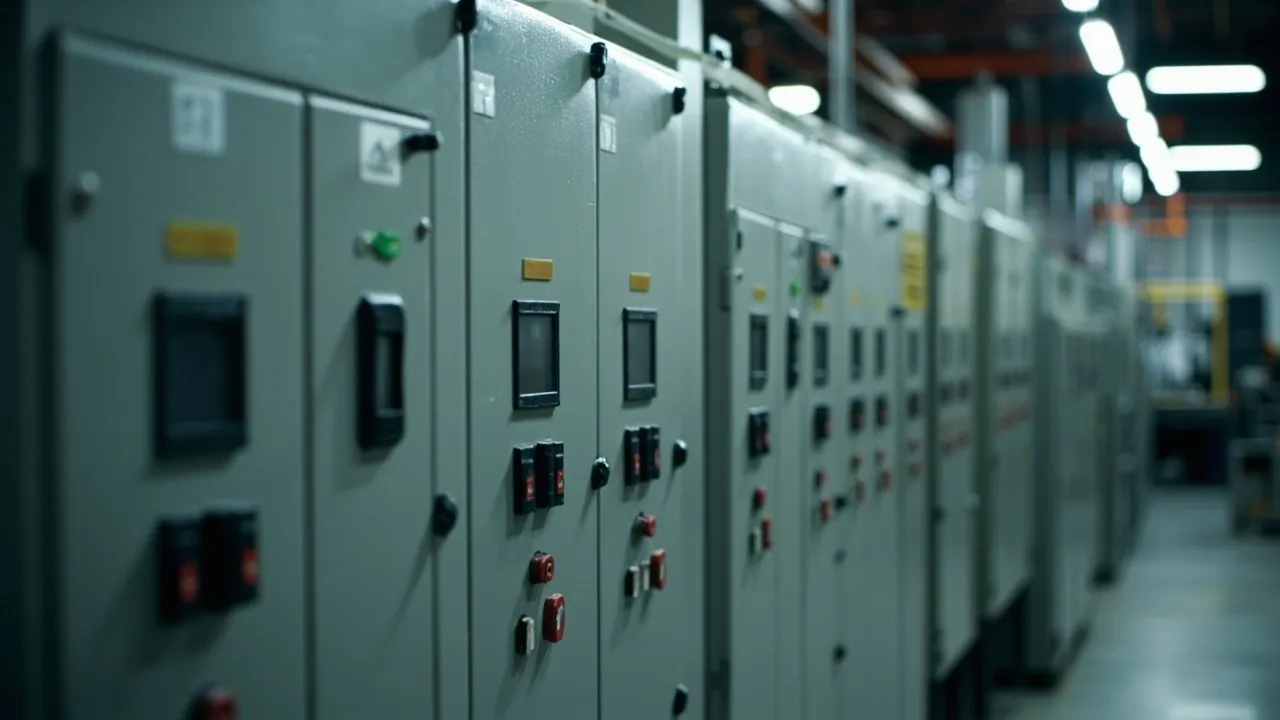
How to Select a Waterproof Control Box for Industry: Five Key Parameters
Five parameters for selecting an industrial enclosure: IP and IK ratings, usable volume and cooling, material weathering, cable entry and certification.
Read Article →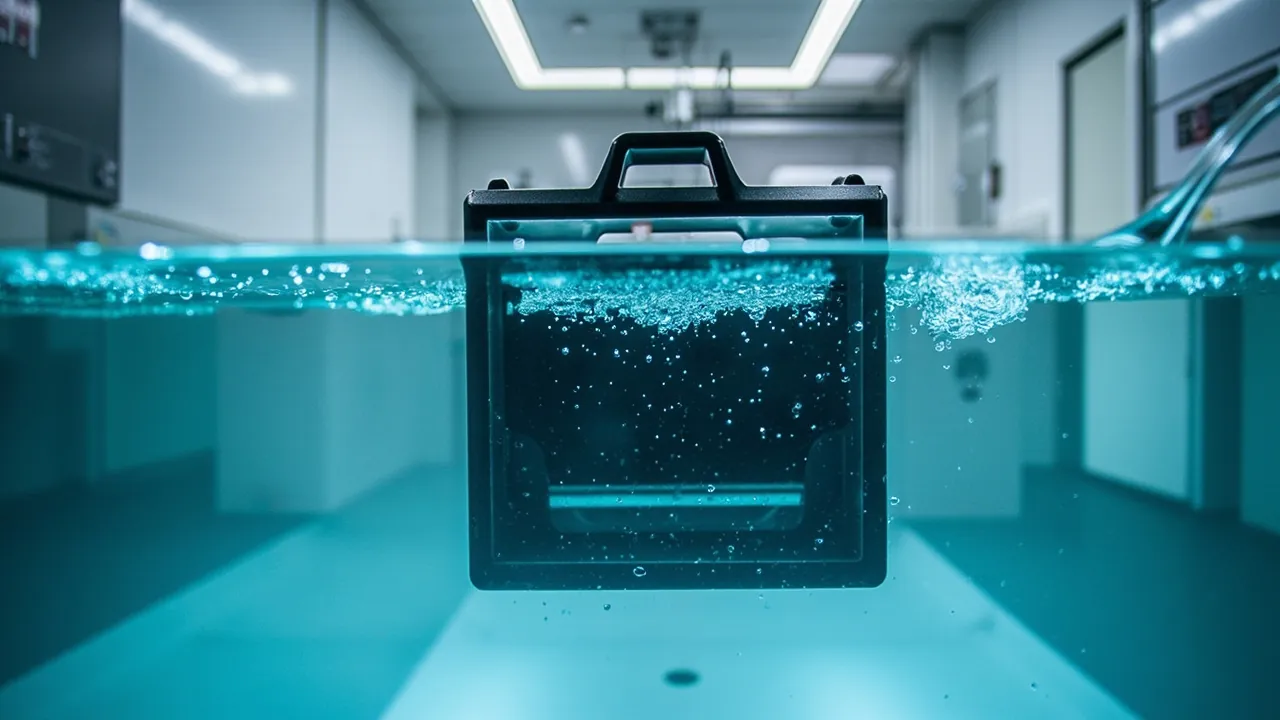
Can an IP67 Box Really Be Submerged: The 1-Metre 30-Minute Immersion Test
IPX7 means lowest point 1000 mm below surface, top 150 mm below, temperature difference under 5 kelvin, 30 minutes in static fresh water. Get the physics behind the numbers, the hydrostatic load at one metre, the full test procedure, six result-changing variables, IP67 versus IP68 limits, DIY screening and nine report checks.
Read Article →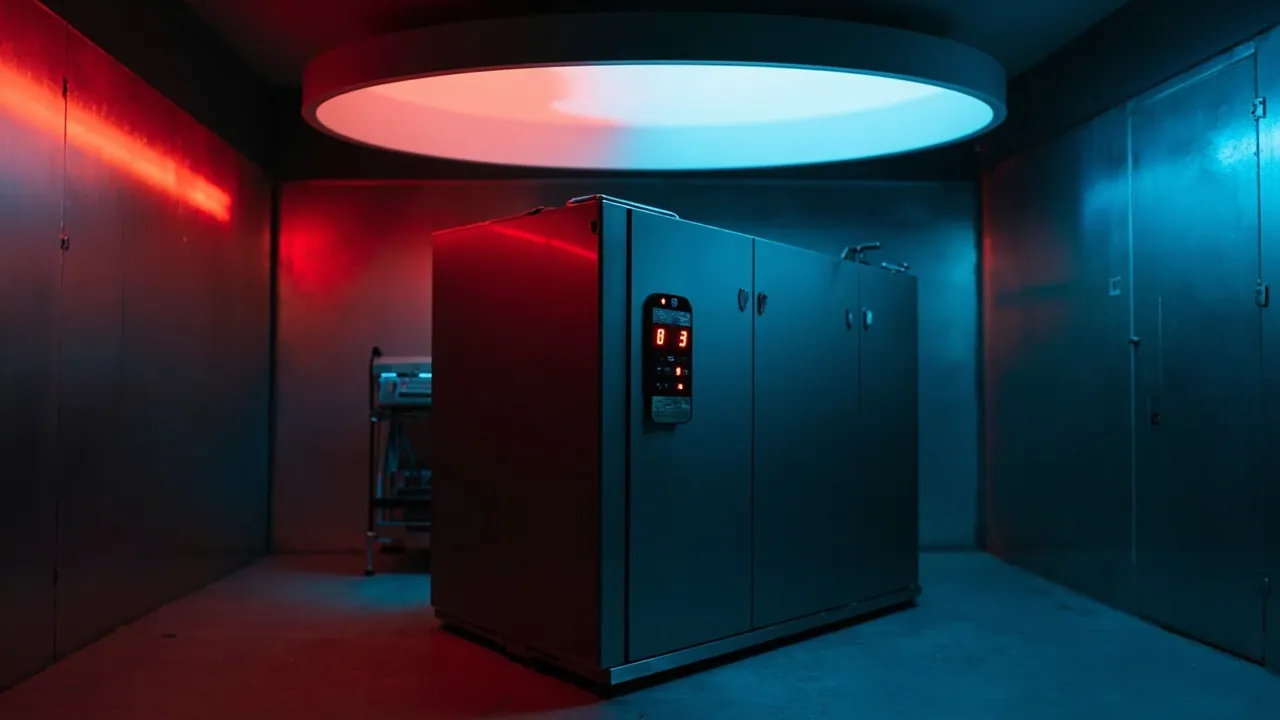
What Temperature Range Can an IP67 Box Handle: -40C to 80C Extreme Testing
Minus 40 to 80 C is a material convention, not an IP promise: three temperature thresholds, creep, compression set, cold embrittlement and day-night suction.
Read Article →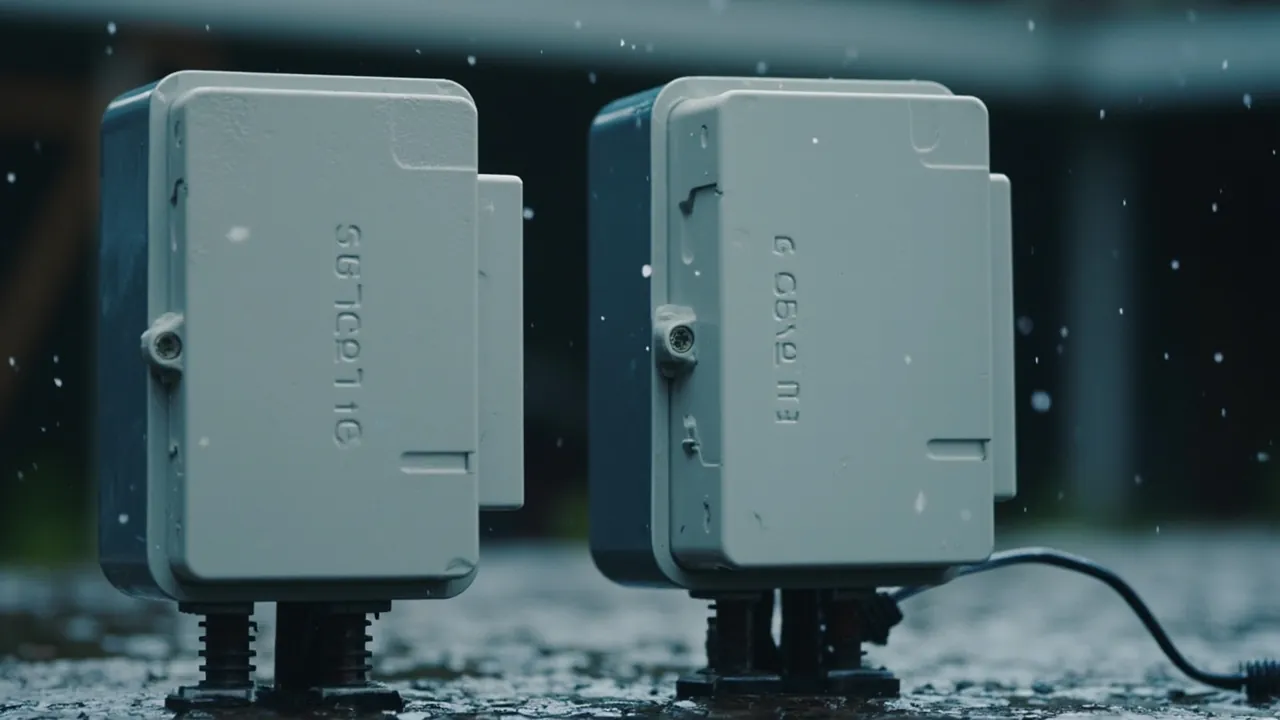
How to Choose a Waterproof Junction Box: IP67 vs IP65 Ratings and Use Cases
IP65 resists water jets; IP67 resists temporary immersion at one metre for 30 minutes. Compare test parameters per IEC 60529, physical mechanisms, structural and cost differences, then use the three-question method, selection table, drawing clauses and eight FAQs to specify the right outdoor junction box.
Read Article →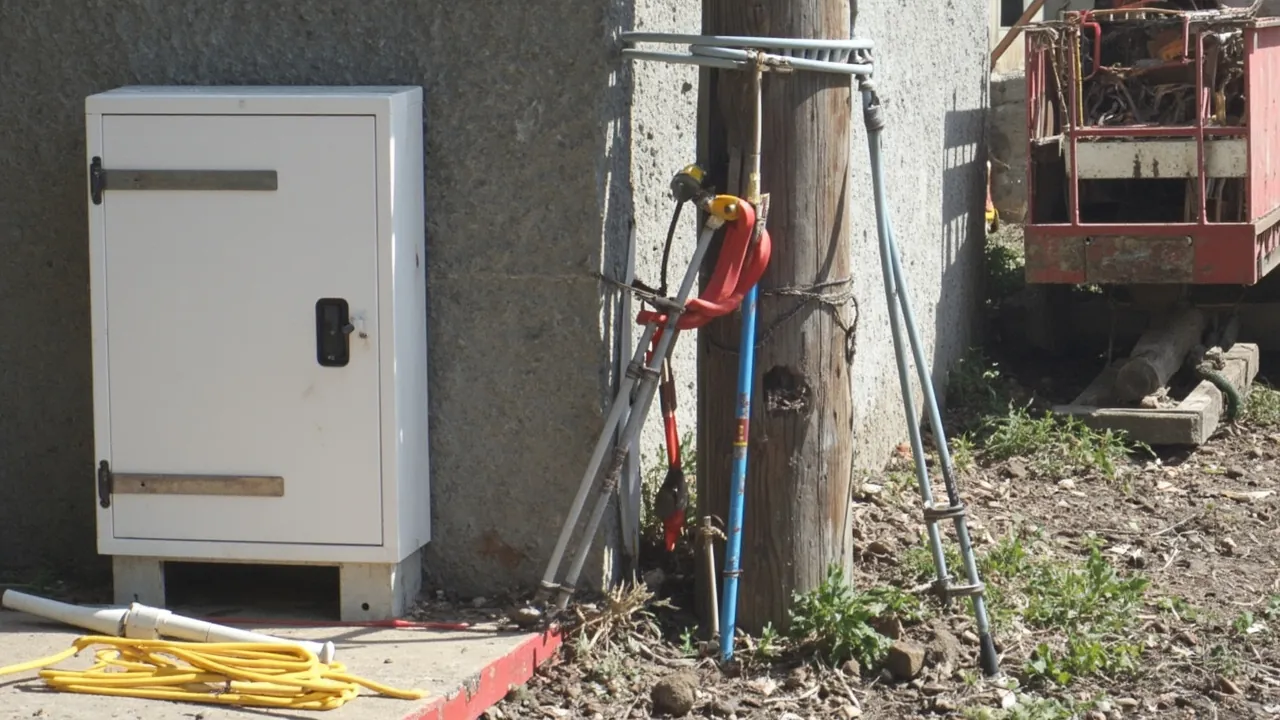
What Tools Are Needed to Install an Outdoor Waterproof Box: Full DIY Walkthrough
Seven steps, full tool list, drill speeds, gland and lid torque values, bottom entry and drip loops, plus eight frequent mistakes.
Read Article →
How Often to Replace Silicone Gaskets: Maintenance Interval and Inspection Method
Gasket life depends on temperature, UV, compression and media: interval tables by environment, seven ageing paths, compression set grading and inspection steps.
Read Article →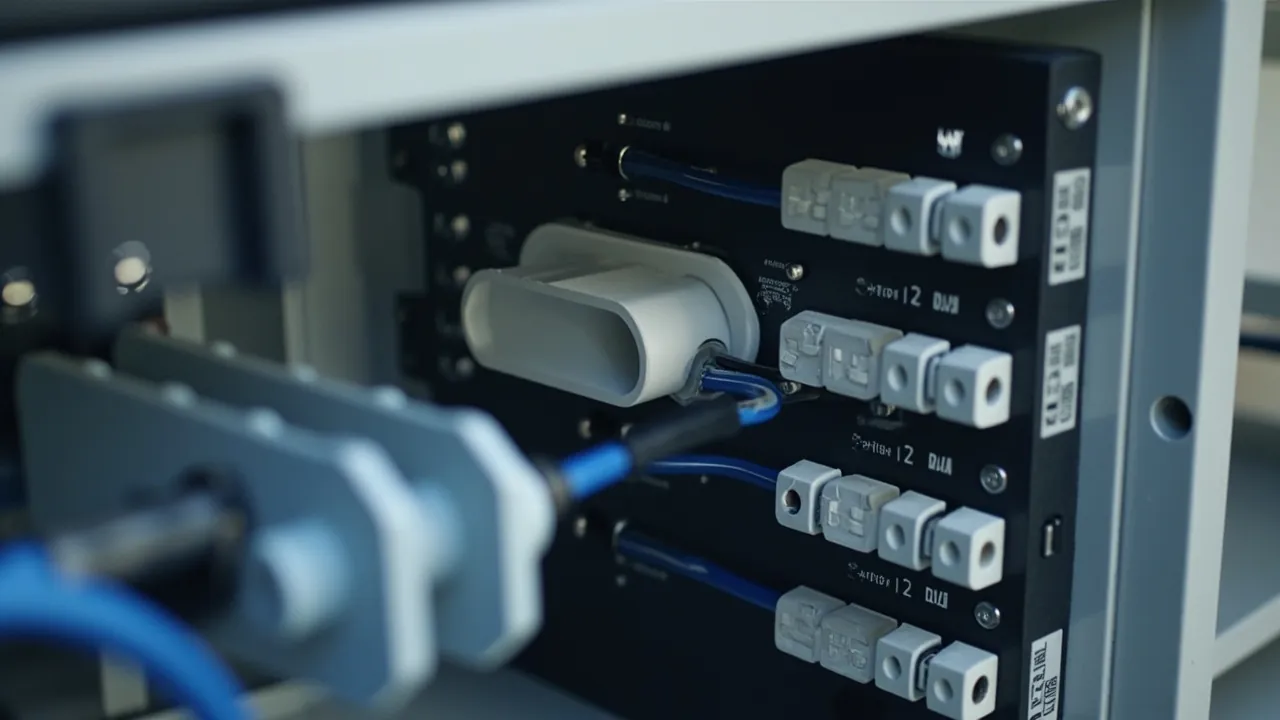
How Outdoor Low-Voltage Boxes Achieve IP67: Four Core Elements of System-Level Protection
Four elements deliver IP67: shell stiffness, sealing, clamping, cable entry. Get the numbers: deflection under 0.2 mm, latch span under 120 mm.
Read Article →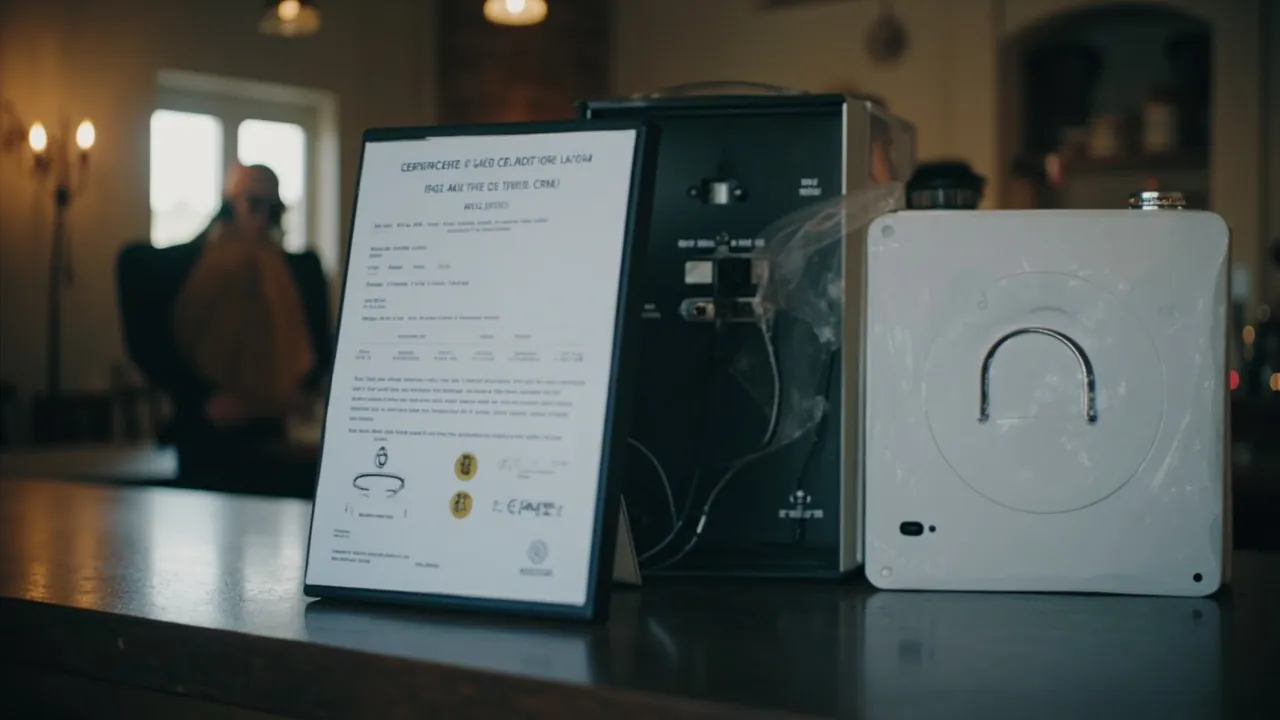
How to Verify Waterproof Box Certification: Spotting Real IP67 vs False Claims
Nine report elements, three-step number verification, six overstatement tricks and a five-step field screen for genuine IP67.
Read Article →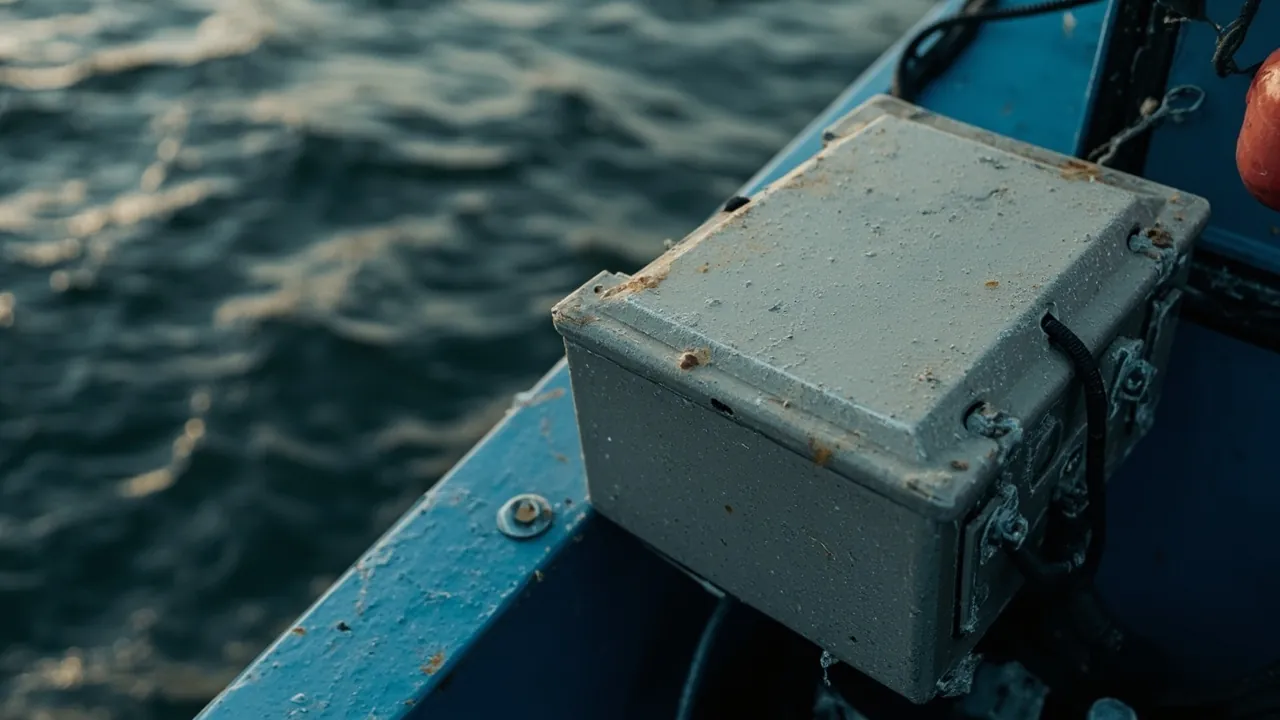
Where Are Waterproof Junction Boxes Used: From Construction Sites to 5G Base Stations
Eight environments covered: construction power, smart poles, 5G sites, surveillance and ITS, solar wind storage, agriculture and water, industrial and chemical plants, ports and vessels. Water dust heat and corrosion loads analysed per environment, with code, material, seal and hardware tables plus recommended parts lists.
Read Article →
How Big Is the Waterproof Junction Box Market: The Growth Logic Behind a 5.38 Billion Dollar Global Market
Take the 5.38 billion baseline apart by material, rating, application and region, then map the five demand engines behind 5-9 percent growth.
Read Article →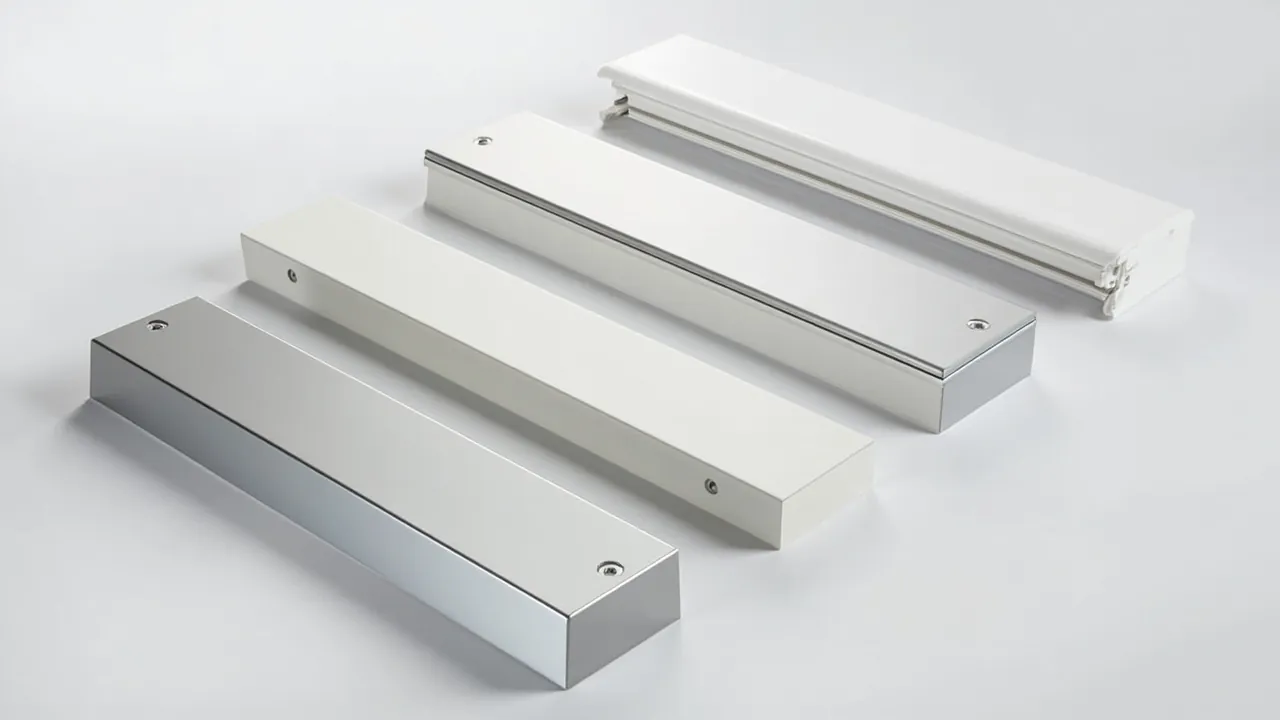
How to Choose Waterproof Box Material: ABS vs Cast Aluminium vs Stainless Steel
Compare six enclosure materials over seventeen parameters, then apply ISO 12944 classes, heat limits, corrosion types, life-cycle cost and ten applications.
Read Article →