

Boxknow

What Are the Requirements for a Surveying Instrument Case: Transport Protection for Total Stations and RTK Systems
Requirements for a surveying instrument case: IP67 sealing and shell rigidity, custom shaped inserts, cushioning for long hauls, choosing between backpack, hand and wheeled carry, plus known-point and index verification.
Read Article →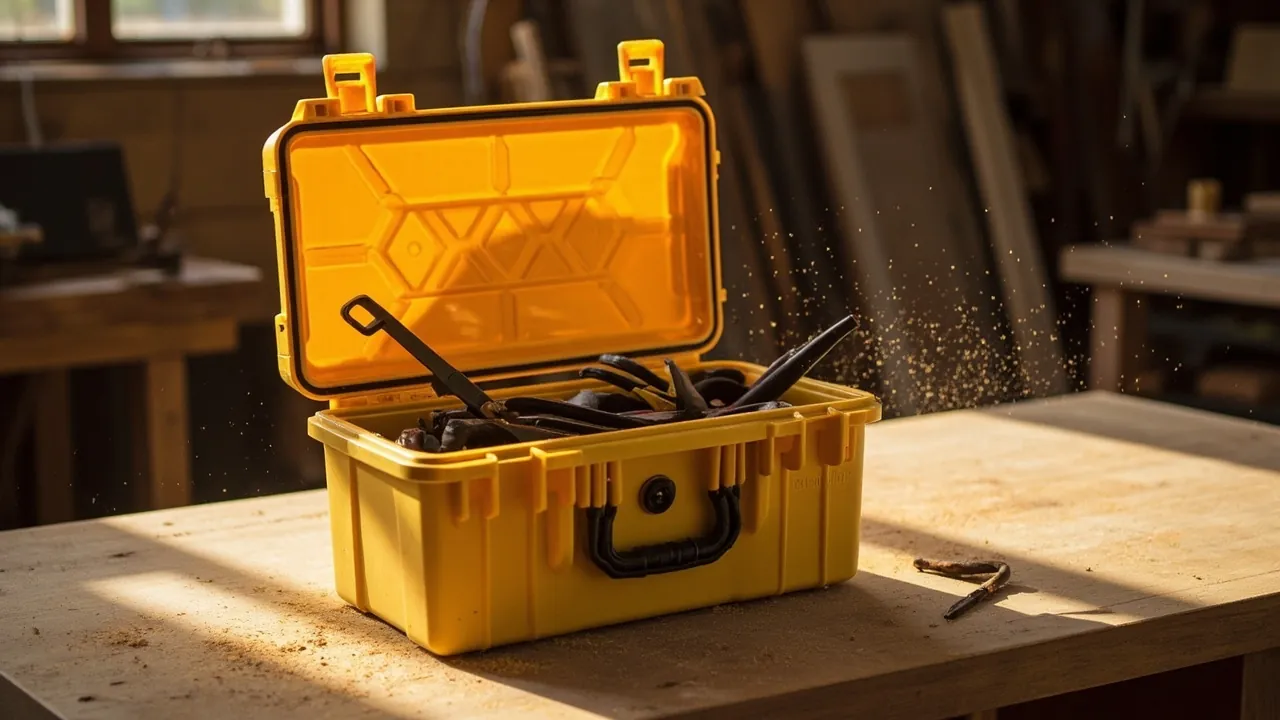
What Is the Purpose of a Dustproof Toolbox? Protection, Ratings, and How to Choose
A dustproof toolbox blocks dust from the interior cavity, keeping tools, gauges, and instruments free from abrasion, jamming, and contamination. This guide explains how sealing works, what IP5X and IP6X under IEC 60529 really mean, which worksites genuinely need dust protection, and how to verify, buy, and maintain a dust-tight case.
Read Article →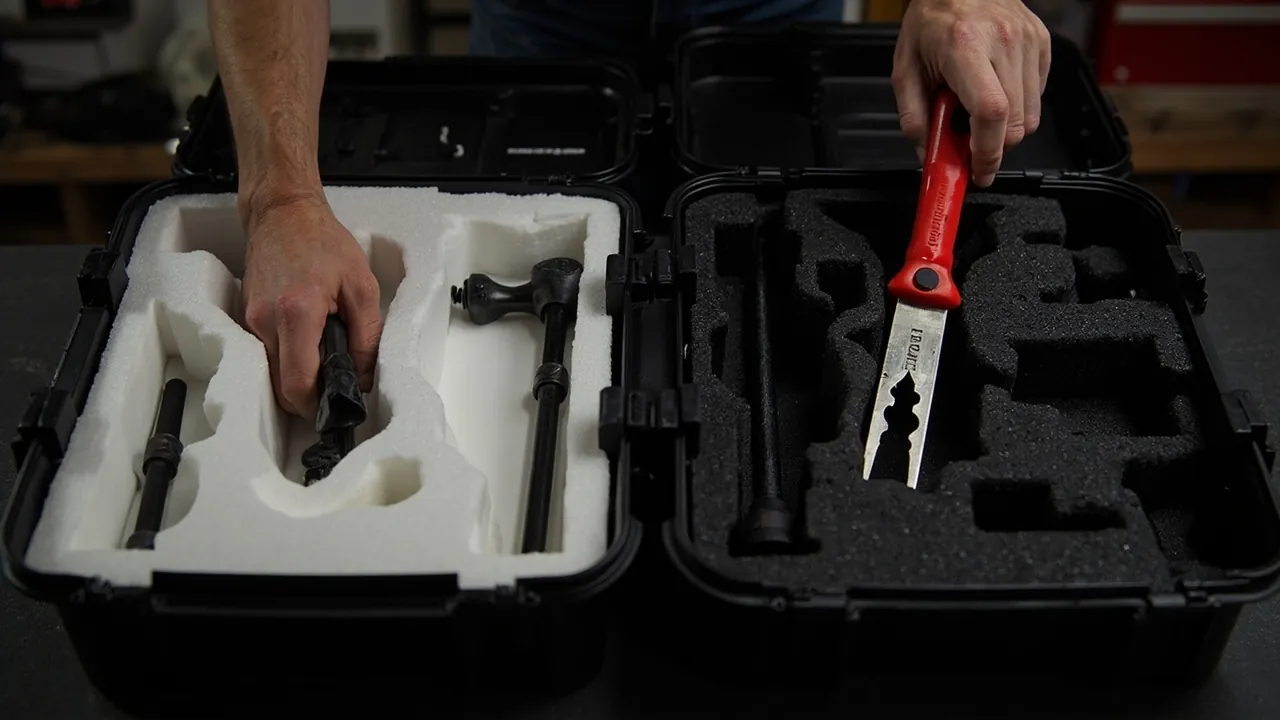
EPE Foam vs EVA Foam in a Tool Box: What Is the Difference?
The two foams most commonly used inside a tool box are **EPE foam** (Expanded Polyethylene) and **EVA foam** (Ethylene-Vinyl Acetate). The essential difference lies in material str
Read Article →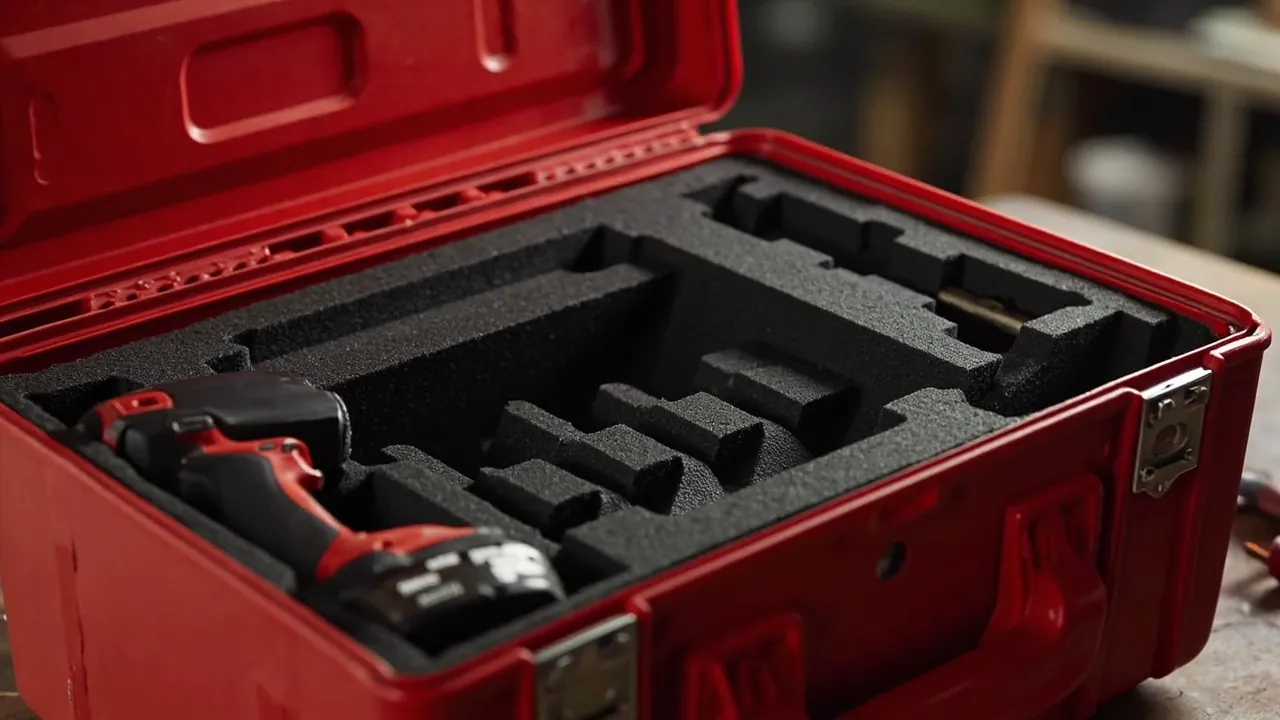
What Are the Advantages of Using EVA Foam in a Tool Box?
The core advantage of EVA foam in a tool box is this: **its closed-cell structure delivers excellent shock cushioning, water and oil resistance, and dimensional stability, while th
Read Article →
How to Choose the Right Tool Box Size: A Five-Step Method, Capacity Formula, and Size Charts
**Short answer:** choosing a tool box size comes down to three moves: **list your tools and estimate total volume, set capacity at "tool volume × 1.3–1.5" for headroom, then fix th
Read Article →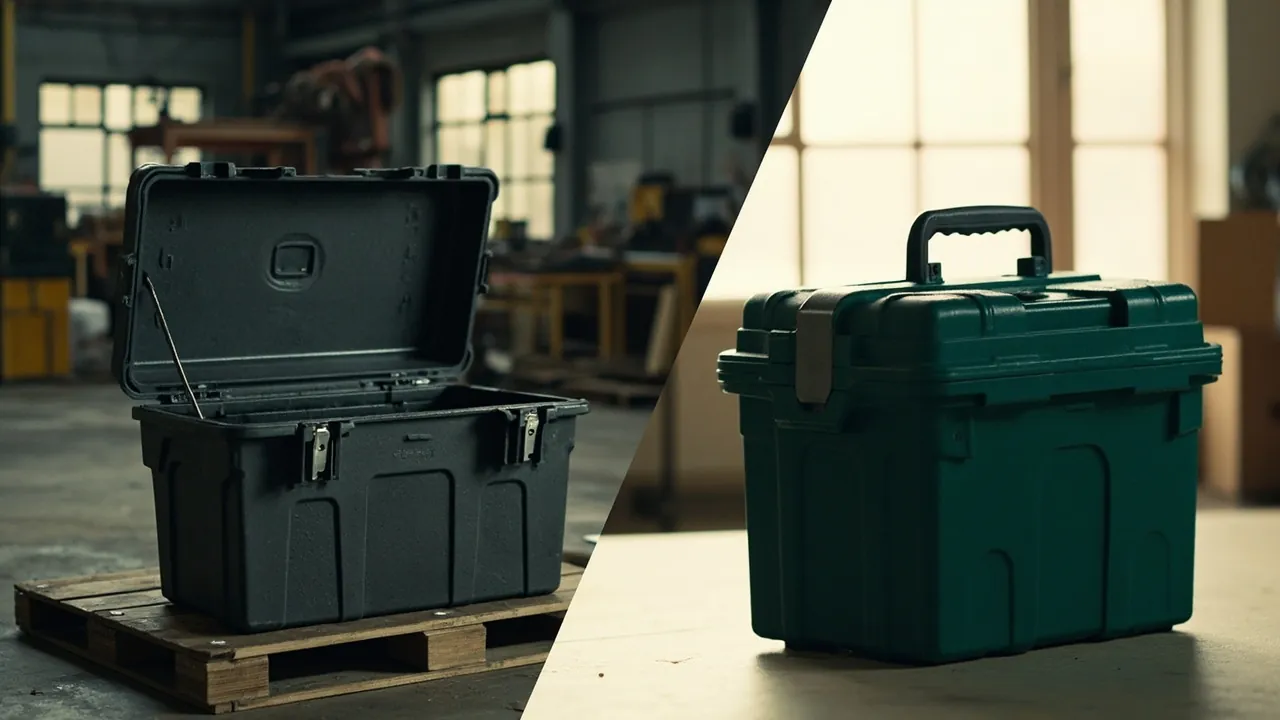
What Is the Difference Between an Industrial Tool Box and an Ordinary Household Tool Box?
**Short answer:** The core difference between an industrial tool box and an ordinary household tool box is **duty intensity and protection rating**. A household box is built for oc
Read Article →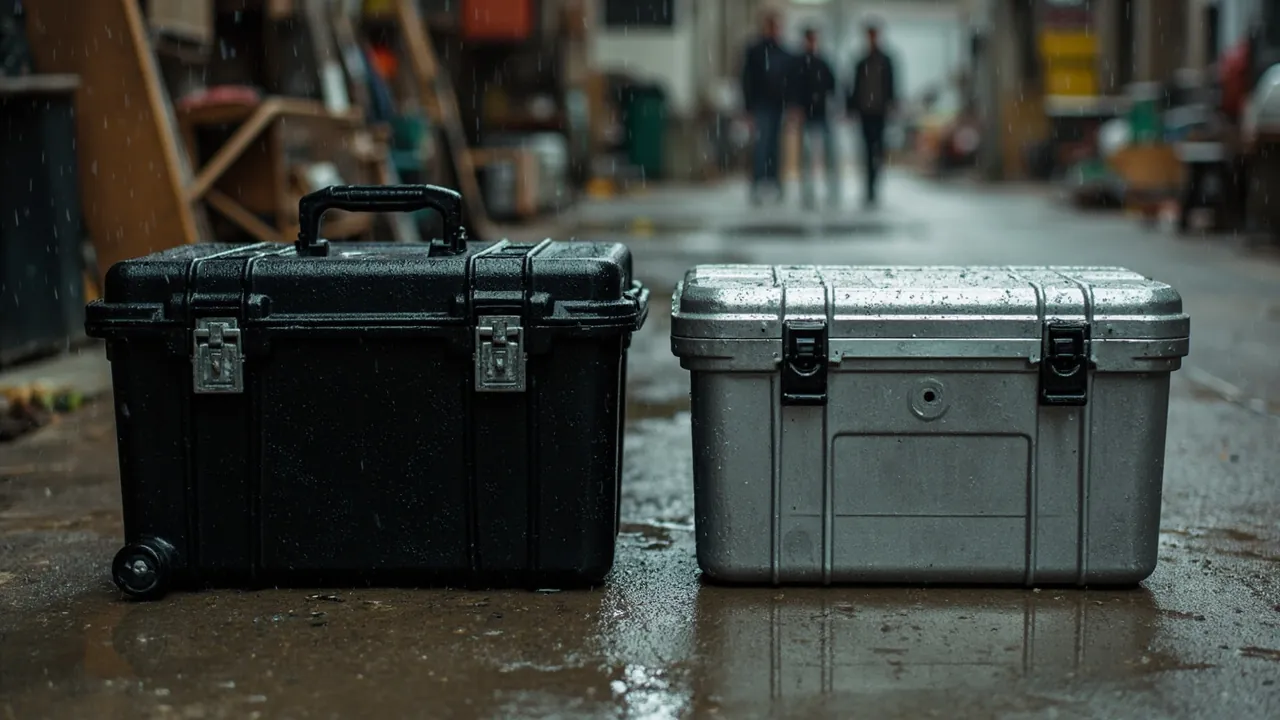
Plastic Tool Box vs Metal Tool Box: What Is the Difference?
**Short answer:** The core difference between a plastic tool box (usually engineering plastics such as ABS and PP) and a metal tool box (carbon steel or aluminium alloy) is the tra
Read Article →
PP Tool Box vs ABS Tool Box: What Is the Difference?
**Short answer:** PP (polypropylene) and ABS (acrylonitrile butadiene styrene) are the two engineering plastics most used for tool boxes, and they differ in **performance orientati
Read Article →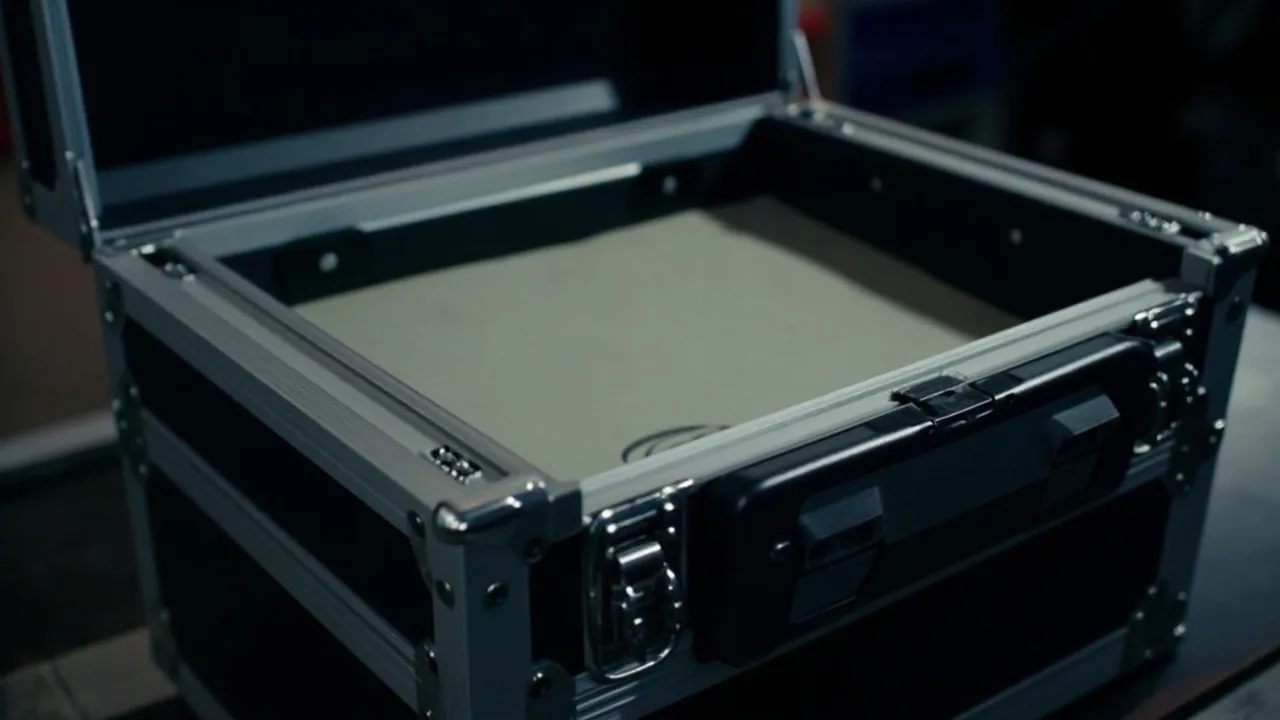
What Basic Performance Should a Professional Tool Box Have?
**Short answer:** A "professional-grade" tool box — as opposed to a light household model — should meet the mark in at least seven dimensions: **1. reliable structural material** (
Read Article →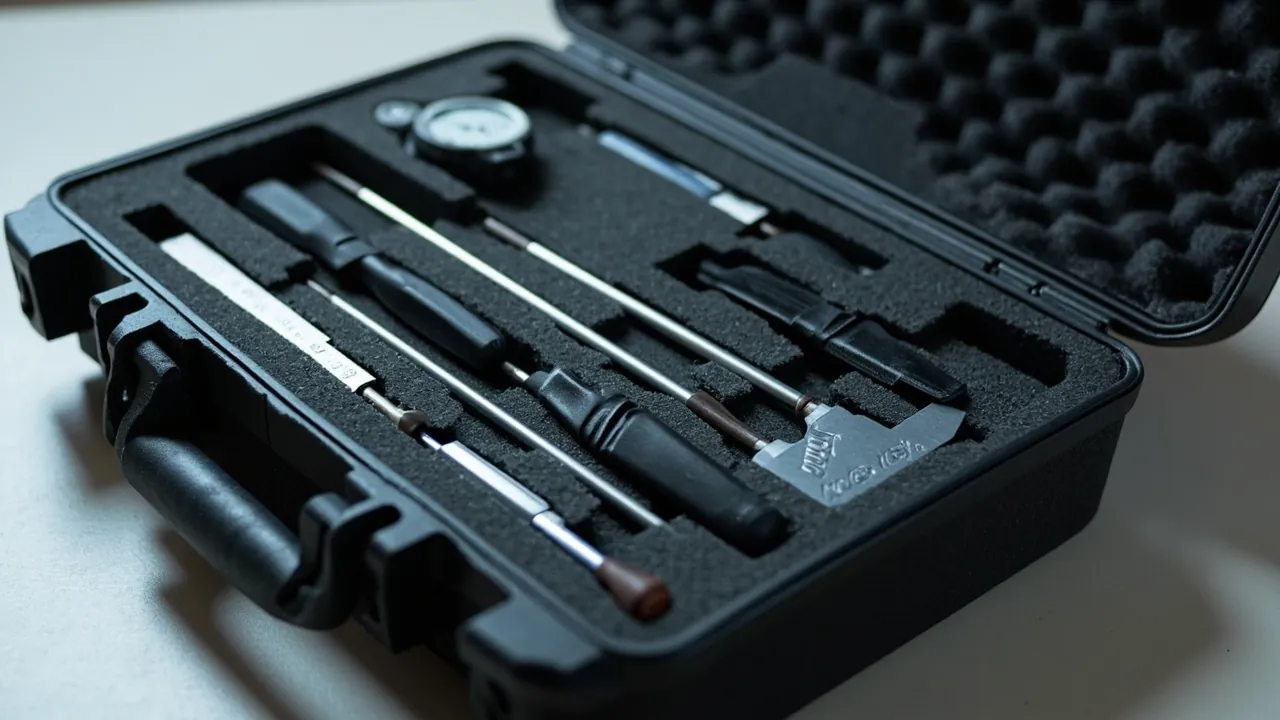
Why Is a Shockproof Tool Box the Right Choice for Precision Tool Transport?
A shockproof tool box suits precision tool transport because **precision tools — gauges, sensors, optical parts, electronic modules — are extremely sensitive to vibration and impac
Read Article →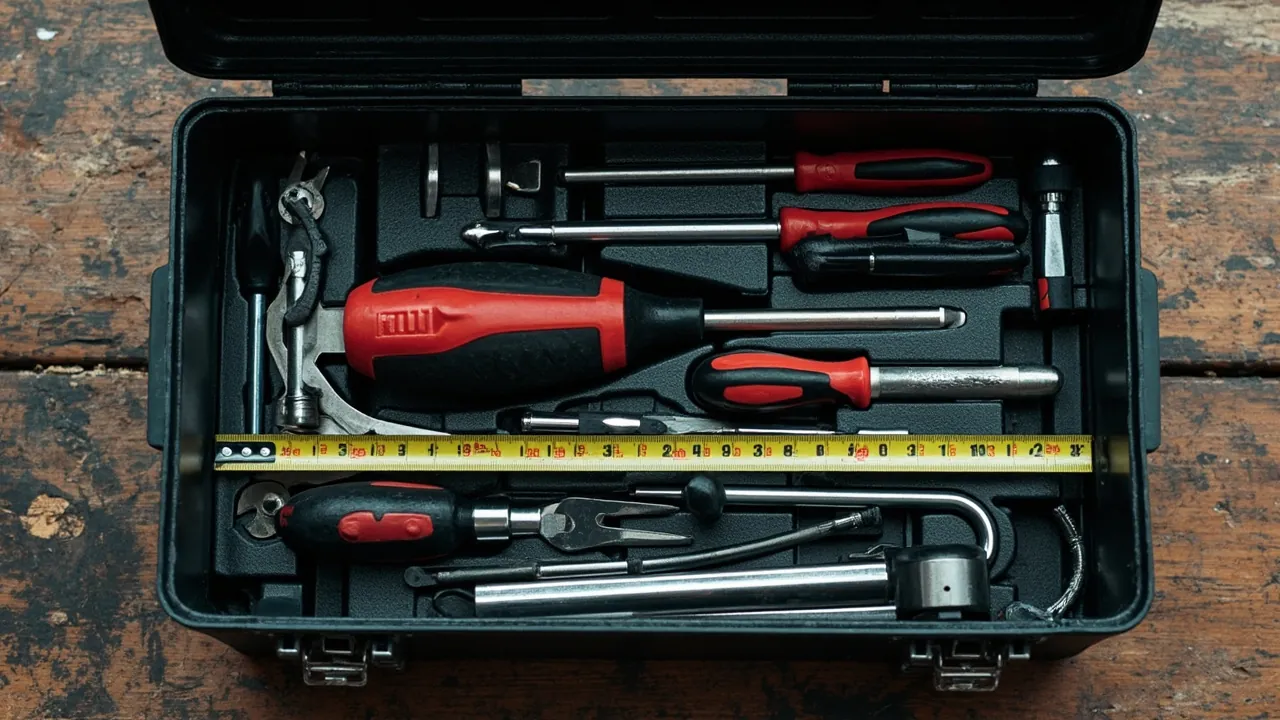
How Should Tool Box Capacity Be Calculated?
The correct way to calculate tool box capacity is this: **multiply the internal clear dimensions (length x width x height, in centimetres) to get the nominal volume, then subtract
Read Article →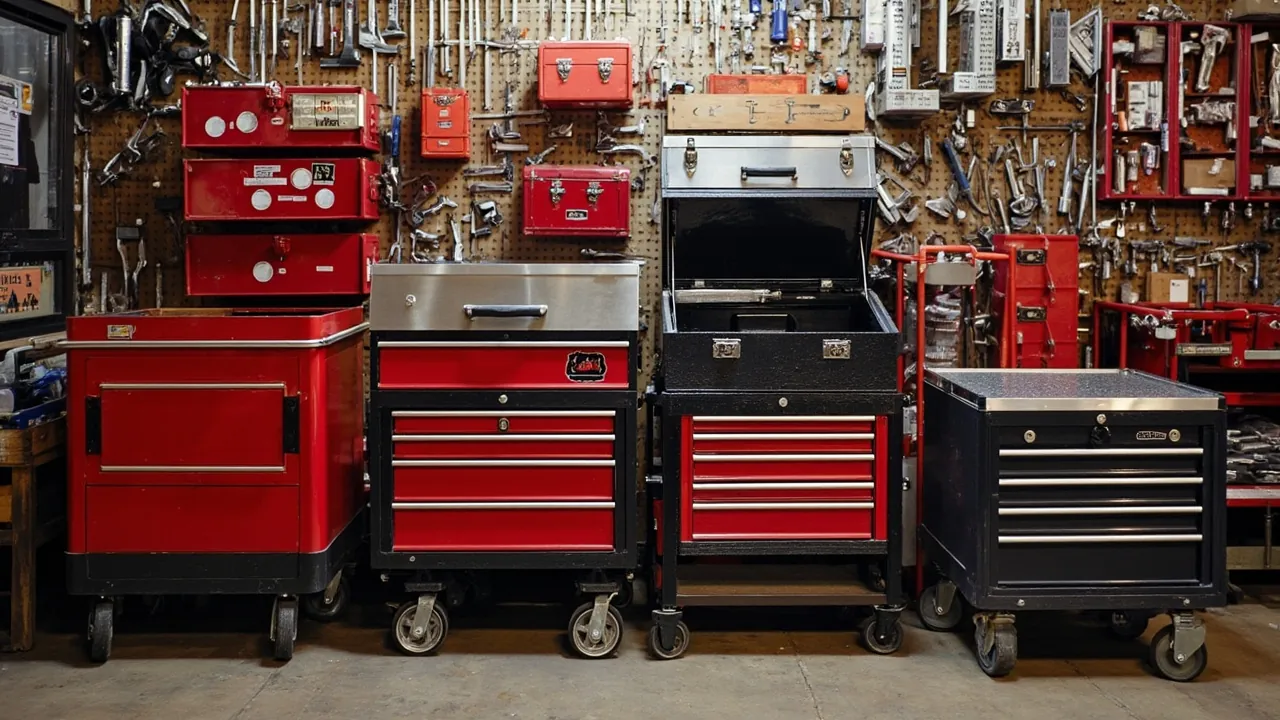
What Are the Common Types of Tool Boxes? How to Choose by Use Scenario
**Short answer:** by structure, common tool boxes fall into five families — hand-carried, drawer-type, wheeled/trolley, belt or shoulder bag, and protective case (sealed safety cas
Read Article →