

Boxknow
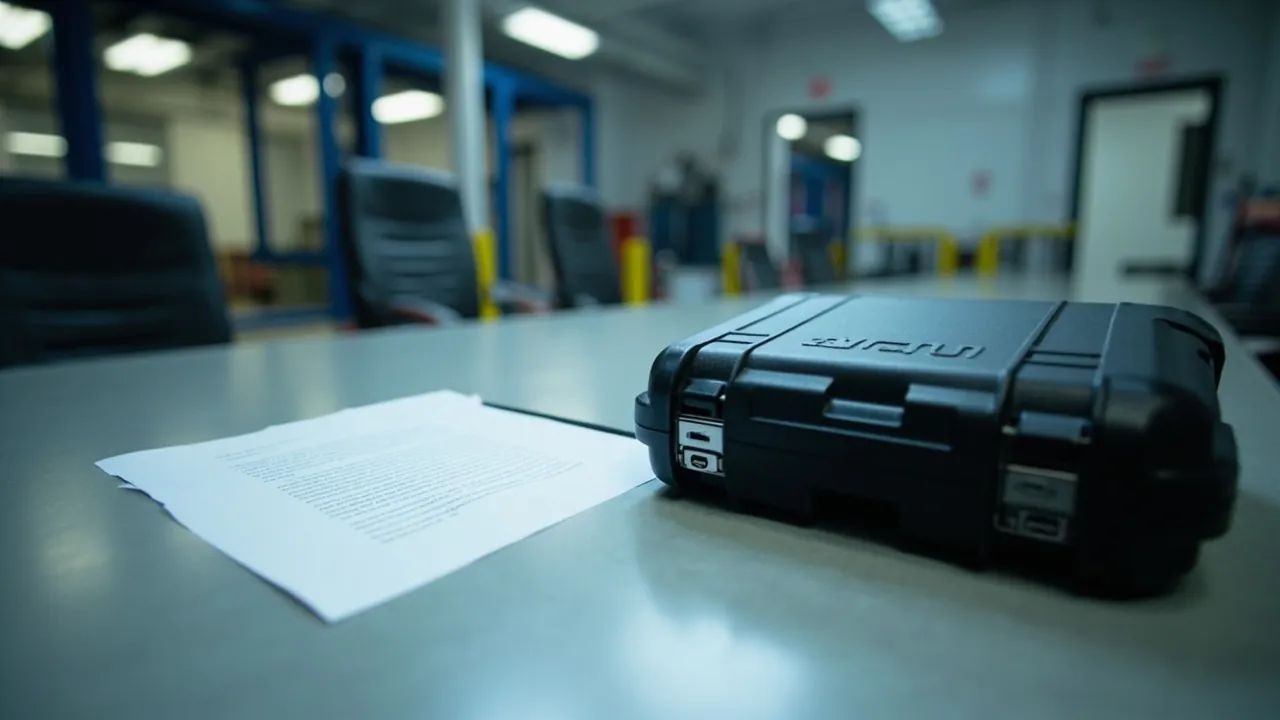
What to Watch For in a Custom Protective Case Contract: IP and Tooling Ownership Clauses
The crux of a custom contract is controlling three pieces of paper: drawings, tooling and rights. Covers IP ownership, trademark licensing, three tooling ownership and cost-sharing models, custody, maintenance and recovery clauses, first article approval, exclusivity boundaries, change control and AQL quality clauses, with a self-check list.
Read Article →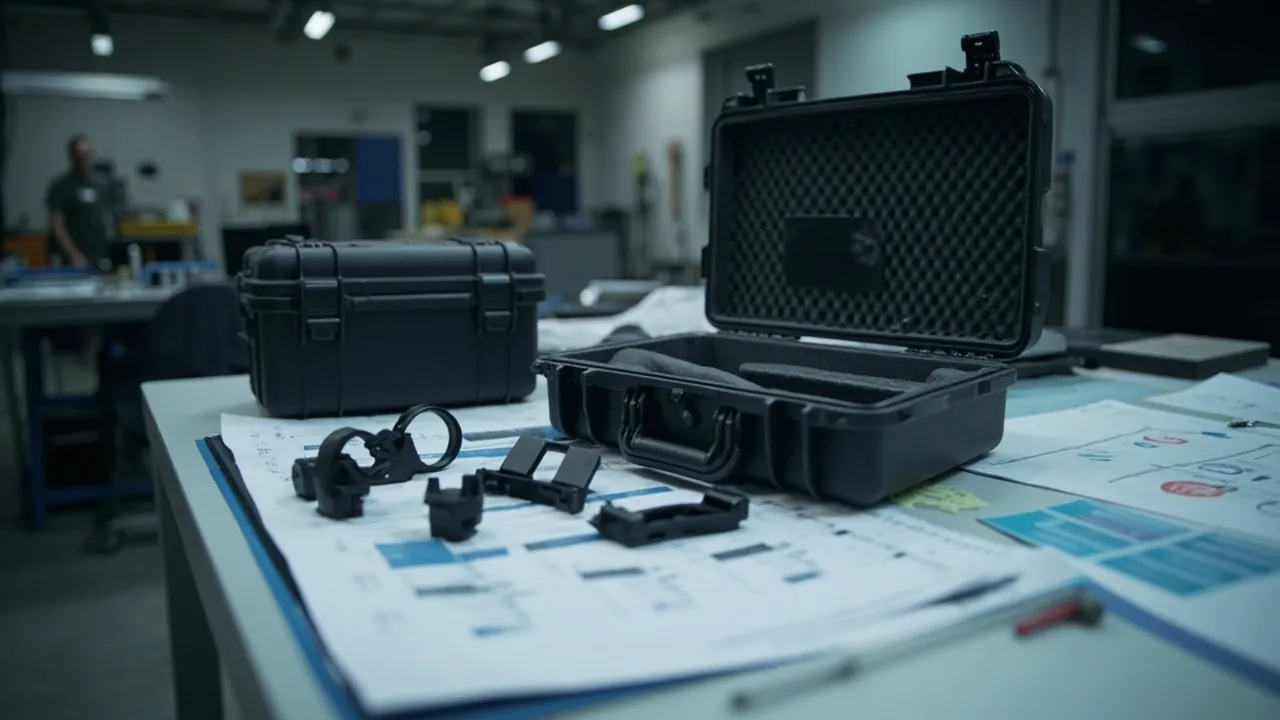
How to Control the Cost of a Custom Protective Case: Six Cost-Reduction Levers in Structure and Material
Cost reduction is about eliminating over-design, not switching to cheaper material. This guide gives a cost model and six levers: structural simplification, duty-matched material, balanced wall thickness, fitting standardisation, insert economics and process batch optimization, with priorities, red lines and a costing table.
Read Article →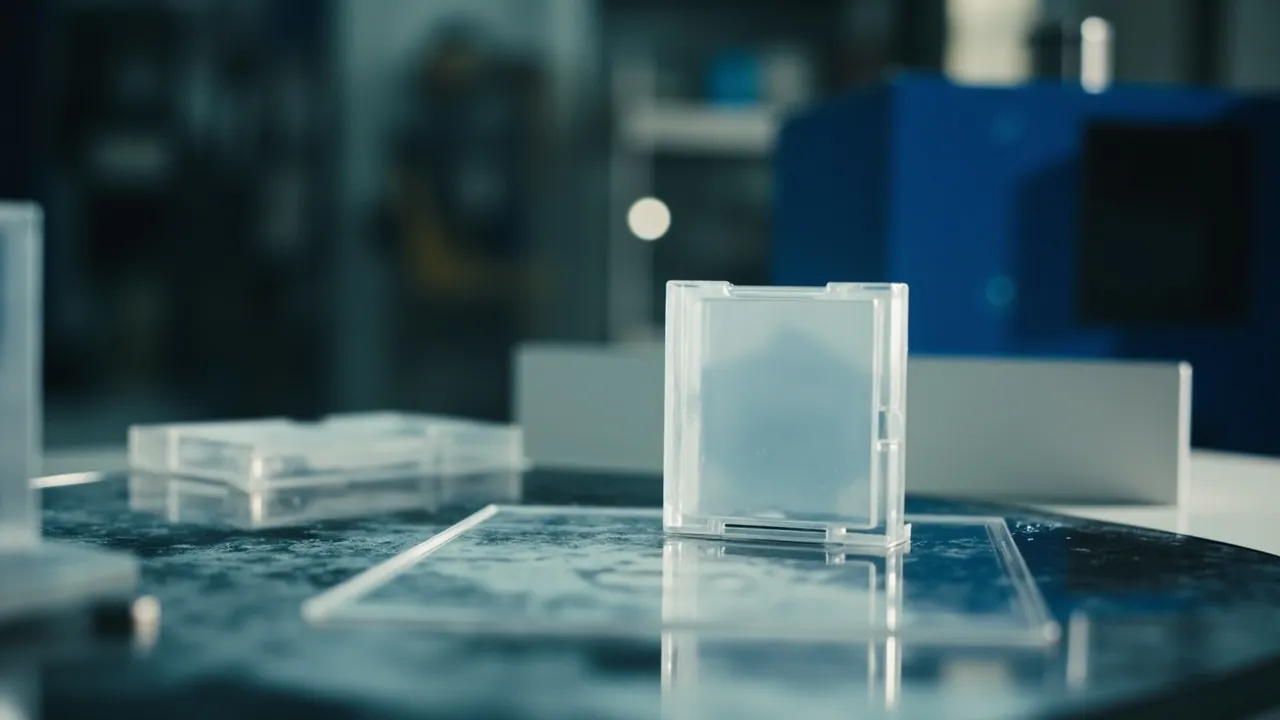
Does a Custom Protective Case Require a New Mold? Injection Mold Costs and Batch Thresholds Explained
Where the tooling boundary falls, injection mold cost components and typical shares, soft versus aluminum versus steel tool life, a batch threshold amortization model, tooling-free customization routes for small batches, and T0 to T2 trial run acceptance.
Read Article →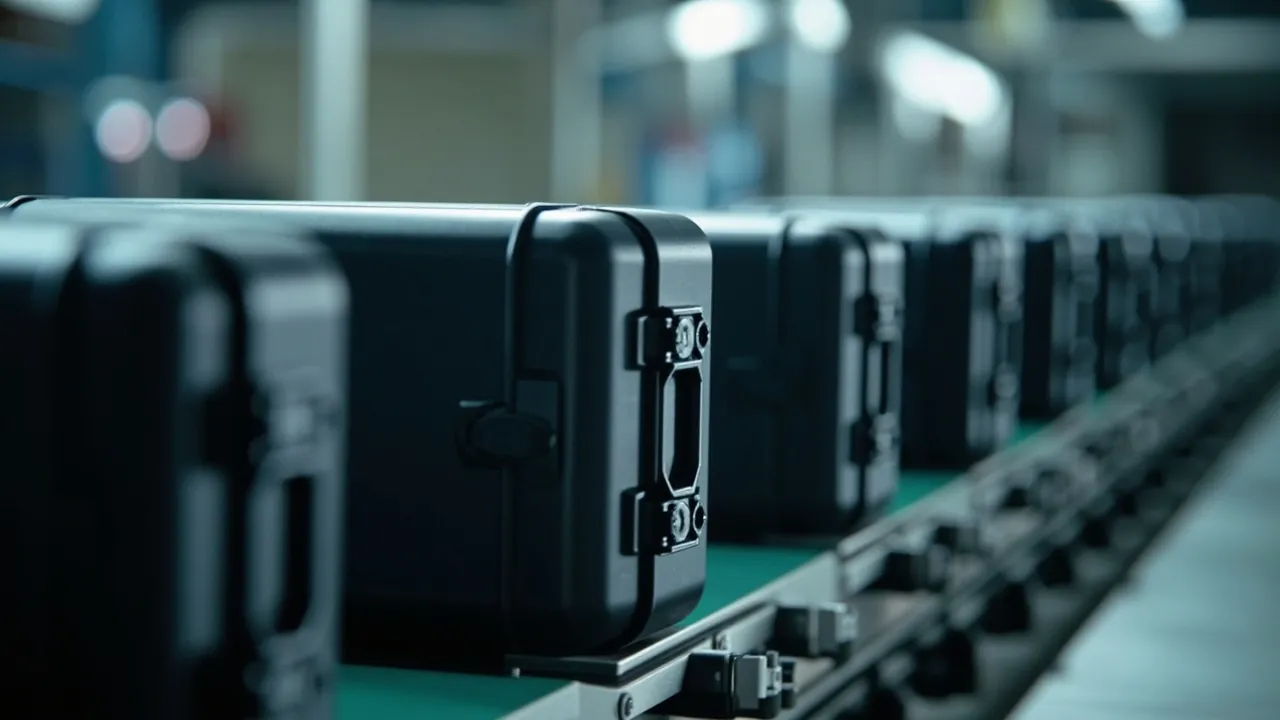
What MOQ Applies to Custom Protective Cases? Workable Options for Small Orders
MOQ is fixed cost divided by acceptable amortization. Empirical ranges by customization type, the four cost sources behind MOQ, five workable routes for small orders, six negotiation levers, and a risk checklist for buyers.
Read Article →
How Long Does Protective Case Prototyping Take? Key Milestones from Drawing to Sample
A new tool commonly runs 15-35 working days; common-tool customisation runs 5-12. This guide breaks down drawing review, DFM, tooling, first-shot moulding and golden-sample sign-off, plus seven cycle variables, cost amortisation and an acceptance checklist.
Read Article →
How to Build ESD Protection into a Protective Case: Technical Requirements for Antistatic Enclosures
ESD protection equals material resistance plus bleed path plus shielding plus whole-life verifiability. Covers conductive, dissipative and insulative thresholds, surface and volume resistance and charge decay testing, the IEC 61340, ANSI/ESD S20.20 and MIL-PRF-81705 split, conductive inserts and grounding design.
Read Article →
How to Customize an EVA Foam Insert: The Full Process from Measurement to CNC Cutting
The six-step EVA insert workflow: six input data categories, 3D scanning and reverse engineering, layer design with finger pockets, empirical fit tolerances, CNC tool and cutting parameters, lamination, and assembly interference checks.
Read Article →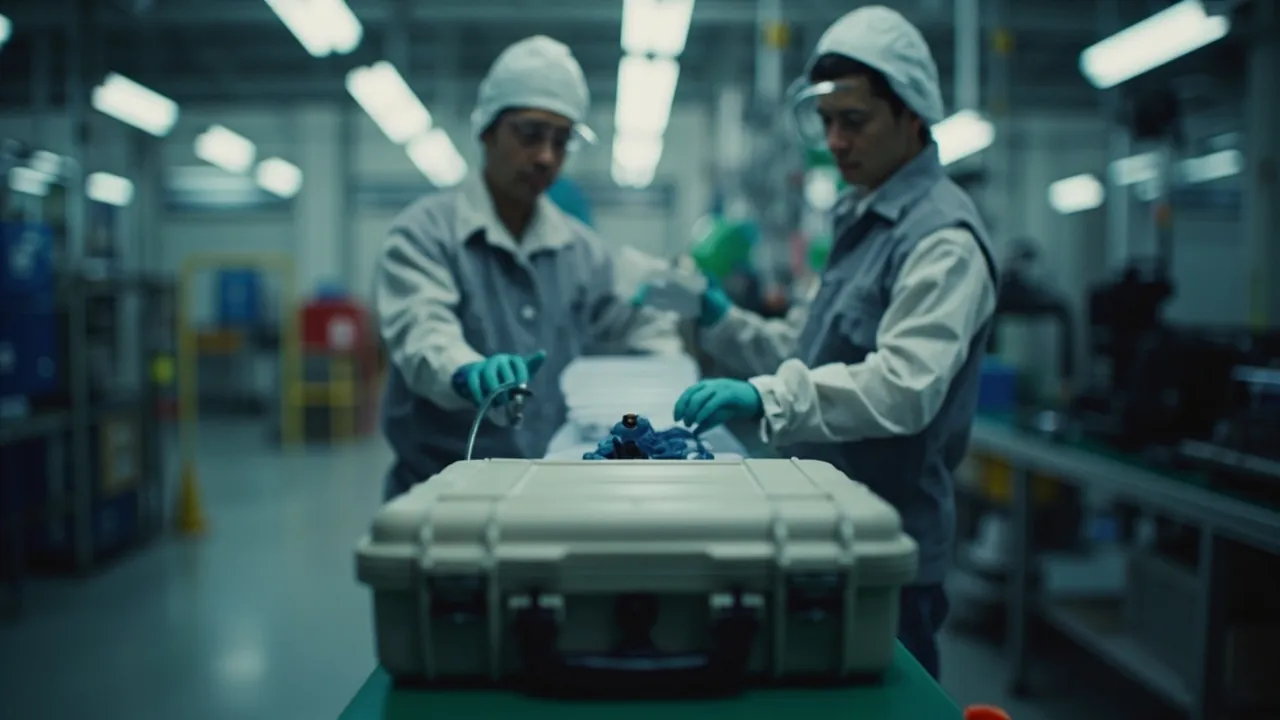
How to Choose a Protective Case OEM Factory: Ten Factory Audit Points
An audit should check whether critical processes are in-house, traceable and verifiable. This guide covers qualification, capacity, tooling, material control and six more points with verification methods and criteria, plus a weighted scorecard.
Read Article →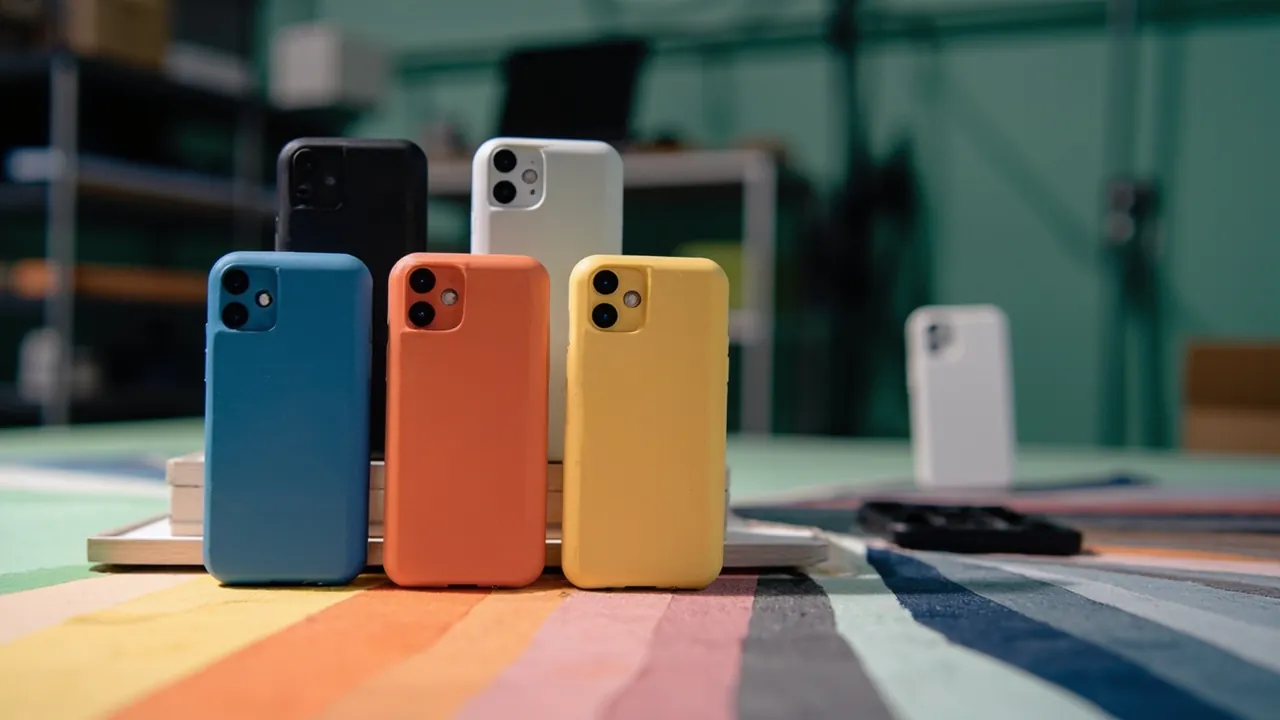
Can Protective Case Colors Be Customized? Pantone References and Masterbatch Notes
Color freedom is bounded by material system, masterbatch minimum order quantity and surface condition. Covers Pantone systems, Delta E judgment, masterbatch formulation, five sources of deviation, dark and white shade challenges, and flame retardance compatibility.
Read Article →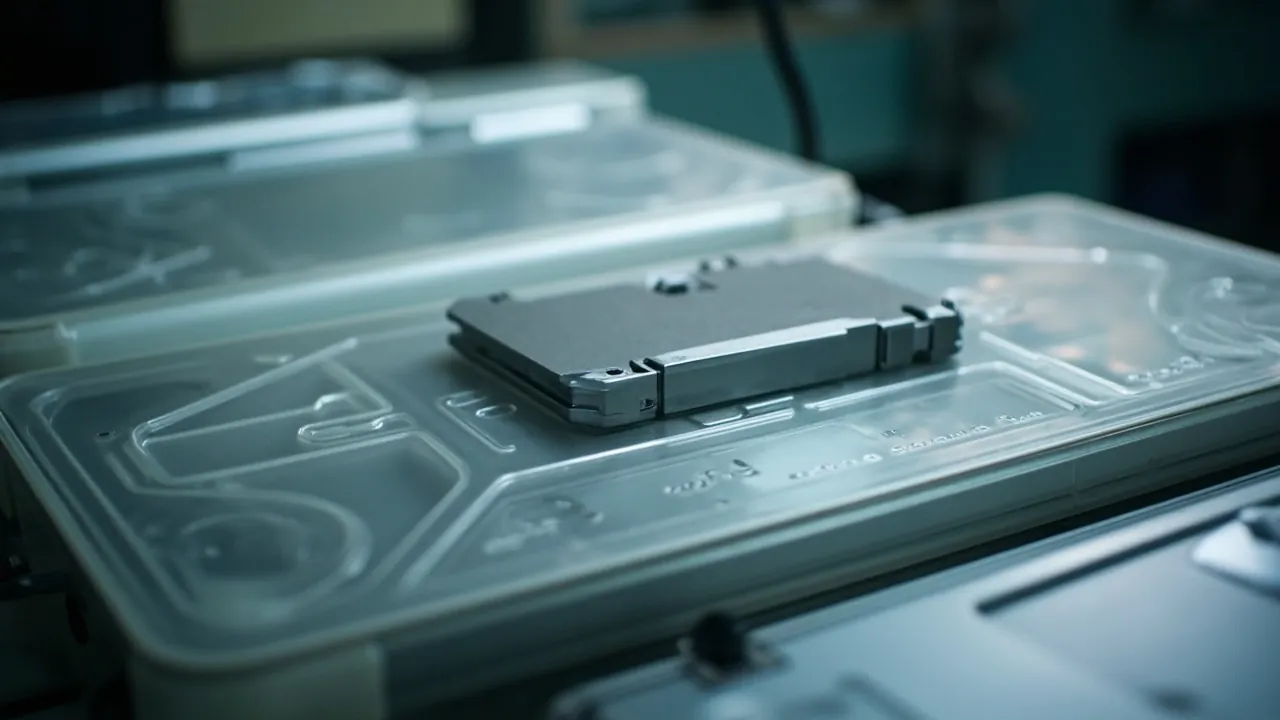
Can You Screen Print a Logo on a Protective Case? Five Branding Methods Compared
Material, location and durability decide the marking process. Compare screen printing, pad printing, UV printing, laser marking and in-mold labeling on color, adhesion, cost and MOQ, with ISO 2409 and ISO 9227 validation methods.
Read Article →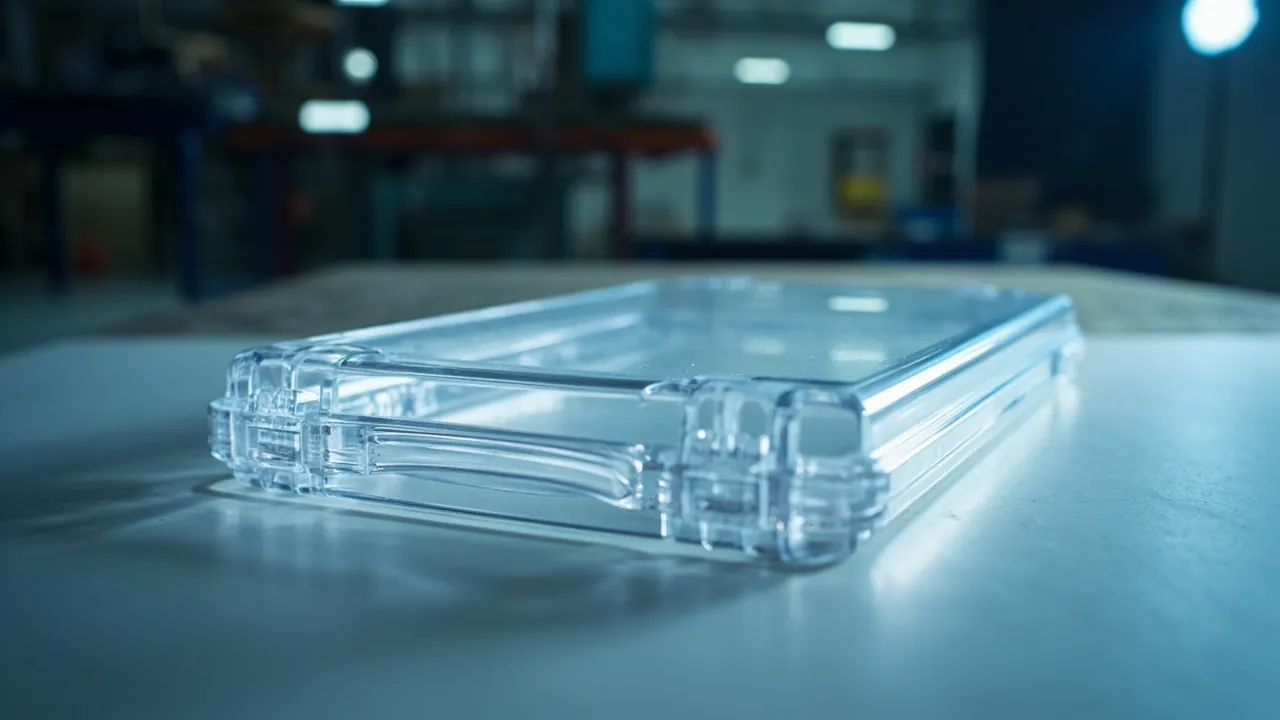
Can a Protective Case Be Made Transparent? Process Limits of a Clear PC Lid
Transparency is defined by transmittance, haze and optical distortion together. This guide covers six process limits of a clear PC lid, a comparison of five transparent materials, the sealing and flatness challenges, and whole-enclosure verification.
Read Article →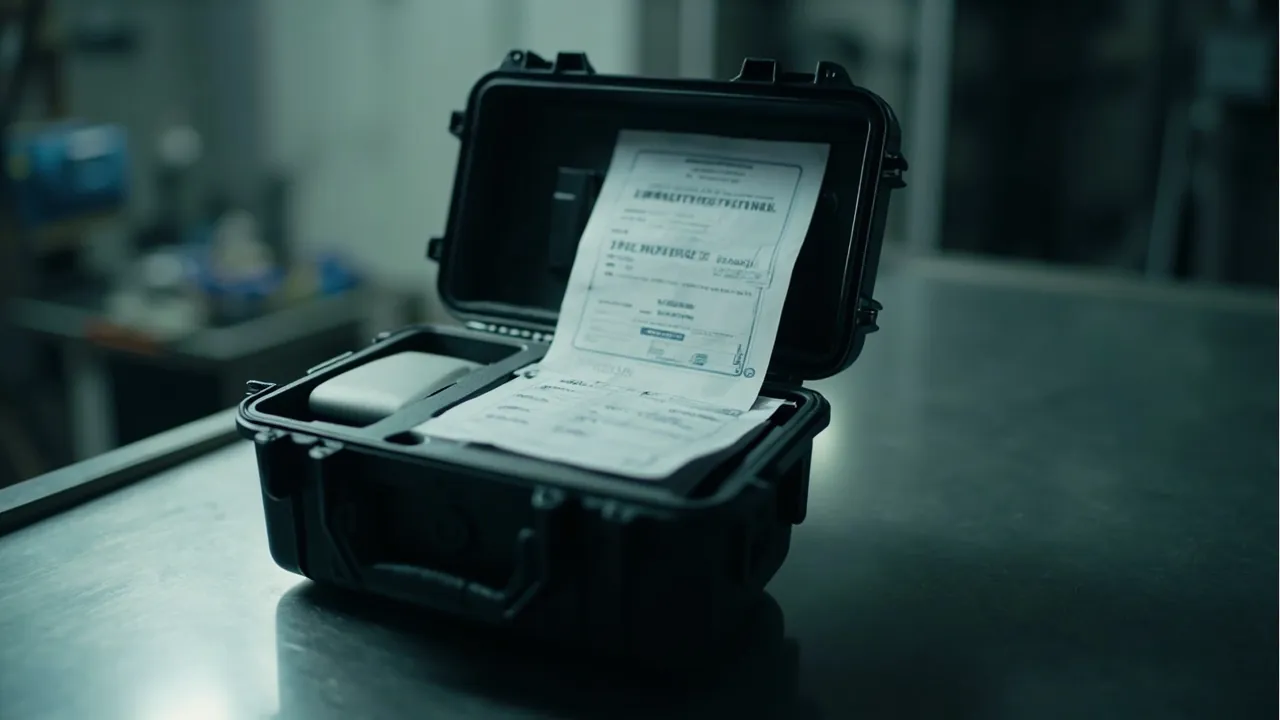
What Certifications Do Protective Cases Need for the EU? CE and RoHS Explained
Do protective cases need CE for the EU? Directive applicability, RoHS 2011/65/EU limits, REACH SVHC and SCIP duties, technical file and DoC explained.
Read Article →