

Boxknow
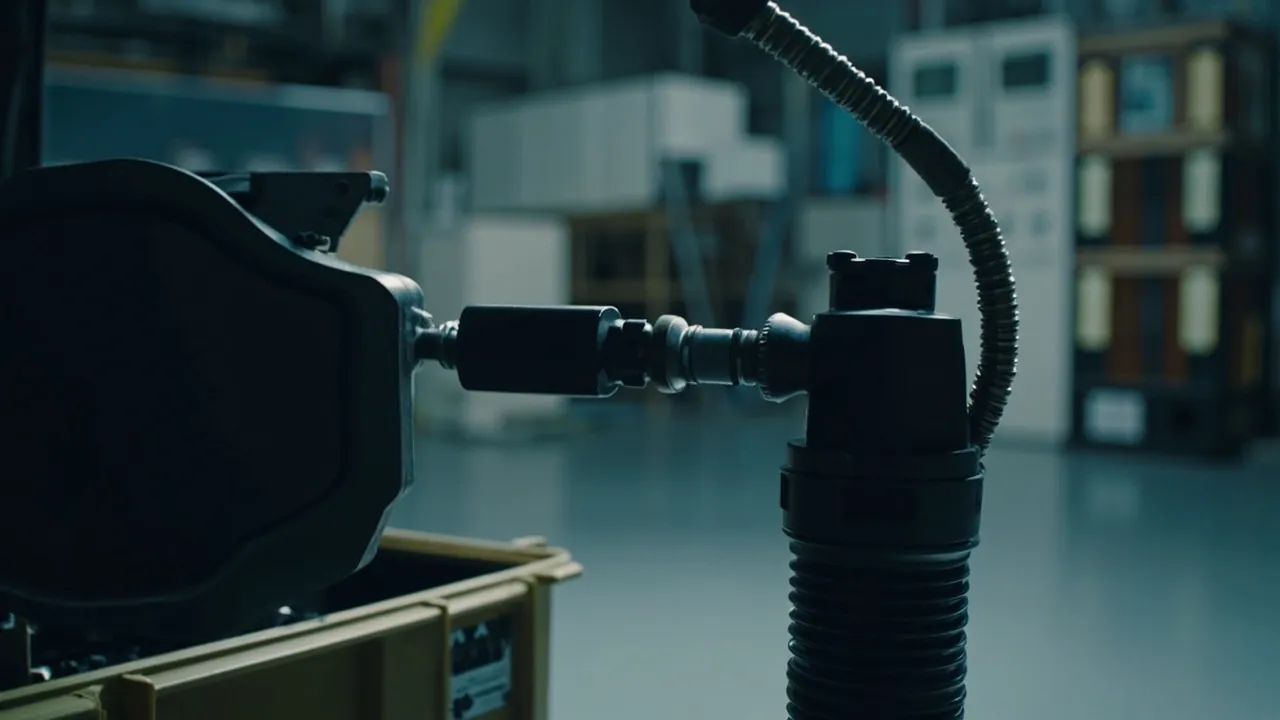
How to Perform an Airtight Test on a Protective Case: The Pressure Decay Method in Practice
A practical guide to pressure decay airtight testing for protective cases: physics and formulas, ASTM D4991 and D3078, parameter setting, temperature and volume correction, method comparison and production line deployment.
Read Article →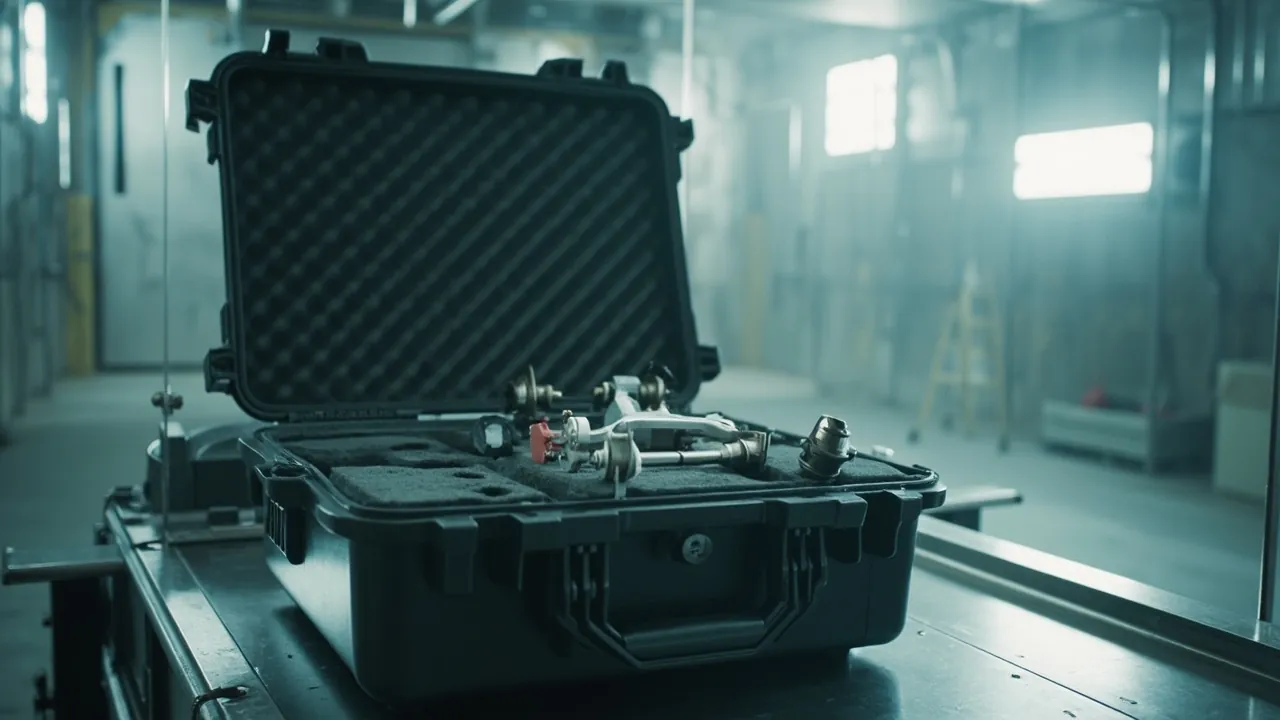
How Many Hours of Salt Spray Testing Does a Protective Case Need?
Salt spray duration follows from the target corrosivity category, the surface treatment of the hardware and the acceptance criteria: 24-48 hours inland, 96-168 hours general outdoor, 240-480 hours within 1-5 km of the coast, and 480-720 hours or more offshore. Includes ISO 9227, ASTM B117 and GB/T 10125 parameters, ISO 12944 categories, assessment methods and a report checklist.
Read Article →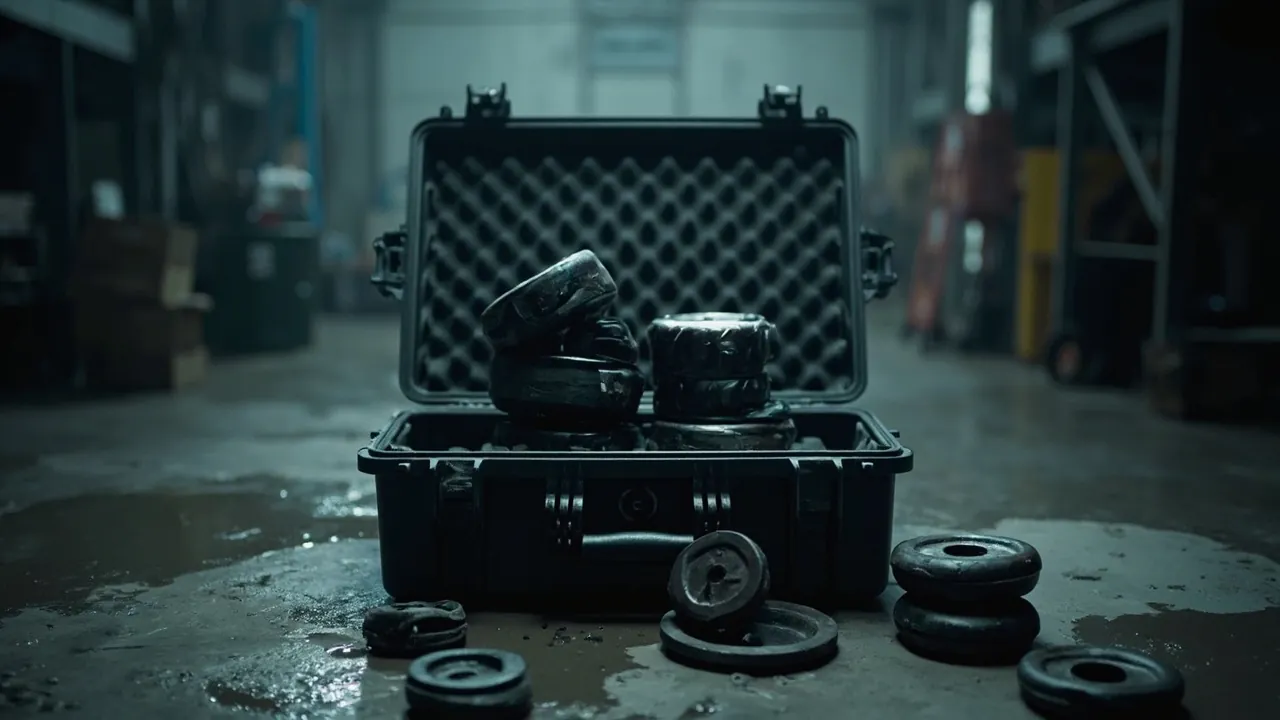
How to Run a Stacking Load Test on Protective Cases: Verifying Warehouse Stack Height Capacity
A stacking test measures creep under sustained static load, not momentary compression. This guide gives the load formula, the roles of GB/T 4857.3, GB/T 4857.4, ASTM D642 and ISO 4180, three test methods, duration and conditioning, pass criteria, five failure modes and an acceptance checklist.
Read Article →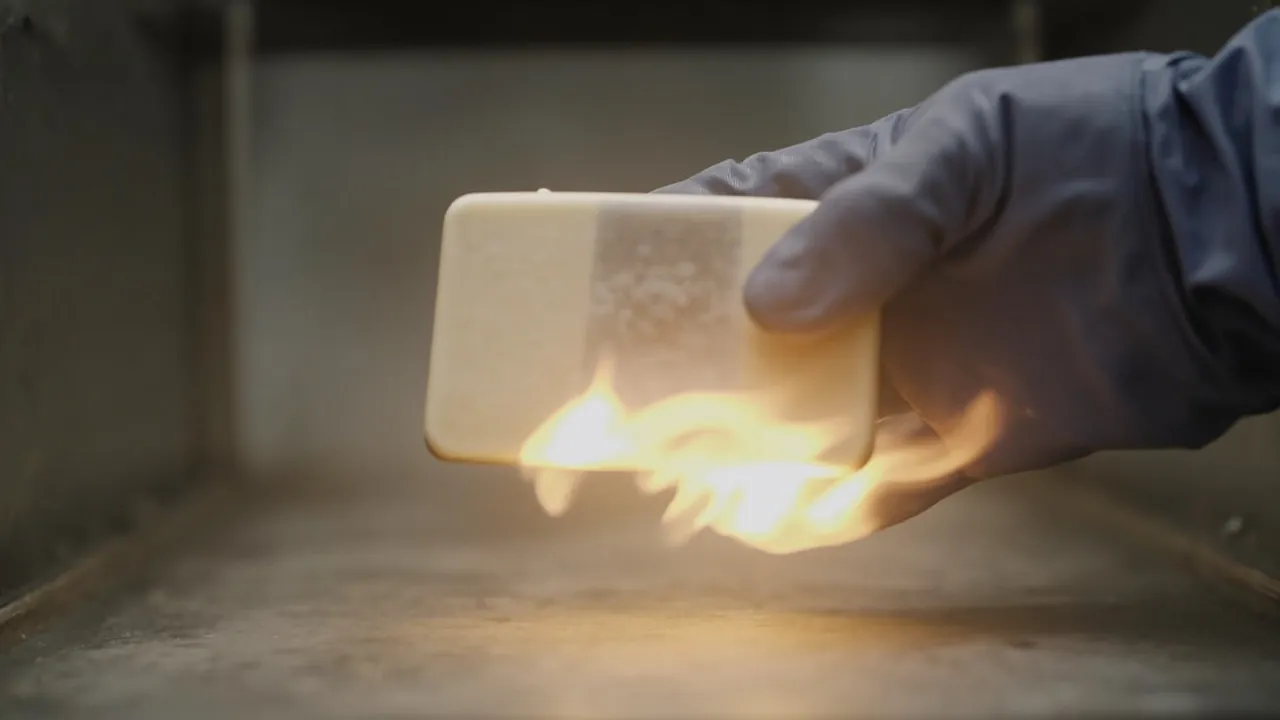
How to Read UL94 Flame Retardant Ratings: V-0 versus V-2
UL94 V-0 versus V-2 explained: vertical burn criteria, the cotton ignition dividing line, the HB to 5VA ladder, material-to-thickness binding, polymer selection and how to verify a UL94 report.
Read Article →
What Certifications Do Protective Cases Need for the US? FCC and California Proposition 65
A guide to US compliance for protective case exports, covering FCC rules, California Proposition 65, CPSIA and transport regulations, plus documentation and customs tips.
Read Article →
How to Run a UV Aging Test on a Protective Case: Xenon Arc and Outdoor Exposure
A practical guide to UV ageing validation for protective cases: xenon arc versus fluorescent UV, ISO 4892-2 and ASTM G155 parameters, duration conversion, outdoor exposure and assessment metrics.
Read Article →
What Is Vibration Testing For? Transport Resonance and Fatigue in Protective Cases
Transport vibration testing for protective cases explained: road and sea spectra, sinusoidal resonance search, reading a PSD, amplification factor, S-N curves, Miner's rule and profile definition.
Read Article →
Digital Management for Protective Cases: Asset Numbering and QR Code Traceability
How to run a minimum viable traceability system for protective cases: segmented numbering rules, GS1 and QR standards, label placement, data fields, ERP integration and per-unit cost.
Read Article →
How Do You Inspect Protective Cases on Arrival? A Batch Incoming Inspection Workflow
Incoming inspection equals four gates plus one table: document and marking checks, appearance and dimensional sampling, functional sampling and a quick seal check, backed by a sampling plan read from GB/T 2828.1 or ANSI/ASQ Z1.4. Includes a lot size quick reference, inspection lot rules, record fields and four disposition paths.
Read Article →
How Is a Protective Case Costed? The Price Structure of Materials and Process
Break a protective case quotation into material, processing, mould amortisation, packaging, freight and period cost, with should-cost formulas, normalised comparison and real cost reduction.
Read Article →
Cross-Border Logistics for Protective Cases: Export Packaging and Customs Documents
Three gates for exporting protective cases: transport packaging verified to ISO 2233/2234 and GB/T 4857, wood packaging compliant with ISPM 15, and documents consistent under Incoterms 2020.
Read Article →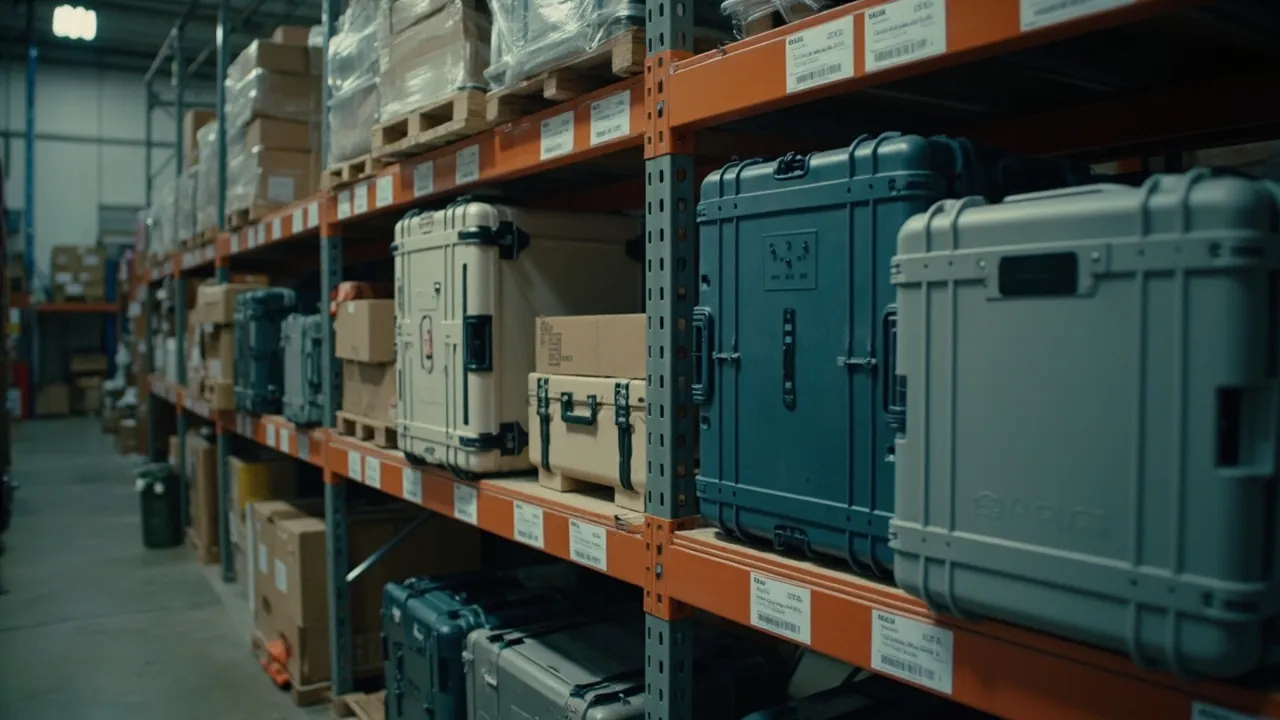
How Should Protective Case Inventory Be Planned? Setting Safety Stock for Common Specifications
Set protective case safety stock and reorder points with formulas: service level Z values, lead time and demand variability, ABC-XYZ tiering, MOQ conflict and inventory review.
Read Article →