

Boxknow
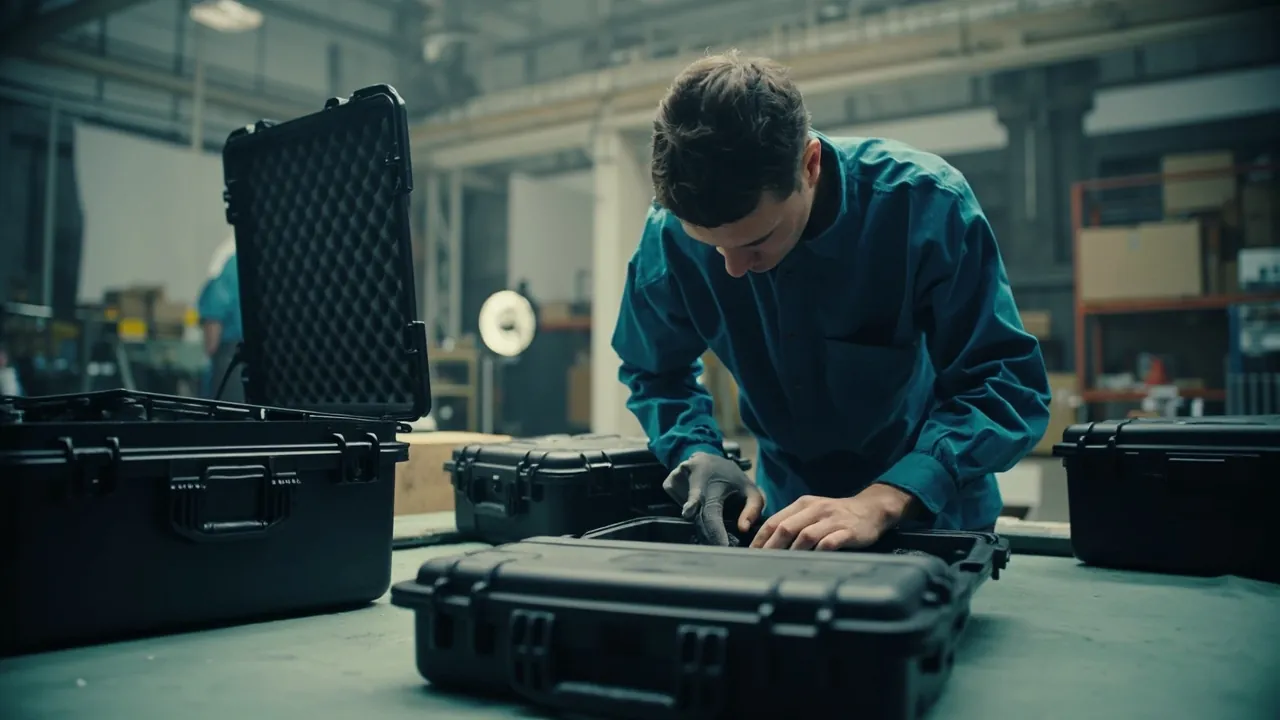
How to Avoid Procurement Pitfalls When Buying Protective Cases: Ten Common Quality Problems
Avoiding procurement pitfalls in protective cases is about replacing opinion with evidence: resin grade, sealing structure, wall thickness, latches and hinges, gasket, IP rating, insert, temperature range, packaging and spare parts. This guide gives the identify, judge and evidence steps for each pitfall, plus an audit sheet and contract clauses.
Read Article →
Can Protective Cases Be Recycled? Reuse Pathways for Engineering Plastics
Protective cases do have recycling value, but it depends on single identifiable material, easy disassembly and a compliant regrind outlet. This guide covers material-by-material recyclability, resin identification codes and ISO 15270, the crushing-washing-pelletising route, blend-ratio control and four reuse pathways, plus economics and a practical workflow.
Read Article →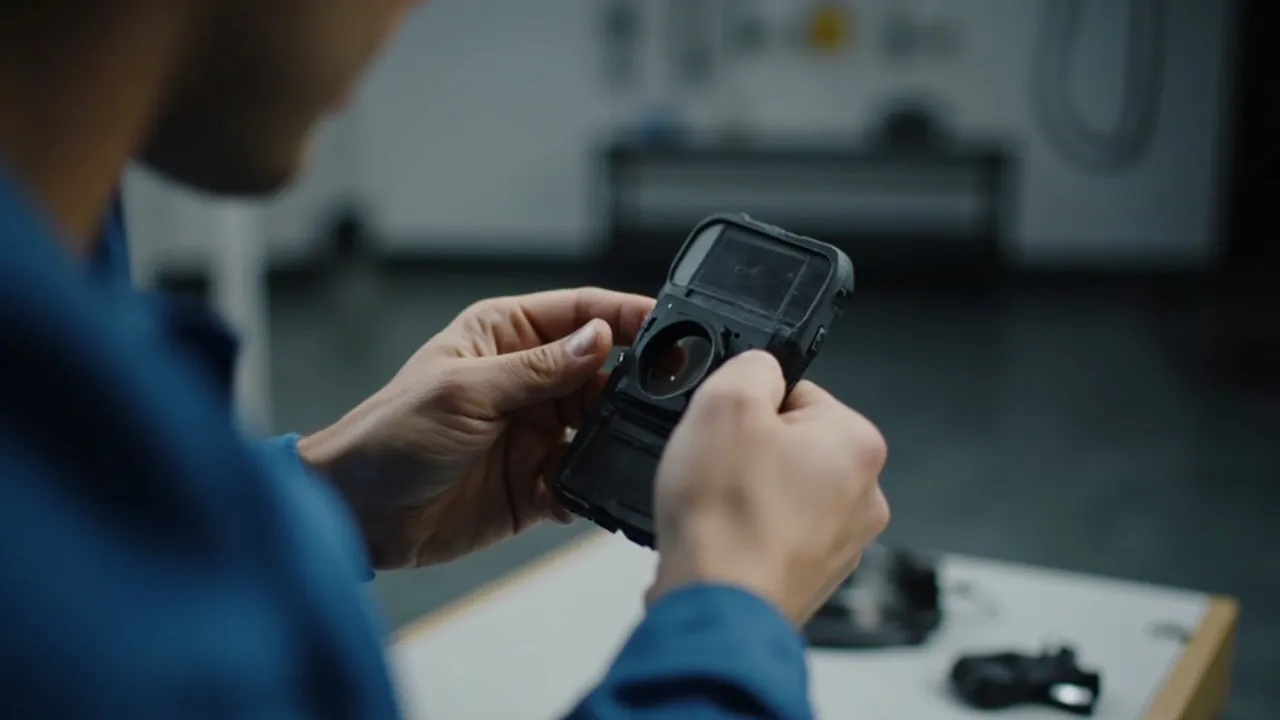
How Do You Replace a Protective Case Gasket? Original Parts Versus Substitutes
Gasket replacement end to end: five rejection signals, failure diagnosis, six dimensions and three performance parameters, original versus substitute parts, a nine-step procedure and four verification methods.
Read Article →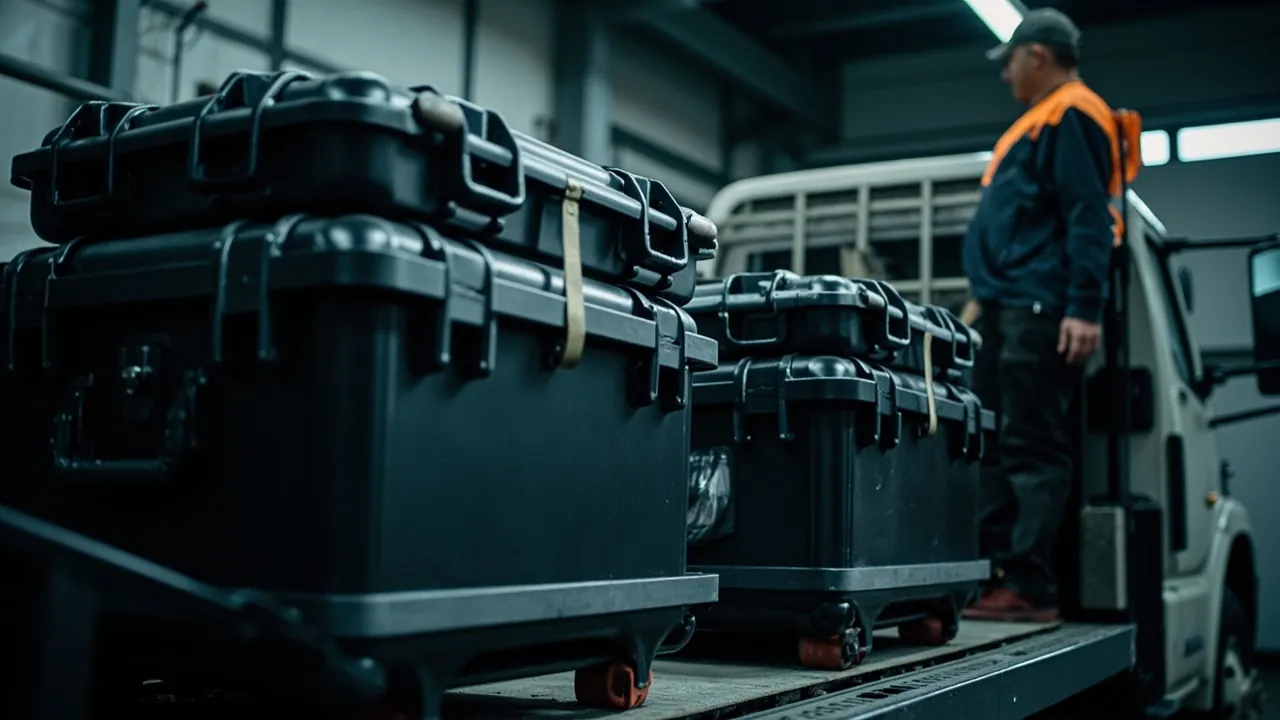
What Should You Watch Out For When Shipping Protective Cases? Loading Essentials for Full Truckload and Less-Than-Truckload
Most protective case shipping damage comes from loading, not manufacturing. This guide separates FTL and LTL logic and covers palletizing, stack height limits, corner guards, internal securing, center of gravity, lashing, a pre-loading checklist, transport test standards and inbound claim handling.
Read Article →
Where Can You Buy Protective Case Spare Parts? A Consumable Stocking List
Protective case spares come from the original maker, authorized channels, the generic market and self-made substitutes, judged by one-to-one model mapping. This guide covers failure mechanisms, replacement cycles, channel comparison, a safety stock formula, part numbering and contract clauses.
Read Article →
How Do You Evaluate a Protective Case Supplier? A Scoring System for Delivery and Quality
Evaluating a protective case supplier needs a repeatable, cumulative and comparable scoring system: quality 35%, delivery 25%, engineering 20%, cost 15%, systems 5%. This guide gives score items, a scorecard, data sources, tiering, admission and exit rules, and supplier development steps.
Read Article →
How Do You Write Tender Specifications for Protective Cases? Key Points for Compiling a Technical Specification
The core of protective case tender parameters is replacing adjectives with evaluable values. This guide gives a four-layer structure covering operating conditions, material and structure, performance and rating, and inspection and documents, plus a vague-vs-evaluable table, sampling and AQL clauses and packaging terms.
Read Article →
How Should Protective Cases Be Stored? Moisture and Sunlight Rules for Warehousing
Covers stacking height, moisture and UV protection, temperature and humidity control and FIFO rules for protective case warehousing, plus long-term storage care for seals and latches.
Read Article →
How Long Is the Warranty on a Protective Case? Key Points for Negotiating After-Sales Terms
Protective case warranties are commonly 12 months, 12 to 24 months for industrial and outdoor cases, and 24 to 36 months for military and fit-out projects. This guide covers scope and exclusions, start date, consumable tiering, failure determination, response timeframes, cost allocation, extensions and spare parts duration.
Read Article →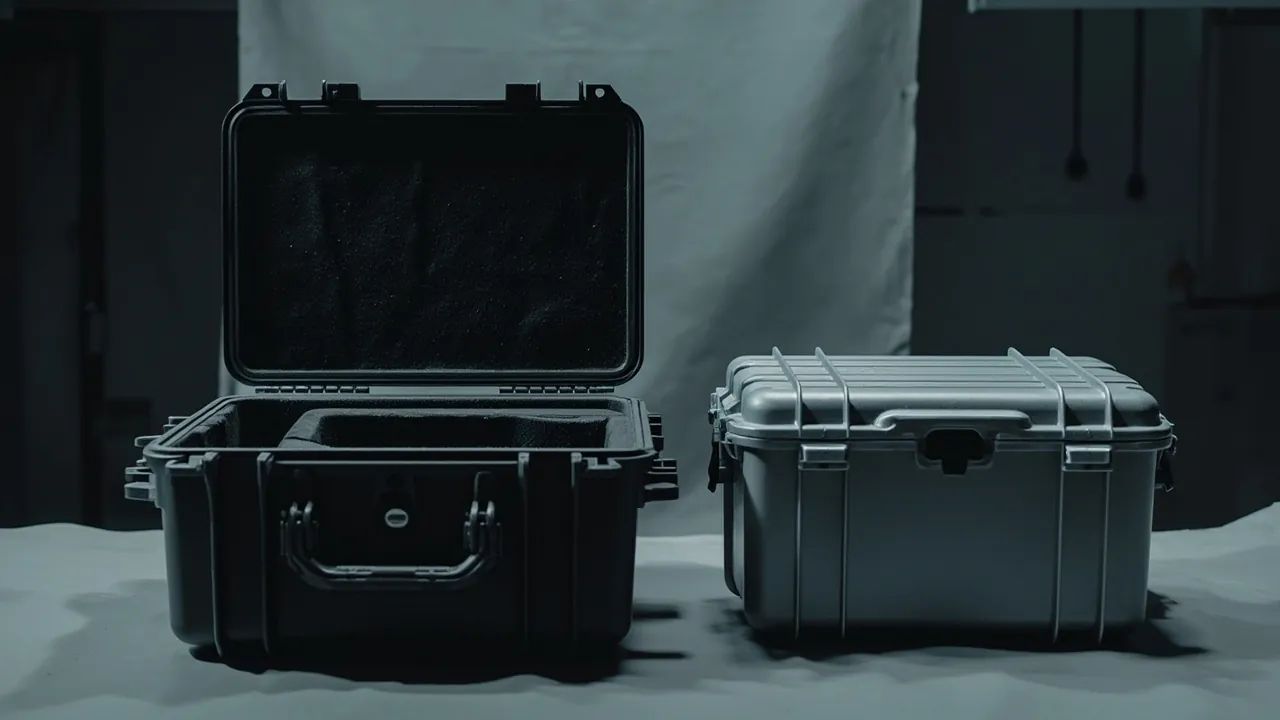
Custom vs Standard Protective Cases: How to Decide (A Selection Decision Tree)
Choosing between custom and standard protective cases is a layered decision, not a value judgment. Work through five gates: core operating conditions, dimensions and inserts, sealing and IP rating, volume and tooling amortization, and certification and IP ownership. This guide covers the four layers of customization, a decision table, break-even math, and acceptance and golden-sample clauses.
Read Article →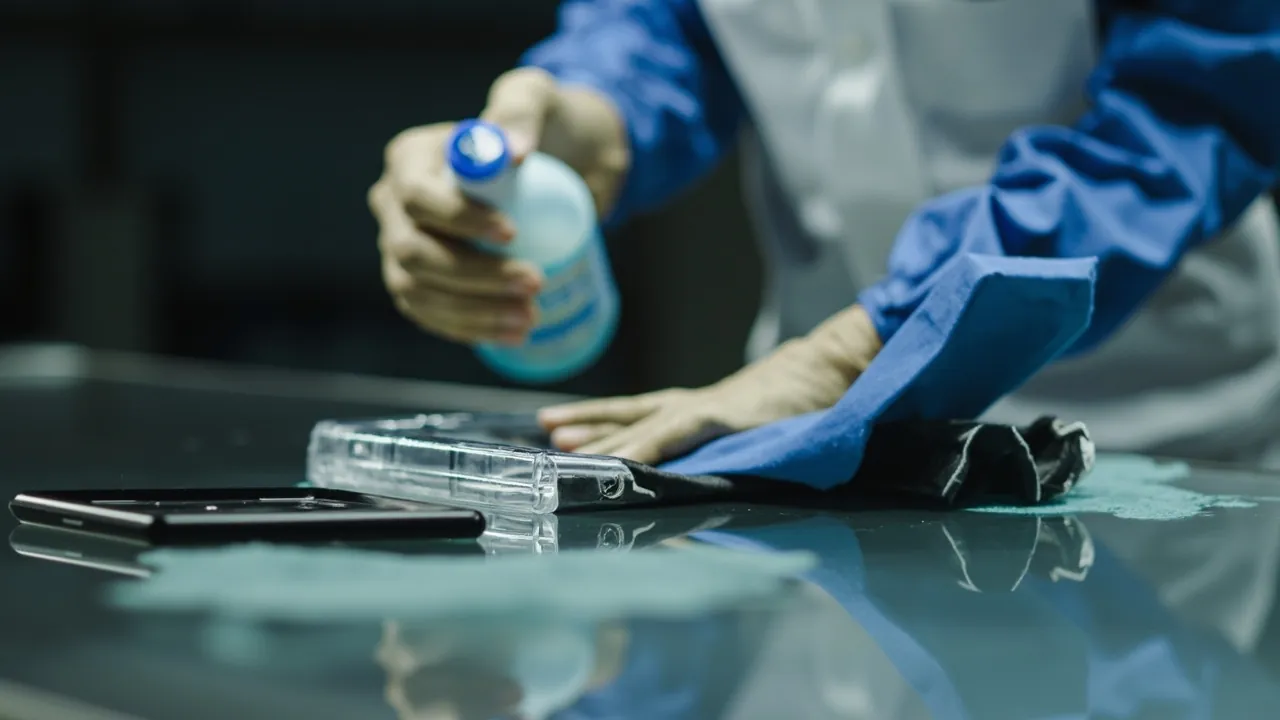
How to Clean and Maintain a Protective Case: Cleaning Taboos by Material
Cleaning a protective case means zoning, matching the method to the material, and setting the right frequency. The shell can be washed, the gasket may only be wiped and dressed with grease, metal parts need rust protection, and foam inserts should be cleaned dry. This guide covers five cleaning zones, a six-step method, taboo tables by material, disinfection practice, and maintenance intervals.
Read Article →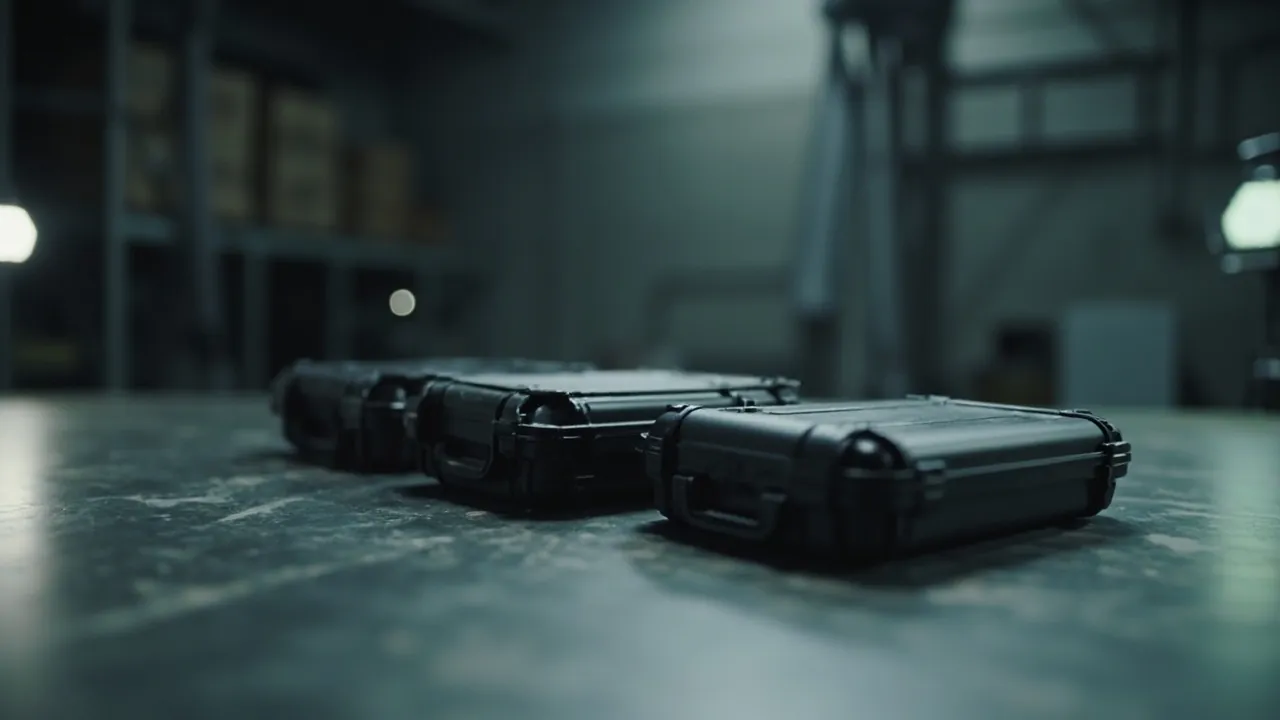
How to Tell a Genuine Protective Case from a Fake: Identifying Recycled vs Virgin Resin
Telling a genuine protective case from a fake comes down to material source and structural integrity. Recycled resin lowers toughness, weathering, and service life, while stripped structure hides in wall thickness, ribs, and the seal groove. This guide covers six identification methods: appearance, hand and weight, cross-section, documents, price logic, and accessories, plus an on-site checklist and a handling process.
Read Article →