

Boxknow
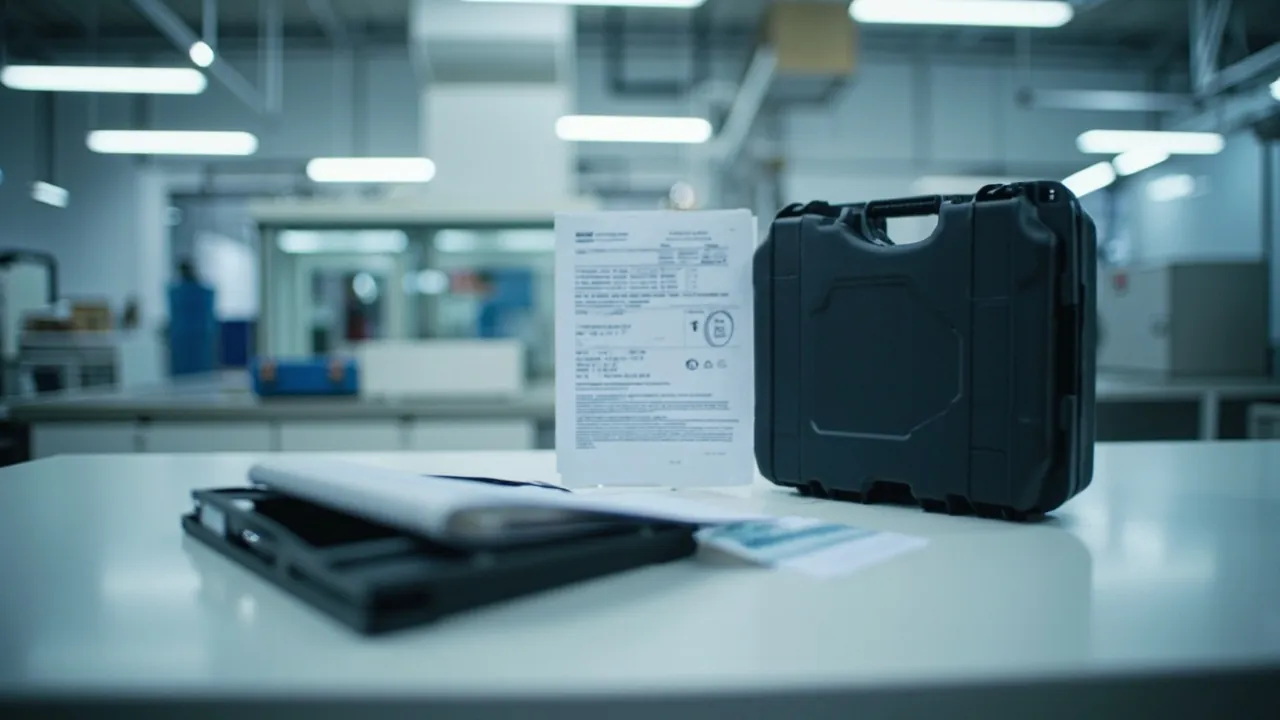
How to Read a Third-Party Test Report: CNAS vs CMA Explained
CNAS vs CMA: what each system means, how to read an eight-field test report, decode certificate numbers, verify authenticity, and write testing clauses into purchase contracts.
Read Article →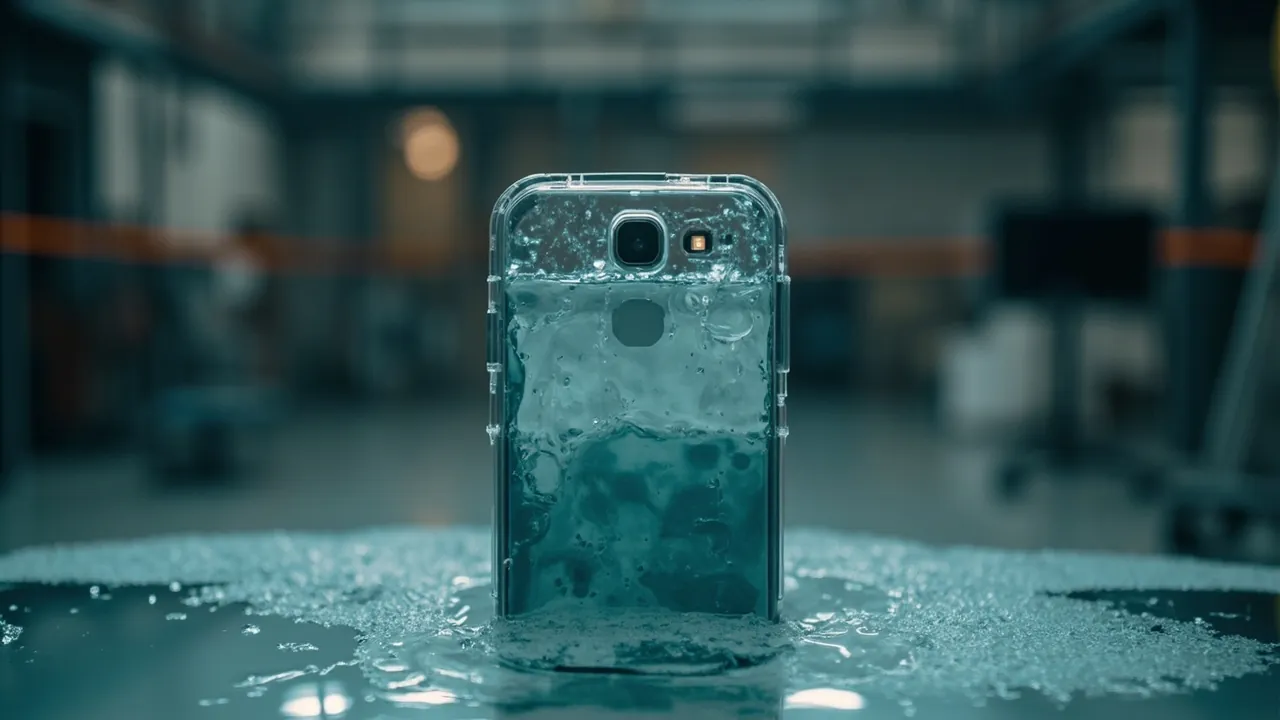
How to Water-Test a Protective Case Yourself: Simple Airtight Leak Detection
Five airtightness methods you can build yourself to check whether a protective case still keeps water out: low-pressure bubbles, vacuum bag, pressure-hold decay, clean-water immersion and smoke or helium tracing, with tools, procedures, pass thresholds, a leak-point checklist and the line at which formal IEC 60529 IP testing becomes mandatory.
Read Article →
How Is Drop Test Height Determined? Drop Standards by Package Weight
Drop height follows from the total shipping unit weight, the drop orientation and the real handling scenario, and heavier packages drop from lower heights. Includes weight-banded tables from ISTA 1A, ASTM D4169, ISO 4180 and GB/T 4857.5, corner-edge-face orientation rules, cold preconditioning, pass criteria and an executable test plan.
Read Article →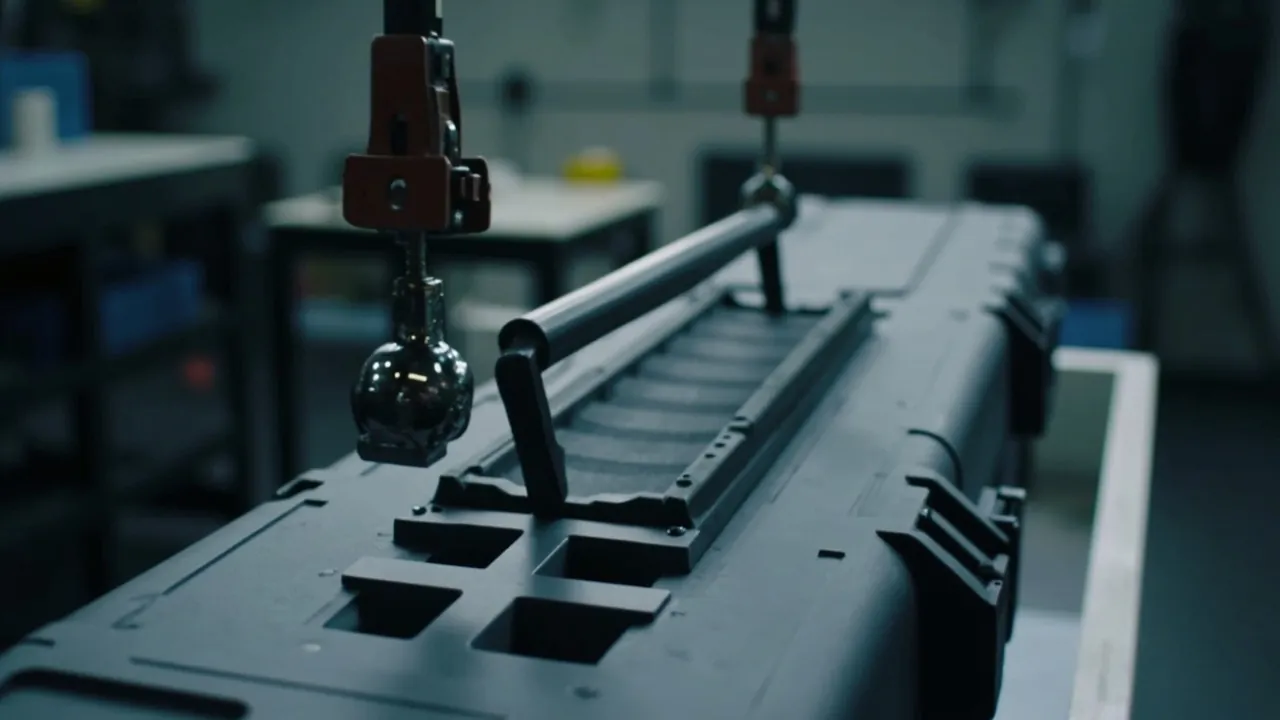
Case Handle Load Testing: Static vs Dynamic Verification
Explains the static and dynamic load test methods, load values and pass criteria for protective case handles, and how handle structure, material and mounting affect load capacity.
Read Article →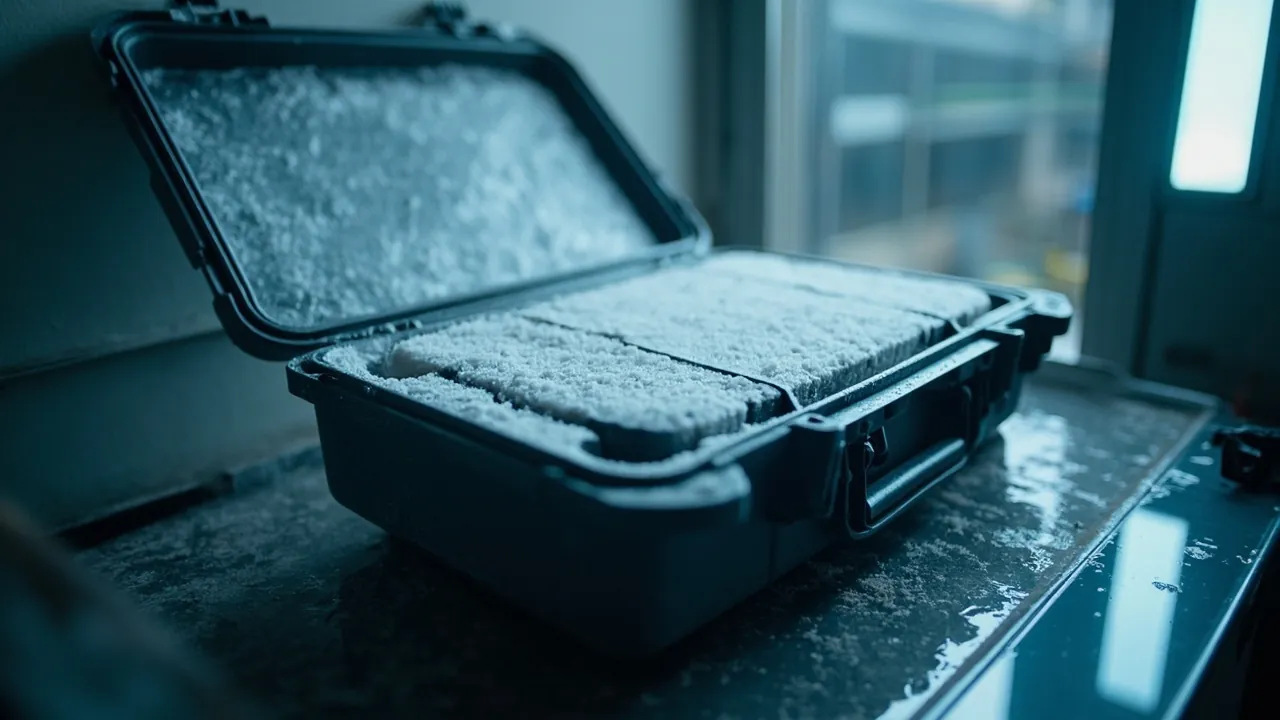
High and Low Temperature Testing for Protective Cases: Verifying a -40 C to +70 C Range
Understand the standards, temperature ranges and soak/cycling methods for high and low temperature testing of protective cases, and how shells, seals and latches behave from -40C to +70C.
Read Article →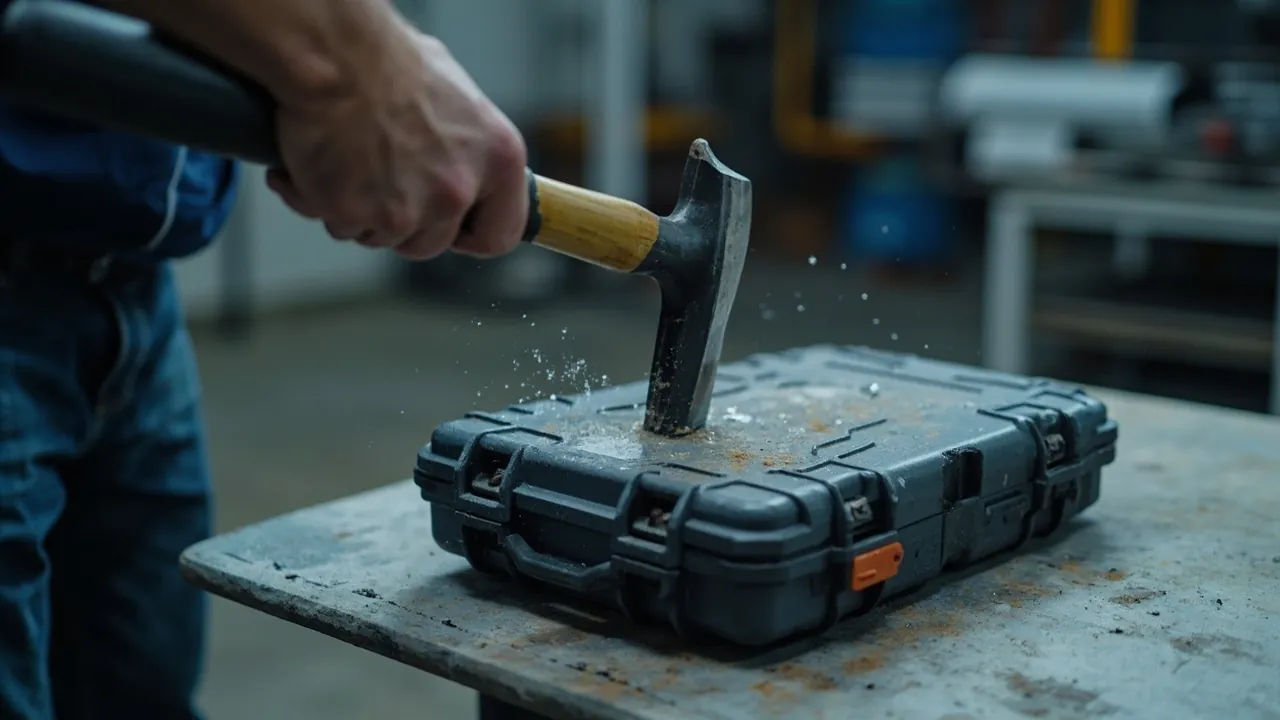
What Is an IK Rating? Impact Protection Classes and Test Methods for Protective Cases
An IK rating is defined by IEC 62262 and GB/T 20138 and expressed in joules of single-impact energy across eleven classes from IK00 to IK10. This guide covers the energy table, pendulum, spring and vertical drop hammer apparatus, mounting and strike point rules, structure and material factors, and a supplier verification checklist.
Read Article →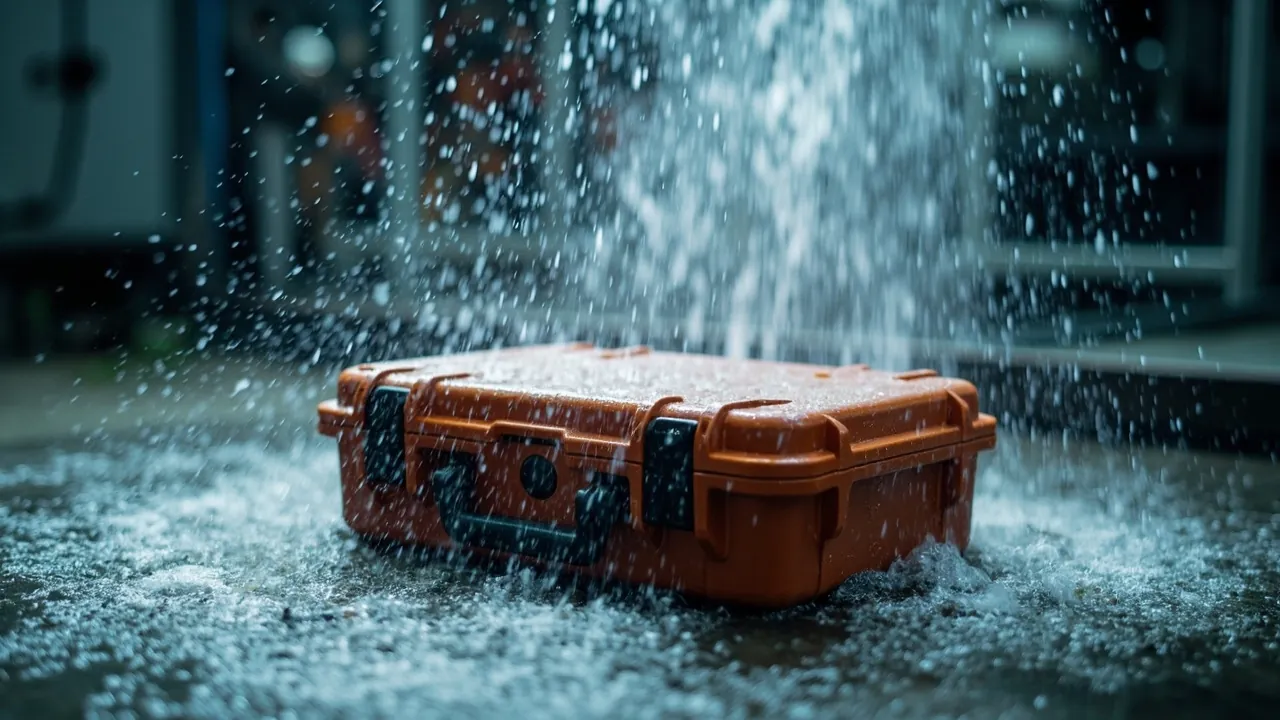
What Is IP69K? Test Conditions for High-Pressure Hot-Water Jets on Protective Cases
IP69K is a hot high-pressure water jet rating, not a stronger IP68. This guide gives the ISO 20653 and IEC 60529 / GB/T 4208 IPX9 conditions, around 80 C, 80 to 100 bar and 14 to 16 L/min at four jet angles, compares IP67, IP68, IP69 and IP69K, and covers seal material selection, failure modes and report review.
Read Article →
What Is a Tumble Test for Protective Cases? ISTA 1A versus 2A Explained
A tumble test accumulates impact in a rotating hexagonal drum, while the difference between ISTA 1A and 2A is the degree of simulation: 1A runs fixed-frequency vibration and drops, and 2A adds atmospheric conditioning, compression and random vibration. Includes an item-by-item comparison, weight bands, how 3A, ISO 4180 and ASTM D6179 fit, and a report checklist.
Read Article →
How Is ISTA Transport Testing Performed? Standard Drop and Vibration Procedures
ISTA transport testing follows four steps: choose the procedure, condition the specimen, run the sequence and issue the verdict. ISTA 3A covers single parcels, 3E covers unitised loads and 2A covers a known transport mode. The full sequence includes atmospheric preconditioning, drops, loaded and unloaded random vibration, compression and a final drop, with a selection method and report checklist.
Read Article →
Case Latch Cycle Life Testing: Opening Cycles and Fatigue Standards
A latch life figure is meaningless without its criterion and conditions. Covers three fatigue mechanisms, rig build-up, temperature, load, speed and angle conditions, four measurable pass criteria, reference standards frameworks and accelerated life conversion.
Read Article →
Low-Temperature Brittleness Testing for Protective Cases: Judging a Minus 40 C Falling Weight Impact
A low-temperature brittleness test measures the ductile-brittle transition to ISO 812, GB/T 15256, ISO 974 or ASTM D746 and derives the 50 per cent failure temperature Tb, while a -40 C falling weight impact judges structural, functional and sealing retention after a strike. Includes test conditions, driving variables, design measures and a report checklist.
Read Article →
What Does MIL-STD-810 Testing Cover? How Protective Cases Comply
A practical guide to MIL-STD-810H test methods for temperature, humidity, vibration, shock and salt fog, and how protective cases meet military-standard requirements through structure, sealing and material design.
Read Article →