

Boxknow
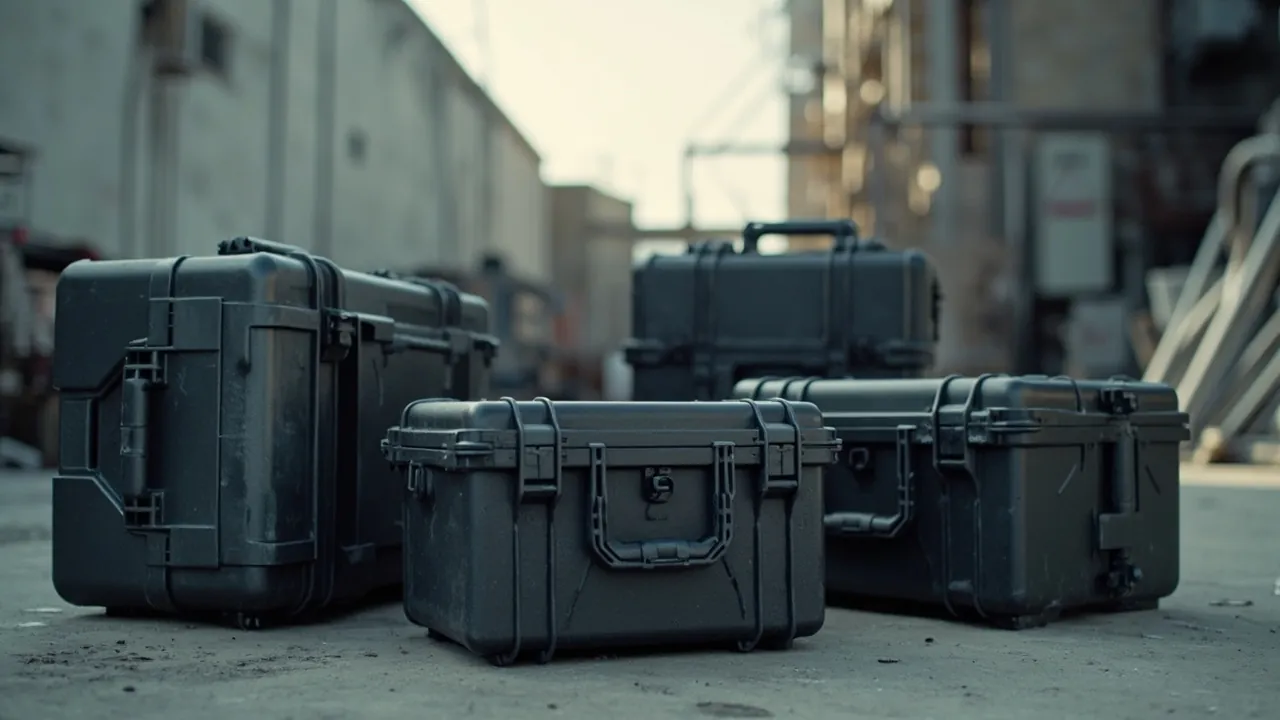
How to Choose a Tactical Storage Box: A Multi-Scenario Guide from Field Use to Collection Storage
Choose scenario first, size second, configuration third. This guide gives must-not-fail items and recommended configurations for field work, vehicle transfer, long-term warehousing, precision equipment and collection storage, plus sizing, IP boundaries, material trade-offs, lining logic and a budget table.
Read Article →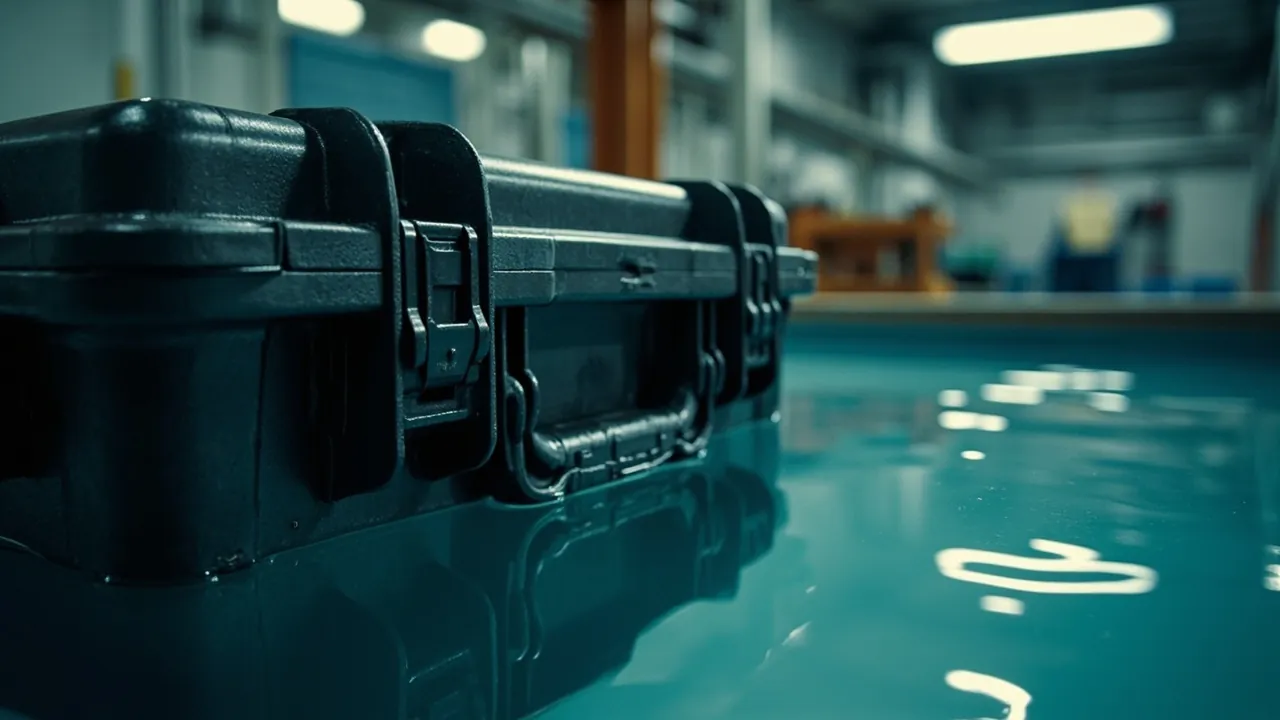
Is a Waterproof Ammo Box Really Waterproof? Reliability Testing of O-Ring Seals and Stackable Design
Waterproofing needs three conditions: a continuous grooved compression seal, rim stiffness and stable latch force. This guide covers O-ring compression ratio and groove fit, how stackable design affects sealing, IPX4 to IPX8 criteria, five tiers of field verification and a reliability test matrix.
Read Article →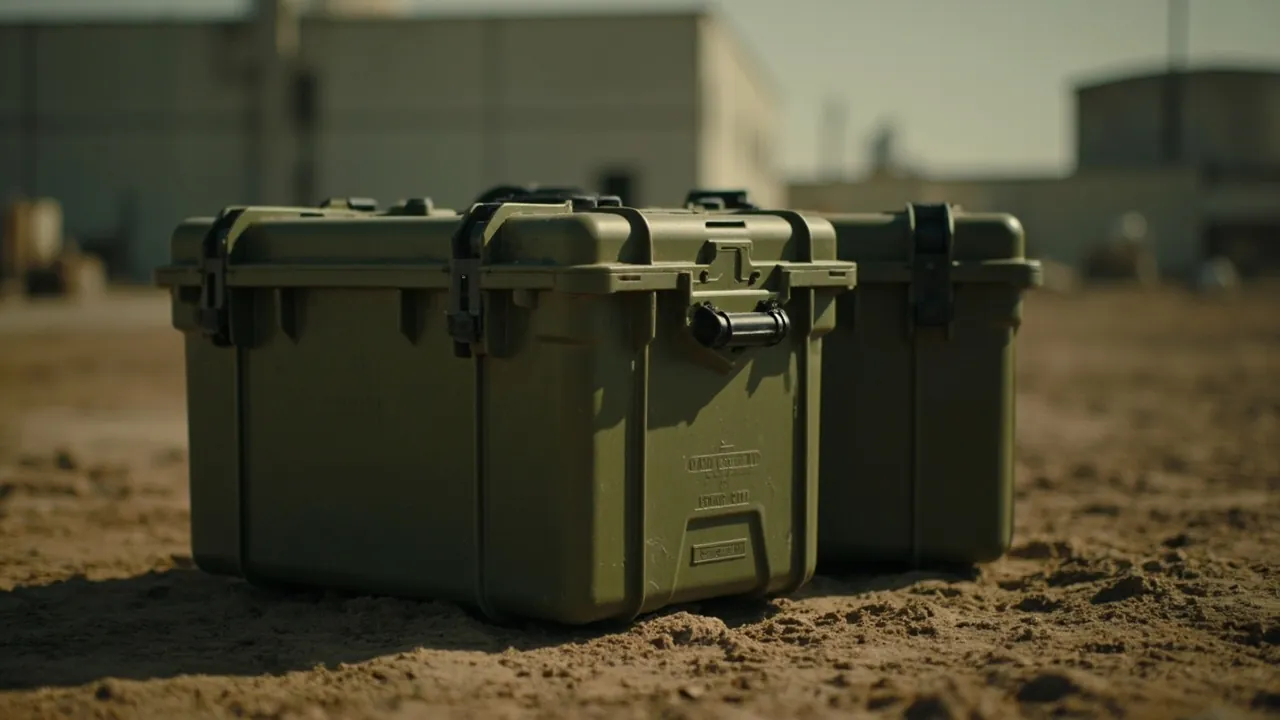
Why Are Military Ammo Boxes Mostly Green? Coating Function and Design Meaning
The primary function of green is reducing visibility and reflection. This article covers military colour standards such as FS 595 and olive drab, coating systems and curing, pigments and weathering, optical signature, thermal management, supply-chain standardisation, plastic masterbatch and metal coating, with test standards and a procurement checklist.
Read Article →
What Technical Parameters Do Protective Case Drawings Need? An Engineering Drawing Checklist
Drawing parameters fall into dimensional, structural, functional and acceptance levels. This checklist covers external and cavity dimensions, wall thickness, datums, seal groove and compression, IP test conditions, plus a table of common omissions and a reusable template.
Read Article →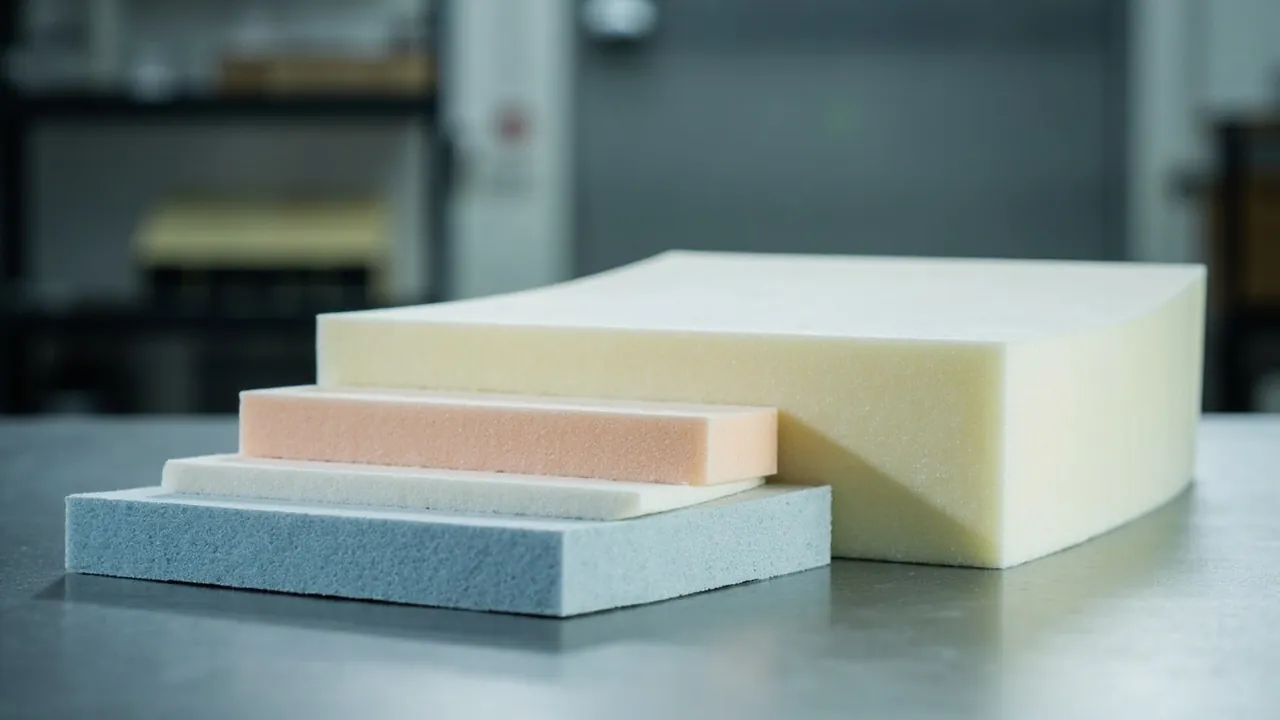
What Foam Should a Protective Case Insert Use? EVA vs EPE vs XPE vs PU Compared
There is no single best insert material, only one matching the protection objective. This comparison covers cell structure, density, compression set and resilience of EVA, EPE, XPE and PU, with a selection decision path, cushioning design and processing effects.
Read Article →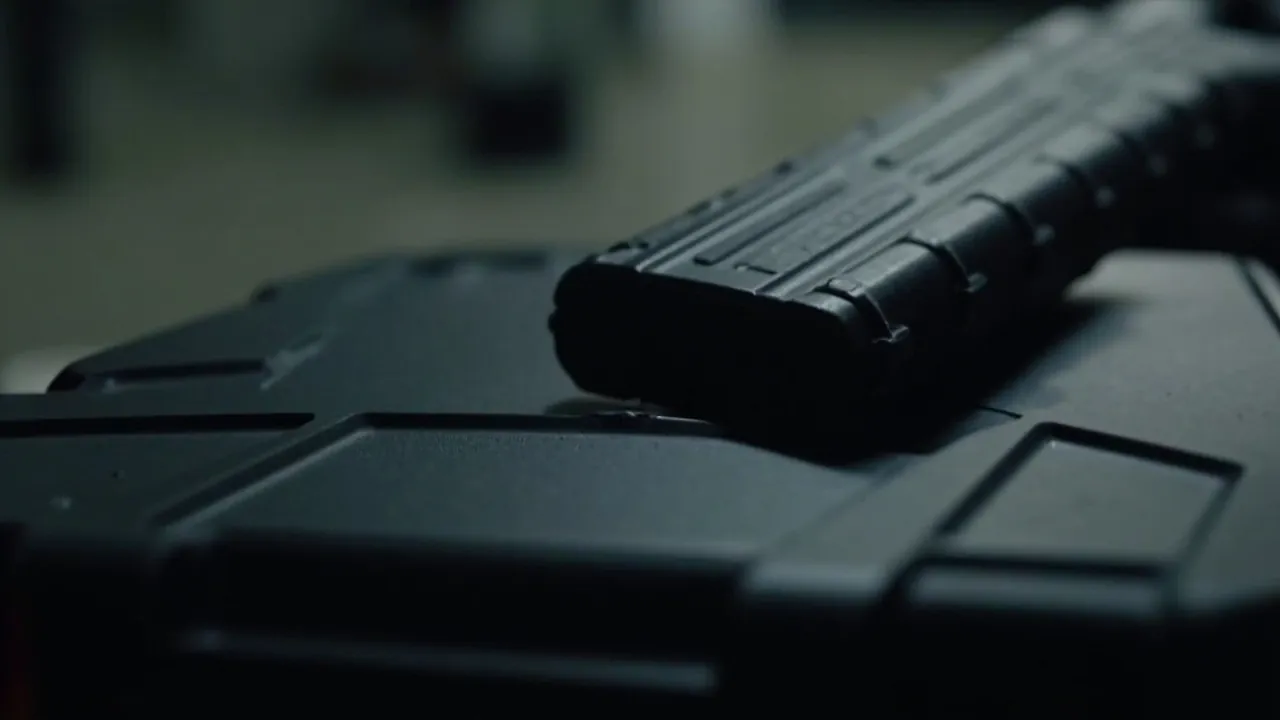
How Should a Protective Case Handle Be Designed? Ergonomics and Load Test Standards
A handle is a safety part, not decoration. This guide gives empirical grip geometry, the biomechanics of one-handed versus two-handed carrying, stress concentration countermeasures at the root, static and dynamic safety factors, drop and cold failure modes, and citable load test standards.
Read Article →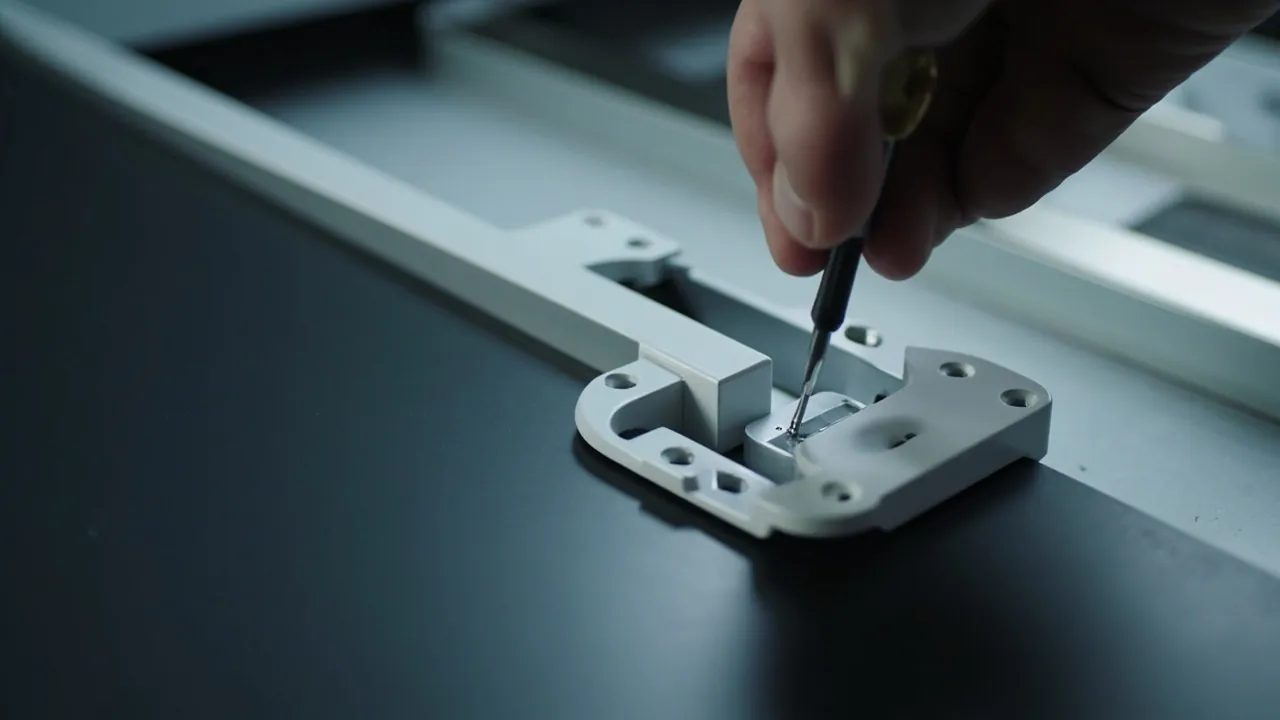
Can Case Hinges Be Replaced? Selecting and Swapping Long-Life Hinges
Living hinges moulded into the shell cannot be replaced on their own, while pin-type, screw-fixed and rivet-fixed hinges can. Covers three field identification checks, four selection rules for cycle life, lid load and environment, a six-step replacement procedure and four verification checks.
Read Article →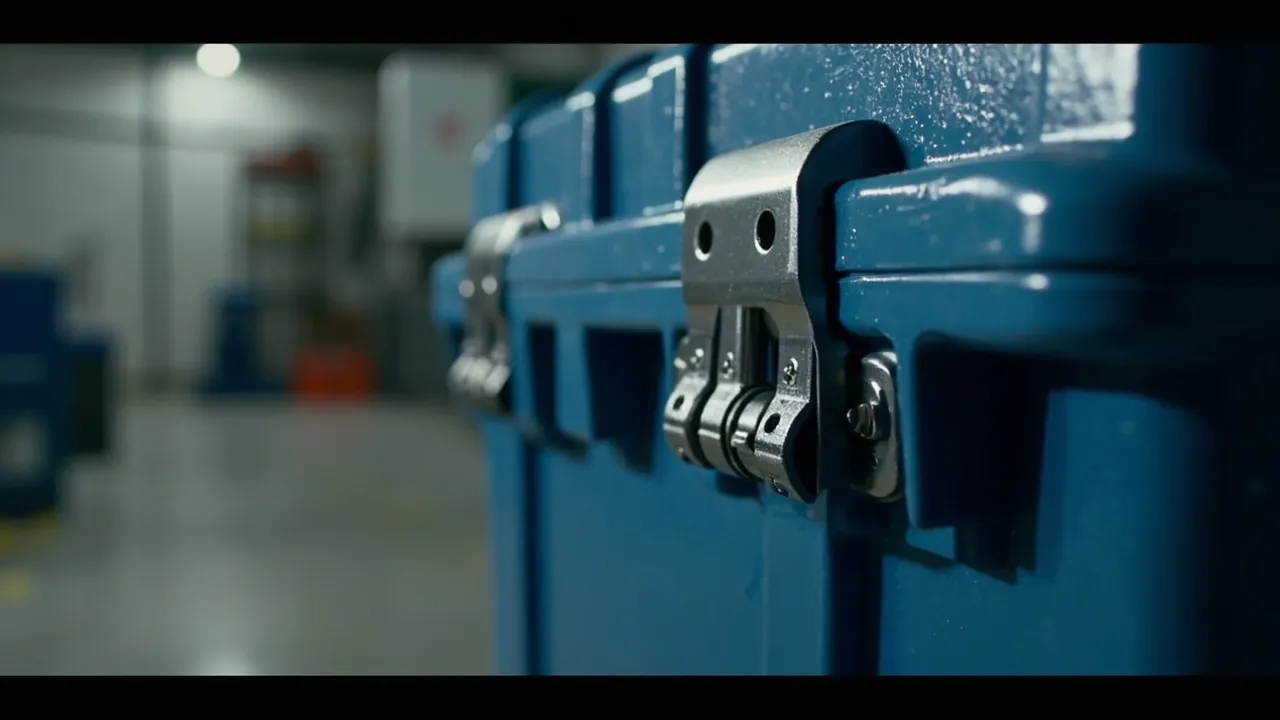
Can Protective Case Locks Be Customized? Combination Locks, Padlock Holes and Anti-Theft Design
Locks can be customized, but first separate anti-opening from security needs. This guide breaks case locking into four tiers, explains how openings affect IP67 sealing, defines three anti-theft levels, compares lock materials and corrosion resistance, and gives an enquiry checklist.
Read Article →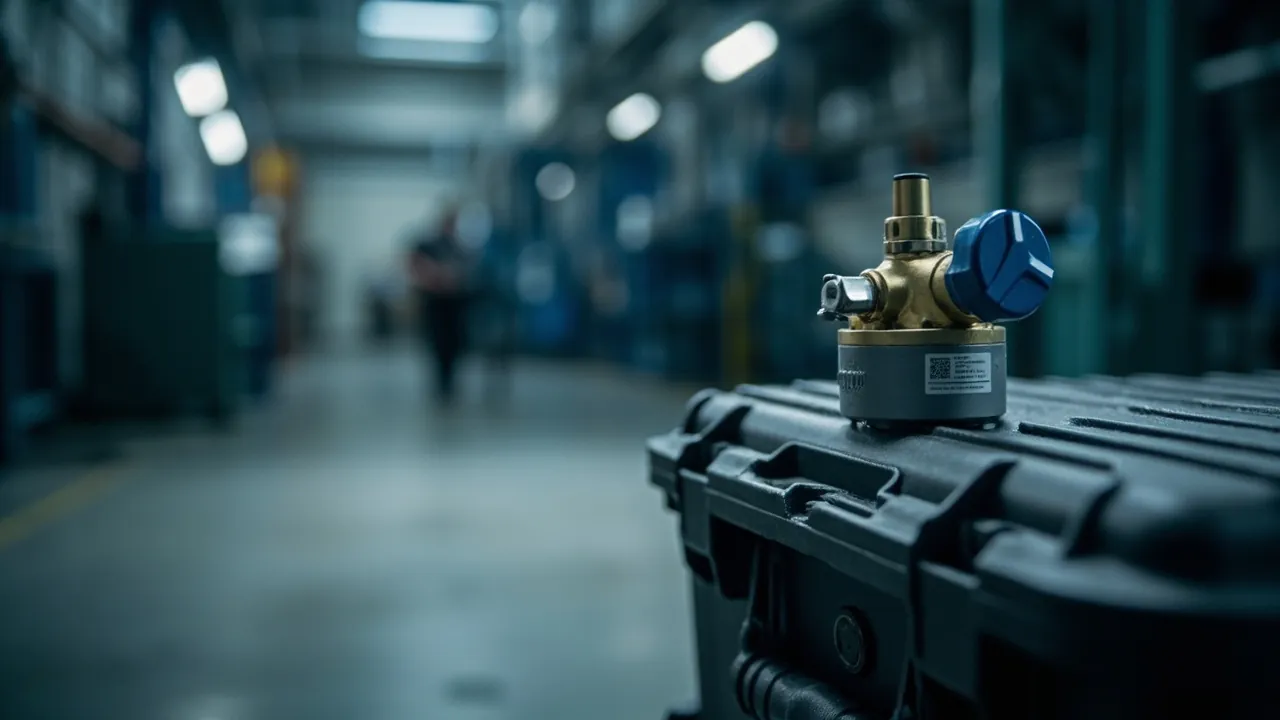
How to Choose a Pressure Equalization Valve for a Protective Case: Breathable Membrane Specifications
A valve balances differential pressure; it is not a vent. This guide explains ePTFE membrane selective permeation and the five parameter groups: air flow, water entry pressure, dust blocking, temperature and chemical compatibility, and mounting seal, with membrane comparison, joint IP verification and failure troubleshooting.
Read Article →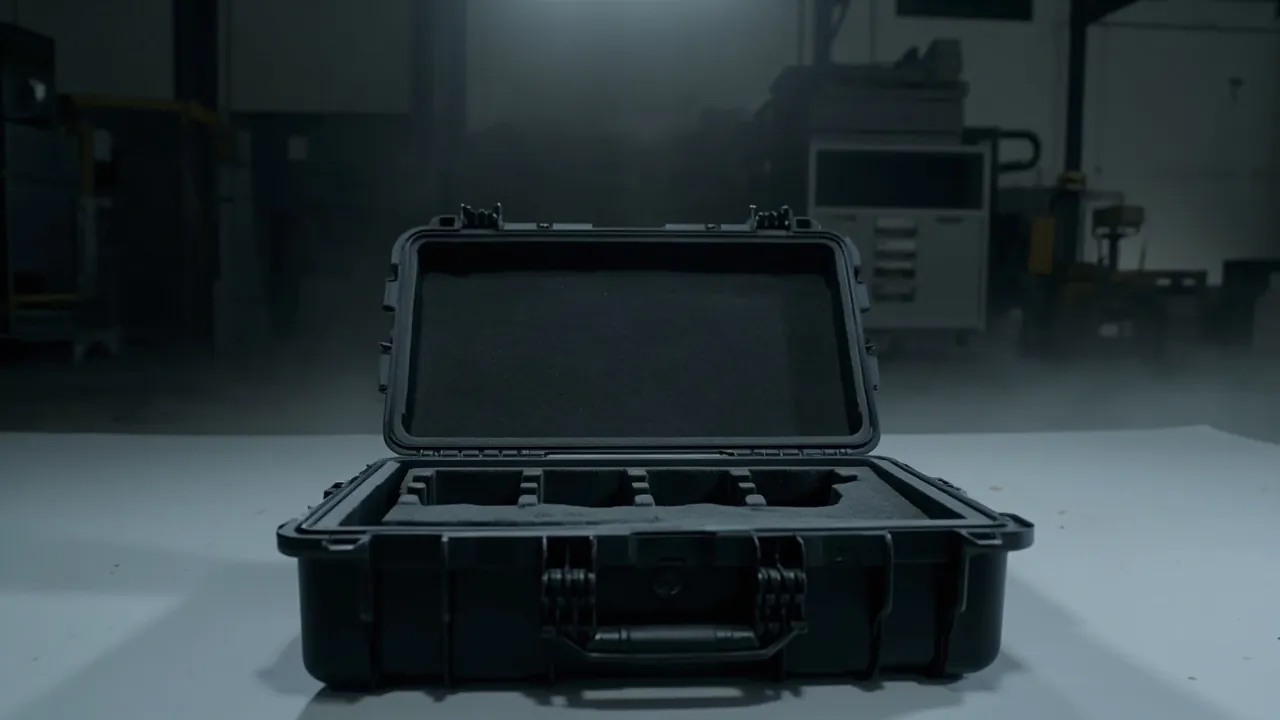
Can You Add Dividers to a Protective Case? Designing a Removable Divider System
Dividers can be added to a protective case within three limits: no disturbance to the lid seal, no loss of stacking strength, and stable internal dimensions after assembly cycles. Covers four routes, slot pitch and tolerance matching, five retention methods, material choices, retrofit paths and cycle-life verification.
Read Article →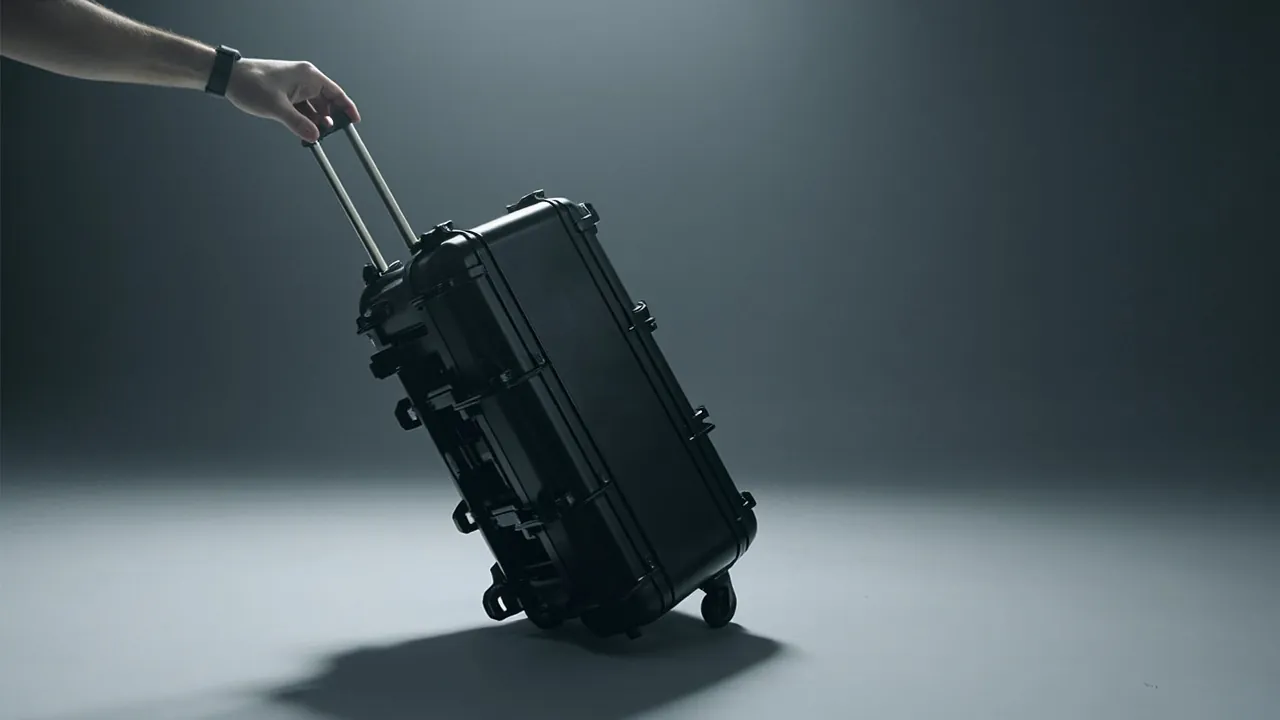
Can a Protective Case Be Fitted with Wheels? Matching Trolley Handle and Castor Load Capacity
Wheels are possible but must pass three gates: load matching, interface strength and stability. This guide covers castor types, wheel diameter, per-wheel load and dynamic factor, handle structure, interface reinforcement and stability, with a verification checklist.
Read Article →
How to Set Acceptance Criteria for Custom Protective Cases: AQL Sampling and Factory Inspection
Acceptance criteria equal defect classification plus an AQL sampling plan plus a test item list. Includes critical/major/minor judgement bases, a GB/T 2828.1 and ANSI/ASQ Z1.4 sampling table, sealing and IP verification methods, routine versus type testing, change-triggered retest rules and an inspection record set.
Read Article →