

Boxknow
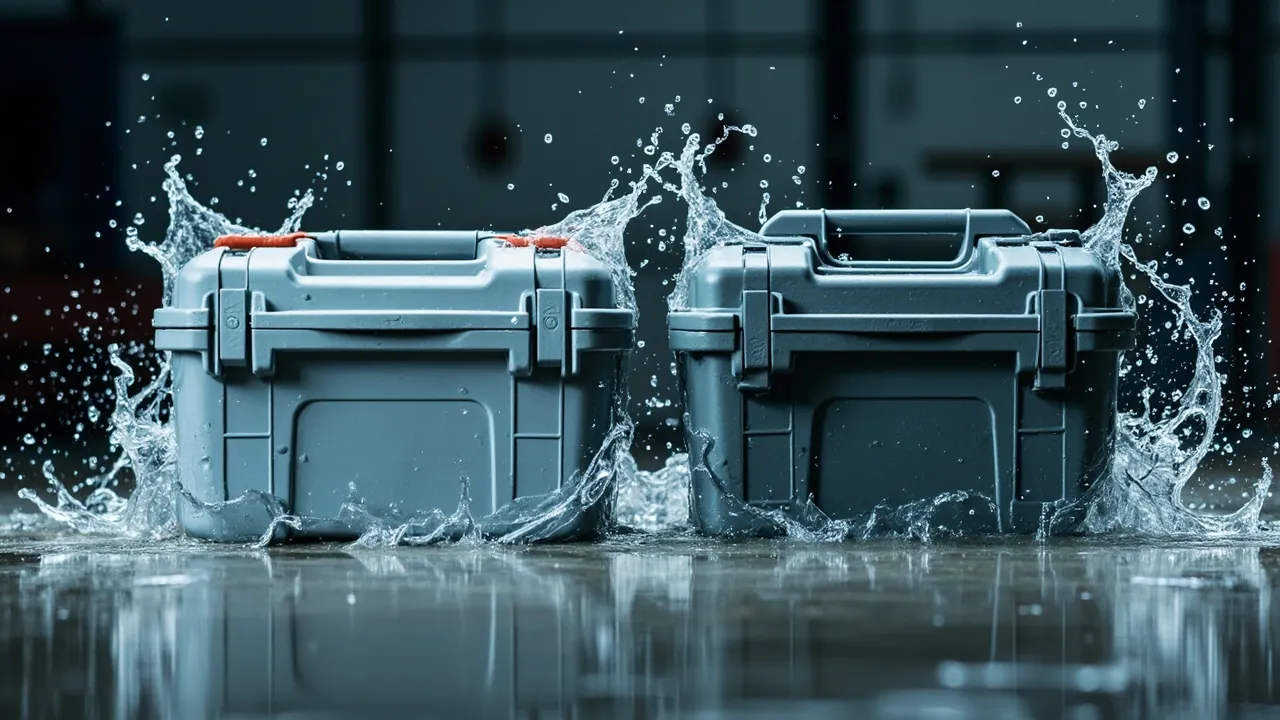
How to Read IP Ratings on a Toolbox: What IP54 and IP65 Actually Mean for Tool Storage
IP54 resists splashing and allows limited dust; IP65 resists jets and is dust-tight. Test conditions under IEC 60529 and GB/T 4208, five duties that need IP65, cost breakdown, IK and UL94 gaps, labelling traps and three inspection tiers.
Read Article →
Four Core Parameters for Choosing a Toolbox: Durability, Portability, Function and Materials
Only four parameters really matter: durability, portability, function, and materials and process. Learn the three levels of durability, ergonomic carrying limits, the hidden cost of complexity, a trade-off matrix, a hundred-point scoring sheet and priority rankings for five user types.
Read Article →
Plastic or Metal Toolbox Shell? Trading Electrical Insulation Against Impact Resistance
Plastic or metal toolbox shell? A ten-dimension comparison covering volume resistivity, IK impact ratings, specific strength, corrosion, HDT and cold embrittlement, IP sealing, ESD, tooling cost and TCO, with a selection matrix and purchase clauses.
Read Article →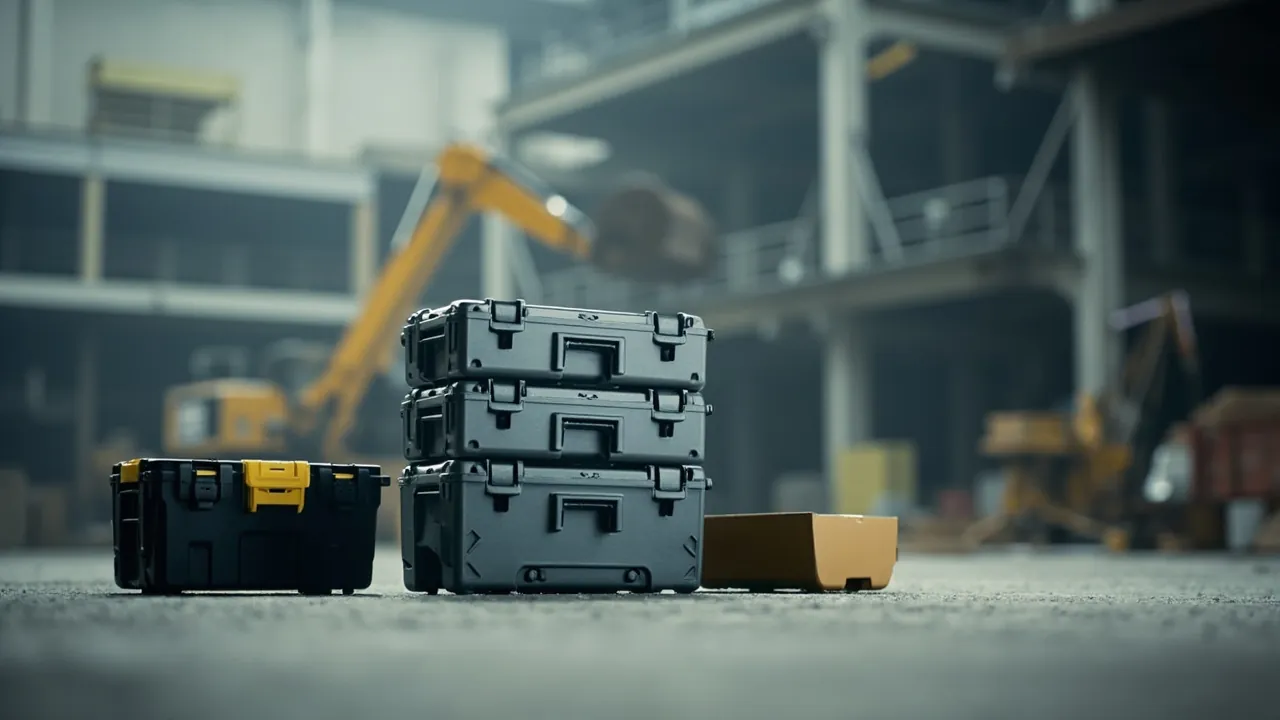
What Is Stackable Toolbox Design Actually For? From Construction Sites to Campsites
Stackable design solves space efficiency, carrying efficiency and management visibility. Compare self-stacking, rail systems and frame mounting, understand interlock mechanics, stacking strength calculation, height limits, transport restraint and how stacking affects IP ratings.
Read Article →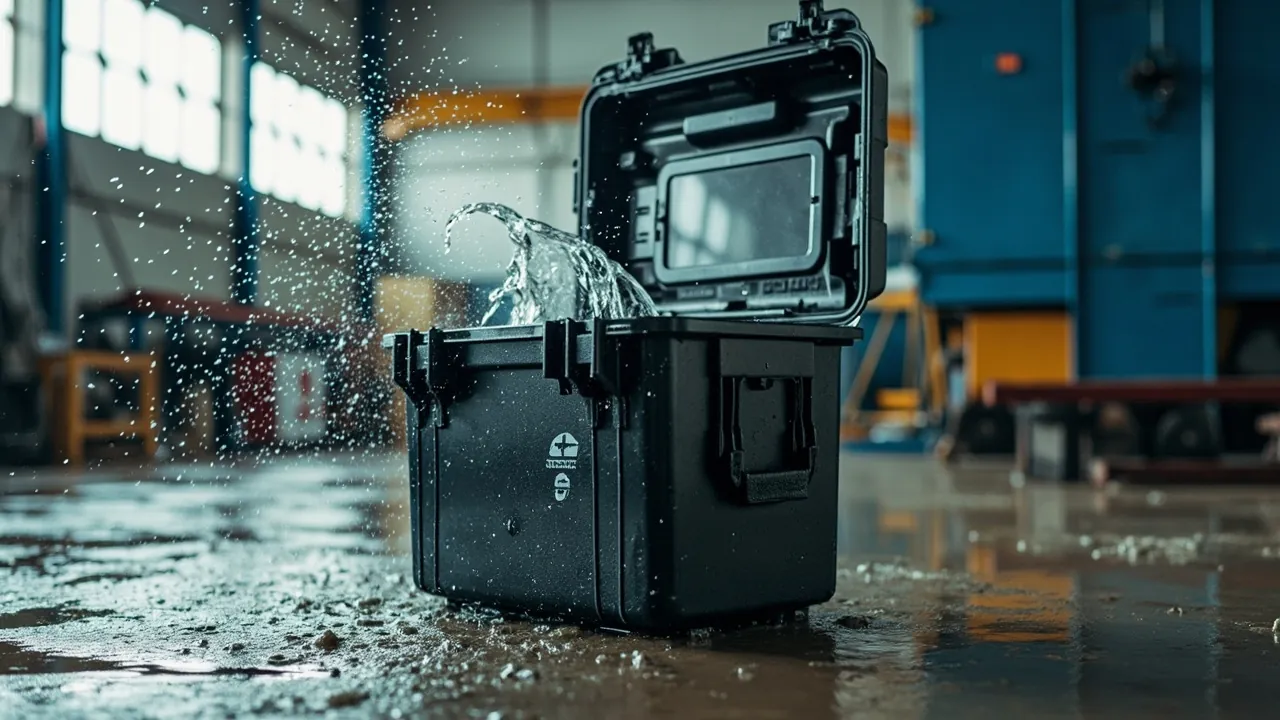
Are Waterproof Toolboxes Really Waterproof? A Field Test Method for IP65 Cases and How to Specify Them
A practical guide to IP65 toolboxes: what IEC 60529 and GB/T 4208 really cover, a repeatable spray test you can run on delivery, gasket material comparison, five leak paths and a procurement evidence checklist.
Read Article →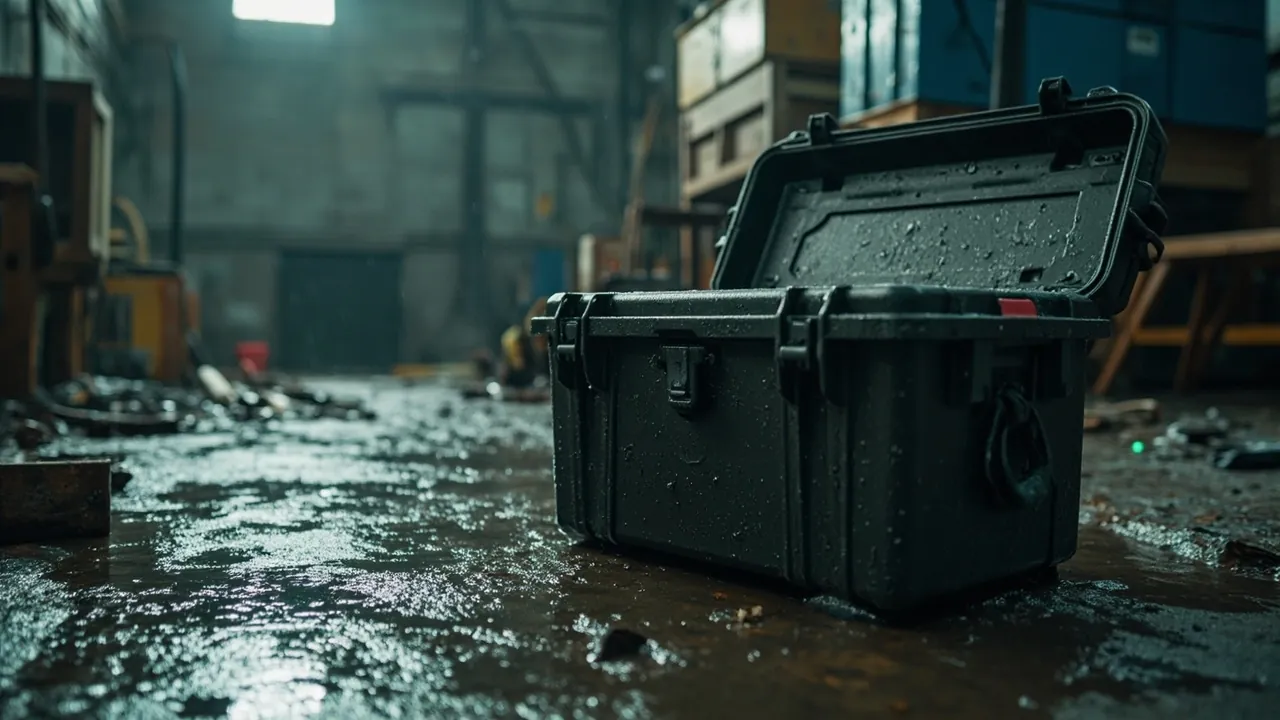
Can a Waterproof Toolbox Be Used Outdoors in the Rain? What Field Experience Actually Shows
Yes, a waterproof toolbox works in the rain - given four conditions. How IPX3 to IPX7 map onto real rainfall under IEC 60529 and GB/T 4208, controlling the open-lid risk window, a seven-step routine and spray inspection.
Read Article →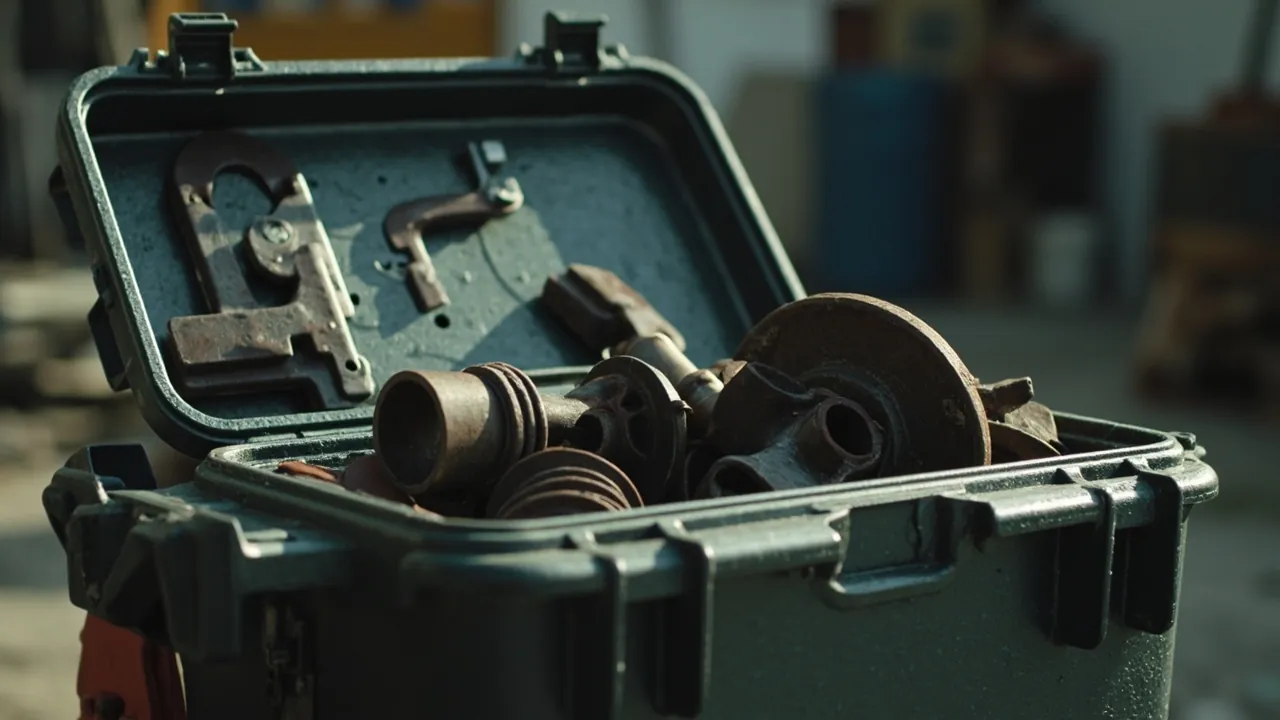
Why a Waterproof Toolbox Is the Right Choice for Outdoor Storage: Hard Protection Against Rust and Moisture for Your Hardware
How a waterproof toolbox protects hardware outdoors: corrosion mechanism, breathing effect and condensation, ISO 9227 material selection, EVA and EPE interiors, desiccant sizing, quarterly checks and procurement clauses.
Read Article →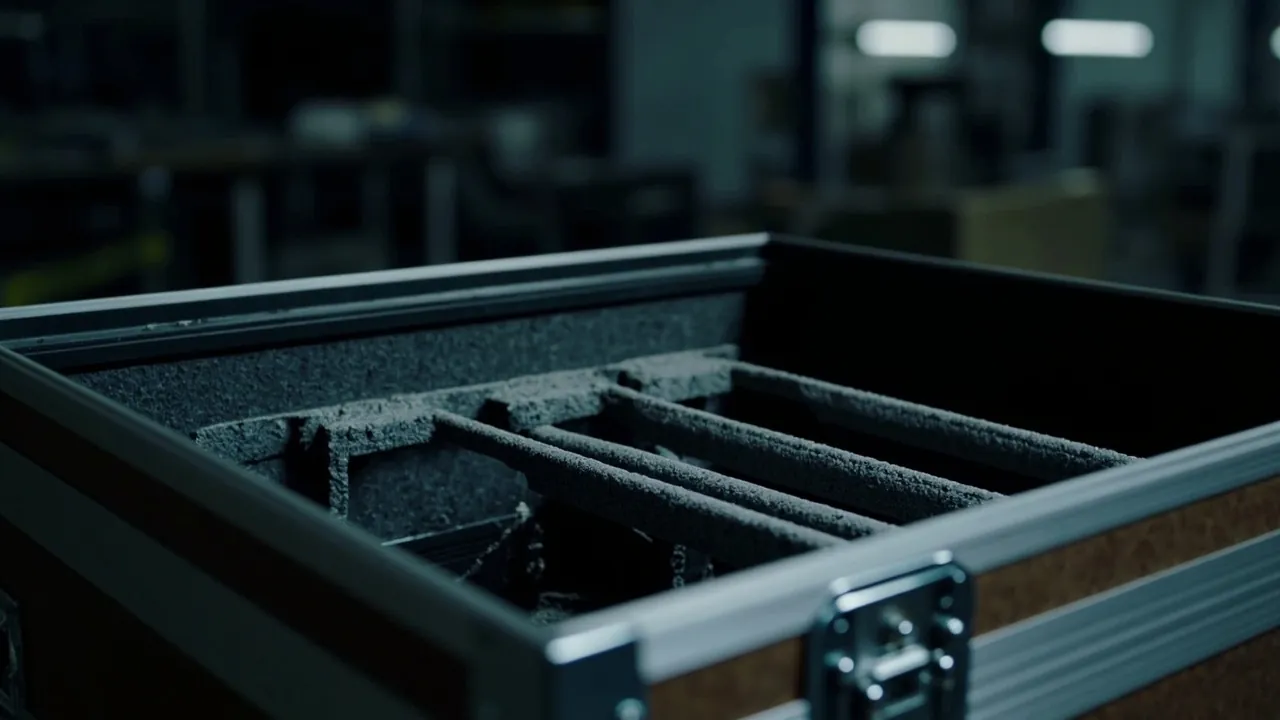
How Many Rounds Fit in a 50 Cal Ammo Box? Capacity Math for 9mm and 5.56mm Specification Cases
Capacity equals effective volume times space utilisation divided by unit packaged volume. Ranges for 9mm and 5.56mm specifications in 5-12 L cases, utilisation for four arrangement patterns, lining reduction rules, a bead-filling measurement method, a lookup table for enquiries and a weight check.
Read Article →
Can an Ammo Box Be Used as an Outdoor Storage Box? Five Practical Civilian Uses of a Rugged Case
A practical guide to using rugged cases as outdoor storage: five civilian scenarios, material and IP rating selection tables, sealing and liner choices, a pitfall checklist, and OEM/ODM procurement clauses.
Read Article →
Are Military Ammo Boxes Worth Collecting? The Cultural Shift from Field Container to Civilian Artifact
Collectible value multiplies scarcity, condition, narrative, and completeness. A six-level condition scale, how to read markings and date a piece, six types of fakes, preservation principles, the civilian reuse path, and a value assessment table.
Read Article →
How to Customize Foam Inserts for an Ammo Box? Different Protection Needs for Precision Instruments and Ammunition
An insert is a secondary structure outside the shell. Failure mechanisms of precision instruments versus stored goods, six foam families compared, the four key properties, layered structures, CNC versus molding, drop and vibration verification, and B2B customization.
Read Article →
What Waterproof Rating Do Ammo Boxes Have? Military vs Civil Standards Explained
Civil protective cases are graded with IP codes under IEC 60529 and GB/T 4208-2017, commonly IP67, while military cases are validated against MIL-STD-810H Method 506 rain rather than a single IP label. This article breaks down the IP code digit by digit, sealing structure, pressure valves, failure points and verification.
Read Article →